
Animals that begin with the letter R range from playful and curious mammals to striking birds, reptiles, amphibians, and even fish. These creatures come from all corners of the globe and inhabit diverse ecosystems—from dense forests and arid deserts to flowing rivers and coral reefs. Some are widely recognized, like the rabbit and raccoon, while others, like the rosy boa or red-legged frog, might surprise you with their uniqueness.
This list covers 30 common animals that start with R, offering a fascinating look at their size, diet, habitat, and special behaviors. Whether you’re learning, writing, or just curious, this collection provides a fun and informative way to explore wildlife from A to Z—starting here with the vibrant and varied letter R.
1. Rabbit
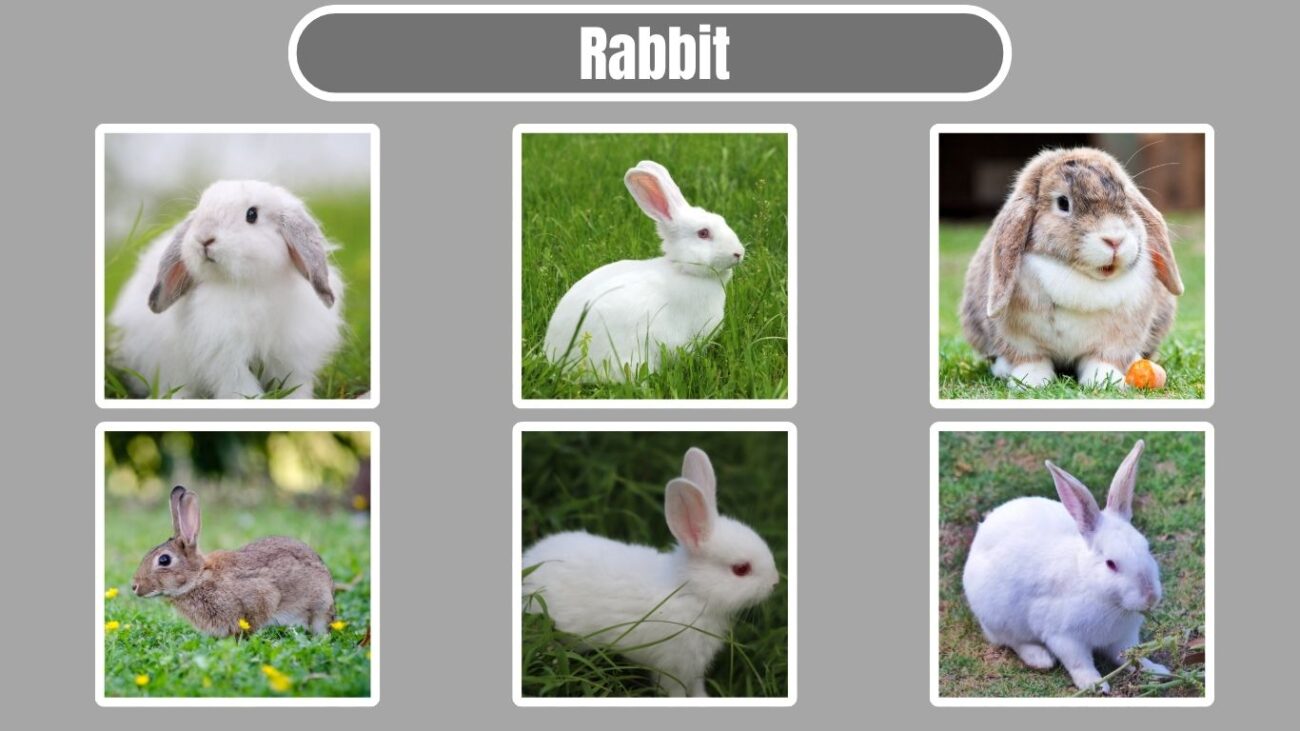
Rabbits are small, herbivorous mammals known for their long ears, strong hind legs, and short, fluffy tails. They are found on every continent except Antarctica, living in meadows, forests, deserts, and even suburban gardens. Domesticated rabbits are also popular pets.
Rabbits typically feed on grass, leaves, vegetables, and hay. They are fast and agile, capable of quick jumps to escape predators. Social by nature, rabbits live in warrens—complex burrow systems shared by a group.
They are also known for their rapid reproduction and gentle demeanor, making them both ecologically important and widely loved animals.
2. Raccoon
Raccoons are medium-sized, nocturnal mammals native to North America, instantly recognizable by their black “mask” facial markings and ringed tails. They measure about 16–28 inches (40–70 cm) long and weigh between 10–30 pounds (4.5–14 kg).
Highly intelligent and curious, raccoons are omnivores that eat fruit, insects, eggs, small animals, and human leftovers. They often live near water and are common in forests, urban areas, and suburbs.
Raccoons use their dexterous front paws to open containers and explore objects, making them infamous for raiding trash cans and campsites.
3. Rat
Rats are small rodents found worldwide, particularly in urban and rural human-inhabited areas. The most common species are the brown rat and the black rat. They typically measure 7–10 inches (18–25 cm) in body length, with equally long tails.
Rats are opportunistic omnivores, feeding on grains, garbage, insects, and anything edible they can find. Highly adaptable and fast-breeding, they thrive in many environments but are often considered pests due to their association with disease and crop damage.
Despite this, rats are intelligent animals and are commonly used in scientific research and kept as pets.
4. Rattlesnake
Rattlesnakes are venomous snakes found mainly in the Americas. They are known for the distinctive rattle at the end of their tails, which they shake to warn potential threats. Their size varies by species, ranging from 1 to 8 feet (30 cm to over 2 meters).
They inhabit deserts, grasslands, and forests, and are especially common in the southwestern United States. Rattlesnakes use heat-sensing pits to detect prey like rodents and birds, which they immobilize with a venomous bite.
While dangerous, rattlesnakes are shy and usually avoid humans unless threatened.
5. Red Fox
The Red Fox is the most widespread and well-known species of fox, found across North America, Europe, Asia, and parts of North Africa. It has a reddish-orange coat, white underbelly, bushy tail with a white tip, and black legs and ears.
Red foxes are omnivores and opportunistic feeders, eating small mammals, birds, insects, fruits, and human scraps. They are solitary and often active during dawn and dusk (crepuscular).
Adaptable to urban and rural settings, red foxes are known for their cunning behavior and quick reflexes. They play a key role in controlling rodent populations.
6. Red Panda
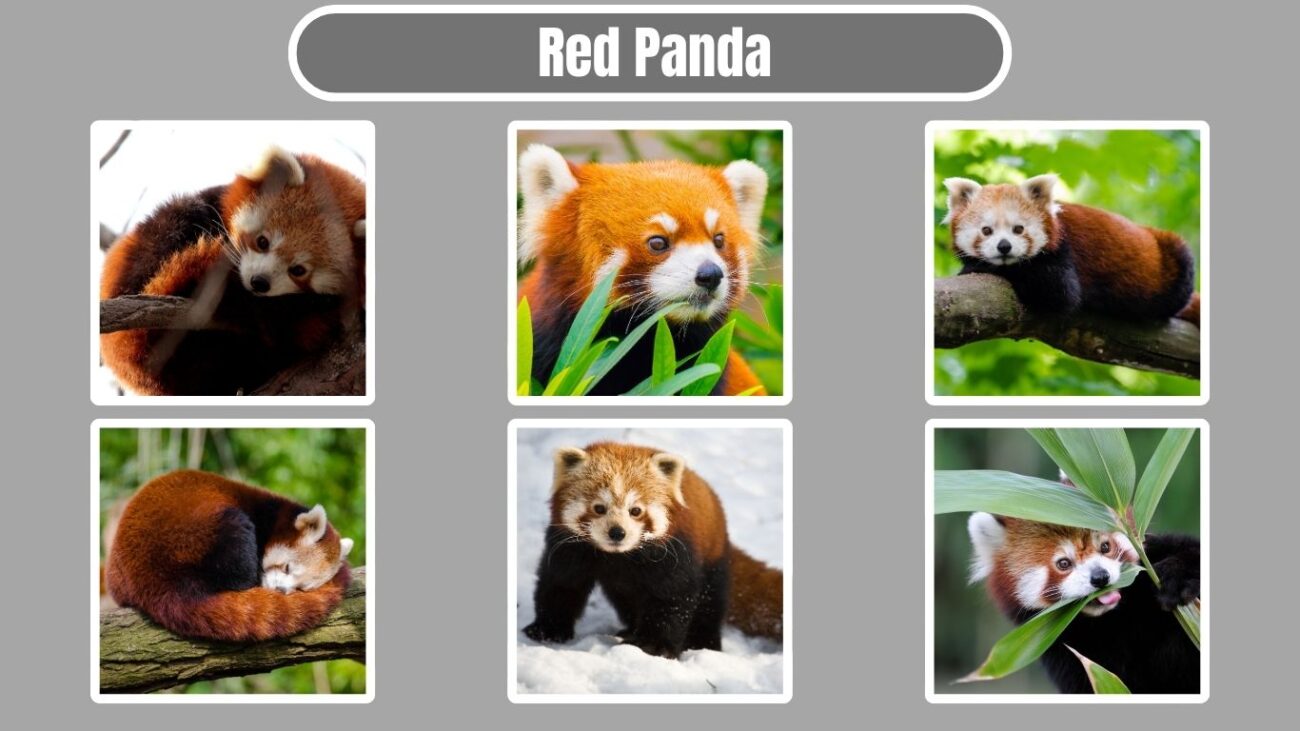
Red Pandas are small, tree-dwelling mammals native to the Himalayas and southwestern China. They are about the size of a house cat, with reddish-brown fur, a long bushy tail with rings, and a face resembling a raccoon’s.
Red pandas live in temperate forests and feed primarily on bamboo, but they also eat fruits, berries, bird eggs, and insects. They are solitary, shy animals, active mostly at night or during early morning hours.
Despite their name, red pandas are not closely related to giant pandas. They are a unique species and are classified as endangered due to habitat loss and fragmentation.
7. Reindeer
Reindeer, also known as caribou in North America, are large deer found in Arctic and subarctic regions of Europe, Asia, and North America. Both males and females grow antlers, which is rare among deer species.
They have thick, insulating fur and large hooves that help them walk on snow and dig for food like lichen and grasses. Reindeer are social and travel in herds, migrating long distances between summer and winter feeding grounds.
Domesticated in some regions, they are important to Indigenous cultures for transportation, meat, milk, and hides.
8. Robin
The Robin is a small songbird popular in both North America and Europe. The American robin has a bright orange-red breast and gray back, while the European robin is smaller with a round body and also a reddish-orange chest.
Robins are commonly seen hopping across lawns, especially in spring, looking for worms and insects. They also eat fruits and berries. They build cup-shaped nests and are often among the first birds to sing at dawn.
Robins symbolize renewal and are considered harbingers of spring in many cultures.
9. Rooster
A Rooster is a male chicken known for its loud crowing, colorful plumage, and dominant behavior. They have bright red combs and wattles, and long, arched tail feathers. Roosters can reach around 2.5 feet (76 cm) in height.
They play a protective role in a flock, often guarding hens and warning them of predators. Roosters are omnivores, eating grains, insects, and small invertebrates.
Their iconic morning crow is used to mark territory and assert dominance. While not essential for egg production, roosters are needed for fertilized eggs.
10. Roadrunner
Roadrunners are fast-running birds found in deserts and arid regions of the southwestern United States and Mexico. They are part of the cuckoo family and known for their speed—capable of running up to 20 mph (32 km/h).
Roadrunners are about 20 inches (50 cm) long with streaked brown feathers, a long tail, and a prominent crest. They can fly short distances but prefer sprinting on the ground.
They are omnivores, feeding on insects, small reptiles, rodents, and fruits. Roadrunners are also famous in pop culture thanks to the “Looney Tunes” cartoon character.
11. River Otter
River Otters are playful, semi-aquatic mammals found near rivers, lakes, and wetlands throughout North America. They have sleek, brown fur, webbed feet for swimming, and long, muscular bodies measuring up to 4 feet (1.2 meters) including the tail.
They are carnivorous and primarily eat fish, but also consume amphibians, crustaceans, and small mammals. River otters are excellent swimmers and can hold their breath for several minutes underwater.
They are social animals often seen sliding down muddy banks or playing in the water. River otters are important indicators of healthy aquatic ecosystems.
12. Rhinoceros
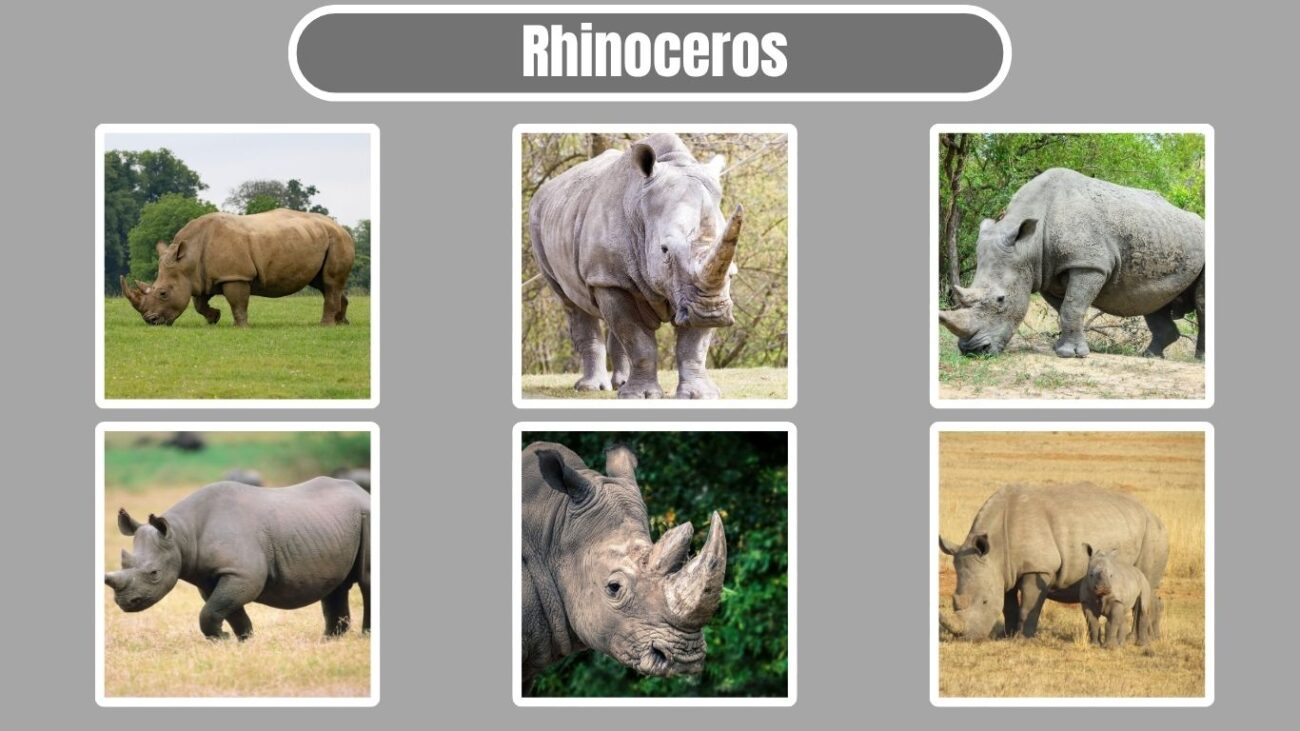
Rhinoceroses, or rhinos, are large, thick-skinned herbivores known for their one or two horns on the snout. There are five species, mainly found in Africa and Asia. They can weigh between 1,800 to 5,000 pounds (800–2,300 kg), depending on the species.
Despite their bulky build, rhinos can run up to 30 mph (48 km/h). They eat grasses, leaves, and shrubs. Rhinos have poor eyesight but strong senses of smell and hearing.
They are critically endangered due to poaching for their horns and habitat loss, with major conservation efforts underway to protect them.
13. Ragdoll (Cat Breed)
Ragdolls are a large, affectionate breed of domestic cat known for their silky fur, blue eyes, and gentle temperament. They were developed in the 1960s and are named for their tendency to go limp when picked up.
They typically weigh 10–20 pounds (4.5–9 kg) and have semi-long fur with color-pointed patterns (darker color on the ears, face, paws, and tail). Ragdolls are known for being relaxed, sociable, and good with children and other pets.
They are indoor cats that thrive in calm environments and enjoy human companionship.
14. Rainbow Trout
Rainbow Trout are freshwater fish native to North America, recognized by the pinkish-red stripe along their sides and speckled bodies. They typically grow to 20–30 inches (50–76 cm) and weigh 2–8 pounds (0.9–3.6 kg), though larger individuals are not uncommon.
They live in cool, clear rivers, lakes, and streams, feeding on insects, crustaceans, and small fish. Rainbow trout are highly valued in sport fishing due to their fight and beauty.
They are also raised in fish farms and widely introduced in waters worldwide, sometimes impacting native species.
15. Red-Eared Slider (Turtle)
The Red-Eared Slider is one of the most popular pet turtles in the world. Native to the southeastern United States, it is easily identified by the red stripe behind each eye. Adults can grow 5–12 inches (13–30 cm) in shell length.
They inhabit ponds, lakes, slow-moving rivers, and marshes, basking on rocks or logs. Sliders are omnivores, eating aquatic plants, insects, fish, and commercial turtle food.
Red-eared sliders are hardy and long-lived, often exceeding 20 years in captivity. However, when released into the wild, they can become invasive and threaten native turtle populations.
16. Red Kangaroo
The Red Kangaroo is the largest marsupial in the world, native to the arid and semi-arid interior of Australia. Males can grow up to 6 feet (1.8 meters) tall and weigh around 200 pounds (90 kg), with reddish-brown fur, while females are smaller and often bluish-gray.
They move using powerful hind legs in a hopping motion and can reach speeds up to 35 mph (56 km/h). Their long tails provide balance, and their strong legs allow them to leap over 25 feet (7.6 meters) in a single bound.
Red kangaroos are herbivores, feeding mainly on grasses and shrubs. They live in groups called mobs and are well-adapted to extreme heat and dry conditions.
17. Redback Spider
The Redback Spider is a venomous arachnid native to Australia, closely related to the black widow. Females are about the size of a large pea, black with a distinct red stripe on their back, while males are much smaller and less colorful.
They typically spin messy webs in sheltered areas such as sheds, mailboxes, and under outdoor furniture. Redbacks feed on insects and other small animals caught in their webs.
Their bite can cause serious symptoms in humans, including pain, sweating, and nausea, but antivenom is available and fatalities are rare.
18. Redtail Catfish
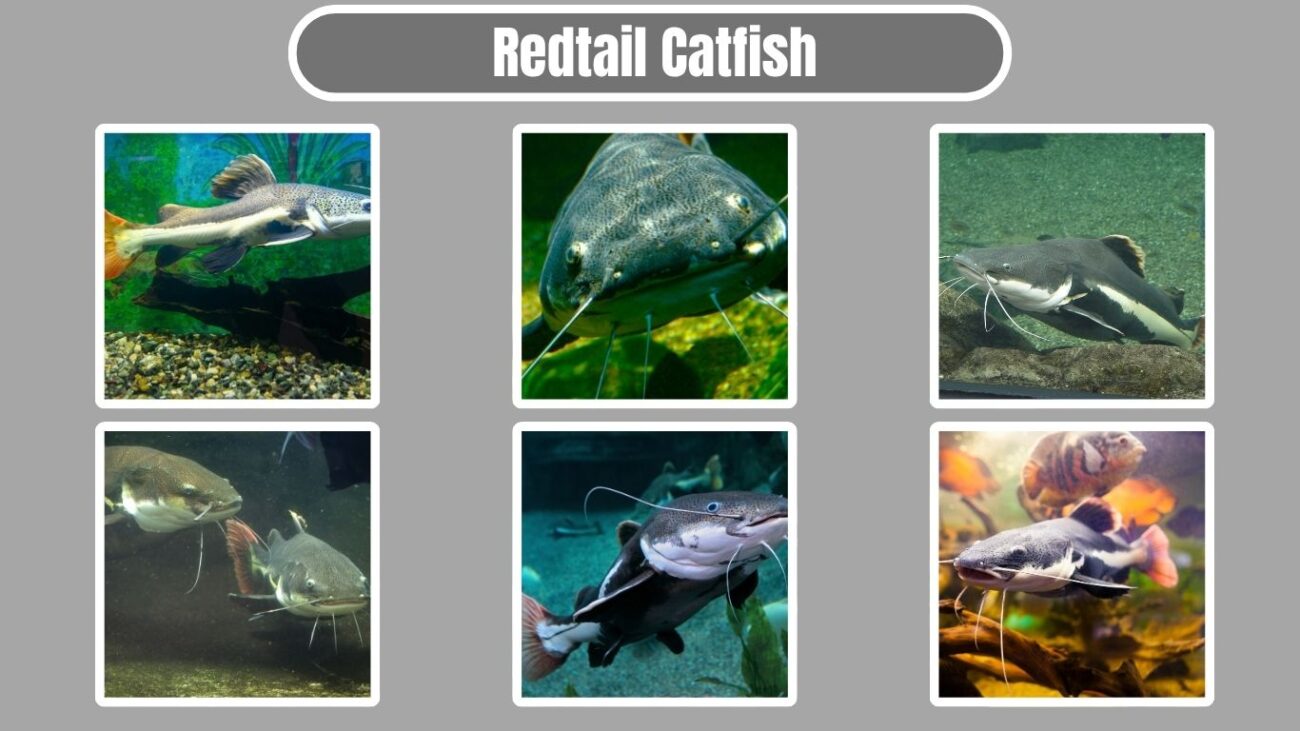
The Redtail Catfish is a large, freshwater fish native to the Amazon and Orinoco river basins in South America. It is named for its bright red tail, which contrasts with its dark gray or black body and white underside. These fish can grow over 4 feet (1.2 meters) long.
They are bottom-dwelling predators and scavengers, feeding on smaller fish, crustaceans, and plant material. In the aquarium trade, they are popular but often outgrow home tanks quickly.
Because of their size and appetite, redtail catfish are better suited for large public aquariums or spacious outdoor ponds.
19. Red-Winged Blackbird
The Red-Winged Blackbird is a striking songbird found throughout North America, often seen in wetlands, meadows, and along roadsides. Males are black with vivid red and yellow shoulder patches, while females are brown and streaked, resembling sparrows.
They feed on insects, seeds, and grains, often foraging in flocks. Their loud, trilling calls are a familiar sound in spring and summer.
Red-winged blackbirds are territorial during the breeding season, with males fiercely defending nesting areas. They are considered one of the most abundant native birds in North America.
20. Rockhopper Penguin
Rockhopper Penguins are small, crested penguins known for their spiky yellow and black feathers above the eyes and their energetic hopping over rocky terrain—hence the name. They live in sub-Antarctic regions on islands in the South Atlantic and Indian Oceans.
They are around 20 inches (50 cm) tall and weigh about 5.5 pounds (2.5 kg). Rockhoppers nest in colonies and feed on krill, squid, and small fish.
Unlike some other penguins, they are very active and aggressive in defending their nests. Despite their tough nature, rockhopper penguin populations are declining due to climate change and overfishing.
21. Ring-Tailed Lemur
The Ring-Tailed Lemur is one of the most recognizable lemur species, native to the island of Madagascar. It gets its name from its long, bushy tail with distinct black-and-white rings. Adults measure about 15 inches (38 cm) in body length, with tails nearly as long as their bodies.
These social primates live in troops and spend a lot of time on the ground compared to other lemurs. They are omnivorous, feeding mainly on fruit, leaves, flowers, and occasionally insects.
Ring-tailed lemurs are active during the day and use scent marking and vocalizations to communicate. They are considered endangered due to habitat loss and hunting.
22. Red Deer
The Red Deer is one of the largest deer species in the world, native to Europe, parts of Asia, and North Africa. Males (stags) can weigh up to 500 pounds (225 kg) and are known for their impressive branched antlers, which they shed and regrow each year.
They inhabit forests, grasslands, and mountains, often forming large herds. Red deer are herbivores, grazing on grasses, leaves, and shoots.
During the autumn rut (mating season), males engage in loud roaring and antler clashes to compete for females. They are important in both natural ecosystems and cultural traditions.
23. Rockfish
Rockfish are a diverse group of fish species found primarily in the Pacific Ocean, especially along the North American west coast. They are named for their preference for rocky habitats and reefs. Sizes vary widely, but many species grow 12–24 inches (30–60 cm) long.
They come in various colors like red, orange, yellow, or brown, often with mottled patterns for camouflage. Rockfish are carnivores, feeding on smaller fish, shrimp, and plankton.
Some species can live over 100 years. Because of their slow growth and late maturity, rockfish populations are sensitive to overfishing.
24. Rough Collie (Dog Breed)
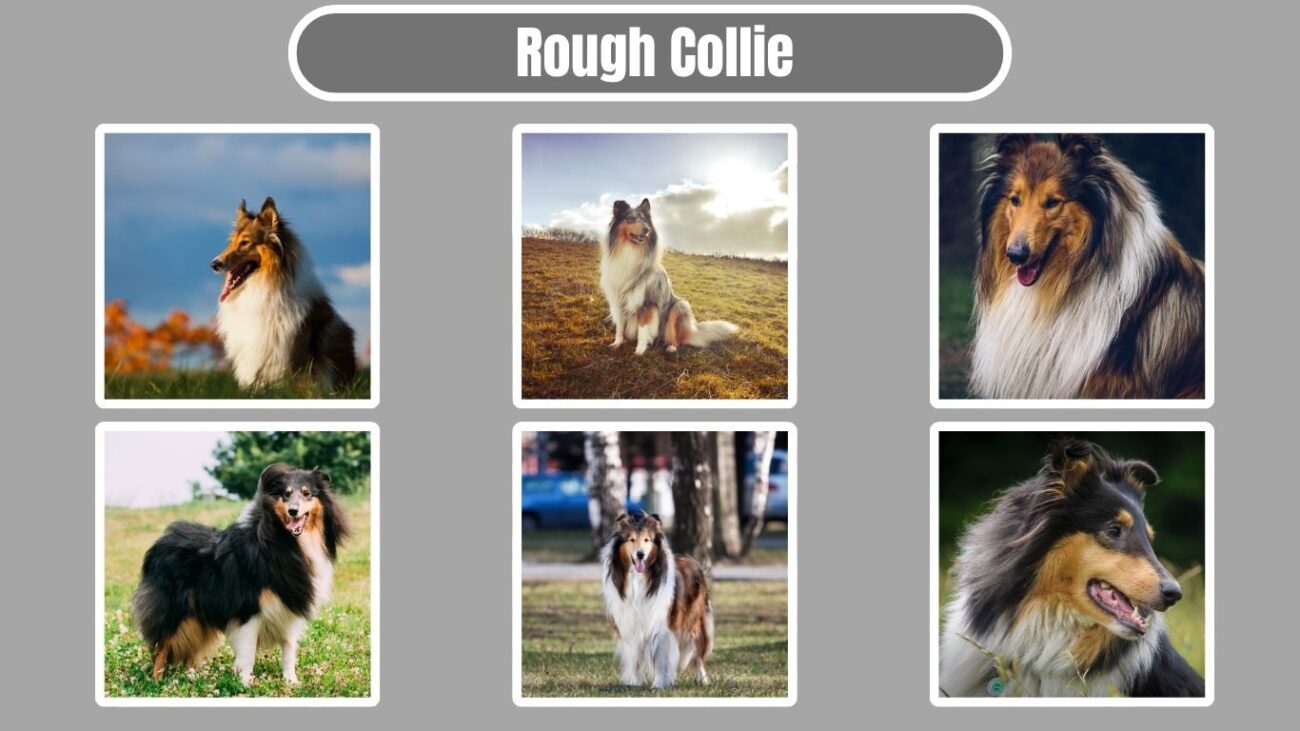
The Rough Collie is a herding dog breed best known as the star of the classic TV show Lassie. Originating from Scotland, it has a long, flowing double coat and a pointed snout with expressive almond-shaped eyes.
They are medium to large in size, weighing 50–75 pounds (23–34 kg), and are intelligent, loyal, and gentle—making them excellent family pets. Rough Collies are highly trainable and good with children and other animals.
They need regular grooming and exercise. Their strong herding instincts make them alert and protective, yet they are generally friendly and affectionate.
25. Red Squirrel
The Red Squirrel is a small tree-dwelling rodent found in parts of Europe and North America. It has reddish-brown fur, a white belly, and a fluffy tail. In colder climates, its ear tufts become longer in winter.
They measure around 7–9 inches (18–23 cm) in body length, plus a tail nearly as long. Red squirrels are highly active and feed on seeds, nuts, berries, and fungi, especially favoring conifer seeds.
They are territorial and often store food in hidden caches for winter. In some regions, they are threatened by the introduction of the larger gray squirrel.
26. Red-Legged Frog
The Red-Legged Frog is a medium-sized amphibian found along the Pacific coast of North America, especially in California. It’s known for its reddish coloring on the underside of its legs and belly, along with dark mottling on its back and sides.
Adults grow around 2 to 5 inches (5 to 13 cm) long. They inhabit freshwater ponds, streams, and marshes and prefer areas with dense vegetation. Their diet consists of insects, small crustaceans, and even smaller frogs.
This species is threatened due to habitat destruction, pollution, and invasive predators like bullfrogs. The California red-legged frog is a federally listed threatened species.
27. Red-Bellied Woodpecker
The Red-Bellied Woodpecker is a striking bird found across the eastern United States. Despite its name, the red on its belly is often faint, while the most visible feature is the bold red cap on the head of males and napes of females.
They measure about 9 inches (23 cm) long and have black-and-white barred backs. These birds are commonly found in forests, woodlands, and suburban areas.
They use their strong beaks to drill into trees in search of insects, but they also eat fruits, nuts, and seeds. Their loud “churr” calls and drumming sounds are often heard before they are seen.
28. Ribbon Eel
The Ribbon Eel is a colorful marine eel found in lagoons and coral reefs of the Indo-Pacific region. It is known for its long, ribbon-like body and vibrant coloration—juveniles are typically black with a yellow dorsal fin, while adults turn bright blue with yellow accents.
Ribbon eels grow up to 3.3 feet (1 meter) long and live in sandy or muddy seafloor burrows. They feed mainly on small fish and crustaceans by ambushing prey from their hiding spots.
Fascinatingly, all ribbon eels begin life as males and may later transform into females as they age.
29. Rosy Boa
The Rosy Boa is a small, non-venomous snake native to the southwestern United States and northwestern Mexico. It gets its name from the pinkish or rosy tint along its cream or gray body, which is marked with three longitudinal stripes—brown, orange, or rust-colored.
Adults typically reach 2–4 feet (60–120 cm) in length. Rosy boas prefer arid and rocky environments like deserts and scrublands. They are slow-moving and docile, feeding on rodents, birds, and lizards.
Because of their gentle nature and beautiful appearance, they are popular in the pet trade and are known to live over 20 years in captivity.
30. Ruddy Duck
The Ruddy Duck is a compact, freshwater diving duck found in North and Central America. Males in breeding season are known for their bright chestnut bodies, sky-blue bills, and stiff, upright tails. Females and non-breeding males are duller in color, usually brownish-gray.
They are small, measuring about 14–17 inches (36–43 cm), and prefer shallow lakes, ponds, and marshes. Ruddy ducks feed on aquatic insects, seeds, and plant material by diving and dabbling.
They are known for their elaborate courtship displays, which include bubbling sounds and tail-flicking. Though often overlooked, their bold coloration and behavior make them a unique member of wetland ecosystems.