
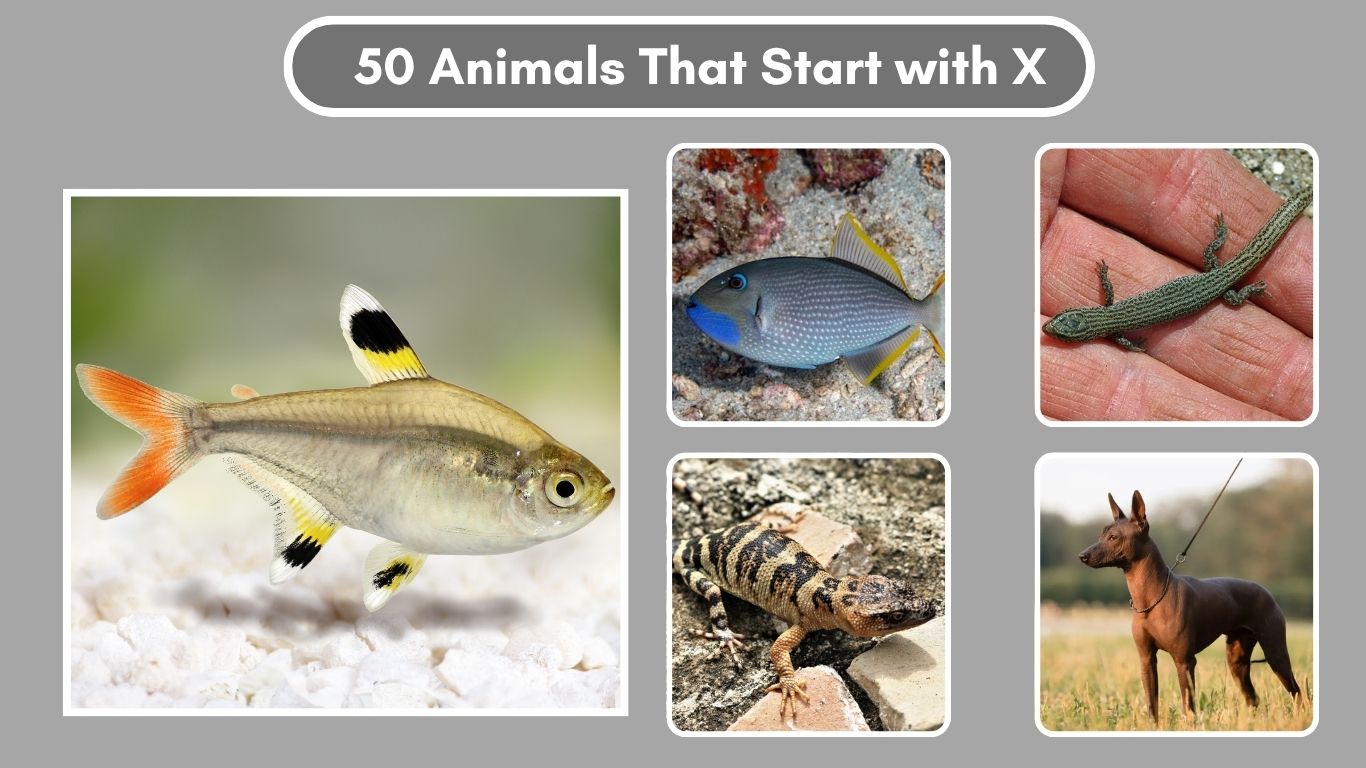
When it comes to animal names, the letter X is one of the rarest beginnings in the alphabet. Yet, hidden in forests, oceans, deserts, and even prehistoric records, there are dozens of species whose names start with this unusual letter. From the shimmering X-ray Tetra to the ancient Xiphosura (horseshoe crabs), these animals represent a wide range of life forms—from insects and reptiles to birds, fish, and even extinct giants.
In this article, you’ll discover 50 animals that start with the letter X, each with its own fascinating traits, habitat, diet, and role in the ecosystem. Whether you’re a wildlife lover, student, or trivia fan, this rare A–Z collection will expand your knowledge of the animal kingdom in unexpected ways.
1. X-ray Tetra
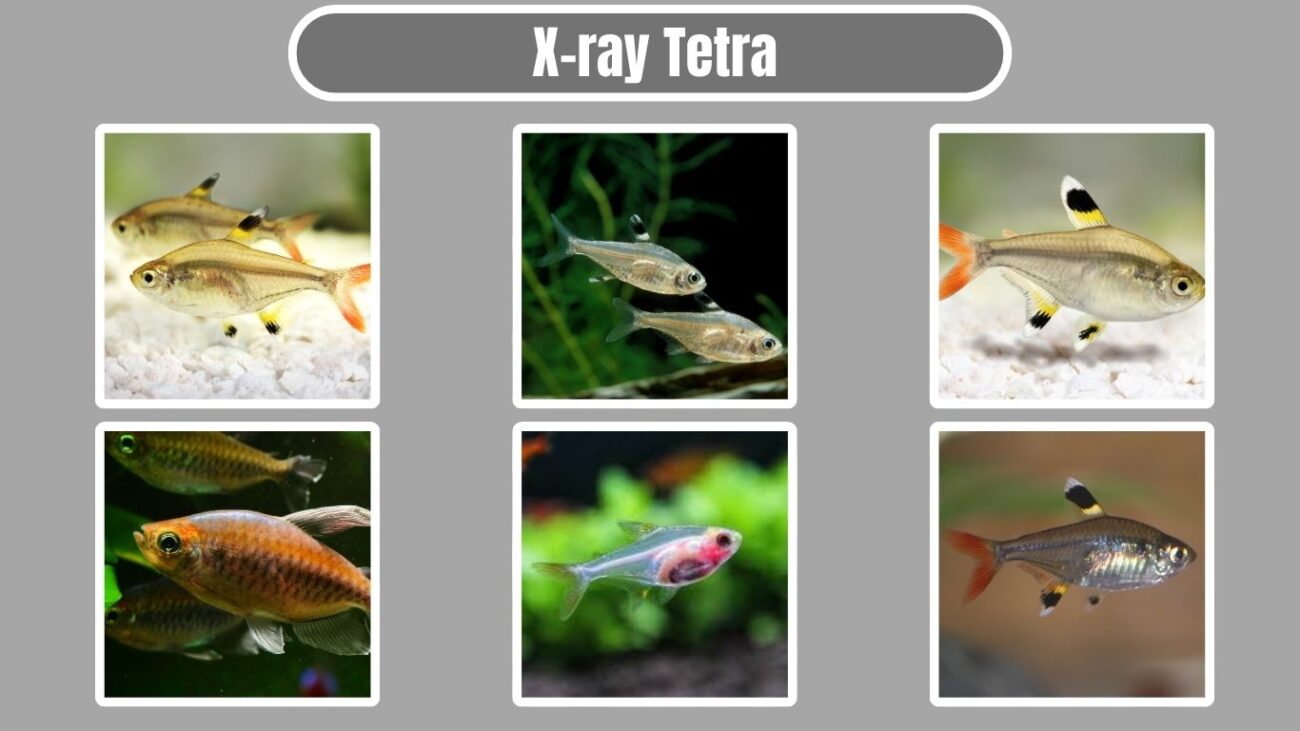
The X-ray Tetra is a small, translucent freshwater fish native to the Amazon Basin in South America. Its most distinctive feature is its nearly transparent body, which allows you to see its internal organs—hence the name “X-ray.” It grows up to 2 inches (about 5 cm) in length, making it a popular choice for home aquariums.
This fish has a silvery-yellow hue with faint red and black markings near its tail. It thrives in warm, slightly acidic waters with dense vegetation and slow currents. X-ray Tetras are peaceful and often swim in schools, making them ideal for community tanks.
In the wild and in captivity, their diet consists of small insects, crustaceans, and plant matter. They’re omnivores and adapt well to flake or pellet foods. Known for their calm temperament and shimmering appearance, X-ray Tetras are both beautiful and easy to care for.
2. Xenops
The Xenops is a small bird found in the tropical forests of Central and South America. It measures about 5 inches (13 cm) in length and is part of the ovenbird family. It has a brown back, pale underparts, and a bold stripe above the eye, with a slightly upturned bill perfect for foraging.
Xenops birds live in forest canopies and are often seen hopping along tree trunks or branches, searching for insects. They use their sharp beaks to pry into bark and leaf litter to find food like ants, beetles, and larvae.
These birds are known for their high-pitched, squeaky calls and their active, restless behavior. Though small, Xenops are important insect predators and contribute to maintaining ecological balance in their rainforest habitats.
3. Xerus
Xerus, also known as the African ground squirrel, is a burrowing rodent native to arid and semi-arid regions of Africa. It has a body length of about 10 inches (25 cm), not including its bushy tail, which adds another 7–8 inches (18–20 cm). Its fur is short and coarse, typically brown or gray with white stripes down the sides.
Xerus live in open grasslands and deserts where they dig complex burrows to stay cool and hide from predators. They are diurnal animals, often seen foraging during the day in small groups.
Their diet mainly consists of roots, seeds, fruits, and small insects. These social creatures use tail signals and vocal calls to communicate, and they rarely climb trees, preferring life on the ground.
4. Xenopus
Xenopus, commonly known as the African clawed frog, is a fully aquatic amphibian native to sub-Saharan Africa. These frogs can grow up to 5 inches (13 cm) and are recognizable by their smooth, slippery skin, olive or brown coloring, and clawed hind toes.
Xenopus lives in stagnant ponds, lakes, and slow-moving streams. Unlike most frogs, they spend their entire life in water and have no tongue or visible ears. They use their sensitive fingers and lateral lines to detect movement and vibrations.
These frogs are omnivorous, feeding on worms, insects, small fish, and even other amphibians. They’re also used in scientific research for genetics and developmental studies due to their regenerative abilities and ease of breeding in labs.
5. Xoloitzcuintli
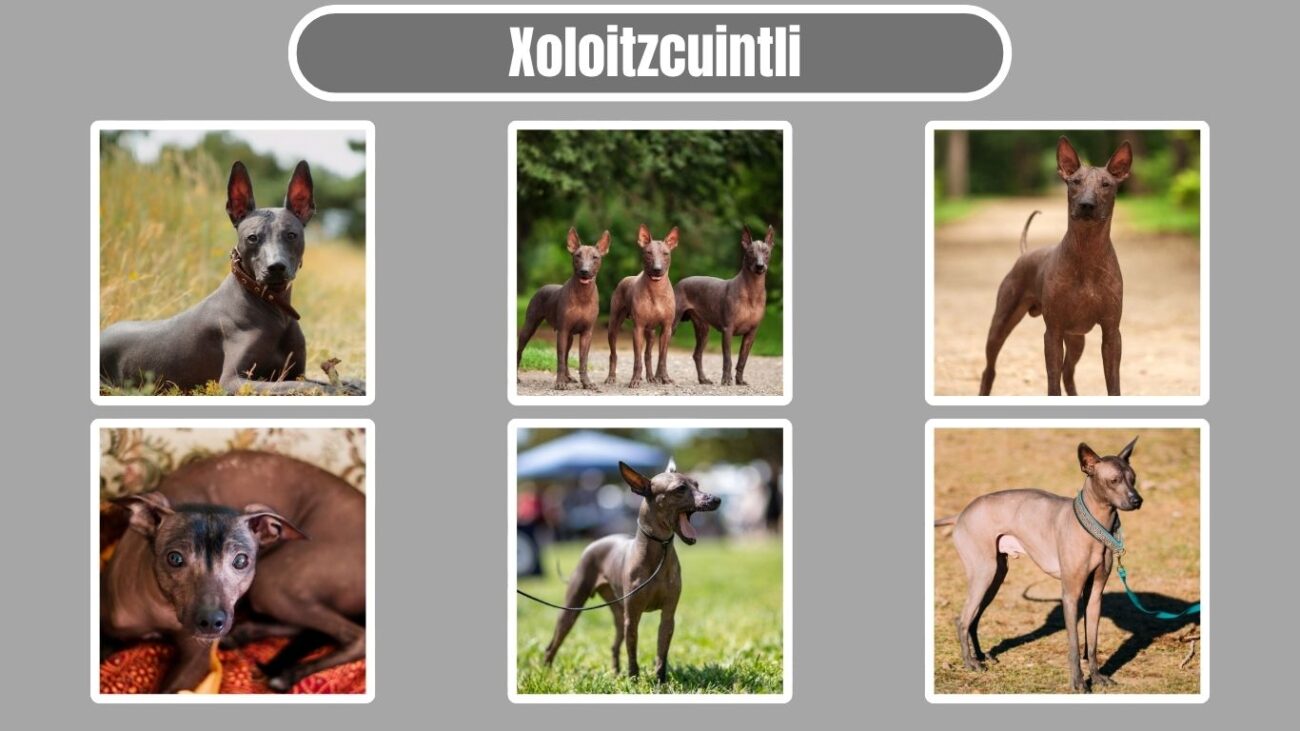
The Xoloitzcuintli, or Mexican Hairless Dog, is an ancient dog breed that dates back over 3,000 years. It comes in three sizes—toy, miniature, and standard—with the standard size reaching up to 23 inches (58 cm) tall. Most are hairless, with smooth, dark skin, though a coated variety also exists.
Xolos are known for their calm temperament, loyalty, and intelligence. Their hairless bodies make them hypoallergenic and easy to groom. They’re especially popular in warm climates but require sunscreen or clothing when exposed to the sun for long periods.
Historically revered by the Aztecs as sacred dogs, Xolos were believed to guide souls to the afterlife. Today, they make excellent companion pets and are recognized for their elegant, statuesque appearance.
6. Xantus’s Hummingbird
Xantus’s Hummingbird is a vibrant and rare bird native to the Baja California Peninsula in Mexico. It measures about 4 inches (10 cm) in length and has striking green plumage with a white eye stripe and a reddish-brown patch under its wing.
These hummingbirds prefer coastal scrublands, pine-oak woodlands, and gardens where nectar-rich flowers are abundant. They are fast, agile fliers and fiercely territorial when guarding feeding areas.
Their diet primarily consists of flower nectar, but they also catch tiny insects and spiders for protein. Xantus’s Hummingbirds are solitary by nature and only come together for mating. Their unique coloring and regional exclusivity make them a prized sighting among birdwatchers.
7. Xantus’s Murrelet
Xantus’s Murrelet is a small, black-and-white seabird found along the Pacific coast of Baja California and southern California. It grows up to 9 inches (23 cm) in length and weighs about 6 ounces (170 grams). Its plumage is dark on top and white below, with a slender black bill and bright eyes.
This bird nests on rocky islands, often in crevices or under vegetation, and is rarely seen on land outside of the breeding season. It is nocturnal at nesting sites to avoid predators and lays just one or two eggs at a time.
Xantus’s Murrelet feeds on small fish and planktonic crustaceans, diving underwater to catch its prey. It’s considered one of the most endangered seabirds in North America due to habitat loss and introduced predators.
8. Xalda Sheep
The Xalda Sheep is a rare, ancient breed native to the Asturias region in northern Spain. It’s a small sheep, typically weighing around 80 to 100 pounds (36 to 45 kg), with black or dark brown wool and a lean body structure. Both rams and ewes can have short horns or be polled.
Xalda Sheep thrive in mountainous and rugged terrain. They’re well adapted to harsh climates and are often raised in small flocks by traditional farmers. Their wool is coarse but strong and used in textiles.
These sheep are prized for their flavorful meat and historical value. Once near extinction, conservation efforts have helped their numbers grow, making them a symbol of Asturias’s cultural heritage.
9. Xingu Corydoras
The Xingu Corydoras is a peaceful, bottom-dwelling catfish species native to the Xingu River in Brazil. It grows to about 2.5 inches (6.5 cm) long and has a slender body with dark horizontal stripes and a light-colored belly.
This fish prefers warm, oxygen-rich riverbeds with sandy or soft substrates. In home aquariums, it enjoys planted tanks and does best in groups of five or more for social comfort.
Xingu Corydoras are omnivorous, feeding on detritus, insect larvae, and leftover food. They use their sensitive barbels to sift through the substrate. These hardy and friendly fish are popular in freshwater aquariums due to their active and peaceful behavior.
10. Xoloitzcuintle Dog (Alternative Spelling)
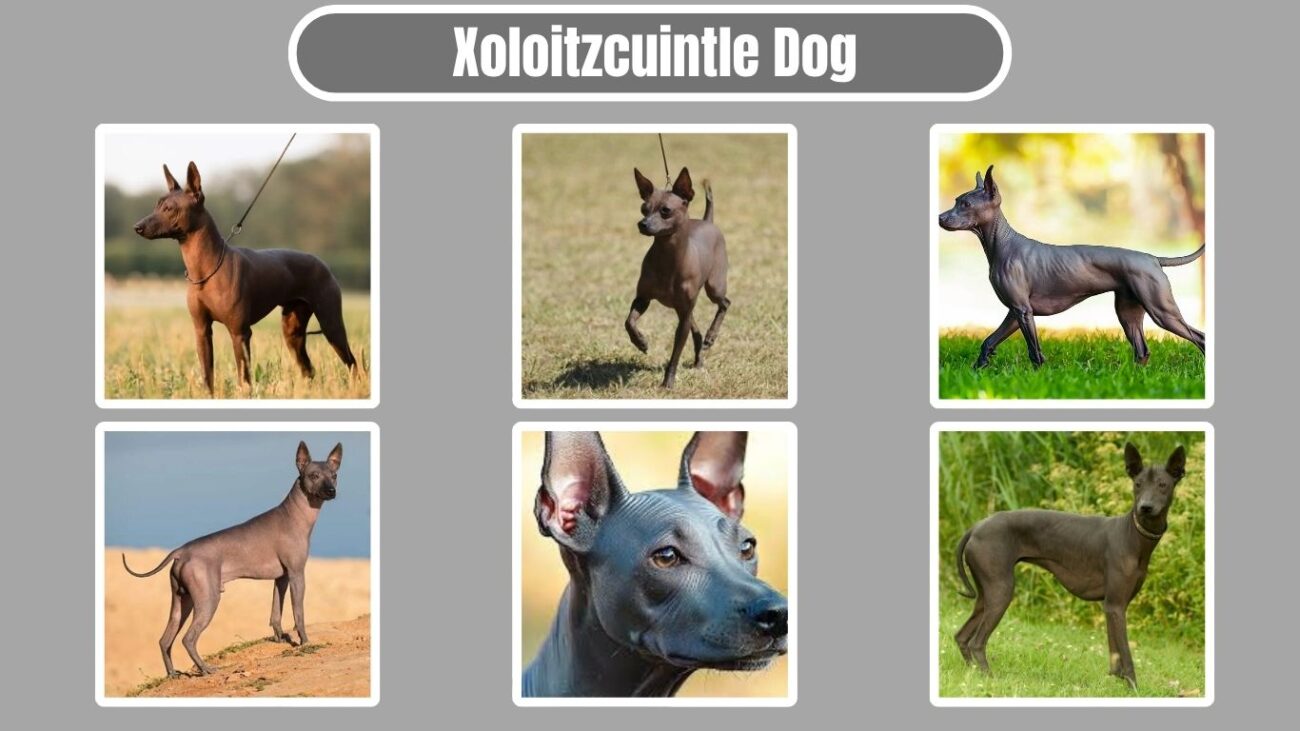
The Xoloitzcuintle, also spelled Xoloitzcuintli, is the same dog breed described earlier but often recognized under this alternate spelling. It remains one of the world’s oldest and rarest dog breeds, with origins in ancient Mesoamerican civilizations like the Aztecs and Maya.
Xolos are typically hairless, though a coated variety exists. Their skin ranges from dark gray to bronze and even pinkish hues. Despite their unique appearance, they are gentle, alert, and highly devoted to their families.
They’re considered hypoallergenic, intelligent, and relatively quiet dogs, often used as therapy animals. Their ancient heritage and striking looks continue to make them popular among dog enthusiasts and cultural historians alike.
11. Xantus Leaf-Toed Gecko
The Xantus Leaf-Toed Gecko is a small lizard native to the Baja California Peninsula in Mexico. It measures about 3 to 4 inches (7.5 to 10 cm) in length and has pale, mottled skin with large eyes and distinctive flattened toes that resemble leaves.
This gecko is nocturnal and often hides under rocks or debris during the day. It thrives in arid scrubland and desert regions, where it climbs low vegetation and rocky surfaces at night to hunt for insects.
Its diet includes moths, ants, and small arthropods. Known for its camouflage and agility, the Xantus Leaf-Toed Gecko plays an essential role in insect population control in its natural habitat.
12. Xingu River Ray
The Xingu River Ray is a freshwater stingray species native to the Xingu River in Brazil. This ray can grow up to 16 inches (40 cm) in diameter, with a flat, circular body covered in beautiful black and white spots that help it blend into the riverbed.
It inhabits clear, fast-flowing waters with sandy or rocky bottoms. The Xingu River Ray is a bottom-dweller and spends much of its time buried in the substrate, ambushing prey.
Its diet consists of worms, crustaceans, and small fish. While it’s stunning to look at, this species requires a large, well-maintained aquarium if kept in captivity and is best suited for experienced aquarists.
13. Xingu River Turtle
The Xingu River Turtle, also known as Podocnemis sextuberculata, is a freshwater turtle found in the Xingu River and other Amazonian waterways. It has a domed shell that can reach 15–18 inches (38–45 cm) in length, with dark olive or brown coloration.
This turtle prefers calm river sections, sandbanks, and flooded forest regions. It’s semi-aquatic and basks frequently but returns to the water for feeding and safety.
The diet includes aquatic vegetation, fruits, and small aquatic animals. Xingu River Turtles are under threat due to habitat destruction and illegal harvesting of their eggs, making conservation efforts critical for their survival.
14. Xylocopa (Carpenter Bee Genus)
Xylocopa, commonly known as carpenter bees, is a genus of large, solitary bees found worldwide. These bees range in size from 0.5 to 1 inch (12 to 25 mm) and are typically black with a metallic blue or green sheen. Some species have yellow or white markings on their thorax.
Carpenter bees get their name from their nesting habits—they bore holes into wood to create galleries for their young. Despite their intimidating appearance, they are generally non-aggressive.
Their diet includes nectar and pollen, and they play an essential role in pollination. However, their tunneling behavior can damage wooden structures if not managed properly.
15. Xiphophorus (Platyfish Genus)
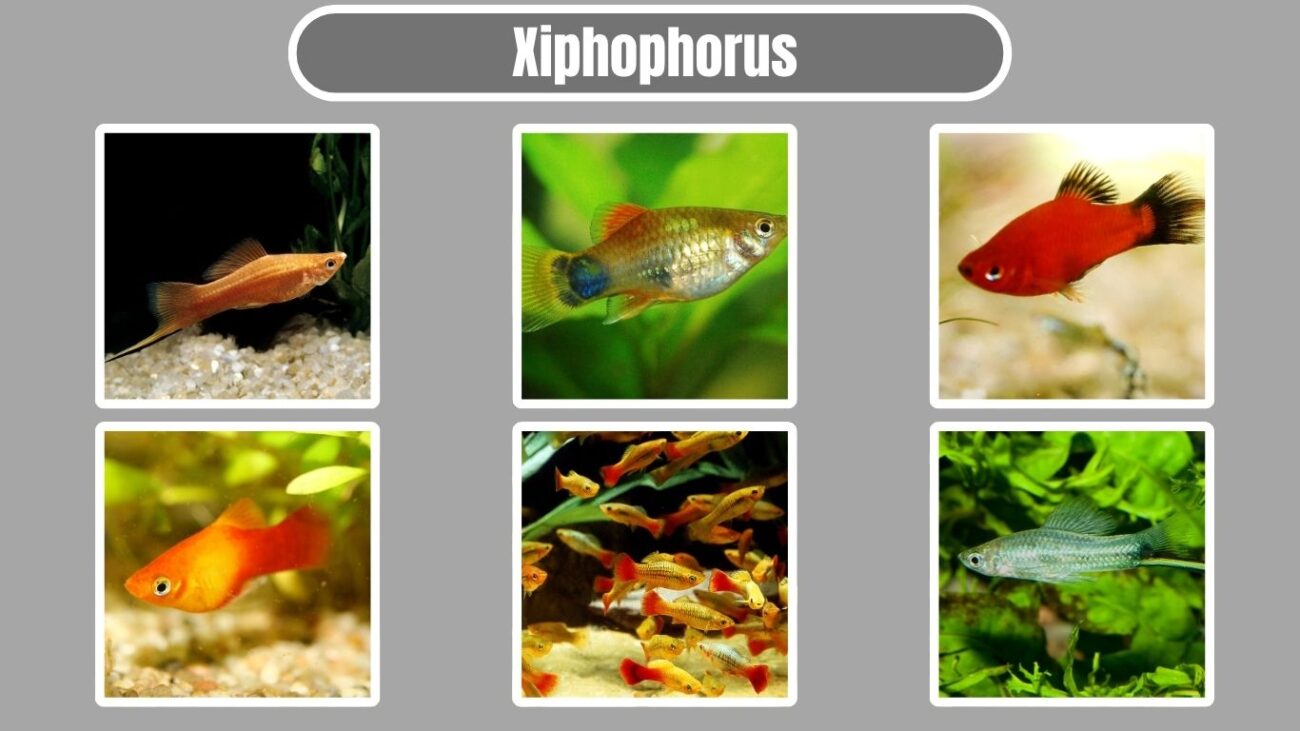
Xiphophorus is a genus of small freshwater fish that includes platies and swordtails, commonly found in Central America and popular in home aquariums. These fish typically grow to 2–3 inches (5–7.5 cm) and come in a wide variety of vibrant colors and patterns.
They prefer warm, well-oxygenated waters with plenty of vegetation. Xiphophorus species are peaceful and easy to care for, making them ideal for beginner fish keepers.
They are omnivores, feeding on algae, plant matter, and small invertebrates. These livebearers are also widely used in genetic and cancer research due to their unique biology and reproductive traits.
16. Xylophagous Beetle
The Xylophagous Beetle refers to various beetle species that feed on wood. These beetles vary widely in size, from a few millimeters to several centimeters, and are usually brown, black, or dark red with hardened outer wings.
They live in forests, woodpiles, and sometimes within structural timber, where they play a role in decomposing dead wood. Some species are pests, causing damage to buildings and furniture, while others are essential to forest ecosystems.
Their diet consists mainly of decaying wood, fungi, and sometimes roots or plant sap. These beetles are often used as indicators of forest health due to their connection with decomposing organic matter.
17. Xylophis Snake
The Xylophis is a small, secretive snake genus native to the Western Ghats of India. These snakes are typically under 10 inches (25 cm) long and have smooth, glossy scales. They’re usually dark brown or black with lighter markings along the body.
Xylophis snakes prefer moist forest floors and are often found under leaf litter, logs, or rocks. They are fossorial, meaning they spend most of their lives underground or hidden in the soil.
Their diet consists of small invertebrates, such as earthworms and insects. Because of their elusive nature and limited range, not much is known about their behavior, and they are rarely seen by humans.
18. Xantus Jay
The Xantus Jay is a striking, medium-sized bird endemic to Baja California, Mexico. It measures around 11–12 inches (28–30 cm) long, with deep blue plumage, a black head, and a strong black bill. Its contrasting colors make it easily recognizable.
These birds live in pine-oak forests, foothills, and scrublands. Xantus Jays are highly social and often seen in noisy flocks. They are intelligent and curious, similar to other jays.
Their diet includes insects, seeds, berries, and small vertebrates. They also cache food for later use. Though not well-known globally, this bird plays a key ecological role as a seed disperser in its limited habitat.
19. Xestia Moth
The Xestia is a large genus of moths found throughout the Northern Hemisphere. These moths vary in size but typically have wingspans between 1.5 and 2 inches (4–5 cm). Their coloring is usually brown, gray, or reddish, often with wavy patterns and spots for camouflage.
Xestia moths inhabit woodlands, meadows, and gardens. They are mostly nocturnal and are attracted to lights at night. Their larvae (caterpillars) feed on various plants, including crops and grasses.
The adult moths feed on nectar and serve as food for birds, bats, and other insectivores. Though not flashy, Xestia moths are an important part of the food web and biodiversity.
20. Xaniothrips
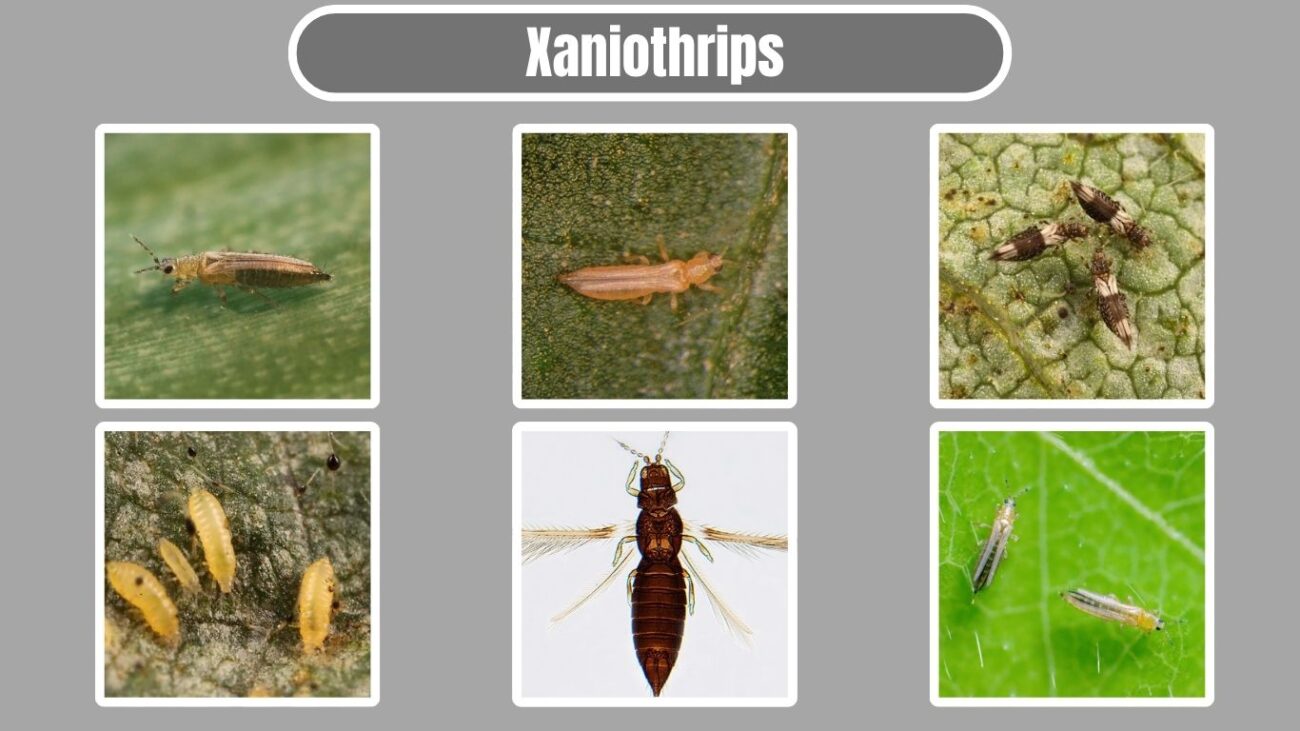
Xaniothrips is a genus of thrips—tiny, slender insects known for their fringed wings and plant-feeding behavior. They are usually less than 1/16 inch (1–2 mm) long and come in shades of yellow, brown, or black.
These insects are found primarily in Australia and thrive in arid and semi-arid environments. Xaniothrips feed on fungi rather than plant tissue, which makes them unique among thrips.
They live in leaf litter, bark crevices, and dry vegetation. While most thrips are agricultural pests, Xaniothrips play a role in nutrient recycling by breaking down organic matter and fungal material.
21. Xiphias (Swordfish Genus)
Xiphias is the genus name for the iconic Swordfish (Xiphias gladius), a large, predatory fish known for its long, sword-like bill. Adults can grow up to 14 feet (4.3 meters) long and weigh over 1,000 pounds (450 kg). Their streamlined bodies are bluish-black on top and lighter underneath.
Swordfish are found in warm and temperate oceans around the world. They are powerful swimmers, often reaching speeds over 50 mph (80 km/h), and can dive deep in search of prey.
Their diet consists mainly of squid and large fish. The bill is used to slash or stun prey before swallowing. Swordfish are prized in sport fishing and commercial seafood markets.
22. Xylotrupes (Rhinoceros Beetle Genus)
Xylotrupes is a genus of large rhinoceros beetles found mainly in Southeast Asia and Australia. These beetles can reach up to 2.5 inches (6 cm) in length. Males are easily recognized by their prominent, forked horns used in mating battles, while females lack horns and are more rounded.
They have shiny black or dark reddish-brown exoskeletons and thick legs adapted for burrowing and gripping tree bark. Xylotrupes beetles inhabit tropical forests and woodlands where decaying wood and tree sap are abundant.
Their larvae feed on decomposing plant material, while adults feed on fruit and sap. Though intimidating in appearance, they are harmless and contribute to the ecosystem as decomposers.
23. Xenylla (Springtail Genus)
Xenylla is a genus of tiny springtails—soil-dwelling hexapods often found in moist environments like leaf litter, compost piles, and mossy ground. These creatures measure less than 1/16 inch (1–2 mm) and are typically white or gray in color.
Springtails like Xenylla help break down organic material, playing a vital role in nutrient cycling. They use a special structure called a furcula to jump quickly when disturbed, hence the name “springtail.”
Their diet consists of fungi, algae, and decaying organic matter. Though microscopic, Xenylla species are crucial indicators of soil health and are often used in ecological studies and environmental monitoring.
24. Xus Beetle
The Xus Beetle is a lesser-known genus of beetles with limited publicly available information. Found in forested regions, these beetles are generally small, ranging between 0.2 to 0.5 inches (5–12 mm), and display muted brown or black tones that help them blend into bark and leaf litter.
Though not widely studied, it’s believed that Xus beetles are part of the decomposer community, feeding on rotting wood, fungi, or organic debris. They inhabit temperate and subtropical woodland habitats.
Like many cryptic forest beetles, they contribute silently to the ecosystem by assisting in the breakdown of plant material, though their specific behavior and biology remain largely undocumented.
25. Xylocoris Insect
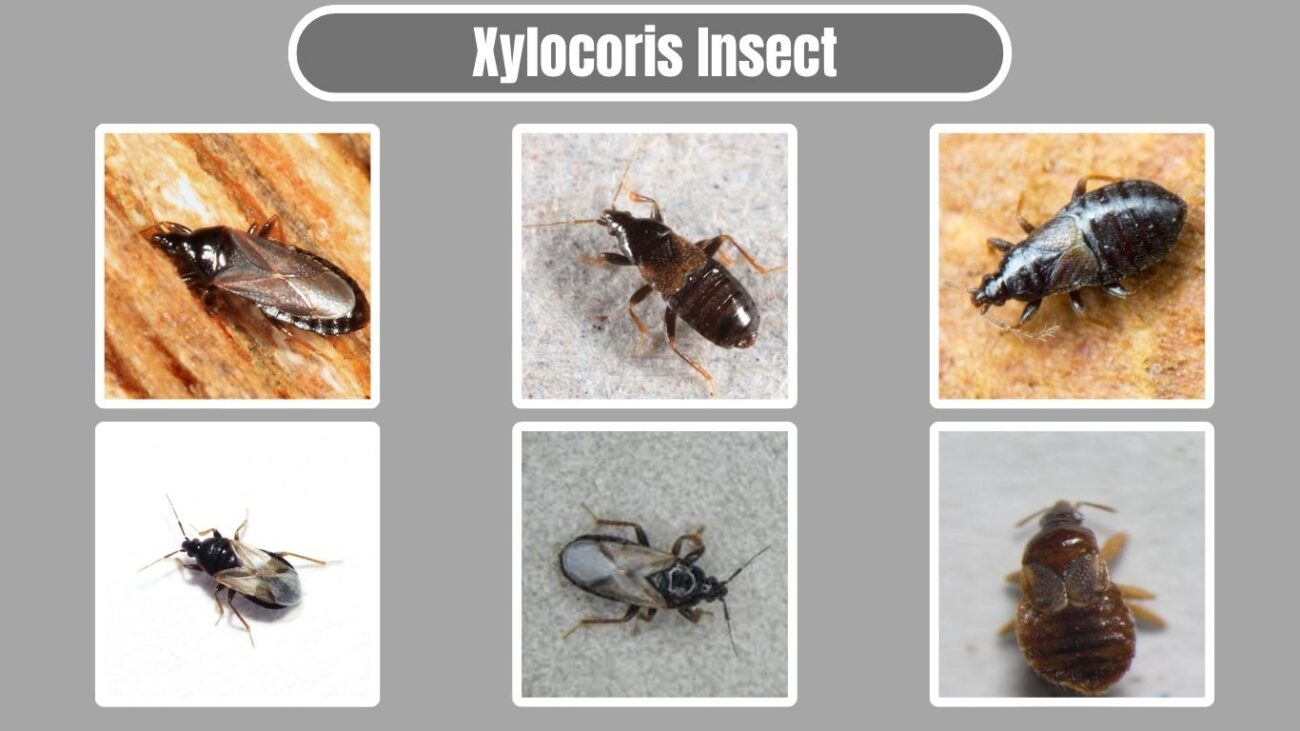
Xylocoris is a genus of minute pirate bugs found in stored products and forest environments. These insects are tiny—usually under 5 mm in length—and have flat, elongated bodies, with a dark brown or black appearance and narrow wings.
They’re found in granaries, under tree bark, and inside decaying logs. Xylocoris insects are predators, feeding on other small insects, mites, and insect eggs, which makes them beneficial in controlling pest populations.
Their ability to survive in hidden, dry spaces makes them efficient hunters in both natural and man-made settings. Though rarely seen by the general public, they are important natural pest control agents.
26. Xestocephalus (Leafhopper Genus)
Xestocephalus is a large genus of leafhoppers—tiny, fast-moving insects that feed on plant sap. They are usually less than 0.25 inches (6 mm) in length and display a variety of colors, often green, yellow, or brown, with distinctive markings.
These insects are found in meadows, grasslands, and agricultural fields around the world. They use their powerful hind legs to leap great distances relative to their body size, making them agile and hard to catch.
Xestocephalus leafhoppers feed on a wide range of plants, sometimes causing damage by transmitting plant diseases. Though small, they play a significant role in agricultural ecosystems, both as pests and as prey for birds and spiders.
27. Xenarthra (Mammal Superorder)
Xenarthra is a superorder of mammals that includes armadillos, anteaters, and sloths. These animals are primarily found in Central and South America. Members of this group vary in size—from the small pink fairy armadillo (around 5 inches) to the large giant anteater (over 7 feet long with tail).
Xenarthrans are known for their unique joints in the spine, low metabolic rates, and specialized diets. Sloths eat mostly leaves, anteaters feed on ants and termites, and armadillos are omnivorous scavengers.
They live in forests, grasslands, and even dry scrublands. Though diverse in behavior and appearance, all xenarthrans share common evolutionary roots and adapt well to their respective ecological niches.
28. Xantusia (Night Lizard Genus)
Xantusia is a genus of small, secretive night lizards found in the southwestern United States and Mexico. They typically grow to about 3–5 inches (7.5–13 cm) in length and have smooth, shiny skin with earthy tones—often brown, gray, or olive—to blend into their rocky or sandy surroundings.
Unlike most lizards, Xantusia species are viviparous, meaning they give birth to live young instead of laying eggs. They are slow-moving and spend much of their time hidden under rocks or in crevices.
Their diet consists of small insects and spiders. These reclusive lizards are rarely seen, but they play a quiet role in controlling pest insect populations in their arid habitats.
29. Xami Hairstreak Butterfly
The Xami Hairstreak (Callophrys xami) is a small, vividly colored butterfly found in Mexico and parts of the southwestern United States. With a wingspan of about 1 inch (2.5 cm), it features green forewings and hindwings with white streaks and small tail-like extensions.
Xami Hairstreaks prefer arid scrublands, deserts, and rocky hillsides. Their host plants are typically in the mistletoe family, where females lay their eggs.
Adults feed on nectar from wildflowers, and their vibrant coloration provides camouflage among leaves. Though small, the Xami Hairstreak adds color and diversity to desert ecosystems and is a favorite among butterfly watchers.
30. Xantusia vigilis (Desert Night Lizard)
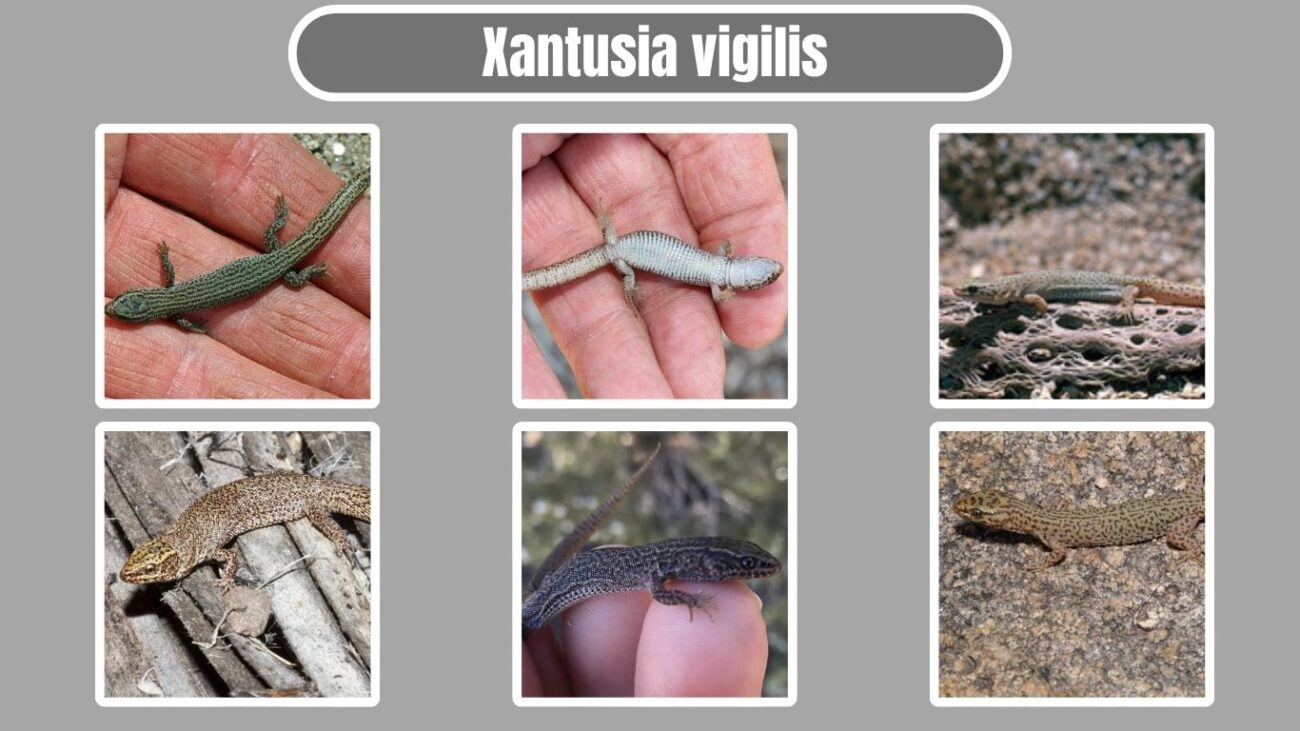
Xantusia vigilis, or the Desert Night Lizard, is a small lizard native to the southwestern U.S., especially in the Mojave and Sonoran deserts. It grows up to 3.5 inches (9 cm) and has a slender body with a brown or gray back speckled with small dark spots.
Despite the name, it is mostly active during the daytime in cooler months and shelters in rock crevices, under logs, or inside Joshua trees. It is secretive and rarely seen, making it a challenging subject for researchers.
This lizard feeds on small arthropods such as ants, termites, and beetles. It gives birth to live young and is well-adapted to its harsh, dry habitat.
31. Xylotoles (Longhorn Beetle Genus)
Xylotoles is a genus of longhorn beetles native primarily to New Zealand. These beetles are medium-sized, ranging from 0.4 to 1 inch (10–25 mm) in length, and feature long antennae that can exceed the length of their bodies. Their colors vary from gray to brown, often mottled to resemble tree bark.
They live in forested areas, especially around decaying logs, branches, and fallen trees. Larvae bore into deadwood, where they feed and develop for several months before emerging as adults.
Although not harmful to live trees, they play a vital role in forest ecosystems by helping decompose wood and recycle nutrients back into the soil.
32. Xenodermus (Dragon Snake Genus)
Xenodermus, commonly called the Dragon Snake, is a rare, non-venomous snake found in Southeast Asia, particularly in Indonesia, Malaysia, and Thailand. It grows up to 24 inches (60 cm) and is notable for its dramatic ridged, dragon-like scales along the back.
This snake prefers wet, forested environments and often hides near shallow water or under leaf litter. It’s highly secretive and rarely encountered in the wild, contributing to its mythical reputation.
The dragon snake feeds on frogs and small fish. It is known for its stiff, defensive posture when threatened, in which it freezes and arches its back. Despite its striking appearance, it’s harmless to humans.
33. Xantusia henshawi
Xantusia henshawi, or Henshaw’s Night Lizard, is a small, reclusive reptile native to California and Baja California. It measures about 3–4 inches (7.5–10 cm) long and is typically brown or gray with dark speckles to blend in with rocks and leaf litter.
This lizard prefers rocky outcrops and crevices in arid or semi-arid environments. It’s rarely seen due to its secretive nature and tendency to remain under cover during the day.
It feeds on insects, spiders, and small arthropods. Like other night lizards in the Xantusia genus, it gives birth to live young and is well adapted to dry, rugged terrain.
34. Xenagama (Lizard Genus)
Xenagama is a genus of small, spiny-tailed lizards native to the arid regions of East Africa, particularly Ethiopia and Somalia. They grow to about 4–6 inches (10–15 cm) and are often sandy or tan in color, matching their desert surroundings.
These lizards are known for their short, flattened tails that resemble a pancake or a spiked disc, used defensively to block burrow entrances. They live in dry scrublands and desert plains where they dig burrows for shelter and thermoregulation.
Xenagama lizards are insectivorous, feeding mainly on ants, beetles, and small invertebrates. Their hardy nature and unique appearance have made them increasingly popular in the pet trade.
35. Xenosaurus (Knob-Scaled Lizard Genus)
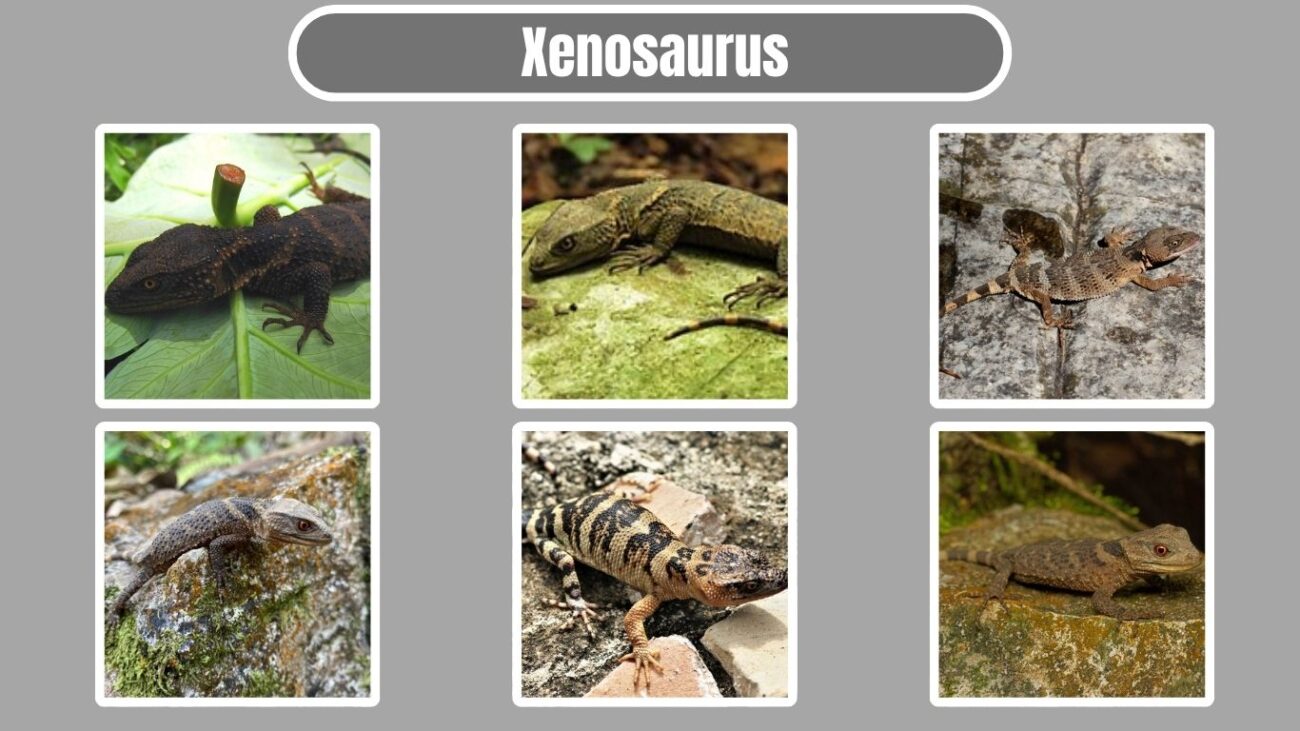
Xenosaurus, or knob-scaled lizards, are a group of rare reptiles found in Mexico. These lizards typically grow up to 8 inches (20 cm) and are named for their rough, knob-like scales that give them a rugged texture. They are usually brown or gray with lighter patterns for camouflage.
They inhabit rocky crevices and humid forests in mountainous areas. Xenosaurus species are sit-and-wait predators, feeding on insects, spiders, and other small animals.
Unlike many other lizards, they give birth to live young rather than laying eggs. Their secretive behavior and specialized habitat make them difficult to study, and they are considered sensitive to habitat disruption.
36. Xylophanes (Hawk Moth Genus)
Xylophanes is a genus of hawk moths found throughout the Americas, especially in tropical and subtropical regions. These moths are medium to large in size, with wingspans ranging from 2 to 4 inches (5–10 cm), and they feature streamlined bodies and pointed wings with beautiful earthy tones—often green, brown, or gray with subtle patterns.
Adults are fast and powerful fliers, active mostly at dusk and night. Their long proboscis allows them to feed on nectar from deep-throated flowers, making them important nocturnal pollinators.
The larvae, known as hornworms, are usually green and feed on plants like bedstraw, coffee, and garden ornamentals. Some species mimic snakes as a defense mechanism when threatened.
37. Xenodon (Hognose Snake Genus)
Xenodon is a genus of hognose snakes found primarily in Central and South America. These snakes grow between 2 and 4 feet (60 to 120 cm) in length and are characterized by their upturned snouts, used to dig through soil and leaf litter.
They exhibit a wide range of colors and patterns, from brown and gray to reddish or yellow, often mimicking more dangerous species as a form of defense. Their preferred habitats include forests, wetlands, and savannas.
Xenodon snakes primarily feed on amphibians, especially frogs and toads. Although mildly venomous, they are harmless to humans. When threatened, they may flatten their necks, hiss loudly, or play dead.
38. Xiphias gladius (Swordfish Scientific Name)
Xiphias gladius is the scientific name for the Swordfish, a powerful ocean predator found in warm and temperate waters across the globe. It can reach lengths of up to 14 feet (4.3 meters) and weigh over 1,000 pounds (450 kg). Its most iconic feature is its long, flat “sword” or bill.
Swordfish are deep-sea dwellers that hunt squid and large fish. They are capable of rapid bursts of speed—over 50 mph (80 km/h)—and can dive to depths of 2,000 feet (600 meters).
They are solitary hunters and are highly valued in commercial and sport fishing. Despite their size and strength, they are not aggressive toward humans and are considered a delicacy in many cuisines.
39. Xylocarpus Crab (Found in Mangroves)
The Xylocarpus Crab is a lesser-known species associated with Xylocarpus mangrove trees found in Southeast Asia and coastal India. These small crabs, typically 1–2 inches (2.5–5 cm) across, live in the muddy, root-covered habitats of mangrove forests.
Their bodies are often dark brown or greenish to blend with the surrounding environment. These crabs play a vital role in the mangrove ecosystem by helping to aerate the soil and breaking down decomposing plant material.
They feed on leaf litter, detritus, and small invertebrates. Although not well studied, Xylocarpus crabs are important contributors to the health of their unique and vulnerable habitat.
40. Xanthichthys (Triggerfish Genus)
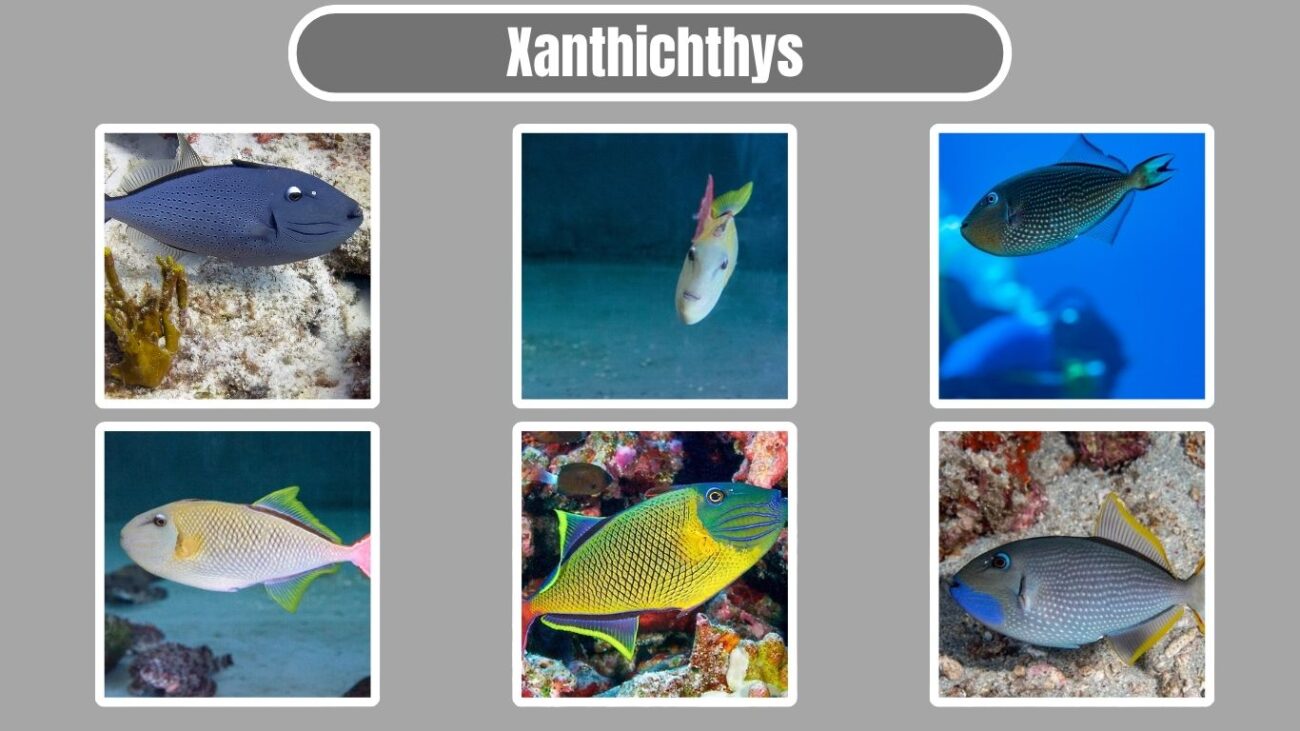
Xanthichthys is a genus of colorful marine triggerfish found in tropical and subtropical oceans, especially around coral reefs. These fish typically grow between 6 and 12 inches (15–30 cm) and feature striking patterns in shades of blue, green, yellow, and white.
They have oval-shaped, laterally compressed bodies with powerful jaws for crushing hard-shelled prey. Xanthichthys species are known for their defensive dorsal spines that can be “locked” upright when threatened—hence the name “triggerfish.”
Their diet includes crustaceans, mollusks, and sea urchins. They are popular in saltwater aquariums due to their vibrant appearance but require experienced care and plenty of space.
41. Xiphactinus (Prehistoric Fish)
Xiphactinus was a massive, predatory bony fish that lived during the Late Cretaceous period, around 100 to 66 million years ago. Fossils show it could grow up to 20 feet (6 meters) in length, with a torpedo-shaped body, large fanged jaws, and a fearsome appearance.
It roamed the shallow seas that once covered parts of North America. Xiphactinus was an apex predator, feeding on smaller fish, squid, and even animals close to its own size—fossils have been found with nearly intact prey inside its stomach.
Despite being extinct, it is one of the most well-known prehistoric fish and is often displayed in natural history museums for its impressive fossilized skeleton.
42. Xenyllidae (Springtail Family)
Xenyllidae is a family of springtails—tiny, soft-bodied arthropods that live in soil, leaf litter, or moist habitats. These creatures are typically less than 2 mm long and are important for soil health due to their role in decomposing organic material.
Members of the Xenyllidae family are usually pale-colored, ranging from white to light gray, and use a forked tail-like structure (furcula) to spring into the air when threatened.
They feed on fungi, algae, and decaying plant matter. Though often overlooked due to their size, these organisms help maintain the ecosystem by promoting microbial activity and nutrient cycling in the soil.
43. Xantusieae (Lizard Tribe)
Xantusieae is a tribe of night lizards within the family Xantusiidae, found in arid and semi-arid regions of North and Central America. Members of this tribe are generally small, with adult lengths of 3–5 inches (7.5–13 cm), and feature smooth, granular skin and large, lidless eyes.
They inhabit rocky crevices, fallen logs, and leaf litter where they hide from predators and extreme temperatures. Xantusieae lizards are secretive and usually active at dawn or dusk.
Their diet includes insects, spiders, and other small invertebrates. Known for live-bearing reproduction, these lizards are slow to mature but have relatively long lifespans compared to other reptiles of similar size.
44. Xylocopa virginica (Eastern Carpenter Bee)
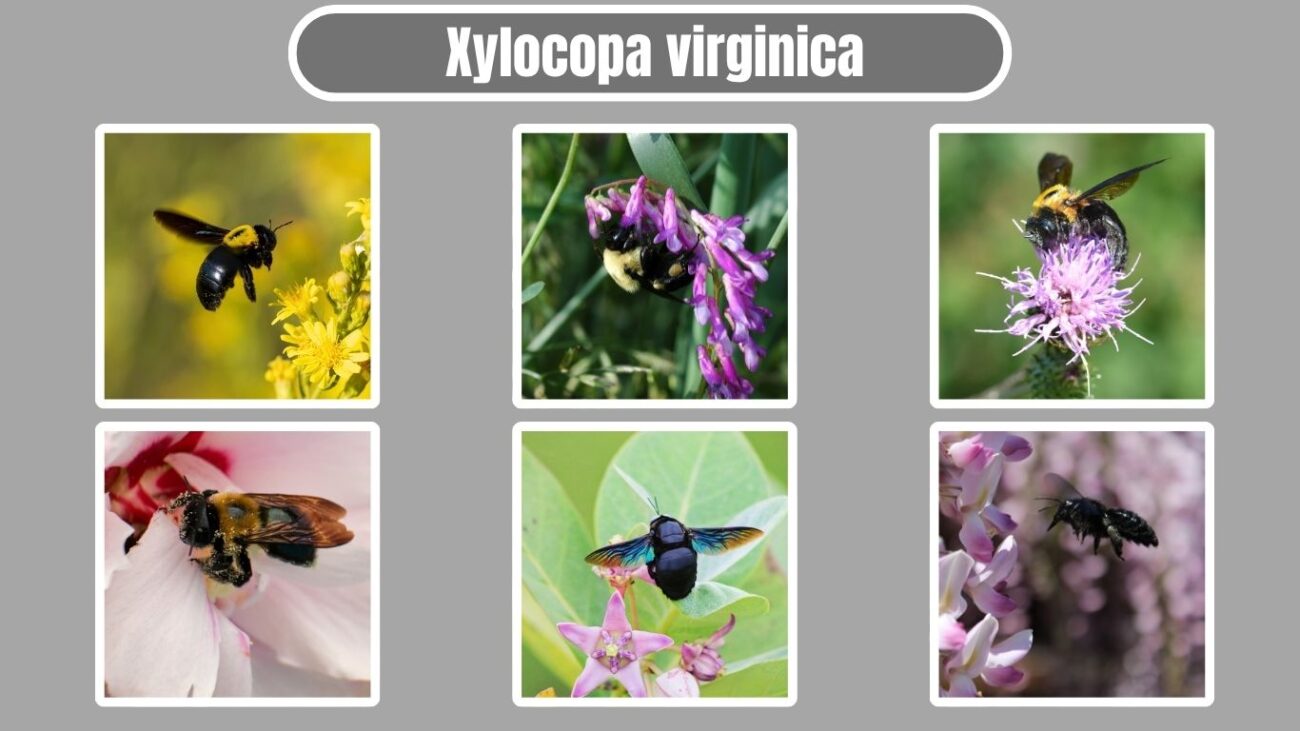
Xylocopa virginica is the Eastern Carpenter Bee, one of the largest bee species in eastern North America. It grows up to 1 inch (2.5 cm) long and is often mistaken for a bumblebee due to its black-and-yellow body, but its abdomen is shiny and hairless.
Carpenter bees bore into wood to create nests, usually in beams, decks, or dead trees. Despite this, they rarely cause structural damage unless infestations grow large.
They are important pollinators, visiting flowers for nectar and inadvertently pollinating many plants. Males can be territorial but do not sting, while females sting only when provoked.
45. Xenopsylla (Flea Genus)
Xenopsylla is a genus of fleas, best known for including Xenopsylla cheopis, the oriental rat flea that historically spread bubonic plague. These tiny, wingless insects are around 2–4 mm long and reddish-brown in color.
They are external parasites that feed on the blood of rodents and occasionally humans. Xenopsylla fleas live in nests, bedding, and animal burrows, where they wait for a host to pass by.
Besides disease transmission, they cause irritation, itching, and allergic reactions through their bites. Today, they are still monitored in public health settings due to their role in plague outbreaks and other zoonotic diseases.
46. Xestobium rufovillosum (Deathwatch Beetle)
Xestobium rufovillosum, commonly known as the Deathwatch Beetle, is a wood-boring insect found throughout Europe and North America. Adults grow to about 7 mm (0.3 inches) in length and are dark brown with yellowish speckles on their wing covers.
These beetles are known for the tapping or ticking sound males produce during mating season, often heard in quiet, old wooden buildings—hence the eerie nickname “deathwatch.” They typically infest old hardwood timber, especially oak, that has been weakened by fungal decay.
The larvae feed on rotting wood for years before emerging as adults. Though not a threat to live trees, they can cause damage to historic wooden structures and antique furniture.
47. Xiphister (Marine Fish Genus)
Xiphister is a genus of marine fish commonly called pricklebacks, found in rocky coastal waters of the Pacific Ocean, especially along the North American west coast. These elongated, eel-like fish typically reach 6 to 12 inches (15–30 cm) in length.
They have long dorsal fins, narrow bodies, and can display brown, green, or mottled coloration to blend into tide pools and kelp-covered rocks. Xiphister species are known for their ability to survive in extreme intertidal environments with fluctuating water levels.
Their diet includes algae, small crustaceans, and marine invertebrates. While not well-known to the public, they play a role in maintaining balance within tide pool ecosystems.
48. Xylodromus (Beetle Genus)
Xylodromus is a genus of small rove beetles belonging to the family Staphylinidae. These beetles are typically under 1 cm long and have elongated bodies, short elytra (wing covers), and are usually dark brown to black in color.
They inhabit damp environments such as decaying wood, leaf litter, and under bark. These beetles are nocturnal and often found in forests or shaded garden areas.
Xylodromus species are predatory and feed on other small insects, mites, and larvae. Though tiny and rarely seen, they contribute to natural pest control and decomposition processes in wooded habitats.
49. Xenolea (Longhorn Beetle Genus)
Xenolea is a genus of longhorn beetles found in Southeast Asia, particularly in forested regions of Indonesia and nearby islands. These beetles range from 10 to 30 mm (0.4–1.2 inches) and are known for their long, segmented antennae that often exceed their body length.
They typically have black or brown coloration, sometimes with patterns that mimic bark or lichen. The larvae bore into dead or decaying wood, playing an important role in forest nutrient cycling.
Adult Xenolea beetles are mostly nocturnal and feed on tree sap or decaying plant matter. While not widely studied, their behavior is typical of many wood-boring beetles.
50. Xiphosura (Horseshoe Crab Order)
Xiphosura is the scientific order that includes horseshoe crabs, ancient marine arthropods that have existed for over 450 million years. The most well-known species is Limulus polyphemus, found along the Atlantic coast of North America. These creatures can reach up to 24 inches (60 cm) including the tail.
They have a hard, dome-shaped shell, a long pointed tail (telson), and multiple pairs of legs beneath their body. Despite their name, they are more closely related to spiders and scorpions than true crabs.
Horseshoe crabs live in shallow coastal waters and come ashore to breed. They feed on worms, mollusks, and small invertebrates. Their blue blood is medically valuable due to its use in detecting bacterial contamination in vaccines and medical equipment.