

Baltimore Orioles are famous for their brilliant orange-and-black plumage, making them easy to spot and admire. However, several other birds share similar bright colors, patterns, or features that often lead to confusion. From orioles of different regions to tanagers, warblers, and even thrushes, these species can easily be mistaken for the iconic Baltimore Oriole at first glance. Below, we’ll explore 13 birds that closely resemble them, highlighting their unique traits and habitats.
1. Orchard Oriole
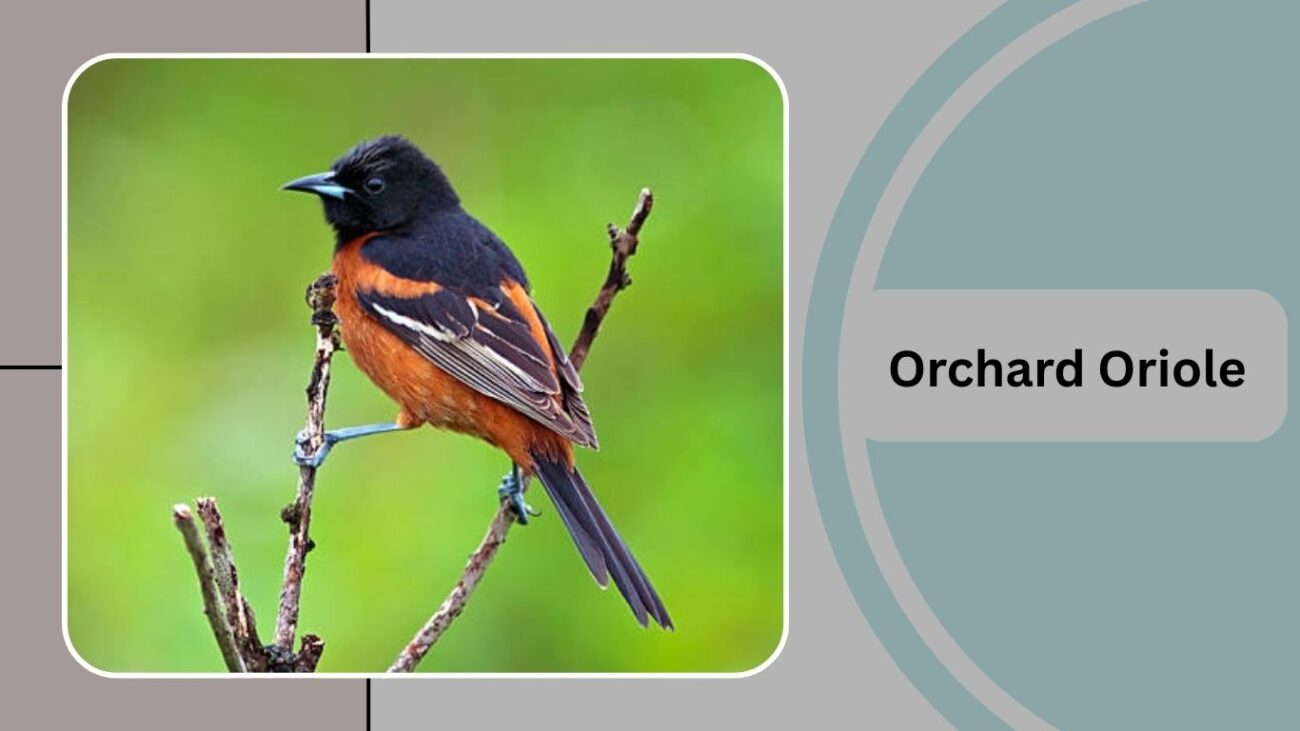
The Orchard Oriole (Icterus spurius) is the smallest oriole found in North America and is often mistaken for the Baltimore Oriole because of its striking orange and black plumage. However, its coloration is darker and richer, leaning more toward chestnut rather than bright orange. This subtle difference makes it easy to confuse the two species, especially from a distance. Orchard Orioles are agile and lively birds, commonly spotted in orchards, gardens, and open woodlands where they forage for insects, nectar, and fruits.
Identification
- Males have a deep chestnut body with black heads, backs, and tails.
- Females are yellow-green overall, with two white wing bars.
- Slightly smaller than the Baltimore Oriole, measuring about 6–7 inches in length.
Behaviors and Diet
Orchard Orioles are energetic feeders, often seen hopping among tree branches in search of caterpillars, beetles, and grasshoppers. They also sip nectar from flowers and may visit backyard feeders stocked with oranges or sugar water. Their diet shifts with the seasons, relying more on insects in spring and summer and fruits in late summer.
Habitat and Range
They prefer orchards, open woods, and river edges, especially areas with scattered trees. During breeding season, they are found across much of the eastern and central United States, migrating to Central America for the winter.
2. Bullock’s Oriole
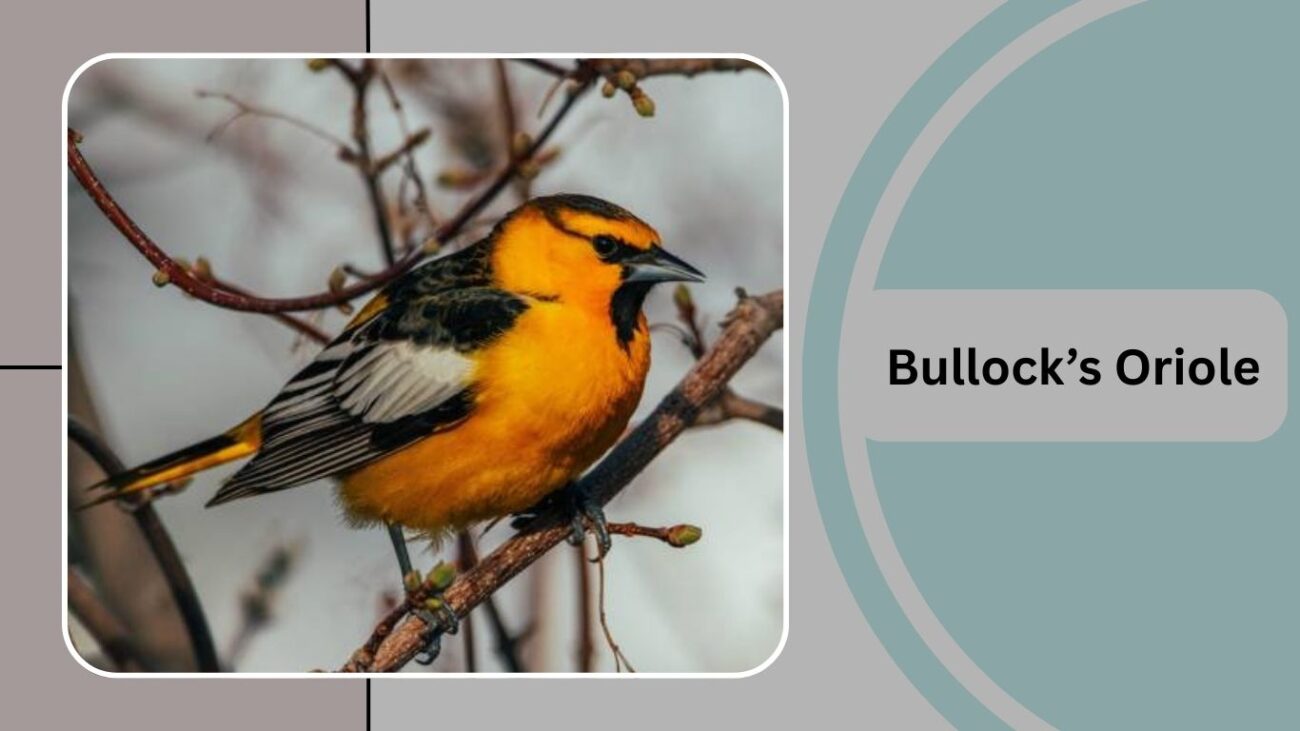
Bullock’s Oriole (Icterus bullockii) is a close relative of the Baltimore Oriole and shares similar bright orange and black coloration. It is native to the western United States and is often confused with its eastern counterpart. Males display vivid orange underparts and faces, with a black crown and white wing patches.
Identification
- Males show orange face and underparts with black throat and crown.
- Females are dull yellow with grayish backs and less distinct markings.
- Noticeable white wing bars separate it from the Baltimore Oriole.
Behaviors and Diet
They actively forage in trees, searching for insects, spiders, and fruits. Like other orioles, they weave intricate hanging nests. Their diet includes caterpillars, beetles, berries, and nectar, making them regular visitors to feeders offering oranges or jelly.
Habitat and Range
This species inhabits open woodlands, river edges, and suburban areas across the western and central United States. They migrate to Mexico and Central America during winter.
3. Hooded Oriole
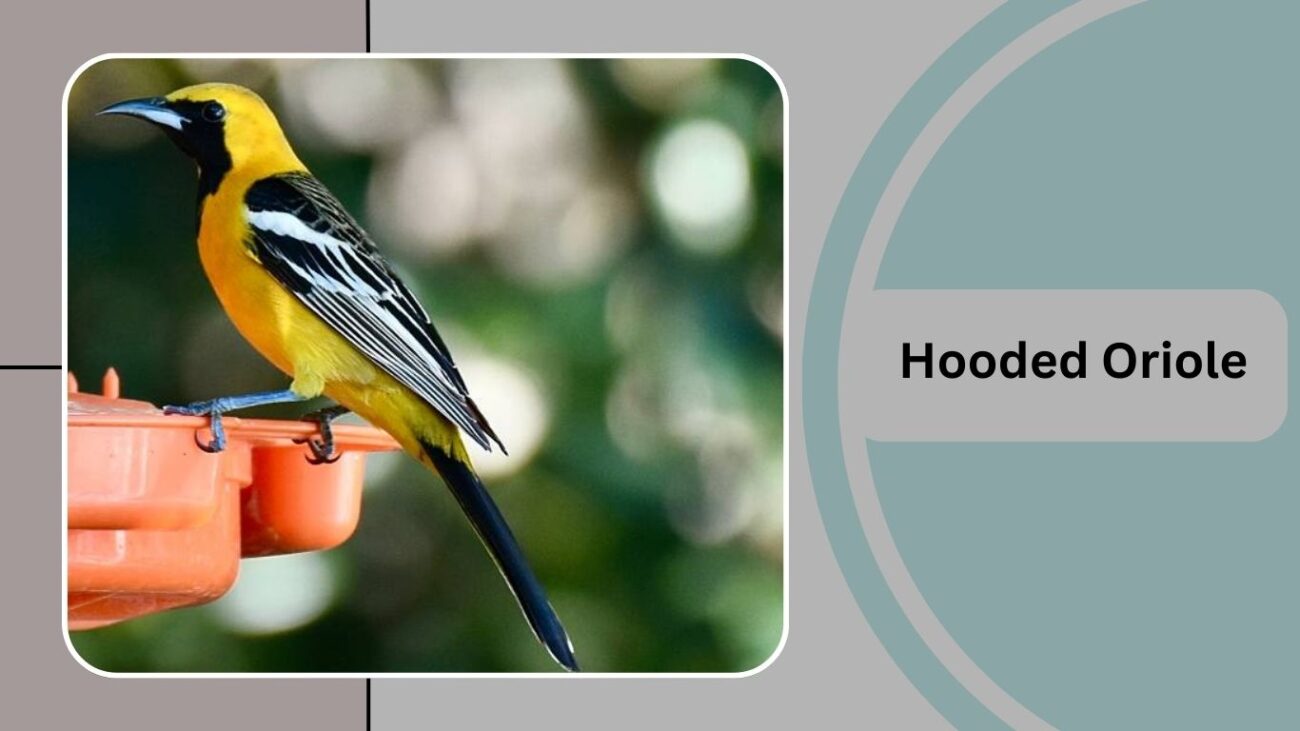
The Hooded Oriole (Icterus cucullatus) is another brightly colored bird that resembles the Baltimore Oriole but is slimmer and has a longer, curved bill. Males are bright orange to yellow-orange with a striking black throat and bib.
Identification
- Males are orange with a black face, throat, and wings.
- Females are yellow-green with grayish wings.
- More slender than the Baltimore Oriole with a longer tail.
Behaviors and Diet
These orioles are acrobatic feeders, often seen hanging upside down while sipping nectar. Their diet includes insects, fruits, and flower nectar. They are especially attracted to hummingbird feeders filled with sugar water.
Habitat and Range
Hooded Orioles prefer palm-lined suburbs, deserts, and open woodlands. They are common in the southwestern United States, especially in California, Arizona, Texas, and into Mexico.
4. Altamira Oriole
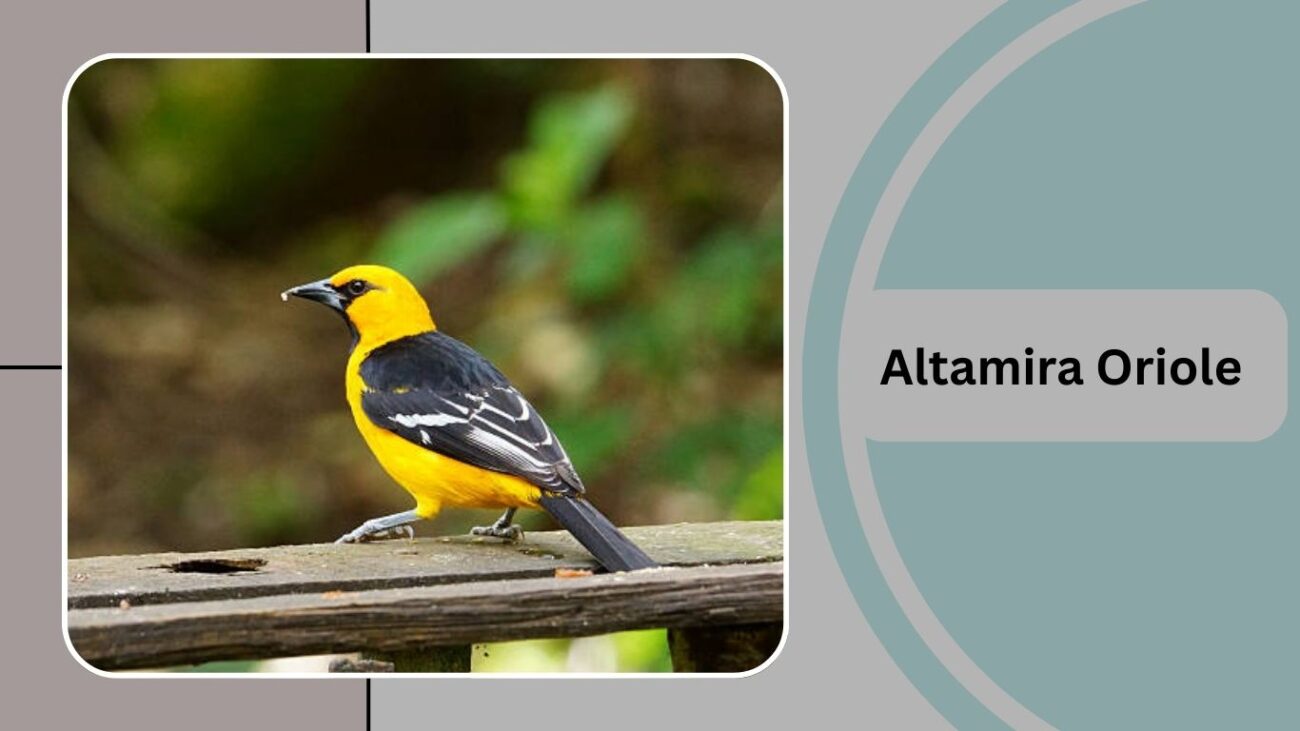
The Altamira Oriole (Icterus gularis) is one of the largest orioles in North America and often compared to the Baltimore Oriole due to its bold orange and black plumage. Unlike the Baltimore, its orange coloration extends more widely across its body.
Identification
- Bright orange body with black wings, tail, and throat.
- Large size, measuring about 9–10 inches long.
- Distinct white wing patch sets it apart from the Baltimore Oriole.
Behaviors and Diet
Altamira Orioles feed on insects, fruits, and nectar. They are known for constructing large, woven hanging nests, often dangling conspicuously from high tree branches.
Habitat and Range
Found mainly in the southernmost parts of Texas and throughout Mexico and Central America, they thrive in open woodlands, forest edges, and semi-arid regions.
5. Scott’s Oriole
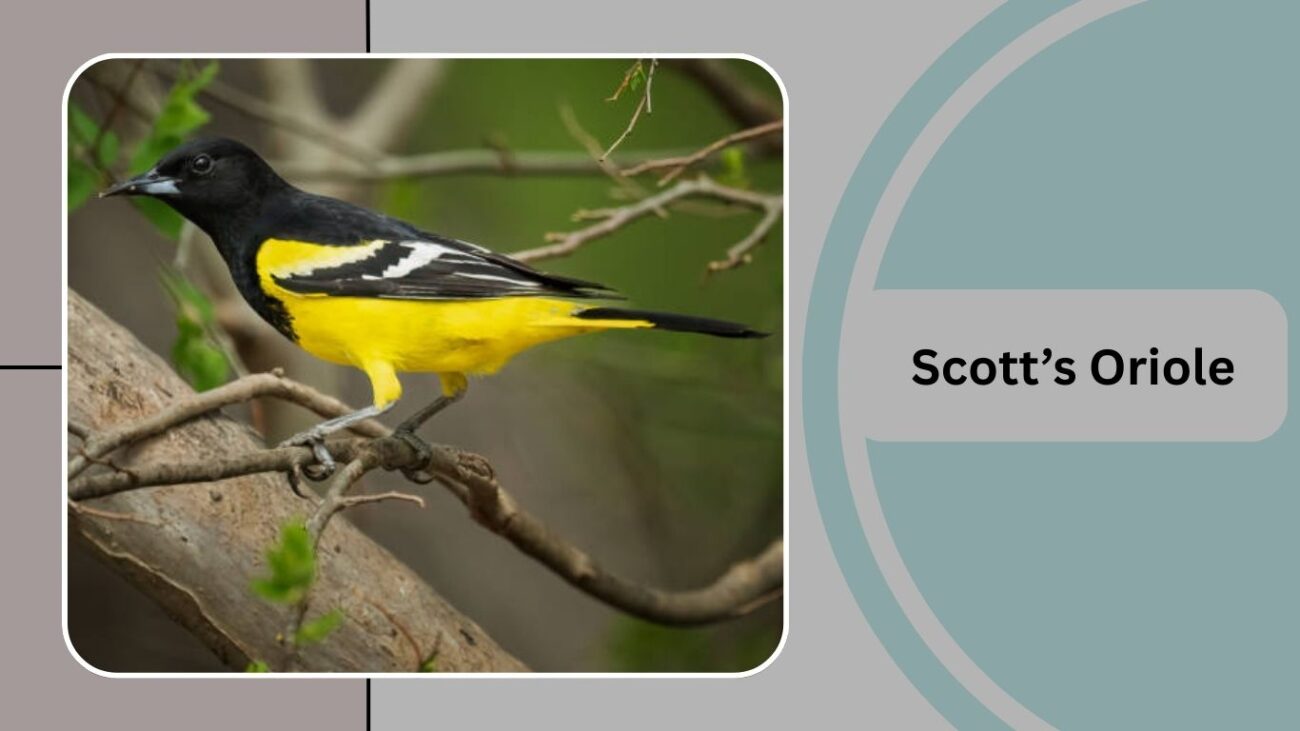
Scott’s Oriole (Icterus parisorum) is another striking bird with yellow and black plumage that can be mistaken for an oriole like the Baltimore. However, its coloration is more yellow than orange.
Identification
- Males are lemon-yellow with black head, throat, back, and chest.
- Females are pale yellow with grayish backs.
- Slightly larger and slimmer than the Baltimore Oriole.
Behaviors and Diet
They primarily forage on the ground and in shrubs for insects, spiders, and berries. These orioles are also frequent nectar feeders and may visit hummingbird feeders.
Habitat and Range
Scott’s Orioles prefer desert foothills, yucca stands, and arid regions. They are common in the southwestern United States, from Texas to California, and extend into Mexico.
6. Spot-breasted Oriole
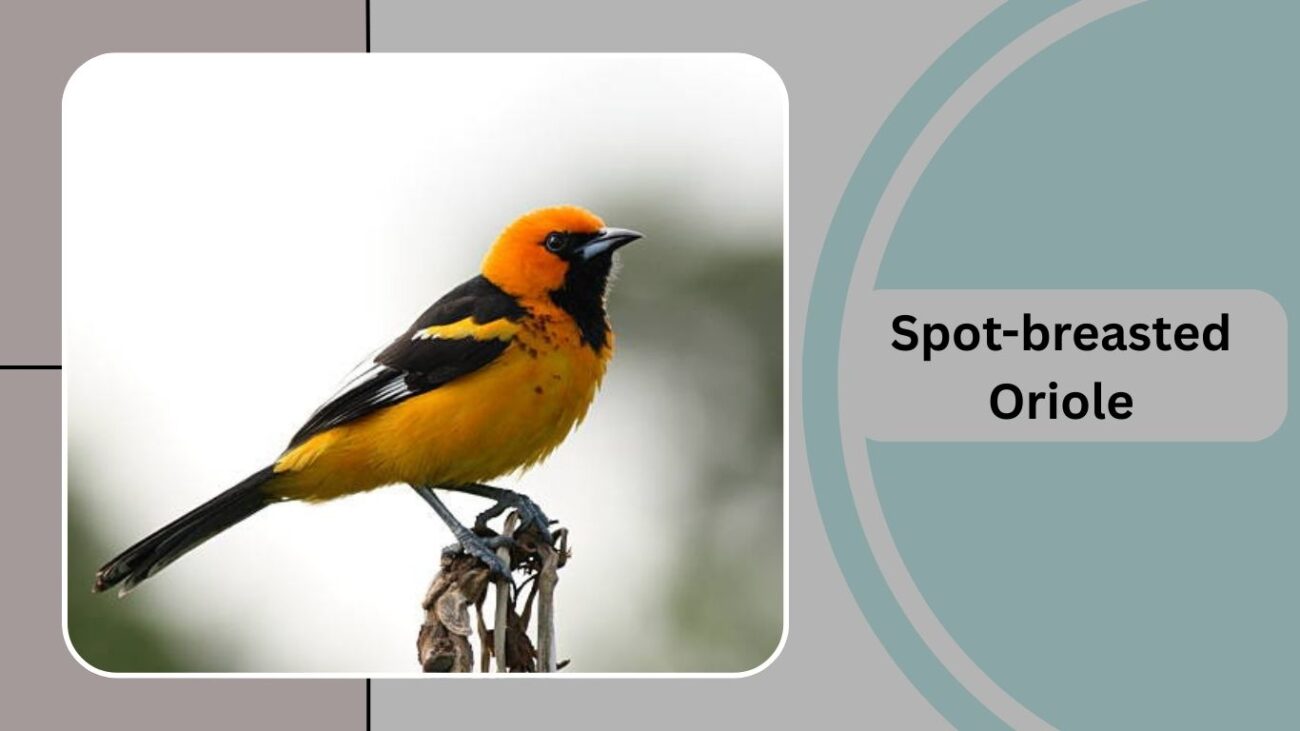
The Spot-breasted Oriole (Icterus pectoralis) is a tropical species that resembles the Baltimore Oriole but has distinctive spotting on its chest. It was introduced to southern Florida, where a small population now exists.
Identification
- Bright orange body with black bib and wings.
- Black spots scattered on the breast, a unique feature.
- White wing patches make it stand out.
Behaviors and Diet
They feed on insects, fruits, and nectar, often visiting backyard feeders with oranges or sugar water. Their call is a rich, melodious whistle.
Habitat and Range
Native to Central America, but in the U.S., it is primarily found in southern Florida. Prefers suburban gardens, groves, and open forests.
7. Western Tanager
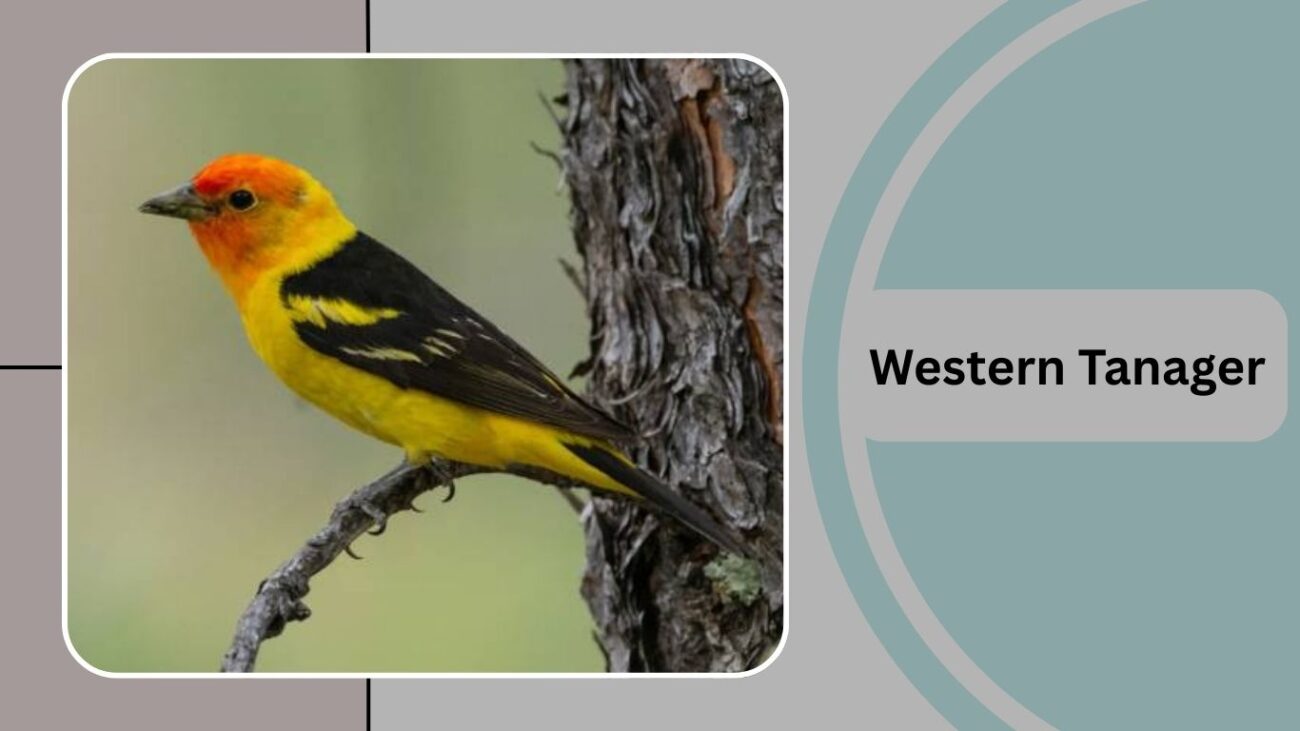
The Western Tanager (Piranga ludoviciana) is not an oriole but is often mistaken for one due to its bright plumage. Males display fiery red heads with yellow bodies and black wings.
Identification
- Males have red head, yellow body, and black back/wings.
- Females are duller, with olive-yellow bodies and gray wings.
- Stockier body compared to the Baltimore Oriole.
Behaviors and Diet
Western Tanagers eat mostly insects, including wasps and ants, but also consume fruits and berries. Their song is a series of short, melodic phrases, somewhat robin-like.
Habitat and Range
They breed in coniferous forests of western North America and migrate to Mexico and Central America for the winter.
8. Summer Tanager
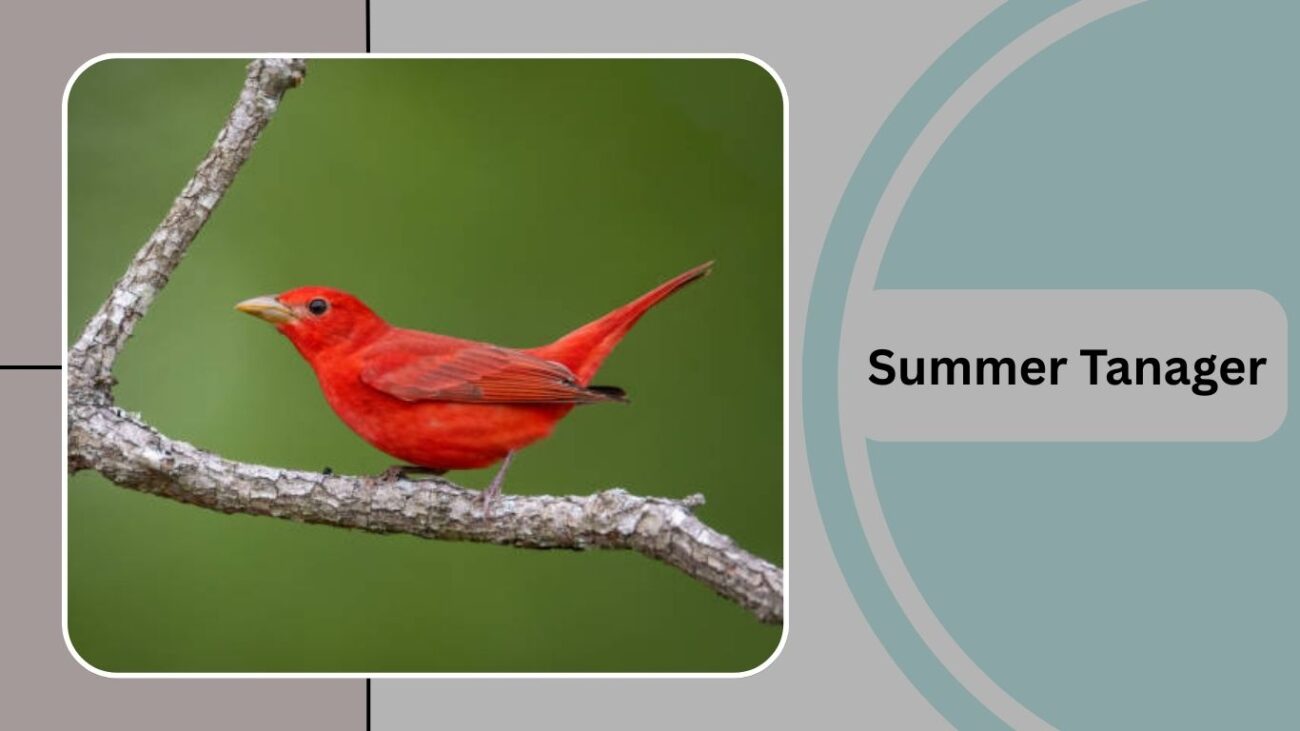
The Summer Tanager (Piranga rubra) is often confused with orioles because of its bold coloration. Unlike the Baltimore Oriole’s orange-and-black combination, the male Summer Tanager is entirely red, while females show a warm yellowish tone.
Identification
- Males are completely red from head to tail.
- Females are mustard-yellow overall with olive tinges on the back.
- Lacks the black markings seen in orioles.
Behaviors and Diet
This bird specializes in eating bees and wasps, often catching them midair and removing the stingers before eating. It also consumes fruits and berries, particularly in late summer.
Habitat and Range
Found across the southern United States during breeding season, especially in open woodlands, parks, and riparian areas. Winters in Central and South America.
9. American Redstart
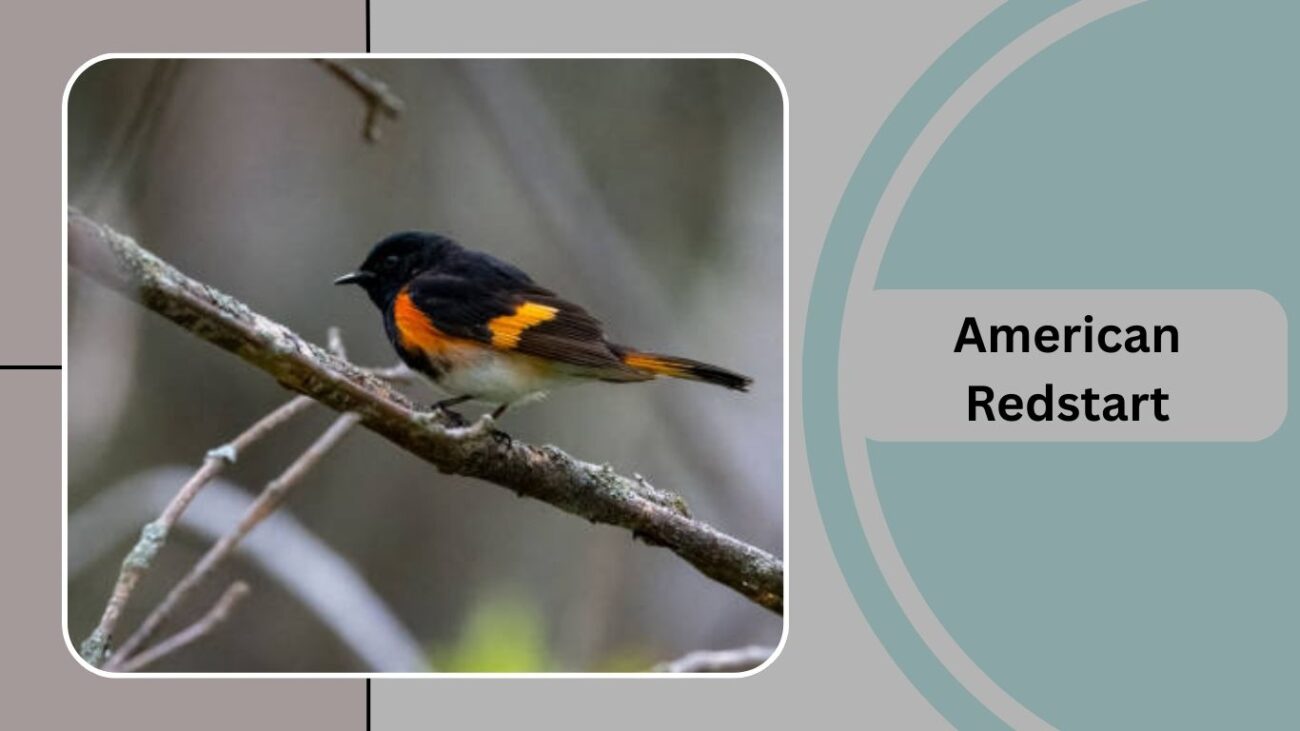
The American Redstart (Setophaga ruticilla) is a warbler that resembles orioles due to its contrasting orange-and-black plumage. Its small size and restless movements make it stand out in forests.
Identification
- Males are black with bright orange patches on the wings, sides, and tail.
- Females are gray with yellow markings replacing the orange.
- Much smaller than orioles, averaging about 5 inches long.
Behaviors and Diet
They are active insect hunters, flaring their colorful tails to startle prey from foliage. Their diet mainly includes flies, beetles, caterpillars, and other small insects.
Habitat and Range
Widespread across North America in woodlands, especially near water. They migrate to Central America, the Caribbean, and South America for the winter.
10. Blackburnian Warbler
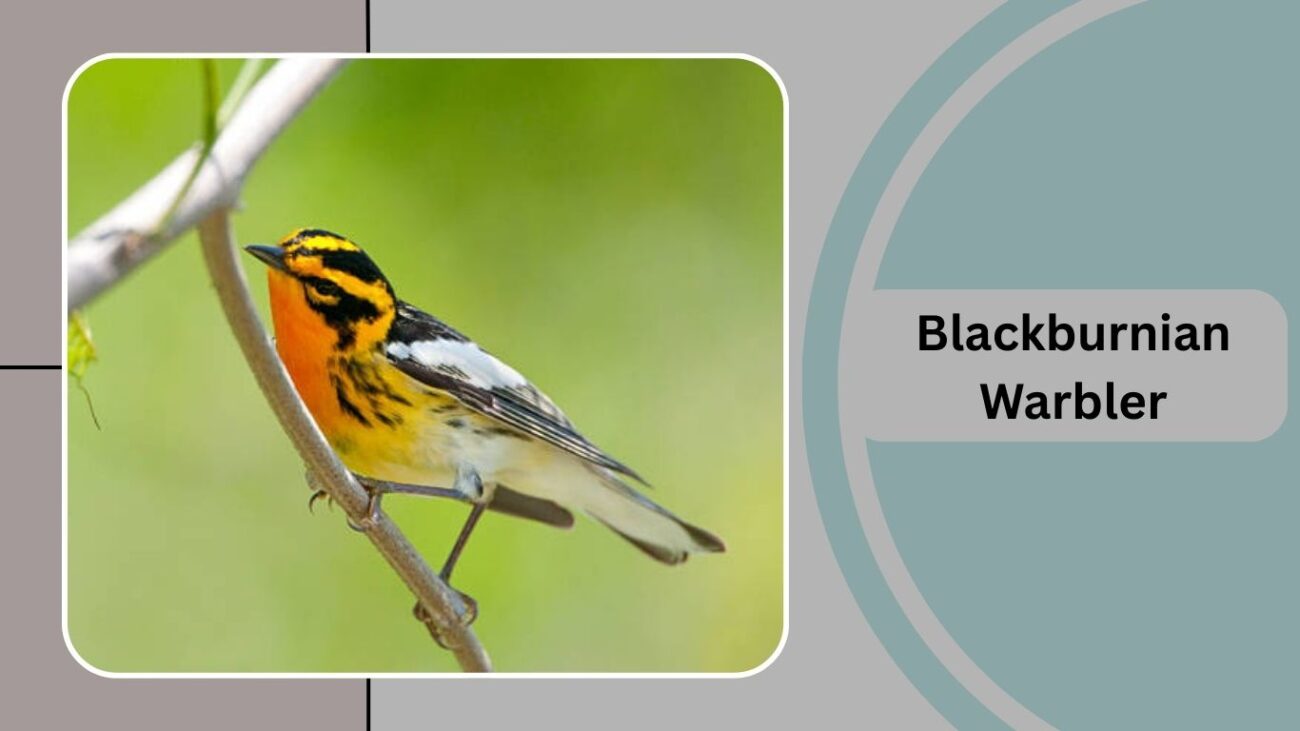
The Blackburnian Warbler (Setophaga fusca) is a small, vibrant bird that can resemble the Baltimore Oriole from a distance because of its fiery orange throat and contrasting black markings. Its striking appearance makes it one of the most colorful warblers in North America.
Identification
- Males have a bright orange throat and face with black crown, wings, and streaked back.
- Females are paler, with yellow-orange throat and lighter streaks.
- Much smaller than the Baltimore Oriole, around 4–5 inches long.
Behaviors and Diet
They forage high in the treetops, searching for caterpillars, beetles, and other insects. During migration, they may also consume berries and nectar.
Habitat and Range
Blackburnian Warblers breed in coniferous and mixed forests of eastern North America and migrate to South America in the winter, often seen in large flocks during migration.
11. Flame-colored Tanager
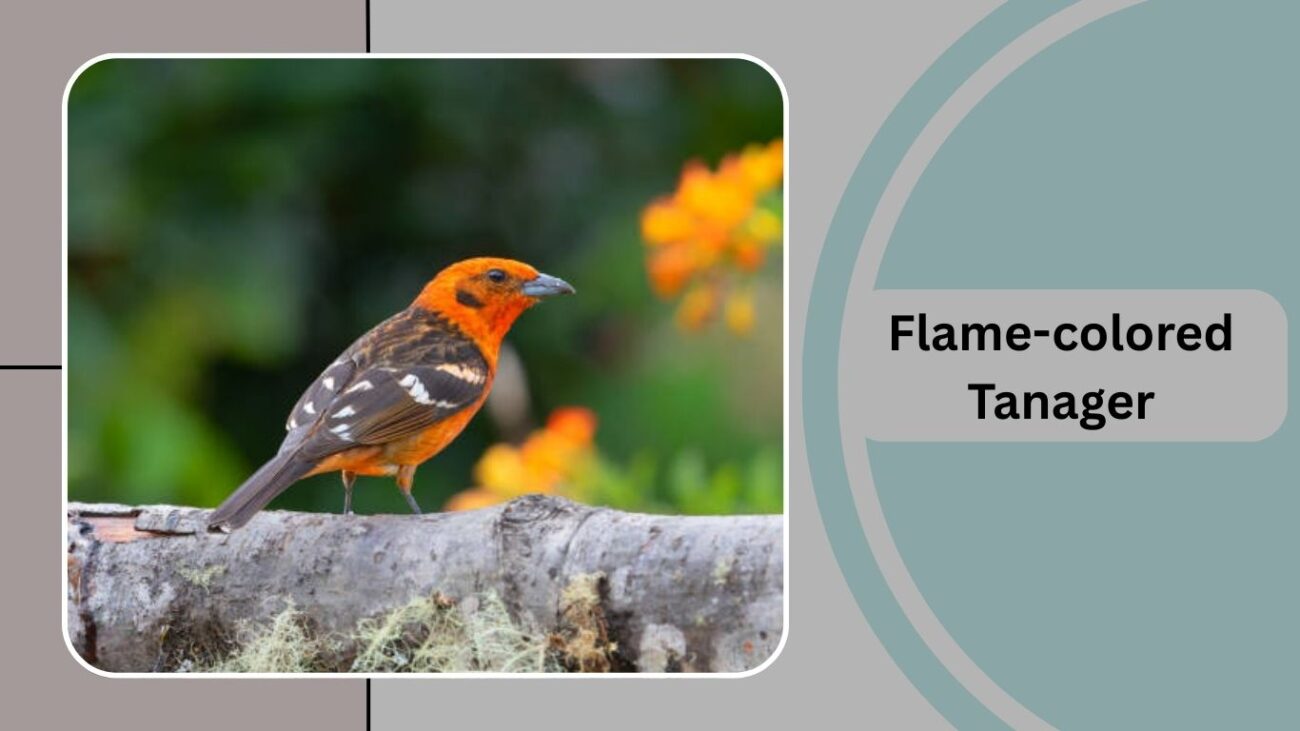
The Flame-colored Tanager (Piranga bidentata) is another bright species that can be mistaken for the Baltimore Oriole. Its fiery red-orange plumage and contrasting black wings give it a similar appearance.
Identification
- Males are deep orange-red with black wings and tail.
- Females are yellow-orange with olive backs and grayish wings.
- Slightly bulkier and more solid-bodied than orioles.
Behaviors and Diet
Their diet includes insects, berries, and fruits. They are often found foraging in the canopy, moving methodically from branch to branch.
Habitat and Range
Native to Mexico and Central America, they occasionally wander into southern Arizona and Texas. They prefer montane forests and wooded edges.
12. Black-headed Grosbeak
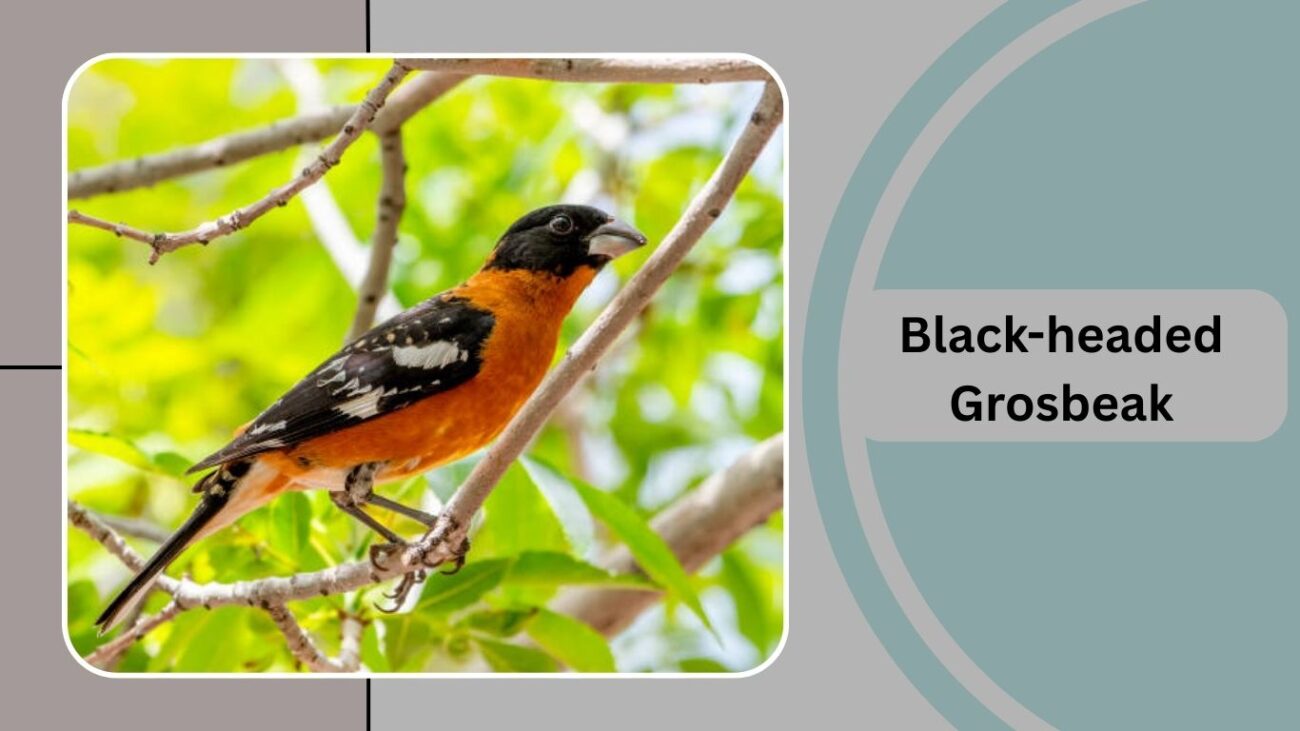
The Black-headed Grosbeak (Pheucticus melanocephalus) resembles the Baltimore Oriole due to its orange and black coloring, but it is chunkier with a heavy beak.
Identification
- Males have orange underparts, black head, and black-and-white wings.
- Females are brown with streaked breasts and hints of orange on the sides.
- Stockier body and thicker bill than orioles.
Behaviors and Diet
These birds feed on seeds, insects, and fruits. They are also known for cracking tough seeds and husks with their strong bills. Their song is often compared to a sweeter, slower robin’s song.
Habitat and Range
Found in western North America, they breed in forests, thickets, and riparian areas, migrating to Mexico during the winter.
13. Varied Thrush

The Varied Thrush (Ixoreus naevius) is a striking bird that resembles the Baltimore Oriole because of its orange and black plumage, though it belongs to the thrush family. Its bold markings and robin-like shape make it stand out.
Identification
- Males have deep orange breasts, throats, and eyebrow stripes with slate-gray backs and black breastbands.
- Females are paler with muted orange and brownish-gray tones.
- Larger and more robin-like compared to orioles.
Behaviors and Diet
They feed on insects, snails, and earthworms during the summer, shifting to berries and seeds in the colder months. Their haunting, flute-like whistle is distinctive and carries through quiet forests.
Habitat and Range
Varied Thrushes are native to the Pacific Northwest, found in dense coniferous forests from Alaska through the western United States. They migrate downslope or southward in winter, often visiting feeders in suburban areas.