
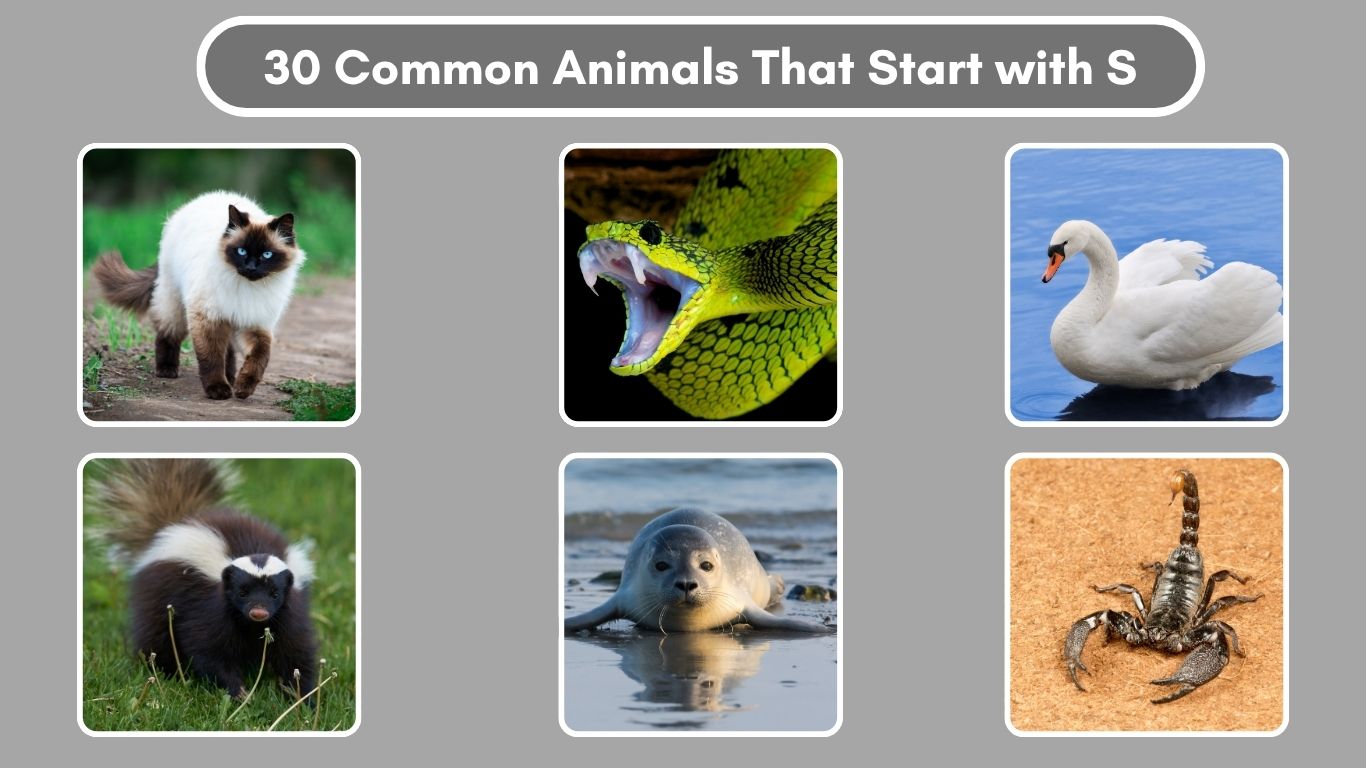
The animal kingdom is full of fascinating creatures, and many of them begin with the letter S. From scaly reptiles and sneaky predators to fluffy mammals and graceful birds, animals that start with “S” showcase a wide variety of shapes, sizes, and behaviors. These animals can be found across nearly every continent and habitat—from deep oceans and dense forests to grassy fields and backyard gardens.
In this list, you’ll discover 30 common animals that start with S, including well-known favorites like sharks, snakes, and squirrels, as well as more surprising species like snipe and stick insects. Each animal has its own unique role in nature, and together, they offer a fascinating glimpse into the diversity of life on Earth.
1. Snake
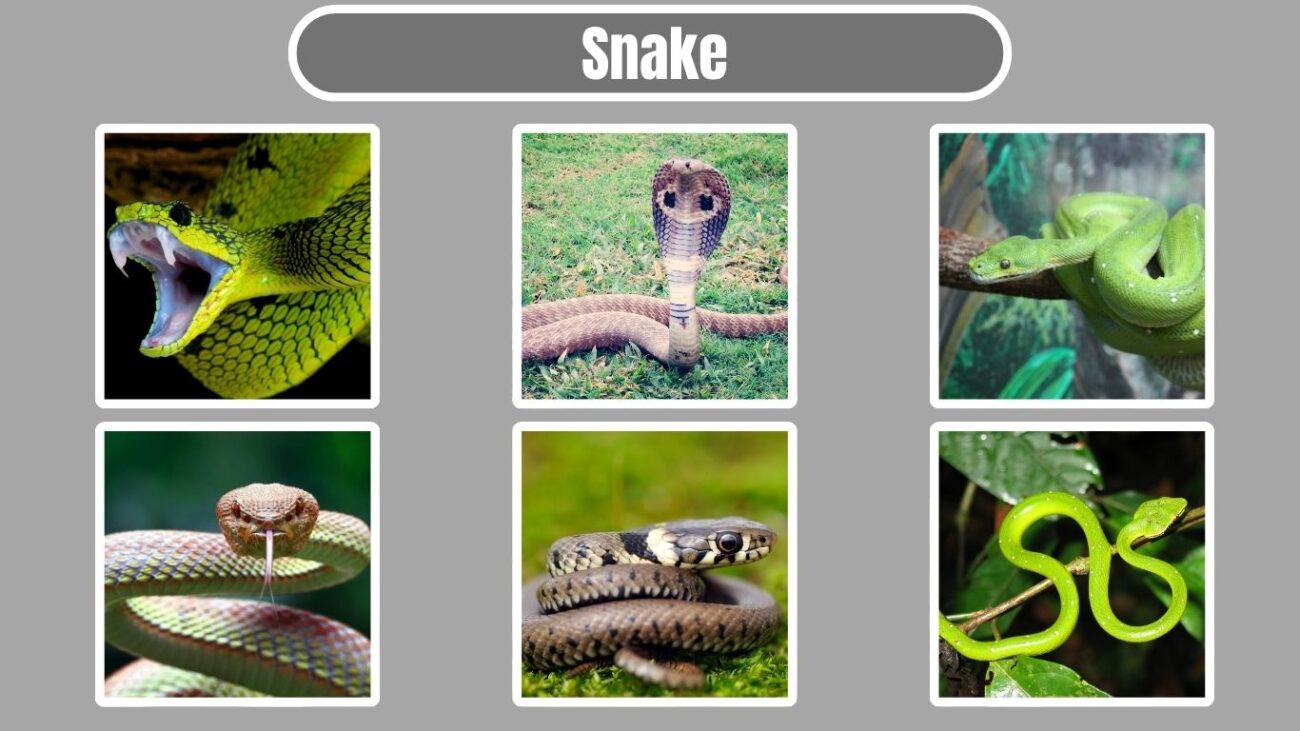
Snakes are legless reptiles found on every continent except Antarctica. They vary greatly in size—from tiny threadsnakes just a few inches long to massive pythons over 20 feet. Most snakes have scaly, smooth skin, and come in many colors and patterns depending on their species and habitat.
They inhabit forests, deserts, swamps, and even oceans. Snakes are carnivores, feeding on rodents, birds, eggs, insects, and sometimes other reptiles. Some kill their prey with venom, while others constrict their prey.
Though often feared, snakes play a vital role in ecosystems by controlling pest populations and maintaining balance in food chains.
2. Spider
Spiders are arachnids with eight legs and two main body parts. Found in nearly every habitat worldwide, they range in size from tiny jumping spiders to large tarantulas. Their bodies are covered in tiny hairs and often display earthy tones or bold colors.
Spiders live in webs, under rocks, trees, or human dwellings. They are carnivores, feeding on insects, other spiders, and sometimes small vertebrates. They use venom to immobilize prey and silk to create webs, egg sacs, or draglines.
Despite their reputation, most spiders are harmless to humans and serve as excellent natural pest control agents.
3. Sheep
Sheep are domesticated mammals raised for their wool, meat (mutton or lamb), and milk. They typically have thick woolly coats and vary in color from white to black or brown. Adult sheep weigh between 100 to 250 pounds depending on the breed.
They thrive in grassy fields and farmlands around the world. Sheep are herbivores, grazing on grasses, clover, and other low vegetation.
Sheep are social animals and live in flocks. They have been important to human agriculture for thousands of years and are known for their gentle, docile nature.
4. Shark
Sharks are powerful fish that have roamed the oceans for over 400 million years. They vary in size from the small dwarf lanternshark (under 8 inches) to the giant whale shark (over 40 feet). Most have sleek, torpedo-shaped bodies, sharp teeth, and tough skin covered in tiny scales.
They inhabit oceans worldwide, from shallow reefs to deep sea trenches. Sharks are carnivores, feeding on fish, squid, seals, and sometimes even whales.
As apex predators, sharks help regulate marine populations. While feared by many, most shark species are not dangerous to humans.
5. Squirrel
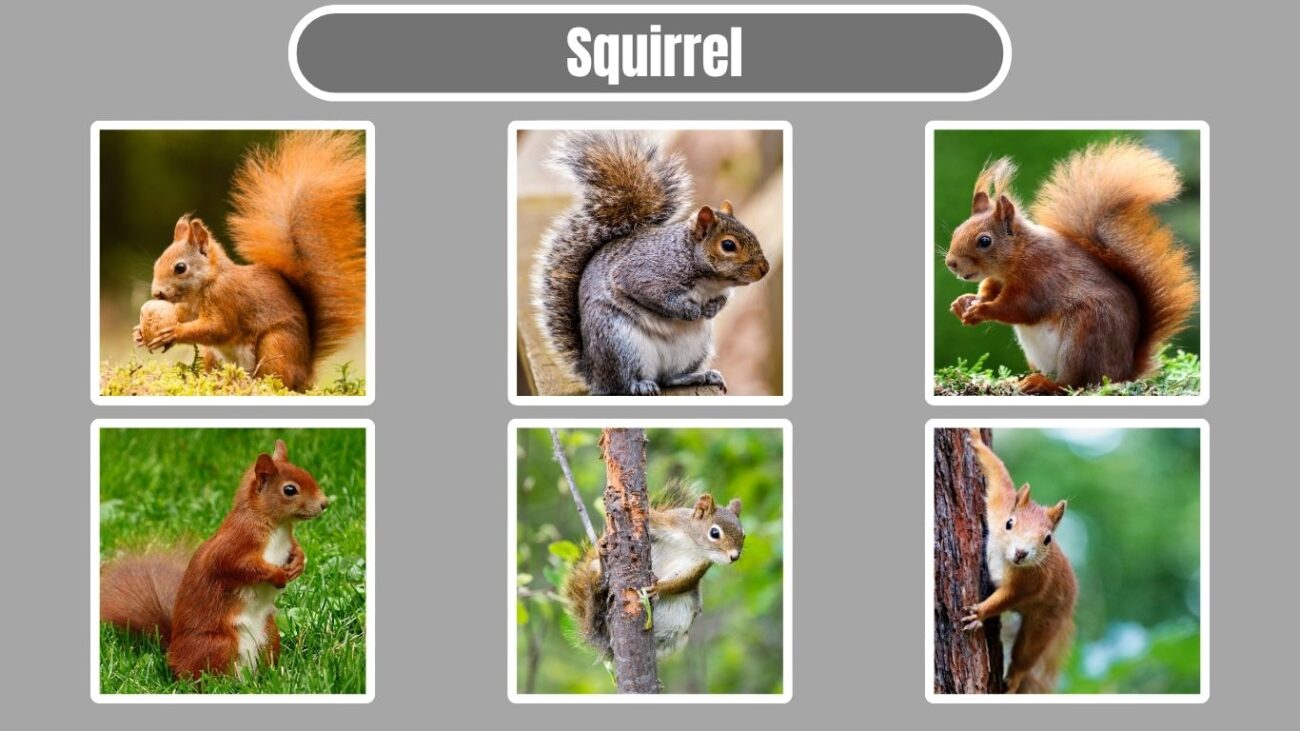
Squirrels are small to medium-sized rodents known for their bushy tails and agile movements. Commonly found in parks, forests, and urban areas, squirrels vary in size and color—ranging from red and gray to black or white.
They build nests in trees and are active during the day. Their diet includes nuts, seeds, fruits, and occasionally insects. Squirrels are known for caching food in the fall to prepare for winter.
With sharp claws and strong hind legs, squirrels are excellent climbers and jumpers. They play a key role in seed dispersal and forest regeneration.
6. Seahorse
Seahorses are small, upright-swimming marine fish with horse-like heads, curled tails, and armored bodies. Most species range from 1 to 8 inches (2.5 to 20 cm) in length and come in shades of yellow, brown, orange, or gray to blend into their surroundings.
They live in shallow coastal waters, among seagrasses, coral reefs, and mangroves. Unlike most fish, seahorses use their tails to anchor to vegetation. They feed on tiny crustaceans like shrimp and plankton, sucking them in through their snouts.
A unique trait of seahorses is that males carry and birth the young in a specialized brood pouch.
7. Starfish
Starfish, also known as sea stars, are marine invertebrates with five or more arms radiating from a central body. They range from a few inches to over 2 feet across and come in vibrant colors like red, orange, blue, and purple.
They inhabit ocean floors worldwide, especially in coral reefs and rocky tide pools. Starfish feed on mollusks like clams by prying open their shells with strong arms and everting their stomachs to digest externally.
They can regenerate lost limbs and lack a brain or blood but have a complex nervous system. Starfish are important scavengers and predators in marine ecosystems.
8. Salmon
Salmon are migratory fish found in the North Atlantic and Pacific Oceans. They typically grow between 2 to 5 feet long and weigh 10–30 pounds, though some can reach much larger sizes. They have silvery bodies with spotted backs, and their appearance changes during spawning.
Salmon hatch in freshwater rivers, migrate to the ocean to grow, and return upstream to reproduce. Their diet includes insects, crustaceans, and smaller fish.
Salmon are vital to both wildlife and human diets and play an important role in nutrient cycling in freshwater systems, especially when they die after spawning.
9. Swan
Swans are large, elegant waterfowl known for their long necks, white or black plumage, and graceful swimming. They can grow up to 5 feet in length with wingspans over 7 feet. The most common species include the mute swan, trumpeter swan, and black swan.
They inhabit lakes, rivers, and wetlands and feed on aquatic vegetation, insects, and small fish. Swans are strong fliers and highly territorial during breeding season.
Known for their lifelong pair bonding, swans symbolize loyalty and beauty. Their presence is often associated with serene landscapes and cultural folklore.
10. Snail
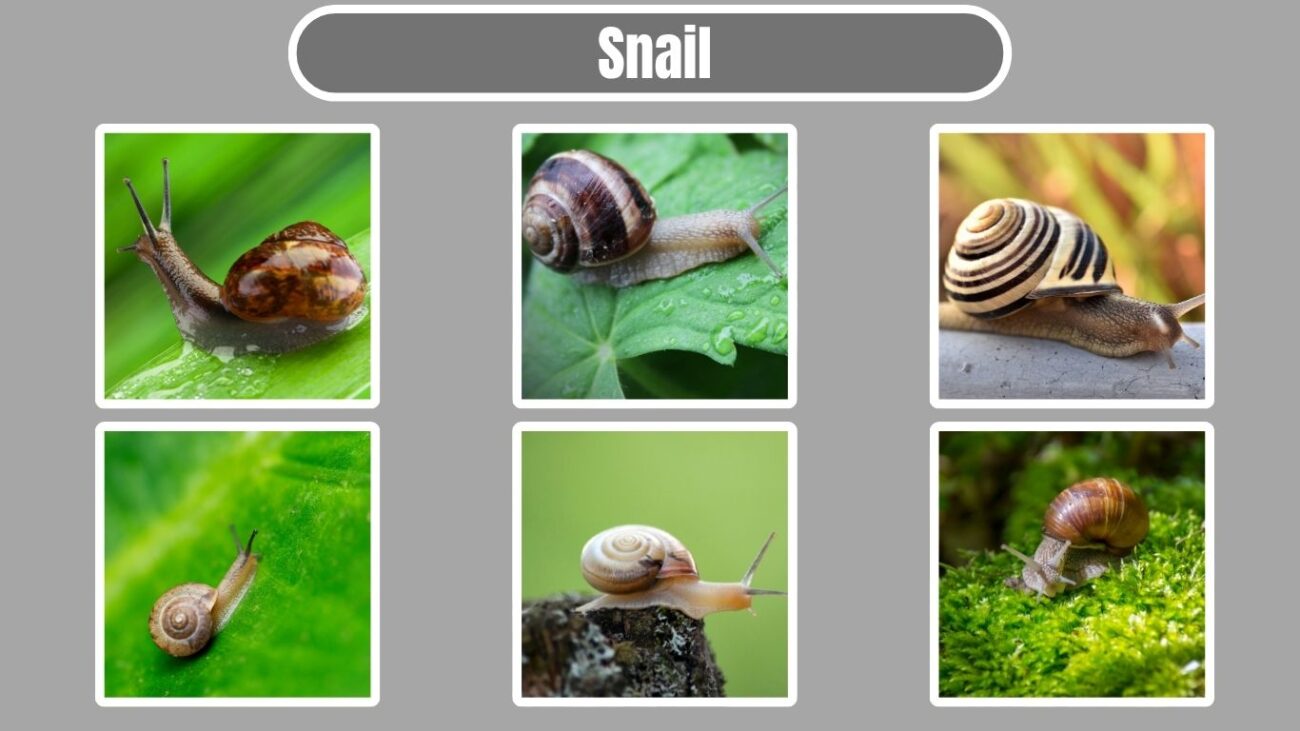
Snails are soft-bodied mollusks with spiral shells, found on land, in freshwater, and in oceans. They range in size from a few millimeters to several inches. Their color and shell shape vary widely across species.
They use a muscular foot to move slowly and leave a slimy trail. Land snails live in moist environments like gardens and forests, while aquatic snails live in ponds, rivers, and oceans.
Snails feed on plants, algae, and decaying matter. Some are pests in agriculture, while others play vital roles in nutrient recycling and serve as food for birds, fish, and mammals.
11. Skunk
Skunks are small mammals known for their black-and-white coloring and their powerful defensive spray. They typically grow 18–30 inches (45–76 cm) long, including their bushy tail, and weigh between 4 to 10 pounds.
Skunks live in woodlands, grasslands, and suburban areas across North and Central America. They are nocturnal and spend the day in dens or burrows. Their diet is omnivorous—consisting of insects, small rodents, fruits, eggs, and even garbage.
When threatened, skunks spray a foul-smelling chemical from their anal glands, which can deter even large predators. Despite their reputation, they are mostly shy and non-aggressive.
12. Sloth
Sloths are slow-moving, tree-dwelling mammals found in Central and South America. They grow about 2 to 2.5 feet (60–75 cm) in length and weigh between 8 to 17 pounds. Their fur is grayish-brown and often hosts algae, which provides camouflage.
They live high in tropical rainforests, hanging upside down from tree branches. Sloths are herbivores, feeding on leaves, twigs, and fruit. Their slow metabolism means they sleep 15–20 hours a day and move very little.
There are two main types: two-toed and three-toed sloths. They are peaceful creatures and have few natural predators due to their stealthy lifestyle.
13. Sparrow
Sparrows are small, plump birds found all over the world, especially in urban and suburban areas. They typically measure around 6 inches (15 cm) in length and have brown, gray, or white feathers with streaks and patterns that vary by species.
Sparrows are highly adaptable and build nests in trees, shrubs, rooftops, and even street signs. They are social and often seen in flocks.
Their diet consists of seeds, grains, and small insects. The house sparrow is one of the most common species and has thrived alongside human settlements for centuries.
14. Seal
Seals are semi-aquatic marine mammals found in both cold and temperate oceans worldwide. Most species grow between 4 to 6 feet (1.2–1.8 meters) and weigh up to several hundred pounds, with blubber to insulate them from cold waters.
They inhabit coastlines, beaches, and ice floes. Seals are excellent swimmers and use their flippers to propel through water but move awkwardly on land.
Their diet consists mainly of fish, squid, and crustaceans. Seals are playful, intelligent animals and are often seen bobbing in the surf or sunbathing on rocks.
15. Scorpion
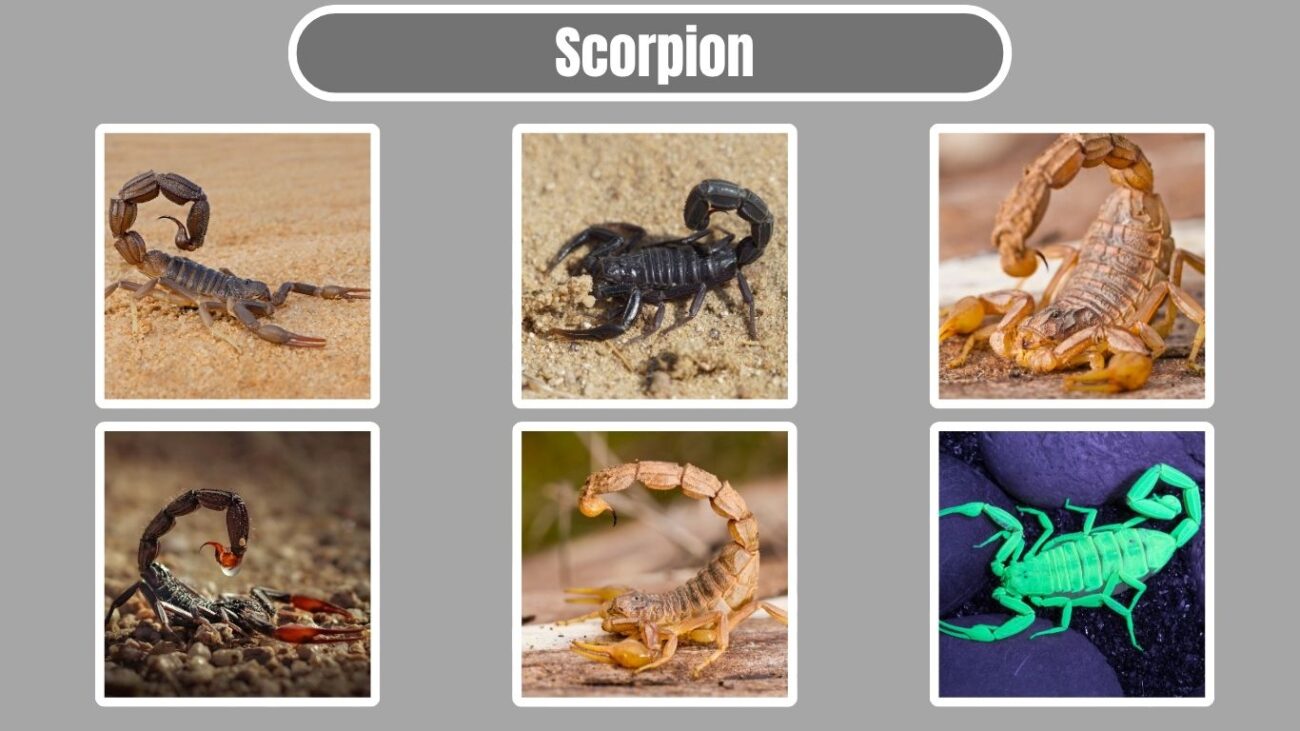
Scorpions are arachnids with eight legs, a pair of pincers, and a segmented tail ending in a venomous stinger. They range in size from 0.5 to 8 inches (1.2 to 20 cm) and are typically tan, brown, or black in color.
Scorpions live in deserts, forests, grasslands, and even caves, mostly hiding under rocks or in burrows during the day. They are nocturnal predators, feeding on insects, spiders, and small vertebrates.
While all scorpions have venom, most species are harmless to humans. They play a vital role in controlling pest populations and are part of many desert ecosystems.
16. Stork
Storks are large, long-legged wading birds known for their impressive wingspans, which can reach up to 10 feet (3 meters) in some species. They have long necks and pointed bills, ideal for catching fish, frogs, and insects in shallow wetlands.
Found across Europe, Asia, Africa, and the Americas, storks inhabit marshes, floodplains, and rice fields. They are migratory and travel vast distances between breeding and wintering grounds.
Storks are also famous in folklore as baby-delivering birds. They build large nests on treetops, rooftops, or poles and often reuse them for years. They are silent birds, communicating mostly through bill-clattering.
17. Shrimp
Shrimp are small, aquatic crustaceans found in both freshwater and saltwater environments. Most species are under 2 inches (5 cm) long, with elongated bodies, long antennae, and translucent or pinkish shells.
They inhabit ocean floors, estuaries, rivers, and mangroves. Shrimp are omnivores, feeding on algae, plankton, detritus, and tiny organisms in the sediment.
Shrimp play a crucial role in the food chain and are a major source of protein for many marine animals—and for humans. They’re also popular in aquariums and are essential to healthy marine ecosystems due to their scavenging habits.
18. Snow Leopard
Snow Leopards are elusive big cats native to the mountainous regions of Central and South Asia. They grow 4 to 5 feet (1.2–1.5 meters) in body length, with thick gray-white fur marked by black rosettes and a long, fluffy tail used for balance and warmth.
They live in alpine and subalpine zones at elevations of 9,800 to 17,000 feet (3,000–5,200 meters), where they prey on mountain goats, sheep, marmots, and other animals.
Snow leopards are solitary and rarely seen in the wild. They are classified as vulnerable due to habitat loss, poaching, and declining prey populations, despite conservation efforts.
19. Sunfish
Sunfish, also known as mola, are among the heaviest bony fish in the world, with adults weighing up to 2,200 pounds (1,000 kg). They have a flattened, oval body with long dorsal and anal fins and can grow over 10 feet (3 meters) in length.
Found in warm and temperate oceans, sunfish swim slowly near the surface, sometimes basking in the sun—hence the name. Despite their size, they feed on jellyfish, small fish, and plankton.
Sunfish are harmless to humans and are often spotted by divers and boaters. Their odd shape and massive size make them fascinating to marine biologists and ocean lovers alike.
20. Sea Lion
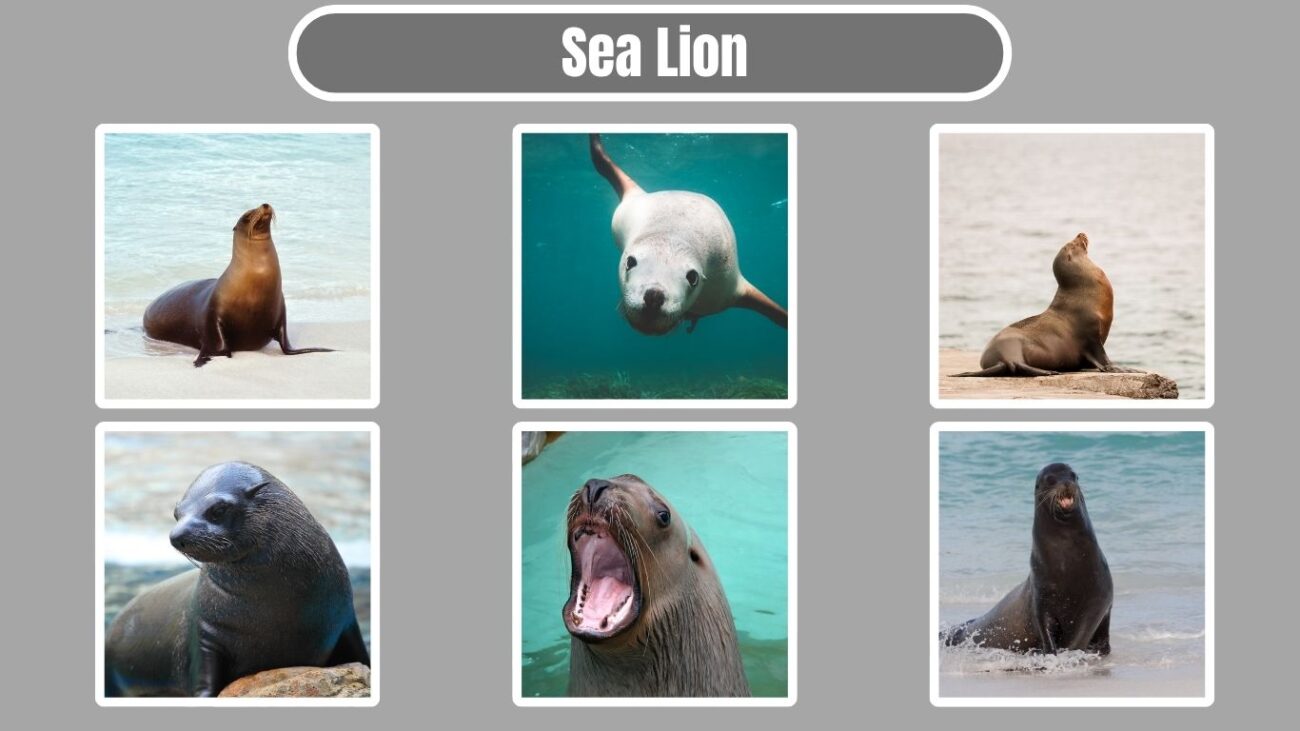
Sea Lions are large, social marine mammals known for their external ear flaps, loud barking, and ability to “walk” on land using their flippers. Males can weigh over 700 pounds (320 kg) and reach 8 feet (2.4 meters) in length.
They live along coastlines and islands in the Pacific Ocean, particularly in North and South America, Australia, and parts of Asia. Sea lions are agile swimmers and can dive over 1,000 feet (300 meters) while hunting fish, squid, and octopus.
They are playful and intelligent, often trained in zoos and marine parks. Sea lions also play key ecological roles in marine ecosystems.
21. Sea Turtle
Sea Turtles are ancient marine reptiles that have existed for over 100 million years. They can grow between 2 to 6 feet (60–180 cm) long and weigh up to 1,500 pounds (700 kg), depending on the species. Their streamlined shells and large flippers make them strong swimmers.
They inhabit warm and tropical oceans worldwide and come ashore only to lay eggs. Common species include the green, loggerhead, leatherback, and hawksbill turtle.
Sea turtles feed on jellyfish, seagrasses, algae, and crustaceans. They’re endangered due to habitat loss, pollution, and bycatch in fishing gear, making global conservation efforts critical for their survival.
22. Sandpiper
Sandpipers are slender, long-legged shorebirds often seen darting along beaches and mudflats. They range in size from 5 to 12 inches (13 to 30 cm) and have brown or gray plumage with speckled patterns for camouflage.
These birds are found near freshwater and coastal wetlands across the globe. They use their long, narrow bills to probe for insects, worms, and crustaceans in the sand.
Sandpipers are migratory and can travel thousands of miles between breeding and wintering grounds. Their constant movement and lively calls are a familiar sight and sound along shorelines during migration seasons.
23. Sambar Deer
Sambar Deer are large deer native to the Indian subcontinent and Southeast Asia. Adults can stand over 5 feet (1.5 meters) tall at the shoulder and weigh up to 600 pounds (270 kg). They have coarse, dark brown fur and large, rugged antlers in males.
They inhabit forests, grasslands, and swamps, often near water sources. Sambar are primarily nocturnal and feed on a variety of vegetation, including grasses, leaves, fruit, and shrubs.
These deer are solitary or travel in small groups. Sambar are a primary prey for tigers and leopards and are important in maintaining balance within their ecosystems.
24. Silverfish
Silverfish are small, wingless insects named for their silvery-gray color and fish-like, wiggling movements. They typically grow up to 1 inch (2.5 cm) in length and have long antennae and three bristle-like tails at the rear.
Silverfish are nocturnal and thrive in moist, dark environments like bathrooms, basements, and kitchens. They feed on starches, paper, glue, and fabrics, making them common household pests.
Despite their creepy appearance, silverfish do not bite or spread disease. However, they can cause damage to books, wallpapers, and stored clothing over time.
25. Siamese Cat
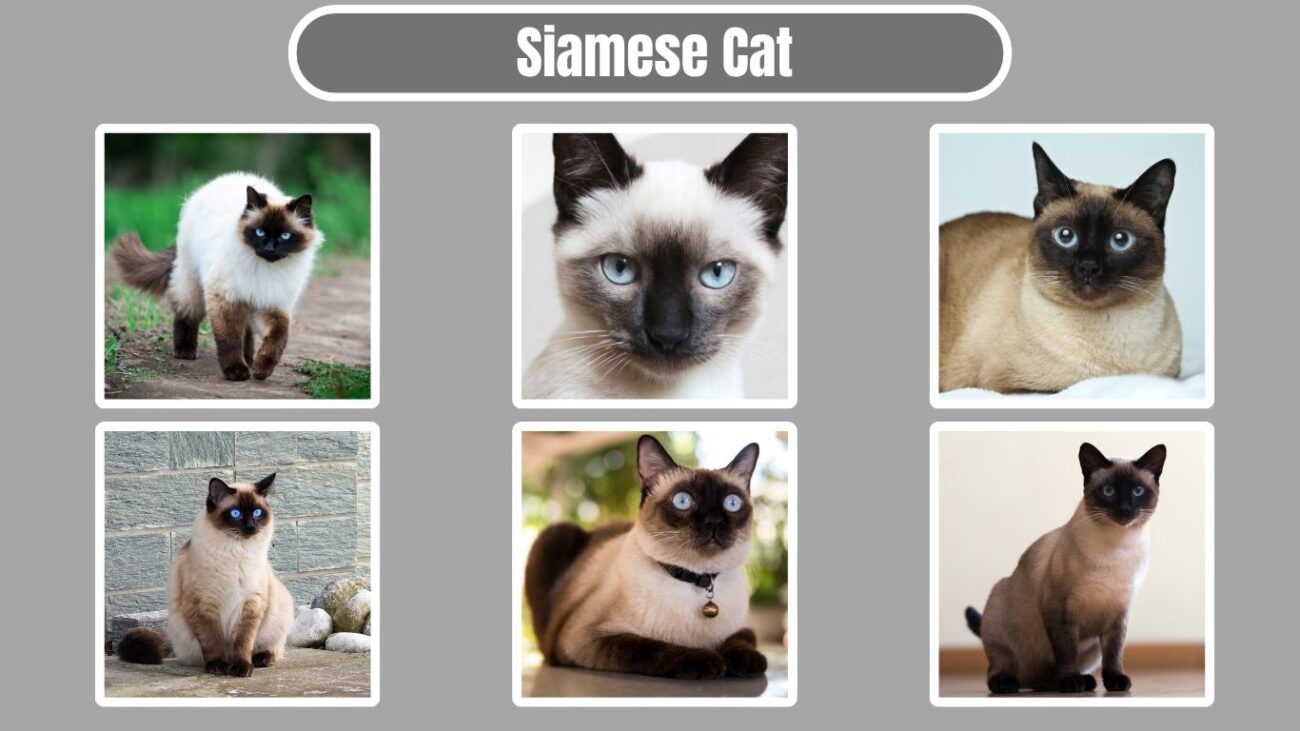
Siamese Cats are one of the oldest and most recognizable domestic cat breeds, originally from Thailand (formerly Siam). They are medium-sized with slender bodies, almond-shaped blue eyes, and short coats with color-point patterns—light bodies with darker extremities (ears, face, paws, tail).
Known for their vocal personalities and strong bonds with humans, Siamese cats are affectionate, curious, and intelligent. They thrive on attention and often follow their owners around the house.
Their diet includes high-protein commercial cat food, and they require a stimulating environment to stay mentally active. These elegant cats are beloved pets around the world.
26. Siberian Husky
Siberian Huskies are medium-sized working dogs known for their thick double coat, erect triangular ears, and striking blue or multicolored eyes. They were originally bred by the Chukchi people of Siberia to pull sleds over long distances in harsh, cold environments.
They thrive in colder climates and are highly energetic, intelligent, and sociable. Huskies are pack-oriented and get along well with other dogs and people, but they require regular exercise and mental stimulation.
Their diet consists of high-protein dog food to match their active lifestyle. Siberian Huskies are also known for their vocal howls and escape-artist tendencies.
27. Swordfish
Swordfish are large, predatory fish named for their long, flat, sword-like bills. They can grow up to 14 feet (4.3 meters) long and weigh over 1,000 pounds (450 kg). Their bodies are streamlined for speed, and they are dark on top with lighter undersides.
They inhabit temperate and tropical oceans worldwide and are capable of diving to depths of 2,000 feet (600 meters). Swordfish are powerful swimmers and feed on squid, smaller fish, and crustaceans.
They are prized by commercial and sport fishers and are known for their fierce strength when hooked. Swordfish are solitary and typically travel alone in open water.
28. Snipe
Snipes are medium-sized, long-billed wading birds found in marshes, wet meadows, and along muddy shorelines. They range from 9 to 13 inches (23–33 cm) in length and are known for their camouflaged brown-and-white plumage and erratic flight patterns.
They use their long, flexible bills to probe into soft mud in search of insects, worms, and small invertebrates. Snipes are shy and well-camouflaged, making them difficult to spot in the wild.
During the breeding season, males perform dramatic aerial displays and “drumming” sounds with their tail feathers to attract mates.
29. Stick Insect
Stick Insects, also known as phasmids, are masters of camouflage, resembling twigs or branches to avoid predators. They vary in size from a few centimeters to over 12 inches (30 cm), depending on the species.
Found in tropical and subtropical forests around the world, they are herbivores that feed on leaves, especially from trees and shrubs. Their coloration and behavior help them blend perfectly with their environment.
Stick insects are mostly nocturnal and slow-moving. Some species can regenerate lost limbs, and many lay eggs that resemble seeds to avoid detection by predators.
30. Shrew
Shrews are tiny, mouse-like mammals with long, pointed snouts and dense fur. They typically measure 2 to 4 inches (5–10 cm) in length and weigh less than 1 ounce (30 grams). Despite their size, they have voracious appetites and incredibly fast metabolisms.
Shrews live in forests, grasslands, and gardens, often hiding under leaf litter, logs, or rocks. They are insectivores, feeding on insects, worms, snails, and sometimes small vertebrates.
Unlike rodents, shrews have sharp, spike-like teeth. Some species are venomous, using their saliva to subdue prey. Though rarely seen, they play an essential role in controlling insect populations.