
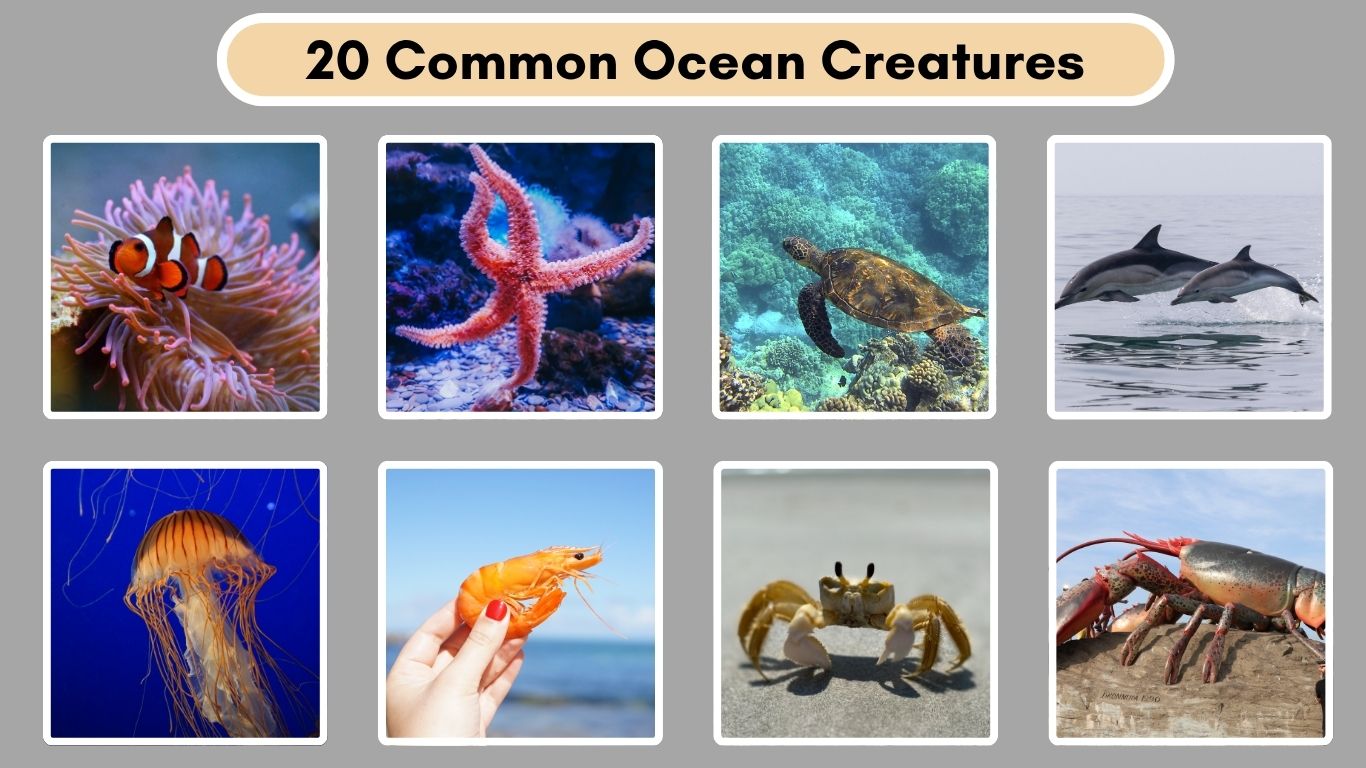
The ocean is home to an incredible variety of life, from tiny plankton feeders to massive marine mammals. In this list, you’ll discover 20 of the most common ocean creatures that play vital roles in marine ecosystems. Whether you’re exploring tide pools, diving in coral reefs, or simply curious about sea life, these creatures represent the fascinating diversity and beauty of life beneath the waves.
1. Clownfish – A Common Ocean Creature
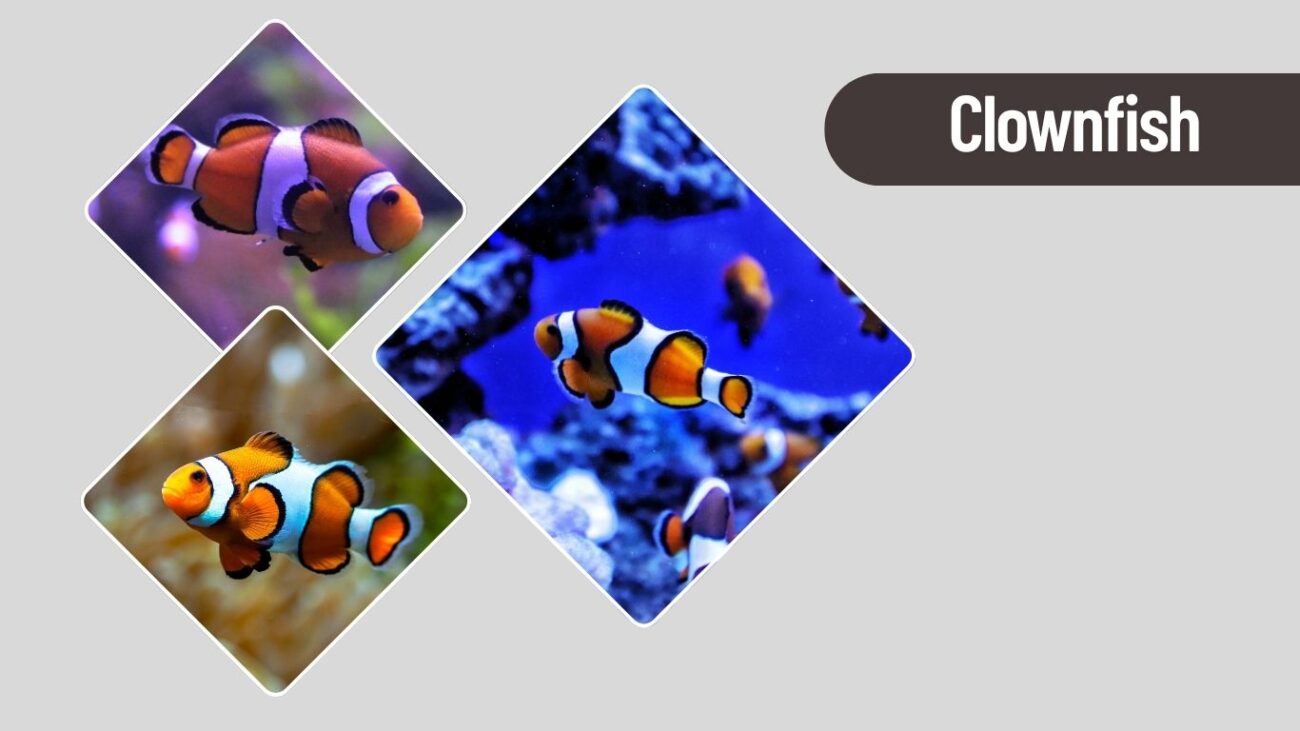
The clownfish is one of the most recognized and beloved ocean creatures, thanks to its bright colors and playful personality. These small reef fish are not only common in the wild but also popular in aquariums around the world. Their close bond with sea anemones and vibrant appearance make them a standout among tropical marine life.
Identification
- Bright orange body with three white vertical stripes
- Small size, usually 3 to 4 inches in length
- Rounded fins and a black outline around the white bands
- Smooth, scaled skin with expressive eyes
- Males are smaller than females
Habitat and Ocean Range
Clownfish live in the warm ocean waters of the Pacific and Indian Oceans, especially around coral reefs in areas like Australia, Southeast Asia, and the Red Sea. They are always found living within sea anemones, which provide them protection.
Behavior and Ocean Adaptation
These ocean creatures have a mutualistic relationship with anemones—they’re immune to the anemone’s sting, gaining shelter while offering food scraps and cleaning. Clownfish are territorial, loyal to their host anemone, and known for their fascinating ability to change sex as part of their social structure.
2. Starfish – A Classic Ocean Creature
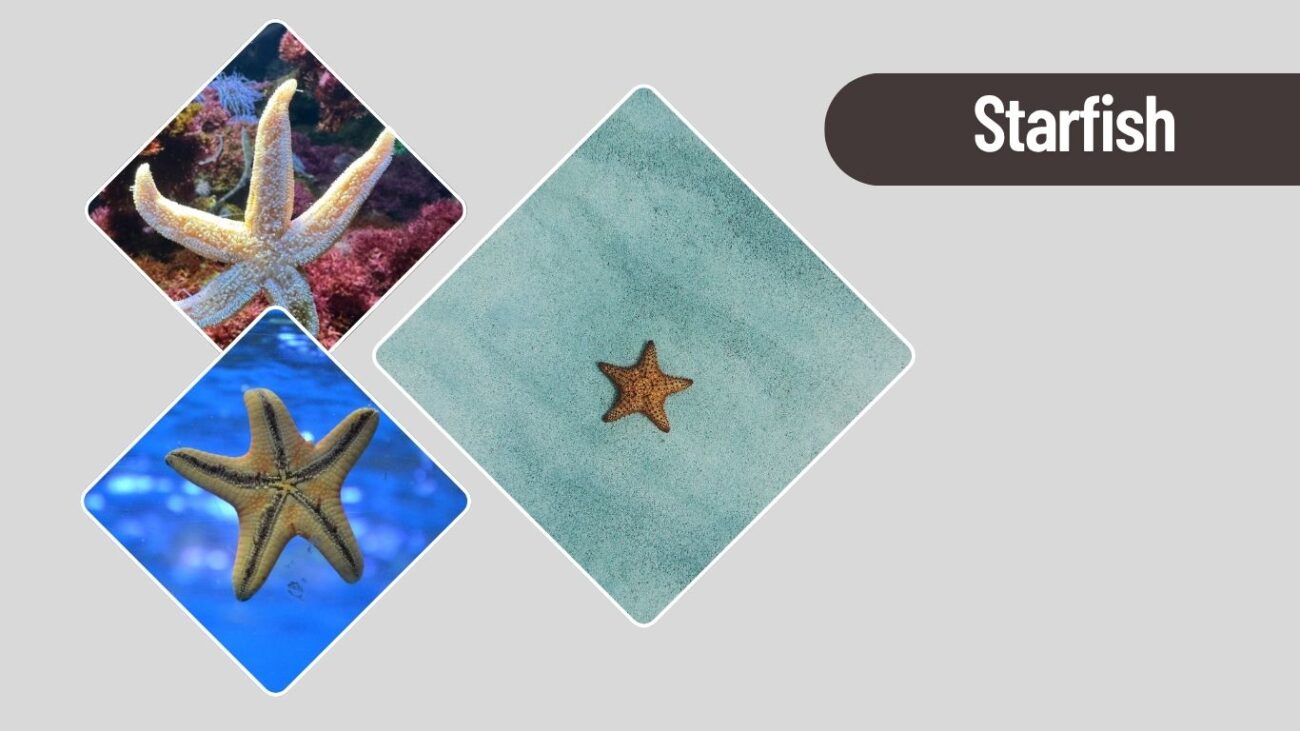
Starfish, also known as sea stars, are iconic ocean creatures commonly found in coastal waters around the world. With their distinct shape and slow, graceful movement, they play a vital role in marine ecosystems, particularly in tide pools and coral reefs.
Identification
- Typically have five arms (some species have more)
- Central disc with tube feet on the underside
- Rough or spiny skin in various colors—red, orange, blue, purple
- Range in size from a few inches to over 2 feet
- No brain or blood—uses water vascular system for movement
Habitat and Ocean Range
Starfish live in oceans worldwide, from shallow tide pools to the deep sea. They are especially common in rocky coastal areas, sandy seabeds, and coral reefs.
Behavior and Ocean Role
These ocean creatures feed primarily on bivalves like mussels and clams, often by everting their stomachs to digest prey. Many species can regenerate lost arms, and some can regrow an entire body from a single arm.
3. Sea Turtle – Ancient Ocean Creature
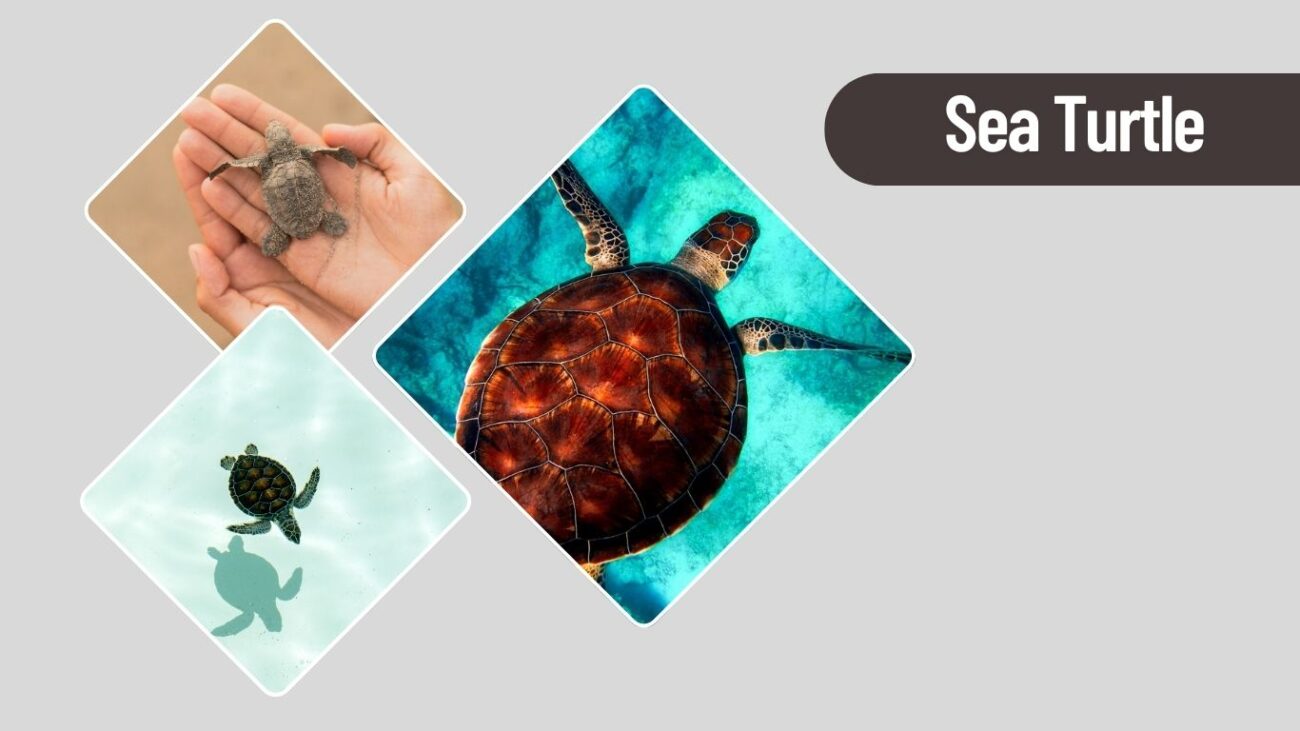
Sea turtles are graceful, long-living reptiles found throughout the world’s oceans. These ocean creatures have roamed the seas for over 100 million years, migrating across vast distances between feeding and nesting grounds.
Identification
- Hard, domed shell (carapace) for protection
- Paddle-like flippers for swimming
- No teeth—sharp, beak-like mouth instead
- Size varies: hatchlings are 2 inches, adults can exceed 4 feet
- Colors range from olive to dark brown or green
Habitat and Ocean Range
Found in tropical and subtropical oceans, sea turtles are common in areas like the Atlantic, Pacific, and Indian Oceans. They frequent coral reefs, seagrass beds, and sandy beaches where they nest.
Behavior and Life Cycle
These ocean creatures are migratory, traveling thousands of miles between habitats. Female sea turtles return to the same beaches to lay eggs. They feed on seagrass, jellyfish, and algae, depending on the species. Most sea turtle species are currently endangered due to pollution, fishing, and habitat destruction.
4. Dolphin – Intelligent Ocean Creature
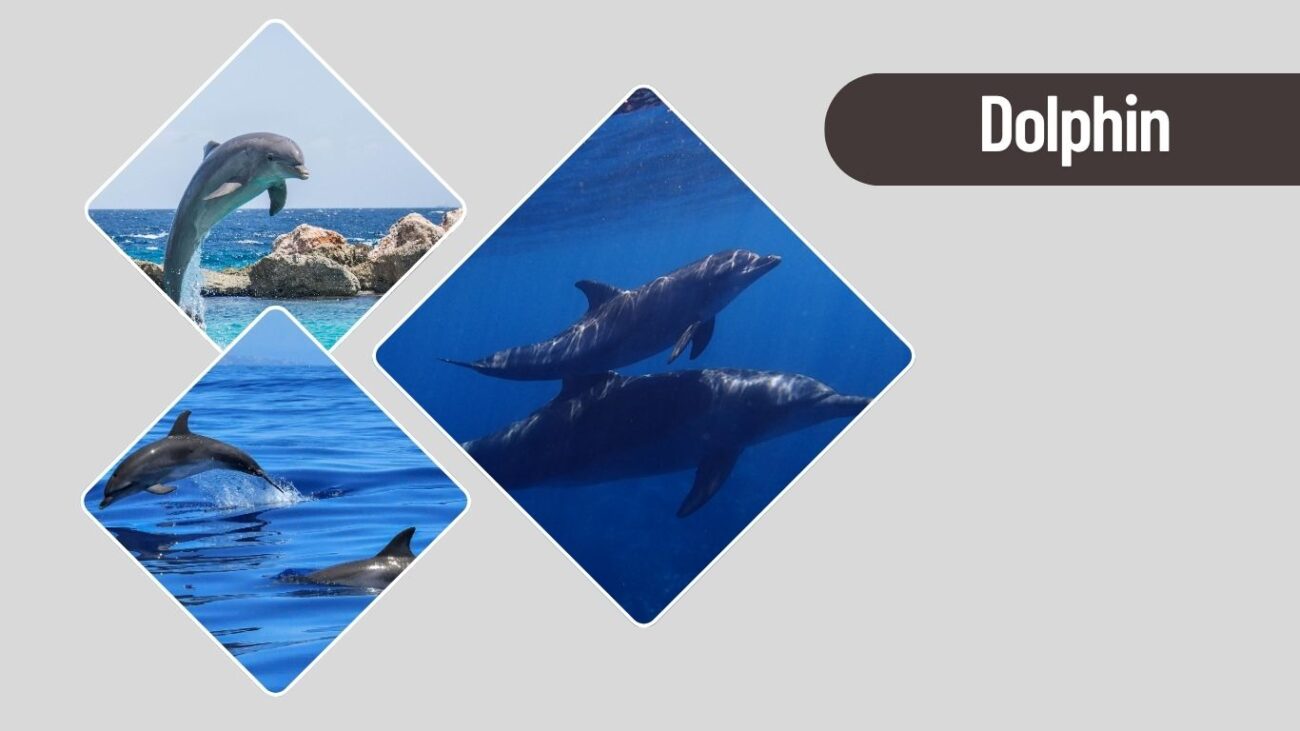
Dolphins are highly intelligent and social ocean creatures known for their playful nature and strong bonds with their pods. They are among the most familiar marine mammals and are often seen swimming near coastlines or leaping from waves in open water.
Identification
- Streamlined, torpedo-shaped body
- Gray skin with lighter belly
- Prominent dorsal fin and elongated beak-like snout
- Grows between 6 to 13 feet depending on species
- Uses echolocation for hunting and navigation
Habitat and Ocean Range
Dolphins inhabit oceans worldwide, especially in warm and temperate coastal waters, bays, and open seas. Some species can also be found in river systems.
Behavior and Communication
These ocean creatures live in pods, use whistles, clicks, and body movements to communicate, and often display complex behaviors like teamwork in hunting and even mimicry. Their high intelligence and curiosity make them popular in marine research and tourism.
5. Octopus – Clever Ocean Creature
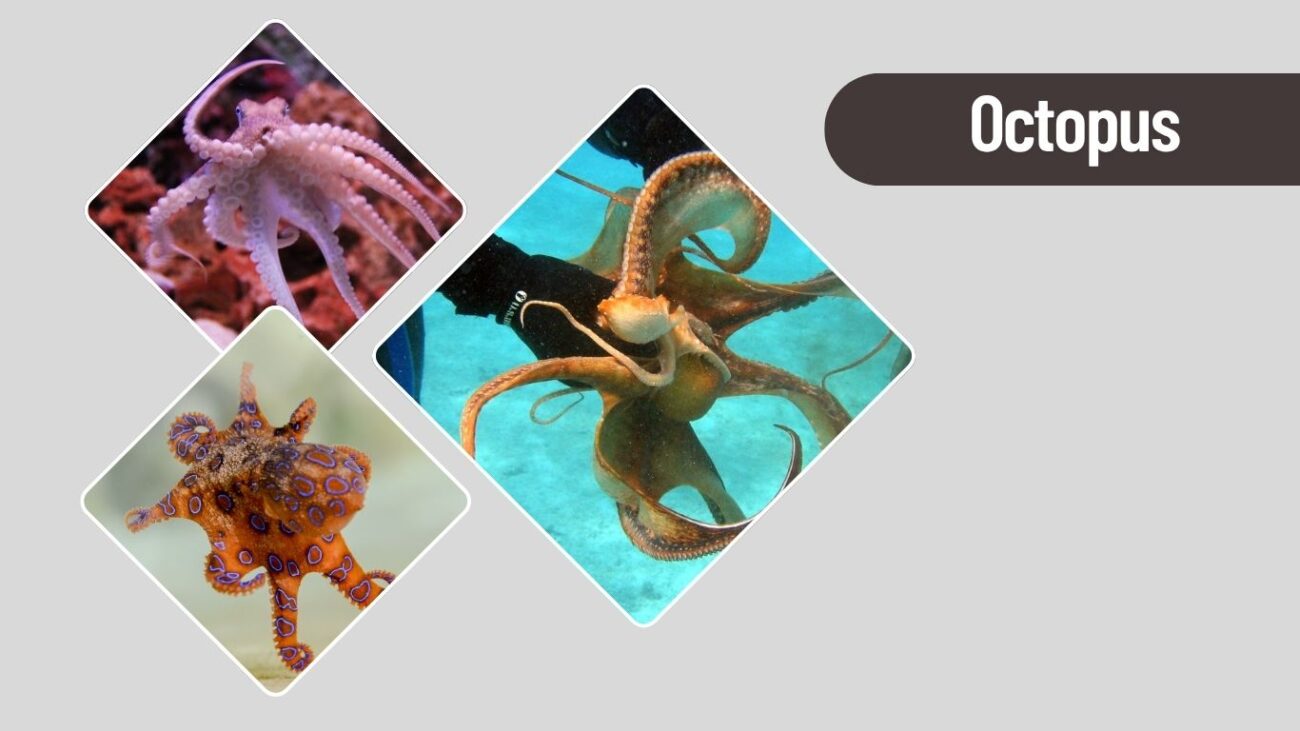
The octopus is a soft-bodied ocean creature celebrated for its intelligence, flexibility, and ability to escape predators using camouflage or ink. It’s one of the most mysterious and adaptable marine animals.
Identification
- Soft, rounded body with eight flexible arms lined with suction cups
- Large eyes and a sharp, beak-like mouth
- Skin can change color and texture for camouflage
- Size varies widely, from a few inches to over 10 feet across
- No bones, allowing it to squeeze through tiny spaces
Habitat and Ocean Range
Octopuses are found in every ocean, from shallow coastal waters to deep-sea trenches. Common habitats include rocky reefs, coral systems, and seafloor caves.
Behavior and Intelligence
These ocean creatures are solitary and highly intelligent, capable of opening jars, using tools, and solving puzzles. They escape predators with bursts of ink, rapid color shifts, and by squeezing into tight hiding spots.
6. Jellyfish – Ancient Ocean Creature
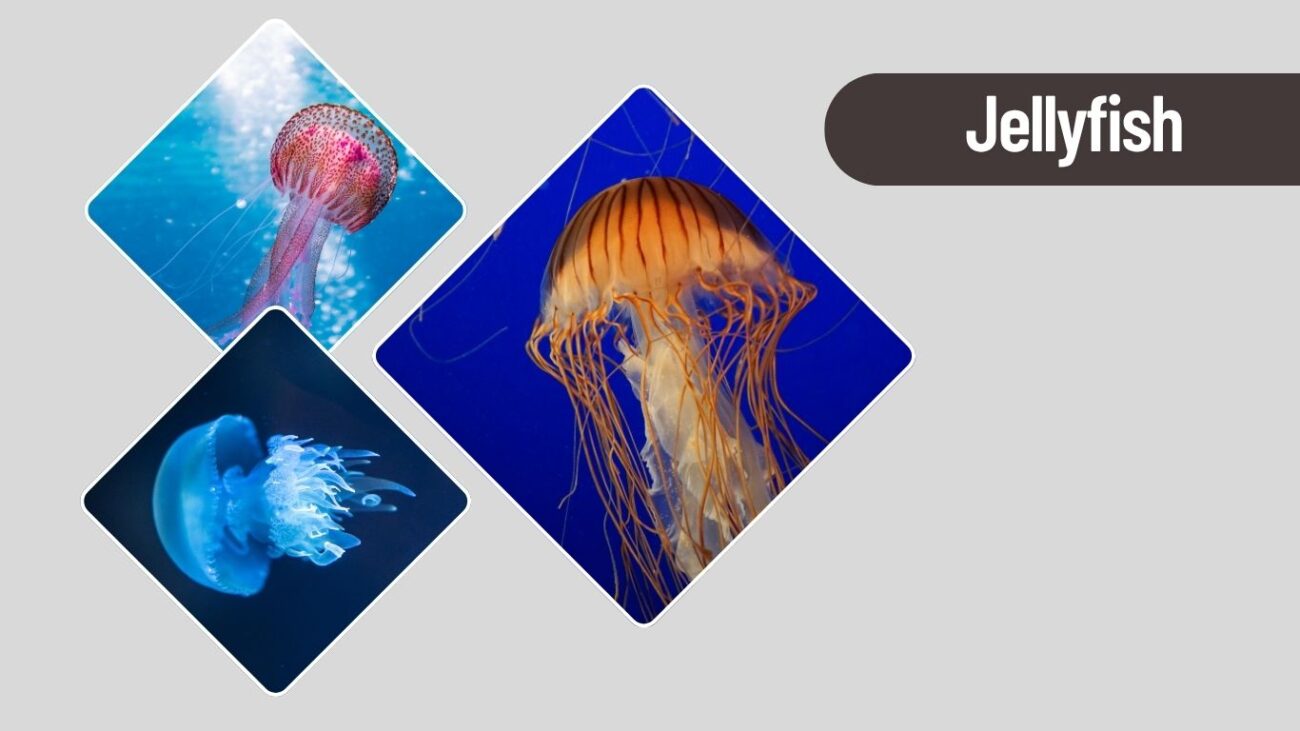
Jellyfish are soft-bodied, free-floating ocean creatures that have existed for over 500 million years. Known for their bell-shaped bodies and trailing tentacles, they drift gracefully through the water, captivating observers with their movement and translucence.
Identification
- Gelatinous, umbrella-like bell
- Long, stinging tentacles hanging below
- Colors range from clear to pink, purple, or blue
- Size varies—from less than an inch to over 6 feet across
- Lacks brain, bones, and heart
Habitat and Ocean Range
Jellyfish are found in all oceans, from shallow coastal bays to deep-sea environments. They’re especially common in open waters, estuaries, and tropical zones.
Behavior and Survival
These ocean creatures drift with currents and pulse gently to swim. Many use stinging cells (nematocysts) to capture plankton or small fish. Some jellyfish glow in the dark using bioluminescence, and certain species cause painful stings in humans.
7. Sea Urchin – Spiny Ocean Creature
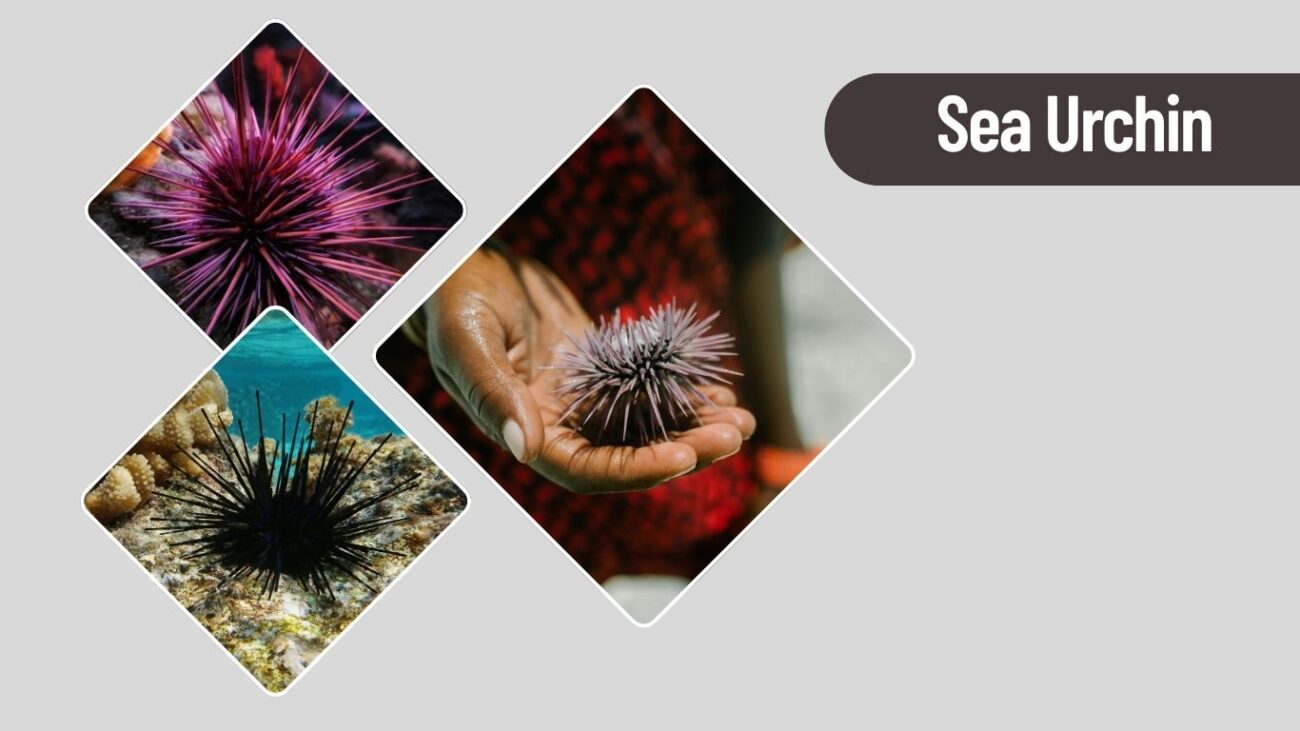
Sea urchins are small, round ocean creatures covered in sharp spines. Despite their prickly appearance, they play a critical role in maintaining the balance of marine ecosystems, particularly in coral reefs and kelp forests.
Identification
- Globular body covered with rigid or flexible spines
- Tube feet underneath for movement and feeding
- Colors range from black and purple to red and green
- Typically 1 to 4 inches in diameter
- Hard outer shell called a “test”
Habitat and Ocean Range
Sea urchins inhabit oceans worldwide, especially in shallow coastal waters, rocky reefs, coral systems, and seagrass beds.
Behavior and Ecological Role
These ocean creatures are herbivores, grazing on algae and seaweed. Their feeding habits help prevent algal overgrowth on coral reefs. Some species have venomous spines, while others are harmless and fascinating to observe.
8. Shrimp – Small but Vital Ocean Creature
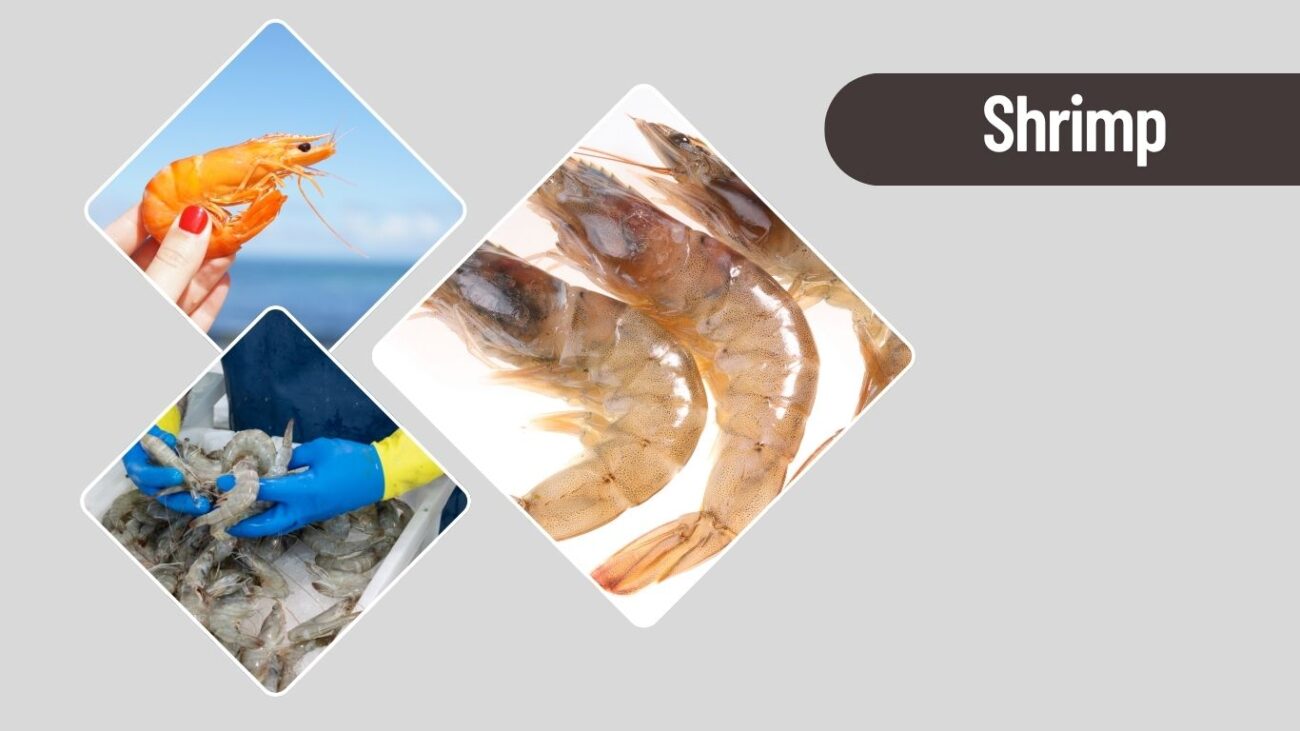
Shrimp are small, agile ocean creatures that play a key role in the marine food chain. With their curved bodies and long antennae, they are found in a wide variety of marine environments and are a major source of food for many ocean animals—and humans.
Identification
- Segmented body with a hard exoskeleton
- Long antennae and swimmerets (small limbs under the abdomen)
- Typically 1 to 3 inches in size, though some species are larger
- Vary in color: gray, pink, red, or translucent
- Fast swimmers, moving backward using their strong tail
Habitat and Ocean Range
Shrimp are found in oceans around the world, especially in shallow coastal waters, estuaries, coral reefs, and deep-sea floors.
Behavior and Importance
These ocean creatures are scavengers and filter feeders, consuming algae, plankton, and detritus. They serve as a vital food source for fish, whales, and seabirds, making them essential to healthy marine ecosystems.
9. Crab – Hard-Shelled Ocean Creature
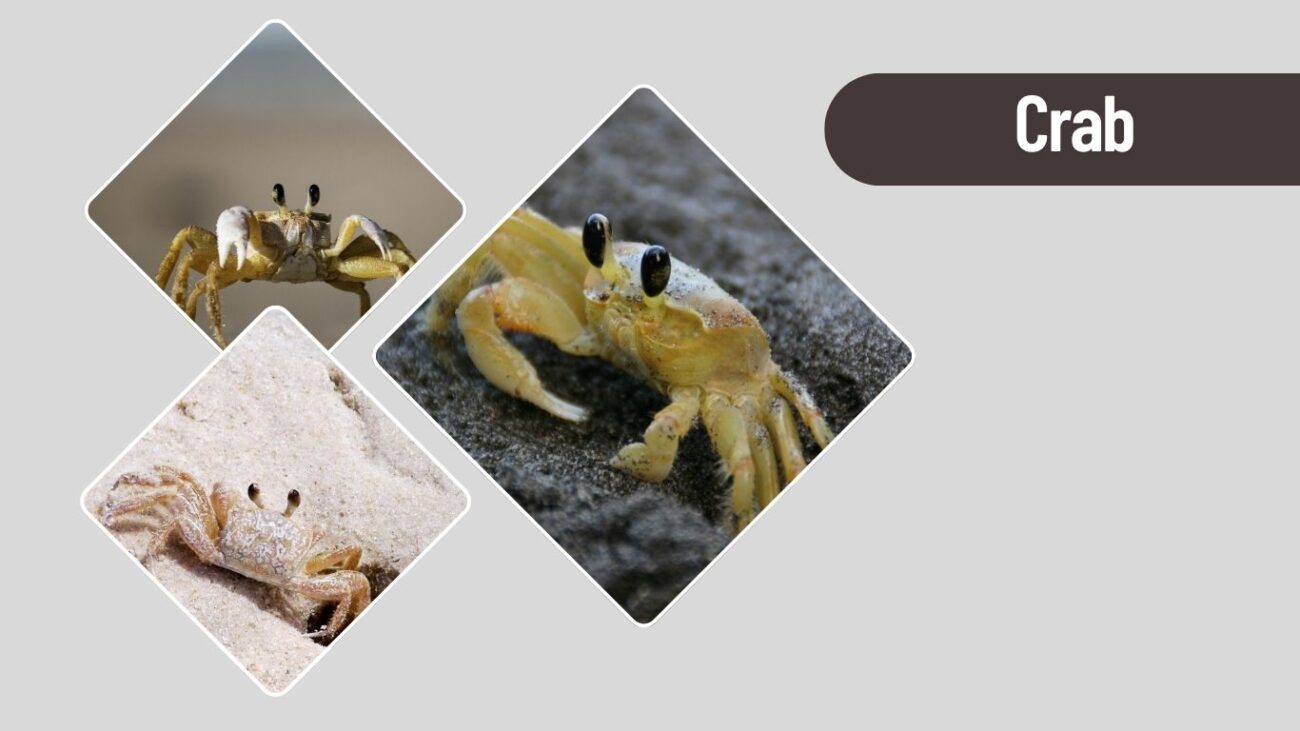
Crabs are common ocean creatures known for their hard shells, strong claws, and sideways walk. With thousands of species found in marine environments, they are among the most recognizable creatures along beaches and reefs.
Identification
- Broad, flattened body with five pairs of legs, including front claws
- Hard exoskeleton that molts as they grow
- Size ranges from tiny pea crabs to massive spider crabs
- Colors vary: red, brown, blue, or patterned
- Eyes on stalks and strong, functional pincers
Habitat and Ocean Range
Crabs live in oceans worldwide, especially in intertidal zones, mangroves, coral reefs, and deep-sea areas. They are also seen on rocky shores and sandy beaches.
Behavior and Diet
Crabs are omnivores, feeding on algae, plankton, small fish, and detritus. Some burrow into the sand, while others hide in crevices. They are territorial and use their claws for defense, digging, and communication.
10. Lobster – Powerful Ocean Creature
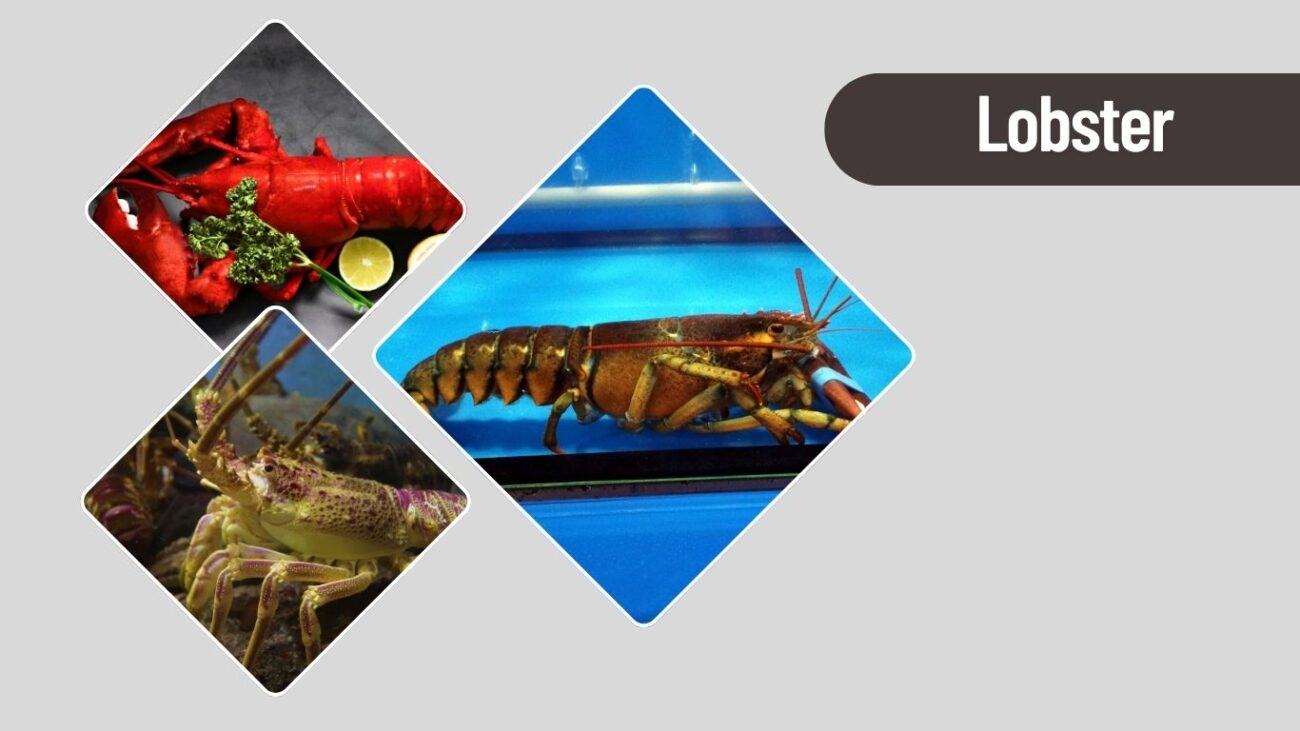
Lobsters are large, bottom-dwelling ocean creatures recognized for their strong claws, long bodies, and tough exoskeletons. They are important predators and scavengers in the marine environment and are also a popular seafood delicacy.
Identification
- Long, segmented body with a hard exoskeleton
- Two large claws—one for crushing, one for cutting
- Long antennae and multiple walking legs
- Typically dark green, blue, or brown in the wild (turn red when cooked)
- Can grow over 2 feet and weigh over 40 pounds
Habitat and Ocean Range
Lobsters are found in cold and temperate ocean waters, especially in the North Atlantic Ocean along the U.S. and Canadian coasts, and parts of Europe. They inhabit rocky seafloors and reef crevices.
Behavior and Diet
These ocean creatures are nocturnal scavengers, feeding on dead animals, fish, mollusks, and algae. They grow by molting their shells and can live for decades if left undisturbed.
11. Moray Eel – Mysterious Ocean Creature
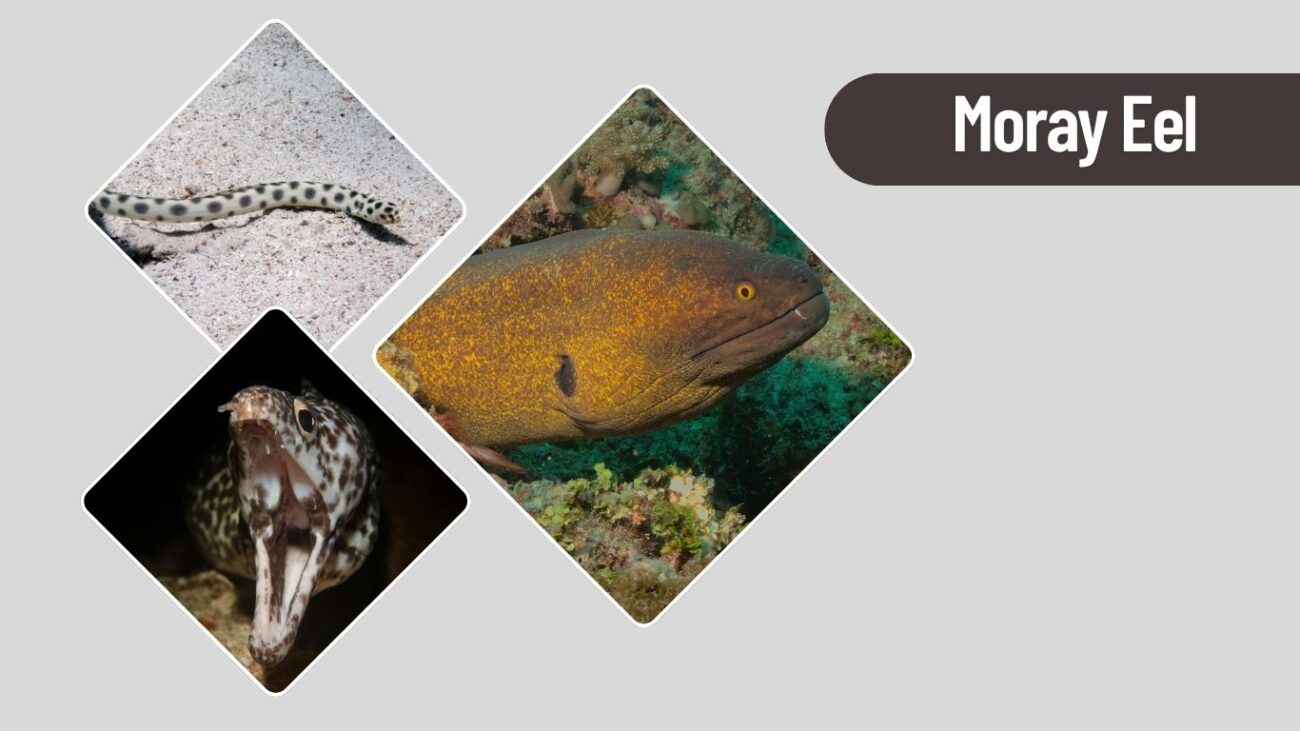
Moray eels are long, snake-like ocean creatures known for their fearsome appearance and secretive habits. Although they look intimidating, they are generally shy and stay hidden in reefs and rocky crevices.
Identification
- Elongated body with smooth, scaleless skin
- Sharp, curved teeth and wide mouth
- Skin patterns may be spotted, banded, or solid-colored
- Grows from 1 to over 10 feet, depending on species
- Lacks pectoral and pelvic fins
Habitat and Ocean Range
Found in warm tropical and temperate oceans, especially in coral reefs, rocky coastlines, and ledges of the Indo-Pacific, Caribbean, and Atlantic.
Behavior and Feeding
Moray eels are ambush predators, feeding on fish, crustaceans, and octopuses. They often lurk in holes with just their heads visible. Though not aggressive, they may bite in self-defense if disturbed.
12. Sea Anemone – Colorful Ocean Creature
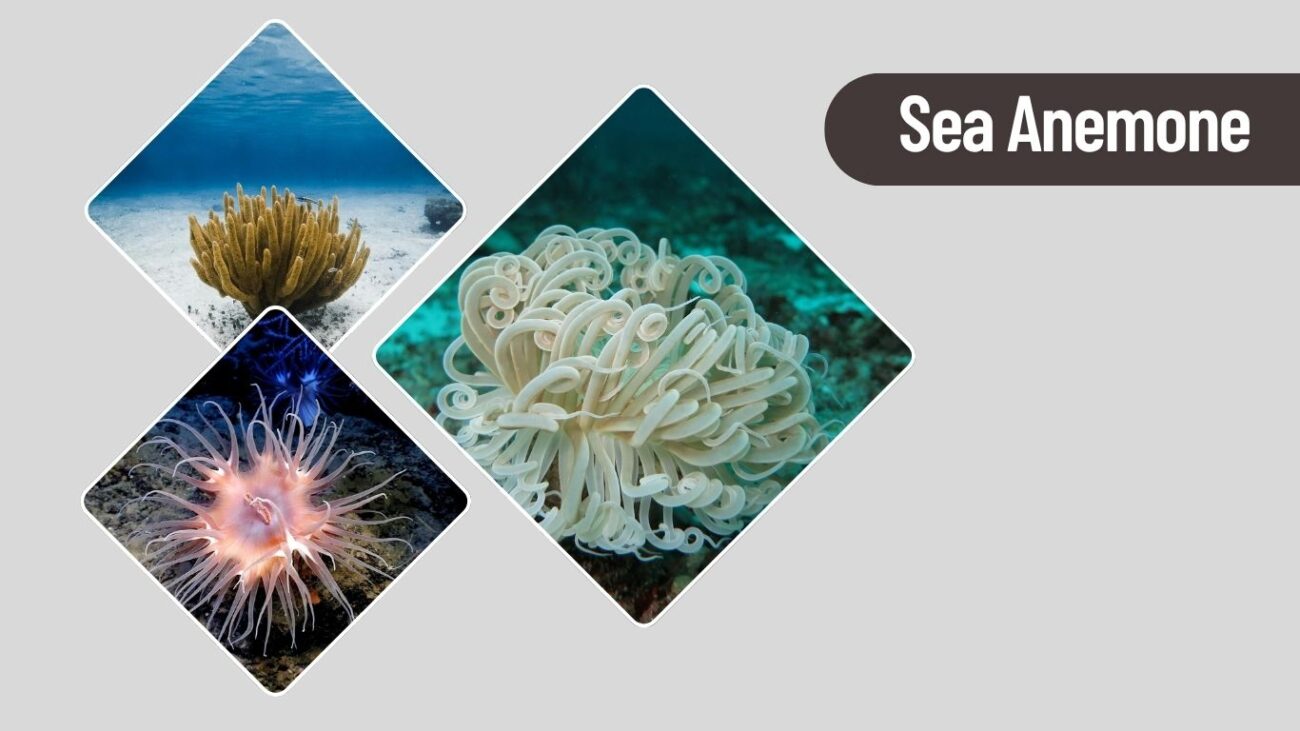
Sea anemones are vibrant, flower-like ocean creatures that attach to rocks and coral. Though they look like plants, they are actually predatory animals that use their tentacles to stun and capture prey.
Identification
- Soft, cylindrical body with a crown of stinging tentacles
- Tentacles surround a central mouth
- Come in bright colors: red, pink, green, orange, purple
- Sizes range from less than 1 inch to over 6 feet across
- Sticky base used for anchoring to surfaces
Habitat and Ocean Range
Sea anemones are found in oceans worldwide, especially in shallow reefs, rocky coastlines, tidal pools, and deep-sea environments.
Behavior and Role
These ocean creatures use nematocysts (stinging cells) to paralyze small fish and plankton. Some have symbiotic relationships with clownfish, offering shelter in exchange for food and protection.
13. Squid – Fast-Moving Ocean Creature
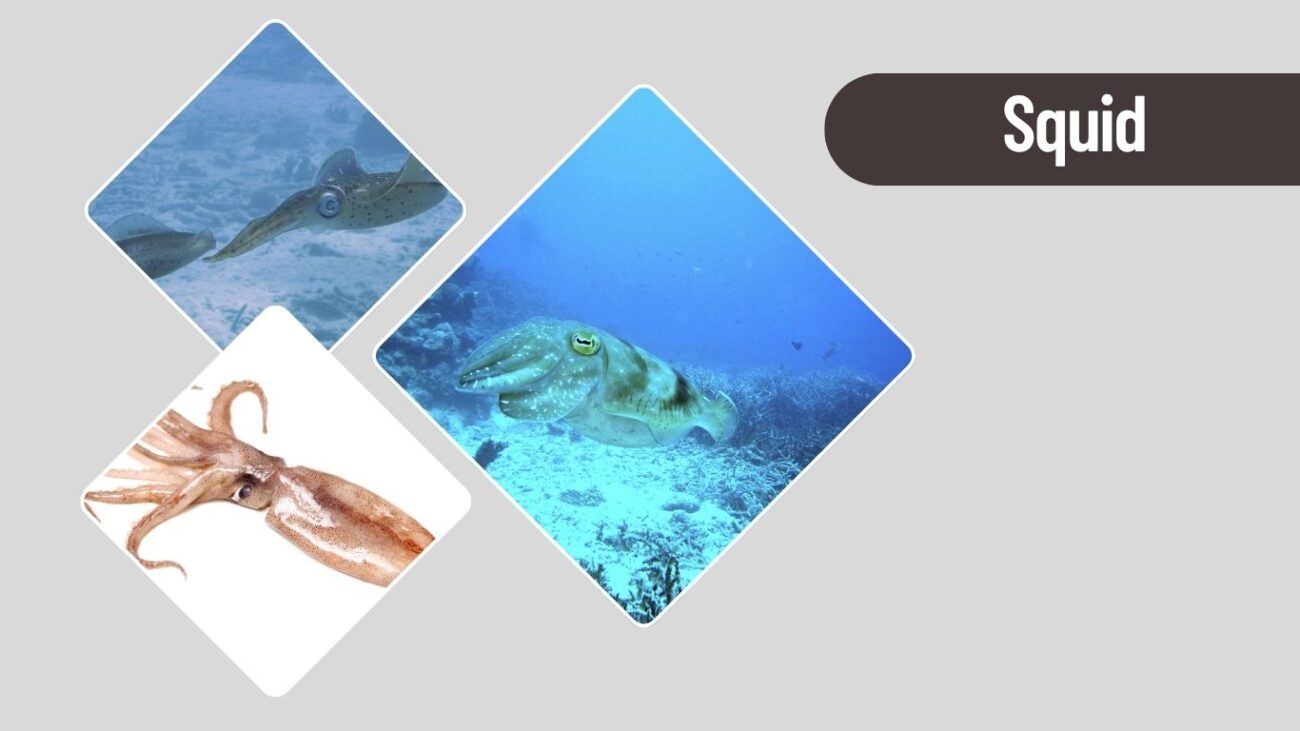
Squids are swift and intelligent ocean creatures, known for their streamlined bodies and jet-propulsion movement. They are active hunters and a key part of the food chain in both shallow and deep waters.
Identification
- Elongated body with eight arms and two long tentacles
- Large eyes and a beak-like mouth
- May have light organs (bioluminescence)
- Colors vary—some can change rapidly for camouflage
- Size ranges from 1 inch to over 40 feet (giant squid)
Habitat and Ocean Range
Squids are found in all the world’s oceans, from shallow coastal zones to deep open waters, particularly in temperate and tropical regions.
Behavior and Defense
These ocean creatures are carnivorous, feeding on fish, crustaceans, and other squids. They escape predators by releasing ink clouds and can move quickly using jet propulsion. Some species glow in the dark or change color to communicate or hide.
14. Seahorse – Delicate Ocean Creature
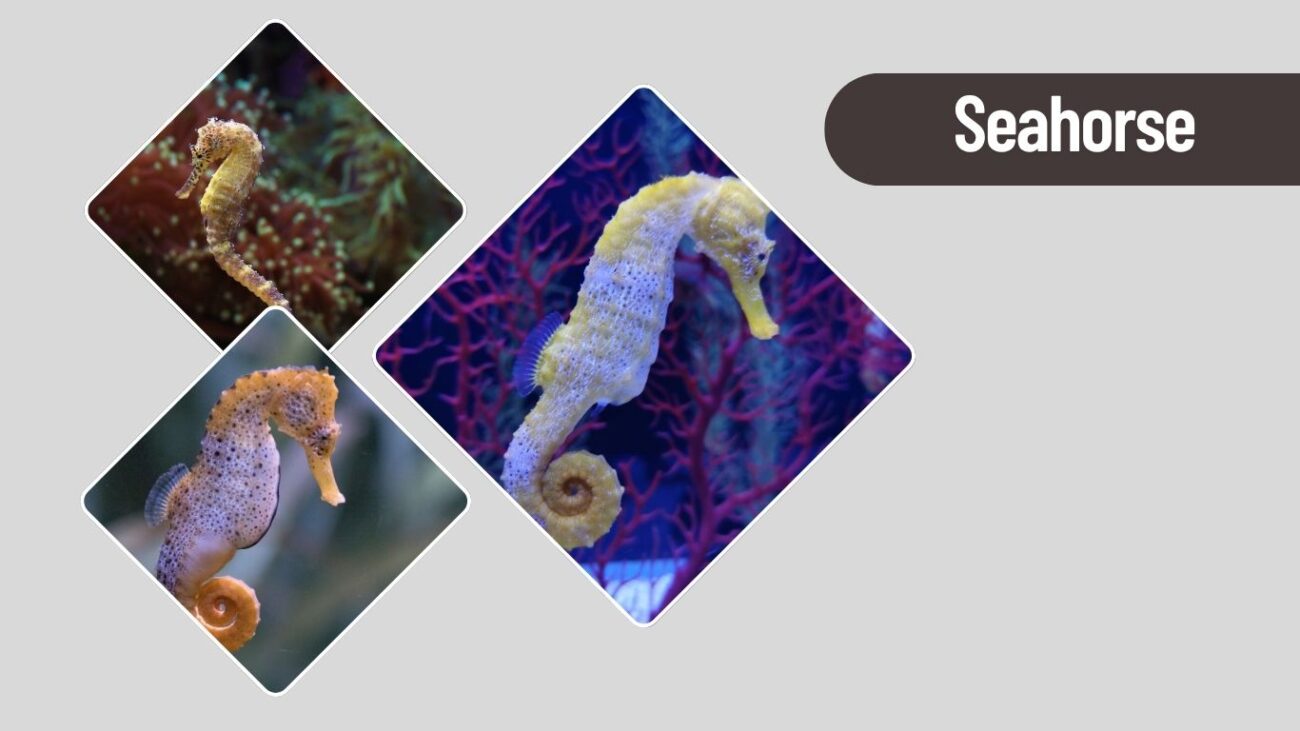
Seahorses are small, upright-swimming ocean creatures known for their horse-like head, curled tail, and gentle nature. Their unique appearance and reproductive behavior make them one of the most fascinating marine species.
Identification
- Small, slender body with bony plates instead of scales
- Horse-shaped head and long, tube-like snout
- Prehensile tail used for gripping seagrass or coral
- Sizes range from ½ inch to 14 inches
- Males have a pouch for carrying eggs
Habitat and Ocean Range
Found in shallow coastal waters, especially seagrass beds, coral reefs, and mangroves in the Atlantic, Pacific, and Indian Oceans.
Behavior and Breeding
Seahorses are poor swimmers and rely on camouflage and their tail grip to stay in place. Males carry fertilized eggs in their pouch and give birth to live young—a rare trait among fish.
15. Coral – Reef-Building Ocean Creature
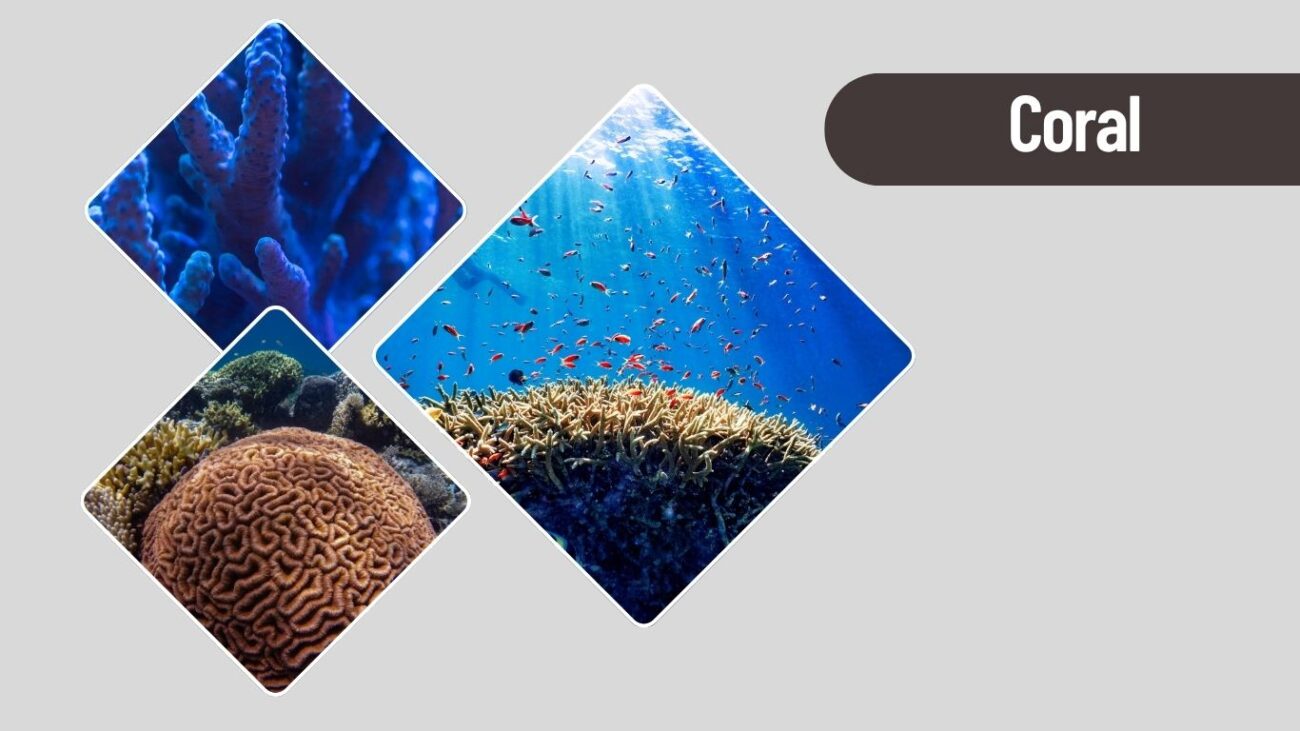
Corals are small marine animals that form vast reef structures supporting thousands of ocean species. Though they look like colorful rocks or plants, corals are living organisms that build the backbone of many tropical ocean ecosystems.
Identification
- Made up of colonies of tiny animals called polyps
- Hard corals build calcium carbonate skeletons
- Vary in shape: branching, brain-like, dome, or plate-shaped
- Come in many colors: pink, green, yellow, red, and more
- Do not move—attached to surfaces permanently
Habitat and Ocean Range
Corals are found mainly in shallow, warm tropical oceans, especially in areas like the Great Barrier Reef, Caribbean, and Indo-Pacific regions.
Role and Symbiosis
Corals live in a symbiotic relationship with zooxanthellae (algae) that provide them with energy. These ocean creatures are essential to marine biodiversity, supporting more than 25% of ocean life, yet are sensitive to climate change and ocean acidification.
16. Manta Ray – Gentle Giant Ocean Creature
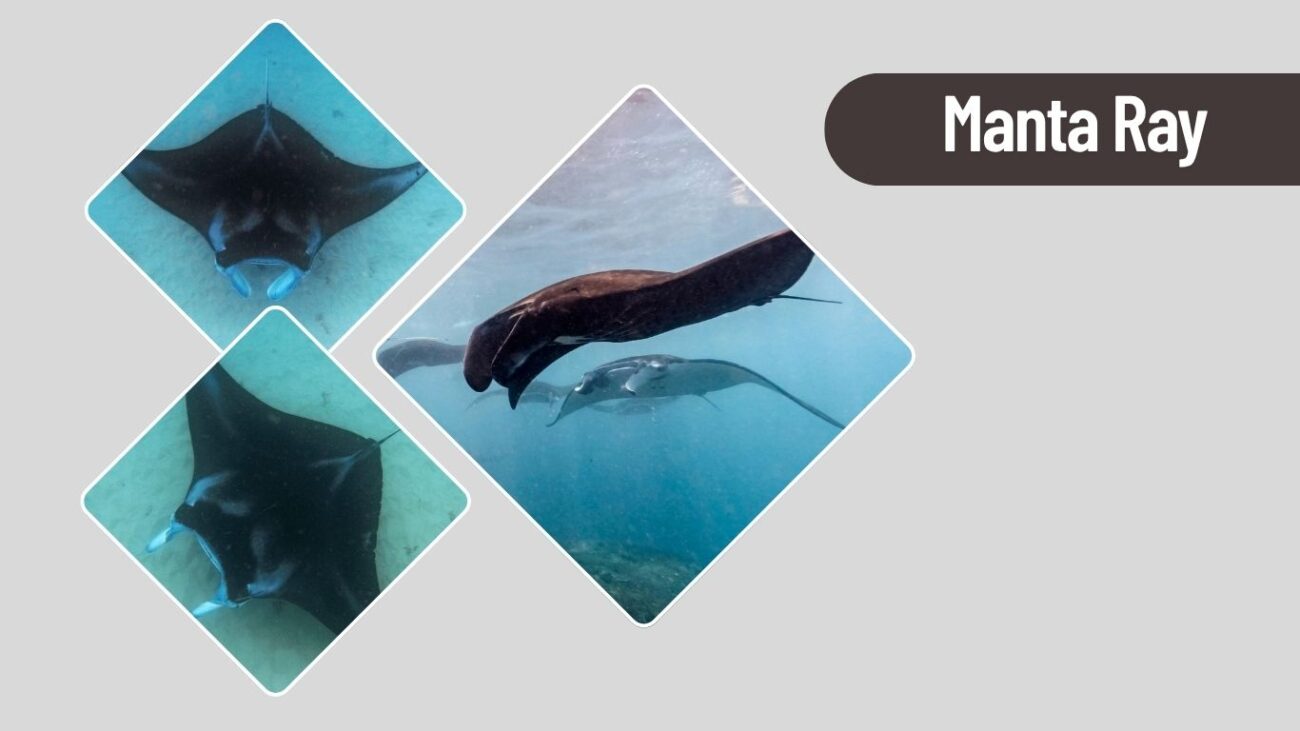
Manta rays are enormous, graceful ocean creatures that glide effortlessly through open waters. Despite their massive size, they are gentle filter feeders and completely harmless to humans.
Identification
- Flat, diamond-shaped body with wing-like pectoral fins
- Forward-facing cephalic lobes near the mouth
- No stinger on the tail (unlike stingrays)
- Can reach up to 23 feet across
- Dark-colored top and white underside, sometimes with unique spot patterns
Habitat and Ocean Range
Found in tropical and subtropical oceans around the world, especially near coastal reefs, open ocean, and cleaning stations in the Pacific, Indian, and Atlantic Oceans.
Behavior and Movement
Manta rays feed on plankton by swimming with their mouths open. They often visit cleaning stations, where smaller fish remove parasites. Known for their intelligence, they sometimes leap out of the water, a behavior called breaching.
17. Tuna – Speedy Ocean Creature
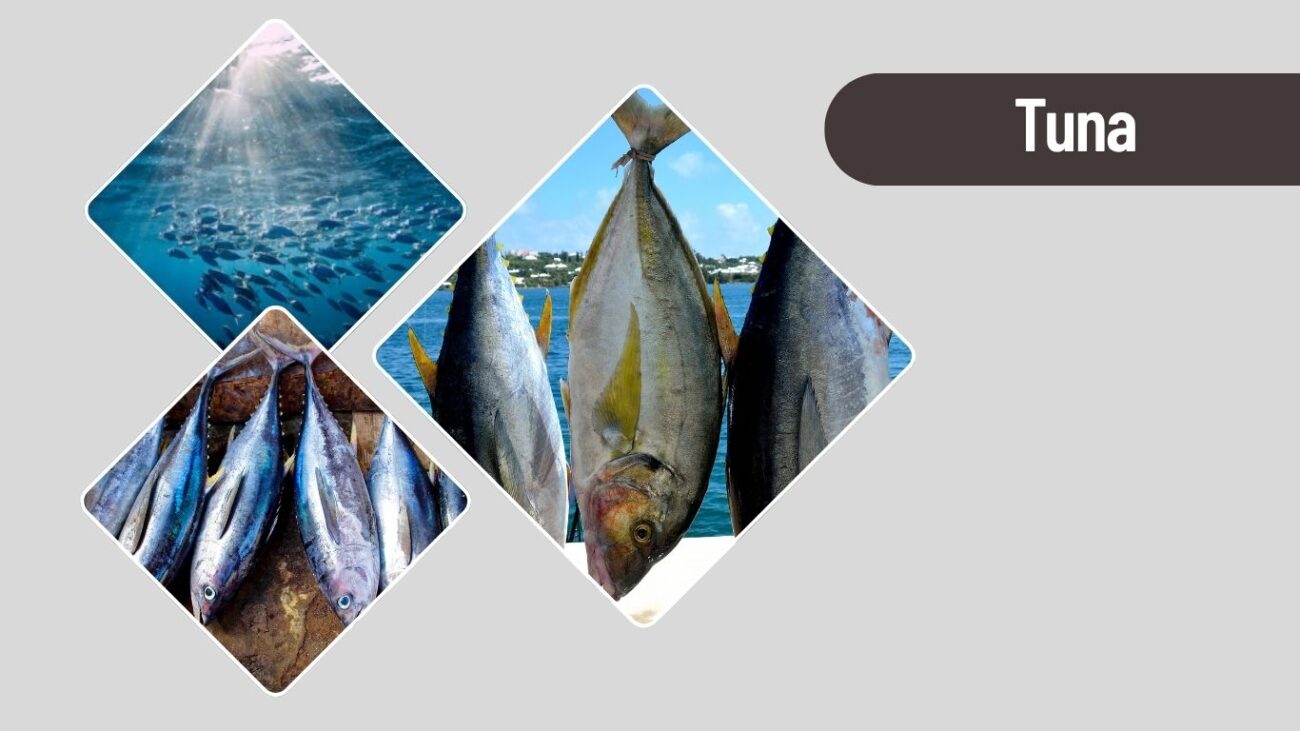
Tuna are strong, fast-swimming ocean creatures that travel long distances across the seas. They are vital both ecologically and economically, as top predators and a major food source worldwide.
Identification
- Sleek, torpedo-shaped body for high-speed swimming
- Metallic blue or silver coloration with finlets near the tail
- Powerful, crescent-shaped tail
- Can grow from 2 feet to over 10 feet depending on species
- Warm-blooded—helps maintain muscle performance in cold water
Habitat and Ocean Range
Found in open oceans worldwide, especially in tropical and temperate waters of the Atlantic, Pacific, and Indian Oceans.
Behavior and Importance
Tuna swim in large schools, feeding on fish, squid, and crustaceans. They are important predators and are also heavily fished for food. Species like the bluefin tuna are prized in global markets but face threats from overfishing and habitat decline.
18. Pufferfish – Inflating Ocean Creature
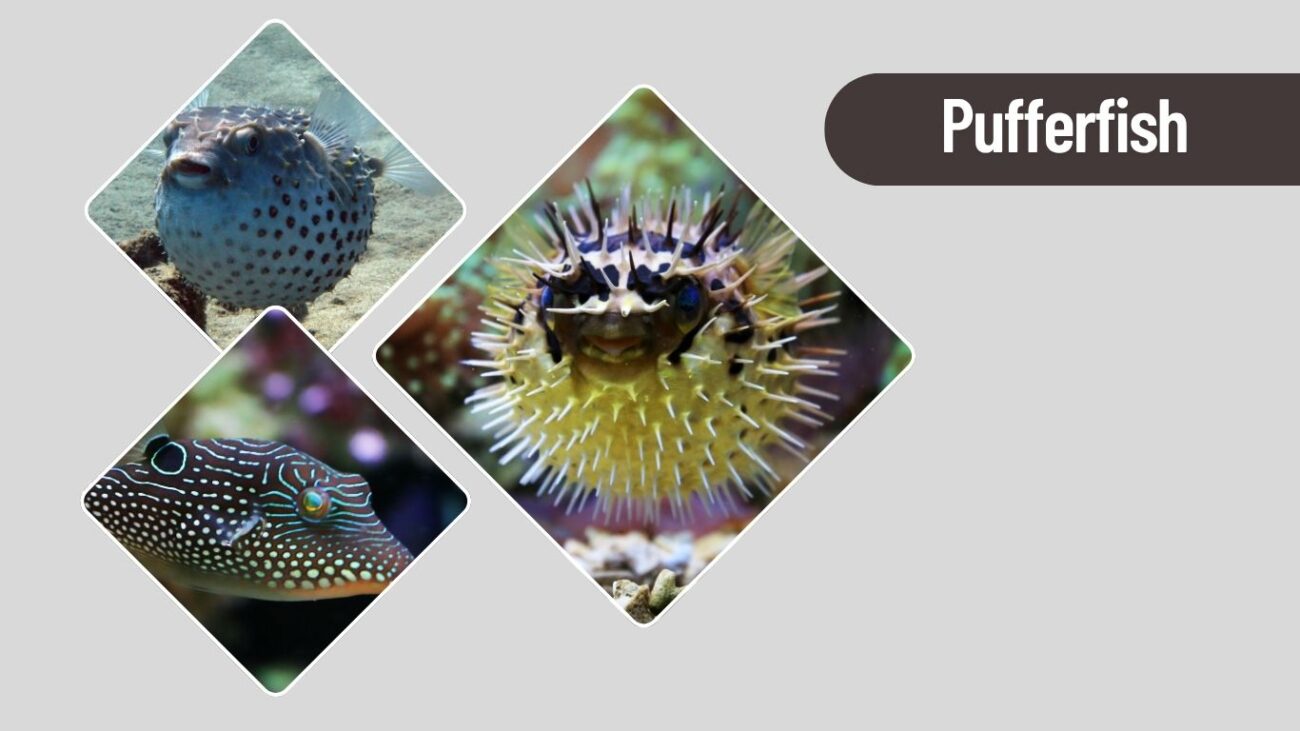
Pufferfish are unique ocean creatures known for their ability to inflate into a spiky ball when threatened. Their round bodies, big eyes, and slow swimming make them one of the ocean’s most charming and curious inhabitants.
Identification
- Short, rounded body that inflates when disturbed
- Some species have spines or rough skin
- Large eyes and a small, beak-like mouth
- Usually 1 to 2 feet long
- Brightly colored or patterned in tropical species
Habitat and Ocean Range
Found in warm and temperate oceans, particularly in coral reefs, lagoons, and coastal waters across the Pacific, Indian, and Atlantic Oceans.
Behavior and Defense
When threatened, pufferfish gulp water or air to inflate their bodies, making themselves harder to swallow. Many species also produce tetrodotoxin, a potent toxin that deters predators.
19. Whale – Majestic Ocean Creature
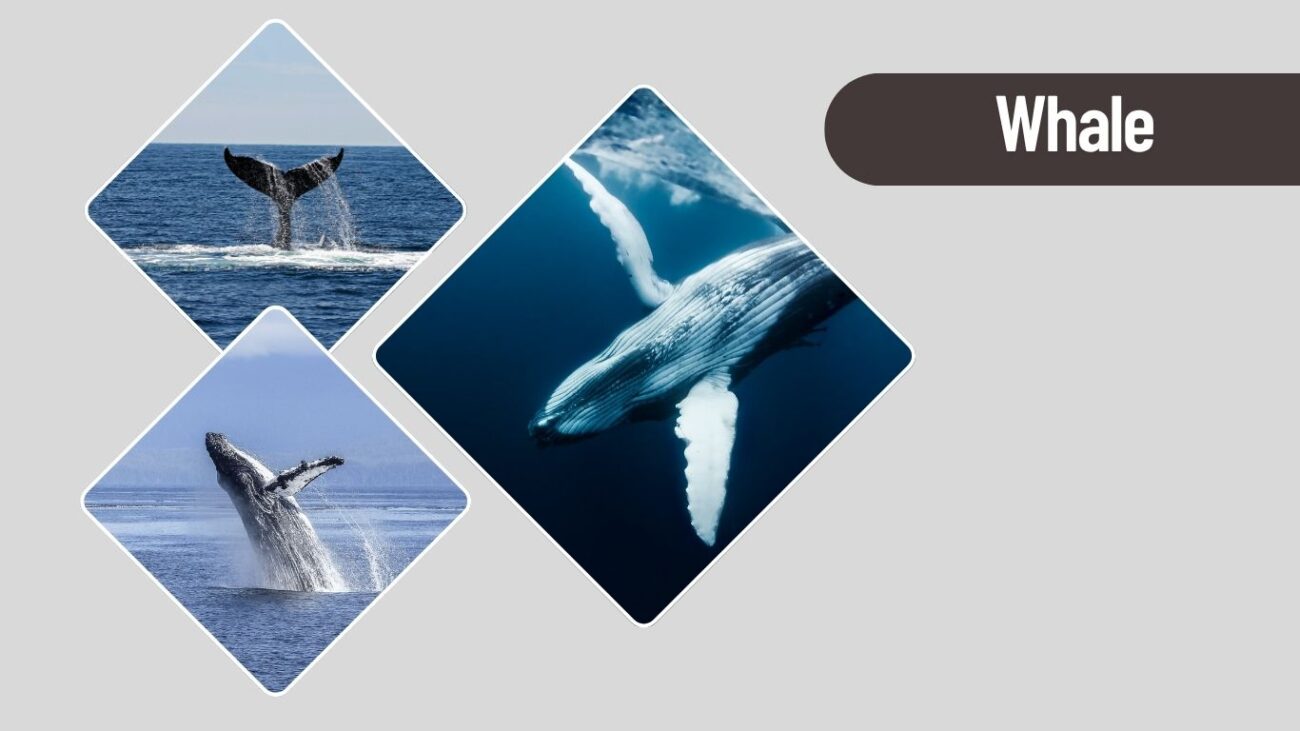
Whales are massive marine mammals and among the most majestic ocean creatures. They are known for their intelligence, deep songs, and incredible migrations across the seas.
Identification
- Large, streamlined body with horizontal tail flukes
- Blowhole(s) on top of the head for breathing
- Some species have baleen plates; others have teeth
- Varies in size—minke whales (20+ ft) to blue whales (100+ ft)
- Colors range from gray to blue, black, or mottled
Habitat and Ocean Range
Whales inhabit all the world’s oceans, from polar to tropical waters. Many species follow seasonal migration routes between feeding and breeding grounds.
Behavior and Communication
Whales are highly social and intelligent. They communicate using songs, clicks, and body language, often traveling in pods. Some species, like humpbacks and orcas, display complex behavior, including hunting coordination and parental care.
20. Anchovy – Schooling Ocean Creature
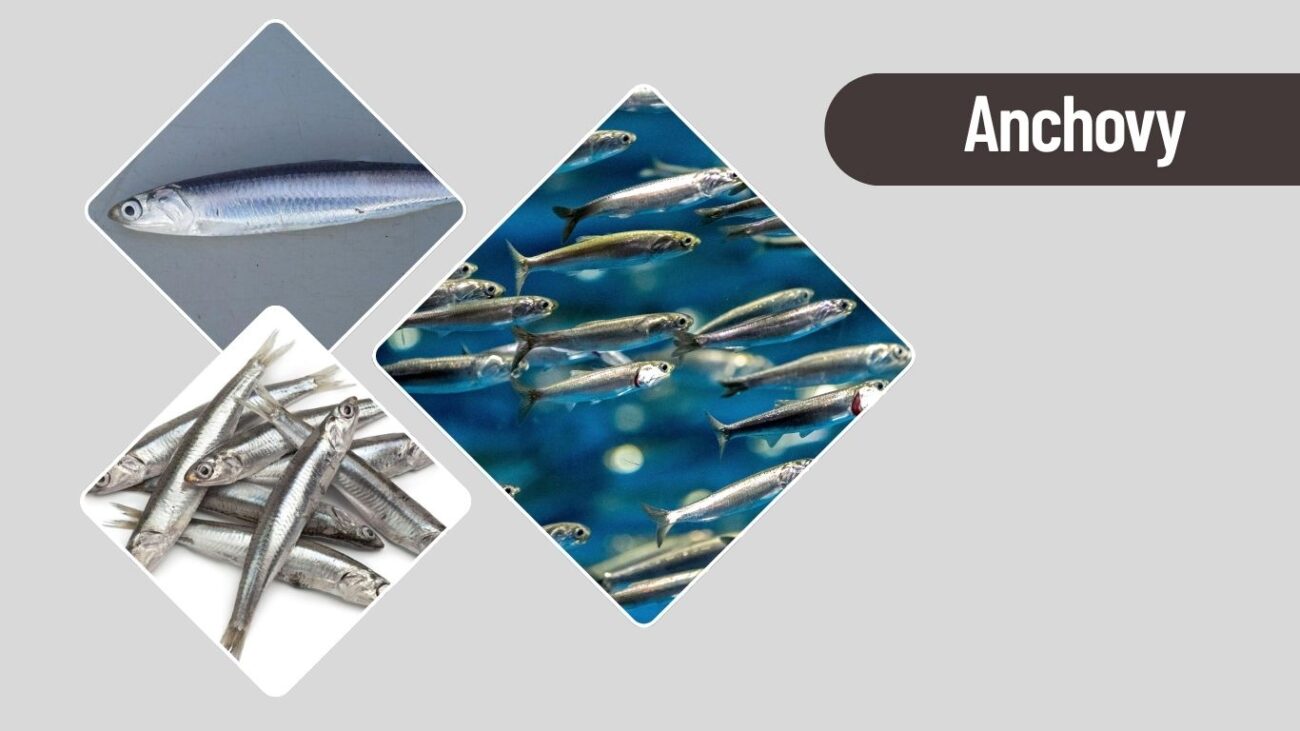
Anchovies are small, slender ocean creatures that swim in massive schools. Though tiny, they play a vital role in marine ecosystems as a major food source for larger fish, birds, and marine mammals.
Identification
- Slim, elongated body with silver sides and green-blue back
- Large eyes and a mouth that extends behind the eyes
- Typically 2 to 6 inches long
- Single dorsal fin and forked tail
- Often slightly translucent
Habitat and Ocean Range
Anchovies are found in coastal ocean waters worldwide, particularly in temperate and tropical regions such as the Atlantic, Pacific, and Mediterranean Seas.
Behavior and Role
These ocean creatures swim in dense schools for protection. They feed on plankton using filter-feeding techniques and serve as a crucial link in the food chain, supporting predators like tuna, dolphins, seabirds, and whales.