
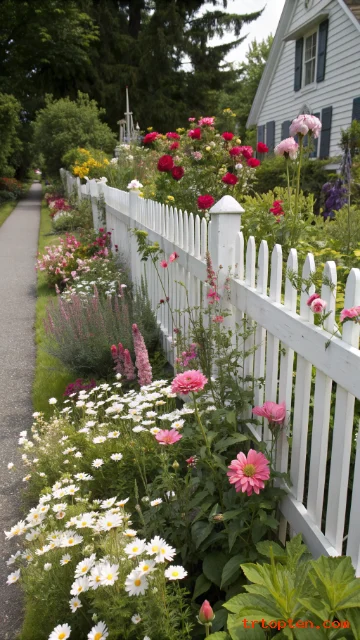
A cottage garden feels warm, relaxed, and full of life. This guide shares 26 cottage garden ideas that help you build that layered look with flowers, paths, and charming details.
You can use one idea or mix several to match your space and your budget.
Start With Curved Garden Paths
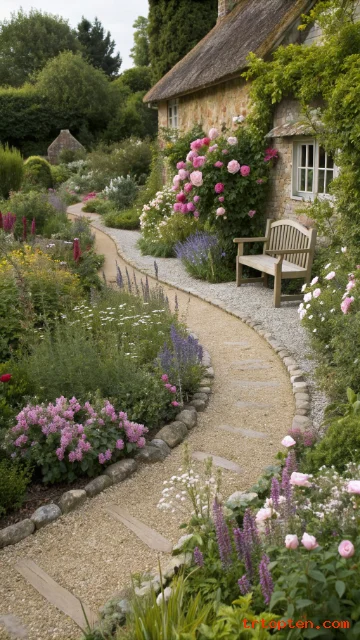
A curved path makes a cottage garden feel soft and welcoming. It guides the eye through blooms and creates little moments along the way. You can use gravel, brick, or stepping stones for a natural look.
Edge the path with low plants to blur the border. Use thyme, alyssum, or dwarf lavender for tidy color. Keep the edge slightly imperfect so it feels lived-in.
Add a small surprise at the end of the curve. Place a bench, a birdbath, or a pot of bright flowers. This small focal point makes the walk feel rewarding.
Layer Plants By Height For a Full Look
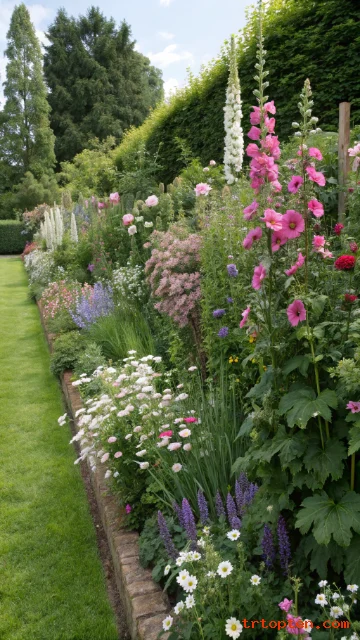
A cottage garden looks best when it has clear layers. Place tall flowers at the back, medium plants in the middle, and low plants at the front. This creates depth and keeps every bloom visible.
Use classic tall choices like hollyhocks, delphiniums, and foxgloves. Add mids like daisies, salvias, and peonies for body. Finish with low edges like pansies or creeping phlox.
Repeat a few plants in different spots. This repetition makes the garden feel planned, not random. It also helps the space look bigger and more connected.
Plant Climbing Roses On an Arbor
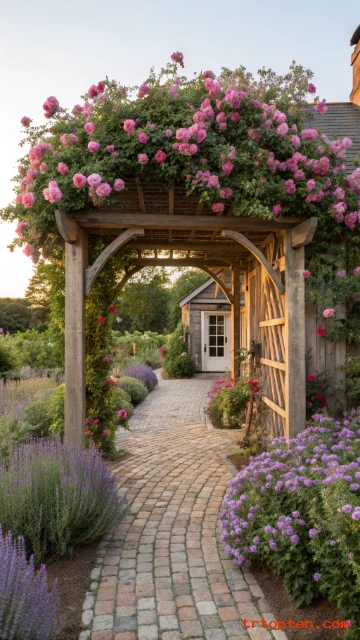
An arbor covered in roses creates instant cottage charm. It frames an entry and adds height without taking much ground space. It also makes the garden feel romantic and inviting.
Choose a sturdy wood or metal arbor. Train the rose canes along the sides and across the top. Tie stems loosely so they grow in a gentle curve.
Add companion plants at the base for more color. Plant catmint, lavender, or hardy geraniums near the posts. These plants fill gaps and make the arbor look rooted in the garden.
Create a Pickett Fence Flower Border
A white picket fence fits the cottage garden style perfectly. It gives structure while still feeling friendly. It also supports tall flowers that lean toward the light.
Plant a mixed border along the fence line. Use roses, daisies, and foxgloves for classic color. Add airy fillers like baby’s breath or cosmos for softness.
Let some plants spill through the slats. This loose look makes the garden feel abundant. Keep one narrow strip clear for easy trimming and watering.
Mix Perennials With Self-Seeding Flowers
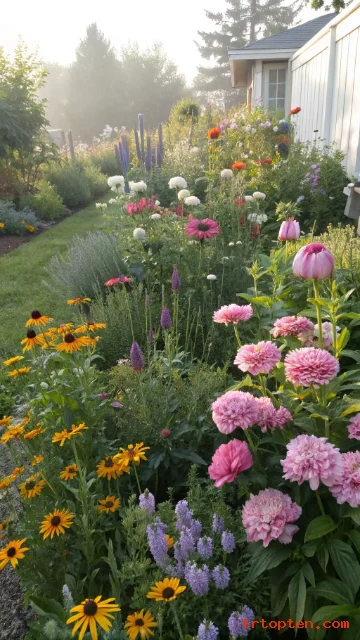
A cottage garden thrives on a mix of steady and playful plants. Perennials return each year and anchor the design. Self-seeding flowers fill empty spots with surprise color.
Use perennials like peonies, coneflowers, and salvias. Add self-seeders like poppies, calendula, and nigella. This blend keeps the garden lively without constant replanting.
Pull seedlings where you do not want them. Leave the best ones in open gaps for a natural look. Over time, your garden will start to design itself.
Add a Rustic Wooden Bench
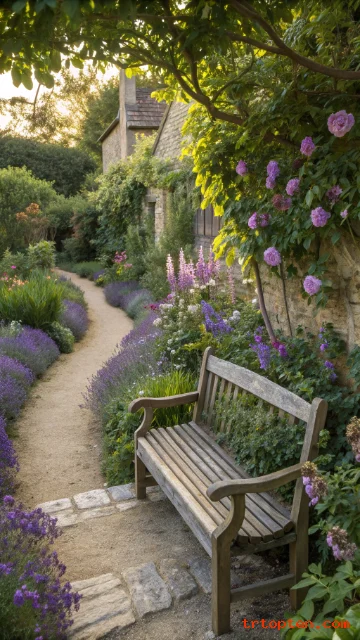
A bench invites you to pause and enjoy the garden. It also creates a clear focal point among busy blooms. Even a small bench can make the space feel finished.
Place the bench where you can see several beds at once. Tuck it near a path curve or under a small tree. Keep the view open so the bench feels welcoming.
Surround it with gentle, scented plants. Use lavender, roses, and sweet peas nearby. The scent makes the seating spot feel special.
Build a Cottage Garden Around a Birdbath
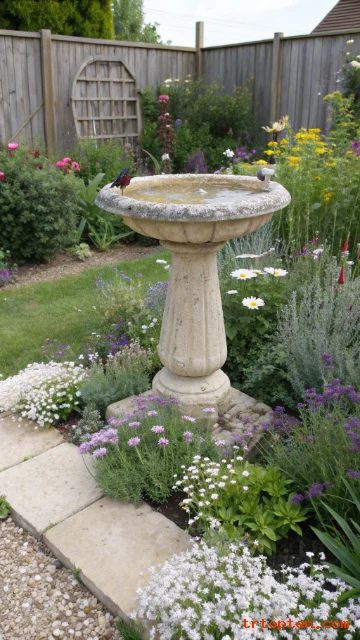
A birdbath adds life and motion to a garden. Birds bring sound, and water reflects light. It becomes a natural center point for planting.
Set the birdbath on level ground. Keep it visible from a window or patio. Place it where cats and heavy foot traffic stay away.
Plant soft flowers around the base. Use low blooms like alyssum and violas, then add taller spikes behind. This creates a pretty frame without blocking the birds.
Use Gravel For Low-Maintenance Charm
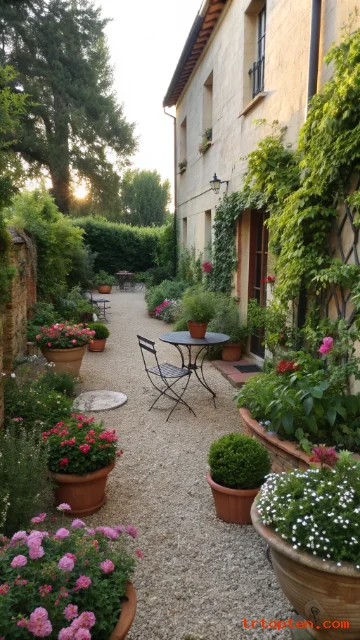
Gravel fits cottage gardens because it looks natural and old-fashioned. It also drains well and stays tidy with simple upkeep. You can use it for paths or small seating areas.
Lay landscape fabric before adding gravel. Use edging to keep stones from spreading into beds. Choose a warm-toned gravel for a softer feel.
Add pots and planters along the gravel edge. Terracotta looks especially cottage-friendly. Use trailing flowers to soften the stone surface.
Plant a Herb Corner With Flowers
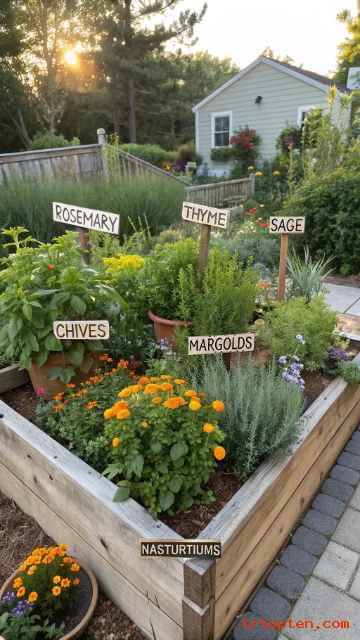
Herbs add scent, texture, and useful harvests. In a cottage garden, herbs also look beautiful when mixed with blooms. This idea works well near a kitchen door.
Group herbs like rosemary, thyme, and sage together. Add flowering herbs like chives and oregano for extra color. Mix in marigolds or nasturtiums for a cheerful look.
Use simple markers to label plants. Wooden stakes or small stones work well. Clear labels help you harvest fast without guessing.
Add Hollyhocks For Classic Cottage Height
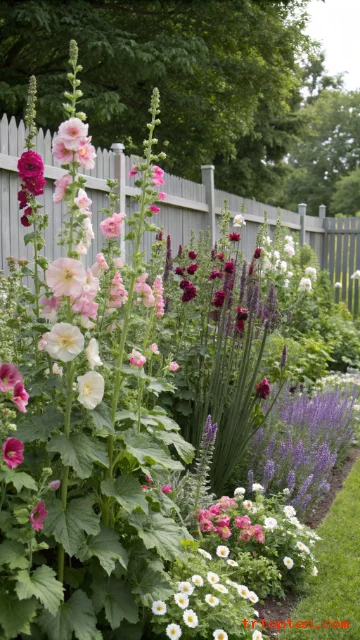
Hollyhocks are cottage garden icons. Their tall stems add height and old-world charm. They look best along fences, walls, or the back of beds.
Plant hollyhocks in full sun if you can. Water them at the base to help prevent leaf issues. Stake them in windy areas to keep stems upright.
Mix colors for a painted look. Soft pink, cream, and deep red work well together. Add lower flowers in front to hide bare stems near the ground.
Use Stone Edging For a Neat, Natural Border
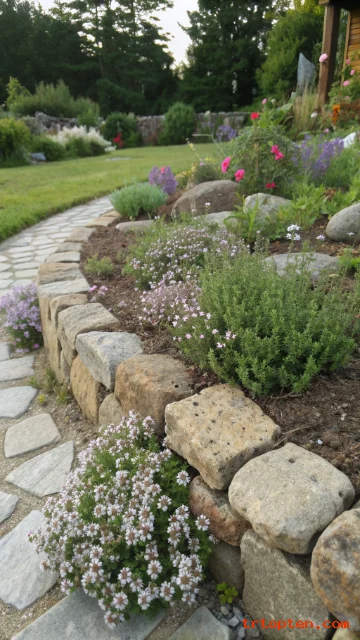
Stone edging keeps beds defined without looking harsh. It holds soil in place and creates a tidy line. Natural stone suits the cottage style better than sharp metal.
Choose irregular stones for a relaxed look. Lay them slightly uneven for charm, but keep them stable. Leave small gaps for thyme or moss to grow.
Use edging to separate lawn from flowers. This helps mowing and makes the border pop. It also keeps mulch from spilling onto paths.
Plant a Pastel Color Theme
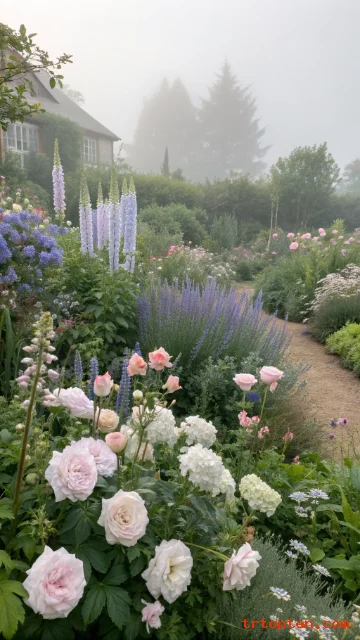
Pastels make a cottage garden feel calm and dreamy. Soft pinks, purples, blues, and creams blend well. This theme also photographs beautifully in any season.
Use roses, delphiniums, and lavender for gentle tones. Add white daisies and pale peonies for balance. Keep a few deeper accents to prevent the bed from looking flat.
Repeat the pastel mix across different beds. This repetition ties the whole yard together. It also makes small spaces feel planned and polished.
Add a Small Trellis For Sweet Peas
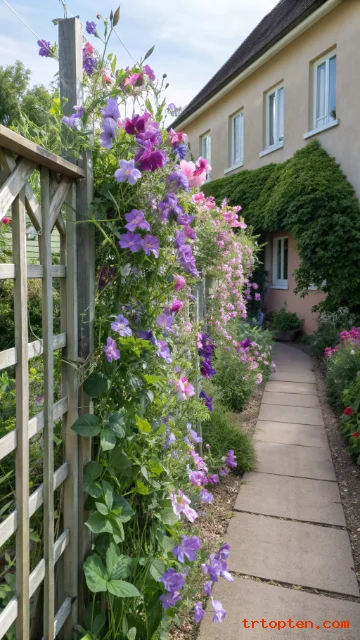
Sweet peas bring scent and soft color. A small trellis gives them support and adds vertical interest. This works well even in a tiny garden.
Place the trellis near a path or seating area. The scent feels stronger when you pass close. Water consistently so the blooms keep coming.
Mix sweet peas with another climber for variety. Try clematis or a small climbing rose. Keep colors within one palette for a tidy look.
Create a Cottage Container Garden
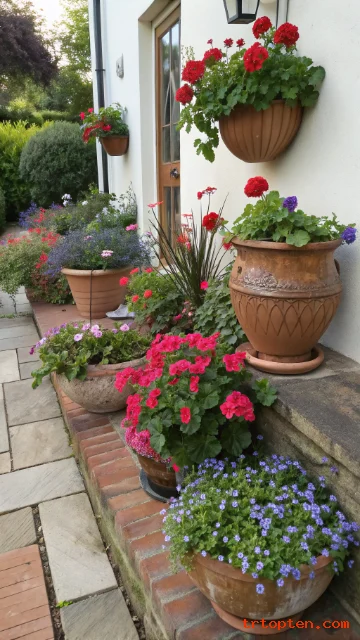
Containers let you build a cottage garden on patios and balconies. They also help you control soil and water. You can move pots to chase the sun or fill gaps fast.
Use terracotta, galvanized buckets, or vintage-style planters. Mix upright flowers, fillers, and trailing plants in each pot. Try geraniums, lobelia, and trailing verbena.
Group pots in clusters of three or five. Use different heights for a layered look. Add one large pot as an anchor so the group feels stable.
Plant Daisies For Easy Cottage Cheer
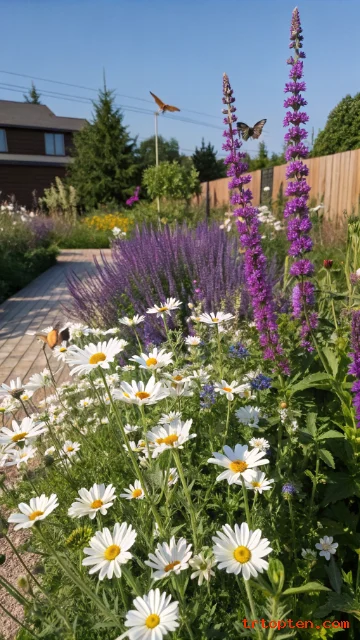
Daisies look simple, bright, and friendly. They fit the relaxed cottage style and bloom for a long time. They also attract pollinators to your garden.
Plant daisies in sunny spots with decent drainage. Deadhead spent blooms to keep flowers coming. Divide clumps every few years to keep them strong.
Pair daisies with taller spires for contrast. Combine them with foxgloves or salvia. This mix creates the classic cottage rhythm of round and vertical shapes.
Add an Old Watering Can Display
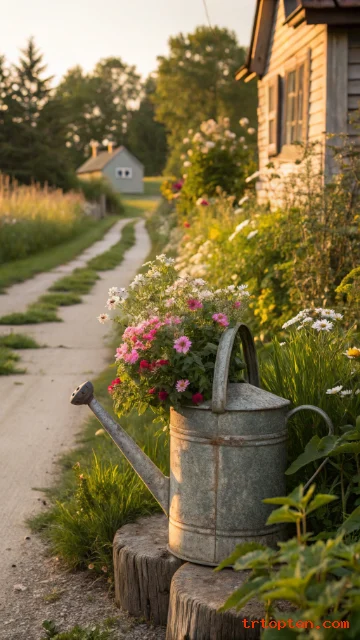
Vintage garden tools add personality. An old watering can works as decor or a planter. It gives the space a collected, cozy feeling.
Place the watering can near a path or pot cluster. Fill it with trailing flowers like lobelia or bacopa. Let the flowers spill like a stream for a playful effect.
Use weathered metal for the best look. A little rust adds charm, not mess. Keep a drip tray hidden if you set it on a porch.
Grow Lavender Along a Walkway
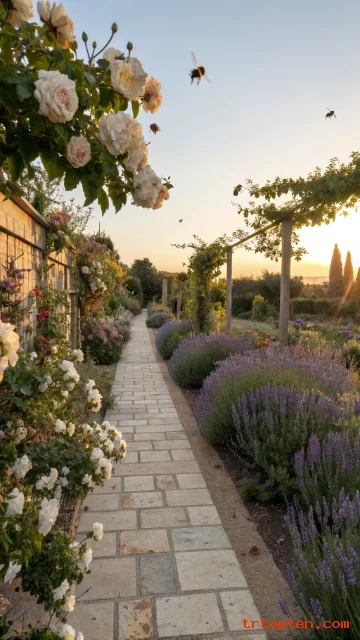
Lavender adds scent and structure. It forms a soft hedge when planted in a line. It also supports bees and creates a calm feel.
Plant lavender in full sun and well-drained soil. Space plants so air can move between them. Trim lightly after flowering to keep a neat shape.
Pair lavender with pale roses for a classic match. Add silvery foliage plants to echo the lavender tone. This creates a calm, unified border.
Add a Tiny Greenhouse Or Cold Frame
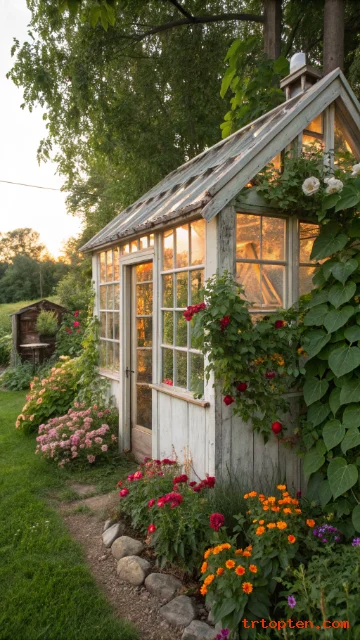
A small greenhouse boosts cottage garden productivity. It helps you start seedlings and protect tender plants. A cold frame also works if space is tight.
Place it where it gets good light. Keep it near a water source to make care easy. Use it to harden off plants before you move them outside.
Style matters in a cottage garden. Choose a simple wood frame or an old-window design. Let climbing plants grow nearby to blend it into the garden.
Create a Cottage Garden Gate Moment
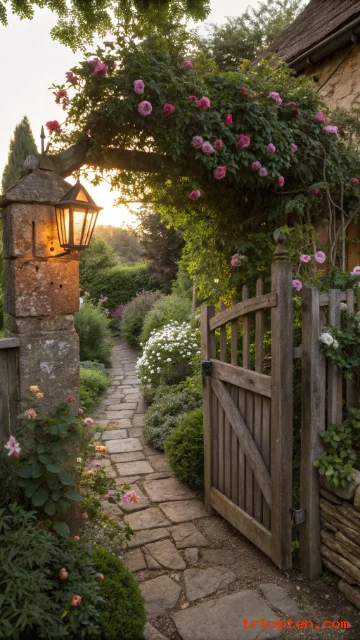
A gate makes an entrance feel special. It also breaks the garden into rooms, which adds mystery. This idea works in big yards and small ones.
Use a simple wooden or wrought iron gate. Frame it with tall plants like roses or clematis. Keep the path leading to it clear and inviting.
Add a small sign or lantern for charm. Use warm light for evening glow. This makes the gate feel like part of a story.
Plant Cottage Ground Covers To Soften Edges
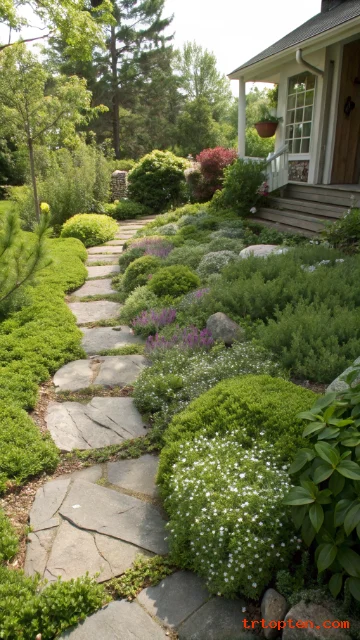
Ground covers fill gaps and soften hard lines. They also reduce weeds and help retain soil moisture. Many cottage favorites bloom and spread gently.
Use creeping thyme, sweet woodruff, or ajuga. Plant them along borders, stepping stones, and under shrubs. Keep them trimmed near paths for safe walking.
Mix two ground covers for texture. Use one with flowers and one with leaves. This adds detail even when blooms fade.
Add Peonies For Big, Romantic Blooms
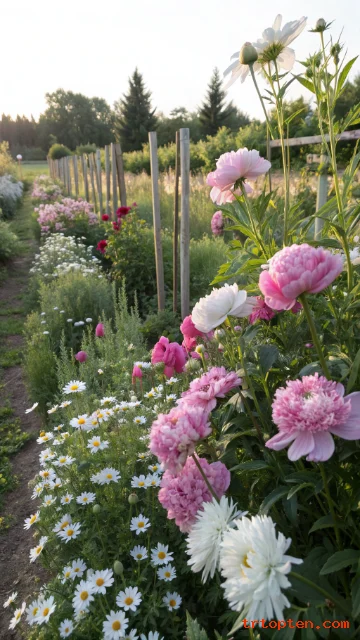
Peonies look lush and full. Their flowers feel classic and cottage-perfect. They also last for years once established.
Plant peonies in sun with good air flow. Avoid planting too deep or they may not bloom well. Support heavy blooms with a simple ring stake.
Pair peonies with lighter flowers for contrast. Use cosmos or daisies nearby to add movement. This mix keeps the bed from feeling too heavy.
Mix Flower Shapes For Natural Variety
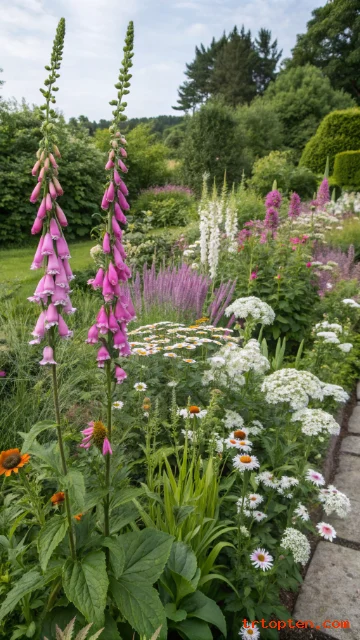
Shape variety makes a cottage garden look rich. Combine spikes, discs, and soft clusters. This keeps the eye moving across the bed.
Use foxgloves for tall spikes and coneflowers for bold centers. Add yarrow or hydrangea for clustered blooms. Keep foliage varied too, with fine leaves and broad leaves together.
Repeat the shape mix in more than one spot. This creates harmony across the yard. It also helps the garden feel full even when one plant finishes blooming.
Create a Wild Corner For Pollinators
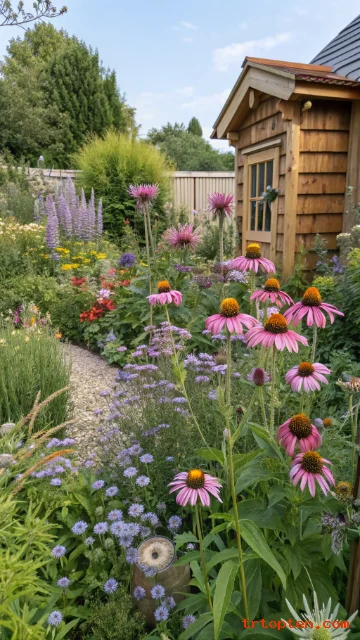
A small wild patch supports bees and butterflies. It also reduces maintenance in one area. This corner can still look pretty and intentional.
Plant nectar-rich flowers like echinacea, borage, and verbena. Add native wildflowers if you can find them locally. Keep it slightly contained with a border or path edge.
Add a small bee hotel or shallow water dish. Keep it clean and safe. This turns the corner into a true habitat zone.
Use Vintage Pots And Urns For Height
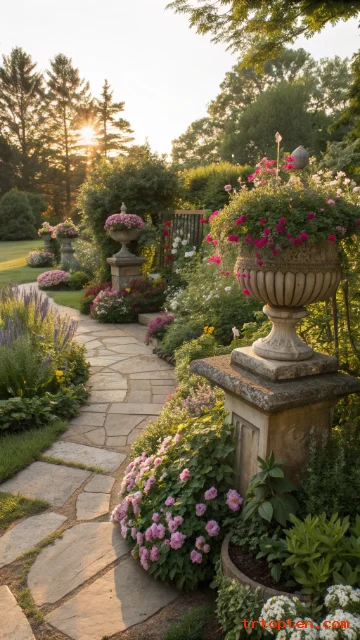
Urns and tall pots lift flowers up to eye level. They add old-world charm and make the garden feel collected. They also work well near doors and patios.
Choose stone-look planters, aged terracotta, or antique-style urns. Plant trailing flowers around the rim. Add one upright plant in the center for structure.
Place urns at path turns or steps. This makes them feel like markers. Repeat two matching pots for balance at an entry.
Plant Hydrangeas For Soft Cottage Volume
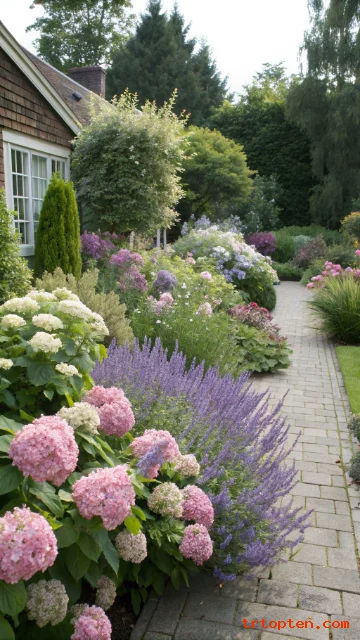
Hydrangeas add big, soft flower heads. They fill space quickly and create a gentle backdrop for smaller blooms. Their leaves also add rich green texture.
Plant them where they get morning sun and some afternoon shade. Water deeply during dry weeks. Mulch around the base to keep soil cool.
Mix hydrangeas with slender flowers in front. Add salvias, catmint, or daisies to balance the large blooms. This creates a clean, layered look without stiffness.
Add a Small Stone Patio Seating Spot
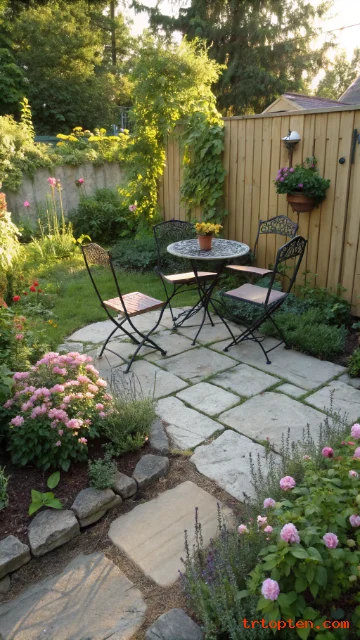
A small patio gives you a place to enjoy the garden. Stone looks natural and fits the cottage mood. Even a few pavers can create a cozy nook.
Use irregular stone or brick for a relaxed surface. Add a small table and two chairs. Keep the patio close to flowers so you feel surrounded by color.
Soften the patio edge with plants. Use low lavender or trailing thyme between stones. This makes the patio feel blended, not separate.
What plants work best for a cottage garden?
Roses, lavender, foxgloves, daisies, and peonies work very well. Add self-seeding flowers like poppies and calendula for natural gaps. Mix in herbs for scent and texture.
How do I make a small cottage garden look full?
Use layers and repeat plants in several spots. Add vertical elements like trellises and arches. Use containers to fill corners fast.
How much sun does a cottage garden need?
Most cottage flowers like at least six hours of sun. Some plants like hydrangeas prefer partial shade. Watch your yard for a week and plant based on the light pattern.
How do I keep a cottage garden from looking messy?
Keep paths clear and edges defined. Use a few repeating plants to create order. Deadhead flowers and trim borders lightly each week.
What colors suit the cottage garden style?
Pastels look classic and calm. Bright mixes also work if you repeat colors across beds. Choose two to four main colors for a more planned look.
Can I do a cottage garden with low maintenance?
Yes, use perennials as the base. Add mulch, stone edging, and gravel paths. Pick drought-tolerant plants like lavender and yarrow where possible.
What is the best layout for a cottage garden?
Curved paths and layered borders work well. Add focal points like a bench or birdbath. Break the space into small areas to add mystery and charm.
When should I start planting a cottage garden?
Plant perennials and shrubs in spring or fall. Plant bulbs in fall for early spring blooms. Start seeds indoors if you want more variety for less money.
How do I attract bees and butterflies?
Plant nectar-rich flowers like coneflowers, borage, and lavender. Provide shallow water and avoid harsh sprays. Let some areas bloom longer by deadheading often.
Conclusion
These 26 cottage garden ideas can help you build a space that feels relaxed, colorful, and full of charm. Start with one strong feature like a curved path or an arbor, then add layers of flowers and simple details that feel personal.
With steady perennials, a few self-seeders, and cozy focal points, your cottage garden can look richer each season and feel like home every time you step outside.