
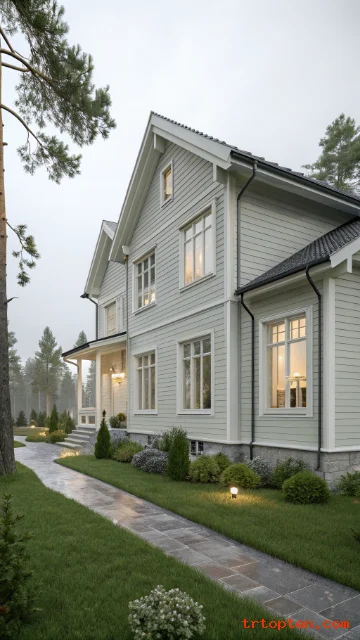
Exterior window trim can change a plain facade into a stylish and finished exterior. The right exterior window trim molding ideas help frame your view and set the tone for your entire home.
You can keep your trim simple or go bold with layers, shapes, and strong color contrast. This guide walks through practical and beautiful exterior window trim ideas you can use on new builds and remodels.
Classic Craftsman Window Trim
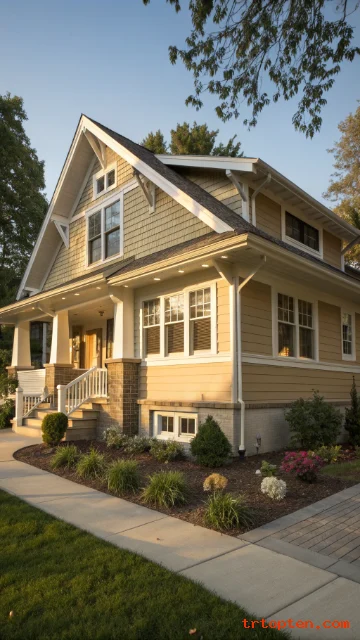
Classic Craftsman window trim uses flat, wide boards with simple lines and strong proportions. This style works well on bungalows, cottages, and traditional suburban homes.
Use a thicker head board on top of the window and slightly narrower side boards for balance. Add a deeper sill at the bottom so the trim looks solid and grounded.
Paint the trim in a crisp white or warm cream for a timeless look that fits most siding colors. Use semi-gloss paint so the trim cleans easily and reflects light.
Modern Flat Stock Window Trim
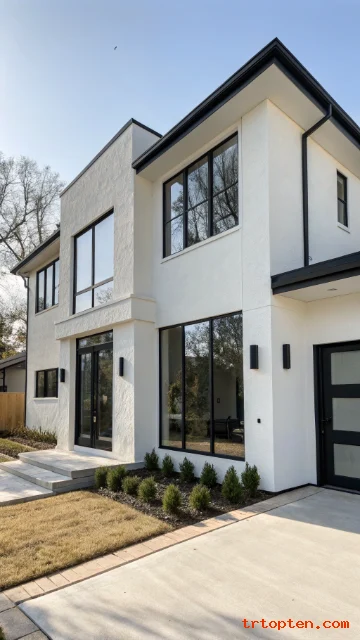
Modern flat stock trim uses straight lines and clean edges for a sleek look. This idea suits contemporary homes with smooth siding or large panels.
Choose narrow boards for a thin frame that hugs the window close. Keep all sides the same width to create a simple, balanced outline.
Use dark gray, charcoal, or black paint to highlight the shape of the windows. Pair the trim with large glass panes for a minimalist and sharp exterior.
Farmhouse Board-and-Batten Style Trim
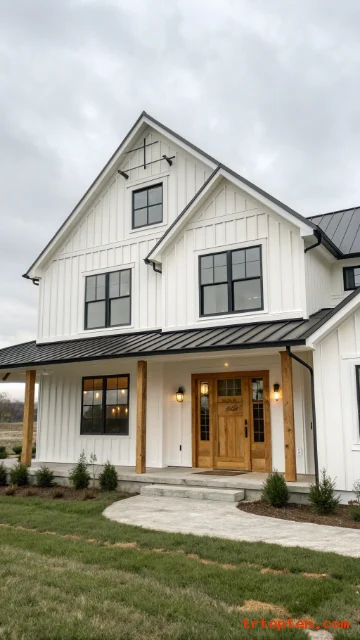
Farmhouse board-and-batten trim gives windows a cozy and rustic feel. This style works well on white or light-colored vertical siding.
Use wider side boards and add a simple top cap to echo the look of barn details. Pair the trim with shutters or cross-brace accents for more charm.
Choose warm white, cream, or soft gray paint to keep the farmhouse feeling relaxed. Combine the trim with natural wood elements like a stained front door or porch posts.
Black Metal Clad Window Trim
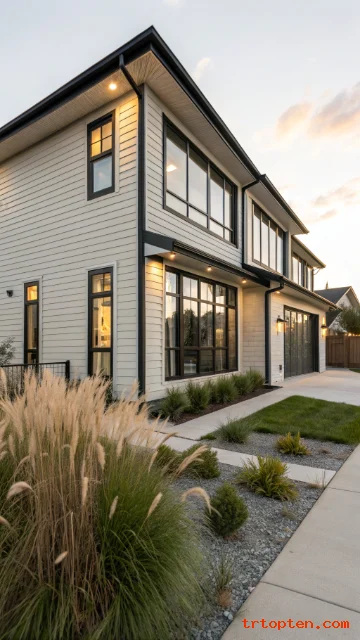
Black metal clad trim brings a bold, modern edge to any exterior. It works especially well with light siding and large glass areas.
Use slim aluminum or steel cladding around the window frame for a crisp finish. Keep the profile square and smooth for a high-end look.
The black frame creates strong contrast and outlines each opening like a picture frame. Pair this trim with black railings or light fixtures for a cohesive design.
Traditional Brickmold Window Trim
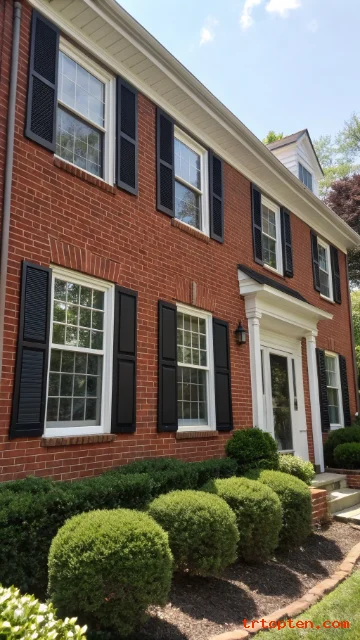
Brickmold trim has a rounded, detailed profile that gives windows a classic look. This style suits brick homes and traditional siding very well.
Use factory-made brickmold around each window to create a smooth, curved edge. The trim can bridge the gap between the window frame and the wall material.
Paint the brickmold in a soft white or matching tone to tie into existing trim. Combine it with shutters or a detailed front door frame for a polished finish.
Wide Picture-Frame Window Casing
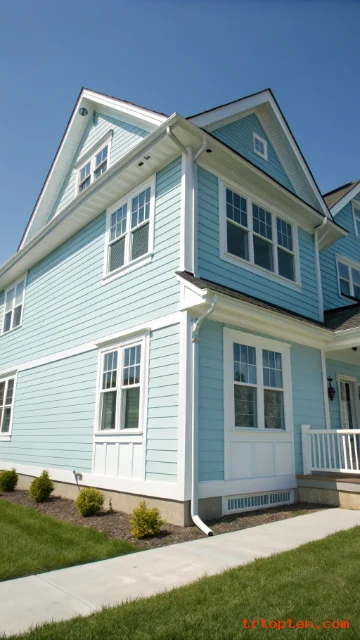
Wide picture-frame trim creates a bold frame around each window. This design uses boards of equal width on all four sides.
Choose a width of four to six inches to make a statement around small or medium windows. The wide casing draws the eye and makes the windows appear larger.
Paint the trim in a contrasting color to the siding for strong definition. Use this style on symmetrical facades to keep the look balanced.
Window Trim with Crown Molding Top
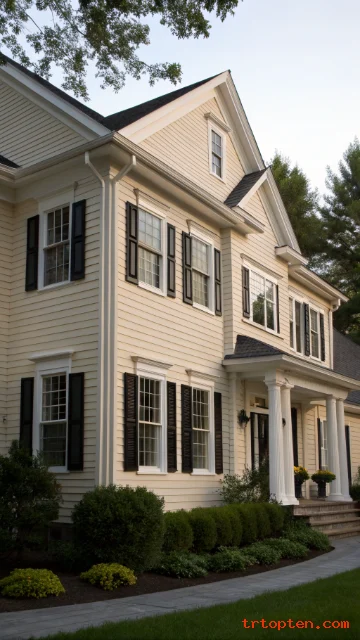
A crown-topped window uses decorative molding along the upper edge. This creates an elegant, finished look above each window.
Install a flat head board first, then add crown molding on top of it. The layered effect adds depth and shadow lines.
Use this style on formal or traditional homes that have other classic details. Paint the crown the same color as the rest of the trim for a unified appearance.
Decorative Header with Keystone Accent
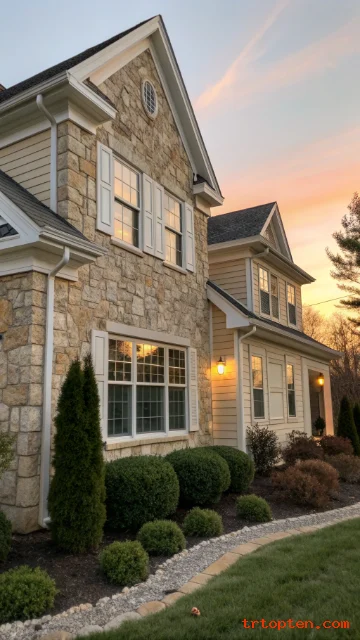
A decorative header with a keystone adds a small focal point above each window. The keystone sits in the center and gives a hint of historic style.
Use a slightly arched or straight header board and place a shaped block at the top center. The block can be square, diamond, or wedge-shaped.
Paint the keystone the same color as the trim or a subtle shade darker. This exterior window trim molding idea works well on brick, stucco, or stone fronts.
Arched Window Trim for Soft Lines
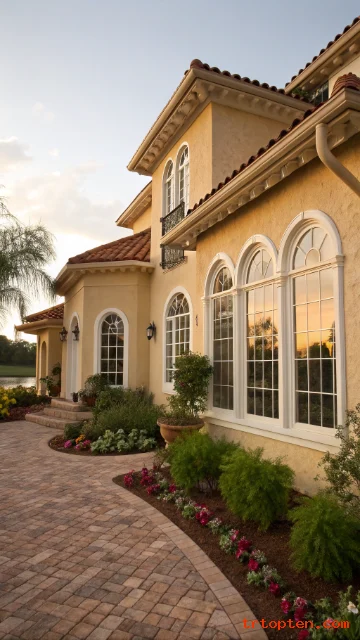
Arched window trim adds soft curves to an exterior with many straight lines. It works best over windows that already have a curved top.
Use flexible trim materials or custom-cut wood pieces to follow the arch. Keep the side boards straight so the curve stands out.
Paint the arch in the same color as other trim to keep the look calm and refined. This style suits Mediterranean, Tuscan, or classic European inspired homes.
Window Trim with Matching Shutters
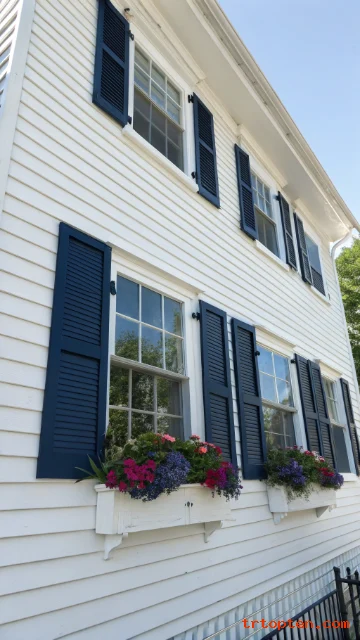
Trim and shutters work together to frame and balance each window. Coordinating both can boost curb appeal fast.
Install simple flat or shaped trim around the window first. Then add shutters that match in style and proportion.
Paint the trim in a neutral shade and choose a deeper accent color for shutters. This makes the window area pop without looking too busy.
Two-Tone Contrasting Trim Colors
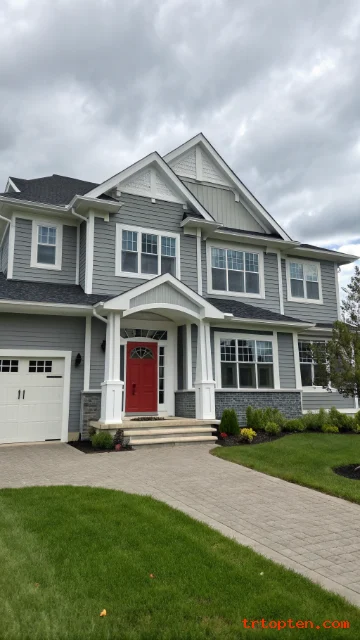
Two-tone trim uses one color for the main boards and another for accents. This adds interest and depth to exterior window trim.
Paint the main casing in a light shade like white or cream. Then paint the sill, header, or small inset band in a darker complementary tone.
Use colors that repeat in other parts of the house, such as the front door or roof. This keeps the design coordinated and intentional.
Rustic Stained Cedar Window Trim
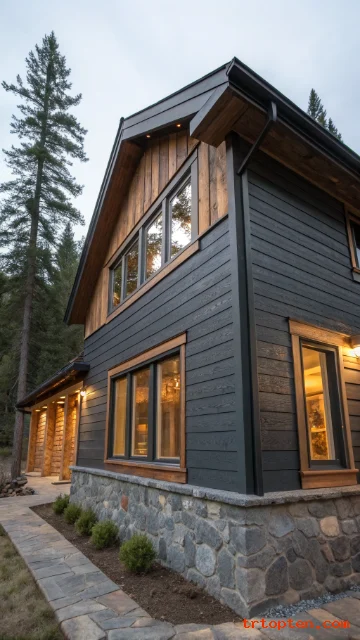
Rustic cedar trim brings warmth and natural texture to any facade. The wood grain creates a rich frame around clear glass.
Use rough-sawn or lightly sanded cedar boards for the trim pieces. Seal them with a clear or lightly tinted exterior stain.
This idea works very well with stone, shake, or dark siding. The natural wood tones make the home feel welcoming and grounded.
Low-Maintenance PVC Window Trim
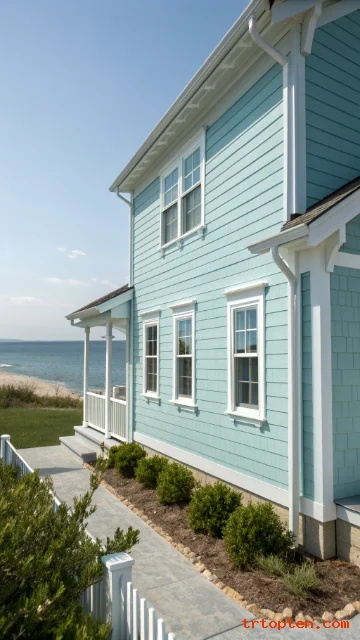
PVC trim is ideal for low-maintenance exteriors. It resists rot, insects, and moisture.
Use PVC boards in place of wood around each window for a clean profile. You can cut and install them with standard tools.
Paint PVC trim with paint designed for vinyl, or leave it white for a crisp look. This option works especially well in humid or coastal climates.
Durable Fiber Cement Window Trim
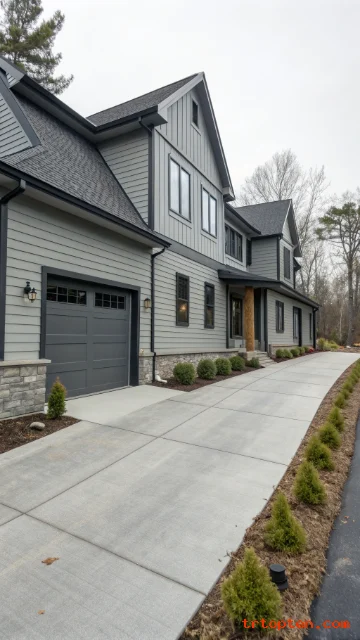
Fiber cement trim offers strength and stability around windows. It handles harsh weather and holds paint very well.
Choose fiber cement boards sized to match your window style. Install them with proper flashing to keep moisture out.
Paint the trim in a solid, saturated color for a smooth, modern finish. This works nicely with fiber cement siding for a unified system.
Stone or Brick Surround Trim
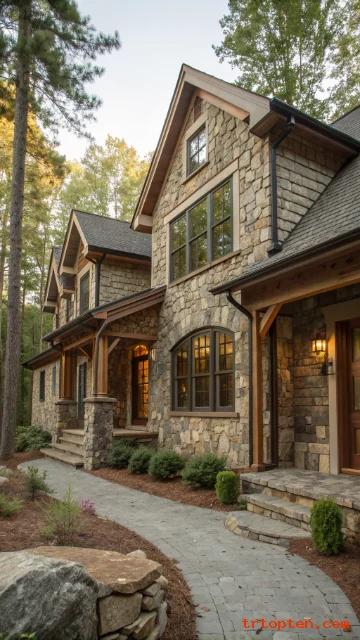
Stone or brick surrounds create a thick, solid frame around windows. This look adds weight and character to a facade.
Use stone or brick soldier courses to border the window opening. Pair them with a simple inner trim close to the window frame.
Keep colors close to the main wall material for a natural look. This style fits rustic, lodge, and traditional homes very well.
Window Trim with Corner Rosettes
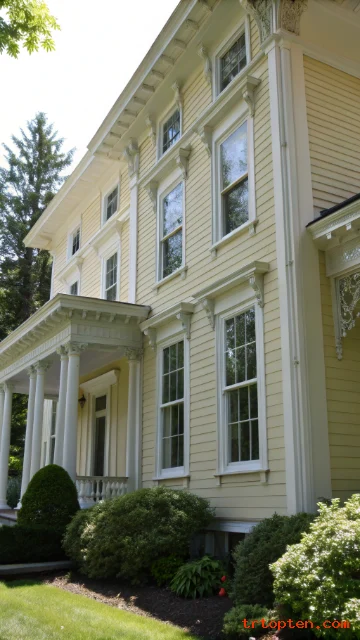
Corner rosettes add a small decorative detail to each window. They sit at the corners where the side and top trim meet.
Use square rosettes with carved or stamped patterns. Install them with straight boards between each block.
Paint the rosettes and trim in the same color for a subtle touch. This exterior window trim molding idea works well on Victorian and classic homes.
Coastal Shingle-Style Window Trim
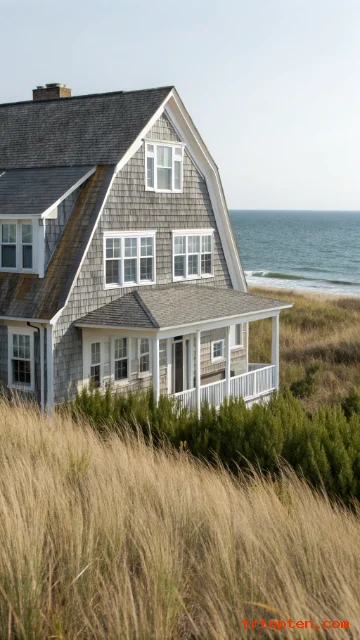
Shingle-style trim pairs perfectly with cedar or composite shingles. It gives windows a casual yet refined frame.
Use slightly thicker top boards and add a small overhang or drip cap. Keep the side trim moderate in width for balance.
Paint the trim white or off-white against weathered gray shingles for a coastal feel. Add grids in the upper sash to complete the look.
Layered Victorian Window Trim

Victorian trim layers multiple profiles to create rich detail. This style is ornate and eye-catching.
Combine flat boards, small bead or ogee moldings, and a pronounced sill. Stack the pieces to build depth and texture.
Choose high-contrast colors or a light main color with darker pinstripes. This exterior window trim idea suits older or historically inspired homes.
Craftsman Trim with Deep Sill Ledge
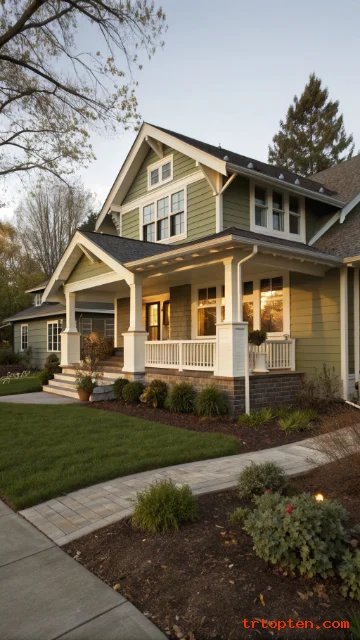
A deep sill ledge adds a functional and visual feature to Craftsman trim. It creates a small shelf under the window.
Use a projecting sill board that extends past the side trim. Support it with small corbels or leave it clean and simple.
This detail casts a strong shadow and makes windows look sturdy. Paint or stain the sill to match porch beams or railings.
Minimalist Flush Window Trim
Flush trim keeps the window casing nearly level with the siding. This approach creates a subtle, modern frame.
Use thin boards or metal angles with very little projection. Keep lines square and joints tight.
Paint the trim the same color as the siding for a quiet, seamless look. This works well on modern and Scandinavian inspired homes.
Mixed-Material Window Trim
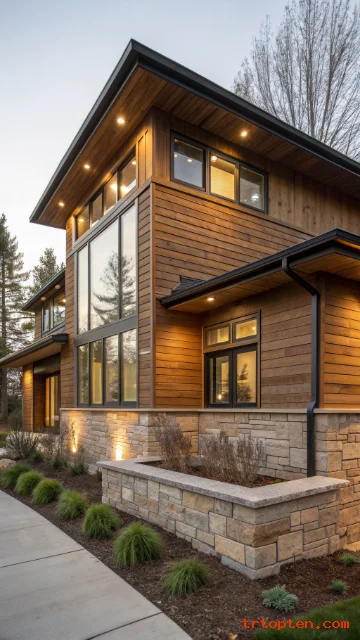
Mixed-material trim combines wood, metal, or stone pieces. This creates contrast in both color and texture.
Frame the window with simple wood boards and add a thin metal cap on top. Or use stone sills under wood side trim.
Repeat the chosen materials on railings, columns, or lighting. This keeps the design cohesive across the whole exterior.
Deep Inset Trim with Shadow Lines
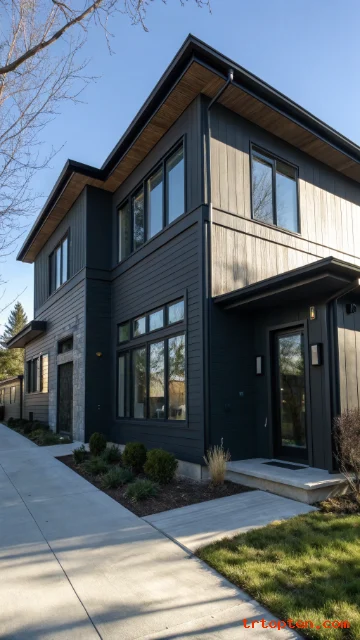
Deep inset trim pushes the window back or builds trim outward for strong shadows. This adds drama and architectural interest.
Use thicker trim boards or build out the opening with stacked pieces. Make sure flashing and sealing stay correct to protect from water.
Paint the trim in a dark shade so the recess appears even deeper. This look suits modern, industrial, and high-design homes.
Window Trim with Integrated Lighting
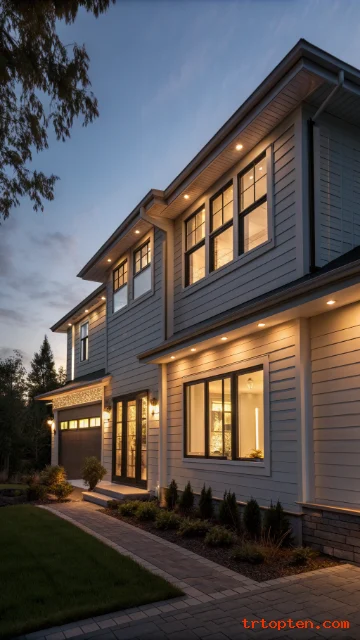
Lighting built into trim highlights windows at night. It can also boost security and visibility.
Install low-voltage LED strips under a small projecting header. Aim the light downward to wash the wall and window area.
Keep the trim design simple so the light effect stands out. Choose warm white light for a cozy feel or cool white for a modern edge.
Window Trim with Planter Shelf
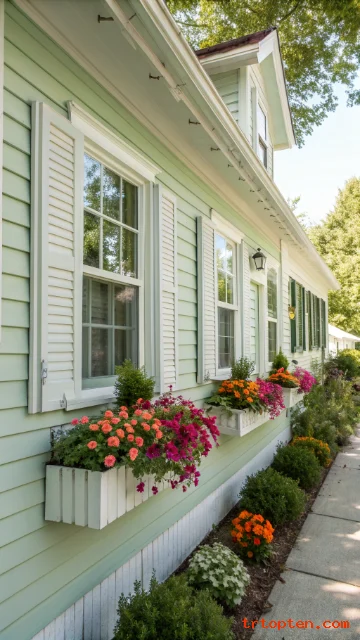
A planter shelf under the window sill blends trim and gardening. It adds color and life right under the glass.
Extend the sill outward and add support brackets underneath. Place a long planter box on top of the ledge.
Paint the trim and brackets to match the rest of the exterior window molding. Fill the planter with trailing flowers or herbs for a charming detail.
Trim Painted to Match the Siding
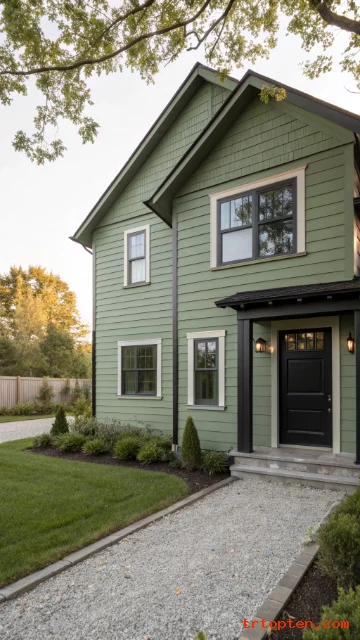
Trim painted to match the siding creates a calm, modern look. The windows blend more softly into the wall.
Use the same paint color on both siding and trim, but vary the sheen. Use flat for siding and semi-gloss for trim so details still read.
This approach works well on simple, boxy homes or serene cabin designs. It lets other accents like the door or roof stand out more.
Bold Dark Trim on Light Siding
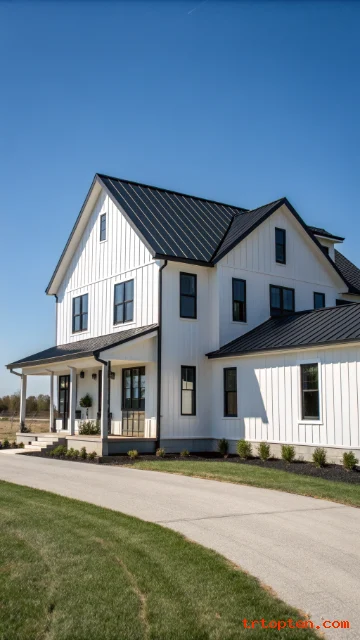
Dark trim on light siding creates strong visual contrast. The windows become graphic shapes on the facade.
Choose deep charcoal, navy, or black for the trim color. Pair it with white, cream, or pale gray siding.
Use fairly wide trim boards so the dark outline feels intentional and strong. Echo the dark tone in gutters, lights, or railings for balance.
What is the best material for exterior window trim?
The best material depends on your climate and maintenance goals. Wood looks warm and classic, while PVC and fiber cement offer low maintenance and strong durability.
How wide should exterior window trim be?
Most homes use trim between two and six inches wide. Larger homes and bold styles can handle wider trim, while smaller homes often look better with moderate widths.
Do I need exterior window trim on all sides of the window?
Full picture-frame trim on all four sides gives the most finished look. Some traditional brick homes use only a sill and header, but complete trim usually improves curb appeal.
Can I install new trim over existing siding?
In many cases you can add trim on top of existing siding if you flash and seal it correctly. Check the window’s current condition and fix any water issues before installing new pieces.
Should exterior window trim match the door trim?
Matching trim creates a cohesive and calm design. You can still add small accents or a different color on the front door itself to highlight the entry.
How do I choose a color for my exterior window trim?
Choose a trim color that contrasts with your siding but still ties into your roof, stone, or brick tones. Test samples in natural light because outdoor colors can look different than on a screen.
Is dark exterior window trim a good idea in hot climates?
Dark trim absorbs more heat, but modern paints and good installation can handle it. Use quality paint and proper caulking to reduce cracking and fading over time.
Can I update just the trim without replacing the windows?
In many situations you can replace or upgrade the trim while keeping the existing windows. Make sure the new trim does not block window operation or drainage paths.
How much does new exterior window trim usually cost?
Costs depend on material, design complexity, and labor rates in your area. Simple flat trim in pine or PVC will cost less than layered or custom-shaped profiles in premium materials.
Conclusion
The right exterior window trim molding ideas can turn plain openings into strong design features. Trim frames each view, defines the style of your home, and boosts curb appeal in a visible way.
Start by matching the trim style to your architecture, then choose materials that fit your climate and maintenance needs. Use color, depth, and shape to highlight the best lines of your facade.