
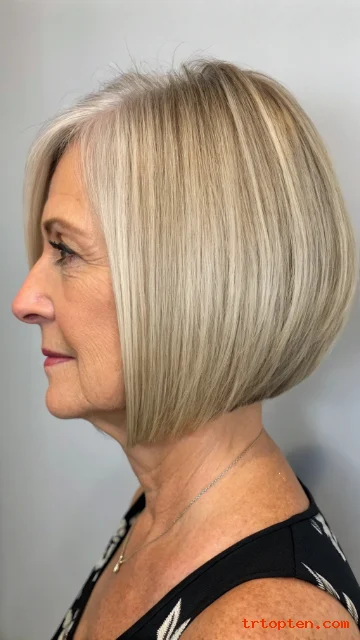
Thin, fine hair can feel tricky after 50, but the right cut can change everything. This guide shares 26 hairstyles for thin hair fine over 50 that add shape, lift, and a fuller look without heavy styling.
You will see options for short, medium, and longer lengths, plus easy prompts you can use to generate clear hairstyle images.
Soft Pixie With Crown Lift
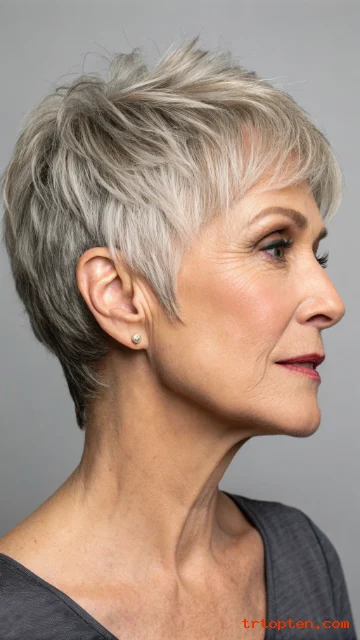
A soft pixie keeps the sides neat and the top slightly longer for height. Your stylist can add light texture on top to stop the hair from lying flat. This shape makes fine strands look denser because it creates built-in lift.
Use a pea-size mousse at the roots and blow-dry upward with fingers. Finish with a light spray, not a heavy wax, so the hair stays airy. Ask for a soft fringe to frame the eyes and soften forehead lines.
Tapered Pixie With Side Bangs
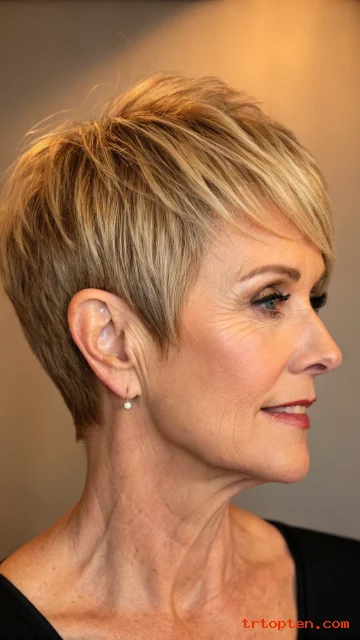
A tapered pixie hugs the nape and adds length near the front. Side bangs create a fuller front line and reduce scalp show. The tapered back keeps the head shape sleek and modern.
Your stylist should keep the ends feathered, not choppy. This helps fine hair move without looking stringy. Pair it with a soft side part for instant volume.
Classic Pixie With Wispy Fringe
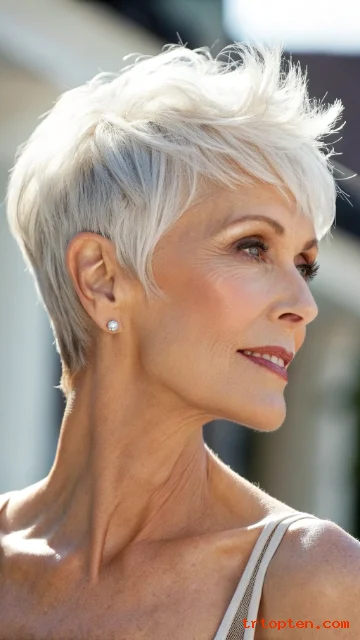
A classic pixie gives you a tidy outline and quick styling. A wispy fringe adds softness and hides sparse areas near the hairline. The shorter length makes hair look thicker because it removes weak ends.
Ask for a slightly longer top so you can sweep it forward or to the side. Use dry shampoo at the roots to add grit and lift. Keep the sides light so the top looks fuller by contrast.
Piecey Pixie With Textured Top
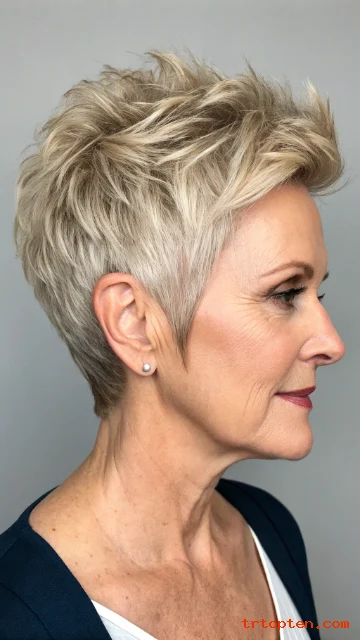
A piecey pixie uses tiny layers on top to create separation. That separation makes fine hair look like it has more body. The look stays fresh even when you air-dry.
Use a lightweight texturizing spray and pinch the top gently. Do not use thick pomade because it can collapse fine hair. Keep the neckline clean for a polished finish.
Pixie Bob With Long Front Pieces
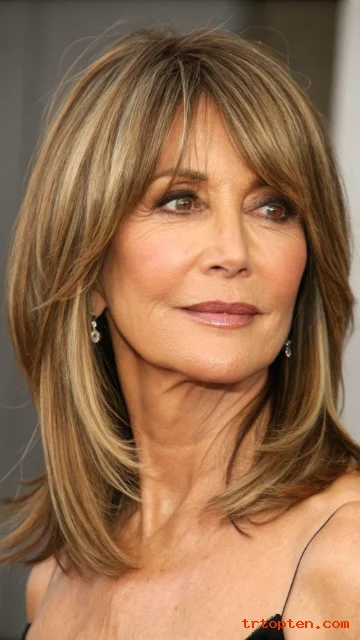
A pixie bob blends short volume in back with longer pieces near the face. The longer front adds coverage and gives the illusion of more hair. This cut works well if you want short hair without feeling too exposed.
Ask for stacked layers at the back for lift. Keep the front ends blunt and healthy so they look thicker. Tuck one side behind the ear for an easy, youthful shape.
Short Bob With Blunt Ends
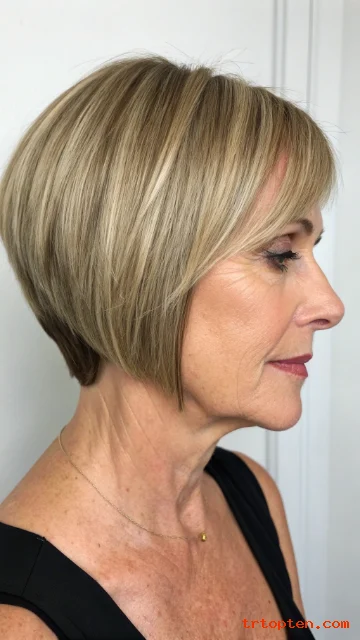
A short blunt bob makes fine hair look instantly fuller. The straight edge creates a strong line that reads as thickness. It also keeps your ends from looking see-through.
Keep the length around the jaw or slightly below. Use a round brush to curve the ends inward for shape. Add a root-lift spray before drying for extra body.
French Bob With Soft Fringe
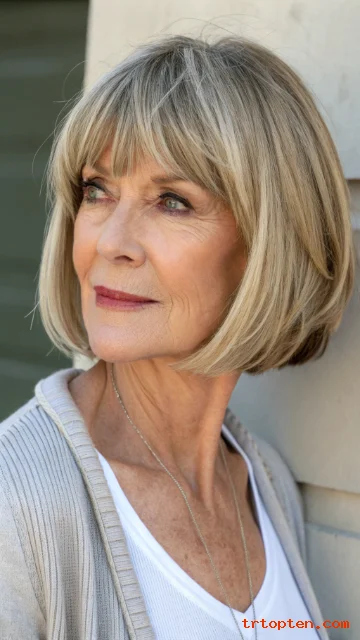
A French bob sits between the cheek and jaw for a chic shape. A soft fringe adds coverage and makes the top look fuller. This style feels modern and easy to maintain.
Ask for a slightly rounded perimeter, not a sharp triangle. Style with a light mousse and a quick blow-dry. Let the fringe fall naturally for a relaxed finish.
Chin-Length Layered Bob
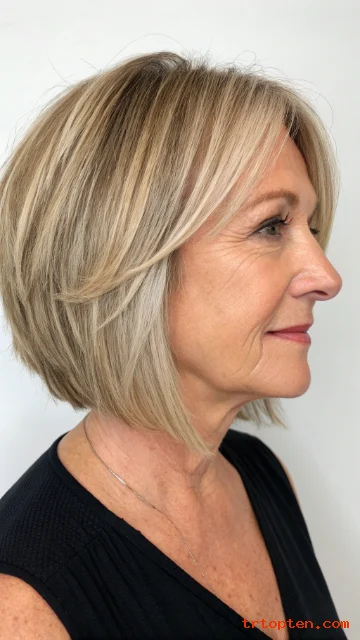
A chin-length bob with light layers adds movement without thinning the ends. The layers should be minimal and placed high, not all over. This keeps the bottom looking strong and full.
Use a side part to lift the roots at the front. Blow-dry the crown first, then the sides. Finish with a lightweight shine spray to keep it polished.
Stacked Bob With Volume Back
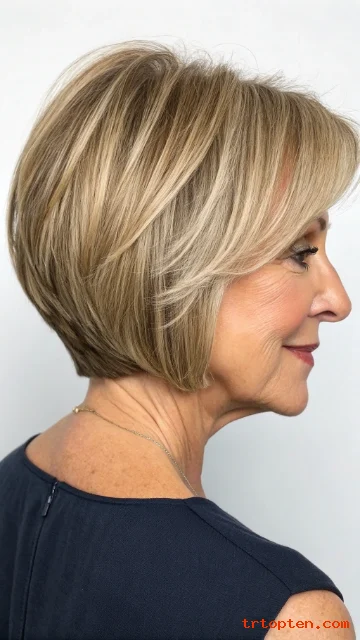
A stacked bob builds fullness at the back of the head. The stacked layers create a rounded shape that fine hair often needs. This cut also makes the neck look longer and elegant.
Ask your stylist to keep the top smooth and the back lifted. Use a small round brush at the crown for a quick boost. Keep the ends neat for a thicker look.
Graduated Bob With Side Part
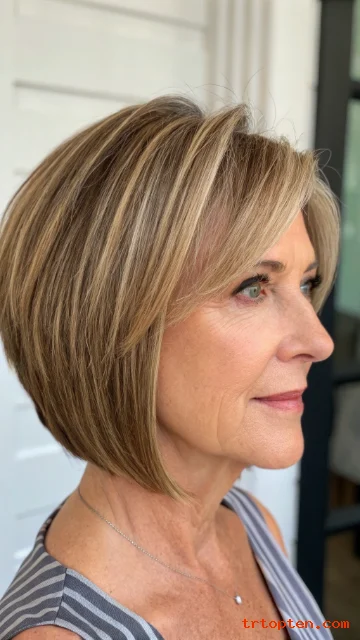
A graduated bob is longer in front and shorter in back. This angle gives your hair a fuller outline and adds shape near the cheeks. A side part helps hide thin areas along the part line.
Keep the front ends slightly blunt for density. Ask for soft graduation, not harsh steps. Use a light hairspray at the roots to hold lift.
A-Line Bob With Clean Edge
An A-line bob creates a sleek line that reads as thick hair. It keeps the back tidy and lets the front feel fuller. The clean edge makes fine hair look strong.
Ask for minimal layers and a sharp perimeter. Use a flat iron only on the mid-lengths if needed. Keep the roots lifted with a dry texture spray.
Collarbone Lob With Blunt Ends
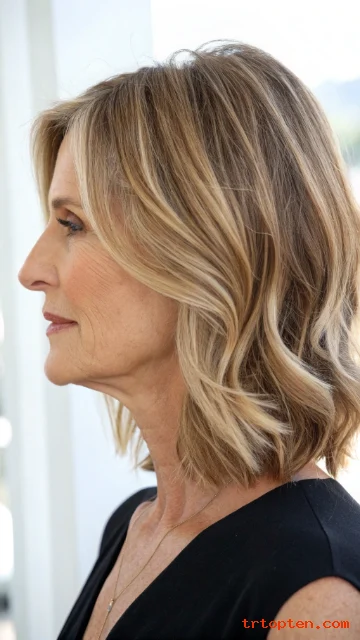
A collarbone lob gives length without dragging hair down. Blunt ends keep the bottom looking full. This is a safe choice if you want medium hair that still looks thick.
Add a slight bend with a large curling iron. Brush it out for soft volume and a wider shape. Use a lightweight volumizing spray at the roots.
Lob With Light Face-Framing Layers
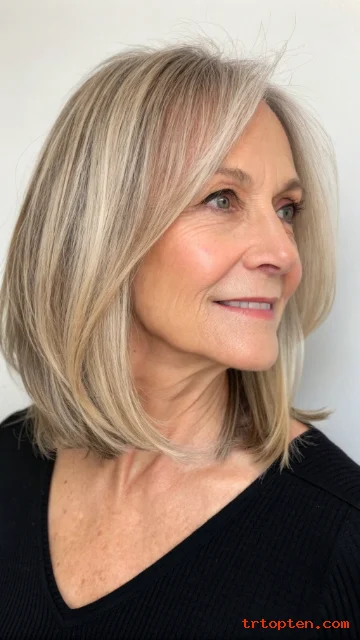
Face-framing layers can add body near the cheeks. Keep the layers light and start them below the chin. This protects the perimeter so the hair still looks dense.
Ask for a soft curtain effect that blends into the lob. Use a round brush to flip the front slightly away from the face. Finish with a light mist to hold shape.
Textured Lob With Airy Waves
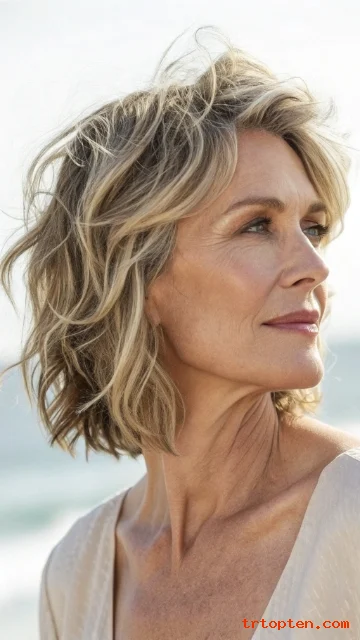
A textured lob with airy waves adds width to the hairstyle. Width helps fine hair look fuller because it increases visual volume. The waves also break up scalp visibility.
Use a sea-salt style spray that stays light. Scrunch gently and diffuse on low heat. Keep the ends trimmed so they do not look thin.
Shoulder-Length Shag Lite
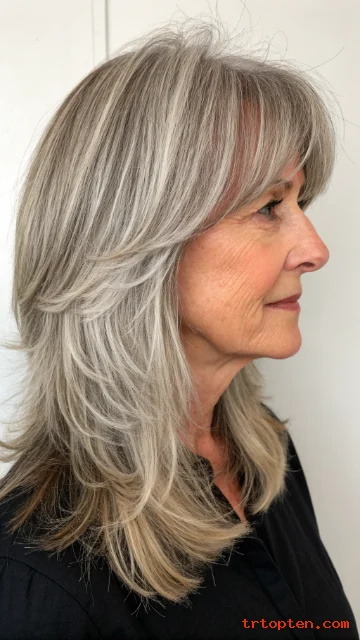
A “shag lite” uses soft layers, not heavy razor work. It gives movement at the crown and around the face. This can make thin hair look thicker without removing too much bulk.
Ask for longer layers and a gentle fringe. Style with a root lift foam and a quick rough-dry. Keep the ends blunt-ish so the bottom stays full.
Medium Cut With Invisible Layers
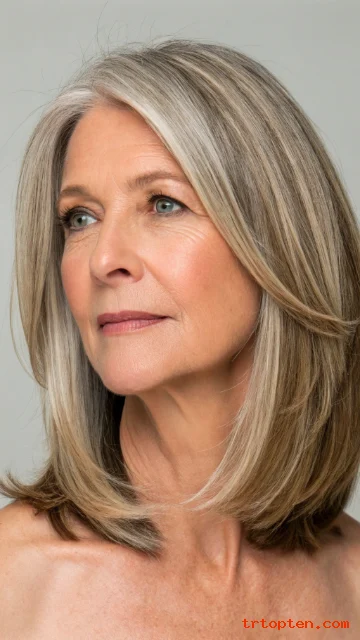
Invisible layers create lift without obvious steps. They help fine hair move while keeping a strong outline. This is great if you like a smoother, classic look.
Ask your stylist to place layers inside the cut, not on the surface. Blow-dry with a paddle brush and lift the crown. Add a tiny bit of powder at roots for grip.
Side-Swept Bangs With Medium Length
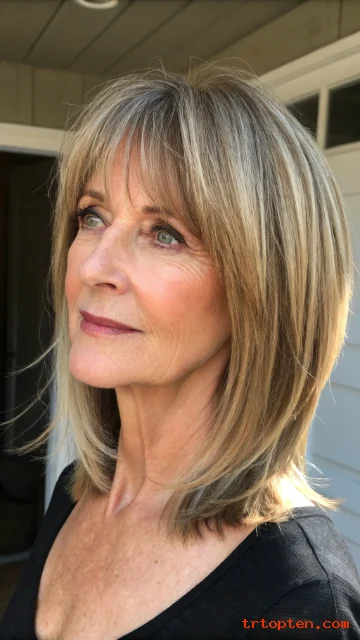
Side-swept bangs add fullness at the front and soften the face. They also help cover thinning near the temples. Medium length keeps styling flexible.
Ask for bangs that start near the cheekbone. This placement creates a thicker look around the eyes. Use a small round brush to sweep them into place.
Soft Curtain Bangs With Lob
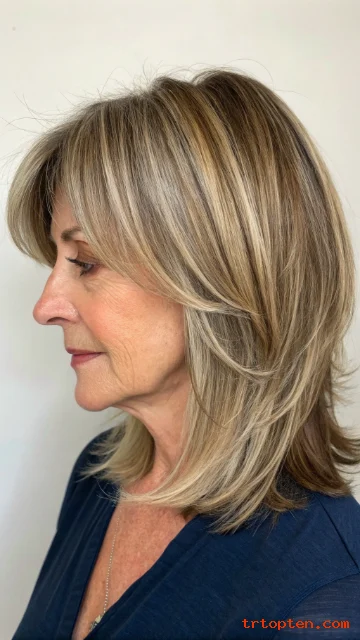
Curtain bangs can make fine hair look fuller around the face. They create a gentle frame and add movement at the front. Keep them long enough to blend into the sides.
Ask for bangs that split at the center but can still sweep sideways. Style with a round brush and a light spray. Avoid heavy creams that separate fine strands too much.
Rounded Bob With Underlayers
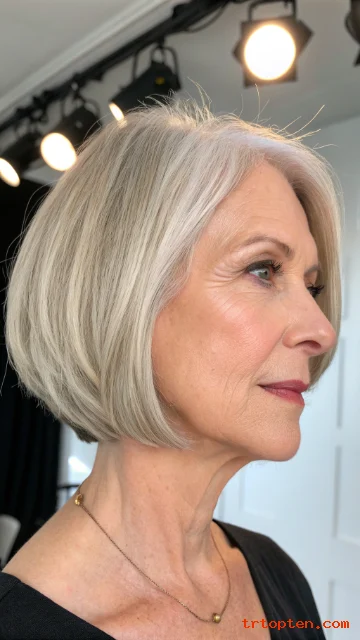
A rounded bob creates a fuller silhouette. Underlayers lift the shape while the top stays smooth. This gives a thicker look without frizz.
Ask for a rounded perimeter and a gentle stack inside. Blow-dry with a round brush and roll the ends under. Use a light smoothing serum on the tips only.
Short Crop With Soft Spikes
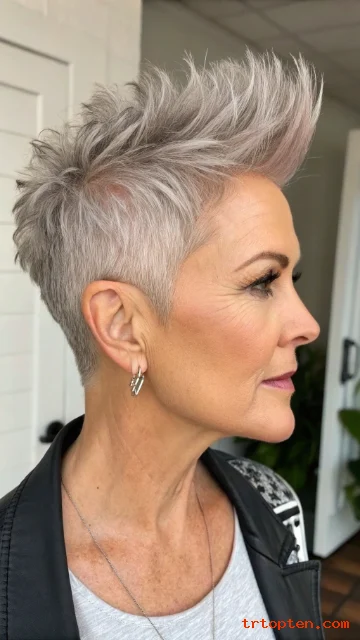
A short crop with soft spikes adds height quickly. Height makes fine hair look denser and more lively. The style also works well with natural gray hair.
Use a light paste and apply it to dry hair. Lift small sections at the crown with fingertips. Keep the spikes soft so the look stays flattering.
Sleek Bob With Deep Side Part
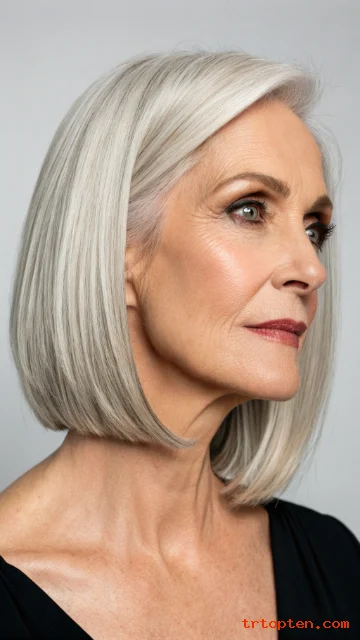
A deep side part moves hair over thinner areas. This creates instant coverage and a thicker look. A sleek bob also keeps ends crisp and full.
Ask for a blunt perimeter and minimal layers. Use a heat protectant and a quick blowout with a round brush. Tuck the lighter side behind the ear for balance.
Wavy Bob With Root Lift
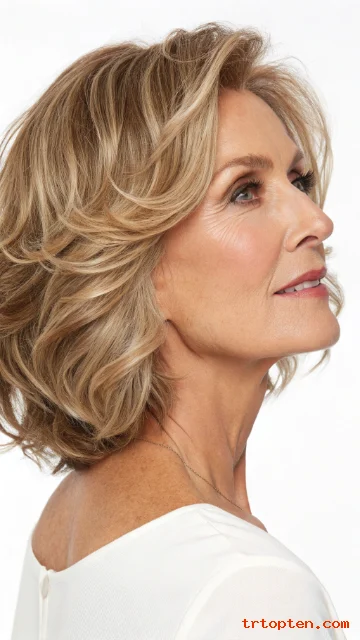
A wavy bob adds width and bounce. Root lift helps the crown stand up and reduces scalp show. The waves also make hair look more plentiful.
Use velcro rollers at the crown for five minutes after drying. Add loose waves with a large iron and brush out. Finish with a light flexible spray.
Blunt Cut With Micro-Texture Ends
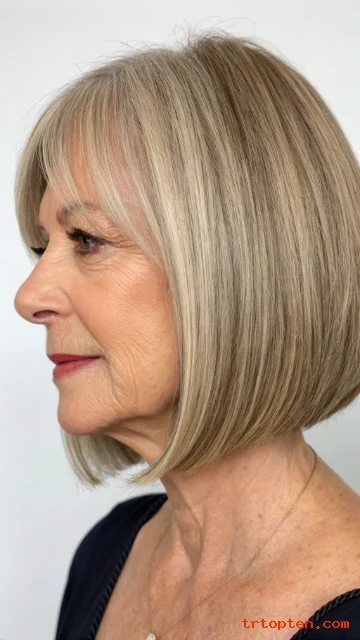
Micro-texture means tiny soft points at the ends, not heavy layers. It keeps the bottom full while preventing a stiff line. This works well for straight fine hair.
Ask your stylist to use point cutting only at the very tips. Keep the rest blunt for thickness. Style with a smoothing spray and a gentle blow-dry.
Long Bob With Soft Curls
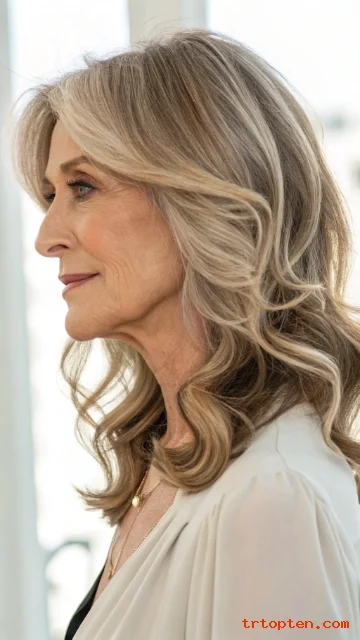
Soft curls add volume without looking tight or dated. They create a bigger outline and a fuller look. A long bob keeps the length manageable and healthy.
Use a large barrel iron and curl away from the face. Let curls cool, then finger-comb for softness. Keep the ends trimmed often so they look dense.
Mid-Length Blowout With Bounce
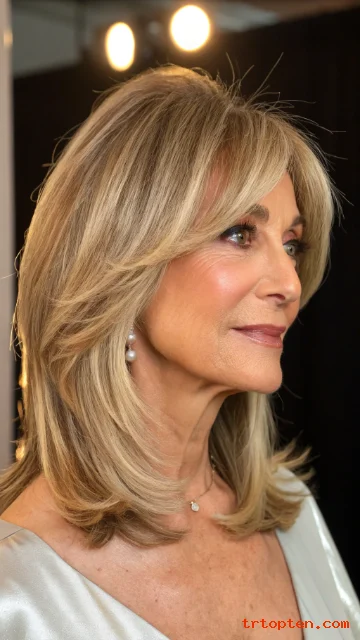
A bouncy blowout gives fine hair a thicker look for days. The key is root lift and a rounded shape. This style works for events or everyday polish.
Use a volumizing mousse and blow-dry in sections. Lift the crown with a round brush and roll forward slightly. Set with light spray and avoid heavy oils.
Low-Maintenance Short Bob With Soft Layers
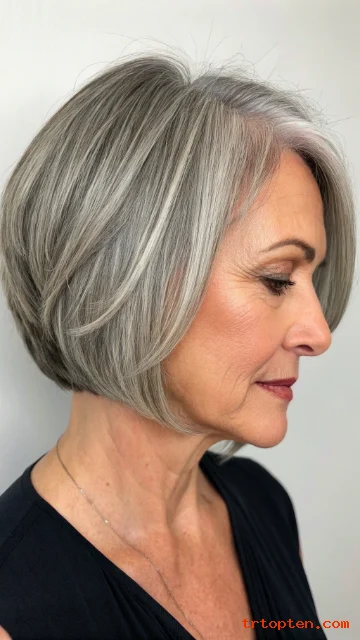
This short bob stays easy but still looks full. Soft layers add movement while keeping the bottom strong. It suits many face shapes and hairlines.
Ask for layers that start near the crown only. This keeps the ends from looking thin. Style with a quick blow-dry and a side part for extra lift.
What haircut makes thin fine hair look thicker after 50?
Blunt bobs, pixies with crown lift, and lobs with strong ends often look thicker. These cuts remove weak ends and build a fuller outline. Ask for minimal layering at the perimeter.
Are layers bad for thin fine hair?
Too many layers can make ends look see-through. Light internal layers can add movement without losing density. Tell your stylist you want fullness at the bottom.
What bangs work best for fine hair over 50?
Side-swept bangs and soft curtain bangs work well. They add front coverage and soften facial features. Keep bangs light and blended to avoid a thin look.
Is short hair better for thin hair over 50?
Short hair can help because it lifts easily and looks denser. A pixie or short bob also keeps ends healthy. Medium lengths can work too if the ends stay blunt.
What part is best for thinning hair?
A deep side part can hide sparse areas and add lift. A slightly off-center part can look natural and fuller. Avoid a strict middle part if it exposes scalp.
How do I style fine hair for more volume?
Use lightweight mousse or root spray and blow-dry upward at the roots. Add texture with dry shampoo or powder. Keep oils and heavy creams away from the scalp.
What hair color helps thin hair look fuller?
Soft highlights, lowlights, and gray blending can add dimension. Dimension reduces the look of scalp show and adds depth. Avoid flat single-tone color if your hair is very fine.
How often should I trim thin fine hair?
A trim every 6–10 weeks helps ends look thicker. Regular trims stop split ends that make hair look sparse. Your stylist can adjust timing based on growth.
Can I keep my hair longer if it is thin and fine?
Yes, but keep the ends blunt and healthy. Choose a collarbone lob or medium cut with invisible layers. Avoid long, heavy lengths that pull hair down.
Conclusion
The best hairstyles for thin hair fine over 50 build a strong shape and keep ends looking dense. Choose a pixie for lift, a blunt bob for thickness, or a lob for flexible styling with a fuller outline.
Save your favorite option, share it with your stylist, and use the image prompts to visualize the look before your next appointment.