
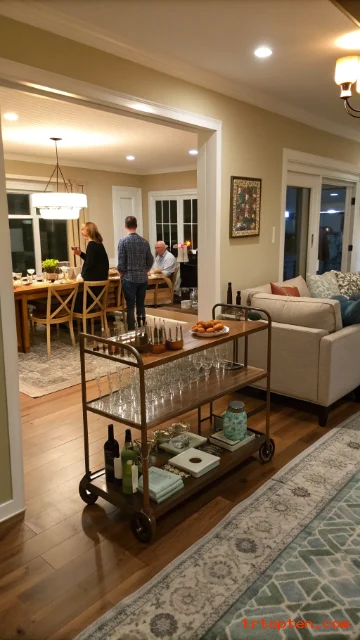
Creating a stylish and functional home often means getting creative with your floor plan. A living room and dining room combo is a common layout in modern apartments and houses, offering an open, airy feel but posing a unique design challenge.
This guide provides smart solutions to define areas, create flow, and make the most of every square foot. You can blend seating and dining areas into a cohesive and welcoming space.
Define Spaces with a Strategic Area Rug
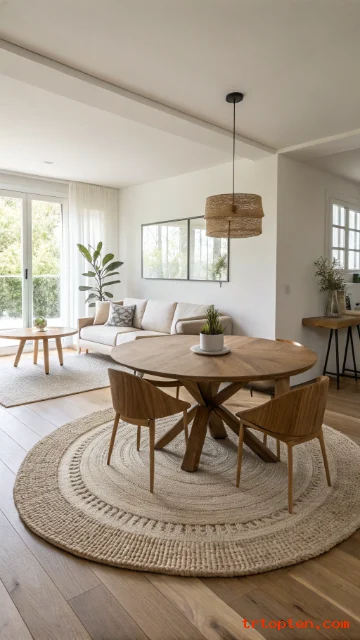
An area rug is a powerful tool for defining your dining zone within an open floor plan. Choose a rug that fits neatly under your dining table and chairs. It should be large enough so chairs stay on it when pulled out. This creates a visual anchor, signaling a dedicated spot for meals separate from the living area lounge space. The texture and color of the rug also add a layer of comfort and design interest.
A perfectly sized rug makes a dining setup in a wide-open room feel intentional. It acts like a soft, visual wall on the floor. For a cohesive look, select a rug that complements the one in your living area. You can choose similar colors or different patterns that share a common hue. This technique ties the two zones together without merging them completely. It establishes clear functional territories.
Create a Focal Point with Statement Lighting
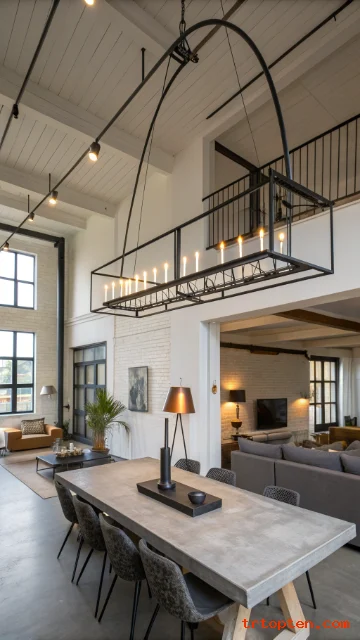
Lighting is a brilliant way to distinguish your dining area from your living room. Hang a distinctive pendant lamp or a small chandelier directly above your dining table. This fixture will draw the eye upward and highlight the table as the heart of the dining zone. The style of the light can set the entire room’s mood, from modern and sleek to rustic and cozy.
Your overhead dining light should provide ample, focused illumination for meals. Meanwhile, use different lighting in the living area. Rely on floor lamps, table lamps, or wall sconces to create a softer, more relaxed ambiance there. This contrast in lighting type and quality naturally separates the two spaces. Each area gets light suited to its function.
Use a Room Divider or Open Shelving Unit
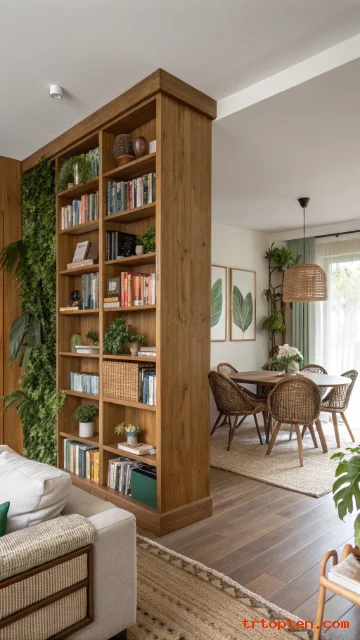
Physical dividers can separate your living and dining areas without closing them off. A tall, open-back bookshelf or a stylish room divider panel works perfectly. This element creates a sense of partition while allowing light and sightlines to pass through. It helps break up a long rectangular room effectively. You gain definition without sacrificing the open-plan feeling.
These dividers also offer valuable storage or display space. Use a bookshelf to store cookbooks, display ceramics, or keep dining linens close at hand. A room divider with textile panels can add color and softness. This approach is more flexible and airy than building a permanent wall. It allows you to adjust the room’s layout more easily in the future.
Unify the Combo with a Cohesive Color Palette
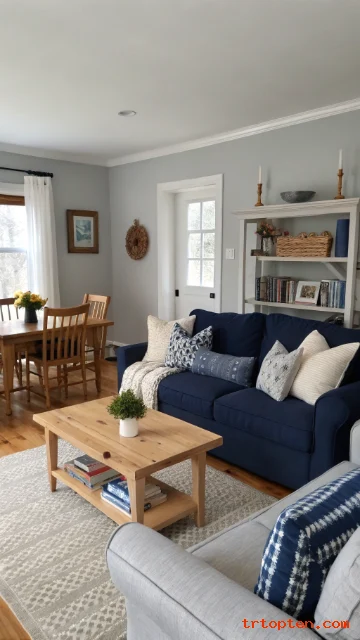
A consistent color scheme is key to making a combined space feel harmonious. Choose two or three main colors and use them throughout both areas. For example, use similar neutral tones on your walls and large furniture pieces. This creates a calm, unified background. It prevents the room from looking choppy or disjointed.
Introduce your accent colors in decor items across both zones. Use the same pop of teal in the living room throw pillows and the dining room table runner or chair cushions. Matching wood tones in furniture legs, frames, or shelving also builds visual connection. This repetition creates a rhythmic, intentional look. The spaces feel like part of a single, well-designed whole.
Anchor Your Dining Nook in a Corner
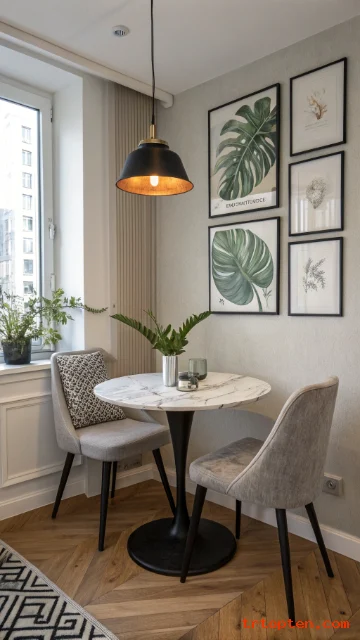
Maximize floor space by tucking your dining area into a corner. This layout trick is ideal for small spaces. Place a small round or square table against two walls. A round table is especially good for corners because its curved edges are less cumbersome. This arrangement frees up the central floor area for living room traffic and furniture.
Make this corner nook feel intentional, not like an afterthought. Frame it with a large piece of art or a mirror on the wall above the table. You can also use a pendant light to define the spot. A bench against the wall can provide seating and save even more space. This creates a cozy, efficient eating area that feels purpose-built.
Employ Furniture to Define the Layout
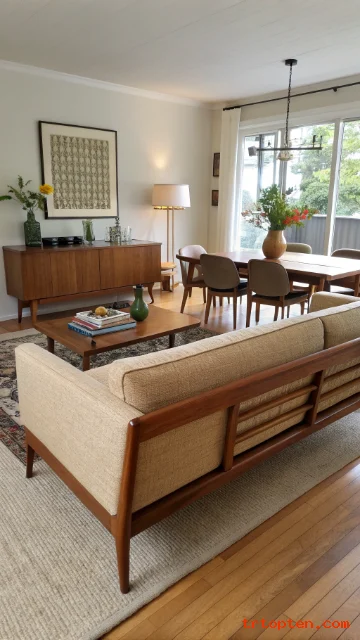
Your furniture arrangement itself can create invisible boundaries. Float your sofa in the room with its back to the dining area. This physically and visually separates the two zones. The sofa back acts as a soft divider. Ensure there is enough walking space behind it for easy passage to the dining table.
Choose furniture with appropriate scale and clean lines for the room’s size. In a narrow room, consider using two armchairs instead of a large sofa to save space. You can also place a console table behind the sofa. This reinforces the division and provides a surface for lamps or decor. The layout guides movement and defines functions clearly.
Opt for Dual-Purpose and Flexible Furniture
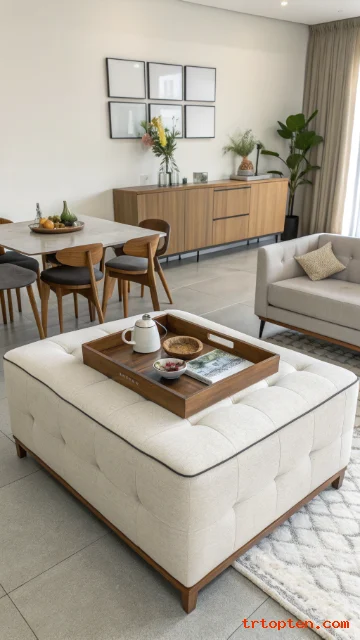
Select furniture that serves more than one function to maximize a combo room. A storage ottoman can act as a coffee table, extra seating, and a place to stash blankets. A credenza in the dining area stores tableware and can serve as a buffet during parties. Every piece should work hard for its place.
Consider flexible furniture arrangements. Some sofas break into individual pieces you can move around for gatherings. Choose dining chairs that are lightweight and easy to relocate. You might even use a large coffee table with a lift-top that can double as a dining surface occasionally. This adaptability makes your space ready for any activity.
Establish Vertical Interest with Wall Decor
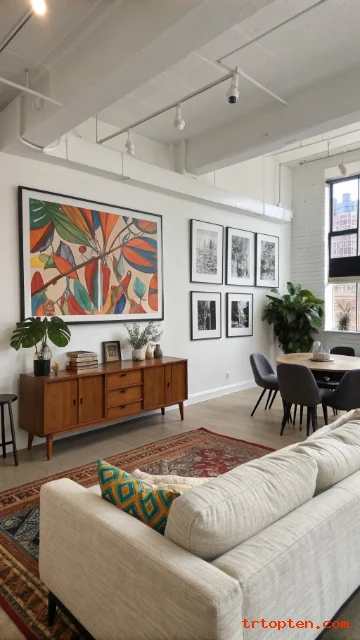
Use your walls to define each area and add personality. Hang a gallery wall or a large mirror above the sofa in the living zone. Place a statement clock or a set of complementary prints above the sideboard in the dining area. This vertical decor helps anchor each section to its specific spot on the floor. It draws the eye upward and makes the room feel taller.
Mirrors are particularly useful in small combo rooms. They reflect light and create a sense of expanded space. You can also use different paint colors or wallpaper on a single accent wall to designate a zone. For example, paint the wall behind the dining table a bold color. Keep the living room walls neutral. This is a clear but non-structural way to mark territory.
Embrace a Round Dining Table for Better Flow
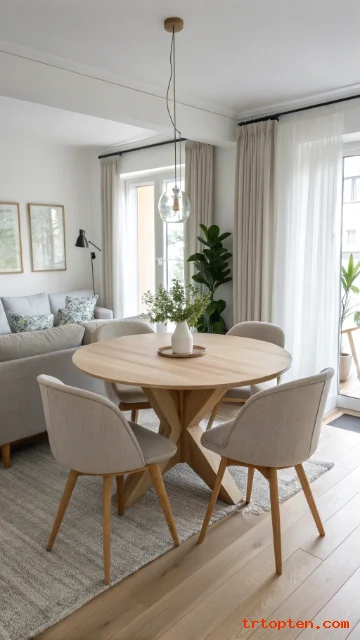
A round dining table is an excellent choice for a combined space. Its curved edges are softer and take up less visual room than a rectangular table. A round table also improves traffic flow because there are no sharp corners to navigate around. People can move more freely between the living and dining areas. It feels more inviting and conversational.
A round table fits well into awkward spaces or corners. It can be placed closer to the living room seating without creating a hazardous corner. When not in use, it occupies less psychic space in the room. Choose a pedestal base model for even easier chair placement and legroom. This simple shape choice significantly enhances the room’s functionality.
Zone with Different but Complementary Textures
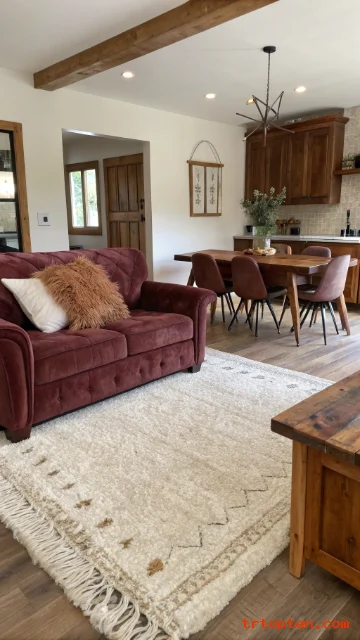
Texture is a subtle tool for differentiating your living and dining spaces. Use plush, soft textures in the living area for comfort. Think of a nubby wool rug, a velvet sofa, and knit throw blankets. In the dining zone, incorporate smoother, more durable textures. A polished wood table, leather or vinyl chairs, and a flat-weave rug are practical choices.
These textural differences subconsciously signal the purpose of each zone. The living area feels cozy and relaxed. The dining area feels more formal and easy to clean. To maintain cohesion, repeat one texture in a small way across the divide. For example, use wooden legs on both the dining chairs and the coffee table. This creates a unified sensory experience.
Carve Out a Dining Space Behind the Sofa
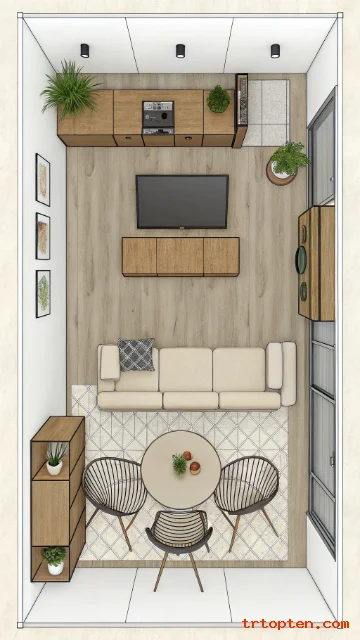
When square footage is very limited, use the space directly behind your sofa. Place a narrow console table against the back of the sofa. Then, float a compact dining table in front of it. This creates an intimate dining nook that feels separate. The sofa back provides a natural sense of enclosure and privacy for diners.
Choose a slim-profile dining table, like a narrow rectangle or a small round one. Use chairs with low backs so they don’t visually clash with the sofa. A bench placed against the console table can also work for seating. This efficient layout uses every inch. It is a smart solution for studio apartments or very small living rooms.
Connect Spaces with Consistent Flooring
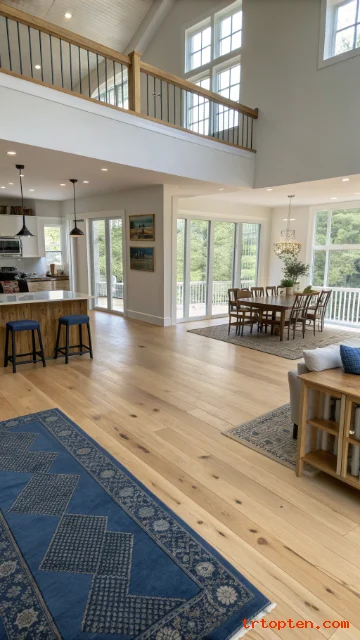
Continuous flooring is one of the best ways to make an open-plan area feel larger and more cohesive. Use the same hardwood, laminate, or tile throughout the living and dining space. This uninterrupted flow expands the visual footprint of the room. It prevents the space from feeling chopped up into tiny, separate boxes.
You can then use area rugs to define the different zones on top of this unified base. The consistent flooring acts as a neutral canvas. Your furniture and rugs become the defining elements. This approach is both practical and aesthetically pleasing. It simplifies cleaning and creates a smooth transition between the two functional areas.
Incorporate a Multi-Functional Kitchen Peninsula

If your combo room adjoins the kitchen, a peninsula can be a fantastic divider. A kitchen island or peninsula with seating overlooks the living and dining area. It provides additional casual dining spots for quick meals or socializing while cooking. This structure physically separates the kitchen from the living zone without a full wall.
The back of the peninsula can also serve the dining area. Use it as a buffet for serving food during dinner parties. Choose a design with storage facing the living room for dishes or glassware. This integrated approach makes entertaining easy. It creates a natural, functional progression from kitchen to dining to living space.
Design a Sun-Filled Breakfast Nook

Capitalize on natural light by placing your dining area in a bright spot. If you have a bay window or a sunny corner, create a built-in or freestanding breakfast nook. Install a bench along the wall under the window. Add a table and a couple of chairs opposite it. This makes the dining experience cheerful and inviting.
A window nook saves considerable floor space compared to a table surrounded by chairs. The bench provides ample seating while tucking neatly into the architecture. This layout also clearly designates the dining area by its prime location. It becomes a favorite sunny spot in the home for meals, coffee, or working on a laptop.
Use a Credenza as a Functional Anchor
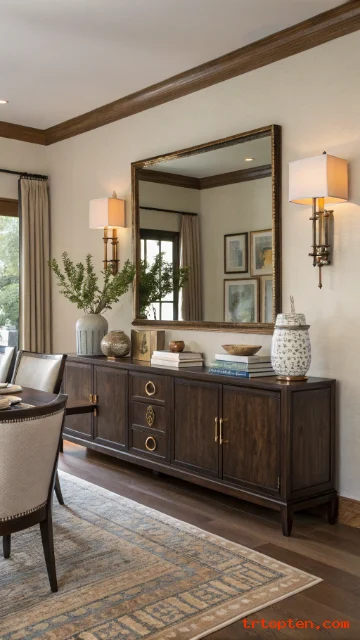
A credenza or sideboard is a cornerstone piece for a dining area within a combo room. It provides essential closed storage for table linens, dishes, and serving pieces. Position it against the wall behind or beside the dining table. This gives the dining zone a sense of permanence and completeness. It’s more than just a table and chairs.
The top of the credenza serves as a display or serving area. Style it with a lamp, a vase, or a piece of art above it. During parties, it becomes a buffet. Choosing a credenza that complements your living room media console or bookshelf strengthens the room’s cohesion. It is a beautiful and practical piece that grounds the space.
Choose Transparent or Reflective Materials
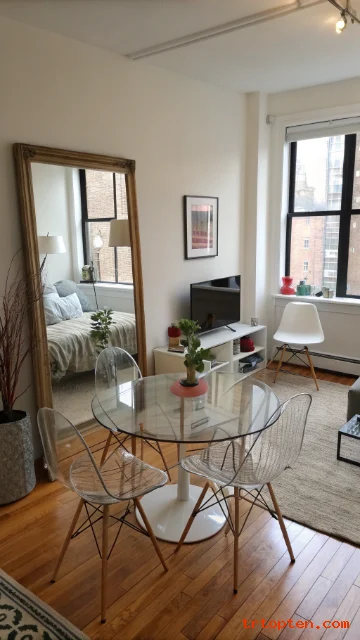
Incorporate furniture with glass, acrylic, or mirrored surfaces to maintain an airy feel. A glass-top dining table or acrylic chairs have a light visual weight. They don’t block sightlines across the room. This helps a small combo space feel more open and less crowded. These materials reflect light and add a modern touch.
A large mirror strategically placed on a wall can visually double the space. Consider a mirrored sideboard or shelving unit. These reflective pieces bounce light around the room. They make the boundaries between living and dining areas feel soft and blended. This technique is perfect for making modest spaces appear larger and brighter.
Implement a Cohesive Gallery Wall
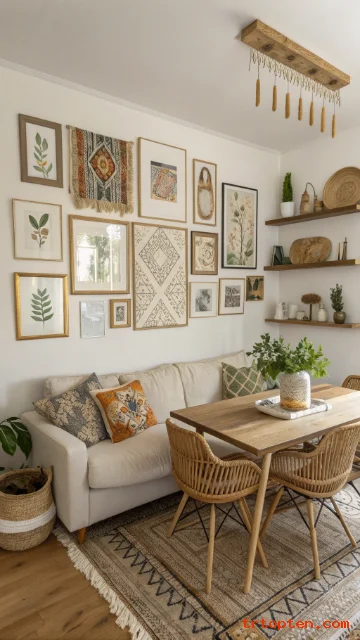
Extend a single gallery wall arrangement across both the living and dining areas. This bold design move visually stitches the two spaces together. Use a mix of framed art, photographs, and objects in a consistent style or color frame. Arrange them in a flow that guides the eye from the sofa section all the way to the dining table.
This method creates a strong, unifying backdrop for the entire room. It tells a continuous visual story. The gallery wall becomes the main focal feature, making the lack of a physical wall less noticeable. Ensure the arrangement is hung at a consistent height for a polished look. It adds personality and clear design intent.
Opt for a Sleeper Sofa for Ultimate Flexibility
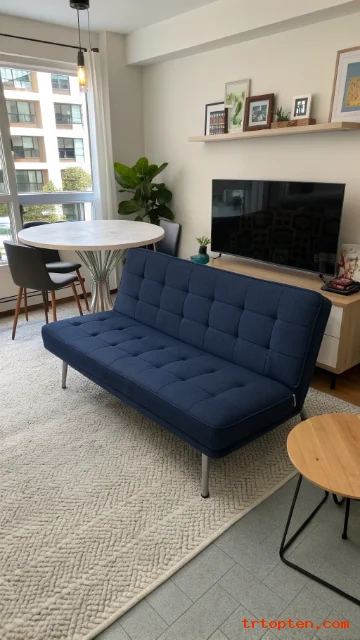
A sleeper sofa adds crucial multi-functionality to a living and dining combo room. It provides comfortable daily seating and transforms into a bed for overnight guests. This is especially valuable in spaces that don’t have a dedicated guest room. Choose a modern, comfortable model that doesn’t look like a typical bulky sleeper.
When selecting a sleeper sofa, consider its size and how it will fit your layout. You need enough space to open it up without moving the dining table. A sofa with a chaise or an L-shaped sectional might work well in a corner. This piece maximizes your room’s utility. It makes your home more accommodating for visitors.
Achieve Balance with Symmetrical Arrangements
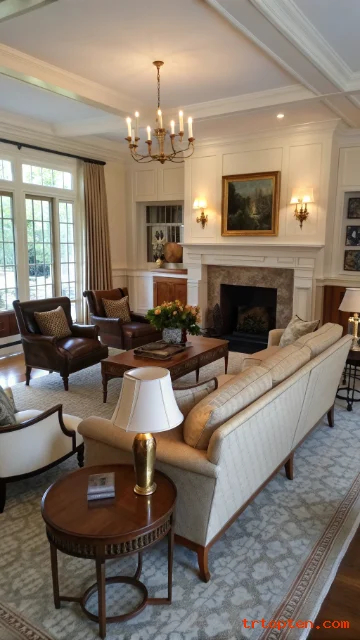
Symmetry creates a sense of order and calm in a multi-functional space. Flank your living room sofa with two identical side tables and lamps. Position two matching armchairs opposite it. In the dining area, use a set of uniform chairs around the table. This balanced approach makes the room feel organized and intentional.
Symmetry doesn’t mean the room has to be boring. You can introduce personality through art, rug patterns, or colorful accessories. The underlying symmetrical structure provides a stable foundation. It helps the eye navigate the combined areas easily. This classic design principle is very effective in open-plan rooms.
Maximize a Narrow Room with a Linear Layout
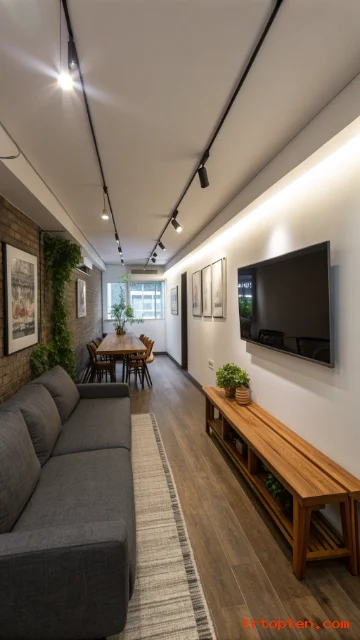
For a long, narrow combo room, arrange your furniture in a straight line along the longer walls. Place the sofa and media console on one long wall. Position the dining table and chairs along the opposite long wall. This leaves a clear central pathway for movement. It uses the room’s awkward shape to its advantage.
Choose furniture with a narrow depth for this layout. A shallow sofa and a slim dining table are key. Avoid placing large pieces at the ends of the room, which would block the flow. You can use a runner rug in the pathway and separate area rugs under each zone. This layout emphasizes efficiency and clear circulation.
Introduce Natural Elements for Warmth
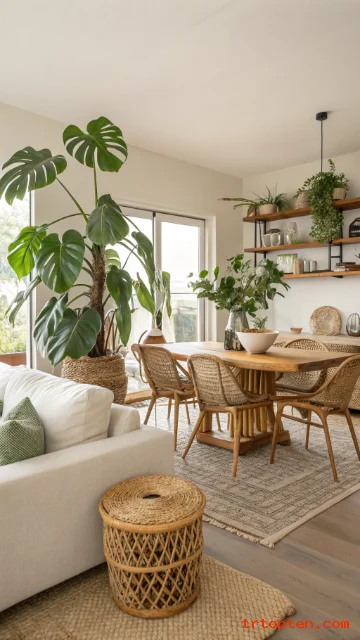
Bringing nature indoors adds warmth and life to a combined space. Use plants of varying sizes in both areas. A large fiddle-leaf fig tree can fill a corner near the dining table. Smaller succulents or a trailing pothos can sit on the living room side table. Wooden elements, stone surfaces, and woven baskets also contribute natural texture.
These organic materials soften the hard lines of furniture and architecture. They create a relaxing, grounded atmosphere that works for both lounging and dining. A jute rug under the dining table or a wooden bowl filled with fruit on the coffee table are simple additions. This connection to nature makes the room feel more inviting and serene.
Deploy Strategic Storage to Reduce Clutter
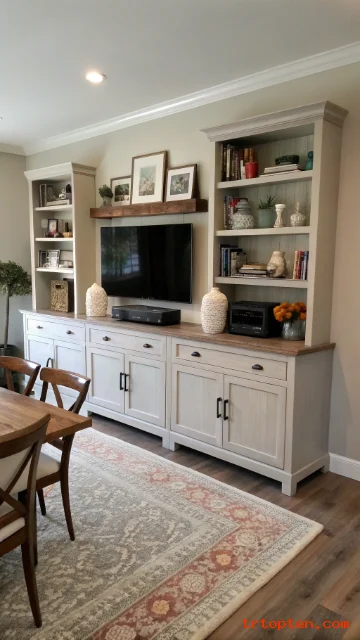
Ample, smart storage is non-negotiable for keeping a combo room tidy and spacious-looking. Clutter makes any space feel smaller and more chaotic. Use closed storage like cabinets, sideboards with doors, and ottomans with hidden compartments. Assign a home for remote controls, magazines, toys, and dining items.
Look for vertical storage opportunities. Tall, narrow bookcases or wall-mounted shelves utilize empty wall space without eating up floor area. Keeping surfaces clear, especially the dining table and coffee table, maintains a sense of order. A tidy room allows the design and function of each zone to shine clearly.
Craft an Intimate Atmosphere with Dimmers
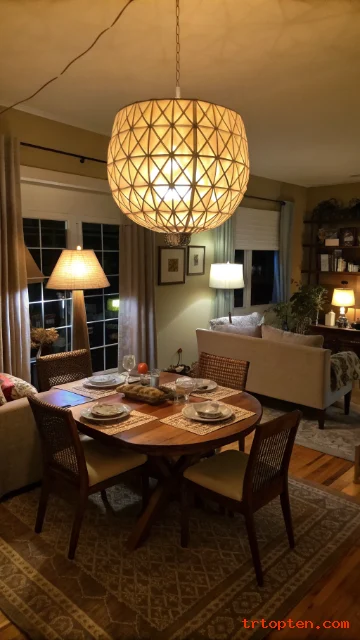
Lighting control is essential for setting the right mood in a dual-purpose room. Install dimmer switches for your overhead dining light and living room lamps. For dinner parties, you can brighten the dining area to spotlight the meal and conversation. Later, dim the lights for a relaxed, intimate ambiance.
In the living area, use dimmers to create a cozy glow for movie nights or quiet reading. This separate control allows each zone to have its own appropriate lighting level at any time. It enhances the functionality of the space dramatically. Dimmers are a simple upgrade with a major impact on the room’s versatility and atmosphere.
Unify with a Signature Scent and Sound
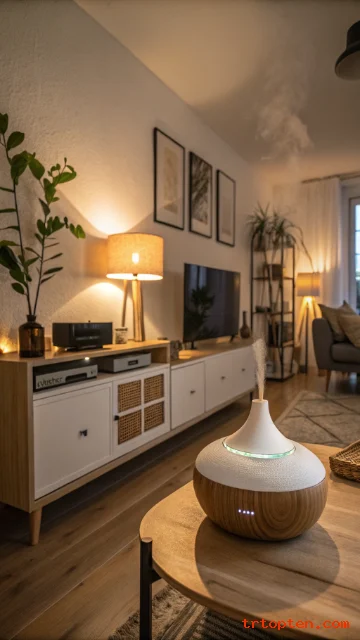
Engage all the senses to create a fully cohesive experience. Use a consistent home fragrance, like a specific candle or diffuser oil, throughout the space. A unified scent profile makes the living and dining areas feel like parts of a whole home. It creates a memorable and welcoming environment for you and your guests.
Consider the room’s soundscape as well. A small speaker playing soft music in the background can enhance the ambiance. The same gentle soundtrack can flow from the living area into the dining nook. These subtle sensory layers don’t take up any physical space. They deeply influence how the room feels when you’re relaxing or entertaining.
Design a Focal Point with a Bold Accent Wall

Use paint or wallpaper to create a strong focal point that defines one zone. Apply a bold color or dramatic wallpaper to the wall behind your dining table. This instantly demarcates the dining area as a distinct destination within the open room. It adds depth and character without any structural changes.
Keep the other walls in the room neutral to let the accent wall shine. You can subtly echo the accent color in small decor items in the living area, like throw pillows or a vase. This creates a visual link. The accent wall strategy is impactful and reversible. It is a perfect solution for renters or anyone wanting a quick change.
Plan for Seamless Entertaining Flow
Design your combo room with entertaining in mind. Arrange furniture so guests can easily mingle and move between the living and dining areas. Ensure there are clear pathways, at least 3-4 feet from the table’s edge to other furniture. Place side tables and coasters in both zones for guests to set down drinks.
Think about serving logistics. A cart or a sideboard near the dining table is ideal for holding food and drinks. Make sure there is ample, accessible seating that can be pulled from the dining area into the living space if needed. A well-planned layout encourages social interaction. It makes hosting effortless and enjoyable.
Your Living Room and Dining Room Combo Questions
How do I separate my living room from my dining room in an open plan?
You can define areas without walls. Use area rugs to anchor each space. Position furniture, like a sofa, to act as a visual divider. Different lighting fixtures also help distinguish the zones.
What is the best furniture layout for a small combined space?
For small spaces, use corners efficiently. Choose a round dining table to save space and improve flow. Consider multi-functional furniture, like storage ottomans or a sleeper sofa. Avoid pushing all furniture against the walls, as floating pieces can better define zones.
How can I make my living and dining area look cohesive?
Stick to a unified color palette across both areas. Repeat materials, like similar wood tones or metal finishes, in both zones. Consistent flooring throughout the space is one of the best methods for creating visual harmony.
What size rug should I get for my dining area in a combo room?
Your dining rug should be large enough for the table and all chairs. It must stay under the chairs even when they are pulled out for someone to sit down. A good rule is to add at least 24 inches to each side of the table’s dimensions.
Is it okay to put a dining table in front of a window?
Yes, it is often acceptable. If a dining setup blocks a sliding door or large window slightly, use a low bench on the window side to minimize the obstruction. A sunny nook can be the perfect spot for a cheerful dining area.
How much space should I leave between my dining table and sofa?
Leave enough room for comfortable walking. Often, you can place furniture closer than you think. A minimum of about 3 feet is a good guideline for a clear pathway. This ensures people can move easily between the two functional areas.
Can I mix different design styles in a living-dining combo?
Yes, but maintain some common threads. Balance “loud” decorative moments with more pared-back elements. Use a few subtle tie-ins, like matching colors in throw pillows and a table runner, to connect the styles.
Conclusion
Designing a living room and dining room combo is a chance to create a space that is both stylish and supremely functional. The key is to define distinct zones for lounging and dining while maintaining an overall sense of unity.
Start with a smart furniture layout, use rugs and lighting to establish boundaries, and tie everything together with a cohesive color story. Remember, the goal is a room that works for daily life and special gatherings.
Use these ideas to transform your open-plan area into a comfortable, flowing, and beautiful heart of your home.