
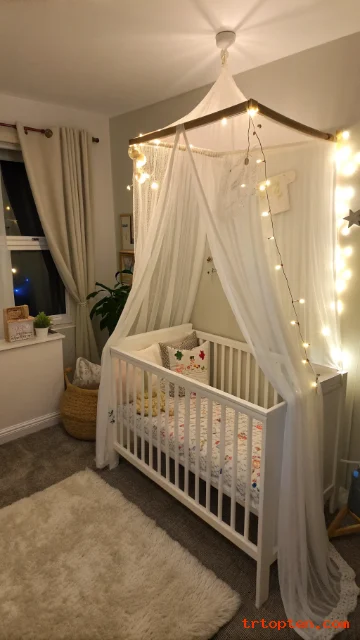
A nursery corner in parents room helps you keep baby close without giving up your whole space.
You can set up a calm, safe spot that supports sleep, feeding, and diaper changes. This guide shares 30 nursery corner in parents room ideas that look good and work hard every day.
Compact Mini Crib by the Bed
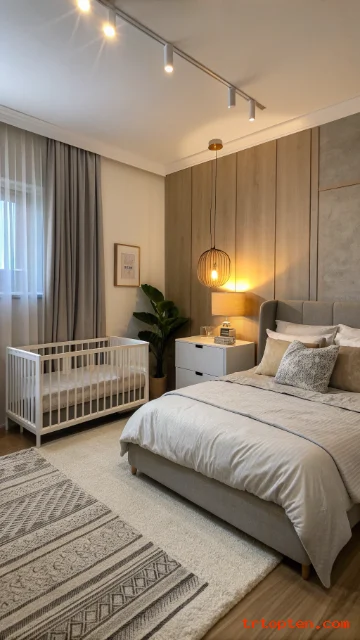
Place a mini crib beside your bed to keep baby within arm’s reach. You can check on baby fast and settle them with less walking. A mini crib also leaves more floor space for you.
Choose a crib with slim legs and breathable sides. You can add a fitted sheet in a soft neutral color to match your room. Keep extra sheets in a nearby drawer for quick changes.
Bassinet in a Bright Window Nook
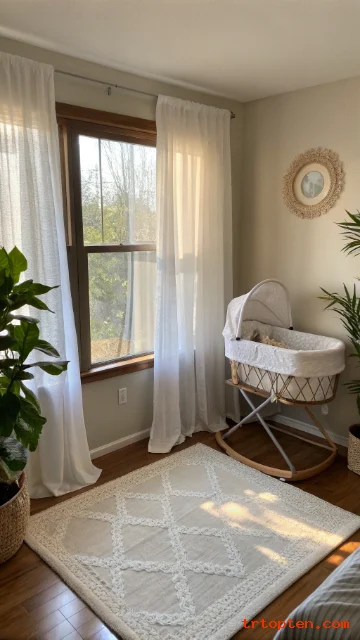
A bassinet fits well in a small nook near a window. Daylight makes the corner feel fresh and open. You can use sheer curtains to keep the light gentle.
Pick a bassinet with a stable base and breathable sides. Add a small rug under it to soften sound. Keep cords and blinds strings far away from the sleep area.
Corner Crib with a Slim Changing Cart
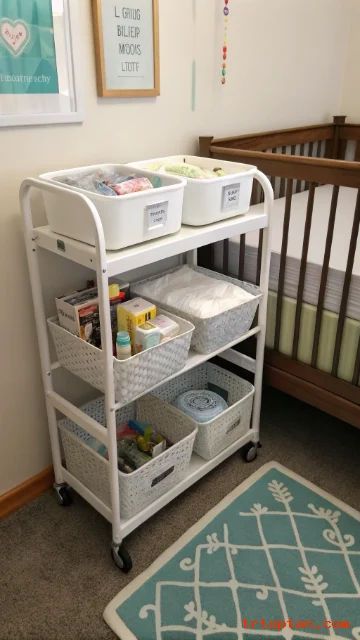
Use one corner for sleep and place a narrow rolling cart nearby. The cart can hold diapers, wipes, and burp cloths. You can roll it away when you want a cleaner look.
Choose bins that label easily so you grab items fast at night. Use a top tray for the most used supplies. Lock the cart wheels so it stays steady.
Wall-Mounted Shelf Above the Nursery Corner
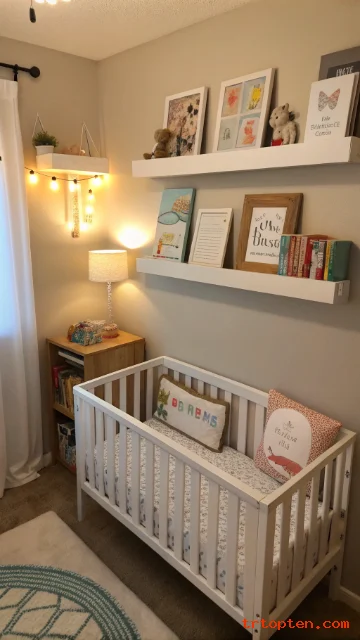
A shelf above the corner keeps essentials off the floor. You can store books, spare pacifiers, and a small sound machine. It also adds style without taking space.
Mount the shelf high enough to avoid reach from the crib area. Use a short lip shelf so items do not slide. Keep decor light and simple to reduce visual clutter.
Soft Rocking Chair in the Corner
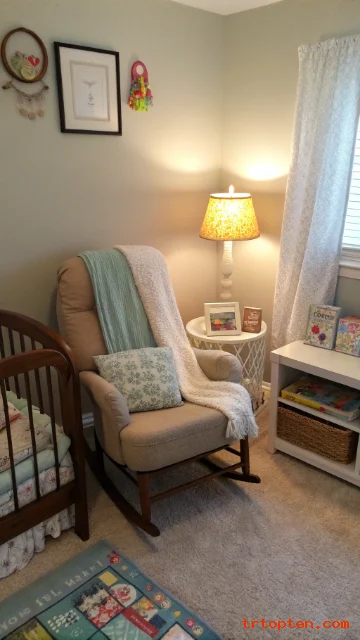
A rocking chair turns one corner into a feeding and soothing zone. You can settle baby without leaving the room. Your back will feel better with proper support.
Pick a chair with arm support and a gentle rocking motion. Add a small lumbar pillow and a washable throw. Place a tiny side table for water and snacks.
Glider Ottoman for Long Feeding Sessions
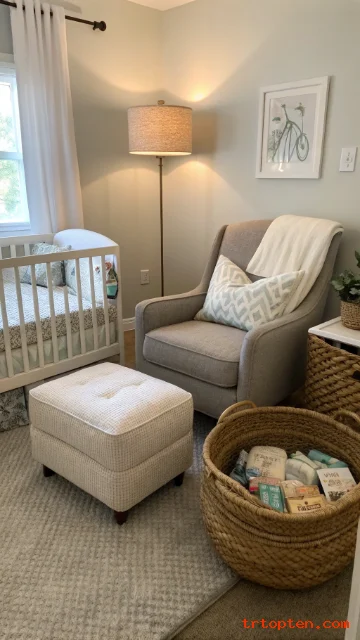
A glider helps you sit comfortably for longer stretches. The ottoman supports your legs and reduces strain. This setup feels calm during late-night feeds.
Choose performance fabric that wipes clean. Keep a basket beside the chair for nursing pads and cloths. Place a dimmable lamp behind the chair for soft light.
Portable Changing Pad on a Dresser Top
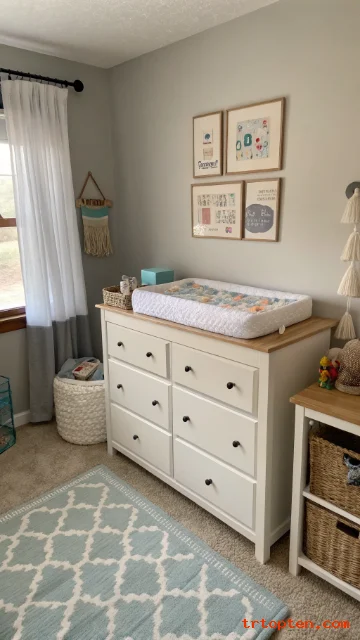
Use your existing dresser as a changing station. You save money and keep the room layout simple. A portable pad lets you remove it when not needed.
Add a non-slip mat under the pad for stability. Store diapers and wipes in the top drawer for fast reach. Keep one hand on baby during changes at all times.
Fold-Down Wall Changing Table
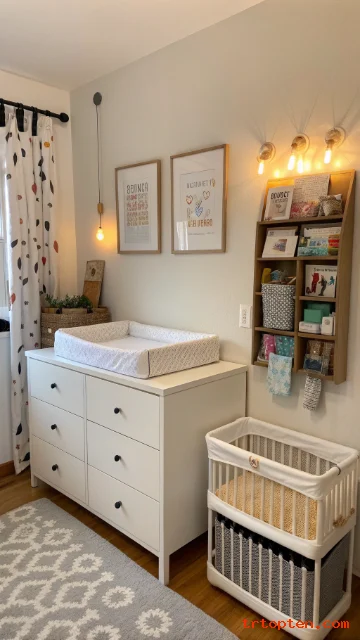
A fold-down changing table works well in tight rooms. You can close it to keep the space open. It gives you a dedicated spot without a big footprint.
Install it on a solid wall stud for strength. Store supplies in a slim organizer beside it. Choose a model with safety straps and easy-to-clean surfaces.
Closet Nursery Corner Setup
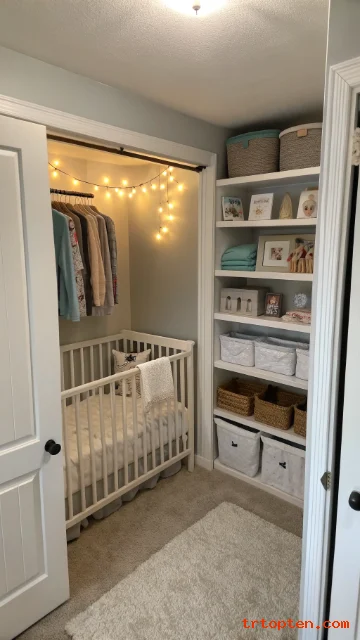
Turn part of a closet into a nursery corner. You can place a bassinet or mini crib inside with open doors. This hides baby gear when guests visit.
Remove lower closet doors if they block airflow. Use soft battery puck lights for gentle brightness. Keep hanging clothes away from the sleep zone.
Curtain Divider for a Private Baby Zone
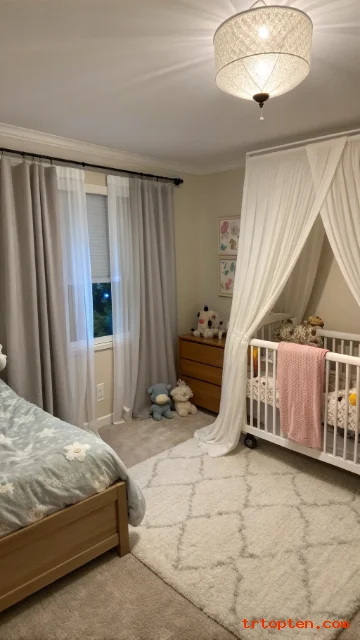
A ceiling track curtain can separate baby space from your bed. This helps light control during naps. It also creates a cozy feel without building walls.
Use blackout fabric on the baby side if needed. Keep the curtain away from the crib area for safety. Choose a neutral color that matches your bedding.
Folding Screen to Define the Corner
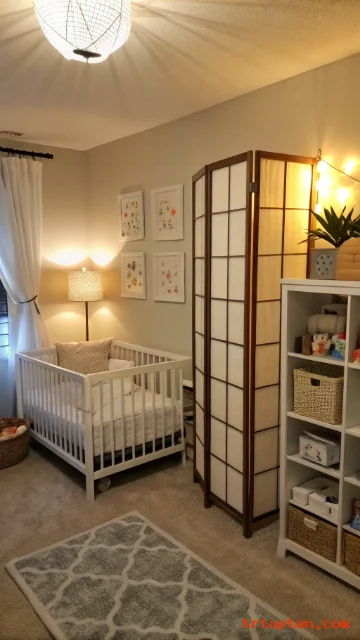
A folding screen adds privacy and style. You can move it as your needs change. It also reduces visual mess from baby items.
Pick a stable screen with a wide base. Avoid loose fabric panels near the crib. Use the screen to hide a small storage shelf behind it.
Minimalist Corner with Neutral Tones
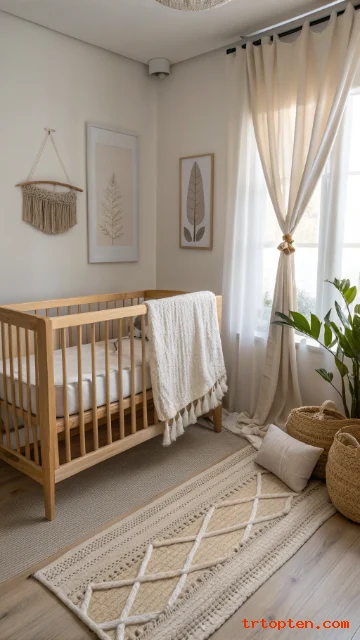
Neutral colors help the corner blend into your room. This keeps the space calm and easy on the eyes. It also makes photos look clean and timeless.
Use whites, creams, and light wood accents. Add one soft texture like a knit blanket. Keep patterns small so the corner stays restful.
Scandinavian Style Nursery Corner
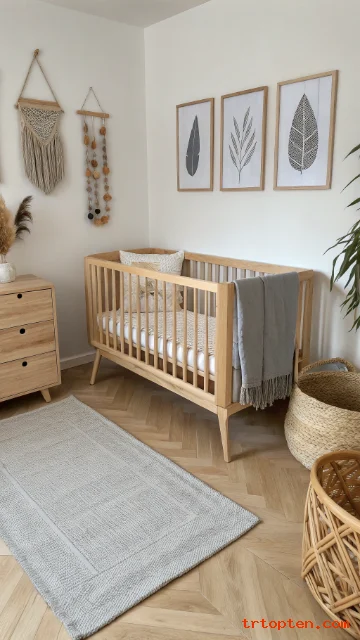
Scandi style uses light wood and simple lines. It makes a small corner feel airy. It also works well with modern bedrooms.
Choose a pale wood crib and a soft gray rug. Add one wall print with a simple shape. Use closed storage to keep a clean look.
Boho Nursery Corner with Soft Textiles
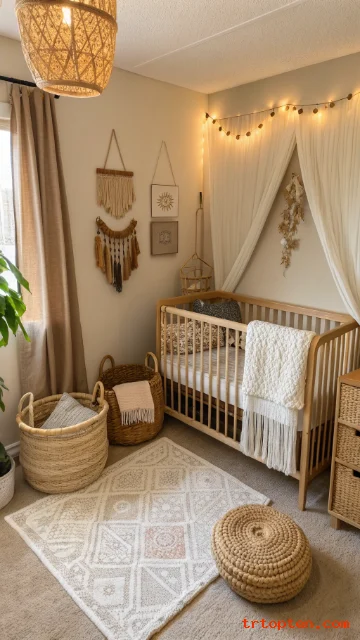
Boho style adds warmth with texture. It works well if your bedroom already has cozy layers. The key is to keep it soft and not crowded.
Use a woven basket for blankets and toys. Add a small macramé wall piece away from the crib. Choose muted earth tones for a calm mood.
Modern Black-and-White Corner Accent
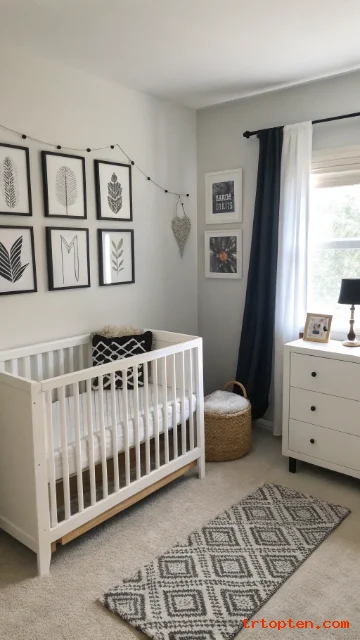
A black-and-white palette feels crisp and clean. It pairs well with many adult bedroom styles. Use it in small doses so the space stays soothing.
Pick a white crib with black hardware or trim. Add a high-contrast wall print across the room, not above the crib. Keep bedding soft and simple.
Floating Nightstand for Baby Essentials
A floating nightstand saves floor space. You can store pacifiers, a thermometer, and a small lotion. It keeps the corner sleek and easy to clean.
Install it near the chair or bed. Add a small tray to prevent items from rolling. Use a soft-touch lamp for night feeds.
Under-Crib Storage Bins
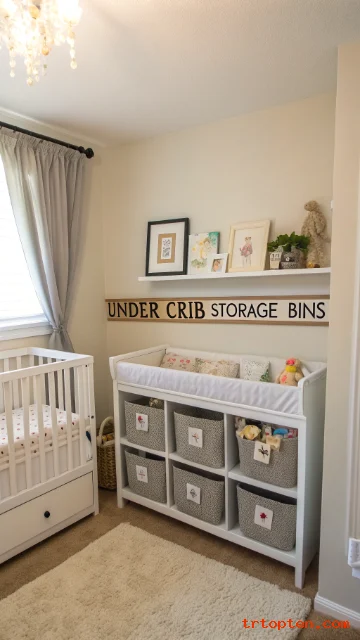
Use the space under the crib for extra storage. You can keep spare sheets and swaddles there. This reduces clutter in the rest of the room.
Choose low bins with lids to keep dust away. Label each bin for quick grabs. Slide bins smoothly so you do not wake anyone.
Pegboard Wall Organizer
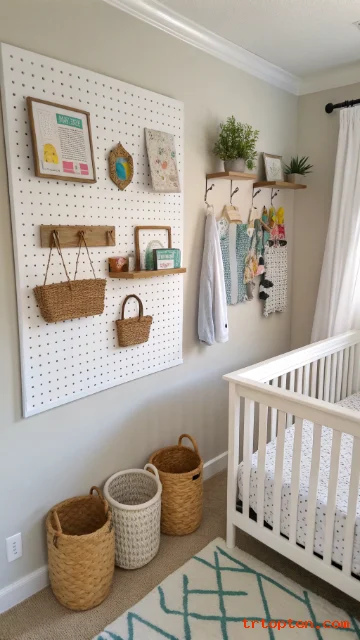
A pegboard stores small items in vertical space. You can hang tiny baskets and hooks. This makes late-night supply grabs faster.
Mount it away from the crib and changing area. Store light items like washcloths and hairbrushes. Keep any sharp tools out of reach and out of sight.
Narrow Bookcase for Diapers and Linens
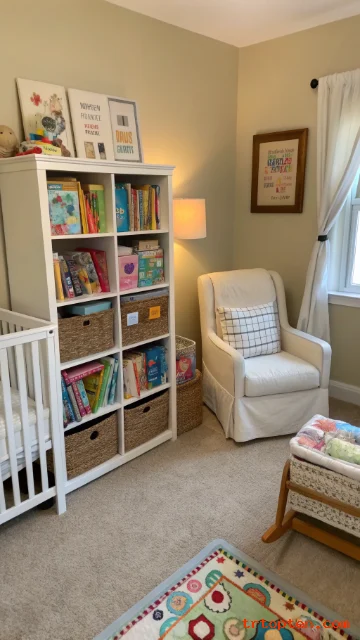
A slim bookcase can act as a nursery supply tower. It fits well beside a dresser or chair. It keeps essentials organized without big furniture.
Use fabric bins on lower shelves for safety and a clean look. Keep heavier items on lower shelves for stability. Add a small basket on top for quick items.
Corner Canopy for a Cozy Look
A canopy can make the corner feel special and calm. It adds softness and frames the sleep space. Keep safety as the top rule.
Mount the canopy far enough from the crib so fabric cannot reach baby. Use a simple sheer canopy with a secure mount. Avoid strings, beads, or loose ties.
Dimmable Lighting for Night Feeds
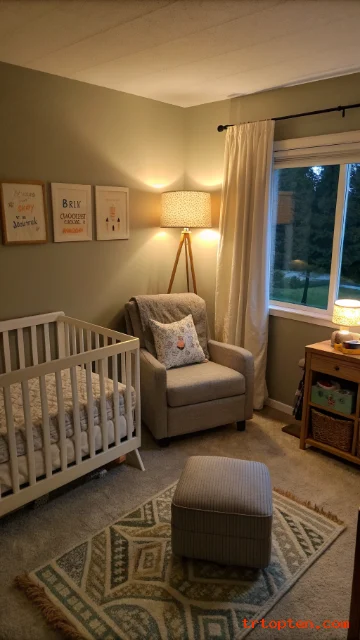
Good lighting makes nights smoother. A dimmer lets you see enough without waking everyone fully. It supports calmer feeds and faster sleep.
Use a dimmable lamp on a side table. Choose warm bulbs for a soft glow. Keep a small flashlight in a drawer for quick checks.
Plug-In Sconce to Free Table Space
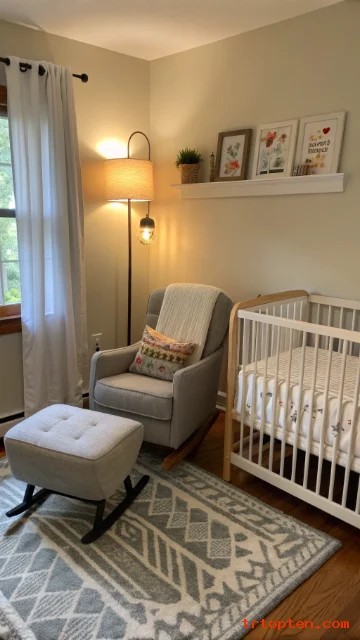
A wall sconce keeps surfaces clear. You gain space for bottles, burp cloths, or a book. It also adds a polished look.
Install it near the chair or changing spot. Choose a sconce with a shade that blocks harsh light. Keep cords neat and secured against the wall.
Sound Machine Station with Charging Dock
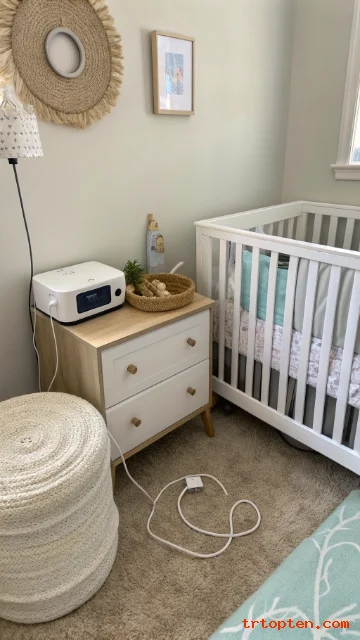
A sound machine can mask small noises. A charging dock keeps your phone ready for night tracking. This station helps you keep routines consistent.
Place the sound machine on a shelf across from the crib. Keep volume at a safe level and not too close. Use a cable box to hide extra cords.
Nursing Basket “Grab and Go” Setup
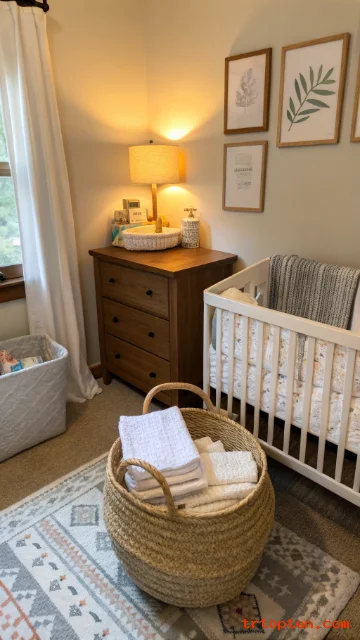
A nursing basket keeps essentials together. You can move it from bed to chair in seconds. This saves time during frequent feeds.
Fill it with burp cloths, nipple cream, snacks, and water. Add spare pacifiers and a small notepad. Restock it daily so it stays useful.
Travel Crib for Flexible Small Spaces
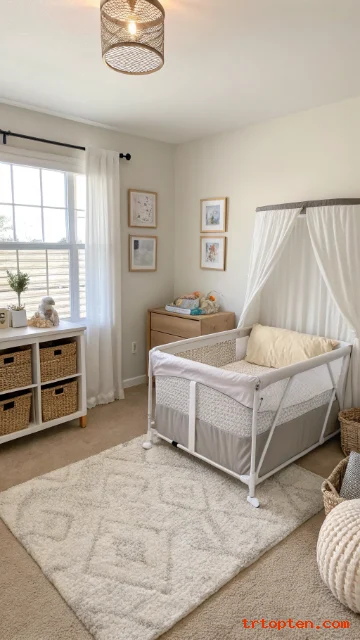
A travel crib works if you need flexibility. You can fold it during the day for more room. It also helps if you visit family often.
Choose a model with a firm mattress pad and stable frame. Keep it on a flat surface away from windows and cords. Use a fitted sheet made for that model.
Corner Rug to Mark the Nursery Zone
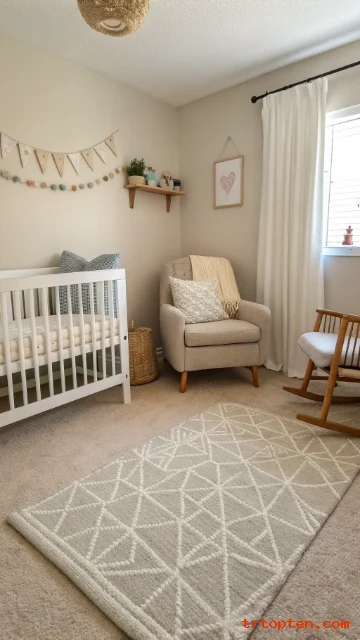
A rug defines the nursery corner visually. It also adds comfort for your feet. It can reduce sound from steps at night.
Pick a low-pile rug that cleans easily. Use a non-slip rug pad underneath. Choose a calm color that fits your bedroom palette.
Wall Art Gallery That Matches Your Bedroom
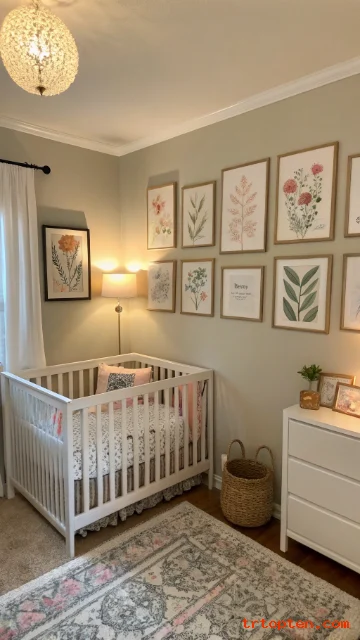
Wall art helps the corner feel intentional. It connects baby space with your adult decor. Keep it simple and soothing.
Use two or three framed prints with soft colors. Hang art away from the crib area for safety. Match frames to your bedroom hardware for a cohesive look.
Mirror Trick to Make the Corner Feel Bigger
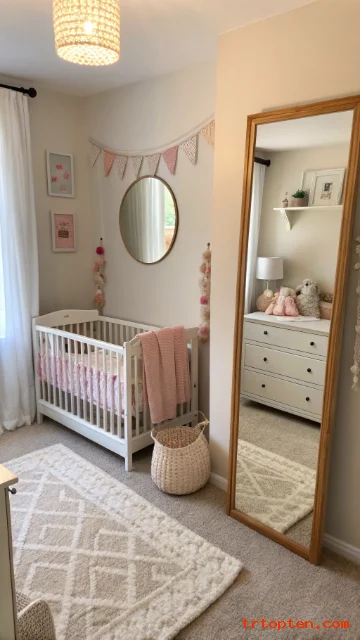
A mirror can open up a small room. It reflects light and makes the corner feel less tight. It also adds a stylish touch.
Place the mirror on a wall opposite the window if possible. Avoid placing it where it reflects bright light into baby’s sleep area. Use a secure wall mount for safety.
Two-Zone Layout: Sleep Corner + Care Corner
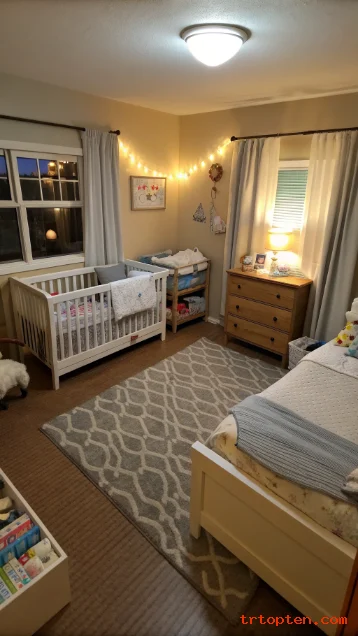
A two-zone plan keeps tasks organized. One side is sleep and the other side is care. This reduces stress when you move fast at night.
Place the crib or bassinet in the quietest corner. Put the changing station and supplies near a light source. Keep walking paths clear so you do not trip.
Calm Color Pop with One Accent Wall
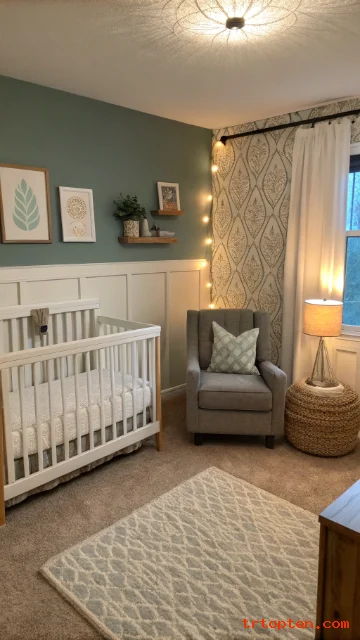
One accent wall makes the nursery corner stand out gently. It adds personality without making the room busy. It also looks great in photos.
Choose a muted color like sage, dusty blue, or warm beige. Paint only the corner wall behind a shelf or chair, not behind the crib if you prefer a softer look. Keep the rest of the room neutral for balance.
How much space do I need for a nursery corner in parents room?
You can start with a bassinet and a small cart in a very small space. A mini crib needs more floor area but still fits most bedrooms. Clear walking space matters more than extra decor.
Is a bassinet better than a crib for the parents room?
A bassinet works well for early months and small rooms. A mini crib lasts longer and can feel more stable. Your room size and how long you want to room-share will guide the choice.
How do I keep the nursery corner from looking messy?
Use closed bins and a small basket for daily items. Store backups in drawers or under the crib. Keep only the essentials visible.
What lighting works best for night feeds?
Warm dimmable light helps you stay calm and keeps baby relaxed. A wall sconce can free table space. Avoid harsh overhead light during night wakes.
Can I use my dresser as a changing station?
Yes, a portable changing pad can turn a dresser into a changing spot. Keep supplies in the top drawer for fast access. Use a non-slip base and keep one hand on baby.
How do I reduce noise in a shared bedroom nursery corner?
Use a sound machine at a safe distance. Add a rug and soft textiles to reduce echo. Keep doors and drawers quiet with felt pads.
How do I make a nursery corner feel cohesive with my bedroom?
Match colors and materials to your existing furniture. Use similar frames, baskets, and textiles. Keep the nursery items simple and consistent.
What should I keep within arm’s reach at night?
Keep diapers, wipes, burp cloths, and a spare onesie nearby. Add water, snacks, and a phone charger near your chair. Store backups close but out of the way.
How do I set up a nursery corner on a budget?
Use what you already own like a dresser and baskets. Start with a bassinet and a small cart. Add upgrades later like a glider or wall shelves.
Conclusion
A nursery corner in parents room can feel peaceful, practical, and stylish at the same time. Start with a safe sleep setup, then add storage and lighting that support your nightly routine.
Use these 30 nursery corner in parents room ideas to build a space that helps you rest more and enjoy those early months.