
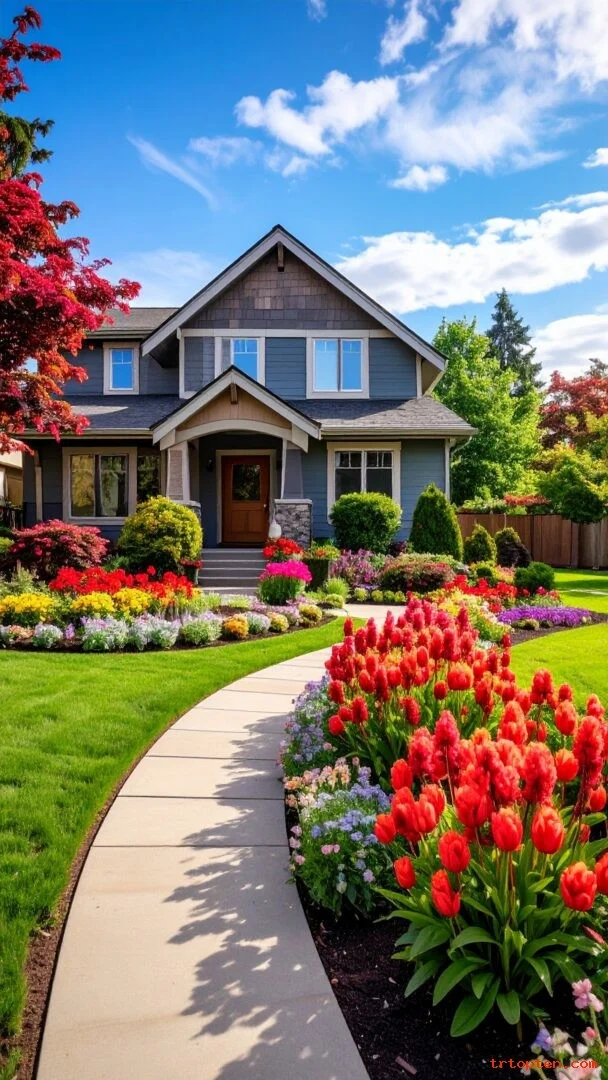
A small front yard can still look polished, welcoming, and easy to maintain. The right layout, plants, and hardscape details can guide the eye and make the space feel wider.
This list of 26 small front yard landscaping ideas gives you practical ways to boost curb appeal without needing extra square footage.
Layered Foundation Planting With Low Shrubs
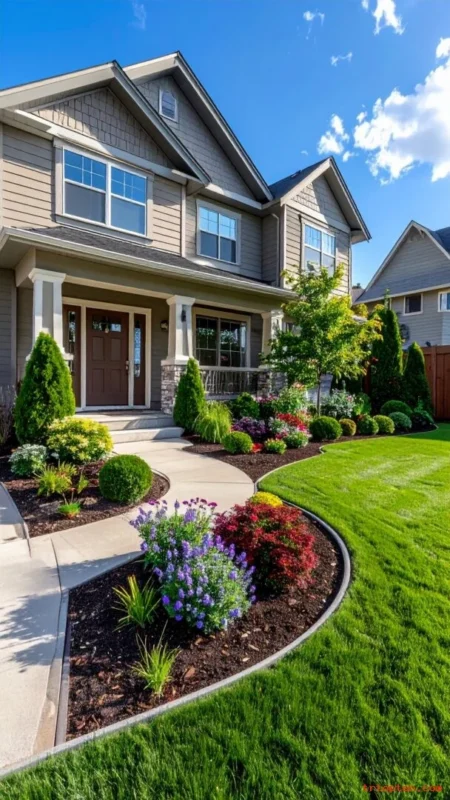
Use two or three plant heights along the front wall to create a tidy, balanced look. Keep the tallest plants closest to the house and step down toward the sidewalk.
Choose compact shrubs that stay neat with light trimming, like boxwood or dwarf holly. Add a soft edge with low perennials so the line never looks harsh.
Curved Walkway To Slow The View
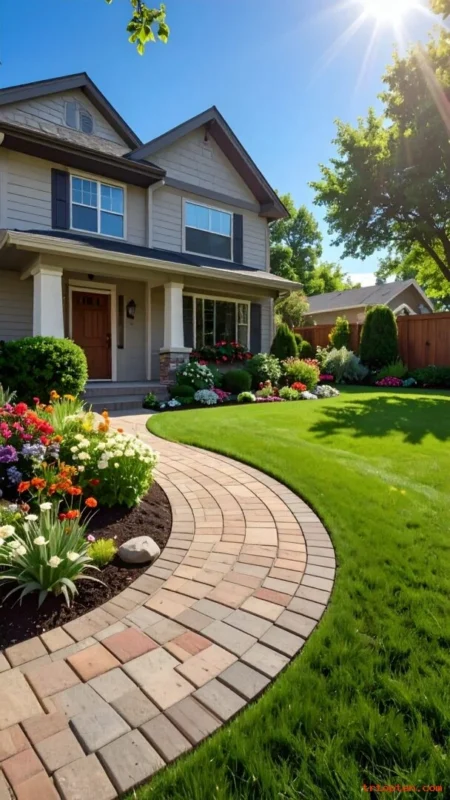
A gentle curve makes a small yard feel longer because the eye travels more slowly. Use pavers, brick, or poured concrete with a clean border.
Plant low flowers on the outer curve to highlight the path. Keep the inner curve simple so the walkway stays the main feature.
Mulch Beds With Crisp Metal Edging
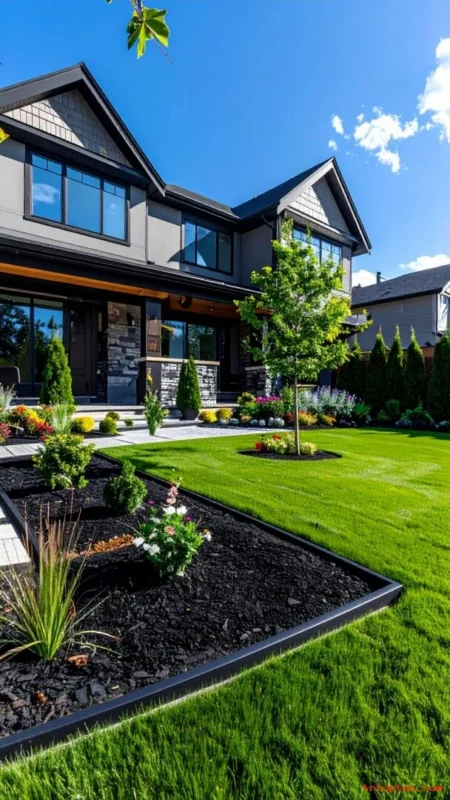
Sharp bed lines make small spaces look designed instead of messy. Metal edging stays thin, modern, and almost invisible from a distance.
Use dark mulch for strong contrast with plants and grass. Refresh the mulch once a year so the yard always looks cared for.
Gravel Garden With Drought-Tough Plants
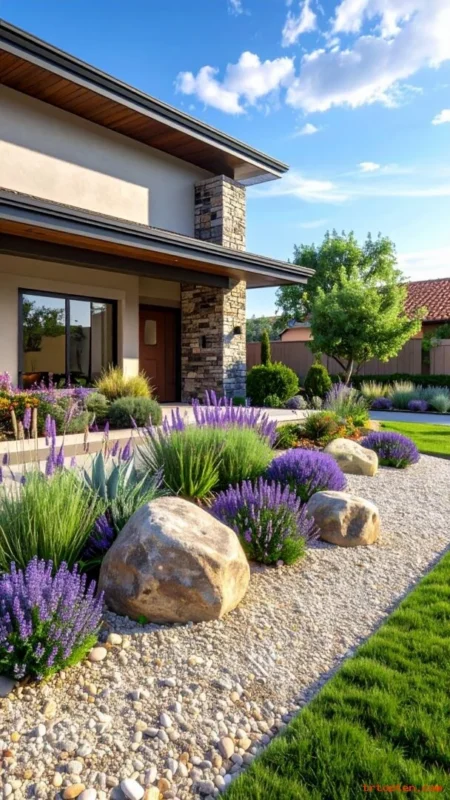
Gravel reduces weeding and watering, which is perfect for a small area. Pair it with plants that like dry soil, like lavender, sedum, or sage.
Add a few larger rocks for structure so the bed does not look flat. Keep plant spacing consistent to maintain a clean pattern.
Mini Lawn Panel Framed By Beds
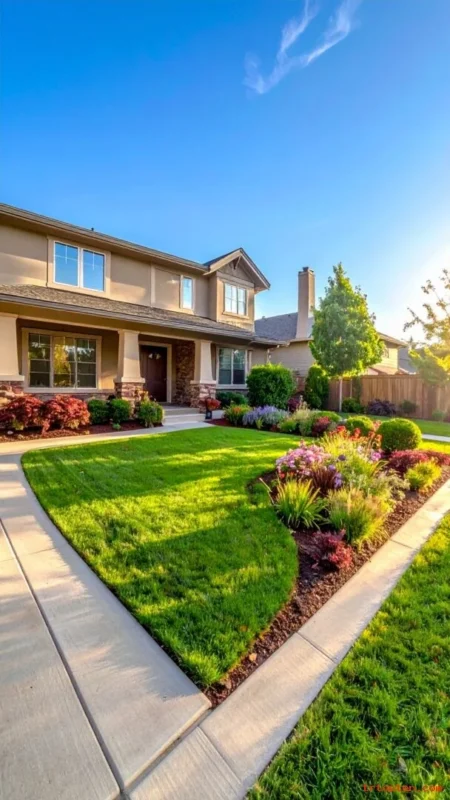
A small rectangle of grass can look intentional when you frame it with planting beds. This creates a “green rug” effect right in front of the house.
Use symmetrical borders if you want a formal look. Use mixed shapes and textures if you want a softer, cottage feel.
Small Tree For Instant Scale
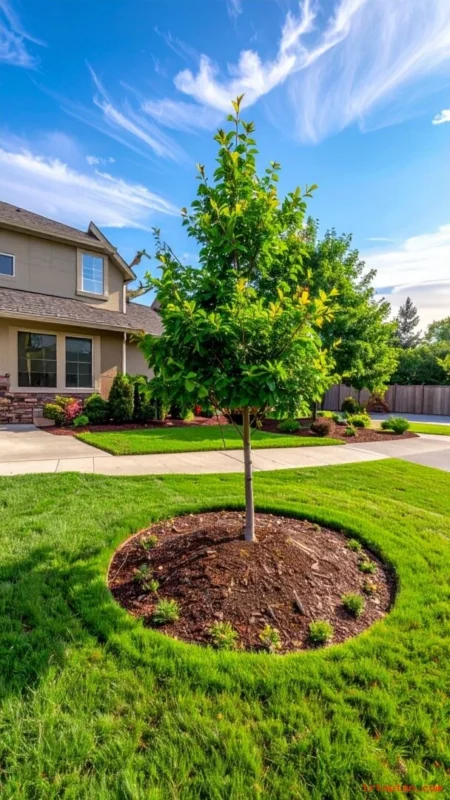
One small ornamental tree adds height without crowding the space. Try Japanese maple, serviceberry, or a dwarf magnolia based on your climate.
Place it slightly off-center so the yard feels natural. Underplant with shade-tolerant groundcover to keep the base tidy.
Stepping Stones Through Groundcover
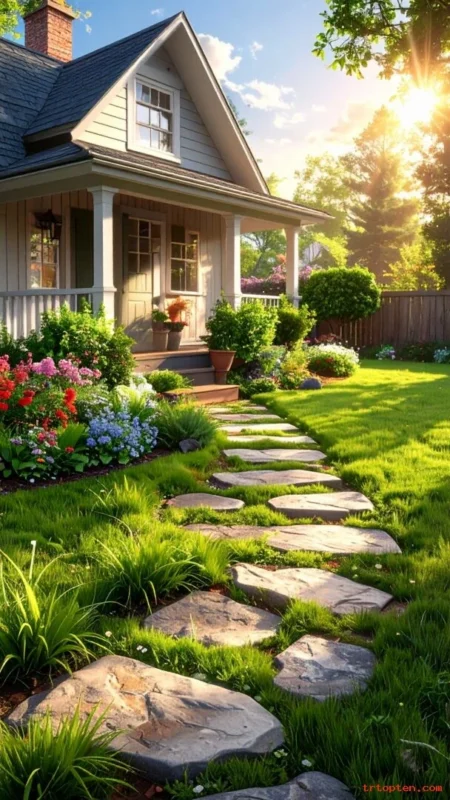
Stepping stones look light and airy compared to a full paved path. They also let plants fill in around them for a softer feel.
Use creeping thyme or dwarf mondo grass between stones. Keep stone spacing even so the walkway feels safe and easy to use.
Raised Planters To Add Height Fast
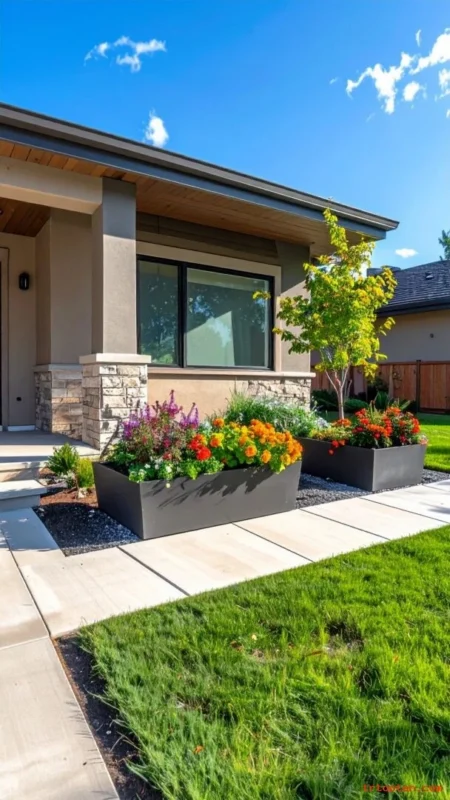
Raised planters lift flowers closer to eye level and reduce the need for wide beds. They work well near porches, windows, or mailbox areas.
Use stone, wood, or stucco to match the home exterior. Keep the shape simple so the yard stays visually calm.
Porch Border With Fragrant Plants
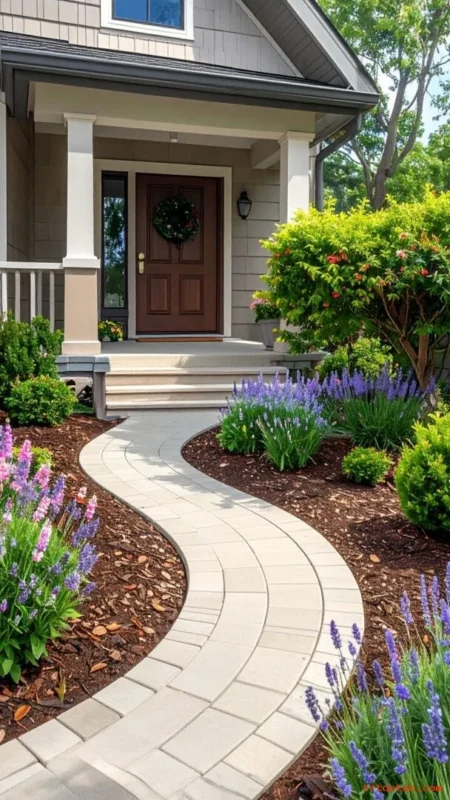
Fragrance makes a small front yard feel special as soon as you walk up. Plant rosemary, lavender, jasmine, or gardenia if your climate supports it.
Keep fragrant plants close to the path and porch steps. Use a low border so the scent reaches nose level without blocking the view.
Symmetry With Matching Pots
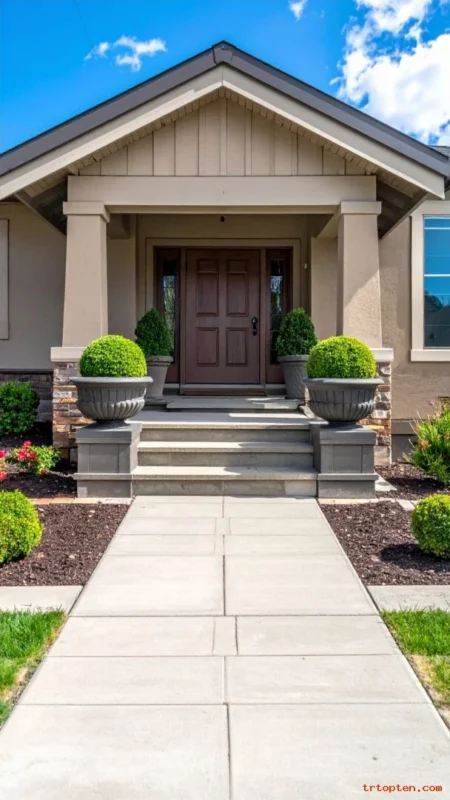
Matching pots create instant order and make the entry look high-end. Place them on both sides of the steps or front door.
Choose one strong plant shape like a small evergreen, topiary, or tall grass. Keep the pot color consistent so the look stays clean.
Vertical Trellis For Climbing Color
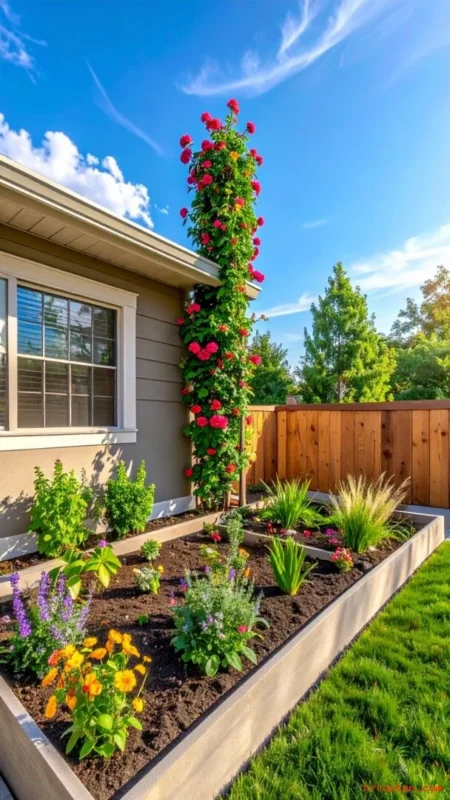
A trellis adds height without taking much ground space. It can hide a blank wall or soften a fence line.
Train clematis, climbing roses, or star jasmine up the trellis. Keep the base area mulched and weed-free for a sharp finish.
Small Rock Border For Natural Texture
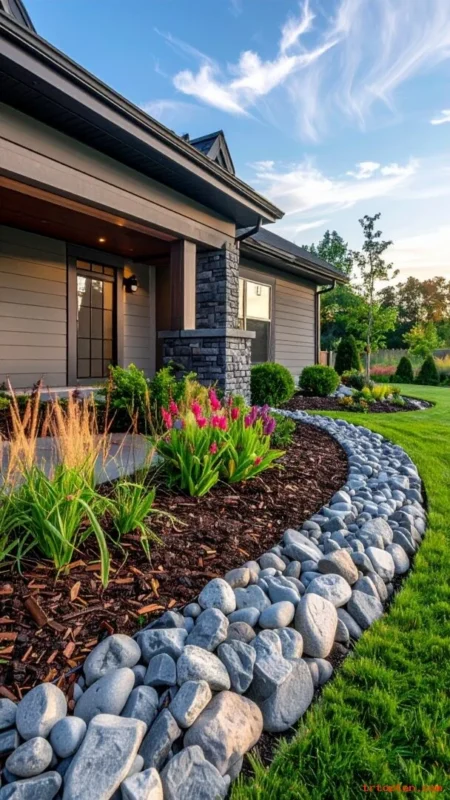
Rocks give a bed a finished edge and help control mulch drift. They also fit well with both modern and rustic styles.
Use one rock type so the border looks intentional. Keep the line slightly curved to avoid a stiff, boxed-in feel.
Mailbox Garden That Looks Planned
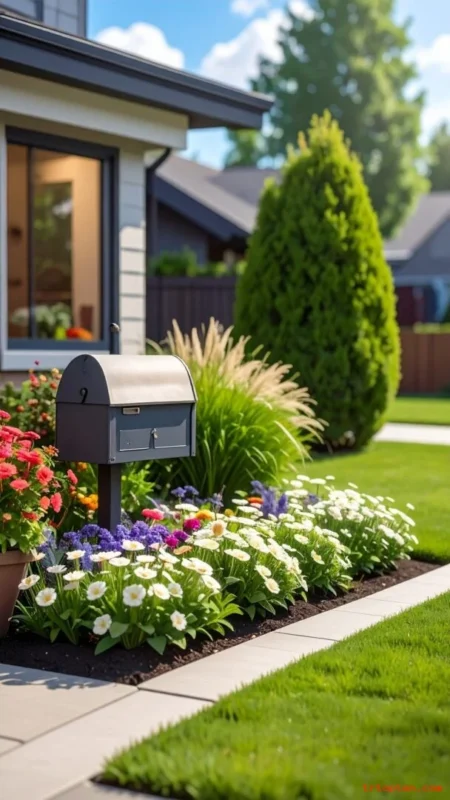
A mailbox is a focal point in many small front yards. A small bed around it makes the whole street view look better.
Use low plants so the mailbox stays visible. Add one taller plant behind it to create a backdrop and depth.
Low Hedge To Define The Space
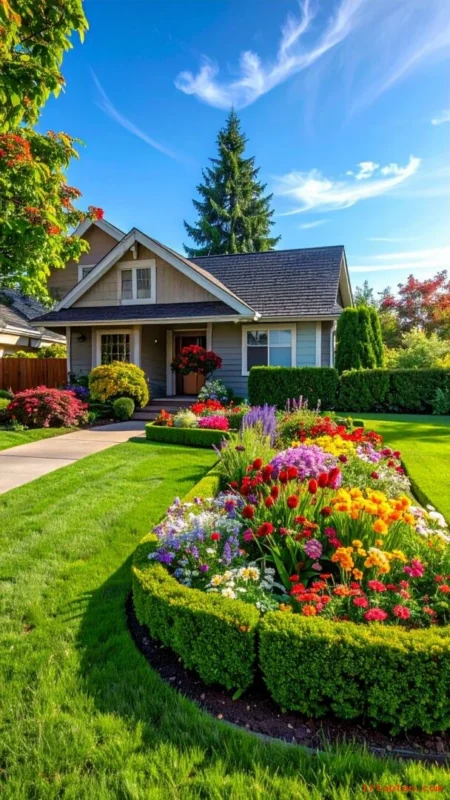
A low hedge sets a clear boundary and makes the yard feel structured. It also frames flowers and keeps the view organized.
Choose a slow-growing hedge so it stays small. Trim it lightly to keep the top line even and crisp.
Color Theme Planting For A Cohesive Look
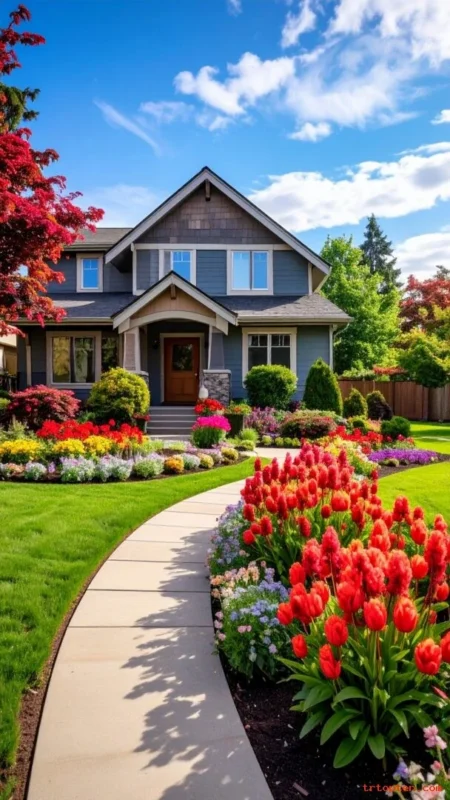
A color theme keeps small yards from feeling busy. Pick two main colors and repeat them in different plants.
Use one neutral foliage color like green or silver to balance blooms. Repeat the same flowers in small groups for a clean pattern.
Evergreen Base With Seasonal Accents
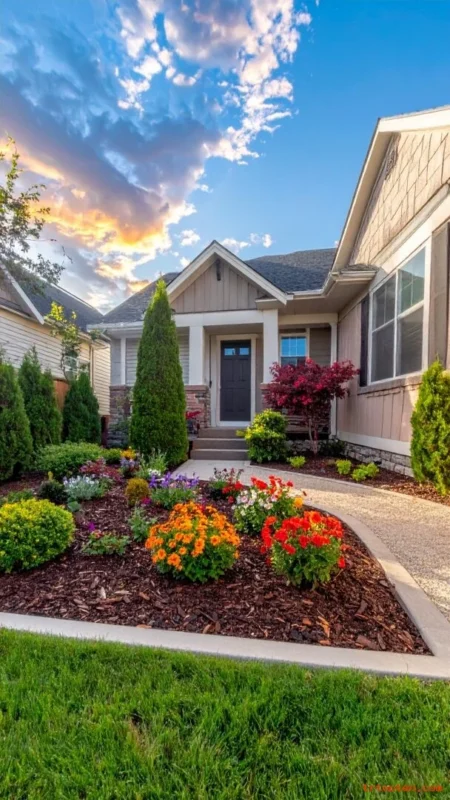
Evergreens give structure in every month, even when flowers fade. Then you can add seasonal color in small bursts.
Use dwarf evergreens as anchors near corners and the entry. Add annuals or bulbs in front so you can change the look each season.
Mini Water Feature For A Calm Entry
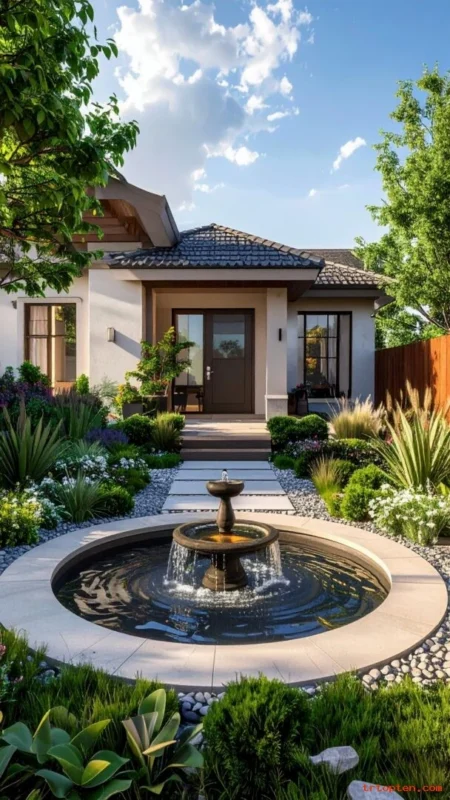
A small fountain adds sound and movement without needing much space. It can become the yard’s main feature in a simple design.
Choose a compact, self-contained fountain so installation stays easy. Surround it with gravel or low plants to keep splashing mess under control.
Bench Nook Near The Path
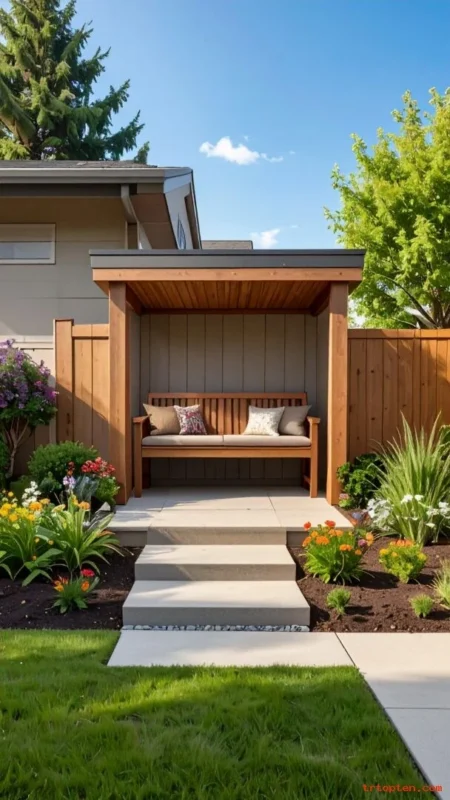
A bench makes the yard feel like a real outdoor room. It also gives you a place to enjoy the view or greet neighbors.
Place it where it will not block walking space. Add two planters or small shrubs behind it to create a comfortable backdrop.
Lighting Along The Walkway
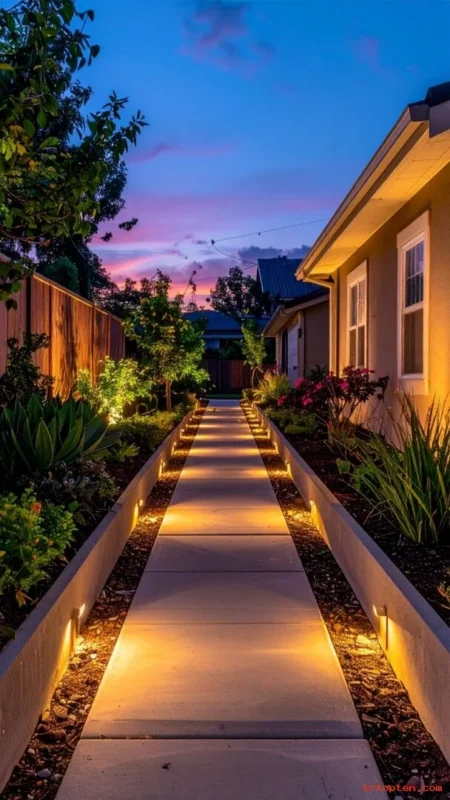
Path lights make the yard safer and add warmth at night. They also highlight textures and plants in a small space.
Use evenly spaced lights to guide the way. Aim lights downward so the look stays soft and not harsh.
Stone Steps With Groundcover Edges
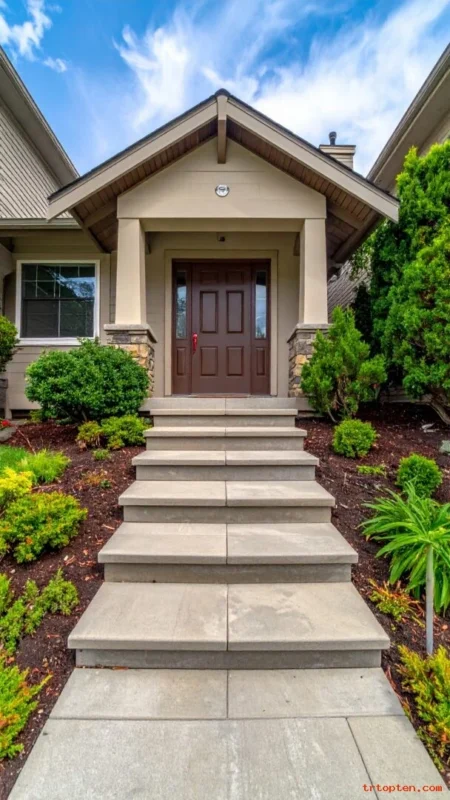
Steps create a strong focal line and help on sloped lots. Groundcover edges soften the stone so it feels natural.
Use wide, shallow steps so the entry feels open. Plant groundcover close to the edges so it gently spills over time.
Narrow Side Strip Garden Fix
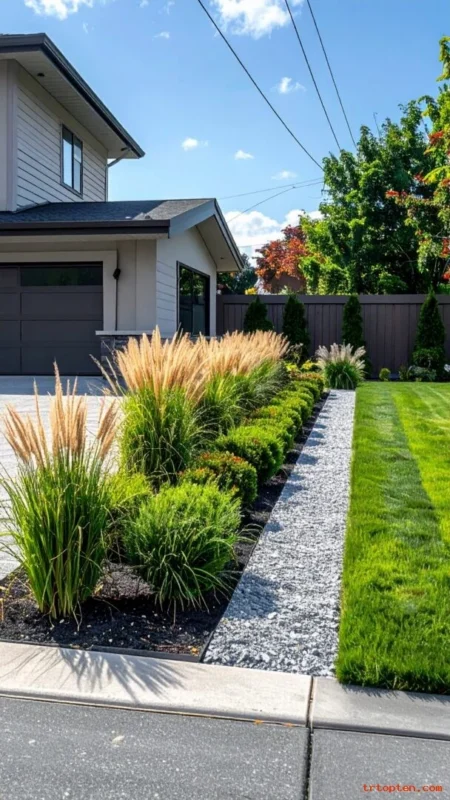
Many small front yards have a tight strip along a fence or driveway. Turn that strip into a clean planting band instead of ignoring it.
Use tall, narrow plants like columnar shrubs or ornamental grasses. Add a simple gravel base to reduce weeds and muddy spots.
Minimalist Zen Corner
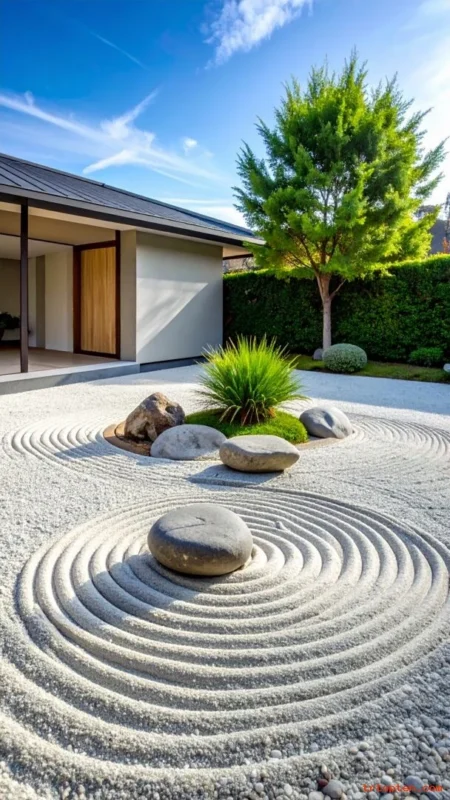
A zen corner uses fewer plants and more shape, which suits small areas. Gravel, stones, and one feature plant can look striking.
Rake the gravel in simple lines for a calm pattern. Add a sculptural plant like a dwarf pine or Japanese maple for focus.
Cottage Border With Mixed Blooms
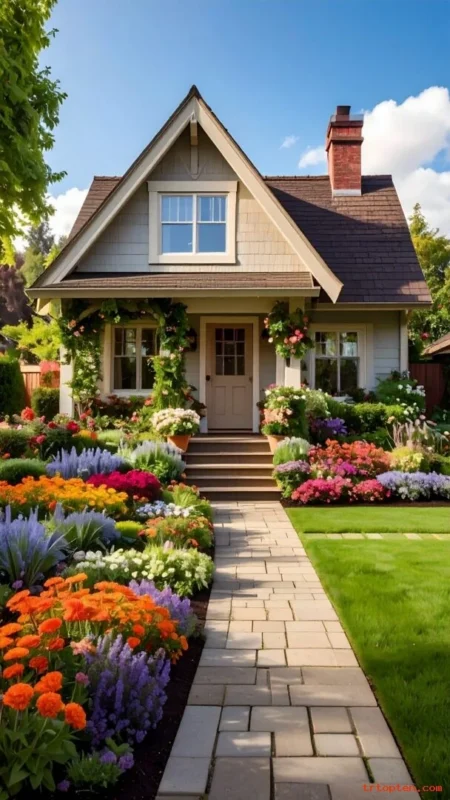
A cottage border makes a small yard feel friendly and lively. Use a mix of heights, but keep plants grouped so it stays readable.
Choose long-blooming flowers so the yard stays colorful longer. Add a simple edging line so the look stays tidy and not wild.
Rain Garden For Drainage And Beauty

A rain garden helps manage runoff from roofs and driveways. It also adds a lush look in a small area that stays damp.
Use moisture-loving plants like iris, sedges, and native blooms. Shape the bed like a shallow bowl so water collects and soaks in.
Front Yard Edible Landscape
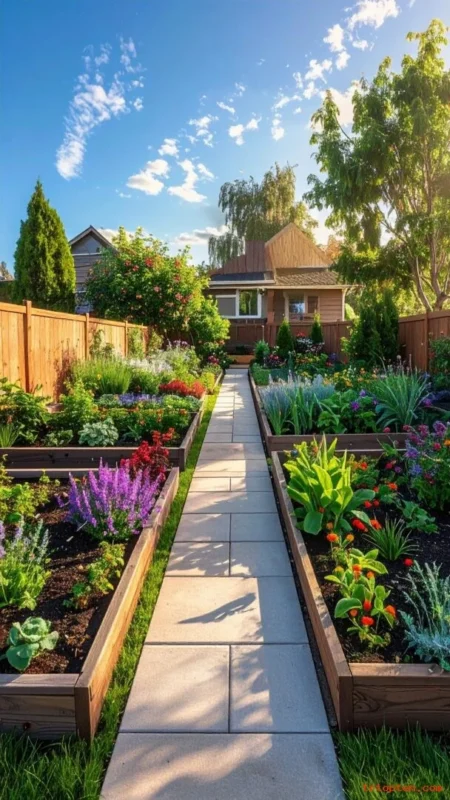
Edible plants can look decorative and useful at the same time. Herbs, berries, and leafy greens fit well in small beds.
Use raised beds or neat rows to keep the look clean. Mix edibles with flowers so the yard still feels ornamental from the street.
Statement Front Door Border
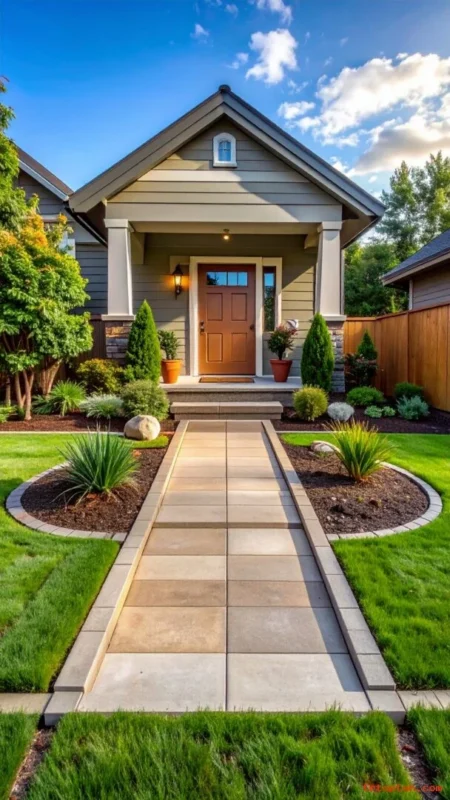
A focused border right at the entry makes the yard feel complete. It draws attention to the door and makes the approach feel intentional.
Use two or three plant types and repeat them for a clean look. Add a small accent like a boulder or garden art piece to finish the scene.
What is the best low-maintenance option for a small front yard?
Gravel with drought-tough plants cuts watering and reduces weeds. Clean edging keeps it looking sharp.
How do I make a small front yard look bigger?
Use curved lines, layered planting, and clear focal points. Keep the plant palette limited so the space feels calm.
What plants work best for foundation landscaping?
Compact shrubs and low perennials work well because they stay proportional. Choose plants that match your sun level.
How much lawn should a small front yard have?
A small lawn panel can look great if you frame it with beds. You can also skip lawn and use groundcover or gravel.
How do I add privacy without making the yard feel tight?
Use tall, narrow plants like columnar shrubs or grasses. Place them along edges instead of the center.
What hardscape adds value in a small yard?
A clean walkway and good lighting make a big impact. They improve function and boost curb appeal.
Can I use a water feature in a small space?
Yes, a compact self-contained fountain works well. Place it near the entry and keep surrounding plants low.
How do I keep a small front yard from looking cluttered?
Repeat plant types and limit colors. Use clean borders and give each element space to breathe.
What is the fastest upgrade for curb appeal?
Add matching planters near the door and refresh mulch. These changes look dramatic with little effort.
Conclusion
These 26 small front yard landscaping ideas show how smart layout choices can make a tight space feel welcoming and complete. Clean edges, repeated plants, and one or two strong focal points create curb appeal that lasts.
Pick two or three ideas that match your home style, then build from there for a front yard that looks bigger and feels better every day.