
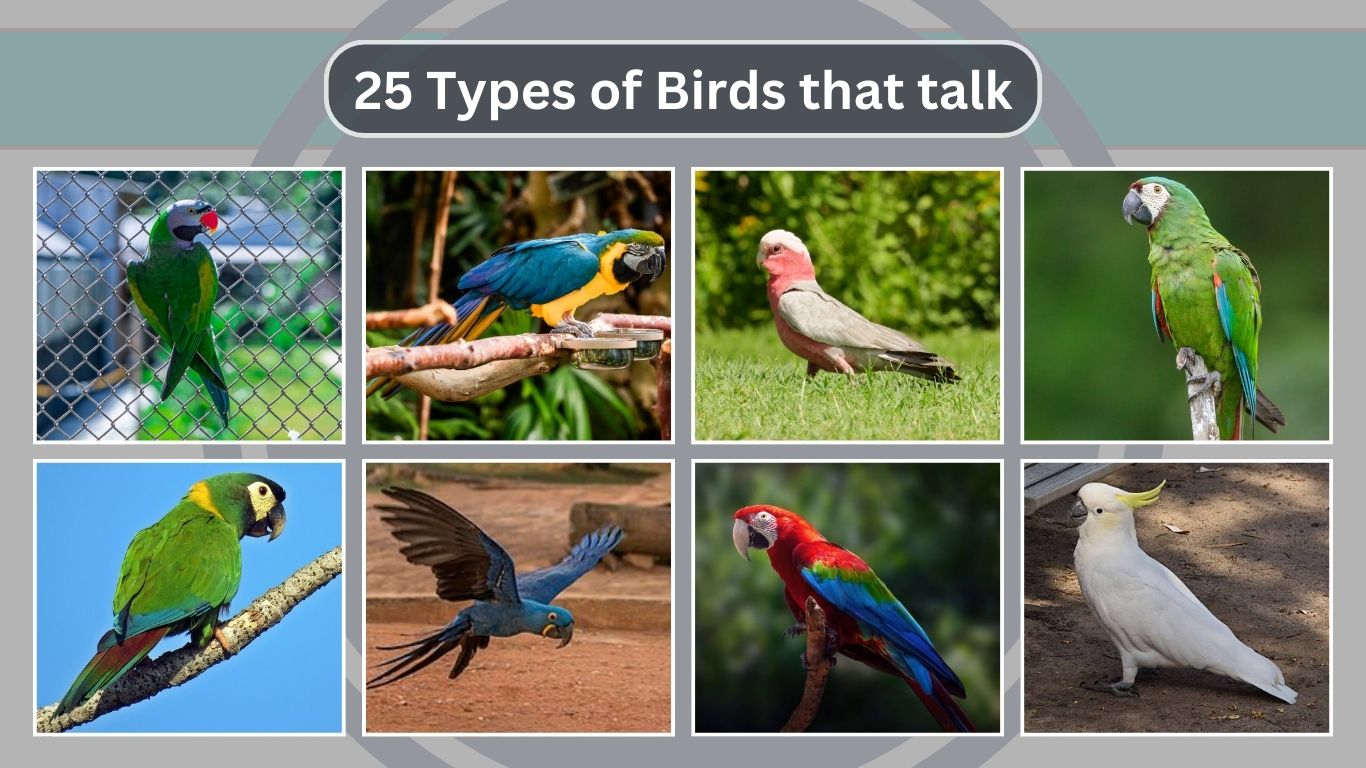
Birds have always fascinated humans with their ability to mimic voices and sounds, but some species stand out for their remarkable talking skills. From the highly intelligent African Grey Parrot to the colorful macaws and playful parakeets, these birds can learn words, phrases, and even songs. In this article, you’ll explore 25 types of talking birds, each with unique traits, personalities, and speech abilities that make them captivating companions.
1. African Grey Parrot
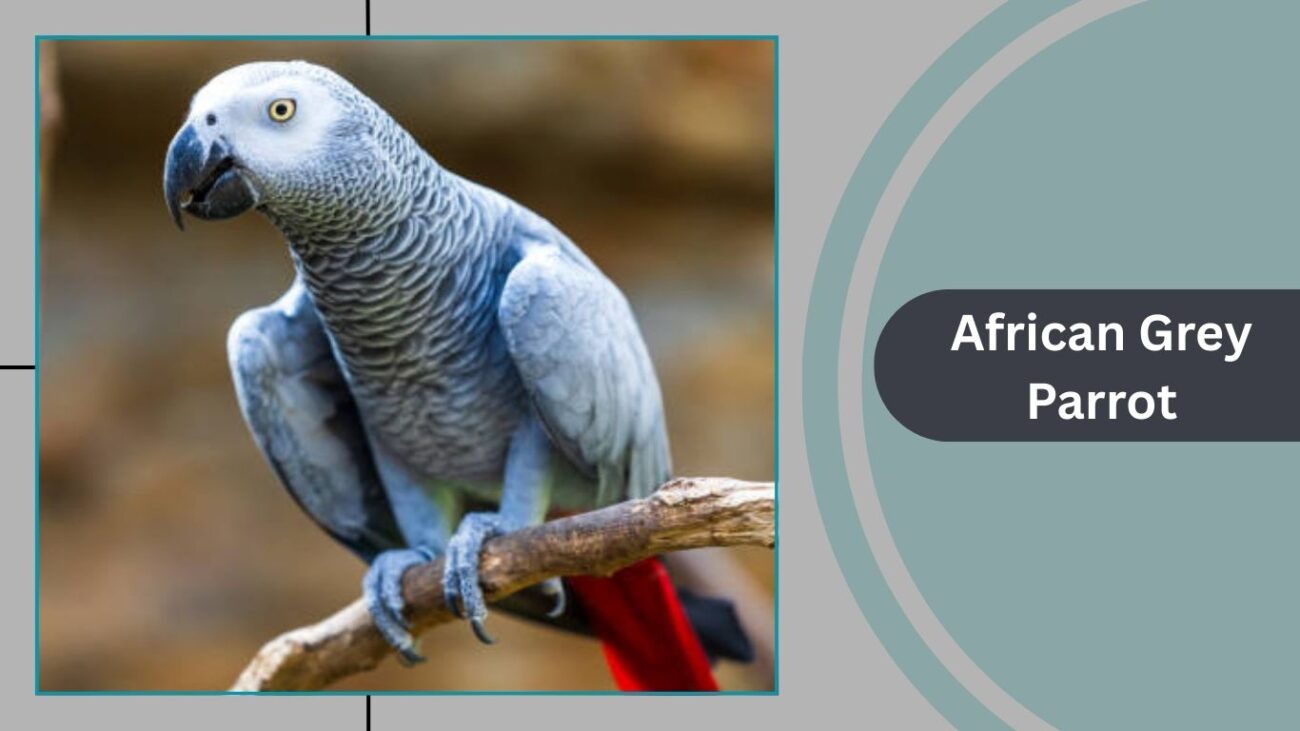
The African Grey Parrot is considered the most intelligent talking bird in the world. Famous for its remarkable ability to mimic human speech and even understand context, it is often kept as a companion bird. With proper training, this species can develop a vocabulary of hundreds of words and phrases.
Identification
- Medium-sized parrot, around 12–14 inches long
- Grey plumage with lighter edges on feathers
- Bright red tail feathers
- Strong, curved black beak
- Pale yellow eyes in adults (dark grey in juveniles)
Habitat
Native to the rainforests of Central and West Africa, they thrive in dense forests, mangroves, and savanna woodlands.
Diet
Their diet mainly consists of seeds, nuts, fruits, and leafy matter. In captivity, they are fed a balanced mix of pellets, fresh fruits, and vegetables.
Behavior
African Grey Parrots are highly social and intelligent. They communicate with complex sounds, mimic voices with accuracy, and form strong bonds with their human caretakers. They require mental stimulation and social interaction to stay healthy and happy.
2. Yellow-Naped Amazon
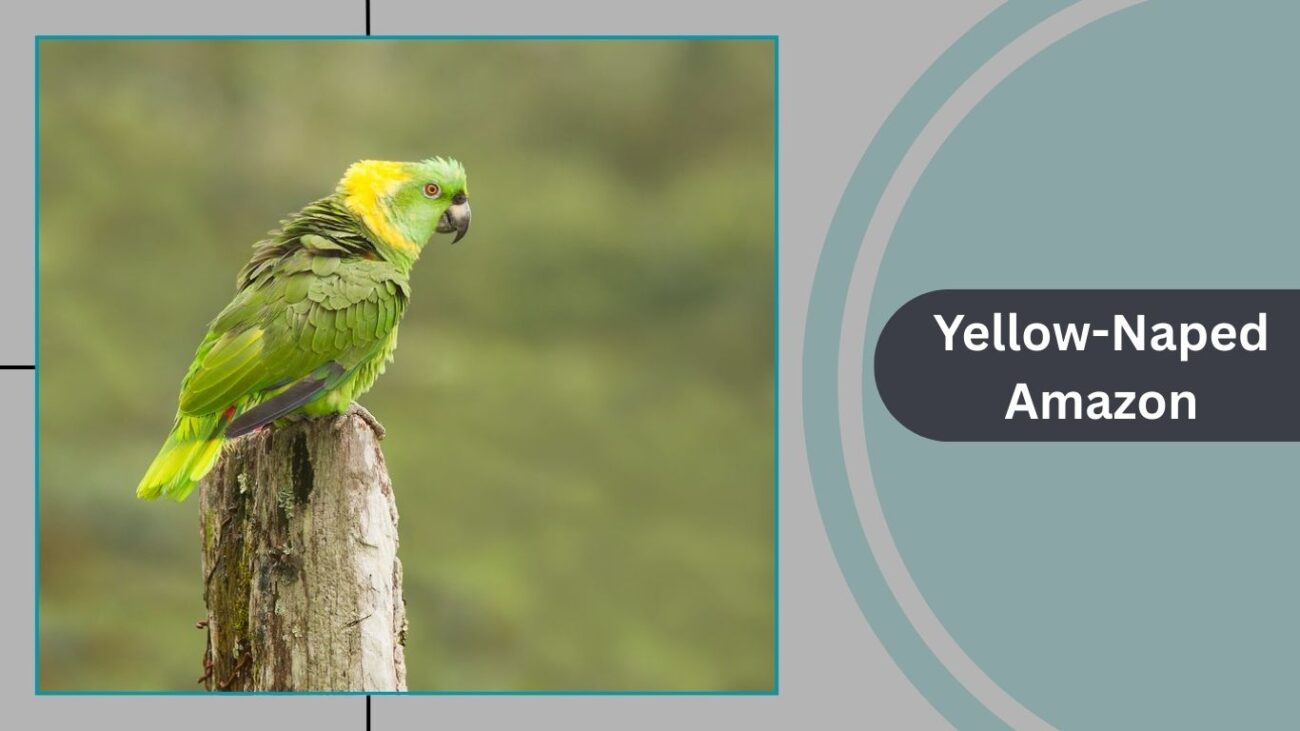
The Yellow-Naped Amazon is one of the most popular talking parrots, admired for its clear speech, loud voice, and playful personality. Known for strong mimicry skills, this species can learn songs, phrases, and even replicate different tones of voice.
Identification
- Medium-sized parrot, about 12–15 inches long
- Bright green plumage overall
- Distinctive yellow patch on the back of the neck (nape)
- Short, square tail with green and red feathers
- Strong, hooked beak
Habitat
This species is native to Central America, ranging from southern Mexico through Honduras, Nicaragua, and Costa Rica, often found in forests, woodlands, and agricultural areas.
Diet
Yellow-Naped Amazons feed on fruits, seeds, berries, and nuts in the wild. In captivity, they require a balanced diet with pellets, vegetables, and fresh fruits to maintain health.
Behavior
These birds are very social and thrive on interaction. They are playful, curious, and excellent at imitating human voices. Their loud calls and ability to mimic make them entertaining companions, though they require attention and mental engagement.
3. Double Yellow-Headed Amazon
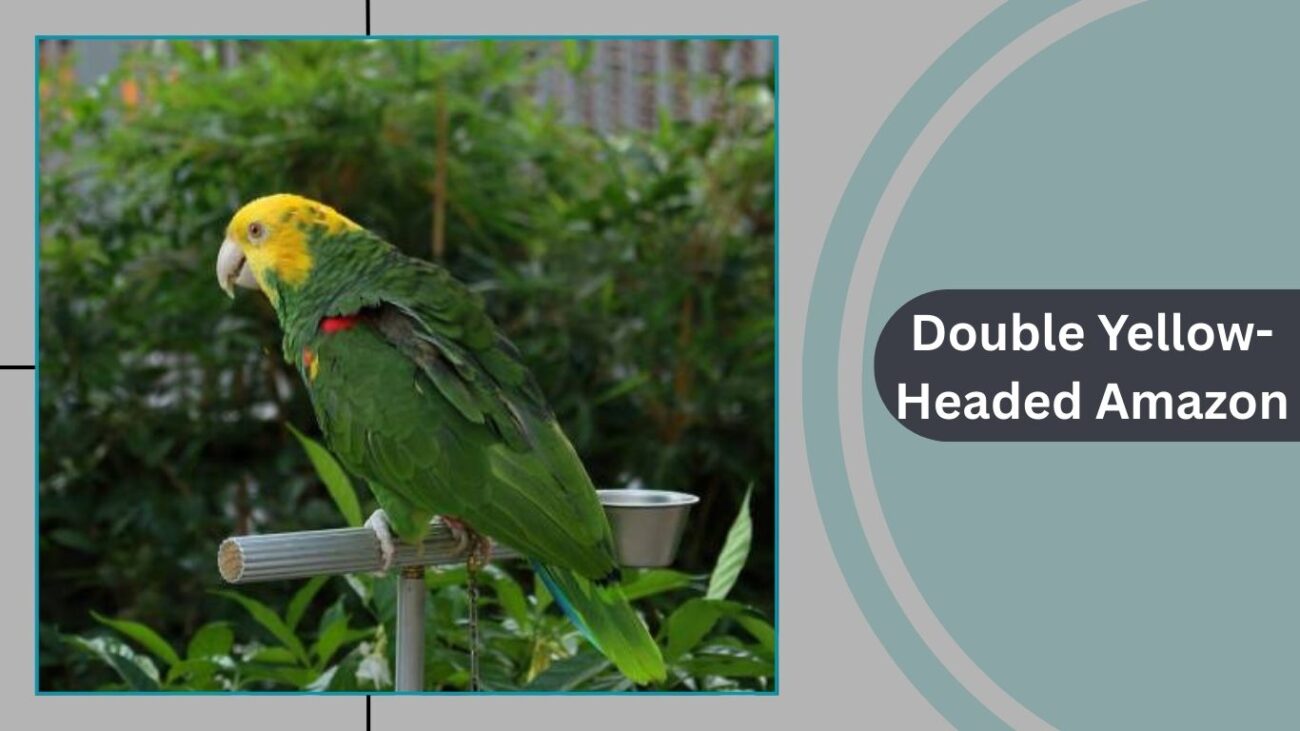
The Double Yellow-Headed Amazon is renowned for its powerful voice, clear speech, and even its ability to sing songs. It is one of the most talented talking parrots, capable of learning long phrases and mimicking human laughter, making it a favorite among bird enthusiasts.
Identification
- Medium to large parrot, about 15–17 inches long
- Bright green plumage across the body
- Distinctive yellow head extending from the crown to the neck
- Short, square tail with green and red accents
- Strong, curved beak and bright eyes
Habitat
This parrot is native to Mexico and northern Central America, commonly found in lowland forests, mangroves, and open woodlands.
Diet
In the wild, it feeds on fruits, seeds, berries, flowers, and nuts. In captivity, a diet of pellets, vegetables, and fresh fruits is essential for balanced nutrition.
Behavior
Double Yellow-Headed Amazons are very vocal and thrive on attention. They love to engage with people, often showing off by singing or repeating phrases. They are intelligent, energetic, and require regular mental stimulation to prevent boredom.
4. Blue-Fronted Amazon
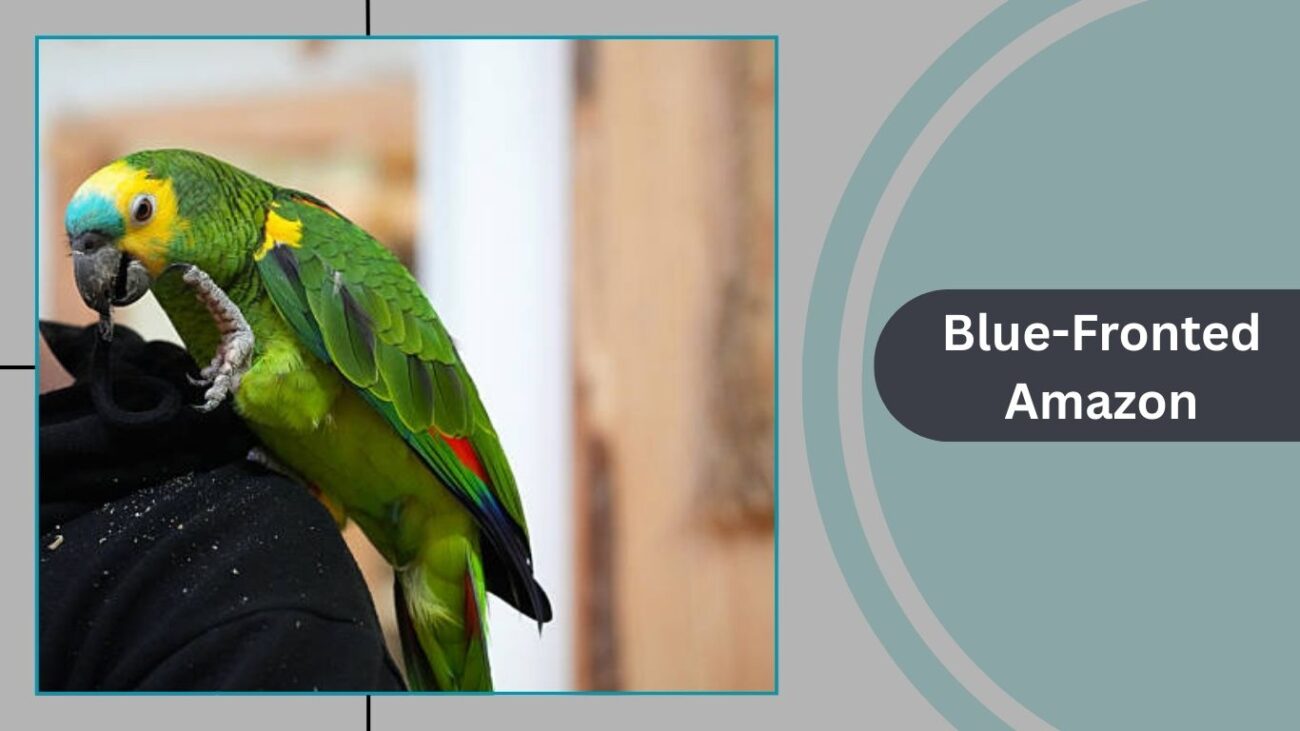
The Blue-Fronted Amazon is a vibrant and talkative parrot, well-known for its entertaining personality and ability to mimic human speech. It often develops strong bonds with its caretakers and can be quite expressive, making it a popular choice as a pet.
Identification
- Medium-sized parrot, about 14–15 inches long
- Bright green plumage overall
- Distinctive blue marking on the forehead above the beak
- Yellow and red feathers often appear around the face and wings
- Robust, hooked beak and expressive eyes
Habitat
This species is native to South America, found mainly in Brazil, Paraguay, Bolivia, and northern Argentina. It inhabits forests, savannas, and even urban areas.
Diet
Blue-Fronted Amazons feed on seeds, fruits, nuts, and berries in the wild. In captivity, they thrive on a diet of pellets, vegetables, and a variety of fresh fruits.
Behavior
They are playful, social, and known for their talking ability. Many can learn words and phrases clearly, often mimicking laughter and household sounds. They enjoy interactive play and need plenty of stimulation to stay happy and healthy.
5. Eclectus Parrot
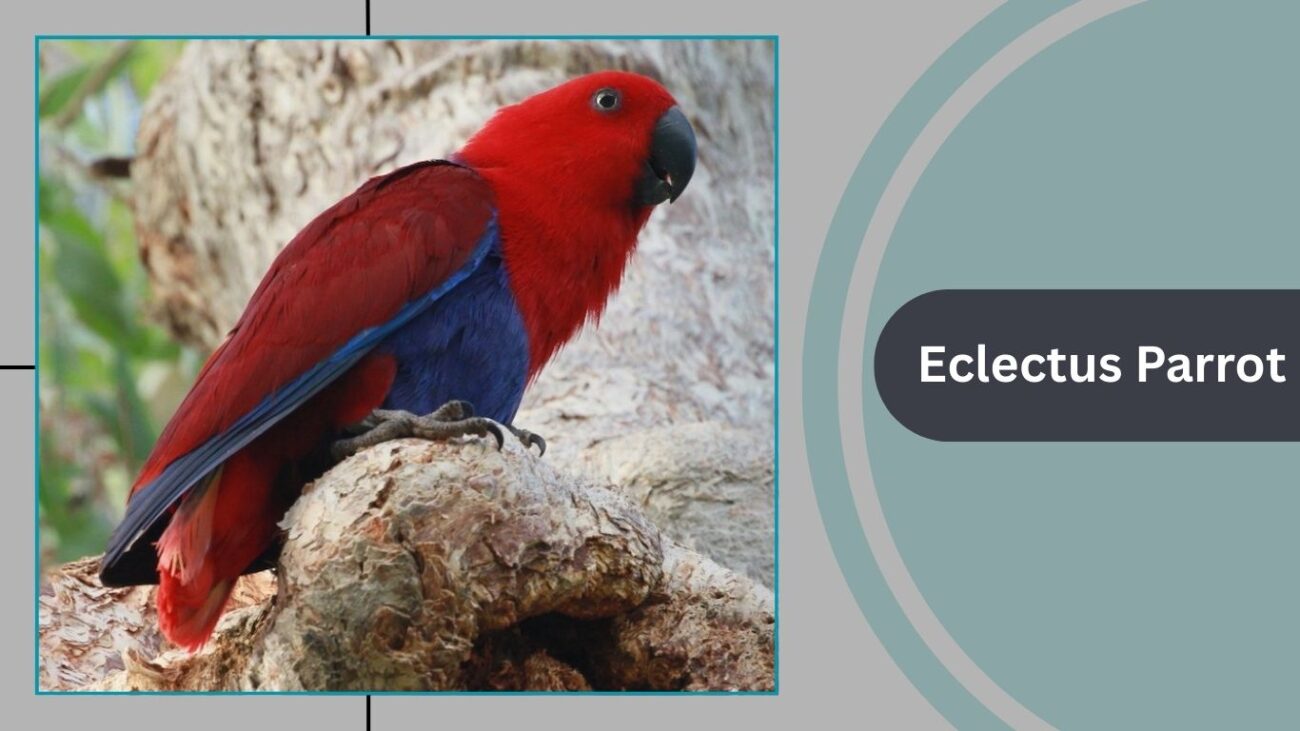
The Eclectus Parrot is admired for both its striking beauty and its excellent talking ability. Males and females look dramatically different, a trait called sexual dimorphism, which makes them one of the most colorful parrot species. They are calm, intelligent, and capable of developing a large vocabulary when trained.
Identification
- Medium to large parrot, around 17–20 inches long
- Males are bright green with red and blue underwings and orange beaks
- Females are deep red with purple or blue on the chest and black beaks
- Stocky body with short tail feathers
Habitat
Native to the Solomon Islands, Papua New Guinea, northeastern Australia, and nearby islands, they prefer rainforests, mangroves, and forest edges.
Diet
Their diet consists of fruits, berries, seeds, nuts, blossoms, and leafy greens. In captivity, they require fresh fruits and vegetables daily, alongside pellets.
Behavior
Eclectus Parrots are gentle, intelligent, and excellent talkers. They mimic words and phrases with clarity, often surprising owners with contextual use of speech. They are also affectionate but need social interaction and mental enrichment to thrive.
6. Indian Ringneck Parakeet
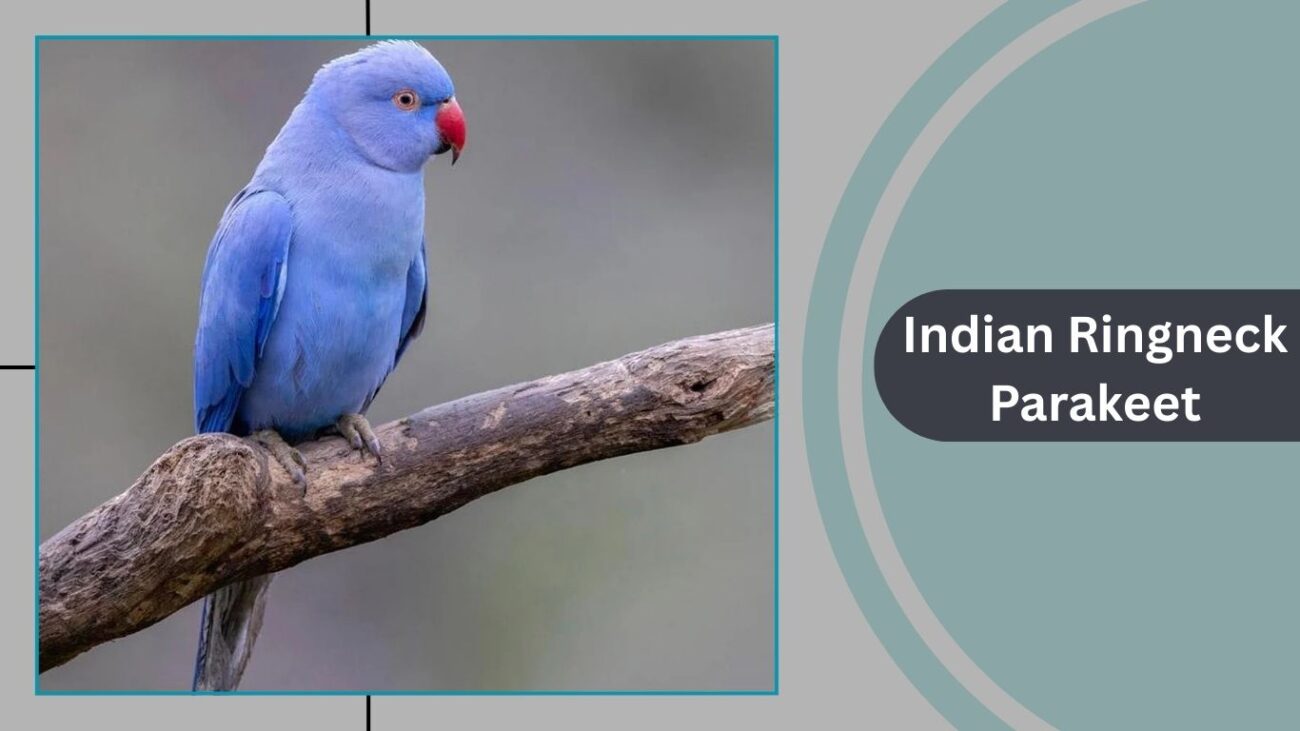
The Indian Ringneck Parakeet is one of the most popular talking parakeets, known for its clear speech and playful nature. These birds can learn long phrases and often mimic human voices with surprising clarity, making them highly valued as companion birds.
Identification
- Medium-sized parakeet, about 14–16 inches long
- Slim body with long tail feathers
- Bright green plumage in males, with a black and rose-colored ring around the neck
- Females lack the distinct neck ring and are slightly smaller
- Strong red beak
Habitat
Native to South Asia and parts of Africa, they inhabit woodlands, forests, agricultural areas, and even urban settings where food is available.
Diet
Indian Ringnecks feed on seeds, fruits, berries, nuts, and flowers in the wild. In captivity, they thrive on pellets, vegetables, fresh fruits, and leafy greens.
Behavior
These birds are curious, intelligent, and excellent mimics. They can learn dozens of words and phrases, often repeating them in context. They are social but may become nippy if not given enough interaction and attention.
7. Alexandrine Parakeet
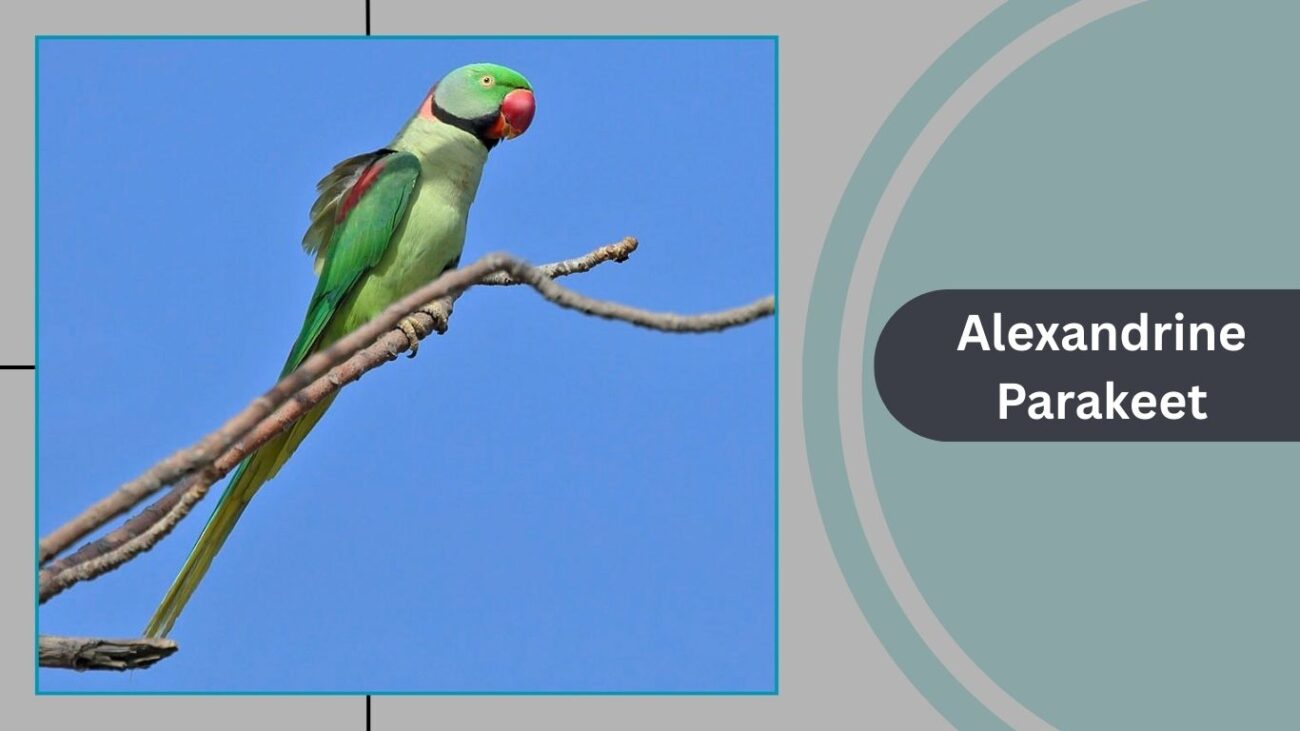
The Alexandrine Parakeet is a large parakeet species known for its impressive talking ability and striking appearance. Named after Alexander the Great, who is believed to have introduced them to Europe, these birds are intelligent, social, and capable of developing a wide vocabulary.
Identification
- Large parakeet, about 22–24 inches long including the tail
- Bright green plumage with a bluish sheen
- Males have a black stripe across the lower cheek and a pink band on the nape
- Distinctive maroon patches on the shoulders (wing coverts)
- Strong red beak with a prominent upper mandible
Habitat
Native to South and Southeast Asia, including India, Sri Lanka, Myanmar, and Thailand. They are found in forests, agricultural lands, and urban areas.
Diet
In the wild, Alexandrine Parakeets eat seeds, fruits, nuts, buds, and flowers. In captivity, a balanced diet of pellets, fruits, vegetables, and occasional nuts keeps them healthy.
Behavior
These birds are intelligent and lively, often forming strong bonds with their owners. They are capable of learning words and short phrases, and with consistent training, they can mimic voices clearly. Alexandrines are also playful and require plenty of mental stimulation.
8. Budgerigar (Budgie)
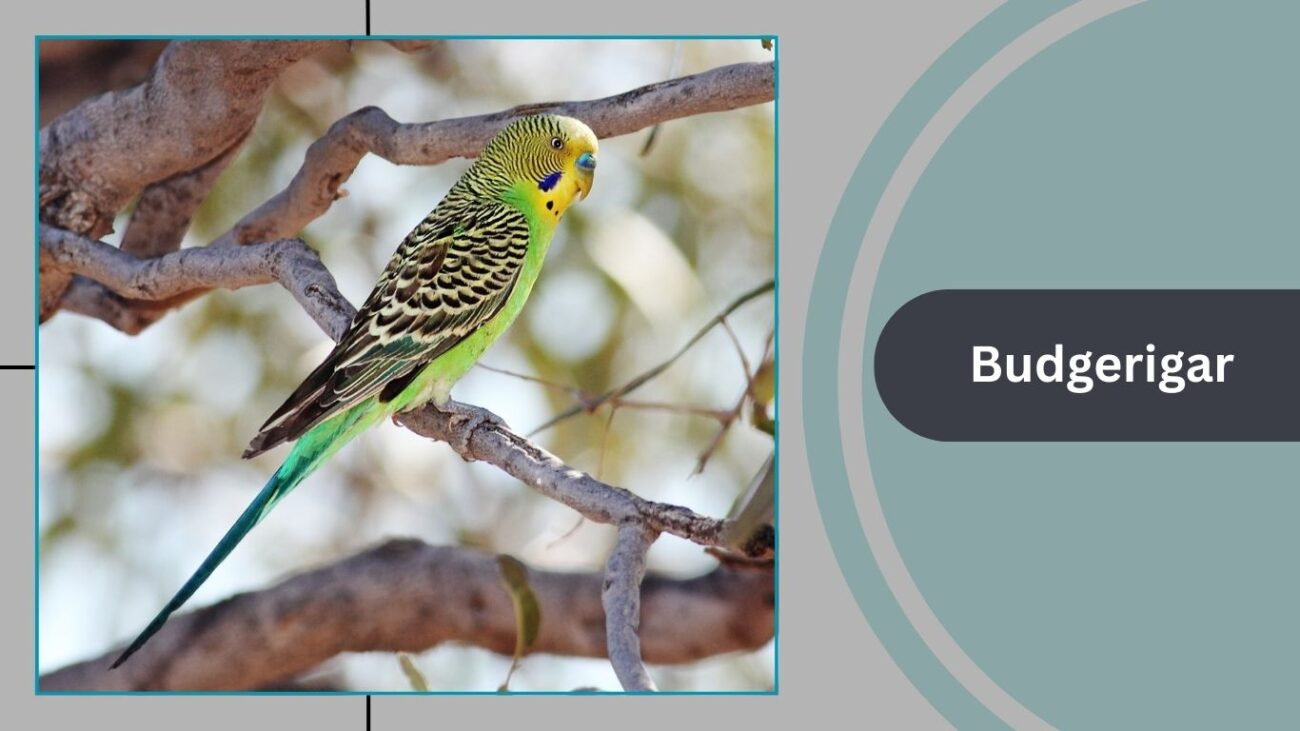
The Budgerigar, commonly called a Budgie, is one of the smallest talking birds but also one of the most talented. Despite their size, they can develop an extensive vocabulary, sometimes learning hundreds of words, and are beloved worldwide as affectionate and entertaining pets.
Identification
- Small parakeet, about 6–8 inches long
- Slender body with long tail feathers
- Wild-type budgies are green with yellow faces and black barring on wings
- Domesticated varieties come in many colors, including blue, white, and grey
- Small, hooked beak suited for seeds
Habitat
Budgerigars are native to Australia, where they live in large flocks across grasslands, scrublands, and open woodlands. They are also widely kept as pets around the world.
Diet
In the wild, budgies feed mainly on grass seeds and small grains. In captivity, they require a diet of pellets, fresh vegetables, fruits, and sprouted seeds for balanced nutrition.
Behavior
Budgies are social, playful, and quick learners. Males are especially known for their talking ability, often mimicking words and sounds with clarity. They thrive on interaction and can become very affectionate with their caretakers.
9. Monk Parakeet (Quaker Parrot)
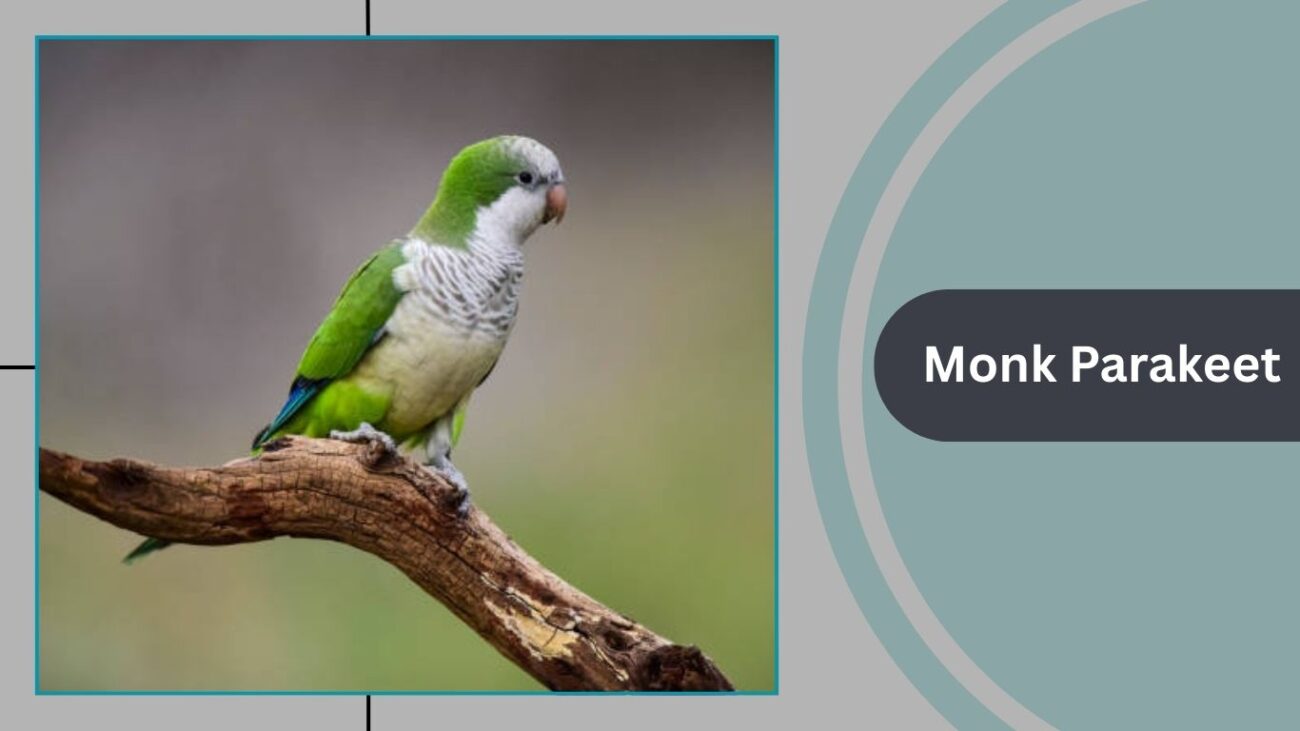
The Monk Parakeet, also known as the Quaker Parrot, is a small but highly social bird recognized for its excellent talking ability. These parrots can learn words, phrases, and even mimic entire conversations with surprising accuracy.
Identification
- Small parrot, about 11–12 inches long
- Bright green body with a grey face and chest
- Blue flight feathers and a long, tapered tail
- Strong, hooked beak typically light orange in color
Habitat
Native to South America, particularly Argentina and surrounding regions. They have also established feral populations in North America and Europe, often living in parks and suburban areas.
Diet
In the wild, they eat seeds, fruits, nuts, berries, and vegetation. In captivity, they thrive on pellets, fresh vegetables, fruits, and grains.
Behavior
Monk Parakeets are social, intelligent, and lively. They are excellent mimics, capable of speaking clearly and learning many phrases. They are also unique among parrots for building large communal stick nests rather than nesting in tree holes.
10. Rose-Ringed Parakeet
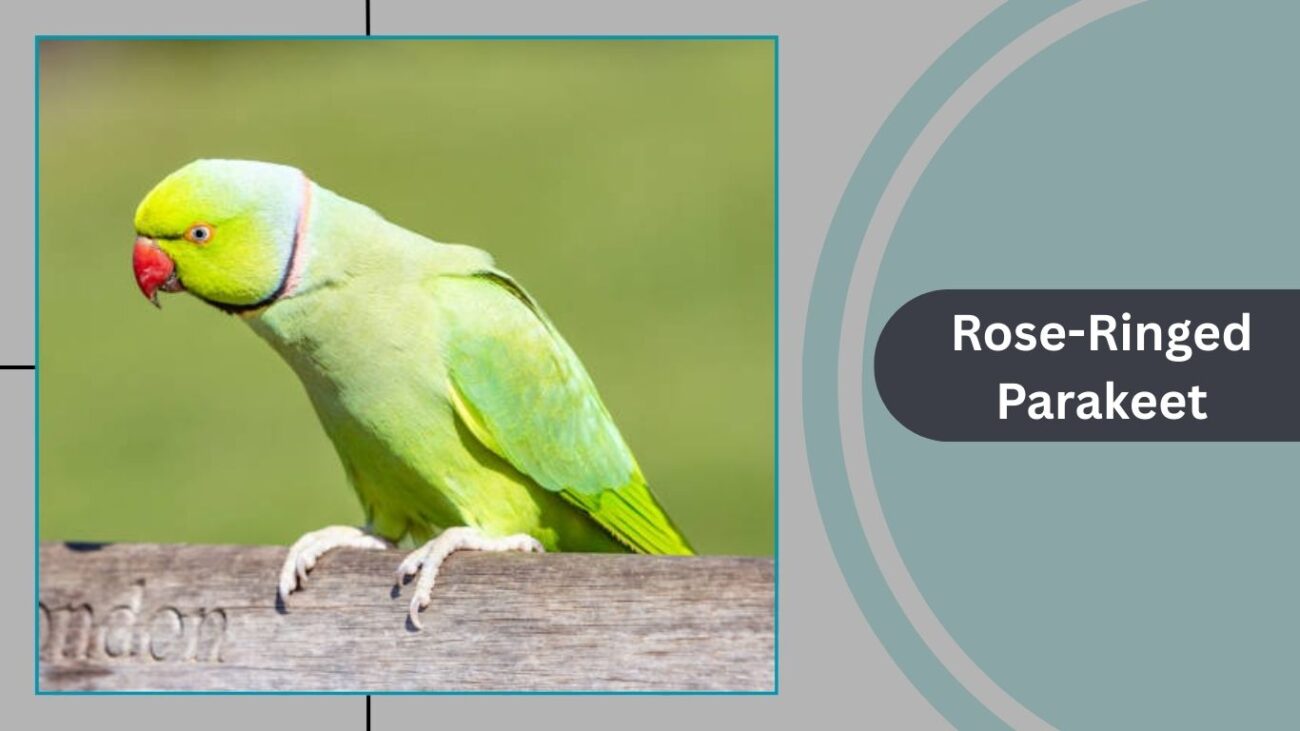
The Rose-Ringed Parakeet is a vibrant and widely recognized talking bird, especially known for its loud, clear voice and ability to mimic human speech. It has been a popular companion bird for centuries and can learn to speak short sentences with consistent training.
Identification
- Medium-sized parakeet, about 15–16 inches long
- Bright green plumage with a long, tapered tail
- Males have a black and rose-colored ring around the neck
- Females and juveniles lack the full neck ring
- Strong red beak and lively eyes
Habitat
Native to Africa and South Asia, this parakeet thrives in forests, woodlands, farmlands, and urban areas. It has also adapted to cities worldwide, often seen in large flocks.
Diet
Their diet includes seeds, grains, fruits, berries, flowers, and nuts. In captivity, they are best fed with pellets, vegetables, and fresh fruits to maintain health.
Behavior
Rose-Ringed Parakeets are energetic, social, and highly vocal. They are excellent talkers, capable of repeating words and phrases with clarity. Their playful and curious nature makes them engaging pets, but they require regular interaction to remain tame.
11. Hill Myna
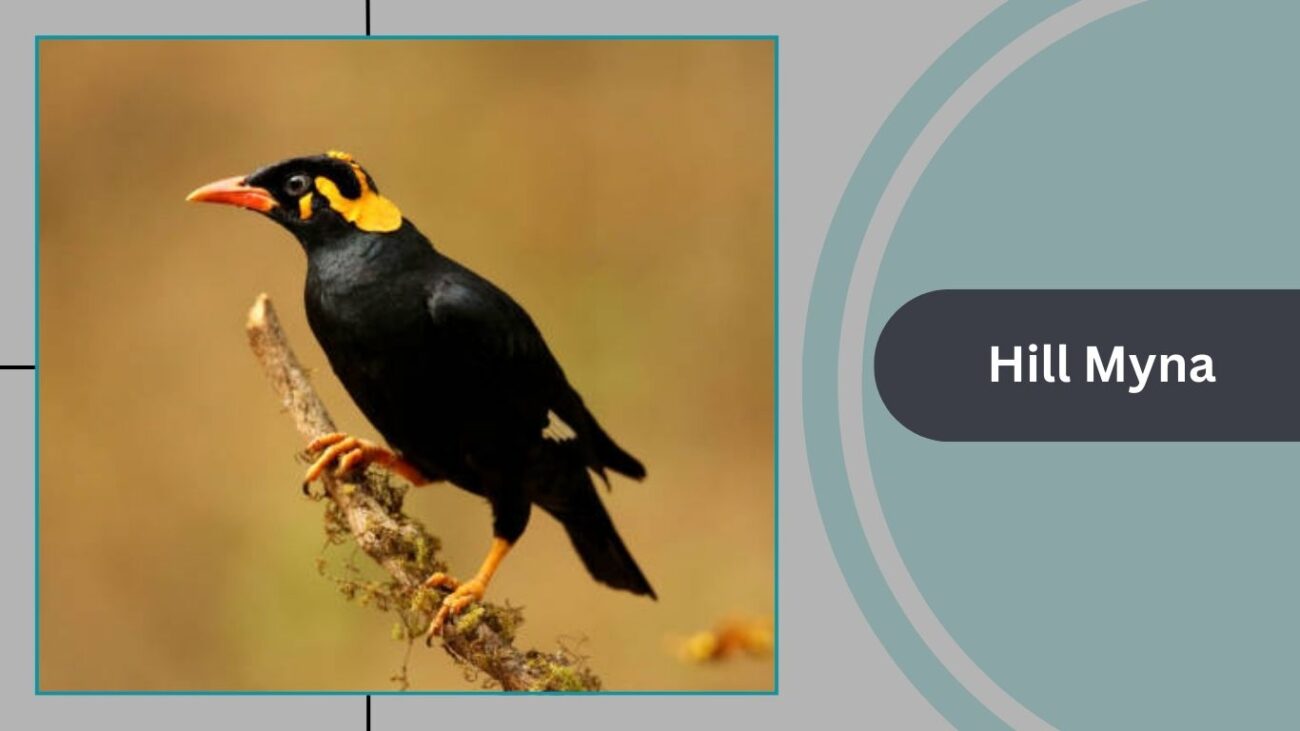
The Hill Myna is one of the clearest and most talented talking birds in the world. Unlike parrots, which mimic with a parrot-like tone, the Hill Myna can reproduce human speech, whistles, and even laughter with near-perfect clarity and pitch.
Identification
- Medium-sized bird, about 12 inches long
- Glossy black plumage with a greenish-purple sheen
- Bright orange-yellow wattles on the sides of the head and nape
- Strong orange beak and legs
- Distinct white wing patches visible in flight
Habitat
Native to South and Southeast Asia, the Hill Myna inhabits tropical and subtropical forests, often preferring tall trees in hilly or mountainous regions.
Diet
Their diet includes fruits, berries, nectar, and insects. In captivity, they are often fed specialized soft food, fruits, and vegetables.
Behavior
Hill Mynas are extremely vocal and social. They are natural mimics, often learning words and phrases very quickly, and their ability to replicate human voices with perfect tone makes them unique among talking birds.
12. Common Myna

The Common Myna is a highly adaptable bird and an excellent talker. While not as famous as parrots for speech, it can mimic human voices, whistles, and other environmental sounds with remarkable accuracy, making it popular in some regions as a pet.
Identification
- Medium-sized bird, about 9–10 inches long
- Brown body with black head and throat
- Bright yellow eye patches, legs, and beak
- White patches on the wings, visible in flight
- Stout, slightly curved beak suited for varied food sources
Habitat
Native to South Asia, the Common Myna thrives in open woodlands, farmlands, urban parks, and cities. It is highly adaptable and has spread to many parts of the world.
Diet
They feed on fruits, grains, insects, and scraps. As omnivores, they take advantage of a wide range of foods, especially in urban areas.
Behavior
Common Mynas are bold, intelligent, and very vocal. They mimic human voices, car alarms, and other sounds from their surroundings. They are often seen in pairs or small groups, showing strong social behavior.
13. Sulphur-Crested Cockatoo
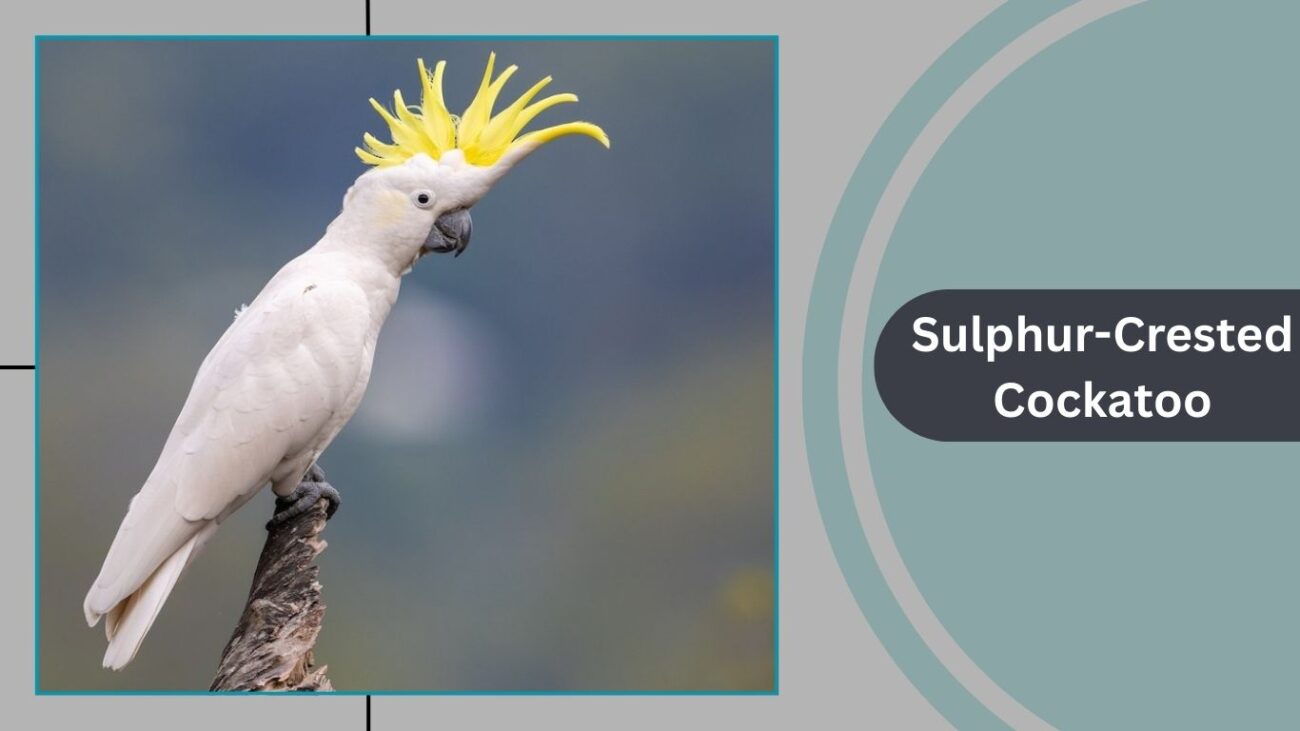
The Sulphur-Crested Cockatoo is a large, striking parrot known for its loud voice, playful personality, and impressive talking ability. It is highly social and can mimic human speech, laughter, and household sounds with remarkable volume and clarity.
Identification
- Large parrot, about 18–20 inches long
- White plumage with a prominent yellow (sulphur-colored) crest on the head
- Yellow wash under the wings and tail
- Strong, curved black beak
- Dark grey feet with strong claws for climbing
Habitat
Native to Australia, New Guinea, and nearby islands, this cockatoo inhabits forests, woodlands, coastal areas, and even urban parks.
Diet
In the wild, they eat seeds, nuts, berries, fruits, roots, and occasionally insects. In captivity, a balanced diet of pellets, fresh fruits, vegetables, and nuts is essential.
Behavior
Sulphur-Crested Cockatoos are intelligent, loud, and affectionate. They are excellent mimics, capable of learning many words and phrases, often delivered with great enthusiasm. They require constant attention, stimulation, and companionship to prevent boredom and destructive behavior.
14. Umbrella Cockatoo
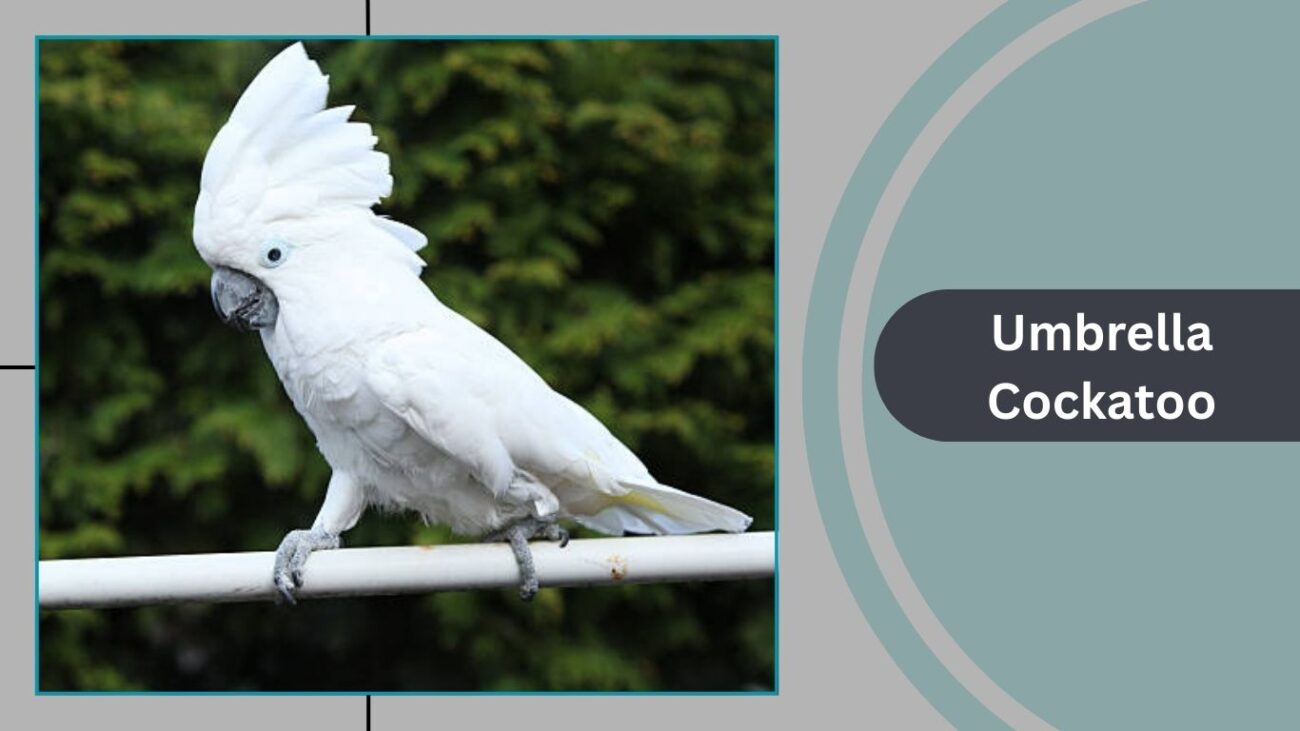
The Umbrella Cockatoo is a gentle and affectionate parrot, admired for its playful personality and ability to mimic human speech. Named for the striking umbrella-shaped crest it raises when excited, this species is both a devoted companion and a talented talker.
Identification
- Large parrot, about 18 inches long
- Pure white plumage with a slight yellow wash under the wings and tail
- Distinctive broad, fan-like white crest that opens like an umbrella
- Dark beak and expressive black eyes
- Strong, zygodactyl feet for climbing and grasping
Habitat
Native to the Indonesian islands of North Maluku, they inhabit tropical forests, mangroves, and agricultural lands.
Diet
Their diet consists of seeds, nuts, fruits, berries, and roots in the wild. In captivity, they need a mix of pellets, vegetables, fresh fruits, and occasional nuts.
Behavior
Umbrella Cockatoos are affectionate, social, and very intelligent. They are capable of learning words and phrases, often using them to bond with their owners. They love attention, playtime, and interaction but can become noisy if neglected.
15. Goffin’s Cockatoo
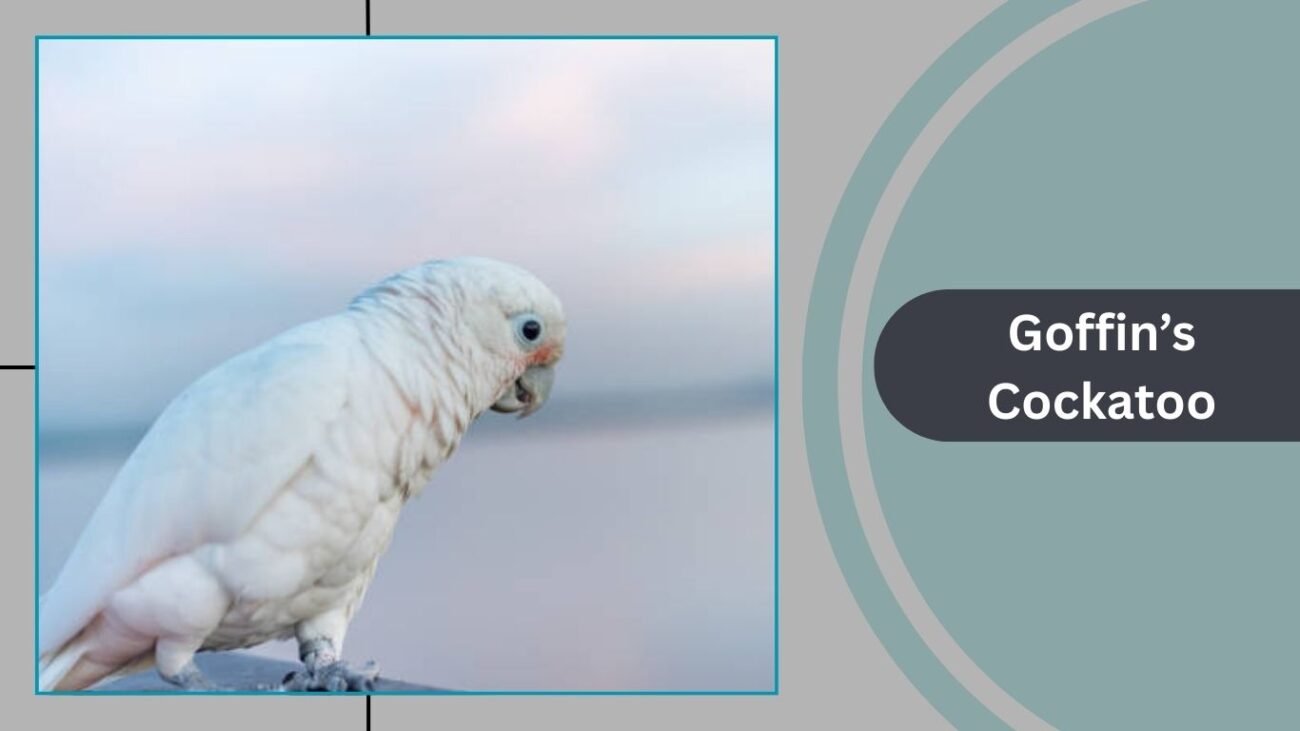
The Goffin’s Cockatoo, also known as the Tanimbar Corella, is a small and intelligent cockatoo species that has gained popularity for its playful personality and ability to mimic human speech. While not as loud as larger cockatoos, it is a skilled talker with a sweet temperament.
Identification
- Small cockatoo, about 12–13 inches long
- White plumage with a slight salmon-pink wash around the face and under the wings
- Short, rounded crest compared to other cockatoos
- Grey legs and strong, curved beak
- Dark, expressive eyes
Habitat
Native to the Tanimbar Islands in Indonesia, they inhabit tropical forests, coastal woodlands, and agricultural areas.
Diet
In the wild, they eat seeds, nuts, fruits, and crops such as maize. In captivity, they thrive on a balanced diet of pellets, fresh vegetables, fruits, and occasional nuts.
Behavior
Goffin’s Cockatoos are lively, affectionate, and curious. They are excellent problem solvers and have been observed using tools. They can learn to mimic words and short phrases, often combining them with playful antics, making them entertaining companions.
16. Galah (Rose-Breasted Cockatoo)
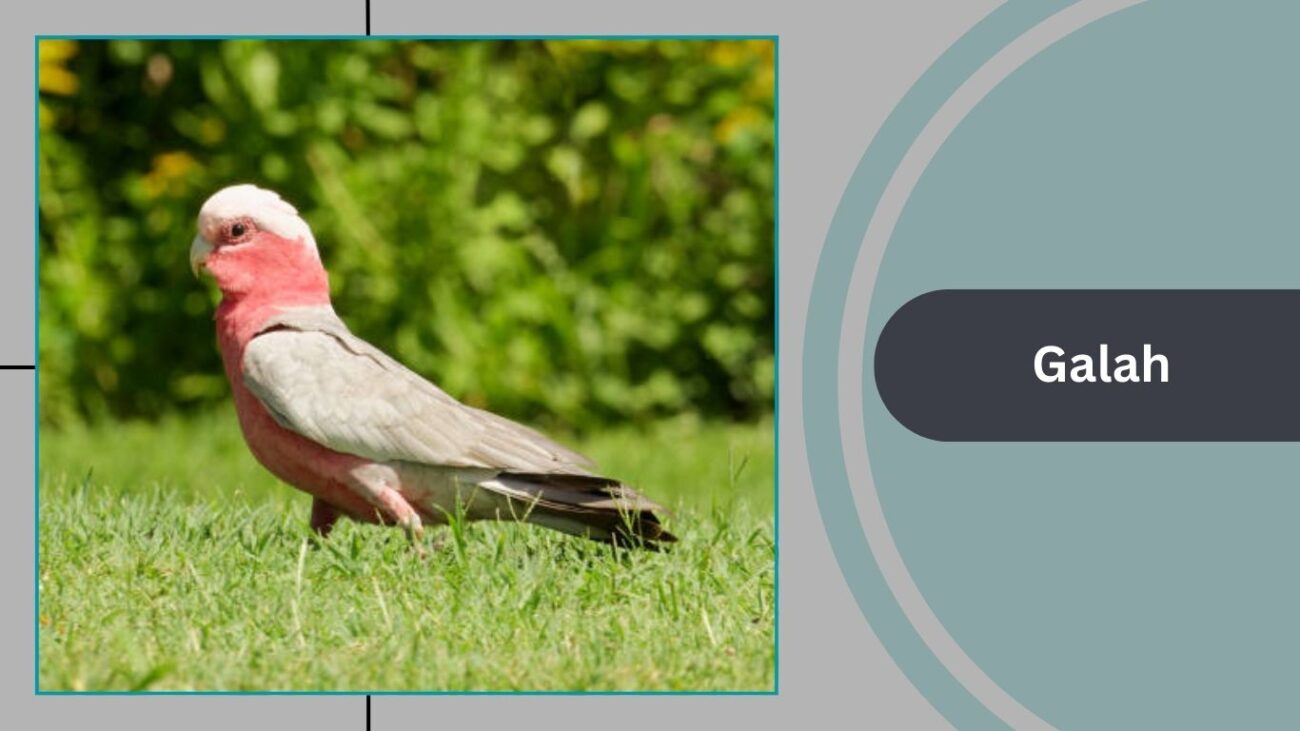
The Galah, also known as the Rose-Breasted Cockatoo, is a striking and sociable bird native to Australia. Recognized for its bright colors and charming personality, it is also a capable talker, often mimicking human voices and household sounds with enthusiasm.
Identification
- Medium-sized cockatoo, about 12–14 inches long
- Pink chest and face with light grey back, wings, and tail
- Distinctive short, light-colored crest
- Strong, curved beak and grey feet
- Bright, lively eyes (red in females, brown in males)
Habitat
Native to Australia, Galahs inhabit open woodlands, grasslands, farmlands, and urban areas. They are one of the most widespread cockatoos across the continent.
Diet
In the wild, they feed on grass seeds, grains, fruits, berries, and roots. In captivity, they require pellets, fresh vegetables, fruits, and occasional nuts for proper nutrition.
Behavior
Galahs are intelligent, playful, and highly social. They can learn to speak words and short phrases, often imitating their caretakers’ voices. Their lively personality and strong flocking instinct make them entertaining but also demanding companions.
17. Yellow-Crested Cockatoo
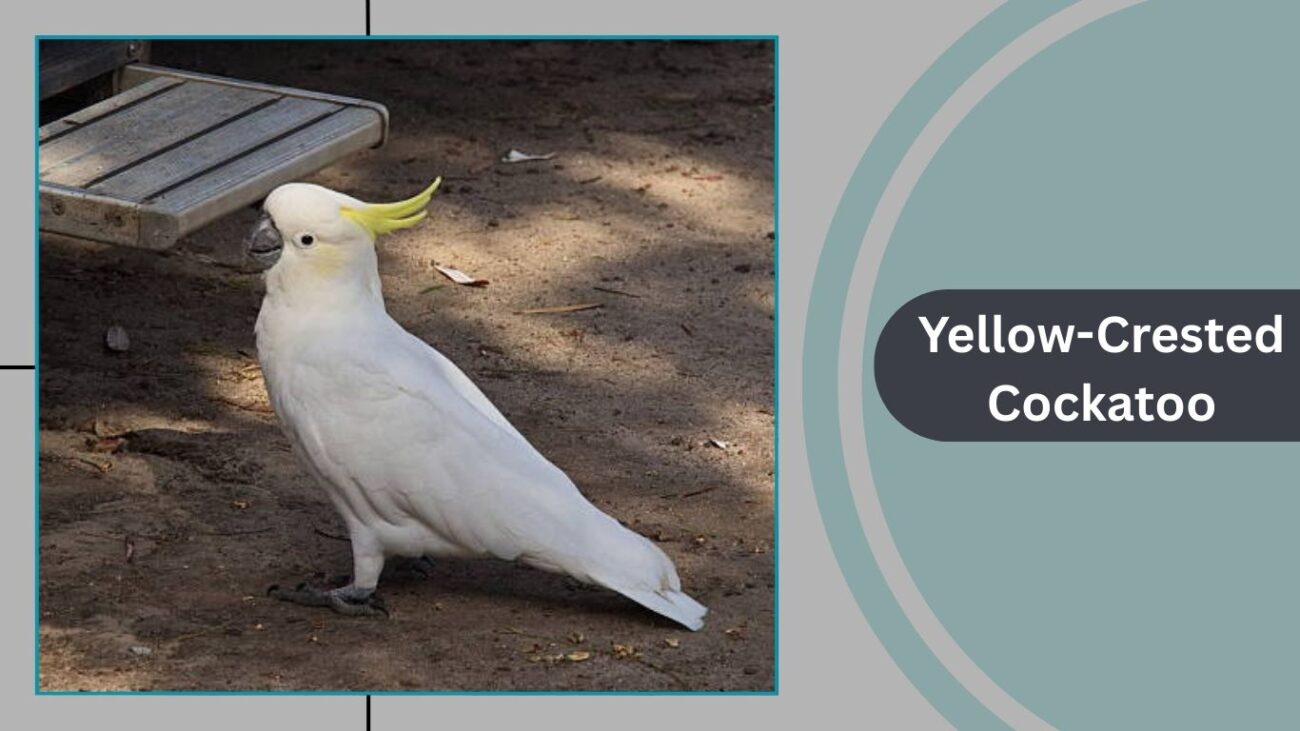
The Yellow-Crested Cockatoo is a beautiful and critically endangered parrot species, admired for its expressive crest and talking ability. Although less common in captivity today due to conservation concerns, it remains one of the talented mimics among cockatoos.
Identification
- Medium-sized cockatoo, about 13–14 inches long
- White plumage with a bright yellow, pointed crest
- Yellow wash under wings and tail
- Strong, curved black beak
- Dark grey feet with sharp claws for climbing
Habitat
Native to Indonesia and East Timor, they inhabit lowland forests, mangroves, and agricultural areas. Wild populations have declined sharply due to habitat loss and trapping.
Diet
In the wild, they eat seeds, nuts, fruits, berries, and cultivated crops. In captivity, they require a balanced diet of pellets, fruits, vegetables, and occasional nuts.
Behavior
Yellow-Crested Cockatoos are social, active, and intelligent. They are capable talkers, often imitating human speech, laughter, and environmental sounds. They require constant attention and enrichment to stay happy and healthy.
18. Blue-and-Gold Macaw
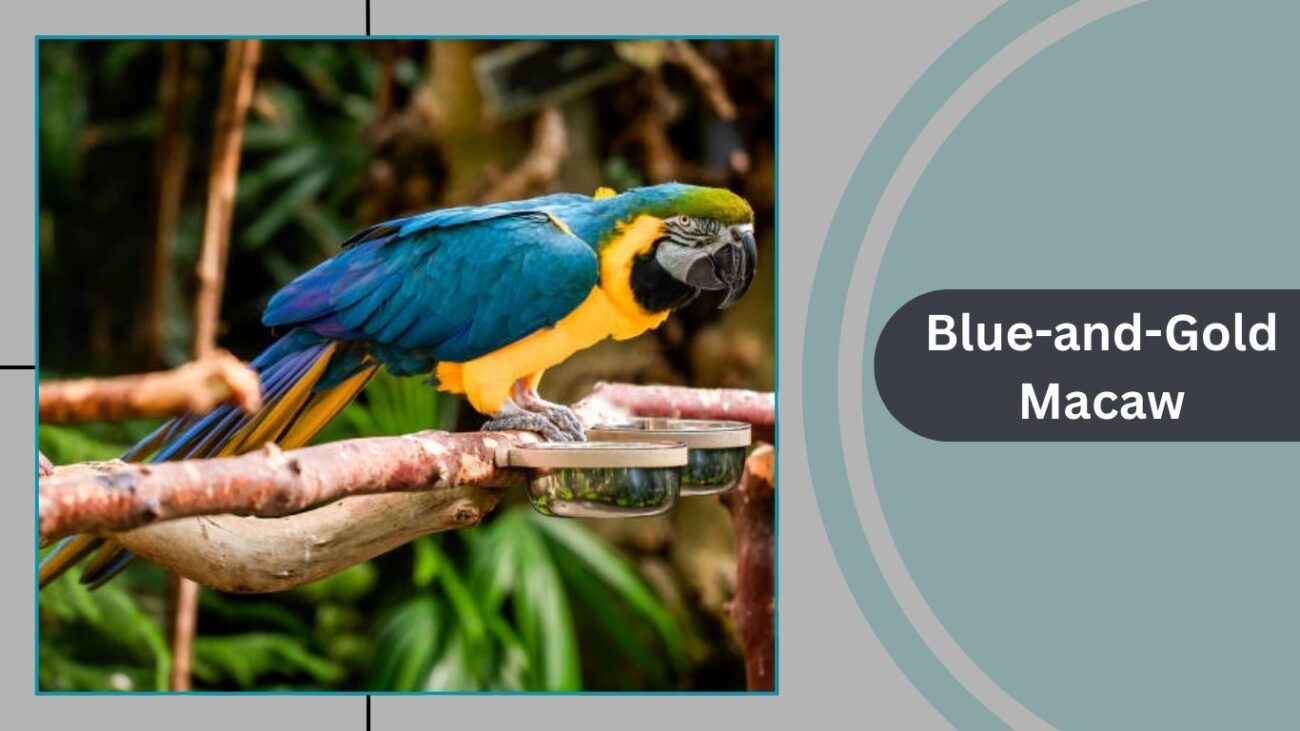
The Blue-and-Gold Macaw is one of the most iconic parrot species, known for its brilliant colors, loud voice, and talking ability. These macaws can learn many words and phrases, often repeating them with a deep, clear tone, and they thrive on social interaction.
Identification
- Large parrot, about 30–34 inches long including the tail
- Bright blue wings and back with golden-yellow chest and underparts
- Green forehead that blends into blue
- Bare white facial skin with black feather lines
- Strong, curved black beak
Habitat
Native to South America, they inhabit tropical and subtropical rainforests, woodlands, and savannas, often nesting in tall trees near rivers.
Diet
In the wild, they feed on fruits, seeds, nuts, and palm fruits. In captivity, they require a balanced diet of pellets, fresh fruits, vegetables, and nuts.
Behavior
Blue-and-Gold Macaws are social, intelligent, and affectionate. They are excellent mimics, capable of learning many words and even short sentences. Their playful, curious nature and strong bonding behavior make them popular, though they need plenty of attention and space.
19. Scarlet Macaw
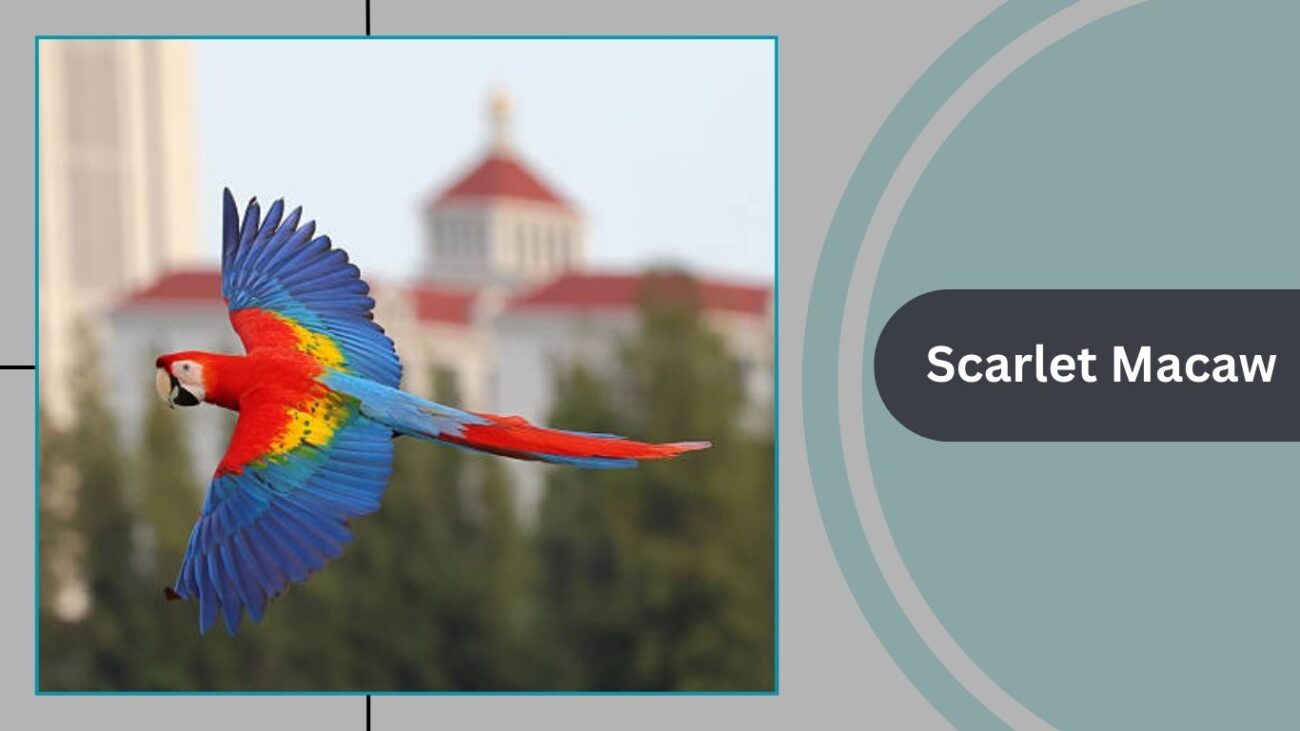
The Scarlet Macaw is one of the most stunning and recognizable parrots, admired for its brilliant plumage and talking ability. While not always as clear as African Greys, they can learn words and phrases and are known for their loud, engaging voices.
Identification
- Large parrot, about 32–36 inches long including the tail
- Bright red body with yellow and blue wings
- Long, tapered red tail with blue tips
- Bare white facial skin with fine red feather lines
- Strong, hooked pale beak (upper mandible) with a darker lower mandible
Habitat
Native to Central and South America, Scarlet Macaws inhabit tropical rainforests, lowland forests, and river edges, often nesting in tall, hollow trees.
Diet
In the wild, they eat fruits, nuts, seeds, and clay from riverbanks to neutralize toxins. In captivity, a diet of pellets, fresh fruits, vegetables, and nuts is essential.
Behavior
Scarlet Macaws are intelligent, vocal, and social. They can mimic human speech, though their voices are often loud and harsh. They are playful and affectionate but require plenty of attention, stimulation, and space due to their high energy.
20. Green-Winged Macaw
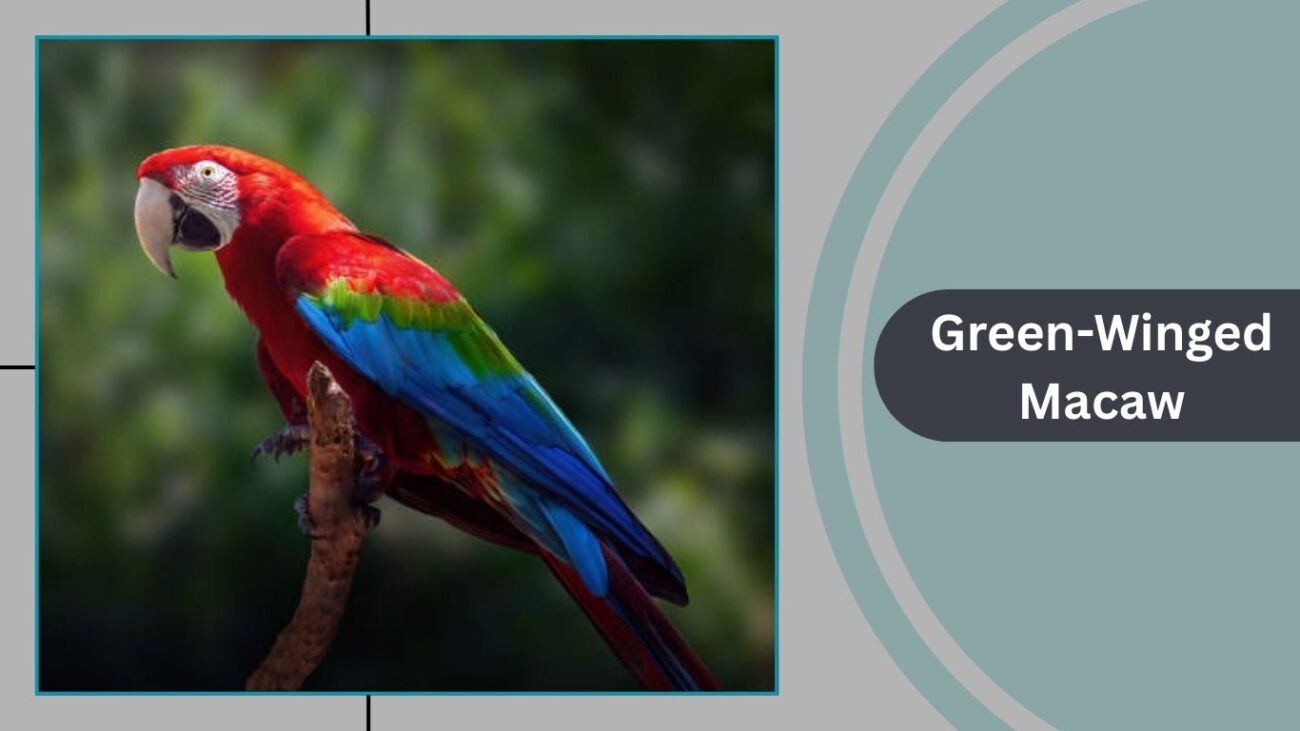
The Green-Winged Macaw, often mistaken for the Scarlet Macaw, is one of the largest and most impressive parrots. It is an excellent talker, capable of learning many words and phrases, and is known for its affectionate and gentle personality.
Identification
- Very large parrot, about 35–37 inches long including the tail
- Bright red body with green on the wings transitioning to blue at the tips
- Long red tail with blue highlights
- Bare white facial skin with fine red feather lines
- Massive, strong beak with pale upper mandible and black lower mandible
Habitat
Native to Central and South America, they inhabit tropical and subtropical forests, especially near rivers and tall trees for nesting.
Diet
In the wild, they feed on seeds, fruits, nuts, berries, and clay licks to balance their diet. In captivity, they need pellets, fruits, vegetables, and nuts for proper health.
Behavior
Green-Winged Macaws are intelligent, social, and affectionate. They are strong mimics and can learn words and short sentences, though they may not be as clear as African Greys. Their calm nature makes them excellent companions, but they require a lot of space, training, and attention.
21. Hyacinth Macaw
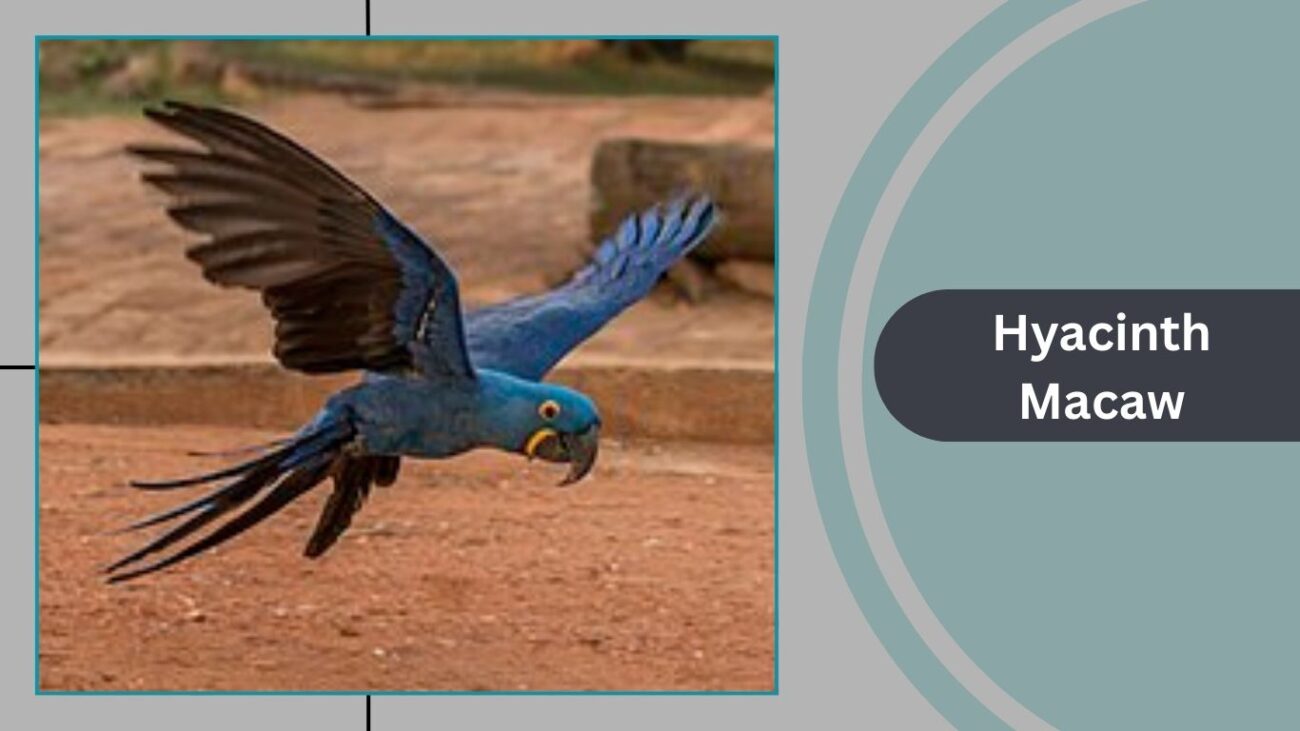
The Hyacinth Macaw is the largest species of parrot in the world and is admired for its striking cobalt-blue feathers and gentle temperament. While not as talkative as some smaller parrots, it can learn words and phrases and is valued for its intelligence and affectionate nature.
Identification
- Largest macaw, about 40 inches long with a wingspan up to 4 feet
- Brilliant cobalt-blue plumage covering the body
- Distinctive yellow skin around the eyes and lower beak
- Long tail feathers and powerful, curved black beak
- Strong grey feet suited for climbing and cracking nuts
Habitat
Native to central and eastern South America, particularly Brazil, Bolivia, and Paraguay, they live in open woodlands, palm swamps, and savannas.
Diet
Hyacinth Macaws feed mainly on hard nuts from native palm trees, especially acuri and bocaiuva palms. In captivity, they require a diet of nuts (like macadamia and Brazil nuts), pellets, fruits, and vegetables.
Behavior
They are intelligent, gentle, and highly social. While not the most skilled talkers among parrots, they can mimic human speech and household sounds. Their affectionate and calm nature makes them popular companions, though they need plenty of space and enrichment.
22. Yellow-Collared Macaw
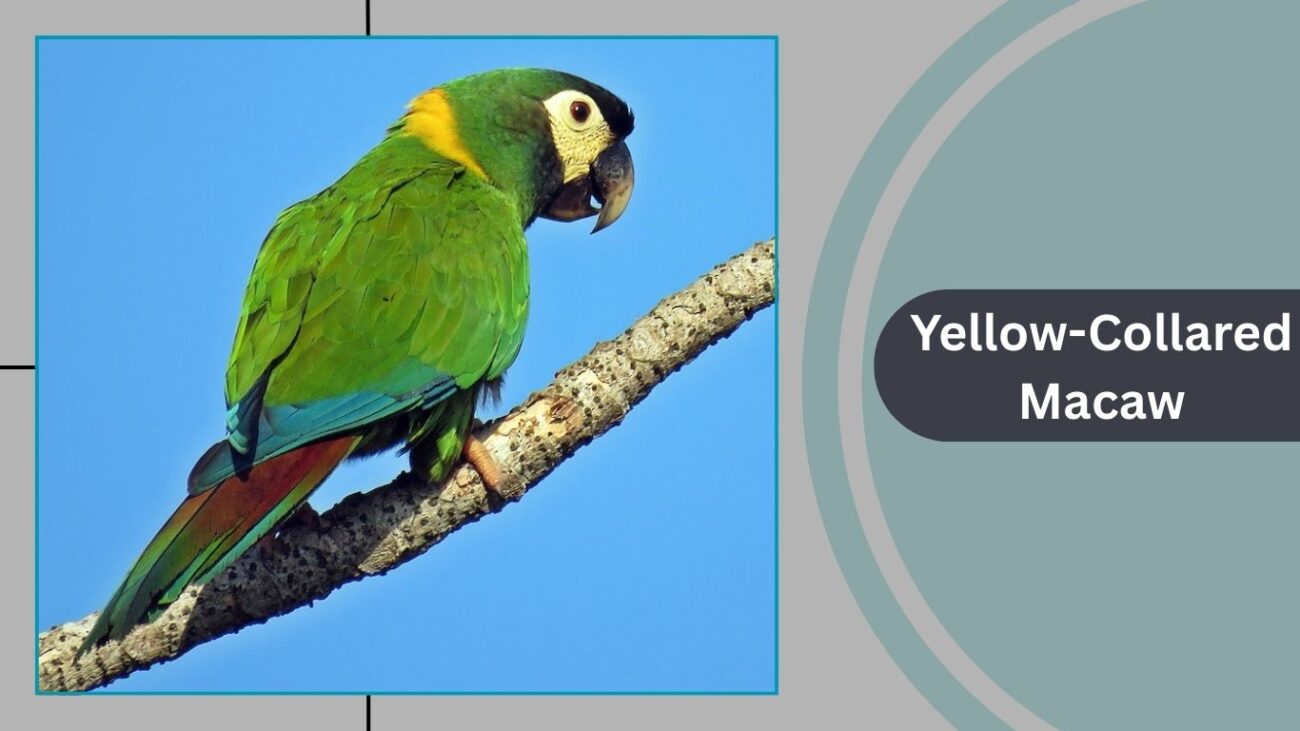
The Yellow-Collared Macaw, also known as the Golden-Collared Macaw, is a small macaw species with an energetic personality and a good ability to mimic human speech. Despite its smaller size, it is lively, intelligent, and capable of learning words and short phrases.
Identification
- Small macaw, about 15–17 inches long
- Green body with a distinctive yellow band around the back of the neck (collar)
- Blue flight feathers and long, tapered tail with blue and maroon shades
- Bare white skin around the eyes and beak
- Strong, dark beak suited for cracking nuts and seeds
Habitat
Native to South America, particularly in Brazil, Bolivia, Paraguay, and Argentina. They inhabit forests, savannas, and lightly wooded areas.
Diet
In the wild, they feed on fruits, seeds, nuts, and berries. In captivity, they require a varied diet of pellets, vegetables, fresh fruits, and occasional nuts.
Behavior
Yellow-Collared Macaws are playful, curious, and very vocal. They can mimic human voices and environmental sounds with surprising clarity. Social and affectionate, they thrive on interaction but need consistent training and attention to prevent noisy or mischievous behavior.
23. Hahn’s Macaw (Red-Shouldered Macaw)
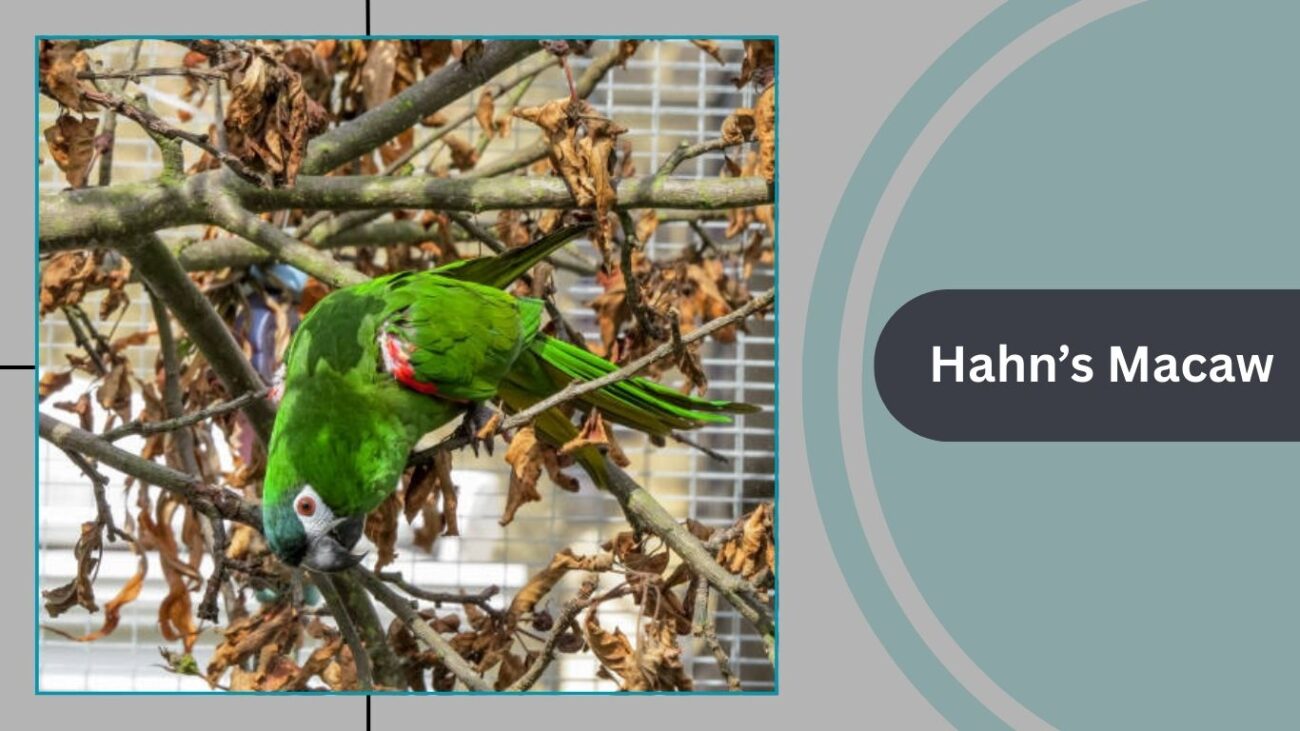
The Hahn’s Macaw, also called the Red-Shouldered Macaw, is the smallest macaw species but still a capable talker. Its compact size, intelligence, and charming personality make it a favorite among bird lovers who want a macaw without the demands of larger species.
Identification
- Smallest macaw, about 11–12 inches long
- Green plumage overall with a bright red patch on the shoulders
- Blue flight feathers and short, tapered tail
- Bare white skin around the eyes
- Strong, dark beak
Habitat
Native to northern South America, including Venezuela, Guyana, Suriname, and Brazil. They are found in savannas, woodlands, and lightly forested areas.
Diet
They eat seeds, nuts, berries, fruits, and blossoms in the wild. In captivity, they thrive on pellets, vegetables, fresh fruits, and occasional nuts.
Behavior
Hahn’s Macaws are intelligent, energetic, and affectionate. They are skilled talkers for their size, often learning words and short phrases. They love interaction, play, and training, making them excellent companions when given enough attention.
24. Severe Macaw
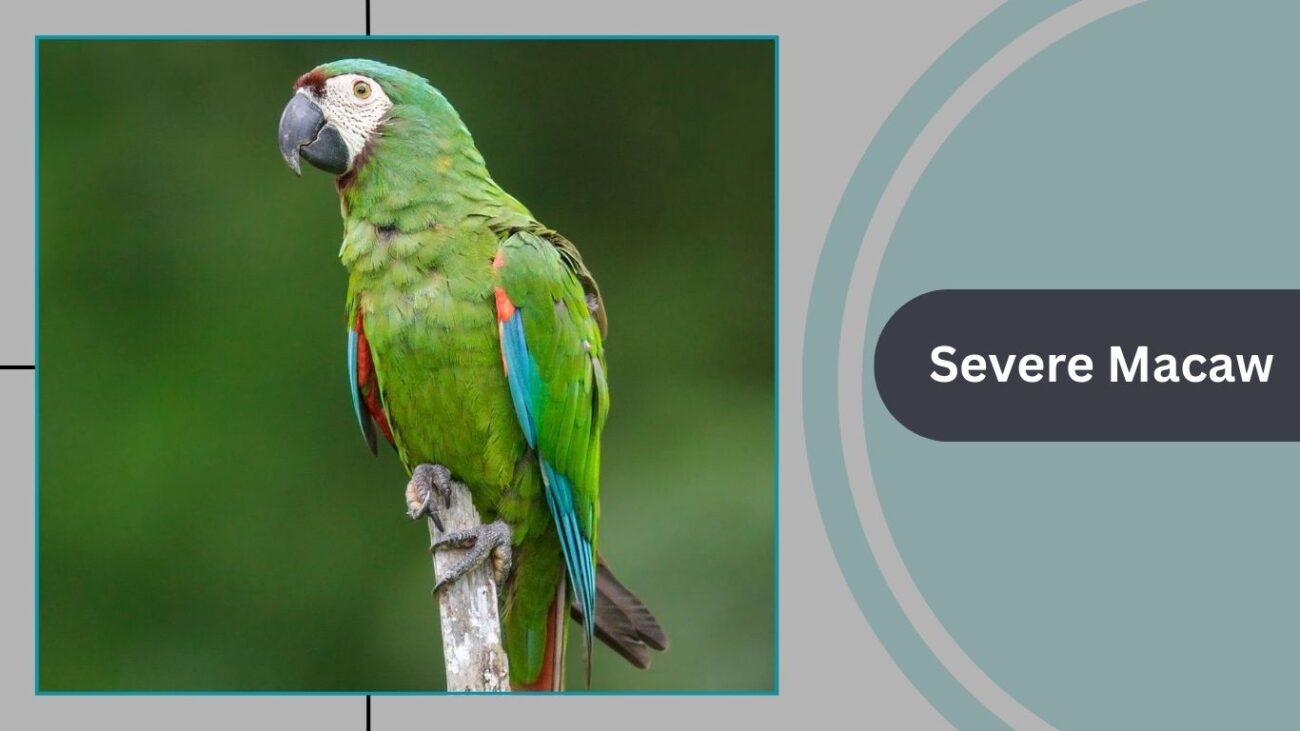
The Severe Macaw, also known as the Chestnut-Fronted Macaw, is the largest of the mini-macaws and a talented talker. It has a strong personality, boundless energy, and can develop an impressive vocabulary when trained consistently.
Identification
- Medium-sized macaw, about 18–20 inches long
- Green plumage with a chestnut-brown patch on the forehead and under the beak
- Blue flight feathers and long green tail with blue tips
- Bare white skin around the eyes with fine feather lines
- Strong, dark grey beak
Habitat
Native to South America, ranging across Panama, Colombia, Venezuela, Brazil, and Bolivia. It inhabits forests, woodlands, and savannas.
Diet
In the wild, Severe Macaws feed on fruits, seeds, nuts, berries, and flowers. In captivity, they require pellets, vegetables, fruits, and nuts for a healthy diet.
Behavior
Severe Macaws are intelligent, social, and very vocal. They can mimic human voices and learn many words and phrases. Known for their playful and curious nature, they require daily interaction, enrichment, and plenty of space to thrive.
25. Derbyan Parakeet
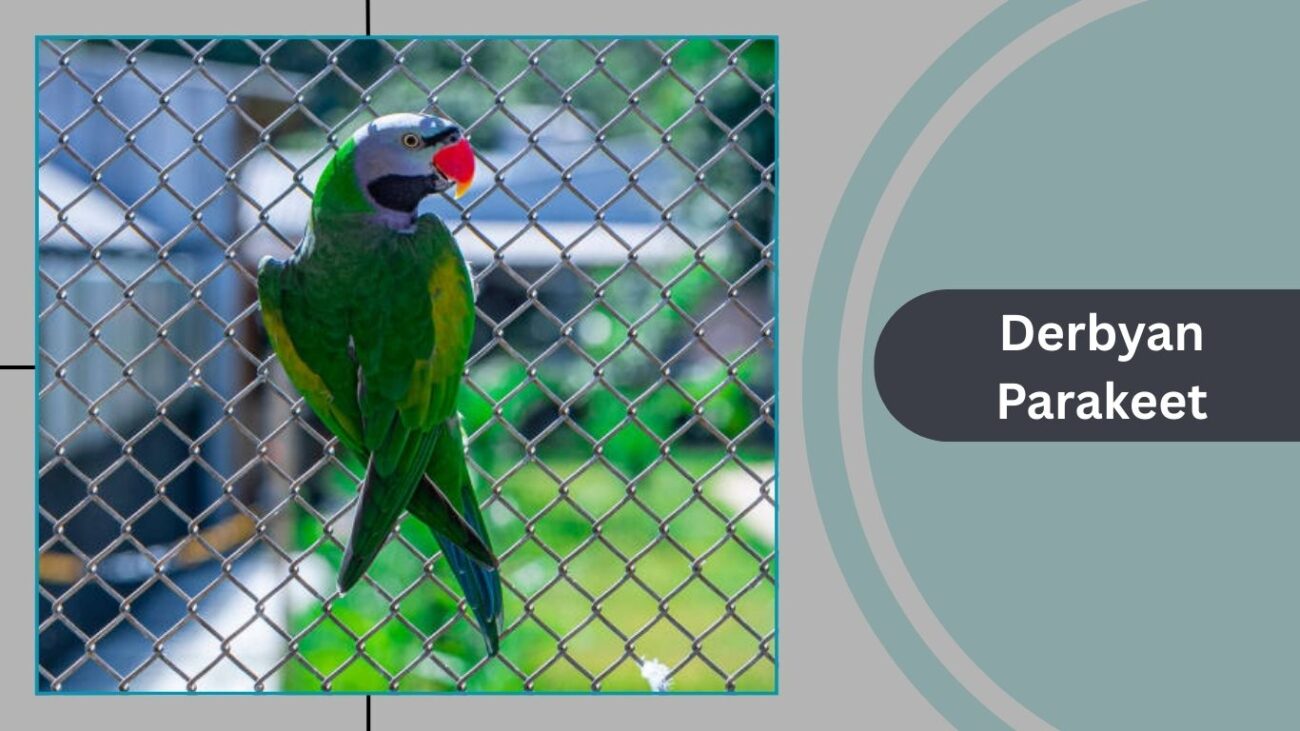
The Derbyan Parakeet is a striking parrot species admired for its beautiful coloration and strong talking ability. It is one of the larger parakeets and can learn to speak clearly, often developing a wide vocabulary with proper training.
Identification
- Large parakeet, about 18–20 inches long
- Males have a bluish-grey head with a pink throat band and green body
- Females have a darker head without the pink throat band
- Long, tapered tail with blue and green shades
- Strong red upper beak and black lower beak
Habitat
Native to the Himalayan regions of northeast India, Bhutan, Tibet, and parts of China. They inhabit forests, woodlands, and mountainous valleys.
Diet
Their diet includes fruits, seeds, berries, nuts, and blossoms. In captivity, they require a mix of pellets, vegetables, fresh fruits, and occasional nuts.
Behavior
Derbyan Parakeets are intelligent, energetic, and skilled talkers. They can mimic human voices with clarity and learn many words and phrases. They are social birds that bond closely with their caretakers but need consistent training and interaction to remain tame and well-behaved.