
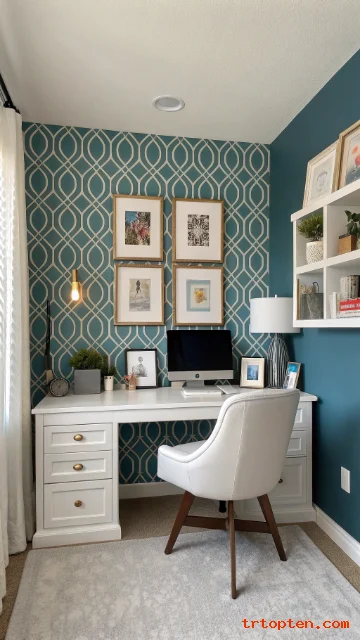
A smart home setup can change how you feel about your job. These 26 work from home office ideas help you build a space that looks good and works hard.
Good design supports focus, comfort, and daily habits. Small upgrades can reduce clutter and save time. Use these ideas to create a workspace you enjoy using every day.
Choose a Wall-Facing Desk Setup
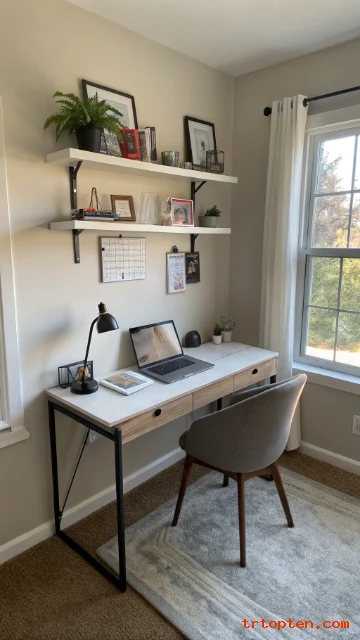
Place your desk against a wall to reduce visual noise. This layout keeps your eyes on your screen, not the room. It also helps you build a clean, simple background for calls.
Add one floating shelf above the desk for essentials. Keep only one or two decor pieces to avoid distraction. Use a desk mat to define your work zone.
Hide cables with clips and a small cable box. Mount a power strip under the desktop for a tidy look. Your space will feel calmer and easier to manage.
Build a Corner Desk Nook
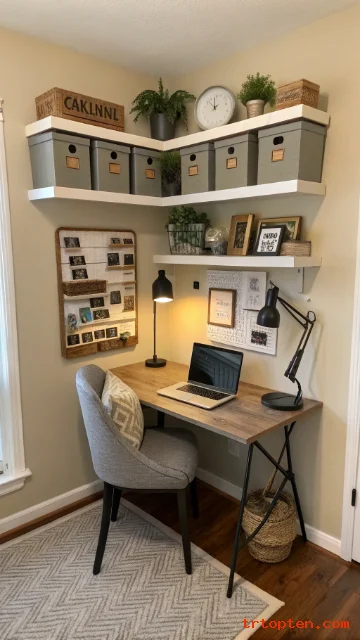
Use a corner to create a dedicated work zone. A corner desk saves space and uses walls for storage. This option works well in bedrooms and small apartments.
Add a corner shelf unit or two wall shelves. Keep supplies in labeled bins to reduce mess. A small desk lamp adds task lighting without taking much space.
Place a plant or framed print on the outer corner. This detail softens the angle and adds warmth. The nook will feel intentional instead of temporary.
Use a Fold-Down Wall Desk
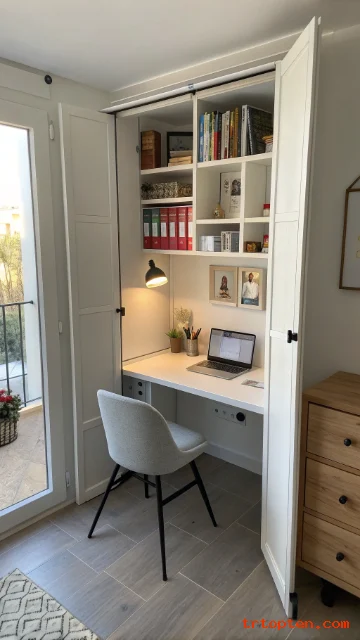
Install a fold-down desk for a flexible workspace. You can close it after work and clear the room. This idea fits tight spaces and shared rooms.
Choose a model with built-in shelves or pockets. Store a notebook, charger, and pens inside the unit. Keep a lightweight chair nearby that slides under a table.
Add a small wall sconce or clip-on lamp above the desk. Good light helps you stay focused and reduces eye strain. The closed desk also keeps clutter out of sight.
Create a Closet Office
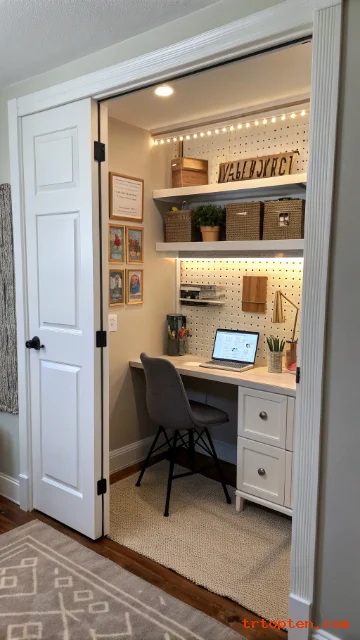
Turn a closet into a compact office station. This setup gives you a strong boundary between work and home. You can close the door when the day ends.
Use a narrow desk or a custom shelf as a desktop. Add pegboard or wall rails for vertical storage. Install LED strip lighting to brighten the space.
Paint the inside a light color to reflect light. Add a small rug and a comfortable chair for long sessions. The closet office can feel like a private studio.
Add a Standing Desk Converter
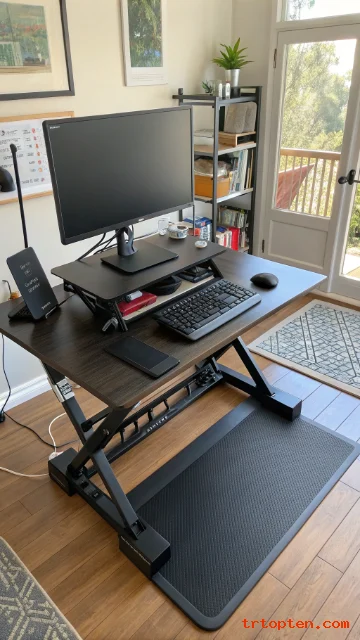
Use a standing desk converter on your current desk. It gives you sit-stand flexibility with minimal cost. This upgrade can reduce stiffness during long days.
Set the monitor at eye level for better posture. Keep your keyboard and mouse aligned with your elbows. Add an anti-fatigue mat for comfort when standing.
Switch positions at set times during the day. A simple timer or calendar reminder can help. Your body will feel better with regular movement.
Install a Floating Desk Shelf
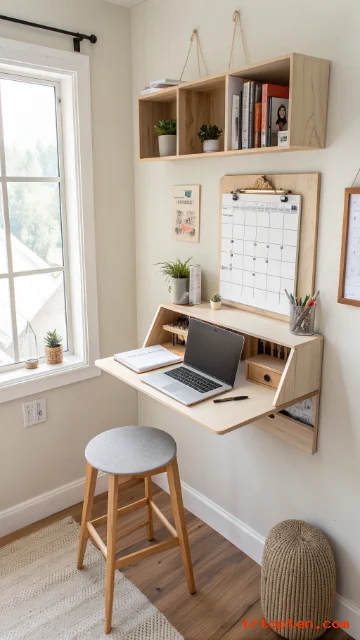
Mount a floating desk shelf for a minimal office look. This keeps the floor clear and makes cleaning easy. It also works well in narrow rooms.
Choose a shelf deep enough for a laptop and notebook. Add a wall-mounted drawer or small basket under it. Use a stool or armless chair for a slim fit.
Place a corkboard or calendar above the desk. This keeps tasks visible without taking desk space. The result feels light and modern.
Use a Rolling Office Cart
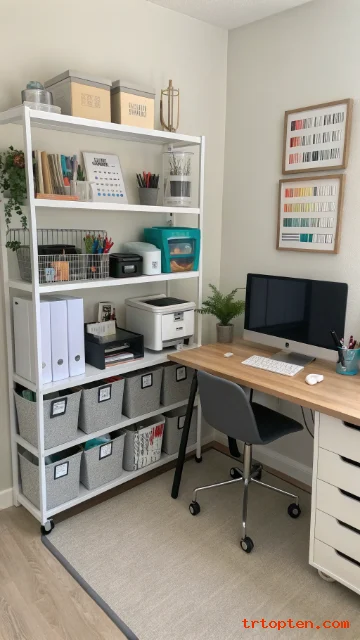
A rolling cart stores supplies and moves with you. It helps if you work in different rooms. It also keeps your desk surface clear.
Use the top shelf for daily items like chargers and pens. Use the middle shelf for notebooks and files. Use the bottom shelf for tech gear or printer paper.
Label each section for faster access. Add a small tray to stop items from sliding. This simple cart can fix clutter fast.
Set Up a Dual-Monitor Workstation
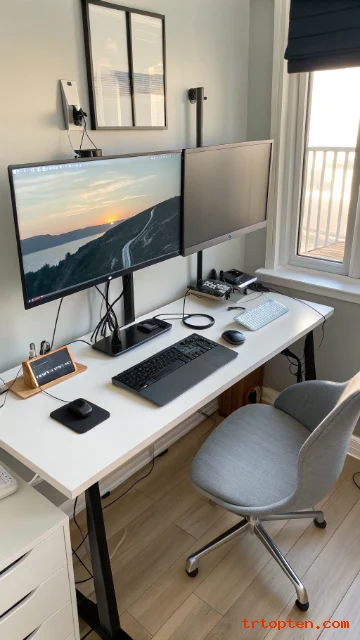
A dual-monitor setup can improve workflow for many jobs. It helps with writing, design, coding, and spreadsheets. It also reduces constant tab switching.
Use monitor arms to free desk space. Align the top of screens near eye level for comfort. Keep your main screen centered to reduce neck strain.
Add a compact docking station for clean connections. Use one keyboard and one mouse for both screens. This setup looks professional and works smoothly.
Add a Desk With Built-In Drawers
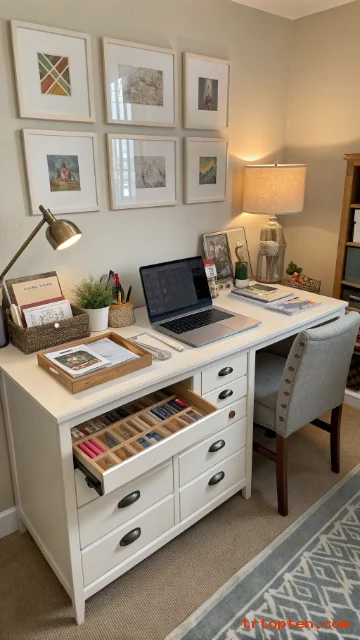
A desk with drawers keeps essentials close. It reduces piles and makes cleanup fast. This is a strong choice for daily work.
Store small items like sticky notes and cables in the top drawer. Store documents and tools in the lower drawers. Use drawer organizers to keep sections clear.
Choose a desk finish that matches your room. A cohesive look makes the office feel permanent. Your workspace will feel calmer and more controlled.
Use a Pegboard Wall Organizer
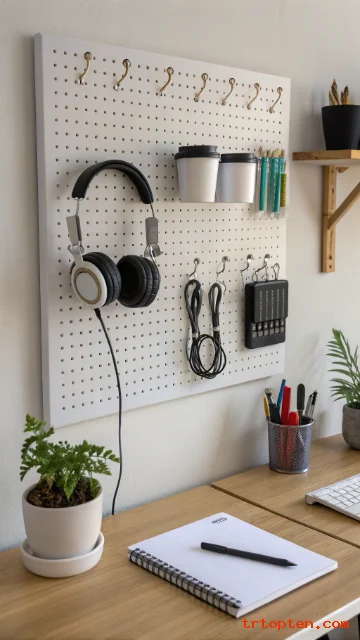
A pegboard turns empty wall space into storage. It keeps tools visible and easy to grab. It also adds a fun design element.
Add hooks for headphones and cables. Add small cups for pens and scissors. Add a shelf for a camera, notebook, or plant.
Keep the layout balanced for a clean look. Group items by type to reduce searching. Your desk stays clear when the wall holds the tools.
Create a Calm Neutral Color Palette
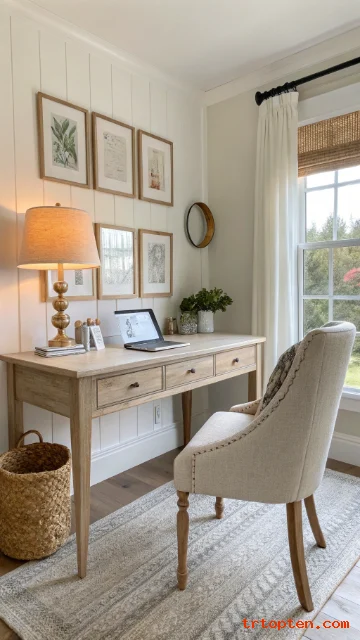
Neutral colors can reduce distraction. Soft white, beige, and warm gray feel clean and steady. This helps you focus during long work blocks.
Use one main wall color and one accent tone. Add texture with wood, linen, or matte metal. Keep decor simple and repeat colors for a matched look.
Add warm lighting to avoid a cold feel. A warm desk lamp can make evenings more comfortable. Your space will feel quiet and balanced.
Add a Bold Accent Wall Behind the Desk
A single accent wall can make your office feel designed. It also creates a strong video call background. Choose paint, wallpaper, or wood panels.
Pick one color that fits your home style. Deep green, navy, or terracotta can work well. Keep the rest of the room simple to avoid clutter.
Hang one large art piece or a grid of small frames. Use a consistent frame color for order. This adds personality without chaos.
Design a Bright Window-Facing Setup
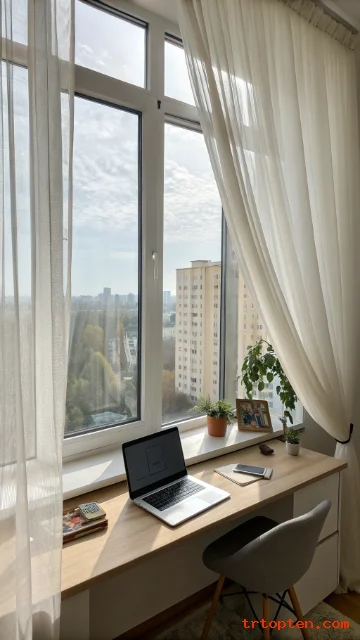
Place your desk near a window for natural light. Daylight can boost energy and help mood. It can also reduce the need for overhead lighting.
Position the screen to avoid glare. Use sheer curtains to soften harsh sun. Add a small plant on the sill for a fresh look.
Use a simple desk and light chair to keep the area airy. Keep storage low so the window stays open. This setup feels fresh and open.
Add Layered Lighting
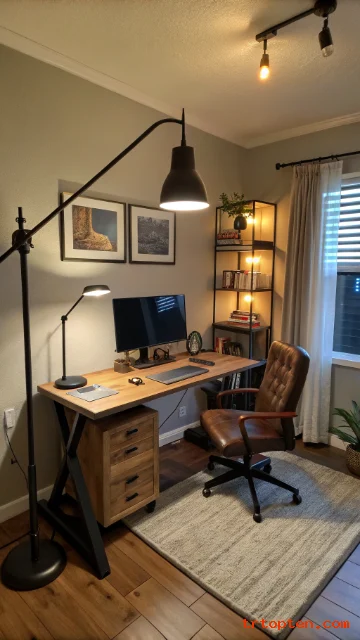
Good lighting supports focus and comfort. Use a mix of overhead light, desk light, and accent light. This reduces shadows and improves video call quality.
Choose a desk lamp with an adjustable arm. Add a floor lamp in a corner for soft fill light. Add LED bias lighting behind the monitor for a gentle glow.
Keep bulbs in the same color temperature range. A consistent warm-neutral tone looks better on camera. Lighting can make a basic room feel premium.
Use Sound-Softening Materials
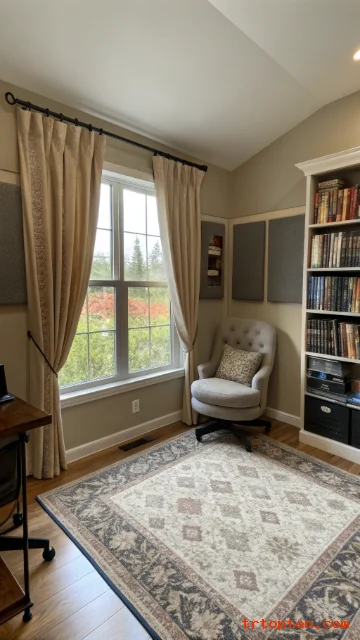
Noise can break focus fast. Add soft items to absorb sound in the room. This helps in apartments and busy homes.
Use a thick rug under the desk area. Add curtains and a fabric chair for more softness. Add acoustic panels if you take frequent calls.
Place a bookshelf on one wall for extra sound control. Books and decor can reduce echo. The room will feel quieter and more comfortable.
Set Up a Video Call Background Wall
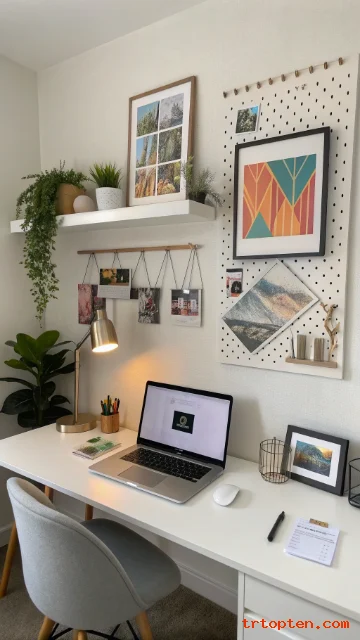
A clean background improves your presence on calls. It also reduces stress about what others see. A simple wall can look professional.
Use a small shelf with two or three items. Add a plant and one framed print. Keep colors consistent for a neat look.
Add a key light or lamp angled toward your face. Place it slightly above eye level for a flattering view. This setup makes meetings feel smoother.
Add a Compact Bookcase for Work Storage
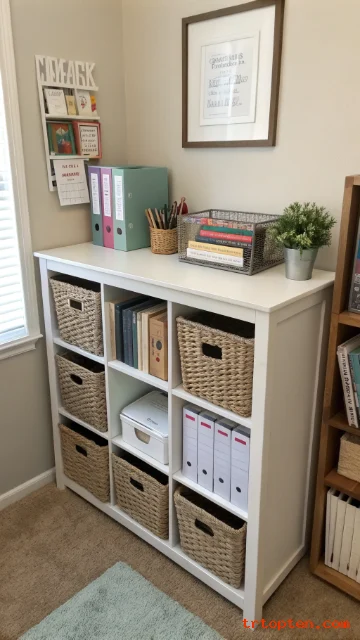
A small bookcase can hold supplies and keep files upright. It also adds structure to the room. This is helpful for paper-heavy work.
Use baskets for small items like cables and chargers. Use folders or magazine holders for documents. Keep the top shelf for decor to soften the look.
Place the bookcase near the desk for easy reach. Keep labels on bins for quick access. This makes your office feel organized without effort.
Use a Minimalist Desk for Small Spaces
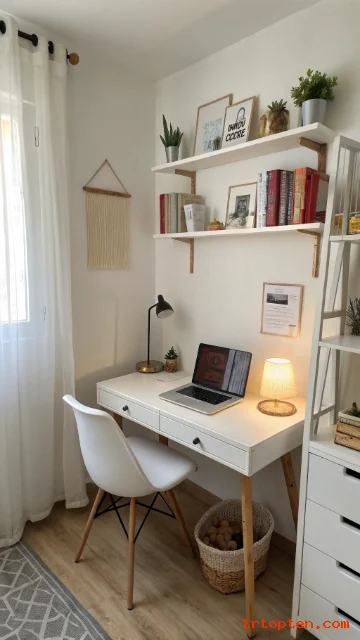
A slim desk can fit in tight spots. It keeps the room from feeling crowded. This is ideal for bedrooms and studio apartments.
Choose a desk with thin legs and a light finish. Add only what you need on top, like a laptop and lamp. Store extra supplies in a nearby bin.
Use wall storage to replace bulky furniture. A small shelf can hold notebooks and a charger. The result looks clean and modern.
Add an Ergonomic Chair Upgrade
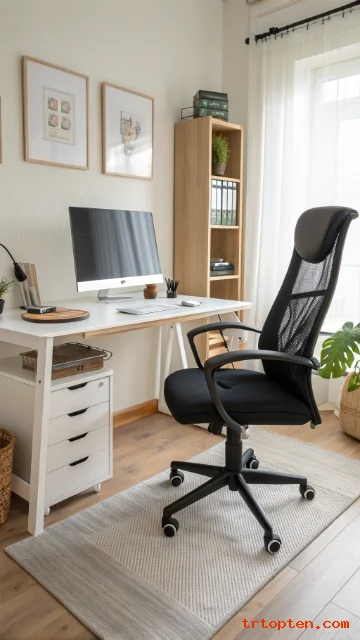
A supportive chair can change your day. It supports posture and reduces fatigue. This is one of the most valuable upgrades.
Adjust seat height so feet rest flat on the floor. Adjust armrests so shoulders stay relaxed. Add a lumbar cushion if you need extra support.
Pair the chair with a footrest if your desk is high. Keep the chair breathable for warm weather. Comfort helps you work longer with less stress.
Create a Shared Office for Two People
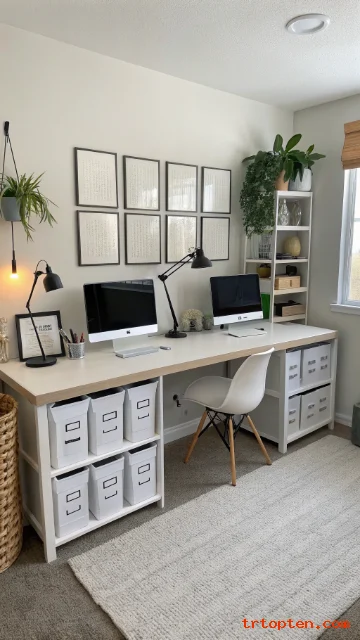
A shared office can work with smart planning. Use two desks or one long desk with two zones. Define each space clearly to avoid mix-ups.
Give each person their own drawer or storage bin. Use separate desk lamps for control over lighting. Add headphones hooks to reduce clutter.
Use a neutral divider like a plant or small shelf. This creates privacy without blocking light. A shared office can still feel calm and personal.
Use a Built-In Desk Look With Wall Shelves
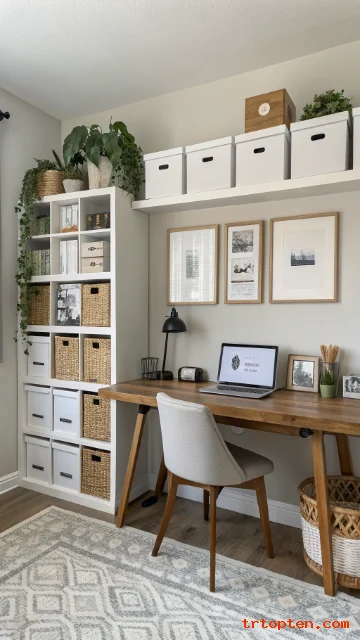
Wall shelves can create a built-in look without remodeling. This adds storage and makes the desk feel anchored. It also looks polished on camera.
Place two shelves above the desk at even spacing. Use matching storage boxes for a neat line. Add one plant and one framed print for warmth.
Keep the shelf items balanced left and right. Avoid too many small objects that look messy. The wall becomes a useful feature, not just a backdrop.
Add a Printer Station With Hidden Storage
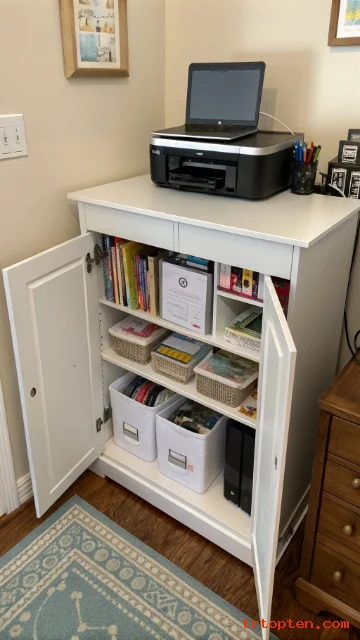
Printers and paper can look messy fast. A small cabinet can hide equipment and keep supplies close. This keeps your main desk clean.
Use a cabinet with doors to hide the printer. Store paper and ink on a shelf inside. Add a tray on top for outgoing documents.
Place the station near an outlet to reduce cable runs. Use a cable box to hide cords. Your office stays neat and functional.
Create a Cozy Desk With Warm Textures
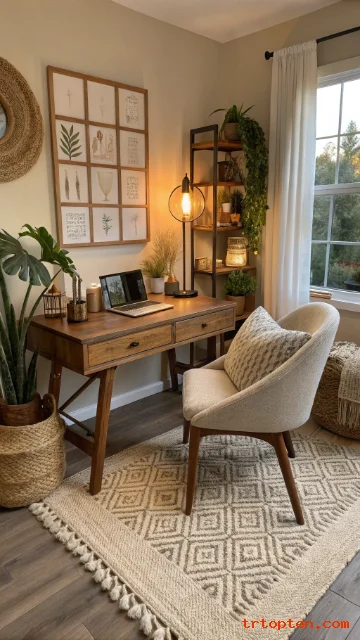
Warm textures make work feel less cold. Use wood, fabric, and soft lighting. This helps if you work long hours at home.
Add a woven rug and a fabric chair. Use a wood desk or wood accessories like a monitor stand. Add a warm lamp for evening light.
Keep colors soft and natural. Use cream, tan, and warm brown tones. The space will feel inviting and steady.
Use Wall Art That Supports Focus
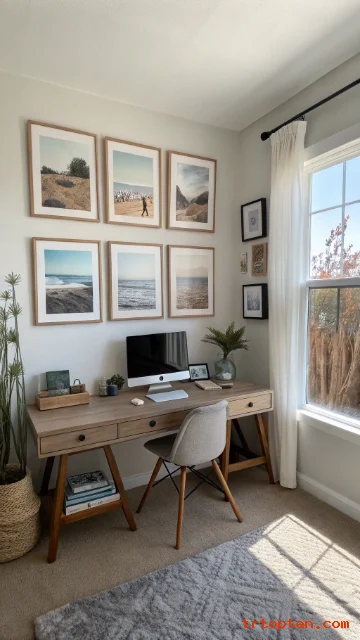
Art can guide mood and focus. Choose calm prints, simple photography, or clean line art. Keep it close to your workspace for a quick reset.
Use one large piece for a strong statement. Or use three matching frames for a clean set. Keep colors aligned with the room palette.
Avoid busy art with too many details. Simple shapes reduce distraction. This helps your office feel clear and calm.
Add a Daily Planning Station
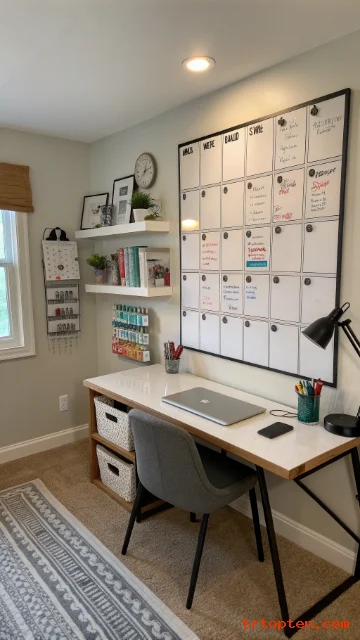
A planning station supports routines. It helps you track tasks, meetings, and priorities. This can reduce stress and missed deadlines.
Add a whiteboard or corkboard near the desk. Use sections for goals, tasks, and notes. Keep markers and pins in a small holder.
Update it at the start and end of the day. This creates a clear work rhythm. A simple plan can improve productivity fast.
Add a Tech Charging Zone
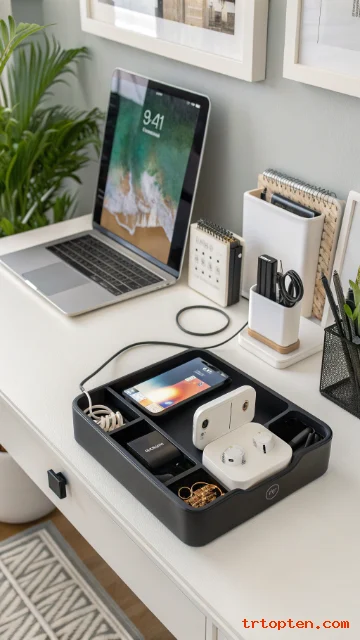
A charging zone prevents cable chaos. It also keeps devices ready for work. This is useful if you use multiple gadgets.
Use a docking station or multi-port charger. Keep cables short and secured with clips. Store extra cords in a labeled pouch.
Place the zone on a side table or desk corner. Add a small tray for earbuds and adapters. Your workspace stays clean and ready.
What is the best desk size for a small home office?
A desk that is 40 to 48 inches wide often fits small rooms well. It gives space for a laptop, a lamp, and a notebook. A wall-mounted or corner desk can save even more space.
How do I make my work from home office look professional on video calls?
Use a clean wall or a simple shelf behind you. Add a plant and one framed print for balance. Use a lamp or key light to brighten your face.
What lighting works best for home office productivity?
Natural light helps during the day, so place your desk near a window. Add a desk lamp for focused work light. Add a soft floor lamp to reduce harsh shadows.
How can I reduce noise in my home office?
Add a thick rug and curtains to absorb sound. Use a fabric chair instead of hard plastic. Acoustic panels can help if your room echoes during calls.
What is the easiest way to organize a home office fast?
Start with a rolling cart or drawer organizers. Label bins so you find items fast. Keep only daily tools on the desk surface.
How do I choose the right office chair for long hours?
Look for lumbar support and adjustable height. Keep feet flat on the floor with knees near a right angle. Add a footrest if needed for better comfort.
Can I build a work from home office in a bedroom?
Yes, a corner desk or wall-facing setup works well in bedrooms. Use a rug or lamp to define the work zone. Close your laptop and clear the desk after work to protect rest time.
How do I set up a standing desk for good posture?
Set your monitor so the top sits near eye level. Keep elbows close to your sides and wrists straight. Use an anti-fatigue mat if you stand often.
What are the best colors for a home office?
Soft neutrals can reduce distraction and keep the room calm. One accent wall can add personality without clutter. Match decor colors to the main palette for a clean look.
Conclusion
These 26 work from home office ideas give you practical ways to build a space that supports focus and comfort.
Start with one change like better lighting, cleaner storage, or a desk layout that fits your room. When your workspace feels clear and personal, work feels lighter and more organized.