
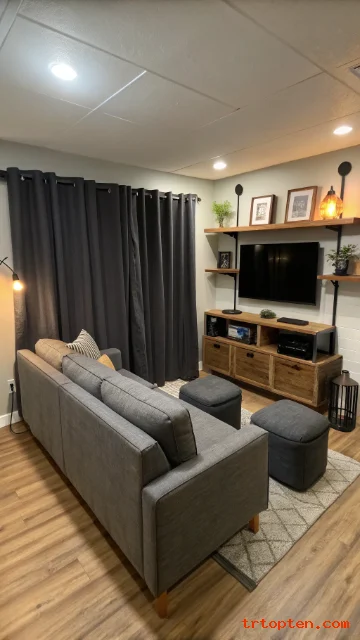
A great home theater needs more than a big screen and clear sound. The right home movie theater seating ideas can make the room feel comfortable, stylish, and ready for long movie nights.
Your seats should support the way you watch films, sports, shows, and games. These 25 ideas will help you plan a home theater that looks good, feels cozy, and works well for your space.
Reclining Leather Theater Seats
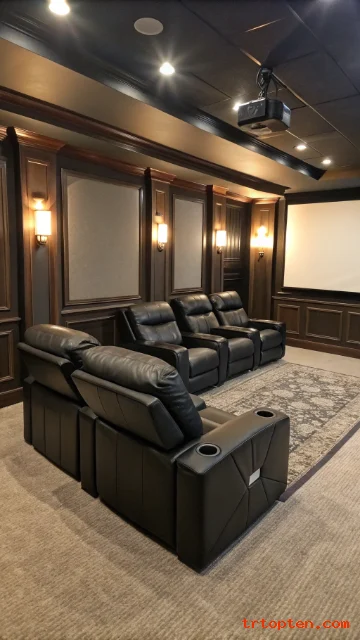
Reclining leather seats give a home theater a classic cinema feel. They support the back, legs, and neck during long movies.
Choose black, brown, or gray leather for a clean and timeless look. Add cup holders, storage arms, and USB ports for more comfort.
Curved Sectional Sofa Seating
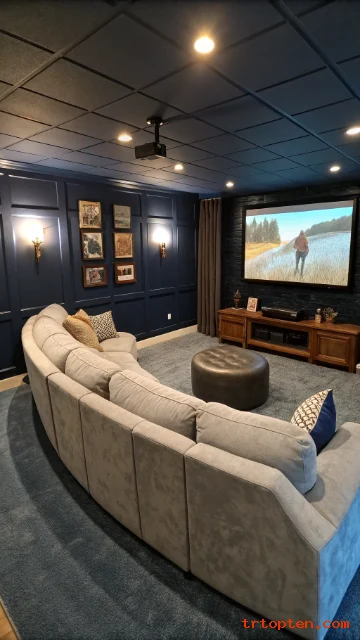
A curved sectional sofa creates a relaxed and social home theater setup. It helps everyone face the screen without sharp angles.
This idea works well in wide rooms and family media rooms. Pick deep cushions, soft fabric, and a low profile to keep the screen view clear.
Tiered Theater Seating Rows
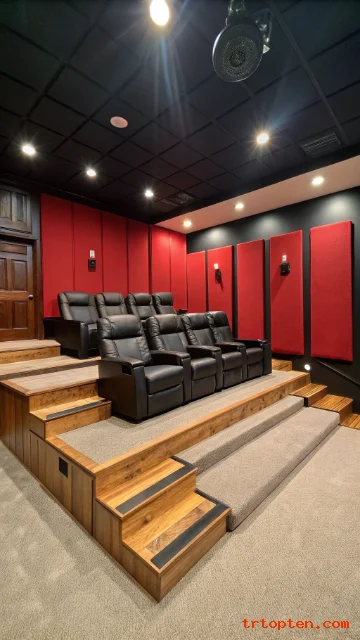
Tiered seating gives every viewer a clear view of the screen. Raised platforms help the second and third rows see over the front row.
This layout suits basements and dedicated cinema rooms. Use matching recliners or loveseats to create a clean theater-style design.
Loveseat Recliners for Couples
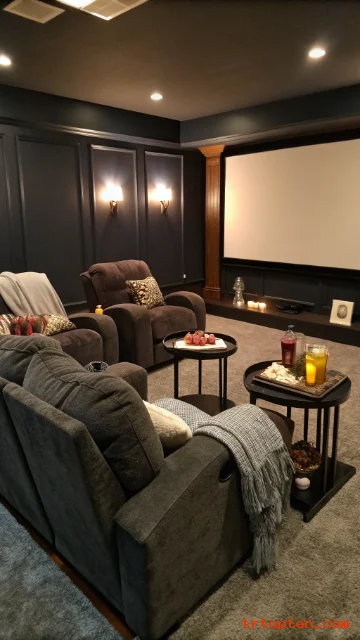
Loveseat recliners make movie nights feel cozy and personal. They give two people shared comfort without a center armrest.
Place one or two loveseats in the front row for a warm lounge feel. Choose models with power reclining, soft headrests, and built-in cup holders.
Oversized Chaise Lounge Seating
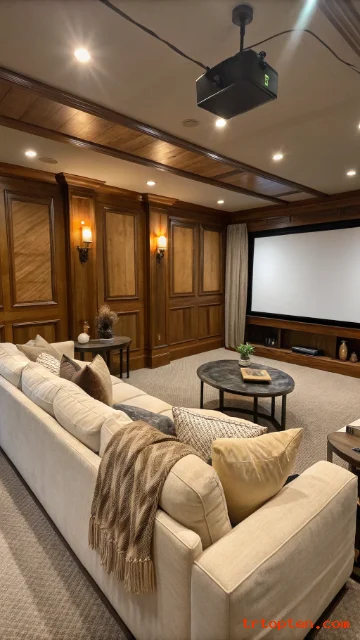
Oversized chaise lounges let people stretch out while watching movies. They create a laid-back space that feels more like a luxury lounge than a formal cinema.
Use chaise seating in small rooms, lofts, or relaxed media spaces. Add large pillows and soft throws to make the seats feel inviting.
Modular Sofa Seating
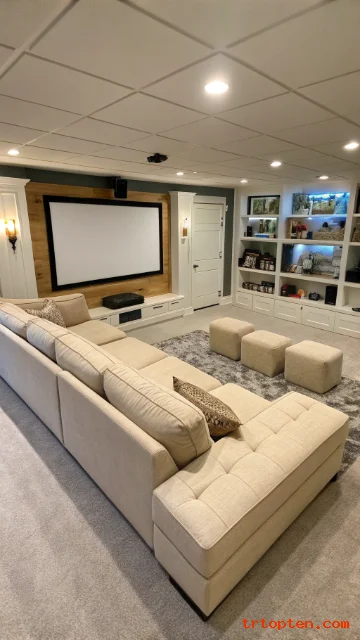
Modular sofas give you flexible home theater seating. You can move each piece to fit movie nights, game nights, or guest seating.
This idea works well for families because the layout can change often. Choose stain-resistant fabric and deep seats for daily use.
Floor Cushions and Low Seating
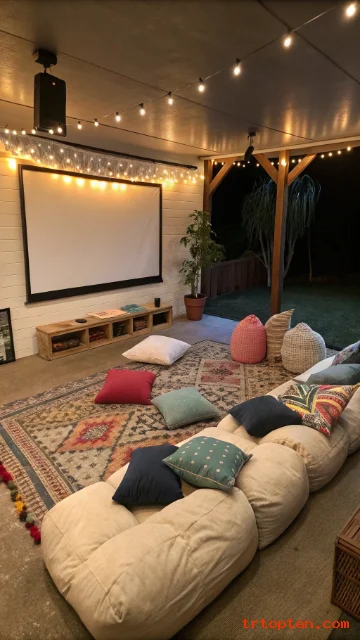
Floor cushions create a casual and budget-friendly home theater. They work well for kids, teens, and relaxed weekend movie nights.
Use thick cushions, padded mats, and soft rugs to improve comfort. Keep the seating low so the room feels open and easy to move through.
Built-In Banquette Seating
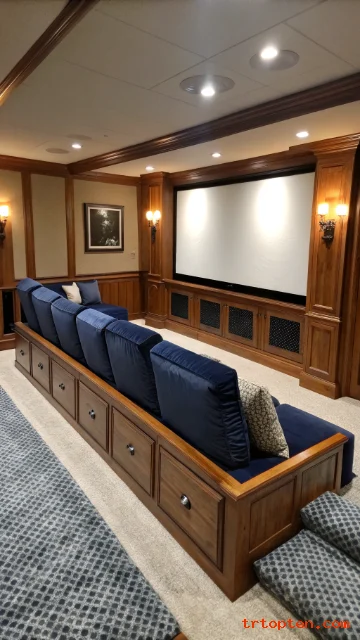
Built-in banquette seating gives a home theater a custom look. It uses wall space well and creates a clean, fitted design.
Add storage drawers under the bench for blankets, games, and remotes. Use thick seat cushions and back pillows to keep the setup comfortable.
Bean Bag Theater Seating
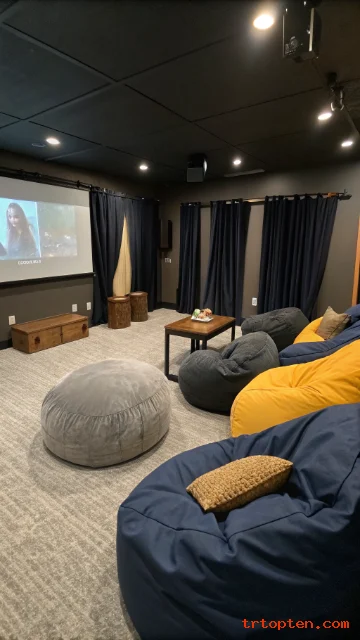
Bean bags make a home theater feel fun and relaxed. They are easy to move, easy to store, and great for casual rooms.
Choose large memory foam bean bags for better support. Mix neutral colors with one or two bold shades for a playful but clean look.
Swivel Lounge Chairs
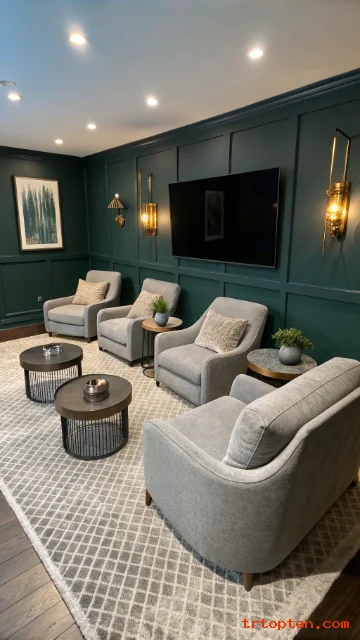
Swivel lounge chairs add comfort and movement to a home theater. People can turn toward the screen, a snack table, or nearby guests.
This idea works well in multipurpose media rooms. Choose wide chairs with padded arms and a supportive back for long viewing sessions.
Home Theater Seats With LED Lighting
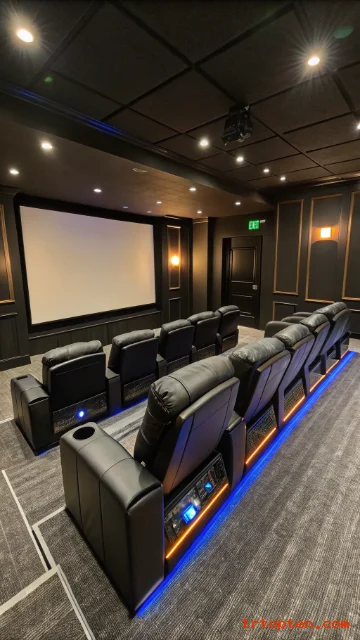
Seats with LED lighting give the room a premium cinema look. Small lights under the seats help people move safely in the dark.
Choose soft white or warm amber lights for a calm effect. Avoid bright colors near the screen because they can distract viewers.
Velvet Theater Seating
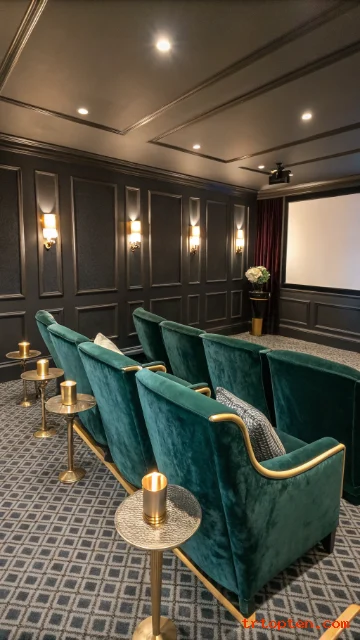
Velvet seats bring softness, color, and a rich texture to a home theater. They look elegant and feel warm during long movies.
Use deep colors like emerald, navy, burgundy, or charcoal for a dramatic style. Pair velvet seats with matte walls and soft lighting for balance.
Compact Apartment Theater Seating
Small apartments need seating that saves space. A slim loveseat, two compact recliners, or a storage sofa can work well.
Place the seating close enough to the screen for a strong viewing experience. Use wall shelves and hidden storage to keep the room open.
Rustic Home Theater Seating
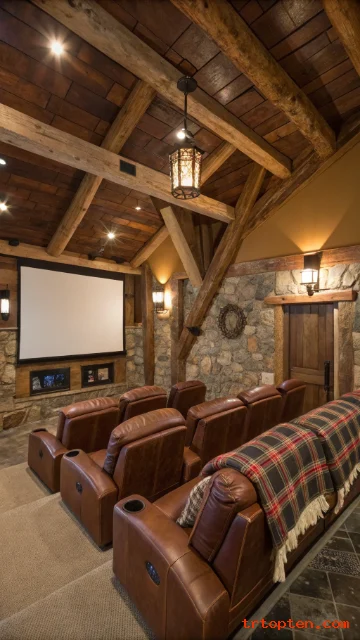
Rustic seating gives a home theater a warm cabin-style look. Leather chairs, wood beams, and natural textures create a cozy setting.
Use brown leather, plaid pillows, and warm lamps to build the theme. Add a wood media console or stone accent wall for stronger character.
Minimalist Theater Seating
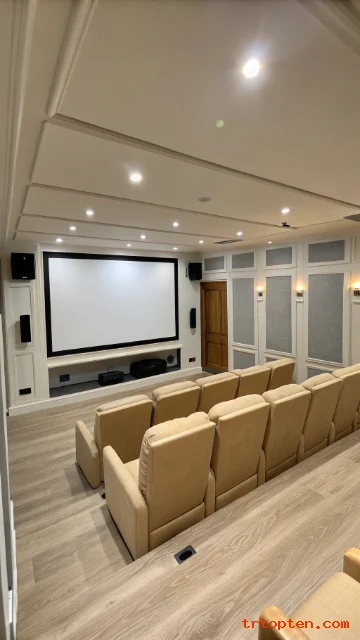
Minimalist seating keeps the home theater clean and calm. Simple lines, neutral colors, and low furniture help the screen stay the focus.
Choose slim recliners, a clean sofa, or armless lounge chairs. Hide cables, speakers, and storage to keep the room uncluttered.
Family-Friendly Sectional With Storage
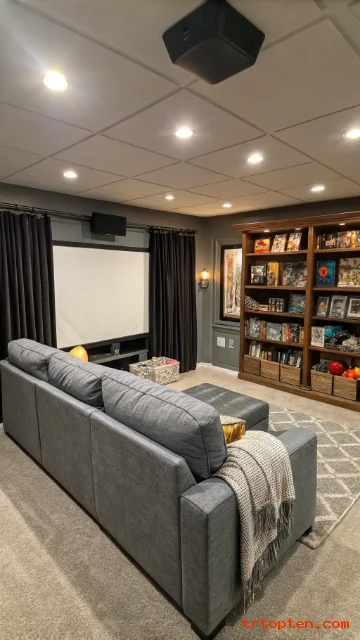
A storage sectional helps families keep the home theater organized. It can hold blankets, toys, remotes, game controllers, and extra pillows.
Choose durable fabric that can handle snacks and daily use. A large sectional also gives kids and adults enough room to sit together.
Luxury Seats With Tray Tables
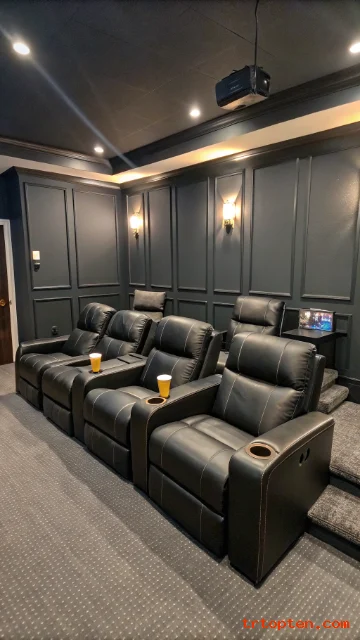
Tray tables make home theater seating more practical. They hold snacks, drinks, phones, and small plates during movie nights.
Look for seats with removable swivel trays for easy cleaning. This setup works well for people who love dinner and movie evenings at home.
Kids’ Movie Theater Seating
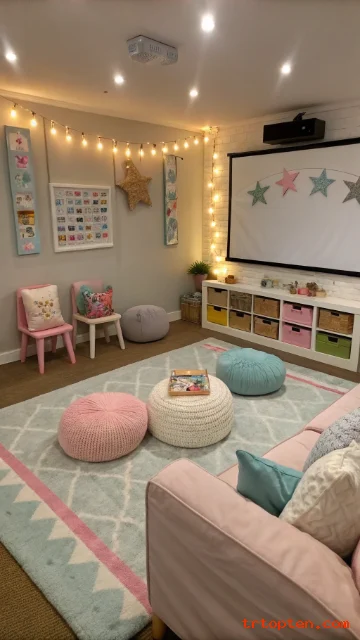
Kids’ theater seating should feel safe, soft, and fun. Small chairs, floor cushions, and bean bags make the room easy for children to use.
Use washable covers and rounded furniture to reduce mess and sharp edges. Add playful colors without making the room too bright near the screen.
Gaming and Movie Hybrid Seating
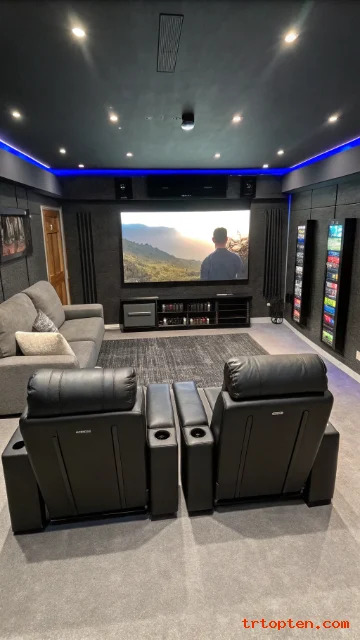
A gaming and movie room needs seating that supports both focus and comfort. Reclining gaming chairs, modular sofas, and lounge chairs can all work.
Place seats at the right distance from the screen to reduce eye strain. Add charging ports, controller storage, and side tables for a better setup.
Mid-Century Modern Theater Chairs
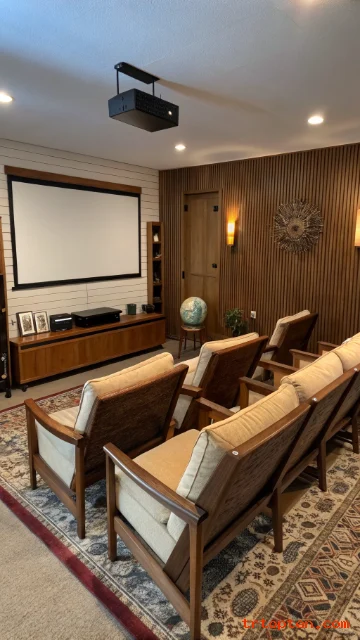
Mid-century modern chairs give a home theater a stylish retro look. Wood frames, angled legs, and clean cushions create a timeless design.
Use these chairs in a small media room or a design-focused home theater. Pair them with warm wood panels, simple lamps, and a neutral rug.
Home Theater Daybed Seating
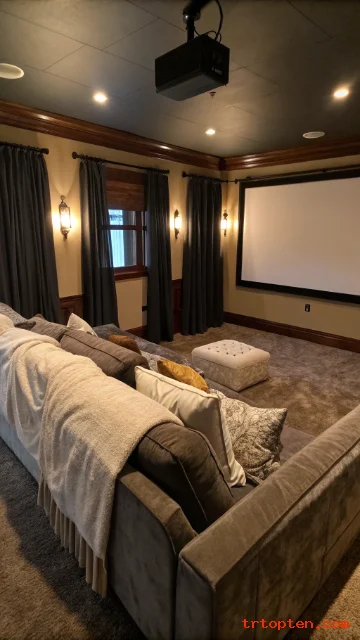
Daybeds make a home theater feel soft and lounge-like. They let viewers sit, stretch, or lie down during long films.
Use one large daybed in a small room or two matching daybeds in a wider space. Add bolsters and layered pillows for support.
Mixed Seating Layout
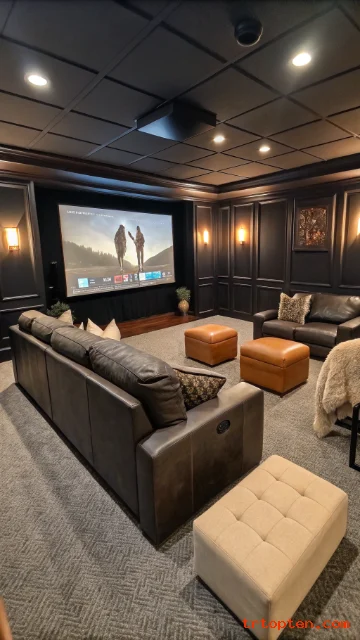
A mixed seating layout gives everyone a seat that fits their comfort style. You can combine recliners, sofas, bean bags, and ottomans in one room.
Use matching colors to keep the design connected. Place taller seats in the back and lower seats in the front for better screen views.
Small Basement Theater Seating
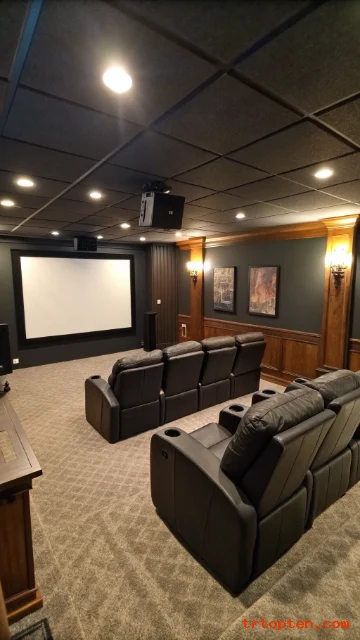
A basement theater often has limited light and a strong cozy feel. Use compact recliners, a small sectional, or tiered loveseats to make the space work.
Keep walkways clear and choose seats that do not block doors or vents. Use soft lighting and dark walls to create a real cinema mood.
Open-Concept Media Room Seating
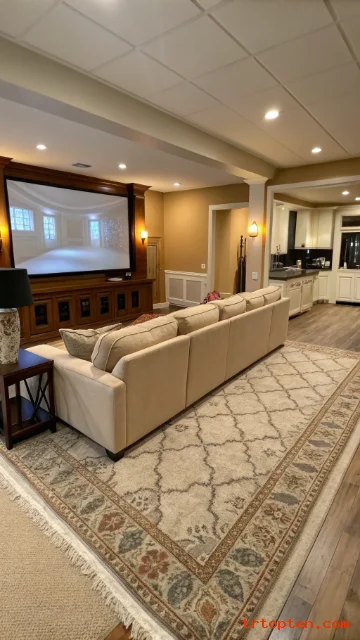
Open-concept seating should connect with the rest of the home. A stylish sectional or matching lounge chairs can define the theater zone without closing it off.
Use a large rug to anchor the seating area. Place the sofa so it faces the screen and still feels connected to nearby spaces.
Budget-Friendly DIY Theater Seating
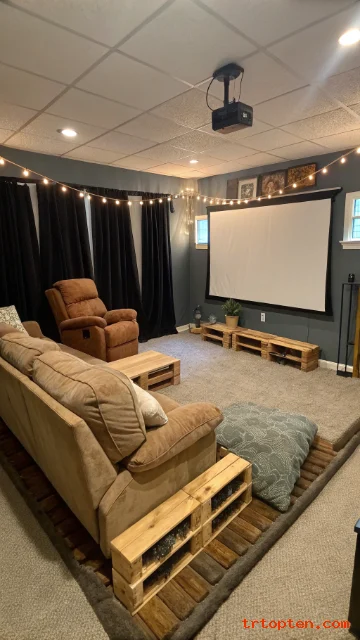
DIY theater seating can look great without a high cost. Use secondhand sofas, floor cushions, pallet platforms, or simple recliners to build the room step by step.
Focus on comfort, viewing height, and clean organization before luxury features. Add blackout curtains, a thick rug, and side tables to improve the experience.
What Is the Best Seating for a Home Movie Theater?
The best seating depends on your room size, viewing style, and budget. Recliners work best for a classic theater feel, while sectionals work best for families and casual rooms.
How Many Seats Should a Home Theater Have?
Most home theaters need enough seats for the people who use the room most often. A small room may need three to five seats, while a larger room can hold two or three full rows.
How Far Should Theater Seats Be From the Screen?
Seats should sit far enough from the screen so viewers can see the full image without moving their heads too much. A larger screen needs more distance, while a smaller TV or projector screen can sit closer to the front row.
Are Recliners Better Than Sofas for Home Theaters?
Recliners offer stronger personal comfort because each person gets a backrest, footrest, and armrest. Sofas offer better shared comfort and often work better for families, kids, and casual movie nights.
Can I Use Regular Living Room Furniture in a Home Theater?
You can use regular living room furniture in a home theater if it supports long viewing sessions. Choose seats with deep cushions, strong back support, and a clear view of the screen.
What Seating Works Best for Small Home Theaters?
Compact recliners, slim loveseats, floor cushions, and small sectionals work well in small home theaters. These choices save space and still create a comfortable movie setup.
Should Home Theater Seating Be Tiered?
Tiered seating helps when you have more than one row of seats. It gives the back row a better screen view and makes the room feel more like a real cinema.
What Fabric Is Best for Home Movie Theater Seating?
Leather and faux leather are easy to clean and give the room a polished look. Fabric, microfiber, and velvet feel softer and can make the room feel warmer.
How Can I Make Home Theater Seating More Comfortable?
You can add pillows, blankets, side tables, cup holders, and footrests. You can also improve comfort by placing seats at the right screen distance and using soft lighting.
Conclusion
The best home movie theater seating ideas make your room comfortable, useful, and easy to enjoy.
A great setup supports your body, gives every person a clear view, and matches the style of your home.