
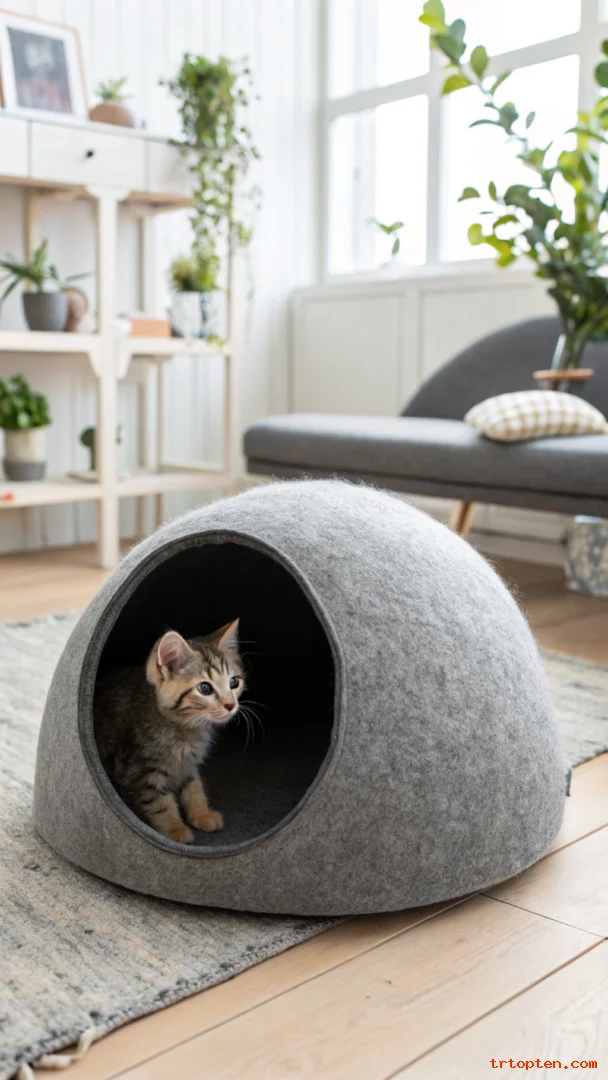
Cats sleep up to sixteen hours every day. A regular cushion cannot support their bodies correctly.
Pet parents want their companions to feel secure and warm. Finding top ten essential features for a perfect cat bed ideas solves this daily challenge.
Choosing the right resting place protects feline joints and reduces anxiety. Your feline friend deserves a dedicated spot that promotes deep rest.
1. High-Density Orthopedic Memory Foam Support
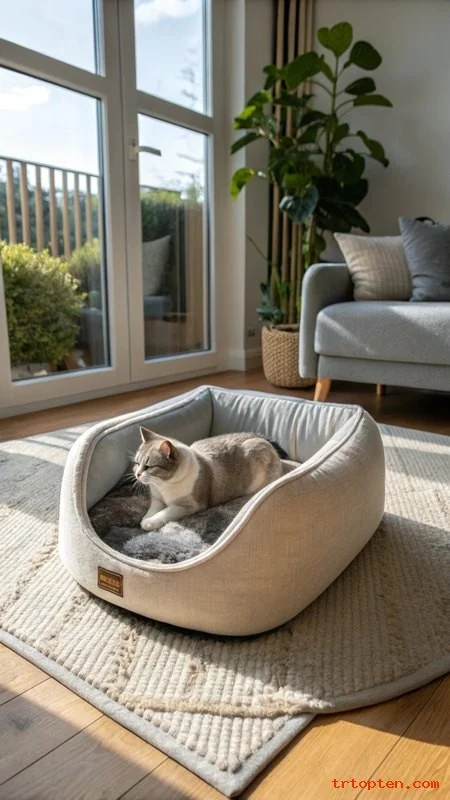
Cats need steady joint support during long resting hours. Aging pets especially suffer from stiffness and hip discomfort.
High-density memory foam contours to the animal’s exact body contours. The material relieves pain by evenly distributing heavy pressure spots.
Low-quality cotton pads flatten quickly under normal daily use. Dense foam keeps its original shape across several years of napping.
2. Raised Bolsters and Supportive Walls
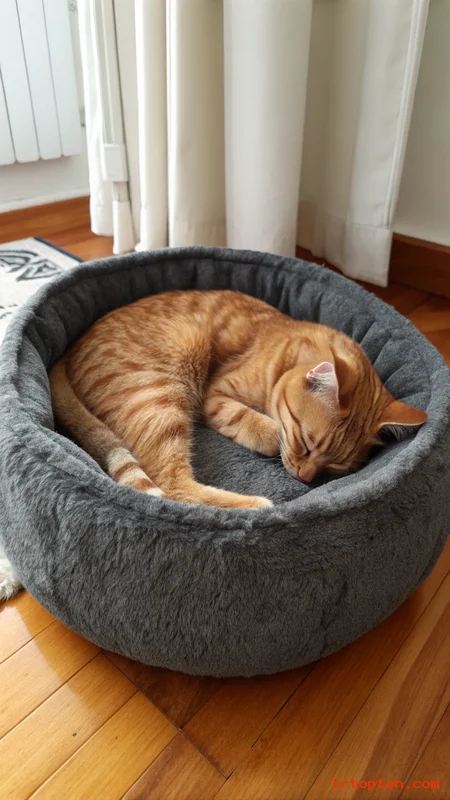
Felines naturally crave protected boundaries when they relax. Raised edges satisfy their ancient instincts to hide from predators.
Firm outer bolsters act like built-in pillows for tired necks. Cats lean their spines securely against the firm padded edges.
Enclosed perimeters block chilly drafts along cold living room floors. This safe construction lowers daily stress levels noticeably.
3. Fully Removable and Machine-Washable Outer Covers
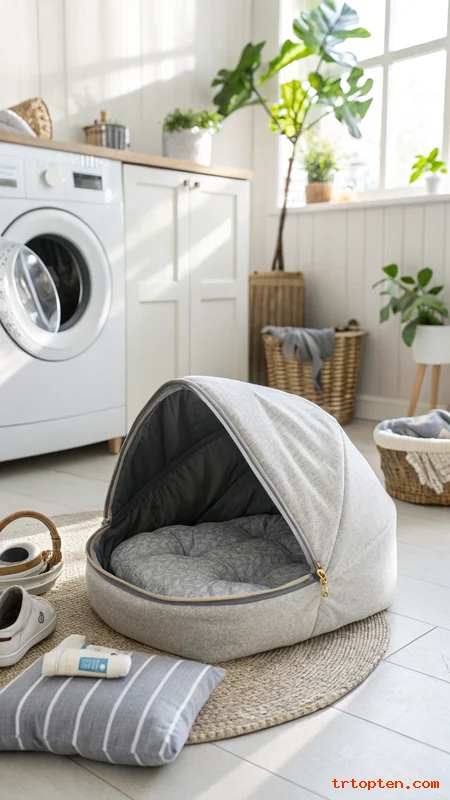
Feline bedding collects loose fur and dander continuously. Dirty fabrics irritate sensitive skin and ruin home indoor freshness.
Smart pet beds feature heavy-duty zippers around every cushion edge. You peel the outer fabric layer off in seconds.
Washing machines cleanse these fabric shells on standard gentle cycles. Frequent cleaning eliminates stubborn fleas and foul odors effortlessly.
4. Nonslip Rubberized Waterproof Bottom Base
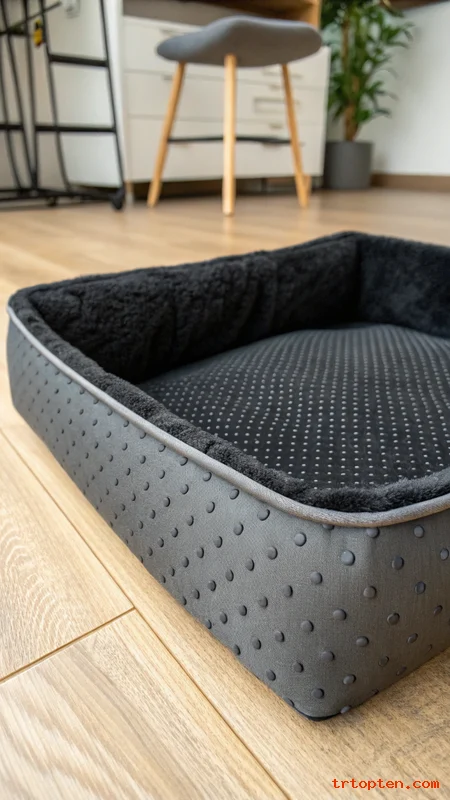
Playful cats leap into their sleeping spots with huge momentum. Light baskets slide across slippery hardwood floors without warning.
Tough bottom dots made from silicone grip smooth tiles securely. The stable base stops accidental slides during energetic midnight sprints.
A hidden waterproof layer shields internal foam from unexpected moisture. Damp kitchen floors never ruin the expensive interior mattress core.
5. Breathable and Hypoallergenic Cover Fabrics
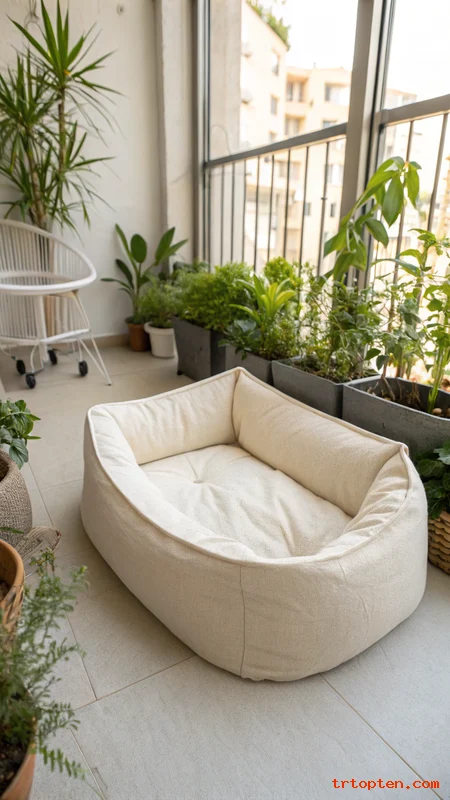
Synthetic cheap cloths trap body heat during warm summer afternoons. Overheated animals abandon warm resting corners entirely.
Pure cotton weaves allow cooling breezes to flow across resting paws. Natural linen threads prevent itchy allergic flare-ups on pink skin.
Soft textured surfaces mimic natural mother cat fur wonderfully. Sensitive kitties snooze soundly without endless scratching sessions.
6. Self-Warming Thermal Insulation Core
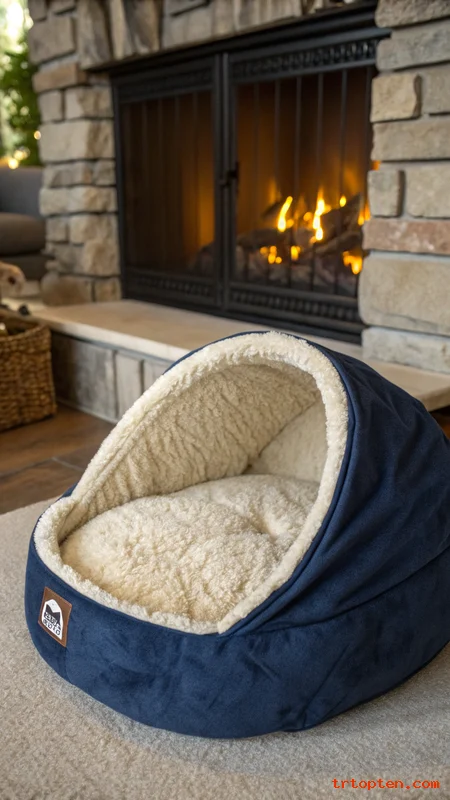
Felines search constantly for sunny patches and radiator heat. Their small bodies shed valuable warmth rapidly while sleeping deeply.
Modern thermal beds pack mylar reflective sheets between fleece sheets. This brilliant core bounces natural body warmth right back inward.
No dangerous electrical cords threaten curious chewing teeth here. The system operates silently without increasing monthly electric utility bills.
7. Deep Cave Hood for Privacy
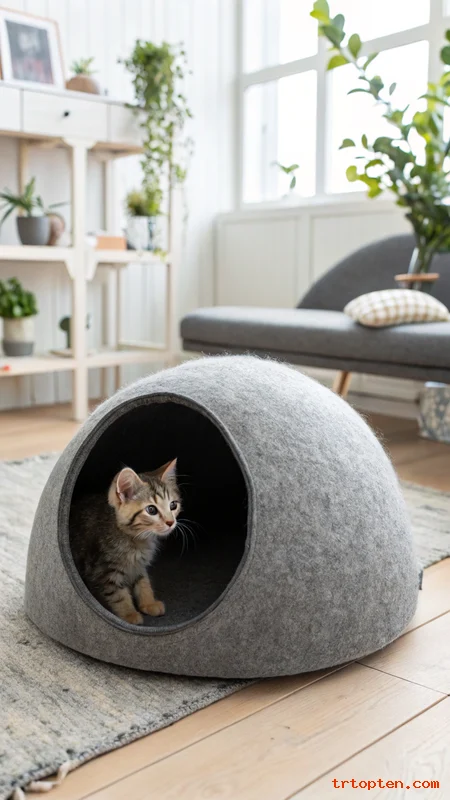
Timid animals require private retreats away from active household noise. Open floor pillows leave nervous rescue cats feeling fully exposed.
A domed roof builds an intimate sanctuary for shy personalities. Enclosed ceilings muffle loud television sounds and footsteps effectively.
Cats curl inside these dim caves for undisturbed daytime naps. The cozy setup boosts deep sleep cycles significantly every day.
8. Scratch-Resistant Heavy-Duty Stitching
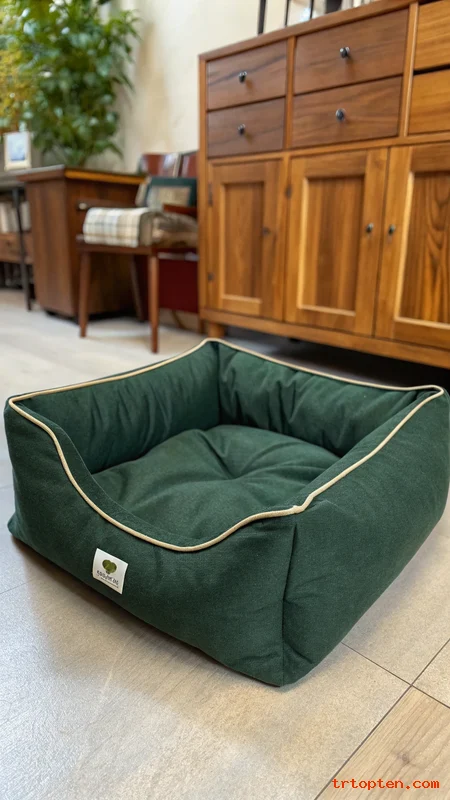
Claws stretch outward instinctively whenever cats wake from naps. Delicate silk fabrics tear apart under standard nail kneading routines.
Reinforced seams handle aggressive kneading sessions without bursting open. Heavy canvas materials resist sharp puncture wounds exceptionally well.
Double-stitched borders lock internal padding inside permanently. Tough threads protect pet parents from costly frequent product replacements.
9. Modular Two-in-One Convertible Structure
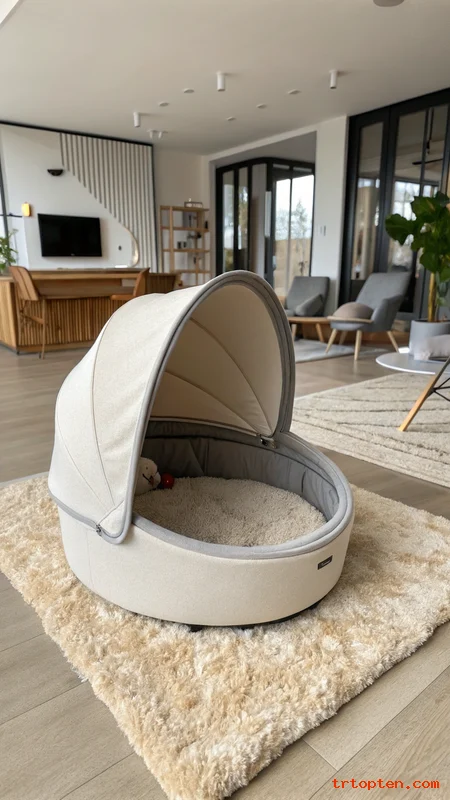
Changing room temperatures change how our pets like to curl. A layout that works during January feels wrong during July.
Foldable frames collapse easily into flat open lounge pads. Pet parents press the flexible top down with one hand.
This versatile setup accommodates different resting postures easily. Your companion enjoys customized personal choices through every distinct season.
10. Non-Toxic Pet-Safe Manufacturing Materials
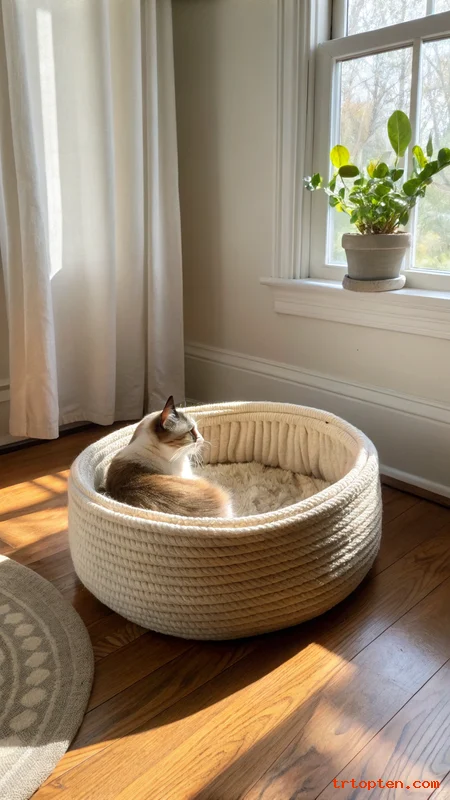
Curious cats lick their sleeping surfaces during daily grooming rituals. Harsh chemical dyes leach poisons into sensitive pet tongues.
Certified safe beds use water-based bonding adhesives and organic vegetable dyes. Trustworthy manufacturing keeps harmful formaldehyde away from delicate feline lungs.
Clean production choices guard against painful respiratory breathing issues. Your cat breathes fresh air safely during eight-hour slumber blocks.
Frequently Asked Questions
Where should I place a new cat bed at home?
Put the bed in a quiet corner away from heavy foot traffic. Cats prefer warm elevated areas where they observe daily household actions safely.
How often should I wash cat bedding?
Wash the removable outer cover every two weeks under normal conditions. Clean it weekly if your pet goes outside or sheds heavy fur.
Why does my cat ignore the expensive new bed?
Familiar scents help pets accept unfamiliar furniture quickly. Place an old worn t-shirt inside the bed to make the area welcoming.
What size bed works best for large breed cats?
Large breeds need spacious oval beds measuring at least twenty-four inches across. Measure your cat from nose to tail tip before buying.
Are heated electric cat beds safe for unsupervised use?
Self-warming thermal beds using reflective insulation layers provide the safest option. Electric heated pads demand constant monitoring to prevent accidental wire chewing.
Can orthopedic memory foam help young kittens?
Young kittens do not require dense orthopedic foam support yet. Soft washable plush fabrics work better for small developing bodies.
What materials deter cat hair from sticking permanently?
Tightly woven canvas and smooth microfiber fabrics repel loose cat hairs effectively. Fur lifts off these smooth surfaces using a simple lint roller.
Do cats prefer covered caves or open cushions?
Curious pets like open cushions with high walls to watch room activity. Timid or anxious animals prefer covered cave designs for complete concealment.
Conclusion
Every cat exhibits unique sleeping habits and comfort preferences. Picking a bed with high-density foam, washable fabrics, and secure walls ensures healthy sleep cycles. Review these ten critical structural qualities before making your next pet purchase.
Your feline companion will enjoy cleaner air, healthier joints, and peaceful naps every single day.