
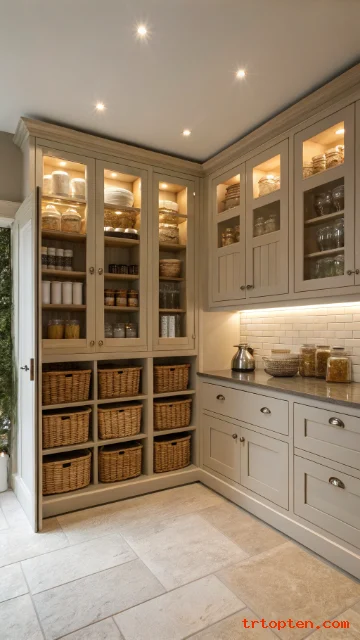
L-shaped kitchens are among the most popular layouts for good reason. They use two adjoining walls to create an efficient work triangle while keeping the center of the room open.
Install a Kitchen Island for Extra Counter Space
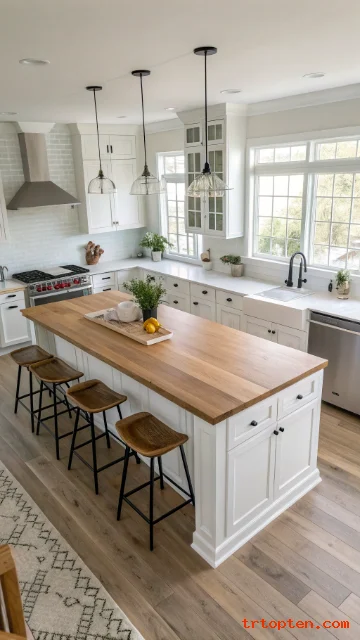
An island transforms an L-shaped kitchen into a multi-functional hub. It adds prep space, storage, and seating all in one central location. You can install cabinets underneath for hidden storage or use the surface for casual dining.
The island works best when you leave at least 36 inches of clearance around it. This ensures smooth traffic flow and prevents the space from feeling cramped. A well-placed island can even define different zones within an open-plan layout.
Consider a narrow island if your kitchen is on the smaller side. A slim profile preserves walkways while still offering valuable workspace. You can also add a breakfast bar overhang for quick meals.
Add a Peninsula Instead of a Full Island
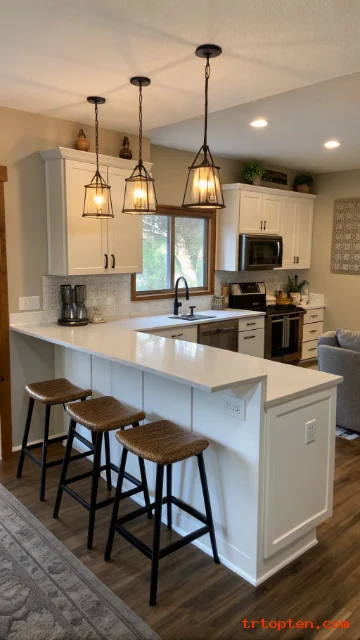
A peninsula extends from one leg of the L and works wonderfully in tighter spaces. It provides the benefits of an island without requiring as much floor area. This approach keeps sightlines open while adding prep space and casual seating.
Peninsulas are often more budget-friendly than islands. They require less material and simpler installation. You can still incorporate storage drawers or open shelving beneath the countertop.
The peninsula creates a natural boundary between the kitchen and adjacent living areas. This is especially useful in open-concept homes where you want defined zones. It also gives guests a place to sit and chat while you cook.
Maximize Corner Storage with Smart Solutions
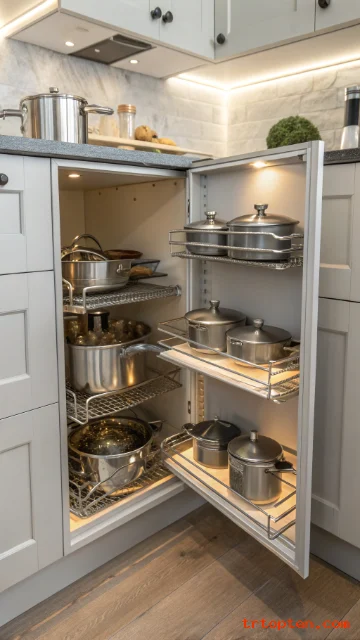
The corner is often wasted space in L-shaped kitchens. Modern hardware like lazy Susans and pull-out organizers can change that completely. These solutions make every inch of the corner accessible and useful.
LeMans pull-out systems are particularly effective for blind corners. They bring items to you rather than forcing you to reach deep into the cabinet. Diagonal corner cabinets also offer a clever alternative to standard designs.
In smaller kitchens, optimizing the corner can increase usable storage by nearly 40%. This makes a dramatic difference without expanding the footprint. Choose a solution that fits your budget and cooking habits.
Choose Two-Toned Cabinetry for Visual Interest
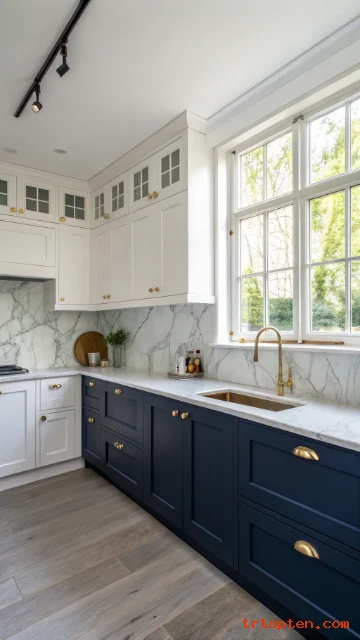
Two-toned cabinetry breaks up the visual field in a compact L-shaped layout. Painting upper cabinets white to match the walls brightens dark spaces effectively. This simple trick makes the kitchen feel bigger than it actually is.
You can pair light upper cabinets with darker lower ones for balance. This creates depth and prevents the space from feeling flat. The contrast also draws the eye upward, making ceilings appear higher.
Many designers recommend white or light colors on the shorter leg of the L. This keeps the layout visually lighter and improves movement flow. Experiment with different color combinations to find what suits your style.
Use Open Shelving to Lighten the Look
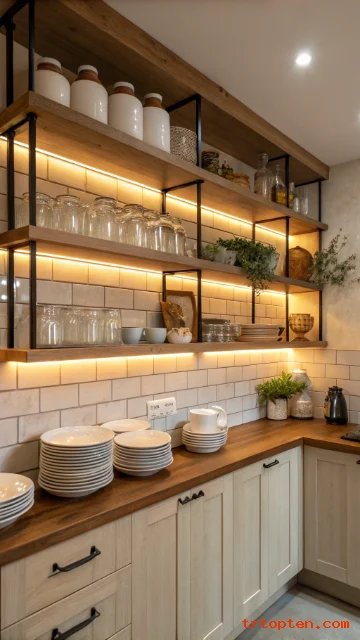
Open shelving replaces heavy upper cabinets on one wall. This makes an L-shaped kitchen feel significantly larger and more airy. It also gives you a place to display beautiful dishes and decorative items.
Install open shelves on the shorter wall of the L for best results. This keeps the layout balanced while reducing visual clutter. You can also add under-shelf lighting to create depth and warmth.
Be mindful of what you place on open shelves. Keep frequently used items within easy reach and style the rest thoughtfully. This approach works especially well in modern and minimalist kitchens.
Incorporate a Breakfast Bar for Casual Dining
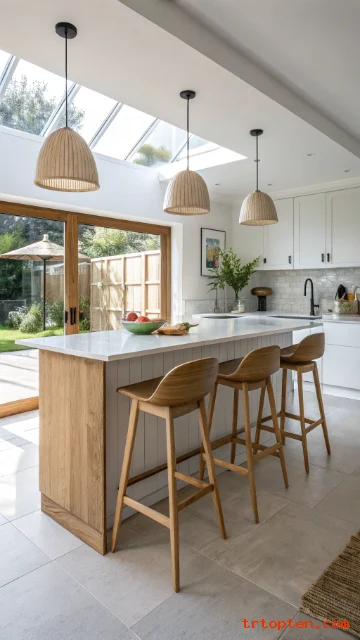
A breakfast bar adds seating without taking up extra floor space. You can create one by extending the countertop beyond the cabinets. This gives you a spot for quick meals and morning coffee.
The breakfast bar works best when placed at the end of one leg of the L. This location keeps it accessible without disrupting the work triangle. You can add bar stools that tuck underneath when not in use.
Breakfast bars are especially useful in small apartments. They eliminate the need for a separate dining table. This frees up valuable square footage for other purposes.
Install Under-Cabinet Lighting for Task Illumination
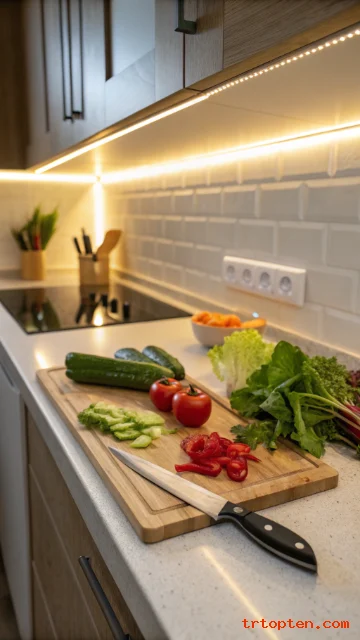
Under-cabinet lighting shines directly onto countertops. This makes meal preparation safer and more enjoyable. It also adds a warm glow that enhances the overall ambiance.
LED strips are the most popular choice for under-cabinet lighting. They are energy-efficient and provide consistent brightness. Choose a high CRI rating for accurate color rendering while cooking.
Layered lighting works best in L-shaped kitchens. Combine under-cabinet lights with overhead fixtures and pendants. This creates a well-lit space that functions beautifully at any hour.
Create the Work Triangle for Maximum Efficiency
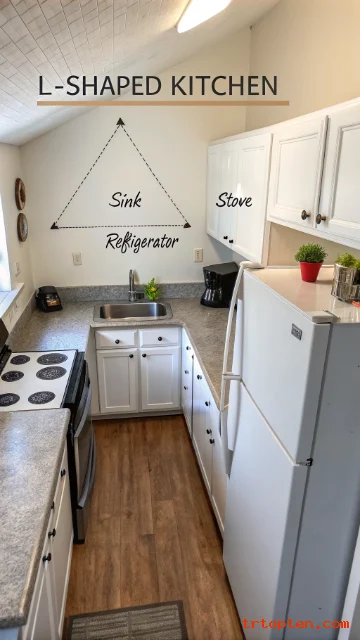
The work triangle connects the sink, stove, and refrigerator. Each element should be within easy reach of the others. This reduces unnecessary steps and makes cooking more enjoyable.
In an L-shaped kitchen, the work triangle forms naturally. Place the sink on one leg and the stove on the other. Position the refrigerator near the corner for balanced access.
Keep the triangle legs between 4 and 9 feet for optimal efficiency. This range prevents crowding while minimizing travel distance. A well-planned triangle is the foundation of any great kitchen.
Choose Compact Appliances for Small Spaces
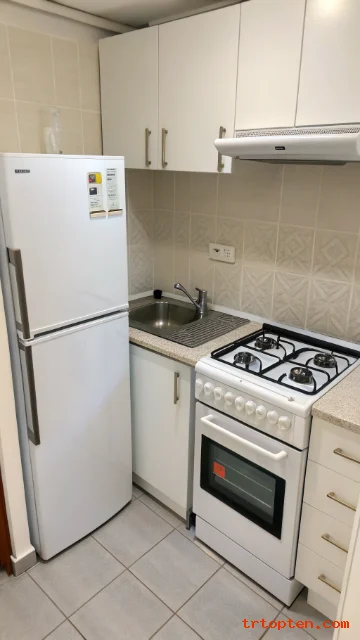
Compact appliances improve workflow in small L-shaped kitchens. They take up less room while still meeting your cooking needs. This leaves more space for storage and movement.
Consider a slim dishwasher or a compact refrigerator. These appliances fit neatly into the L-shaped layout without overwhelming the space. Built-in models integrate seamlessly into cabinetry.
Oversized appliances can make a small kitchen feel cramped. Choose the smallest size that meets your household’s needs. This simple decision can transform how the kitchen functions.
Use Light Colors to Expand the Space
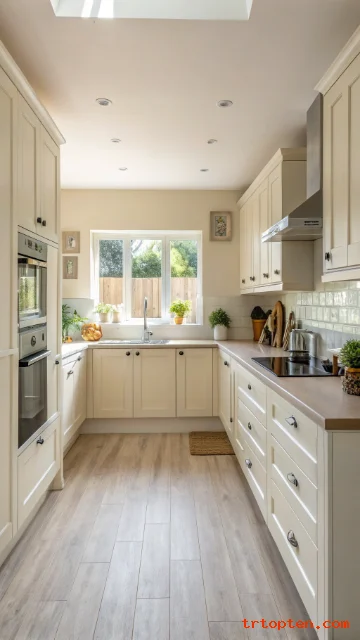
Light colors make small kitchens feel larger. White, cream, and pale gray reflect natural and artificial light effectively. These shades also create a calm and inviting atmosphere.
Paint walls and cabinets in soft, neutral tones. Pair them with light-colored countertops and backsplashes. This cohesive palette prevents the space from feeling boxed in.
You can add warmth with natural wood accents. A pale oak floor or wooden shelves provide texture without darkening the room. This balance keeps the kitchen bright and welcoming.
Add a Pop of Color with Bold Accents
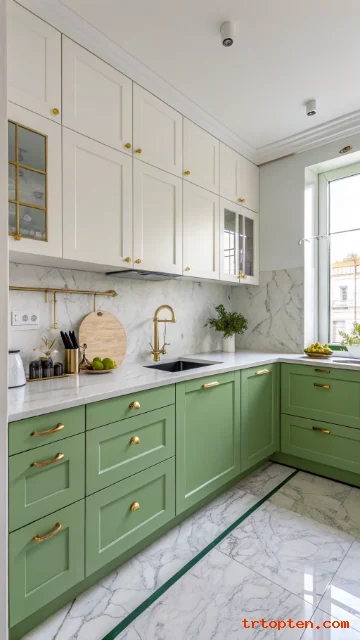
Vibrant colors add personality to an L-shaped kitchen. You have plenty of cabinet fronts to experiment with. Choose a bold shade for the island or a single wall of cabinets.
Salmon pink, pistachio green, and navy blue are popular choices. These colors create a striking contrast with neutral surroundings. They also make the kitchen feel unique and custom-designed.
Balance bold colors with light countertops and flooring. This prevents the space from feeling overwhelming. A single accent wall or cabinet run is often enough to make a statement.
Install Glass-Front Cabinets for Depth
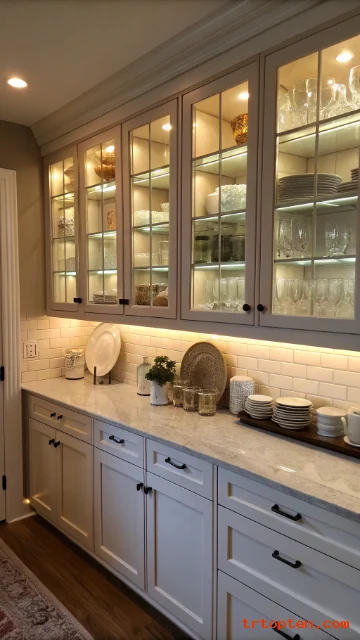
Glass-front cabinets add visual depth to an L-shaped kitchen. They reflect light and make the space feel more open. This is especially effective in corners where walls converge.
Use glass-front cabinets on the upper row for best results. This keeps the layout feeling light and airy. Display beautiful dishes or glassware to enhance the aesthetic.
Choose low-iron glass to avoid a green tint. This ensures true color representation and maximum brightness. Glass-front cabinets work well in both traditional and contemporary designs.
Use Handleless Cabinets for a Clean Look
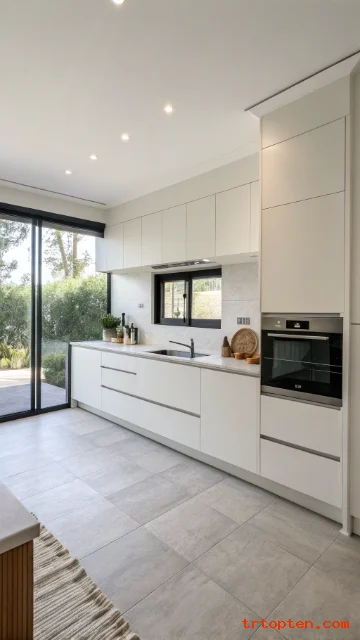
Handleless cabinets create a sleek, minimalist aesthetic. They reduce visual noise and make the kitchen feel more spacious. This design choice is perfect for modern and contemporary spaces.
Integrated handles or push-to-open mechanisms keep the look clean. These systems are practical and easy to use. They also eliminate the risk of catching clothing on protruding hardware.
Handleless cabinets work well in small L-shaped kitchens. The streamlined appearance prevents visual clutter. This makes the space feel more organized and calm.
Add a Full-Height Pantry for Extra Storage
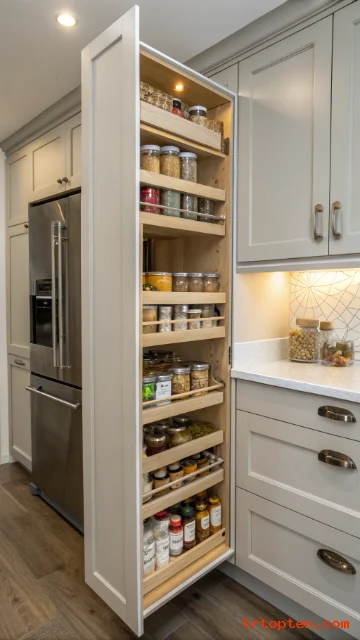
A full-height pantry provides ample storage in a small footprint. Place it on the short leg of the L for maximum efficiency. This keeps bulk items organized and easily accessible.
Use pull-out trays inside the pantry for better organization. These make it easy to see and reach everything. You can store dry goods, small appliances, and cleaning supplies.
Keep pantry depth between 14 and 18 inches. This prevents the unit from overwhelming the space. A tall pantry is one of the most effective small kitchen storage solutions.
Incorporate Mixed-Depth Base Cabinets
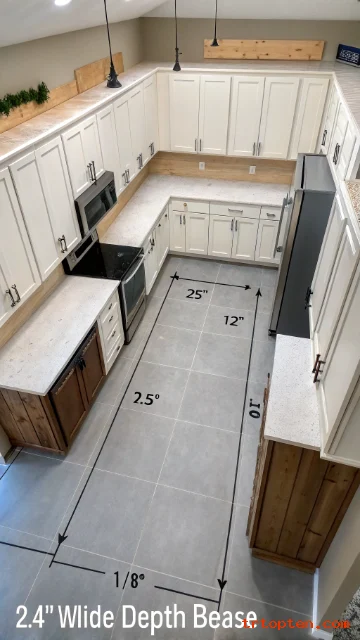
Mixed-depth base cabinets widen the aisle in a small kitchen. This improves traffic flow and makes the space feel larger. You can use shallower cabinets on one leg to create more walking room.
Standard cabinets are typically 24 inches deep. Reducing the depth on one side to 18 inches can make a significant difference. This still provides ample storage while opening up the floor space.
This approach is especially useful in narrow kitchens. It prevents the L-shape from feeling cramped. The shallower cabinets can also serve as a display area for decorative items.
Use Glass Backsplashes to Bounce Light
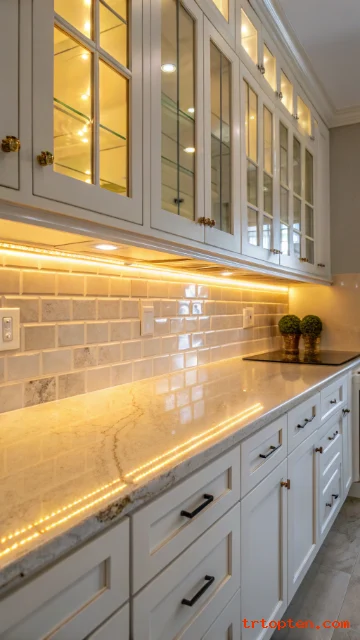
Glass backsplashes reflect light and make the kitchen feel brighter. They are easy to clean and maintain. This makes them a practical choice for busy households.
A glass backsplash amplifies task lighting and makes a short L-run feel longer. It also creates a seamless, modern look. Choose a color that complements your cabinets and countertops.
Tempered, low-iron glass is the best choice for backsplashes. This prevents the green tint that standard glass can have. The result is a bright, reflective surface that enhances the entire kitchen.
Create a Social Hub with a Central Island
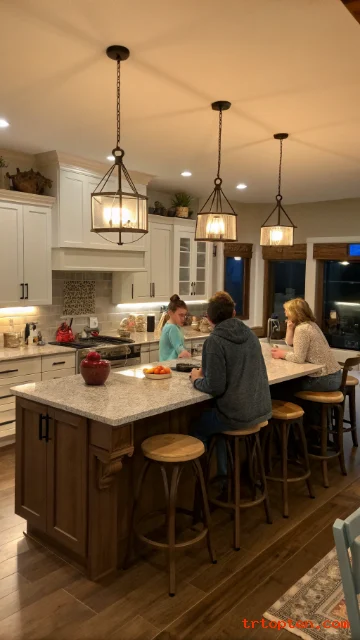
An island turns an L-shaped kitchen into a social gathering spot. It invites guests to gather while you cook. This makes the kitchen the heart of the home.
Use the island for casual meals, homework sessions, or evening drinks. It adapts to your family’s needs throughout the day. This versatility is one of the island’s greatest strengths.
A multi-level island separates prep and dining zones. This keeps the workspace organized while providing a dedicated eating area. It is a smart investment for any L-shaped kitchen.
Use Vertical Storage to Maximize Space
Vertical storage is more valuable than adding more base cabinets. Tall cabinets and open shelving use wall space efficiently. This keeps countertops clear and organized.
Install cabinets that reach the ceiling for maximum storage. This eliminates dust-collecting gaps and adds visual height. You can store rarely used items on the top shelves.
Vertical storage is especially important in small L-shaped kitchens. It makes the most of every square inch. This approach also draws the eye upward, making the room feel taller.
Add a Rolling Island for Flexibility
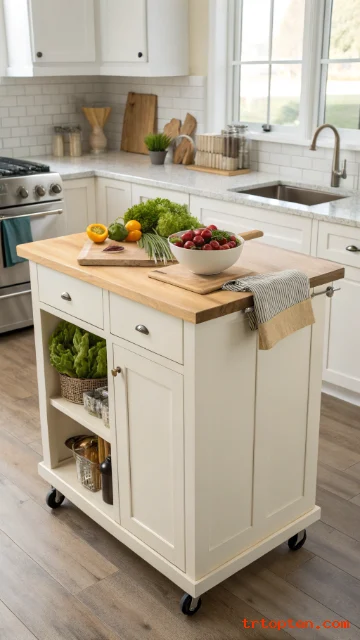
A rolling island offers flexibility in a compact L-shaped kitchen. You can move it where you need it and tuck it away when not in use. This adaptability is perfect for multi-purpose spaces.
Choose a mobile unit with locking casters for stability. A butcher block top provides a durable work surface. You can also use it as a serving cart for entertaining.
Rolling islands are a budget-friendly alternative to fixed islands. They offer many of the same benefits at a lower cost. This makes them an excellent choice for renters or temporary spaces.
Use Track Lighting for Targeted Illumination
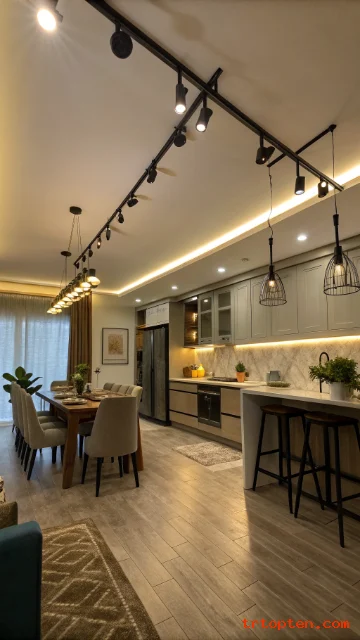
Track lights allow you to aim light where you need it most. This is especially useful in an L-shaped layout with multiple zones. You can direct light toward prep areas, dining spaces, or decorative features.
Adjustable track heads provide maximum flexibility. You can reposition them as your needs change. This makes track lighting a practical and versatile choice.
Track lighting works well in modern and contemporary kitchens. It adds a sleek, industrial touch to the space. Pair it with under-cabinet lights for a complete lighting plan.
Install a Pot Filler Above the Stove
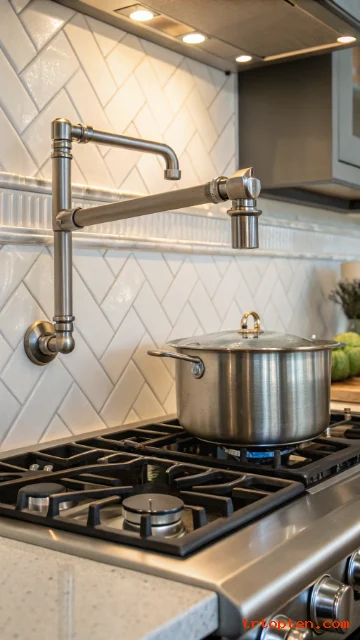
A pot filler faucet above the stove adds convenience to cooking. It eliminates the need to carry heavy pots from the sink. This is a small luxury that makes a big difference.
The pot filler mounts on the wall behind the stove. It swings out over the burners for easy filling. This feature is especially useful for large pots of pasta or soup.
A pot filler adds a professional touch to any L-shaped kitchen. It is a popular feature in high-end designs. The convenience it provides makes it worth the investment.
Use Contrasting Materials for Visual Balance
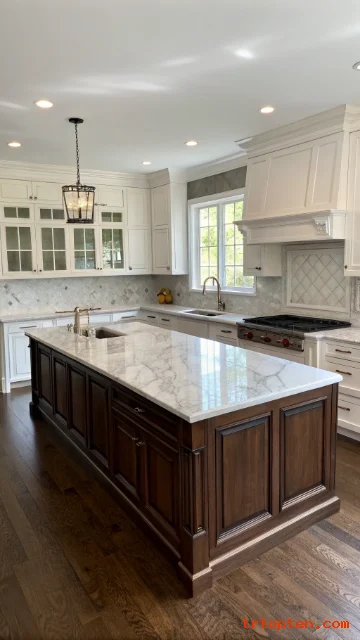
Contrasting materials add depth and interest to an L-shaped kitchen. Pair light cabinets with a dark island for a striking effect. This creates visual balance without overwhelming the space.
Popular combinations include white cabinets with a dark walnut island. Light oak cabinets work well with matte black accents. These pairings add warmth and sophistication.
Contrasting materials also help define different zones. The island becomes a distinct area within the open layout. This adds structure and visual interest to the design.
Add a Window Above the Sink
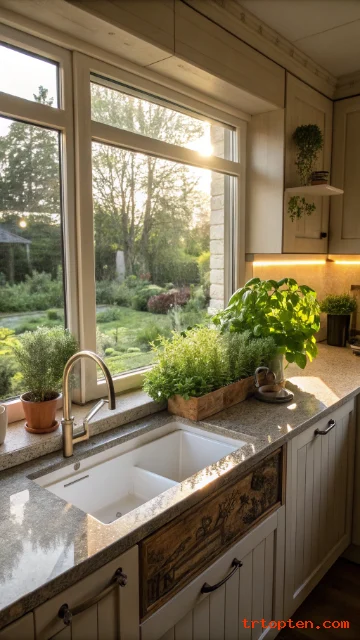
A window above the sink brings natural light into the kitchen. It also provides a pleasant view while washing dishes. This simple feature can transform the entire space.
The window placement is especially effective in L-shaped kitchens. Position it on the longer leg of the L for maximum impact. This keeps the work area bright and cheerful.
Consider a window with a wide sill for small plants or herbs. This adds a touch of nature to the kitchen. It also makes the space feel more connected to the outdoors.
Use Patterned Floor Tiles for Character
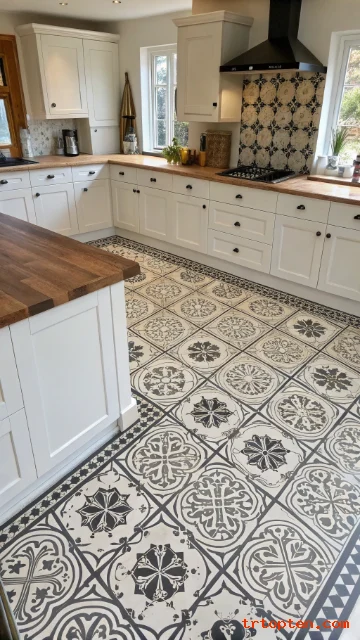
Patterned floor tiles add personality to an L-shaped kitchen. They create visual interest without competing with the cabinets. This is a great way to introduce color and pattern.
Choose tiles that complement your overall color scheme. A subtle pattern works well in smaller kitchens. Bold patterns can make a dramatic statement in larger spaces.
Patterned tiles are durable and easy to clean. They are a practical choice for high-traffic areas. This makes them ideal for busy family kitchens.
Create a Dedicated Coffee Station
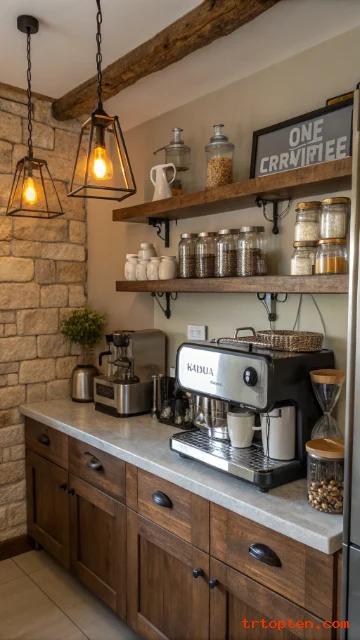
A coffee station keeps your morning routine organized. Designate a corner of the L for your coffee maker and supplies. This keeps everything in one convenient location.
Include open shelves or a small cabinet for mugs and coffee beans. Add a power strip for multiple appliances. This creates a functional and attractive coffee corner.
A coffee station is a popular feature in modern L-shaped kitchens. It adds convenience and personality to the space. This small addition can make a big difference in your daily routine.
Use Warm Wood Accents for Texture
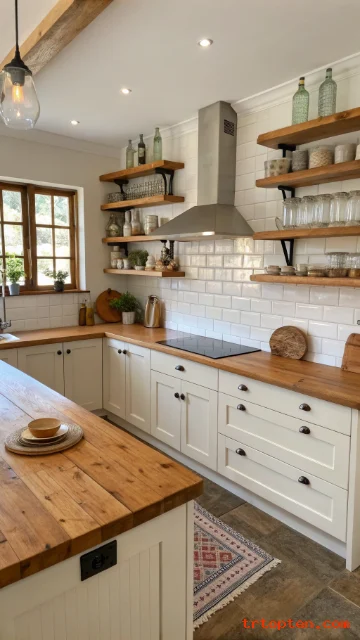
Warm wood accents add texture and coziness to an L-shaped kitchen. Wooden shelves, countertops, or flooring bring natural warmth. This softens the hard surfaces and creates a welcoming atmosphere.
Wood pairs beautifully with white or neutral cabinets. It adds contrast without overwhelming the space. This combination is timeless and versatile.
Choose a wood finish that complements your overall design. Lighter woods work well in small kitchens. Darker woods add richness and sophistication to larger spaces.
Keep One Wall Visually Lighter
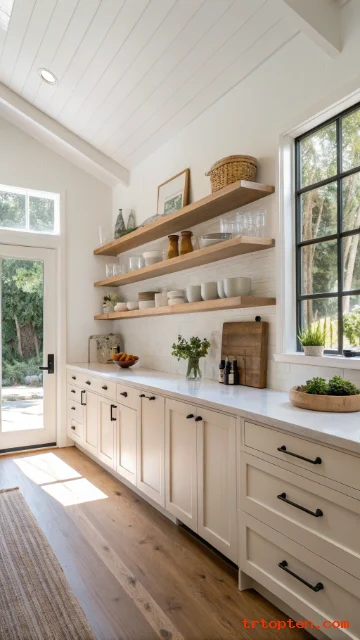
Keeping one wall visually lighter improves movement flow. This prevents the L-shape from feeling boxed in. It is a simple trick that makes a big difference.
Use open shelves or fewer upper cabinets on the shorter wall. This creates a sense of openness and airiness. It also gives the eye a place to rest.
This approach works well in both small and large kitchens. It keeps the layout balanced and inviting. A visually lighter wall is one of the easiest ways to improve your L-shaped kitchen.
What is an L-shaped kitchen?
An L-shaped kitchen uses two adjoining walls that meet at a right angle to form the shape of the letter L. Cabinets and appliances run along both walls, leaving the center of the room open. This layout works well in spaces of all sizes.
What are the benefits of an L-shaped kitchen?
L-shaped kitchens offer excellent accessibility and flexibility. They create an efficient work triangle between the sink, stove, and refrigerator. They also provide plenty of storage while maintaining an open feel.
Can an L-shaped kitchen work in a small space?
Yes, L-shaped kitchens are ideal for small to medium apartments. They maximize corner space while keeping the central area open for movement. Light colors, reflective surfaces, and compact appliances enhance the feeling of space.
Should I add an island to my L-shaped kitchen?
An island adds counter space, storage, and seating to an L-shaped kitchen. It works best when you have at least 36 inches of clearance around it. In smaller kitchens, a peninsula or rolling island may be a better choice.
What is the kitchen work triangle?
The kitchen work triangle connects the sink, stove, and refrigerator. Each element should be within easy reach of the others. This reduces unnecessary steps and makes cooking more efficient.
What is the best corner storage solution for an L-shaped kitchen?
Lazy Susans, pull-out organizers, and LeMans systems are excellent corner storage solutions. These make the corner accessible and prevent wasted space. Choose a solution that fits your budget and storage needs.
How can I make my L-shaped kitchen feel larger?
Use light colors, reflective surfaces, and under-cabinet lighting. Reduce upper cabinets on one wall and use open shelving instead. Choose compact appliances and keep the layout visually clean.
Conclusion
These 27 L-shaped kitchen design ideas offer practical solutions for every space and style. From clever corner storage to stunning island designs, each idea maximizes functionality while enhancing visual appeal.