
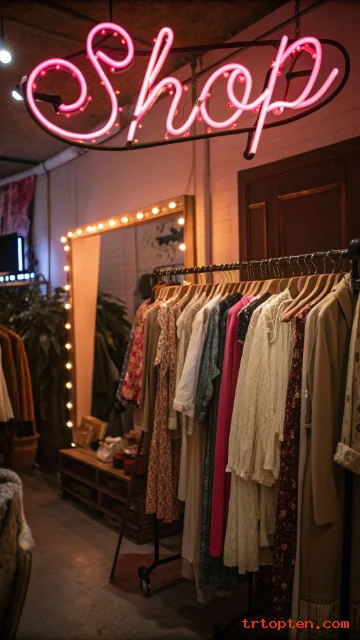
Pop up shops give brands a powerful way to connect with customers in person. These 26 pop up shop display ideas will transform your temporary retail space into a destination that draws crowds and drives sales.
Vertical Shelving Systems
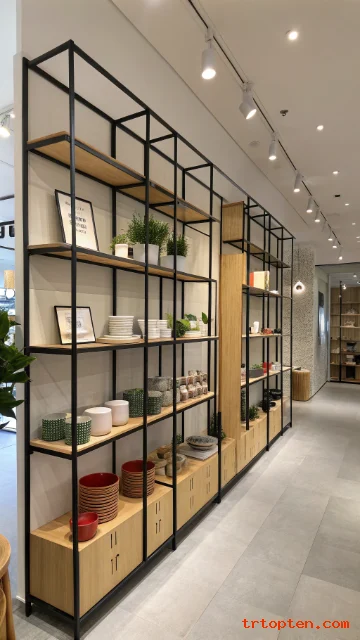
Vertical shelving systems maximize your floor space by drawing the eye upward. Tall, slim units take up minimal ground area while offering multiple levels for product placement. This approach works especially well in small pop-up locations where every square foot matters.
Tiered or staggered shelving catches the eye and makes products feel more accessible. Shoppers naturally browse from top to bottom, so place your hero products at eye level. Use the lower shelves for bulkier items or secondary merchandise. Vertical displays also create a sense of abundance without cluttering the floor.
Pegboard Display Walls
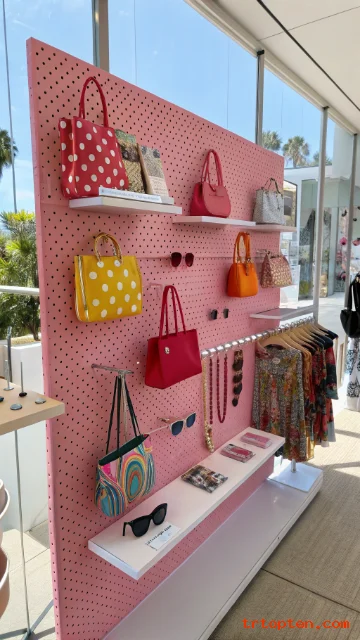
Pegboard panels offer incredible flexibility for any pop-up display. You can rearrange hooks, shelves, and bins in minutes to accommodate different products. This adaptability makes pegboards perfect for brands that rotate stock frequently. Paint your pegboard in your brand colors for an instant personality boost.
Use it to hang everything from jewelry and accessories to small home goods and packaged items. The open grid structure keeps the space feeling airy and uncluttered. Customers appreciate seeing products displayed clearly without obstruction.
Rolling Display Carts
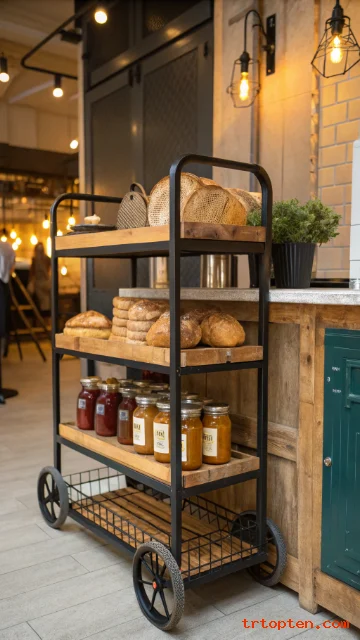
Rolling carts serve double duty as display and storage solutions. You can move them around your space to adapt to foot traffic patterns. The top shelf works perfectly for hero products or daily specials.
Use the lower levels to store extra stock, packaging supplies, or promotional materials. A vintage-style baker’s cart adds rustic charm, while a sleek stainless steel trolley suits modern brands. Position a cart near your checkout area for last-minute impulse purchases. You can also wheel it outside to attract passersby.
Modular Cube Storage
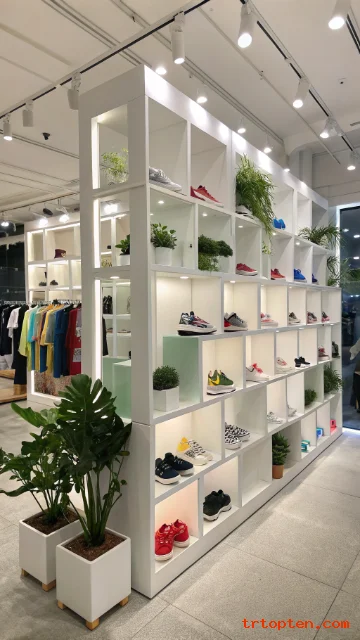
Modular cube shelves stack together to create custom display configurations. You can arrange them in different heights and patterns to suit your space. These lightweight units pack flat for easy transport between events. Mix and match colors or fabrics inside each cube for visual variety.
Place your most Instagram-worthy items in the front cubes to catch attention. The open cube design invites customers to browse and discover products naturally. This system works for everything from clothing to home decor to packaged foods.
Hanging Fabric Shelves
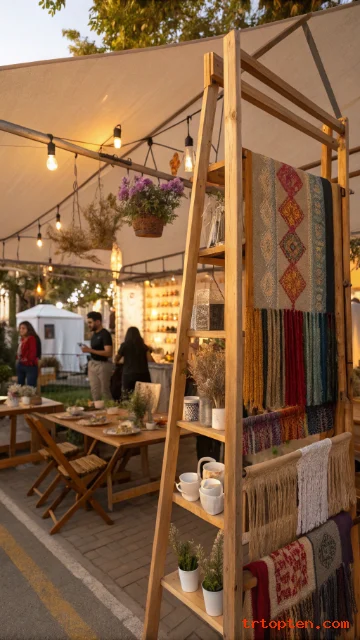
Hanging fabric shelves add softness and texture to any display. These lightweight shelves fold flat for transport and require no tools to install. Canvas or linen materials bring a bohemian feel that balances hard surfaces. Use tension rods or hooks to hang them from existing structures.
They work wonderfully for displaying tea towels, aprons, scarves, or small accessories. The soft fabric creates visual warmth that makes customers feel welcome. Choose neutral or earthy tones to maintain an artisanal, handmade aesthetic.
Foldable Metal and Wood Shelving
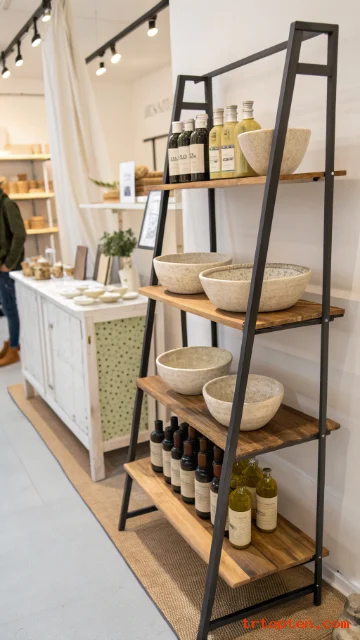
Foldable shelving units combine industrial style with practical portability. These units assemble quickly and pack away just as fast. The metal and wood construction looks polished enough for boutique settings. Neutral tones like black metal with natural wood pair well with almost any brand aesthetic.
These shelves handle heavier items like stoneware or glass bottles with ease. You can reuse them for future markets or even in your home studio. The foldable design saves storage space between pop-up events.
Statement Backdrop Walls
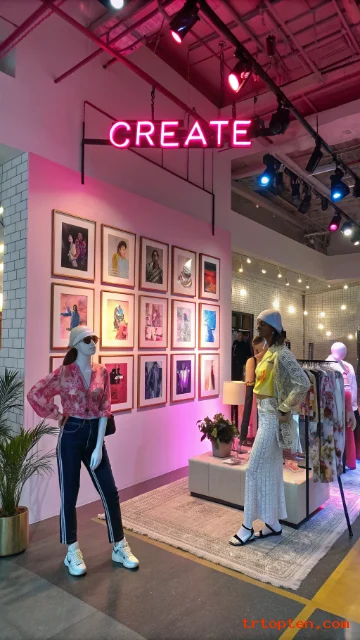
A statement backdrop wall instantly defines your pop-up space. Bold murals, gallery walls, or neon sign collections create visual impact. This feature becomes the perfect photo opportunity for social media sharing.
Use wall decals to prominently display your logo and brand colors throughout the space. A branded backdrop helps your pop-up travel further online. Customers love taking photos against interesting walls. This free marketing spreads awareness long after your pop-up closes.
Gridwall Display Panels
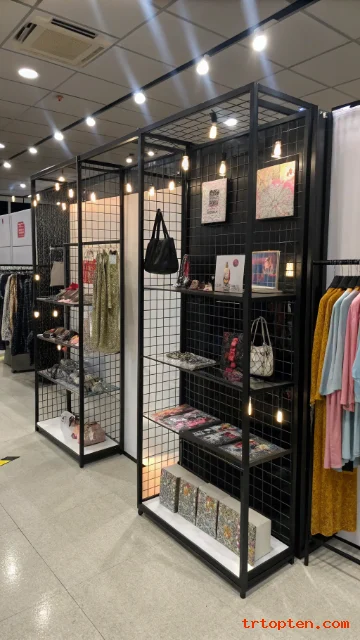
Gridwall panels offer lightweight yet sturdy display solutions for temporary setups. The metal wire construction supports various accessories like hooks, shelves, and bins. These panels work well for art shows, pop-up stores, and market stalls. You can configure them in countless ways to suit your product range.
The open grid design keeps displays looking organized and professional. Gridwalls break down flat for easy storage and transport. This makes them ideal for brands that move between multiple pop-up locations.
Acrylic Display Risers
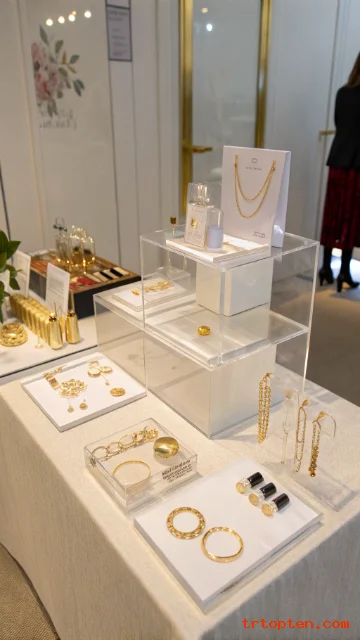
Acrylic risers elevate products to create visual hierarchy on tables and shelves. These clear stands make items feel premium and gallery-like. The transparent material does not distract from your merchandise.
Stack risers at different heights to add dimension to flat surfaces. Use them to highlight new arrivals or bestsellers. Acrylic risers work beautifully for cosmetics, jewelry, and small electronics. They are lightweight, durable, and easy to clean between uses.
Neon Sign Displays
Neon signs add instant personality and visual appeal to any pop-up. A well-placed neon sign draws customers from across the room. Choose a short, memorable phrase that communicates your brand message.
The warm glow creates an inviting atmosphere that encourages people to linger. Neon works particularly well for evening events or indoor markets. Position your sign behind the main display for maximum impact. Customers will naturally gravitate toward the light.
Speed Bump Displays
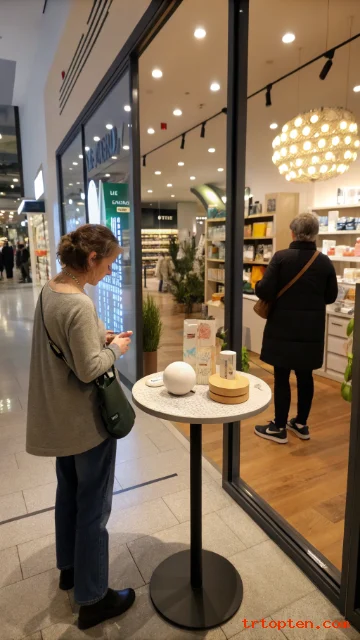
Speed bump displays are small, eye-catching features that slow shoppers down. These strategic interruptions increase dwell time and encourage browsing. Place them near entry points or along main traffic paths. A small table with samples, a unique prop, or an interactive element works perfectly.
Speed bumps disrupt the flow just enough to grab attention. Customers who stop to look are more likely to make a purchase. These displays prove that big impact does not require big space.
Themed Product Zones
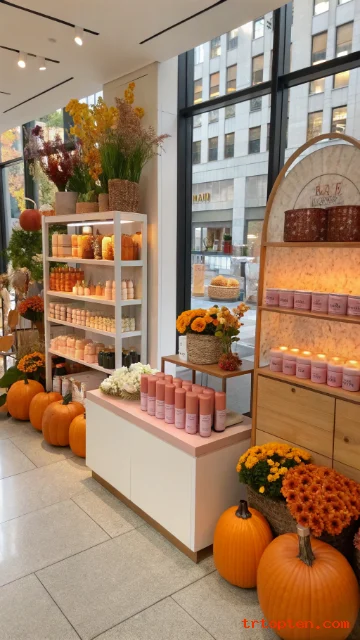
Themed zones create mini-experiences within your pop-up space. Each zone tells a different part of your brand story. Use consistent color palettes and props to reinforce each theme. Seasonal themes work particularly well for pop-ups.
Create a pumpkin spice zone for fall or a floral paradise for spring. These time-limited settings give customers a compelling reason to shop now. Themed zones also make your pop-up more memorable and shareable.
Interactive Digital Displays
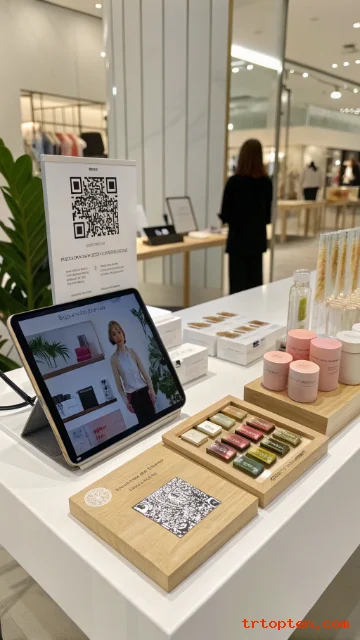
Digital displays add a modern touch to traditional retail setups. Place a tablet on your table to show your portfolio or product videos. Add a QR code sign that links to your website or booking page. Touchscreen product explorers let customers learn more about your offerings.
Digital elements bridge the gap between physical and online shopping. They also capture customer data for future marketing efforts. Interactive displays make your pop-up feel innovative and forward-thinking.
Gamified Engagement Stations
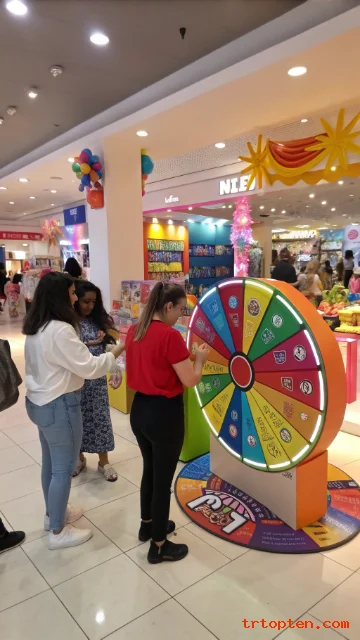
Gamified stations turn browsing into an interactive experience. Spin wheels, quizzes, and mystery reveals outperform static discounts. These games encourage opt-ins and make shopping fun.
Set up a spin-the-wheel for discounts or a quiz-based product finder. Customers remember brands that entertain them. Gamification also increases time spent in your pop-up. The longer people stay, the more likely they are to buy.
Augmented Reality Try-On Stations
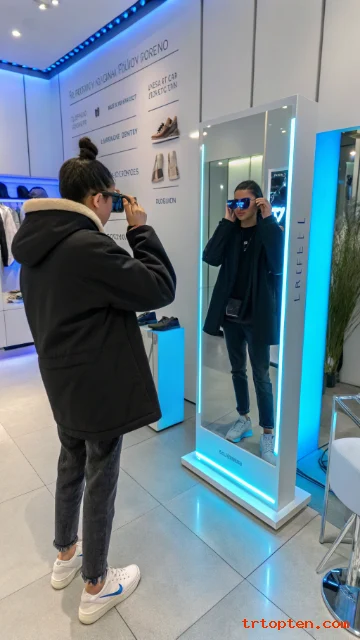
AR try-on stations let customers visualize products without physical samples. Virtual try-ons work especially well for cosmetics, accessories, and clothing. An AI-powered mirror can recommend products and display personalized compliments.
This technology creates a memorable, high-tech experience. Customers love sharing AR experiences on social media. The novelty factor draws crowds and generates buzz. AR stations position your brand as innovative and customer-focused.
Fitting Rooms for Clothing Pop-Ups
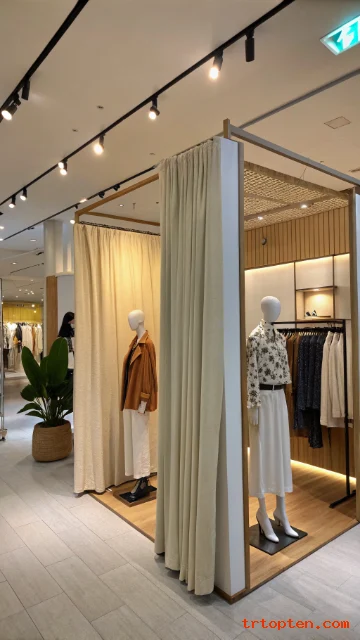
A fitting room transforms a clothing pop-up into a proper retail experience. Customers need to try items before they buy. A simple curtained area provides privacy and convenience. This small addition increases conversion rates significantly.
Shoppers are more likely to purchase when they can see how items fit. Fitting rooms also make your pop-up feel more professional and permanent. Invest in good lighting inside the fitting area for best results.
Clear Signage Systems
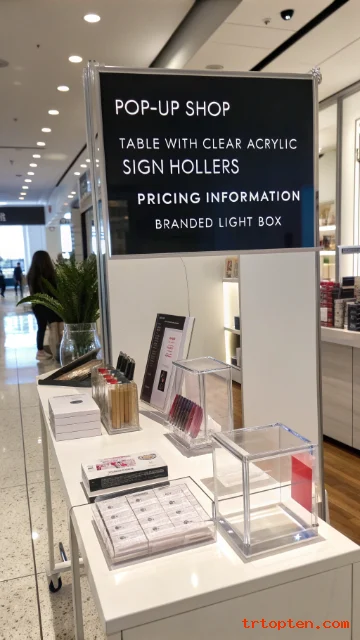
Clear signage helps customers navigate your pop-up and understand your brand. Desktop light boxes, acrylic sign holders, and magnetic systems all work well. Bold visuals help your table stand out from a distance.
Place your business name and logo where they are visible from afar. Include information like prices, product stories, or QR codes. Good signage reduces friction and answers questions before customers ask. This creates a smoother shopping experience.
Branded Apparel for Staff
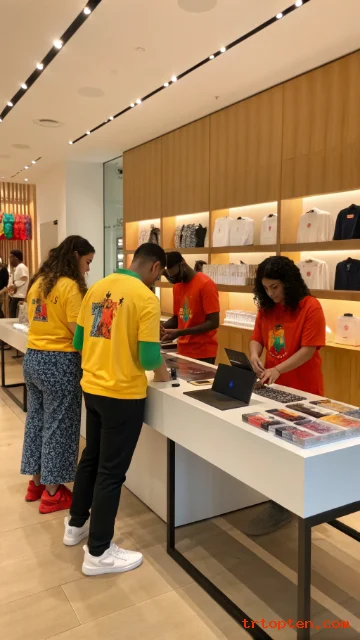
Staff wearing branded apparel instantly boosts credibility. Customers recognize your team members easily in a crowded space. Branded T-shirts or aprons make your business feel more professional. This small investment pays off in brand awareness.
Staff become walking advertisements for your pop-up. Choose comfortable, high-quality items that staff will actually want to wear. Consistent branding across your team creates a cohesive experience.
Takeaway Items for Brand Recall
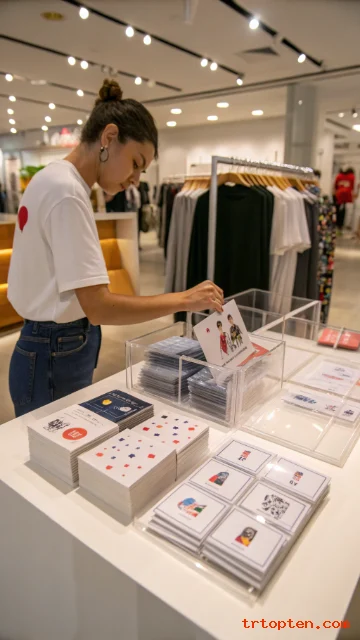
Takeaway items keep your brand in customers’ hands after they leave. Postcards, stickers, and flyers are affordable options. Display them on a stand or stack them neatly on your table. Encourage visitors to take one before they leave.
Include a discount code or social media handles for future engagement. Stickers with your logo or artwork make fun, memorable giveaways. These small items extend your pop-up’s reach beyond the event itself.
Strategic Lighting Techniques
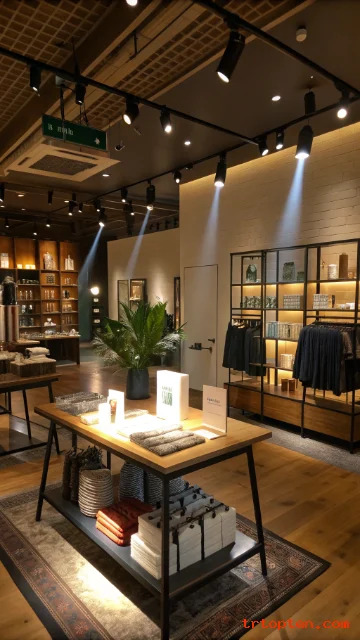
Lighting transforms any space and highlights your products effectively. Use spotlights to draw attention to specific items or focal points. Battery-operated string lights, clip-on spotlights, and LED lamps work great.
Avoid harsh overhead lights; aim for soft, even brightness. LED strip lights add mood effects and drama to your display. Good lighting makes products look their best and creates a welcoming atmosphere. Your pop-up’s lighting should match your brand’s personality.
Window Displays That Tell a Story
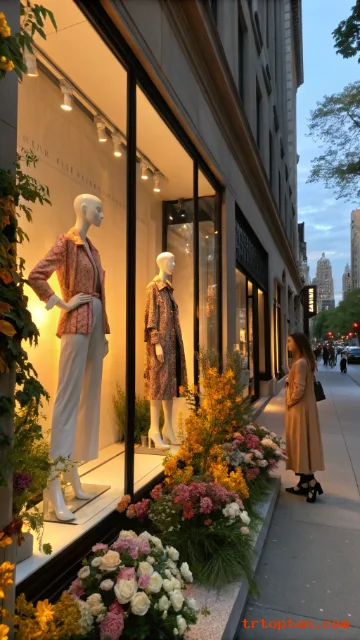
Your window display is the first thing customers see. Make it a true window into your brand. Consider floral arrangements, thoughtful color palettes, or multimedia setups. A strong window display draws people in from the street.
Keep it purposeful and uncluttered. Change your window display regularly to keep things fresh. This encourages repeat visits from curious passersby.
Corrugated Cardboard Displays
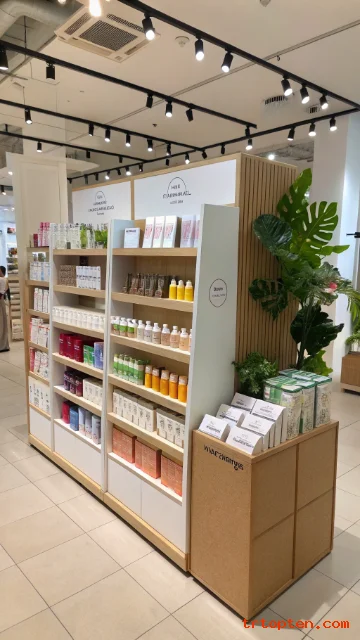
Cardboard displays offer affordable, lightweight, and flexible solutions. They are significantly cheaper than metal or wooden fixtures. Cardboard units are easy to assemble, transport, and rebrand for different events.
Tall, slim cardboard displays take up minimal floor space. They work perfectly for seasonal promotions or product launches. Custom cardboard displays can match your brand aesthetics precisely. This option suits small retailers and frequent pop-up participants.
Multi-Functional Furniture
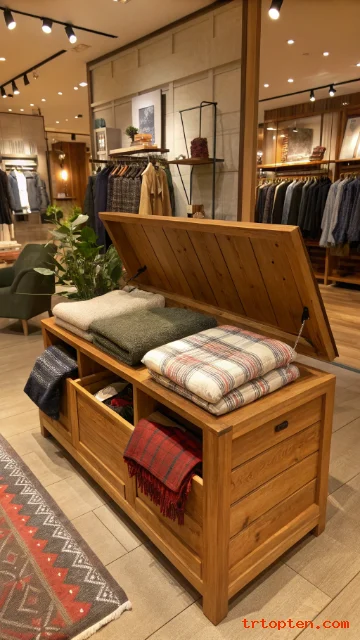
Furniture that serves multiple purposes maximizes your pop-up’s functionality. Wheeled racks can move to open up floor space or feature promotions. Rotating carousel displays work perfectly for accessories or small items.
Storage ottomans provide seating and extra stock space. Choose pieces that look good and work hard. Multi-functional furniture reduces clutter and keeps your space organized. This approach stretches your budget further.
Polystyrene Prop Shapes
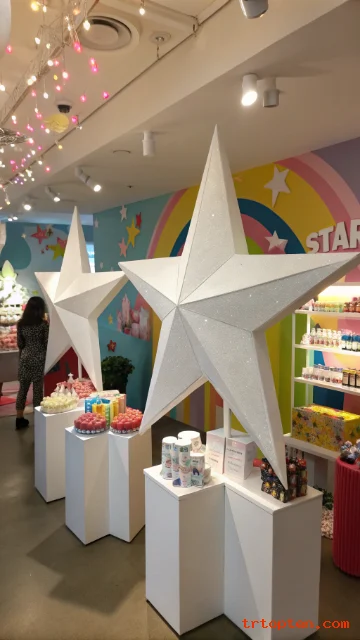
Polystyrene props add color, height, and visual interest to displays. Large stars, hearts, cones, or balls work for themed setups. These lightweight props are easy to move and arrange. Use them as stackable display elements.
Polystyrene shapes bring a playful touch to any pop-up. They are affordable and reusable for multiple events. Paint them to match your brand colors for a cohesive look.
Seasonal and Holiday Themes
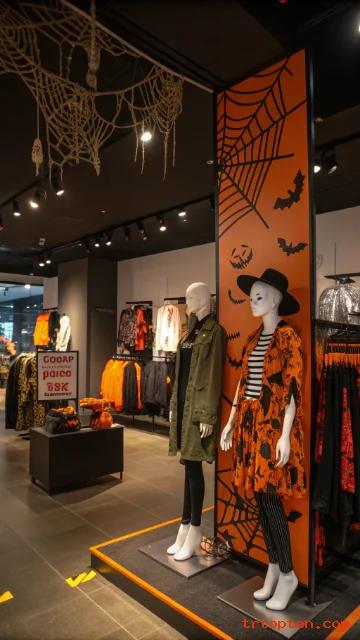
Seasonal themes create urgency and excitement around your pop-up. Align your displays with local festivals, holidays, or seasons. Limited-edition products and themed packaging drive sales. Customers feel pressure to visit before the season ends.
Halloween, Valentine’s Day, and summer themes all work well. Seasonal pop-ups feel timely and relevant. This approach keeps your brand top-of-mind throughout the year.
Community Collaboration Spaces
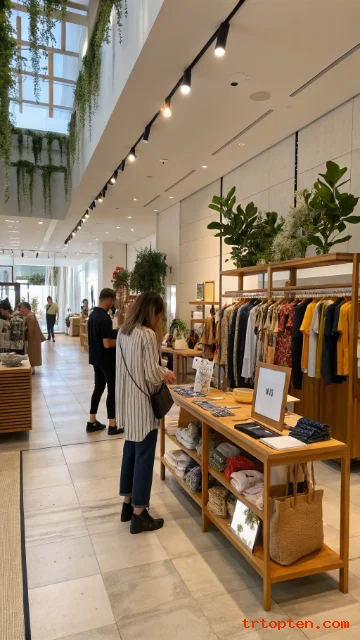
Partner with other local businesses to create a shared pop-up experience. Team up with non-competing brands to broaden your audience. Host workshops or events that allow you to connect with locals. These collaborations make shopping fresh and thrilling.
Shared spaces reduce individual costs and increase foot traffic. Community partnerships weave your brand into the local fabric. This approach builds lasting relationships beyond a single event.
What is the most important element of a pop-up shop display?
Your display’s visual impact matters most because it determines whether people stop or walk past. Good lighting, clear signage, and organized product placement all contribute to that first impression. Focus on creating a display that communicates your brand story instantly.
How much does a pop-up shop display typically cost?
Costs range from under $100 for basic tabletop displays to several thousand dollars for custom builds. Cardboard displays offer budget-friendly options starting around $50. Your budget should reflect the length of your pop-up and your expected return on investment.
What are the best display ideas for a small pop-up space?
Vertical shelving, pegboard walls, and rolling carts maximize small spaces effectively. Use wall-mounted fixtures to free up floor area. Multi-functional furniture also helps you get more from limited square footage.
How can I make my pop-up display more interactive?
Add tablets with product videos, QR codes, or gamified elements like spin wheels. Augmented reality try-on stations create memorable experiences. Interactive displays keep customers engaged and increase dwell time.
What lighting works best for pop-up shops?
Use a mix of ambient, accent, and task lighting for best results. Battery-operated options work well when outlets are limited. LED strip lights and spotlights highlight products effectively.
How long should a pop-up shop run?
Pop-ups can last from a few hours to several months depending on your goals. Short runs create urgency and exclusivity. Longer runs allow for more market testing and relationship building.
Do I need a window display for my pop-up?
Window displays are crucial for attracting foot traffic from the street. A strong window display acts as your brand’s first impression. Keep it purposeful and aligned with your overall theme.
What signage should I include in my pop-up?
Include your business name, logo, pricing, and key product information. QR codes linking to your website or social media are also valuable. Clear, bold signage helps customers navigate your space easily.
How can I make my pop-up Instagram-worthy?
Create a statement wall or backdrop with bold colors or neon signs. Include unique photo opportunities that encourage sharing. Instagrammable elements extend your pop-up’s reach beyond physical visitors.
What props work best for pop-up displays?
Polystyrene shapes, floral arrangements, and vintage crates all add visual interest. Choose props that reinforce your brand story and product theme. Props should enhance, not distract from, your merchandise.
Conclusion
These 26 pop up shop display ideas will transform your temporary retail space into a destination that customers remember and share. You do not need a massive budget or a permanent store to create an unforgettable shopping experience.