
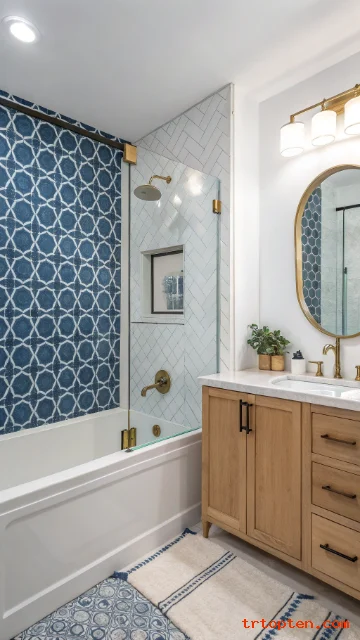
26 convert tub to walk in shower ideas can help you turn an old bathtub into a safer, cleaner, and more useful shower space.
A smart tub-to-shower conversion can also make a small bathroom feel bigger and easier to use every day.
Use a Frameless Glass Shower for an Open Look
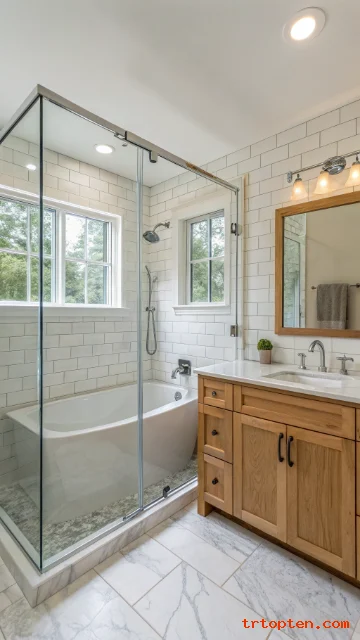
A frameless glass shower makes the bathroom look larger because it removes heavy visual barriers. Clear glass lets light move across the room and keeps the new walk in shower from feeling closed in.
This idea works well when the old tub sits in a tight alcove. The glass panel can follow the same footprint, so you can convert the tub area without changing the whole room layout.
Choose simple tile, a low curb, and bright lighting to support the open effect. A frameless design also highlights beautiful wall tile, niche details, and polished fixtures.
Add a Low-Curb Shower for Easier Entry
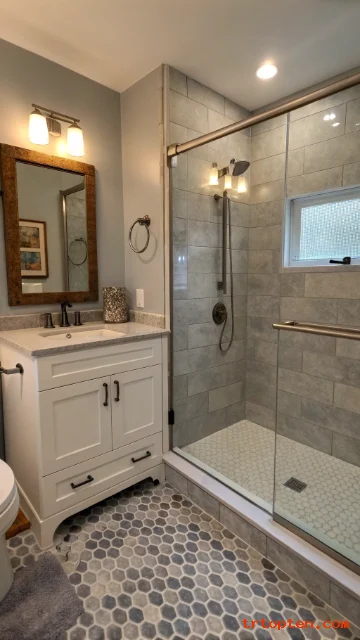
A low-curb shower gives you a safer step-in point than a standard bathtub wall. This design helps children, older adults, and busy homeowners enter the shower with less effort.
You can use the existing tub space and replace the tub with a shower pan that has a short raised edge. The curb keeps water inside while still feeling much easier to cross.
Pair the low curb with textured floor tile to reduce slipping. Add a grab bar in a finish that matches your faucet so the safety feature looks planned and stylish.
Choose a Curbless Shower for a Seamless Floor
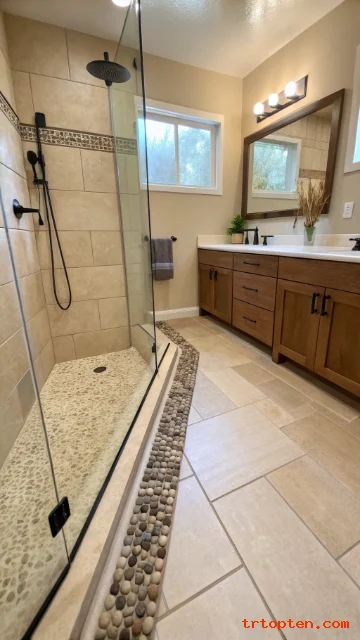
A curbless shower creates a smooth transition from bathroom floor to shower floor. This layout gives the room a clean and high-end look while improving access.
This idea needs good floor slope and proper waterproofing. A skilled contractor can adjust the shower base so water moves toward the drain instead of spreading across the bathroom.
Use large floor tiles outside the shower and smaller slip-resistant tiles inside the wet zone. This mix keeps the style connected while giving your feet more grip where water collects.
Install a Built-In Shower Bench
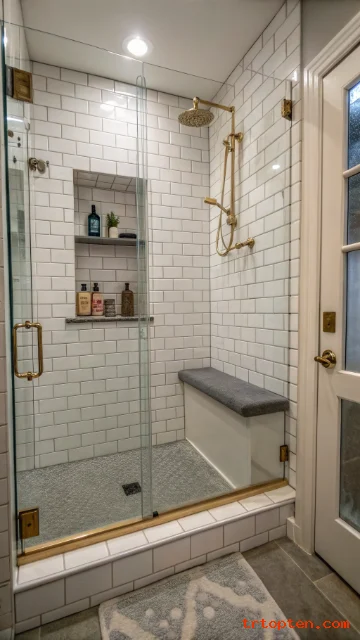
A built-in shower bench adds comfort and function to a tub-to-shower conversion. It gives you a place to sit, shave, rest, or keep bath products within reach.
You can place the bench at the far end of the old tub space. This layout uses the full length of the former bathtub and keeps the main standing area open.
Match the bench top with the shower curb or niche shelf for a finished look. Use solid stone, quartz, or porcelain slab material so the bench resists water and cleans easily.
Try Large-Format Tile for a Clean Style
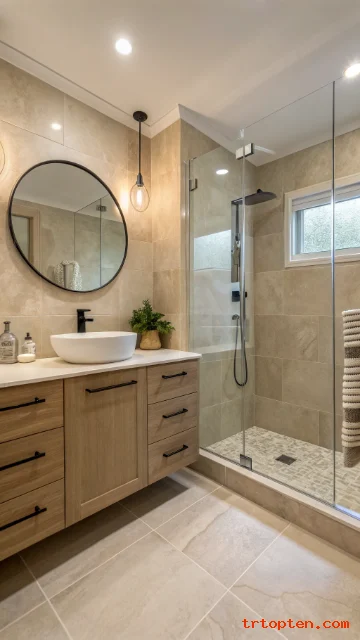
Large-format tile gives a converted shower a smooth and modern surface. Fewer grout lines make the walls look cleaner and can reduce weekly scrubbing.
This option works well in small bathrooms because the bigger tile pattern creates a calmer view. It can make a narrow tub alcove feel less busy and more open.
Choose light colors for a bright room or warm stone tones for a spa feel. Keep grout close to the tile color so the surface looks simple and connected.
Use Classic Subway Tile for a Timeless Shower
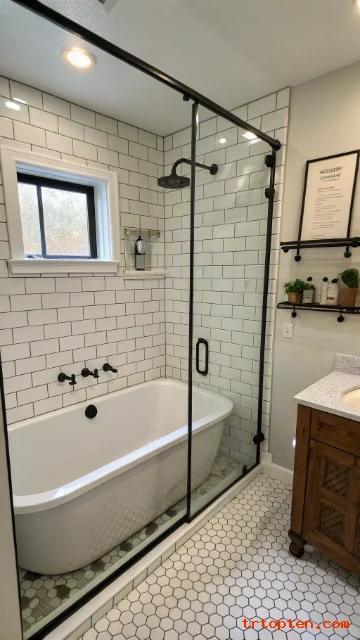
Subway tile gives a converted shower a classic look that stays easy to match with many bathroom styles. It works with farmhouse, coastal, traditional, and modern designs.
You can install the tile in a simple brick pattern for a familiar look. You can also stack it vertically to make the shower walls feel taller.
White subway tile keeps the space bright, while colored grout adds more contrast. Pair it with black, chrome, or brass fixtures to control the final mood.
Create a Spa Shower With Natural Stone
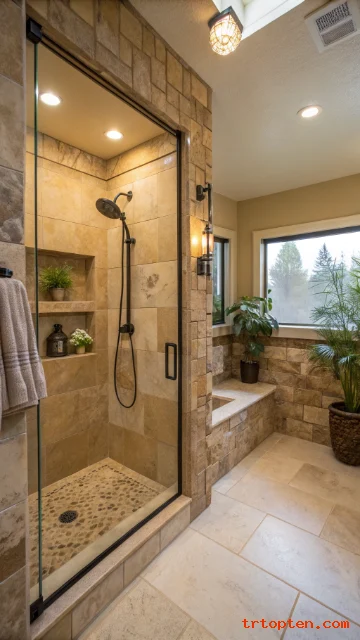
Natural stone can turn a basic tub replacement into a relaxing shower retreat. Marble, travertine, slate, and limestone bring rich texture and soft color to the space.
Stone works best when you seal it and clean it with the right products. This care helps protect the surface from soap, moisture, and stains.
Use stone on one feature wall if a full stone shower feels too expensive. You can pair it with simple porcelain tile to control cost while keeping a luxury look.
Add a Shower Niche for Smart Storage
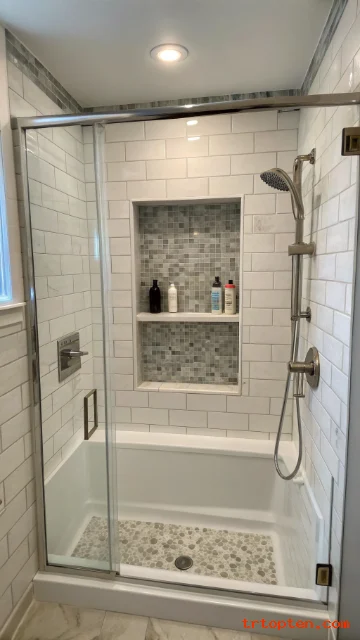
A shower niche gives your converted shower built-in storage without bulky corner shelves. It keeps shampoo, soap, and body wash off the floor and within easy reach.
Place the niche where it feels natural from the shower head and bench. A centered niche can look balanced, while a side-wall niche can keep bottles less visible from the bathroom door.
Use matching tile for a quiet look or accent tile for a design feature. Add a stone shelf inside the niche for strength and easy cleaning.
Pick a Sliding Glass Door for Tight Spaces
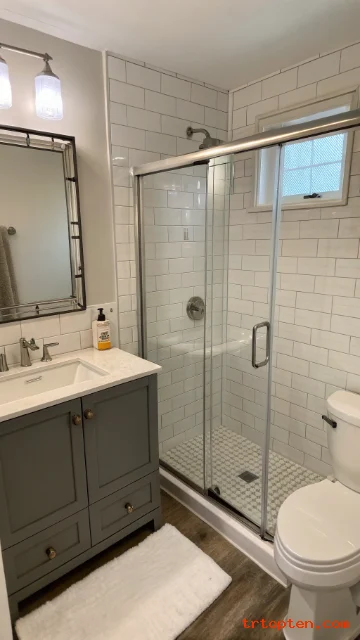
A sliding glass door helps when the bathroom lacks room for a swinging shower door. It moves along a track and saves floor space near the toilet, vanity, or entry door.
This idea works very well in the same footprint as a standard bathtub. The shower can fill the old alcove while the door keeps water contained.
Choose clear glass for an open look or frosted glass for more privacy. Clean-lined hardware can make the door feel modern instead of bulky.
Use a Half Glass Panel for a Modern Walk-In Feel
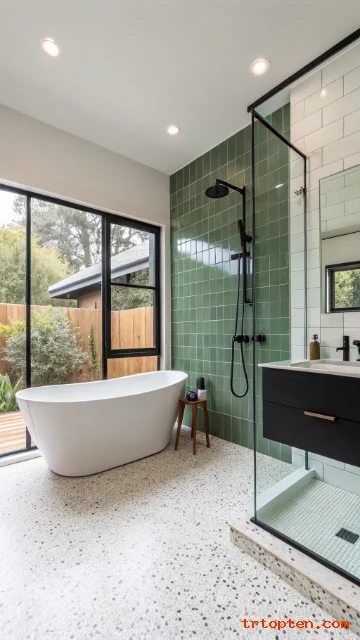
A half glass panel creates a walk-in shower look without fully enclosing the space. It blocks splash near the shower head and leaves the entry area open.
This design works best with a well-placed shower head and proper floor slope. A rainfall head or wall-mounted head can direct water away from the open entry.
The half panel gives the bathroom a simple and airy style. It also reduces door hardware, which means fewer parts to clean.
Add a Rainfall Shower Head
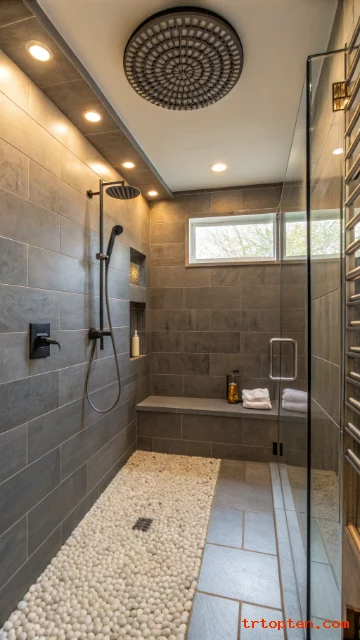
A rainfall shower head gives the converted shower a relaxing spa feel. It spreads water from above and creates a softer shower experience.
You can mount the rainfall head on the ceiling or use a wall arm. Ceiling placement looks sleek, but wall placement can reduce plumbing work in some homes.
Pair the rainfall head with a handheld sprayer for daily cleaning and better control. This combination gives you comfort, function, and flexibility in one shower setup.
Include a Handheld Shower Sprayer
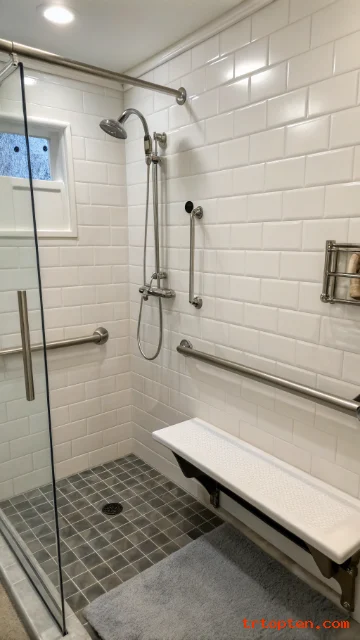
A handheld shower sprayer makes a tub-to-shower conversion more practical. It helps with rinsing hair, washing pets, cleaning tile, and supporting seated shower use.
Place the sprayer on an adjustable slide bar for better height control. This setup works well for families because each person can move the sprayer to a comfortable level.
Choose a hose length that reaches the bench and shower corners. Match the finish to your main shower head for a neat and coordinated look.
Build a Bold Accent Wall
An accent wall can make the new shower the main design feature in the bathroom. You can use patterned tile, colorful tile, stone-look tile, or vertical stacked tile.
Place the accent wall at the back of the old tub alcove. This position creates a strong focal point as soon as someone enters the bathroom.
Keep the other shower walls simple so the feature wall does not feel too busy. Repeat one accent color in towels, hardware, or decor to tie the room together.
Use Vertical Tile to Make Walls Look Taller
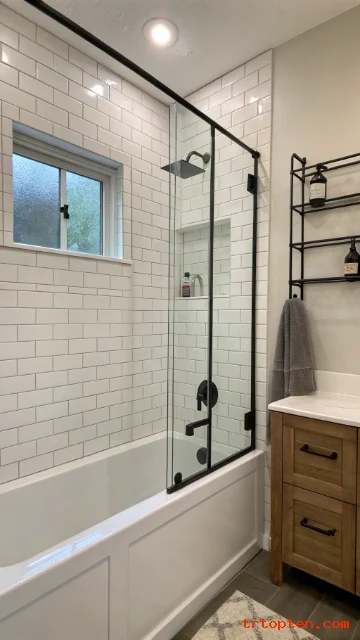
Vertical tile draws the eye upward and makes the shower feel taller. This trick helps a short or narrow bathroom look more balanced.
You can use long subway tile, skinny ceramic tile, or vertical stone-look tile. The upward pattern works well behind the shower head or across every shower wall.
Choose a grout color close to the tile for a calm style. Use contrasting grout when you want the vertical lines to stand out more.
Add Warm Wood-Look Tile
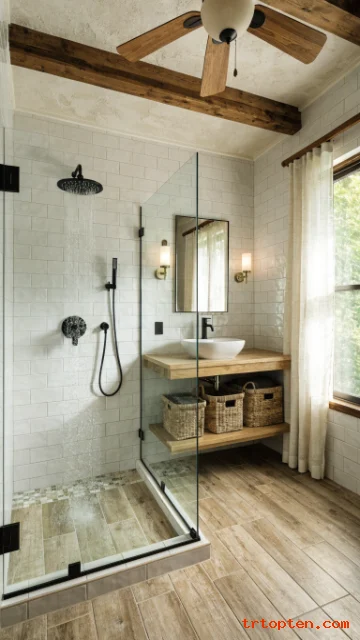
Wood-look tile brings warmth to a bathroom without using real wood in the wet area. Porcelain tile can copy wood grain while resisting water and daily wear.
Use wood-look tile on the shower floor, one wall, or the bathroom floor outside the shower. This choice can soften white tile and make the space feel more inviting.
Pair it with matte black fixtures for a modern cabin feel or brushed nickel for a softer style. Keep the tile texture subtle so cleaning stays simple.
Choose a White Shower for a Bright Bathroom
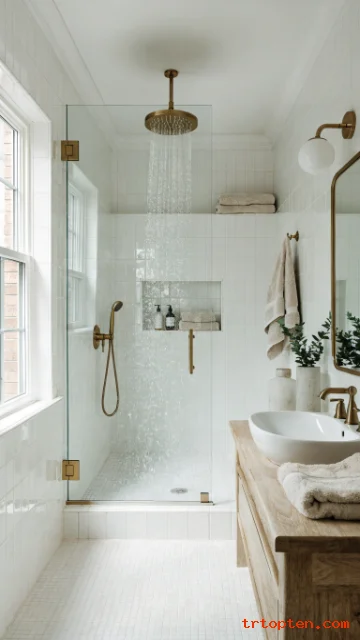
An all-white walk in shower can make a small bathroom feel clean and open. White tile reflects light and helps the converted tub space feel larger.
Use texture to keep the design from feeling plain. You can mix glossy subway tile, matte floor tile, and a subtle mosaic niche.
Add warmth with wood shelves, brass fixtures, or soft beige towels. These details keep the white shower fresh and comfortable instead of cold.
Try Matte Black Fixtures for Contrast
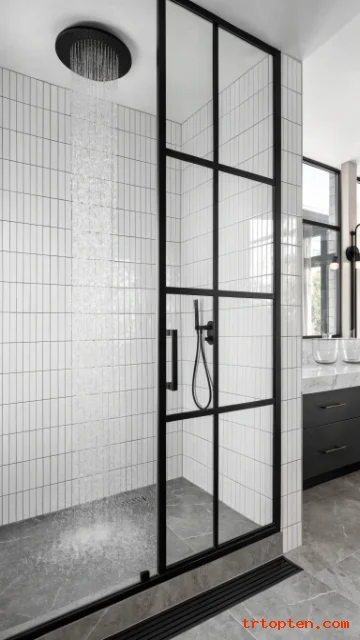
Matte black fixtures create strong contrast in a converted shower. They look sharp against white, gray, beige, and marble-look tile.
Use black for the shower head, valve trim, door hardware, and drain cover. Repeating the finish makes the design look intentional and complete.
Black fixtures can show water spots in hard-water areas. Keep a soft cloth nearby and wipe the hardware after showers to protect the finish.
Add Brushed Gold Fixtures for a Warm Look
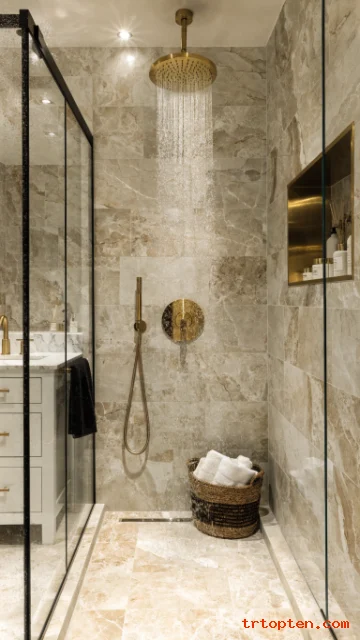
Brushed gold fixtures give the shower a warm and polished style. They pair well with white tile, cream tile, green tile, and marble-look surfaces.
This finish feels softer than shiny brass and more current than old yellow-gold hardware. It can make a simple shower conversion look more custom.
Use gold in small doses if you want a balanced design. Match the shower head, valve, niche trim, and vanity hardware for a connected look.
Install a Linear Drain for a Sleek Finish
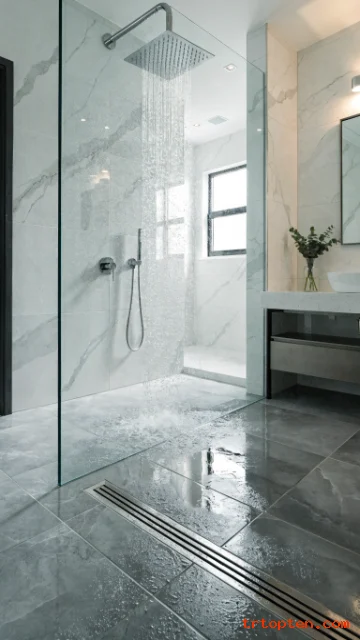
A linear drain gives the shower floor a clean and modern look. It also works well with large tile because the floor can slope in one direction.
Place the drain along the back wall or near the shower entry, based on the plumbing plan. A good installer can help pick the location that controls water best.
Choose a drain cover that matches the floor tile or shower hardware. This small detail can make the conversion feel more refined.
Use Pebble Tile for a Natural Shower Floor
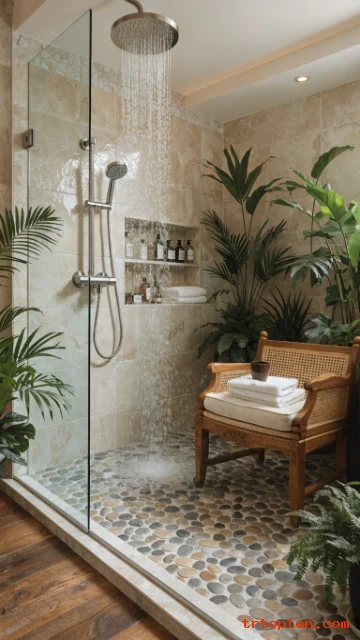
Pebble tile gives the shower floor a natural and textured feel. The rounded surface can add grip and bring a spa-like detail to the space.
This idea works best when the grout is sealed and the floor drains well. Proper installation matters because pebbles need a smooth slope to avoid standing water.
Pair pebble tile with simple wall tile so the floor becomes the feature. Soft beige, gray, and river-stone colors fit many bathroom styles.
Add Grab Bars That Look Stylish
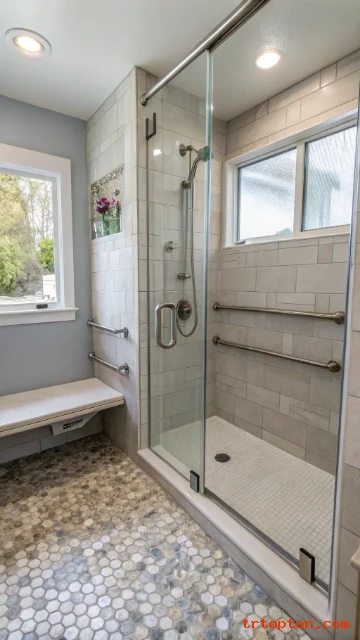
Grab bars can make a walk in shower safer without making it look clinical. Many brands now offer bars in black, brass, chrome, and brushed nickel finishes.
Place one grab bar near the entry and another near the bench or shower controls. This layout gives support where people often shift weight.
Match the grab bars to the shower fixtures for a planned design. A safe shower can still look clean, modern, and attractive.
Use a Shower Curtain for a Budget-Friendly Conversion
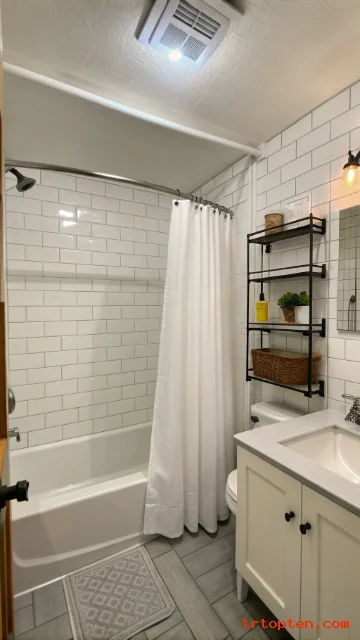
A shower curtain can lower the cost of a tub-to-shower conversion. It removes the need for custom glass and gives you easy access to the whole opening.
This idea works well in rental homes, starter homes, and quick bathroom updates. A ceiling-mounted curtain track can make the setup look cleaner and more intentional.
Choose a washable fabric curtain and a simple liner. Pick a curtain color that matches the tile, vanity, and towels for a finished look.
Create a Doorless Walk-In Shower
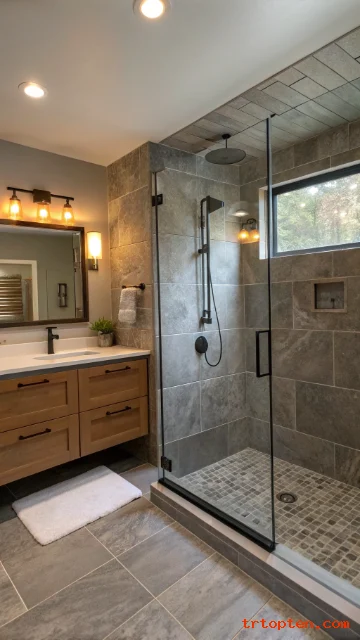
A doorless walk-in shower removes the need for a hinged or sliding door. It gives the bathroom a clean, open, and easy-entry layout.
This idea needs enough shower length to control water splash. The shower head should point away from the open side, and the floor should slope correctly.
Use a fixed glass panel if you want more splash control without a full door. This setup keeps the open feel while protecting the nearby floor.
Add LED Lighting in the Shower Area
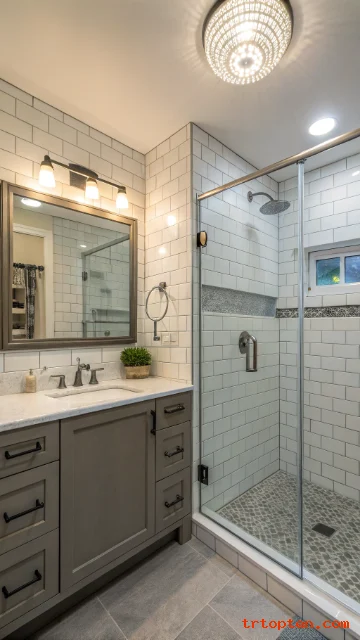
Good lighting can make a converted shower safer and more inviting. LED recessed lights brighten the wet area and help users see the floor, niche, and controls.
Use wet-rated fixtures that meet bathroom safety needs. Place the light above the shower center or near the back wall for even brightness.
Soft warm light can make stone and neutral tile feel cozy. Bright white light can make a small shower feel crisp and clean.
Use Patterned Floor Tile for Character
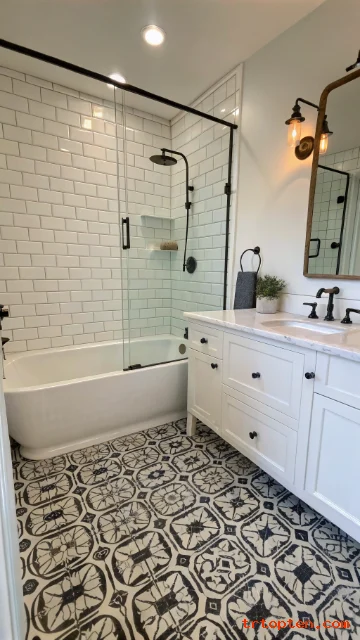
Patterned floor tile can add charm to a simple tub-to-shower conversion. It works well when the shower walls stay plain and light.
You can use the pattern on the bathroom floor and continue it into the shower for a connected look. You can also use it only inside the shower to create a small design feature.
Pick slip-resistant tile for the wet zone. Choose a pattern with colors that repeat in the vanity, walls, or hardware so the room feels balanced.
Add a Compact Luxury Shower System
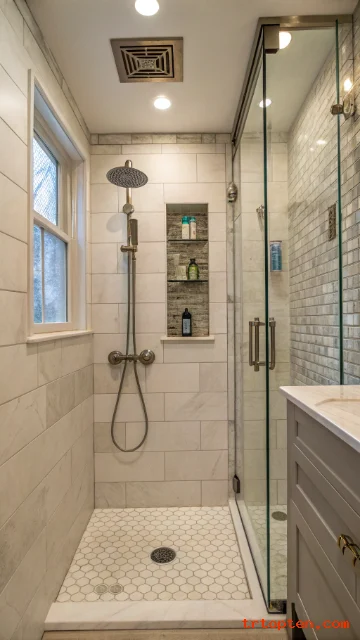
A compact luxury shower system can make a small conversion feel special. It may include a rainfall head, handheld sprayer, body sprays, and a thermostatic valve.
This idea works best when your plumbing and water pressure can support the system. A professional can check the setup before you buy fixtures.
Keep the tile simple so the shower system remains the main feature. Use a niche and bench to support daily comfort without crowding the space.
Is converting a tub to a walk in shower worth it?
Yes, converting a tub to a walk in shower can be worth it when you use the shower more than the bathtub. It can improve access, save space, and make daily routines easier.
The value depends on your home, neighborhood, and number of bathrooms. If your home has another bathtub, removing one tub often feels less risky for resale.
How much space do I need for a walk in shower?
Many tub spaces are about 60 inches long and 30 to 32 inches wide. That size can often fit a comfortable walk in shower.
A larger shower gives you more design options, such as a bench, niche, or doorless entry. A smaller shower can still work well with a smart glass door and simple storage.
Can I convert a tub to a walk in shower in a small bathroom?
Yes, a small bathroom can handle a tub-to-shower conversion when the layout stays simple. The old tub footprint often gives enough room for a practical shower.
Use clear glass, light tile, and recessed storage to reduce visual clutter. A sliding door or half glass panel can also save space.
What is the safest shower design after removing a tub?
A low-curb or curbless shower usually gives safer access than a standard tub wall. Textured floor tile, grab bars, and a handheld sprayer can improve safety even more.
A built-in bench also helps users who need seated support. Good lighting makes the shower safer during early morning and night use.
What tile works best for a converted walk in shower?
Porcelain tile works well because it resists water, stains, and daily wear. Ceramic tile also works on shower walls and often costs less.
For shower floors, choose smaller tile or textured tile for better grip. Always check that the tile is rated for wet areas before installation.
Do I need a shower door after removing the bathtub?
You do not always need a full shower door. A fixed glass panel, half glass panel, or shower curtain can control water in many layouts.
Doorless showers need enough length and proper water direction. A contractor can help decide the best splash-control option for your space.
Can I add a bench in a tub-to-shower conversion?
Yes, you can add a bench if the shower has enough room. A bench works best at the end of the old tub space or along a side wall.
Use waterproof materials and proper slope so water does not sit on the seat. A floating bench can save floor space and create a modern look.
What is the easiest way to make the new shower look bigger?
Clear glass and light tile make the shower look bigger. Large-format tile can also reduce grout lines and create a cleaner view.
Keep storage inside a recessed niche instead of using hanging racks. Good lighting can make the whole bathroom feel more open.
Should I keep one bathtub in the house?
Many buyers like at least one bathtub, especially families with young children. If your home has more than one bathroom, keeping one tub can support resale appeal.
If your only bathtub is in the bathroom you want to remodel, think about your long-term needs. A walk in shower may still be the better choice if safety and daily use matter more.
Conclusion
These 26 convert tub to walk in shower ideas show how one smart change can make a bathroom safer, brighter, and easier to use.
You can choose a simple low-curb shower, a spa-style stone design, a curbless layout, or a budget-friendly curtain setup.