
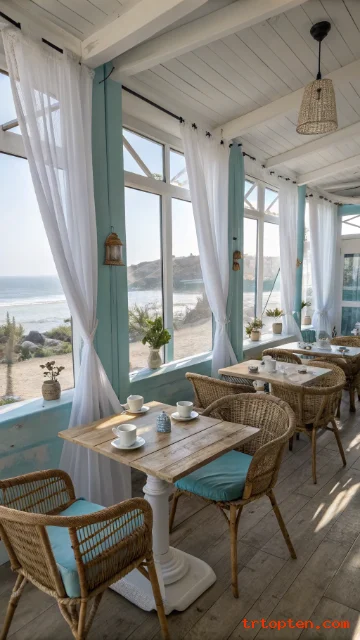
Coffee shop interior design ideas can shape the way guests feel, order, sit, work, and return.
A good coffee shop design blends comfort, brand style, smart layout, lighting, seating, materials, and small details that make the space memorable.
Warm Minimalist Coffee Shop Interior
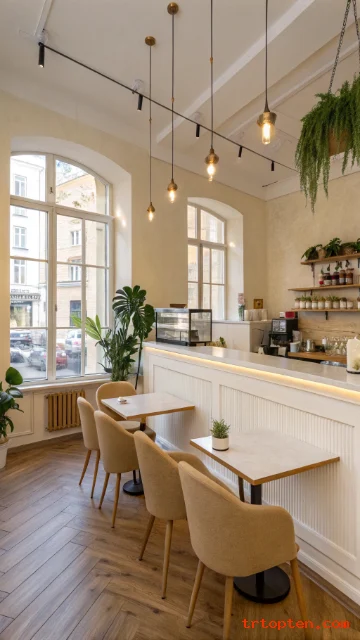
A warm minimalist coffee shop uses clean lines, soft colors, and natural textures. This design helps the space feel calm, bright, and easy to understand.
Use cream walls, pale wood tables, linen cushions, and simple pendant lights. Keep the counter clean and place only the most useful items where customers can see them.
This style works well for small coffee shops because it reduces visual noise. Guests can focus on the menu, the coffee, and the relaxed feeling of the room.
Rustic Wood Coffee Shop Design
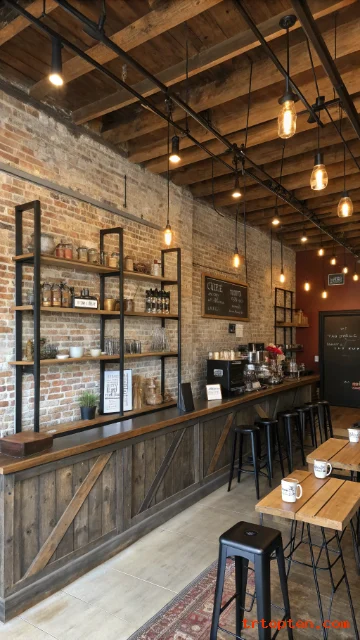
Rustic wood design gives a coffee shop a grounded and welcoming mood. It uses reclaimed wood, warm lighting, brick walls, and handmade details.
You can use wooden beams, vintage stools, dark metal shelves, and a long timber counter. Add ceramic cups, woven baskets, and simple wall signs to support the look.
This idea suits cafés that want a homey and trusted feel. The natural surfaces make guests feel relaxed and connected to the space.
Industrial Coffee Shop Interior
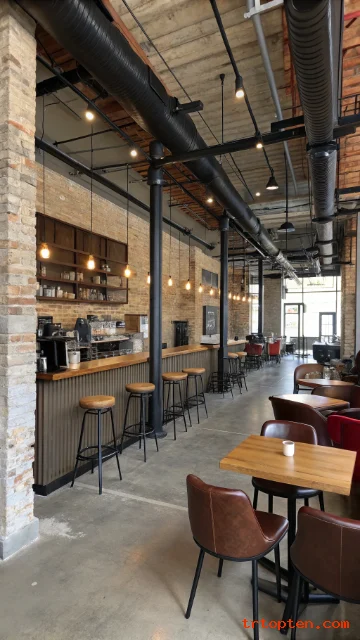
An industrial coffee shop interior uses exposed materials and bold structure. Concrete floors, black metal frames, visible pipes, and brick walls create a strong urban look.
Balance the hard surfaces with leather seats, warm bulbs, and wood tabletops. This mix keeps the design stylish without making the café feel cold.
Industrial design works well in city locations and warehouse-style buildings. It gives the shop a modern edge and makes the coffee bar feel like a central feature.
Scandinavian Coffee Shop Interior
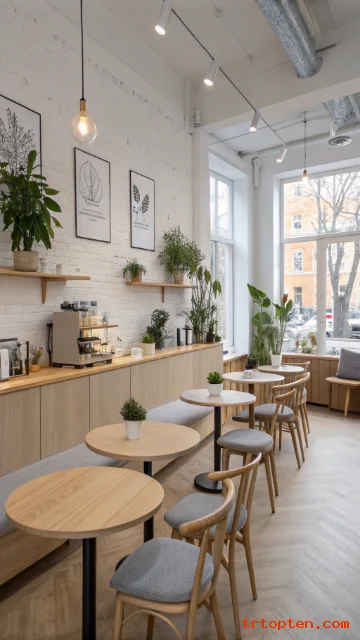
Scandinavian coffee shop design feels bright, simple, and peaceful. It uses white walls, pale wood, soft textiles, and practical furniture.
Choose light oak chairs, round tables, neutral cushions, and clean shelving. Add a few green plants and framed line art to keep the space fresh.
This style helps customers feel calm during busy mornings. It also photographs well because the room looks airy and balanced.
Vintage Coffee Shop Interior
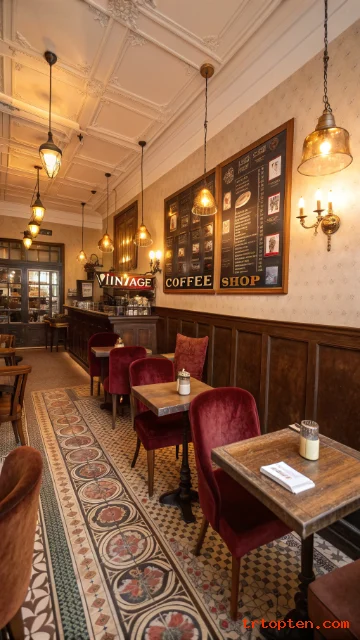
A vintage coffee shop interior brings charm through old-style furniture and warm colors. It can include antique mirrors, patterned tiles, retro chairs, and framed posters.
Use deep green, burgundy, walnut brown, and brass accents. Place a few old books, classic lamps, and vintage menu boards around the room.
This design creates a story that guests can feel right away. It makes the café memorable and gives customers many photo-friendly corners.
Modern Luxury Coffee Shop Interior
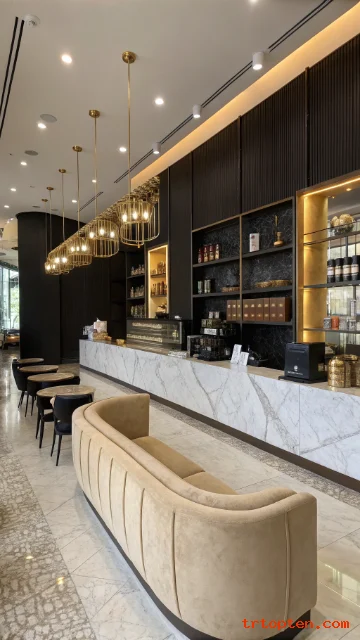
Modern luxury coffee shop design uses polished materials and rich details. Marble counters, curved seating, gold accents, and soft lighting create a premium feel.
Use a focused color palette with ivory, black, taupe, and brushed brass. Add comfortable chairs and elegant tableware so the space feels refined but still welcoming.
This design works well for specialty coffee shops in upscale neighborhoods. It helps customers connect the brand with quality and care.
Cozy Book Café Interior
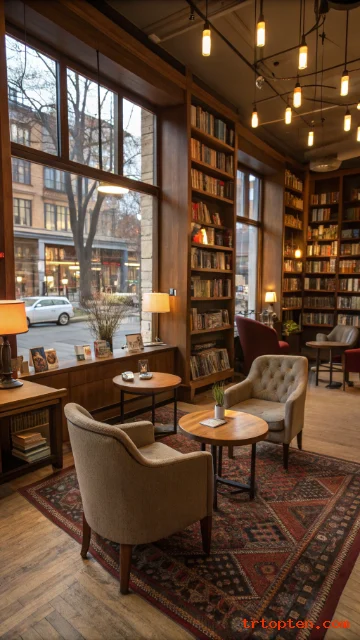
A cozy book café interior combines coffee, reading, and quiet comfort. Bookshelves, armchairs, warm lamps, and small tables create a peaceful retreat.
Place shelves along one wall and build reading corners near windows. Use soft rugs, low lamps, and deep chairs to invite longer visits.
This design suits customers who like to work, read, or meet friends slowly. It can also support book clubs, quiet events, and community gatherings.
Botanical Coffee Shop Interior
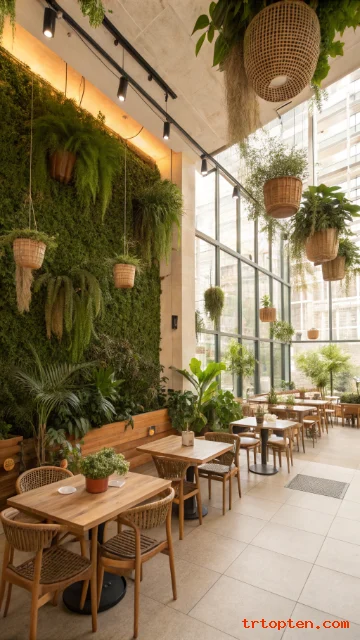
A botanical coffee shop uses plants as a major design feature. Greenery softens the space and makes the café feel fresh, healthy, and alive.
Use hanging plants, potted trees, moss art, and herb planters near the counter. Pair them with wood furniture, terracotta pots, and natural light.
This idea works well for wellness-focused cafés and neighborhood coffee shops. Plants also improve the visual depth of the space and make corners more inviting.
Small Space Coffee Shop Layout
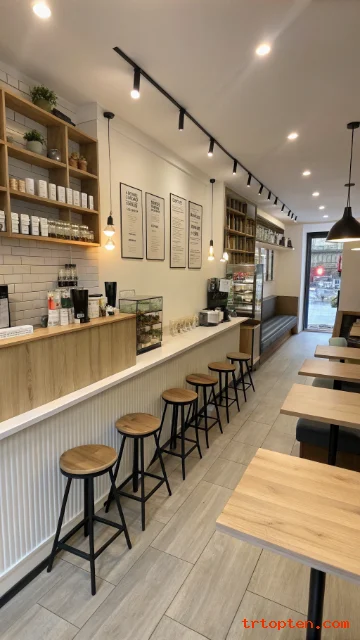
A small coffee shop needs a smart layout more than extra decoration. Every table, chair, shelf, and service point should support smooth movement.
Use wall-mounted tables, slim stools, bench seating, and vertical storage. Keep the ordering counter clear and guide guests with simple signs.
This design helps a compact café feel open and useful. Customers should understand where to order, wait, sit, and exit without feeling crowded.
Open Bar Coffee Shop Design
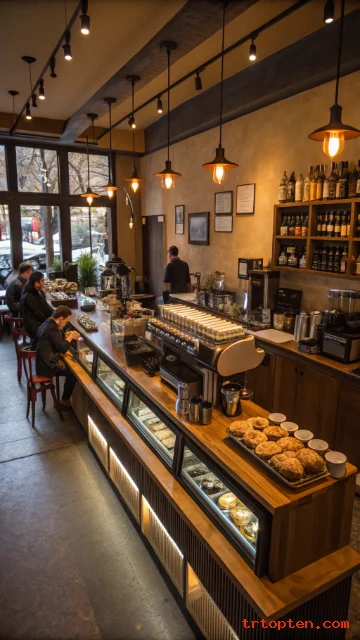
An open bar design places the coffee-making process in full view. Guests can watch baristas grind beans, pull espresso, steam milk, and plate pastries.
Use a long counter, low display cases, and clean equipment placement. Keep cups, grinders, and tools organized so the bar looks active but tidy.
This design builds trust because customers can see the craft behind each drink. It also turns the coffee counter into the main visual attraction.
Japandi Coffee Shop Interior
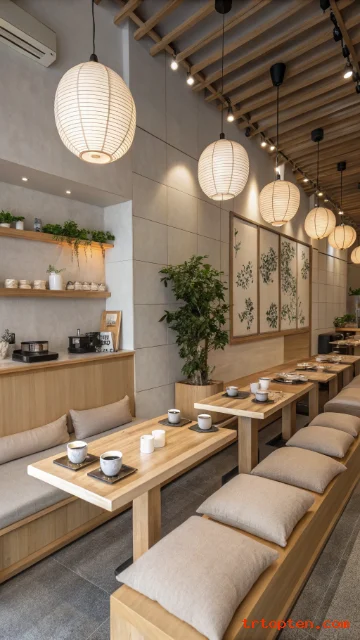
Japandi coffee shop design blends Japanese calm with Scandinavian simplicity. It uses low furniture, natural textures, muted colors, and careful spacing.
Choose light wood, stoneware cups, paper lantern-style lights, and soft beige fabrics. Keep decoration minimal and let each object serve a purpose.
This style creates a quiet café experience that feels balanced and thoughtful. It suits specialty coffee brands that value precision and peaceful service.
Retro Diner Coffee Shop Interior
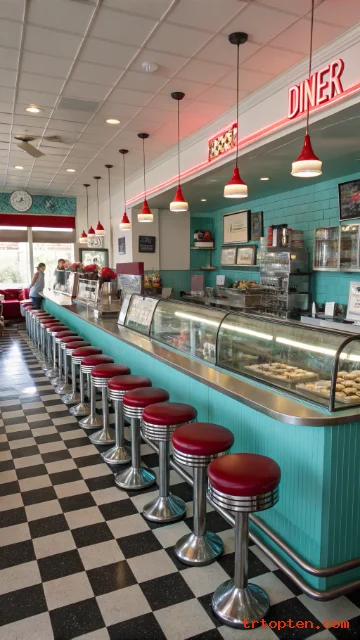
A retro diner coffee shop design feels playful and familiar. It uses bold colors, checkered floors, curved booths, chrome details, and old-style signs.
Use red, teal, cream, or mustard as key colors. Add a long counter with stools and display cakes under glass domes.
This design works well for cafés that serve coffee, breakfast, milkshakes, and desserts. It gives guests a fun reason to take photos and share the space.
Art Gallery Coffee Shop Interior
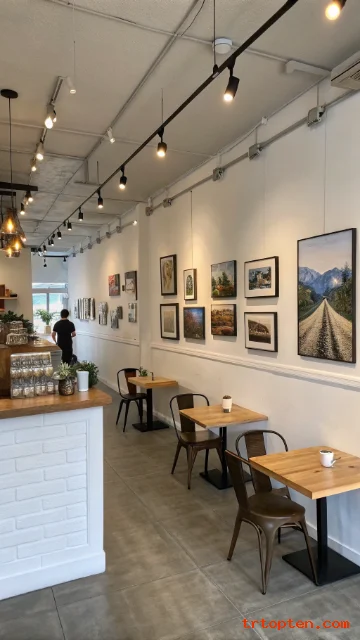
An art gallery coffee shop turns the walls into part of the experience. Clean wall space, track lighting, and rotating artwork make the café feel creative.
Use simple furniture so the art stays visible. Place small labels beside each artwork and leave enough room for guests to walk and look.
This idea supports local artists and gives the café a changing identity. Customers may return often because the space feels new each time.
Coastal Coffee Shop Interior
A coastal coffee shop interior feels light, relaxed, and breezy. It uses white walls, pale blue accents, woven textures, and weathered wood.
Choose rattan chairs, linen curtains, shell-toned ceramics, and driftwood-style shelving. Keep the space bright with large windows and soft natural light.
This design works well near beaches, lakes, or sunny neighborhoods. It gives customers a fresh escape without using heavy nautical themes.
Monochrome Coffee Shop Design
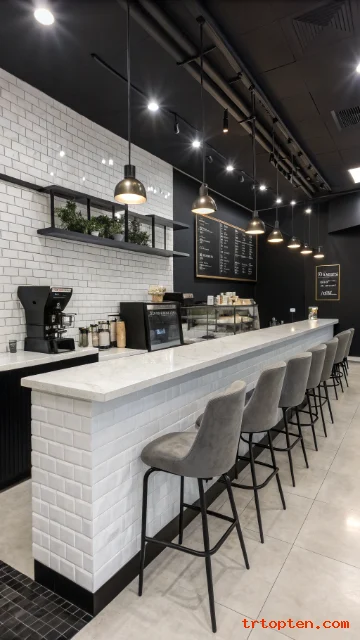
A monochrome coffee shop design uses one main color family to create a bold look. Black, white, and gray can make the space feel sharp and modern.
Use texture to stop the room from feeling flat. Mix matte walls, glossy tiles, stone counters, fabric seats, and metal fixtures.
This style works well for brands that want a clean and confident identity. It also helps menu boards, packaging, and coffee cups stand out.
Colorful Coffee Shop Interior
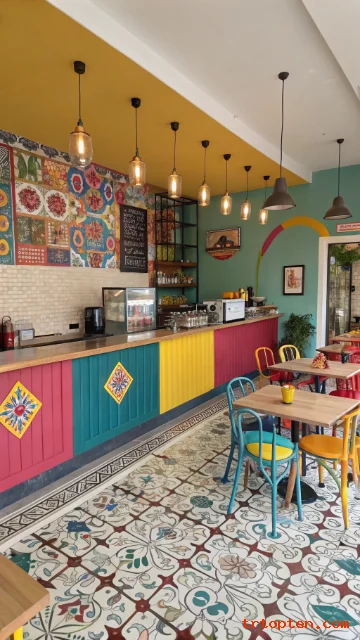
A colorful coffee shop interior can feel joyful and energetic. Bright chairs, painted walls, patterned tiles, and bold artwork help the space feel alive.
Choose two or three strong colors and repeat them in the furniture, signage, and décor. This keeps the café fun without making it feel messy.
This design works well for dessert cafés, youth-focused brands, and social spaces. Guests often remember a colorful café because it creates a strong visual mood.
Farmhouse Coffee Shop Interior
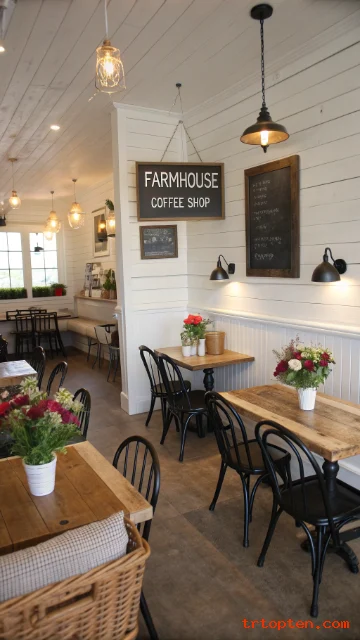
Farmhouse coffee shop design feels simple, warm, and familiar. It uses shiplap walls, rustic tables, soft chairs, and vintage-style lighting.
Use cream paint, black hardware, wooden shelves, and simple ceramic displays. Add fresh flowers, chalkboard menus, and woven baskets for a friendly touch.
This style works well in small towns and family-centered neighborhoods. It makes the café feel honest, comfortable, and easy to love.
Dark Moody Coffee Shop Interior
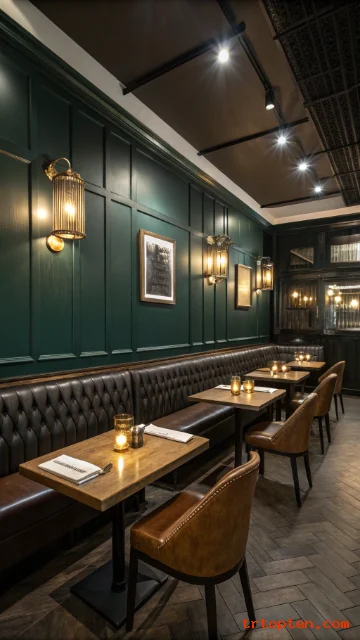
A dark moody coffee shop interior creates depth and drama. Deep colors, soft shadows, leather seats, and low lighting make the space feel intimate.
Use charcoal walls, dark green accents, walnut wood, and brass lamps. Add focused table lighting so guests can still read, work, and enjoy food clearly.
This design suits evening cafés, dessert bars, and coffee shops with a premium feel. It creates a strong contrast with bright coffee cups and pastries.
Community Table Coffee Shop Design
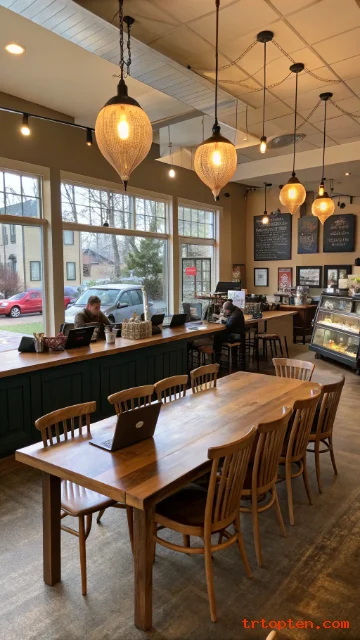
A community table design makes the coffee shop feel social and open. One large shared table gives guests a place to work, talk, and gather.
Place the table near natural light or at the center of the room. Use sturdy chairs, built-in charging points, and soft lighting above the table.
This idea works well for neighborhoods, campuses, and coworking-friendly cafés. It helps turn a simple coffee shop into a community hub.
Window Seat Coffee Shop Interior
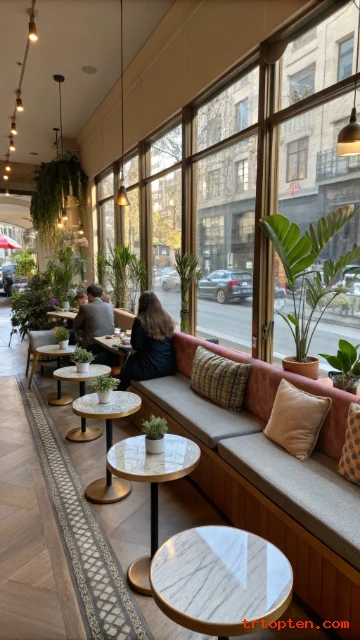
Window seats make a coffee shop feel more inviting from inside and outside. Guests love bright seats where they can drink coffee, watch the street, and take photos.
Build a long bench along the window and pair it with small round tables. Add cushions, plants, and soft lighting to make the area comfortable.
This design also helps attract people walking past the shop. A full window seat makes the café look lively and welcoming.
Coffee Shop With Statement Lighting
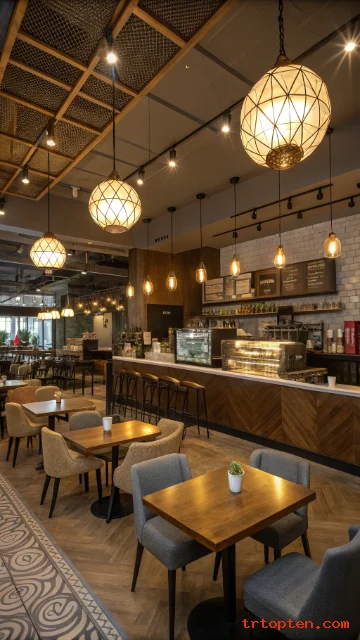
Statement lighting can change the whole mood of a coffee shop. Large pendants, sculptural chandeliers, or rows of warm bulbs can become a key design feature.
Place bold lighting above the counter, community table, or lounge area. Use dimmable lights so the café can shift from morning brightness to evening warmth.
This idea helps define zones without adding walls. It also gives the interior a memorable shape and stronger visual identity.
Coffee Shop With Textured Walls
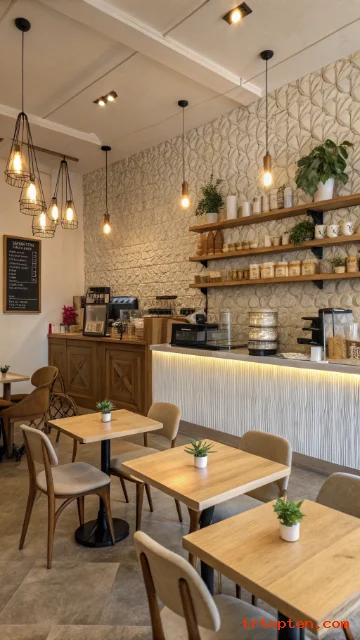
Textured walls make a coffee shop feel rich without adding clutter. Limewash, brick, wood slats, stone, or plaster can create depth and warmth.
Use one textured feature wall behind the counter or seating area. Keep nearby furniture simple so the wall becomes the main design element.
This idea works in modern, rustic, and luxury cafés. Texture helps the space feel designed, even with a limited color palette.
Coffee Shop With Built-In Banquette Seating
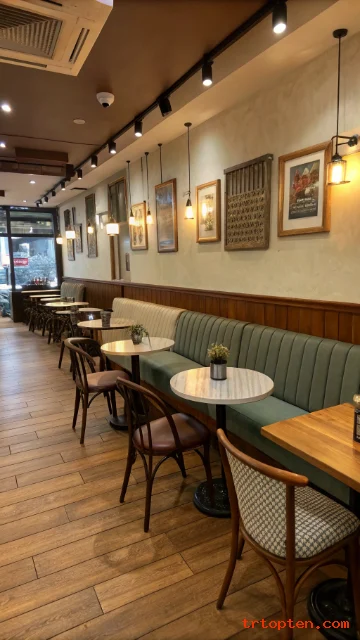
Built-in banquette seating saves space and adds comfort. It works well along walls, corners, and windows where loose chairs may block movement.
Use upholstered bench seating with small tables and movable chairs. Add storage under the bench to hold extra supplies, cushions, or seasonal décor.
This design helps the café seat more people without feeling crowded. It also creates a polished look that feels custom and intentional.
Coffee Shop With Local Materials
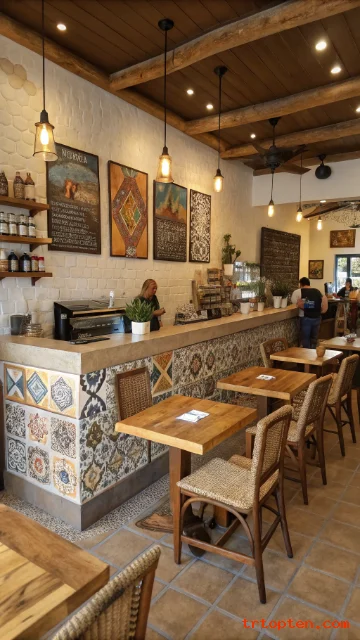
Local materials give a coffee shop a strong sense of place. Stone, wood, tile, fabric, and artwork from nearby makers can connect the space to the community.
Use local wood for tables, handmade tiles for the counter, and regional art on the walls. Mention these materials on small signs so guests understand the story.
This design makes the café feel authentic and personal. It also supports local craftspeople and gives customers a reason to care about the brand.
Takeaway-Friendly Coffee Shop Interior
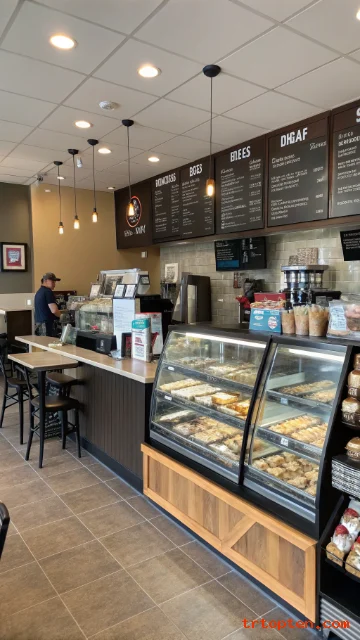
A takeaway-friendly coffee shop needs speed, clarity, and easy movement. The design should help customers order, wait, pick up drinks, and leave without crossing paths.
Use clear menu boards, a separate pickup shelf, and a direct path from entrance to counter. Place grab-and-go pastries, bottled drinks, and retail coffee near the queue.
This layout works well in busy business districts and transit areas. It keeps service fast while still giving the shop a clean and attractive interior.
Instagram-Friendly Coffee Shop Corner
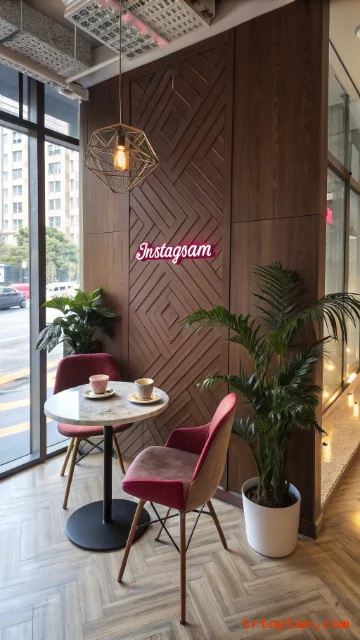
An Instagram-friendly corner gives guests a reason to photograph and share the café. A strong wall color, neon sign, mural, mirror, or floral display can make the space stand out.
Place this feature near good lighting and keep the area clean. Add a small table, stylish chair, branded cup, or plant to complete the scene.
This idea can support organic marketing because guests share the design with friends. The corner should still match the full coffee shop interior, not feel random.
What makes a coffee shop interior successful?
A successful coffee shop interior feels comfortable, clear, and connected to the brand. Customers should understand where to order, where to sit, and how to move through the space.
The best design also supports staff workflow. A beautiful café can still fail if the counter, storage, seating, and pickup areas create confusion.
How can I design a small coffee shop interior?
You can design a small coffee shop by using compact furniture, wall seating, vertical shelves, and a clear service path. Light colors and mirrors can also make the room feel larger.
Avoid oversized chairs and too many decorative pieces. Each item should have a clear purpose and a proper place.
What colors work best for coffee shop interiors?
Warm neutrals, wood tones, cream, beige, brown, green, black, and white work well in many coffee shops. These colors support a calm and coffee-focused mood.
Bright colors can also work when the brand feels playful. The key is to repeat the same colors across furniture, signage, cups, and décor.
How important is lighting in coffee shop design?
Lighting is very important because it controls mood, comfort, and visibility. Soft warm lighting can make guests feel relaxed and welcome.
Use task lighting at the counter and softer lighting near seating. Natural light also helps the space feel fresh during the day.
What furniture should a coffee shop use?
A coffee shop should use tables, chairs, benches, stools, and lounge seats that match customer behavior. Some guests need quick seats, while others need comfortable spots for longer visits.
Durable materials matter because coffee shops get heavy daily use. Choose furniture that is easy to clean, stable, and comfortable.
How can a coffee shop interior attract more customers?
A coffee shop can attract more customers with a clear storefront, warm lighting, visible seating, and a memorable interior feature. People often choose cafés that look inviting from the street.
Good design also helps guests share photos online. A strong corner, beautiful counter, or cozy window seat can support word-of-mouth marketing.
What is the best layout for a coffee shop?
The best layout creates a smooth path from entry to order, payment, pickup, seating, and exit. Customers should not feel blocked or unsure at any point.
Staff also need enough space behind the counter to work quickly. A practical layout improves service speed and customer comfort.
How do I make my coffee shop look cozy?
You can make a coffee shop look cozy with warm lights, soft seating, wood textures, rugs, cushions, plants, and calm colors. Small tables and corner seats also help guests feel settled.
Avoid harsh lights and empty walls. Cozy design works best when the room feels layered but not crowded.
What design style is best for a specialty coffee shop?
A specialty coffee shop often works well with minimalist, industrial, Japandi, Scandinavian, or modern luxury design. These styles help the coffee bar, brewing tools, and product quality stand out.
The best style still depends on the brand story and target customer. A specialty café should feel clean, intentional, and easy to trust.
Conclusion
The best coffee shop interior design ideas do more than make a space look good. They guide customer movement, support barista workflow, improve comfort, and make the brand easier to remember.