
Extra space should serve a clear purpose. These 25 extra room in house ideas will help you turn an empty room into a useful, stylish, and comfortable part of your home.
A spare room can support work, rest, hobbies, guests, fitness, storage, or family time. The best idea depends on your daily routine, room size, natural light, and long-term needs.
Create a Calm Home Office
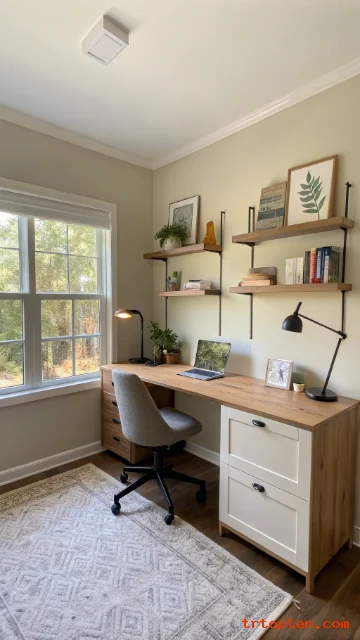
A home office gives your extra room a clear daily purpose. You can use the space for remote work, bills, planning, writing, or video calls.
Place the desk near a window if the room has natural light. Add a supportive chair, closed storage, and a simple shelf to keep the room neat.
Use soft wall colors and warm lighting to reduce visual stress. Keep the layout simple so your mind stays focused during work hours.
Design a Cozy Guest Bedroom
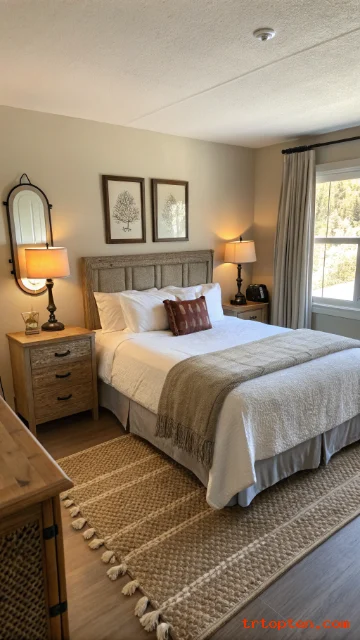
A guest bedroom makes your extra room ready for family and friends. It also adds comfort and value to your home.
Choose a bed size that fits the room without blocking movement. Add a nightstand, reading lamp, mirror, and a small dresser or luggage rack.
Keep the color palette calm and welcoming. Use fresh bedding, layered pillows, and soft curtains to make the room feel restful.
Build a Home Gym
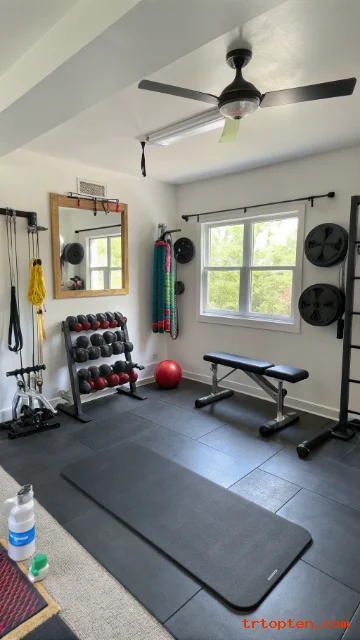
A home gym helps you exercise without travel time. It works well in an extra room because you can control the layout and equipment.
Start with basic equipment like dumbbells, a yoga mat, resistance bands, and a foldable bench. Add a mirror to check form and make the room feel larger.
Use rubber flooring or a thick mat to protect the floor. Keep a fan, water station, and storage rack nearby for comfort and order.
Make a Reading Room
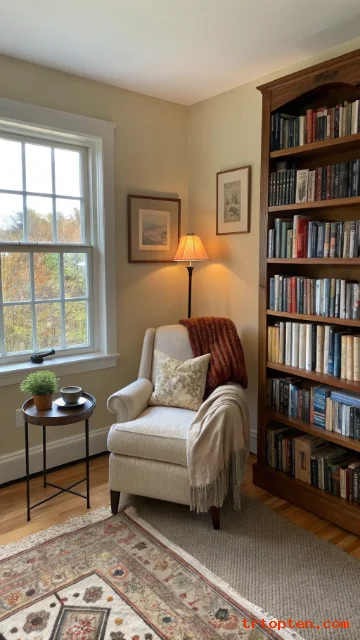
A reading room turns an extra room into a quiet retreat. It gives you a peaceful place to enjoy books, magazines, or personal study.
Add a comfortable armchair, floor lamp, side table, and bookshelves. Place the chair near the window for soft daytime reading light.
Use warm colors and soft textures to make the space feel calm. A rug, throw blanket, and framed art will give the room a finished look.
Set Up a Kids’ Playroom
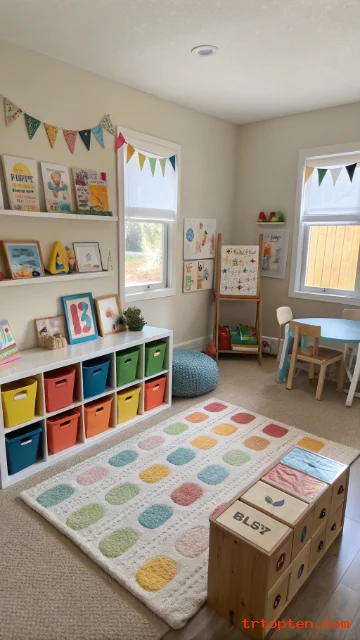
A playroom gives children a safe and organized place to play. It also keeps toys from spreading across the main living areas.
Use low shelves, labeled bins, soft flooring, and a small activity table. Keep the most-used toys easy to reach so children can clean up faster.
Add a reading corner, art station, and open floor space for movement. Choose washable materials because playrooms need easy cleaning.
Create a Craft Room
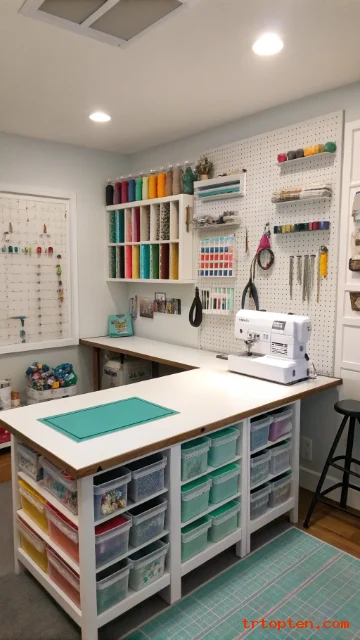
A craft room keeps supplies organized and projects ready. It works well for sewing, painting, scrapbooking, gift wrapping, and DIY projects.
Place a large worktable in the center if the room allows it. Add wall shelves, pegboards, drawers, and clear containers for tools and materials.
Use bright lighting so colors and details stay easy to see. Keep a trash bin and cleaning supplies nearby to handle messes quickly.
Turn It Into a Walk-In Closet
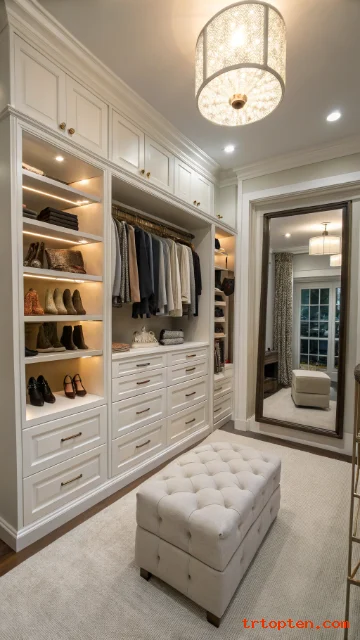
A walk-in closet adds storage and style to an unused room. It works well when bedroom closets feel too small.
Install clothing rods, drawers, shoe shelves, and open cubbies. Add a full-length mirror so the room also works as a dressing space.
Use matching hangers and storage boxes for a clean look. Good lighting will make clothing, shoes, and accessories easier to find.
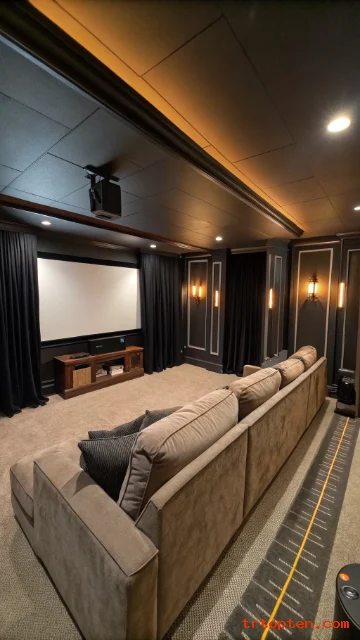
Build a Home Theater Room
A home theater room makes movie nights feel special. It also gives the family a dedicated place for shows, sports, and games.
Use a large screen or projector on the main wall. Add comfortable seating, blackout curtains, and a media console for devices.
Keep the lighting low and warm for a cinema feel. Use acoustic panels or thick curtains to improve sound and reduce echo.
Make a Music Room
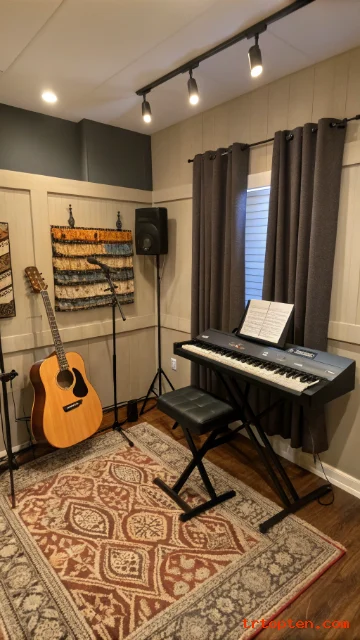
A music room gives instruments a dedicated home. It also helps practice feel more focused and enjoyable.
Place the main instrument in the best-lit part of the room. Add stands, wall hooks, shelves, and a comfortable stool or chair.
Use rugs, curtains, and acoustic panels to soften sound. Keep cables, sheet music, and accessories stored in labeled containers.
Set Up a Meditation Room
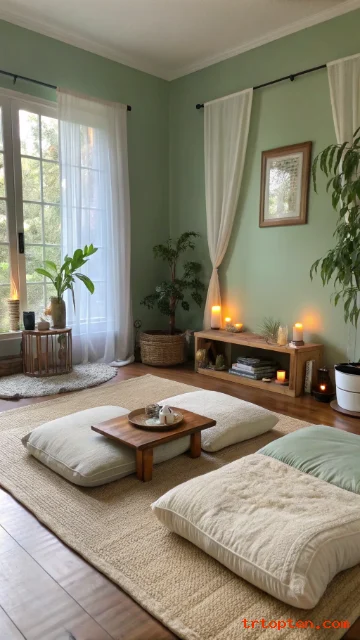
A meditation room creates a quiet place for breathing, prayer, stretching, or reflection. It can help the home feel more peaceful.
Keep the room simple and free from clutter. Add floor cushions, a soft rug, candles, plants, and gentle lighting.
Use soft colors like cream, sage, beige, or pale gray. Keep phones and screens out of the space to protect the calm mood.
Create a Homework Room
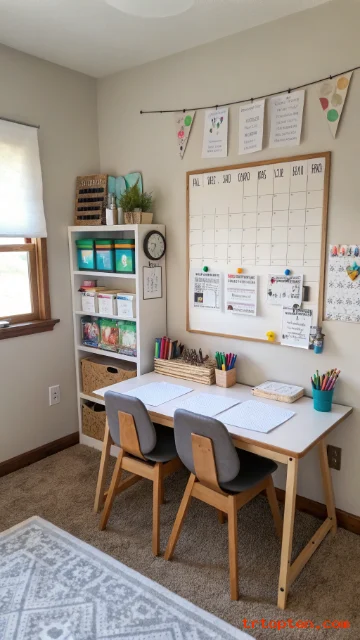
A homework room gives children a focused place to study. It helps separate school tasks from play and screen time.
Use a desk or shared worktable with comfortable chairs. Add shelves, pencil cups, paper trays, and a calendar or whiteboard.
Keep the room bright and simple. Use clear zones for reading, writing, supplies, and finished assignments.
Turn It Into a Nursery
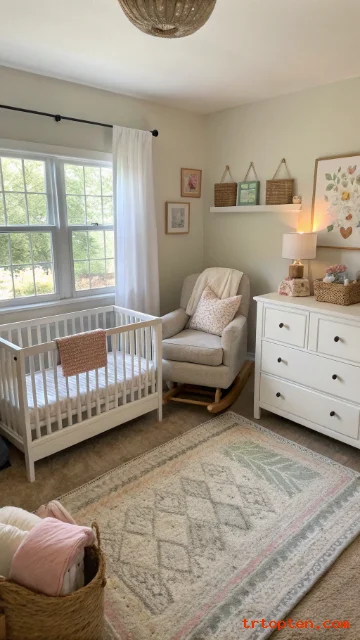
A nursery gives a baby a safe and restful room. It also keeps baby supplies organized in one place.
Place the crib away from windows, cords, and heavy wall decor. Add a changing table, dresser, rocking chair, and soft night light.
Use calm colors and washable fabrics. Keep diapers, wipes, blankets, and clothes within easy reach for daily care.
Build a Hobby Room
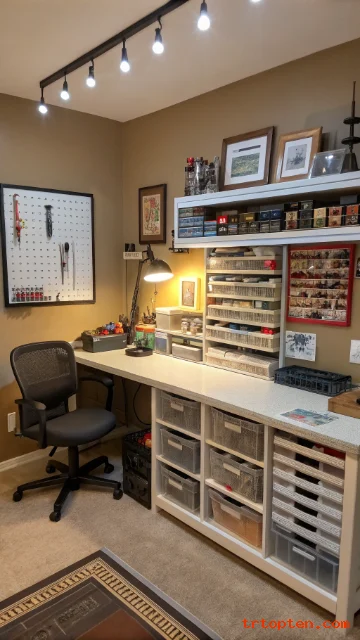
A hobby room gives your favorite activity a permanent home. It works for model building, puzzles, collections, photography, gaming, or design work.
Choose furniture that supports the hobby first. Use tables, shelves, drawers, and display cases based on the items you use most.
Keep one wall for storage and one zone for active work. This layout makes the room useful without feeling crowded.
Make a Sewing Room
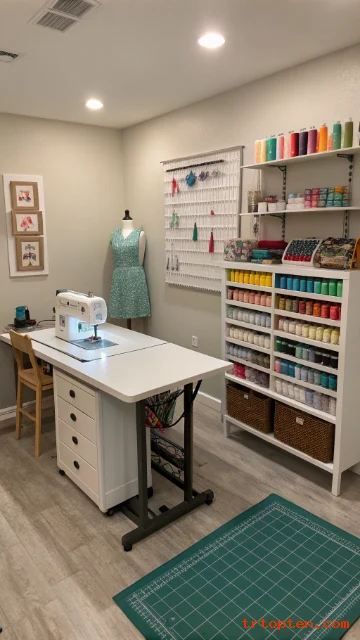
A sewing room helps you keep fabric, thread, patterns, and tools in order. It also gives you space to leave projects out between sessions.
Place the sewing machine on a sturdy table. Add a cutting table, ironing station, thread rack, fabric shelves, and good task lighting.
Use labeled bins for scraps, patterns, and trims. Keep scissors, pins, and measuring tools close to the main work area.
Set Up a Home Library
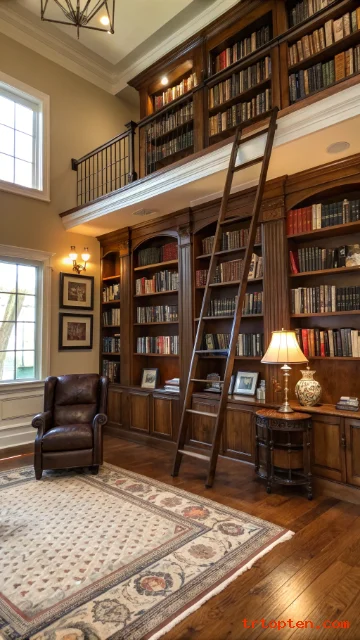
A home library turns an extra room into a smart and elegant space. It also stores books in a way that feels intentional.
Install wall-to-wall bookshelves if the room has enough wall space. Add a ladder, reading chair, side table, and warm lamps for comfort.
Arrange books by category, color, or author for easy browsing. Add a few decorative pieces so the shelves look balanced.
Create a Game Room
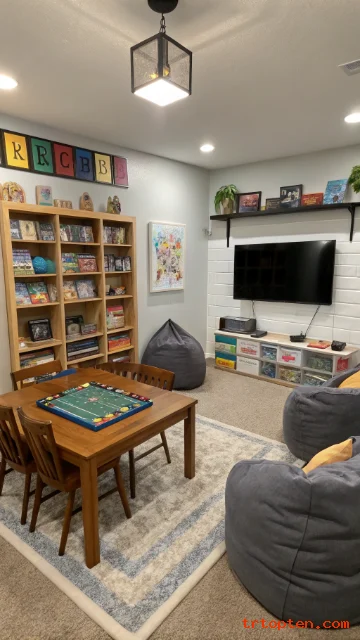
A game room gives friends and family a fun place to gather. It works for board games, video games, card games, and casual hangouts.
Add a game table, comfortable chairs, shelves, and a media area. Keep controllers, cards, dice, and board games in easy-to-reach storage.
Use playful decor without making the room too busy. Good lighting helps people read cards, boards, and screens without eye strain.
Make a Laundry Folding Room
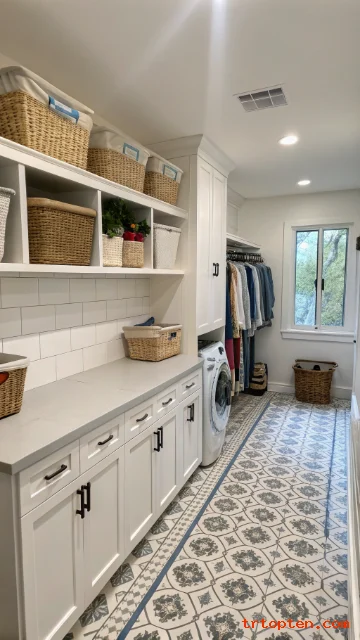
A laundry folding room adds function to a space near the laundry area. It gives you a clean surface for sorting, folding, ironing, and hanging clothes.
Add a long counter, laundry baskets, hanging rod, and shelves. Use cabinets to store detergent, stain remover, dryer sheets, and cleaning supplies.
Keep the surface open so it stays useful every day. Good airflow and bright lighting will make chores feel easier.
Turn It Into a Pet Room
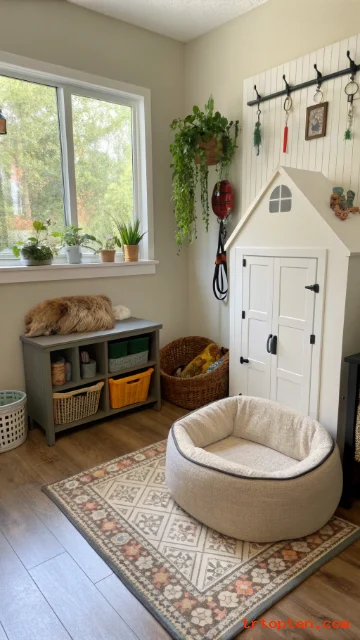
A pet room gives animals their own safe and cozy space. It also keeps beds, food, toys, and grooming items organized.
Add a pet bed, feeding station, toy basket, and washable rug. Use shelves or cabinets for leashes, treats, towels, and grooming tools.
Choose durable flooring and easy-clean fabrics. Keep the layout open so pets can move, rest, and play comfortably.
Create a Small Art Studio
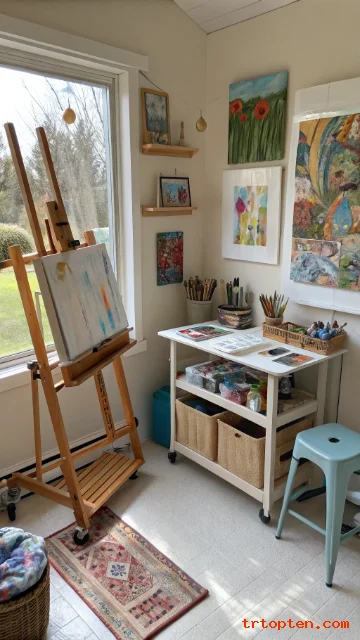
An art studio helps painters, sketch artists, and makers stay creative. It gives supplies a proper place and protects other rooms from mess.
Place an easel near natural light if possible. Add a worktable, rolling cart, canvas storage, brush jars, and a sink area if available.
Use drop cloths or washable flooring to protect surfaces. Keep finished art on one wall so the room feels inspiring.
Build a Dressing Room
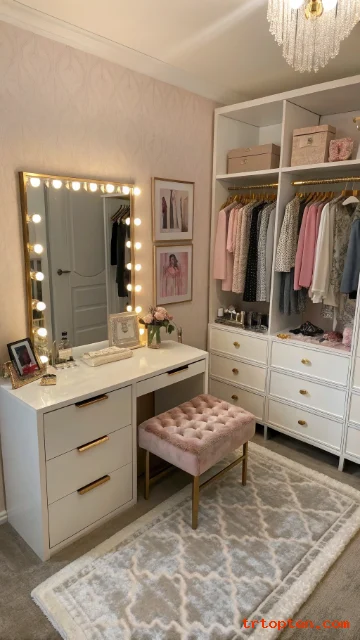
A dressing room turns getting ready into a smoother routine. It works well when you need space for clothes, makeup, jewelry, and accessories.
Add a vanity, mirror, clothing rack, drawers, and good lighting. Use a stool or small bench for comfort while dressing.
Store jewelry, makeup, and hair tools in divided organizers. Keep daily items visible and special items tucked away.
Make a Family Command Center
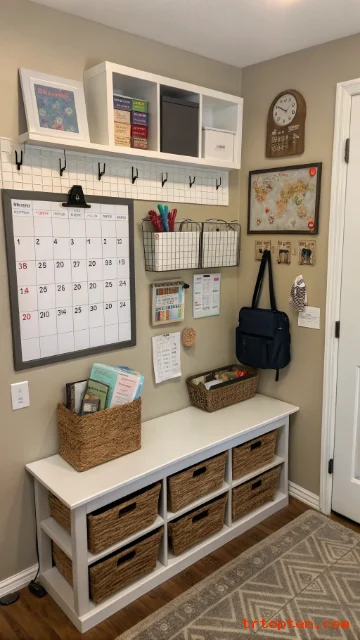
A family command center helps the household stay organized. It keeps schedules, keys, mail, school papers, and reminders in one place.
Use a desk, wall calendar, bulletin board, file baskets, and charging station. Add hooks for keys, bags, and light jackets.
Place the most-used items at eye level. This setup helps every family member find information quickly before leaving home.
Set Up a Recording or Podcast Room
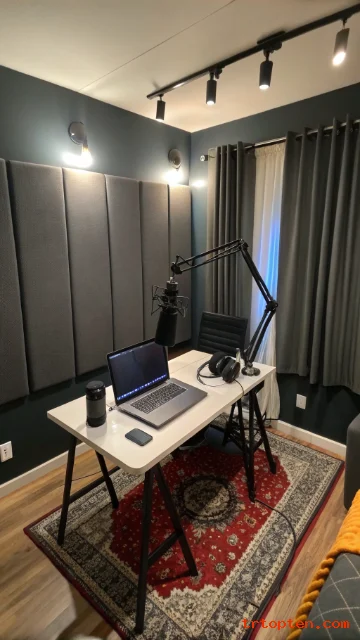
A recording room supports podcasts, voice work, online courses, and video content. It gives sound equipment a quiet and stable home.
Place the desk away from noisy windows or shared walls. Add a microphone, headphones, camera, acoustic panels, and soft lighting.
Use rugs and curtains to reduce echo. Keep cables hidden so the background looks clean on camera.
Create a Storage Room That Looks Organized
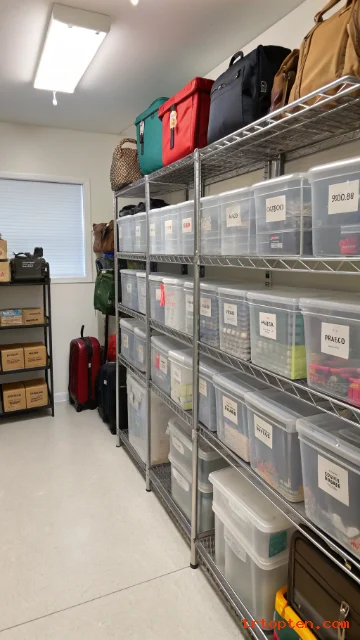
A storage room can be useful and attractive at the same time. It helps you store seasonal decor, tools, supplies, luggage, and extra household items.
Use tall shelves, labeled bins, clear boxes, and wall hooks. Keep heavy items low and lighter items higher for safer access.
Create categories for each shelf or wall zone. A clean storage plan saves time and reduces clutter in the rest of the house.
Make a Relaxing Lounge Room
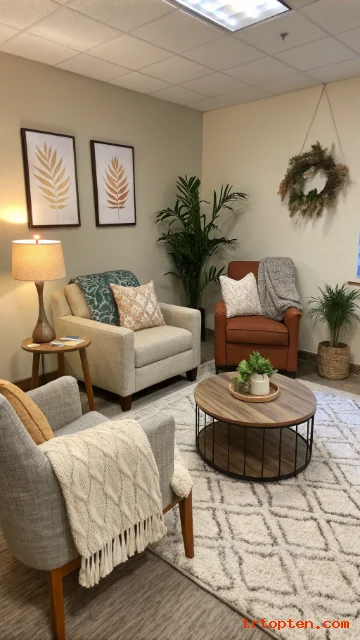
A lounge room gives the home another place to relax. It works well for quiet talks, music, tea, naps, or screen-free rest.
Add a loveseat, accent chairs, coffee table, rug, and soft lighting. Use side tables so drinks, books, and remotes have a place.
Choose textures that feel warm and easy. Throws, pillows, curtains, and plants make the room feel lived-in without clutter.
Design a Multi-Purpose Flex Room
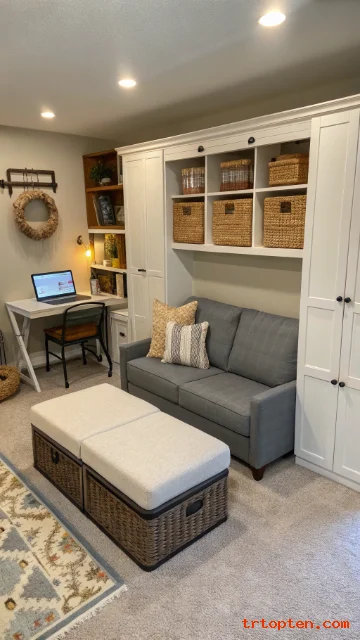
A flex room gives one extra room several useful roles. It works well when your needs change during the week.
Use furniture that moves or folds, such as a sleeper sofa, wall desk, storage ottoman, and nesting tables. Add cabinets or baskets to hide items when the room changes purpose.
Create zones for work, guests, and hobbies. This plan helps the room serve more than one person without feeling messy.
What Is the Best Use for an Extra Room in a House?
The best use depends on your lifestyle. A home office, guest bedroom, gym, playroom, or storage room often gives the highest daily value.
Choose the idea that solves a real problem in your home. A useful room should make daily life easier, cleaner, or more enjoyable.
How Do I Choose Between a Guest Room and a Home Office?
Choose a guest room if visitors stay overnight often. Choose a home office if you work, study, or manage household tasks at home most days.
You can also combine both ideas. A sleeper sofa, wall desk, and closed storage can turn one room into a guest room and office.
What Can I Do With a Small Extra Room?
A small extra room can become a reading nook, office, nursery, dressing room, storage room, or meditation space. Small rooms work best when the layout stays simple.
Use vertical storage to save floor space. Choose slim furniture and keep the center of the room open.
How Can I Make an Extra Room Look Bigger?
Use light wall colors, mirrors, simple furniture, and hidden storage. Let natural light enter the room when privacy allows it.
Avoid large furniture that blocks pathways. A clear floor plan makes even a small room feel open.
What Extra Room Idea Adds the Most Home Value?
A functional home office, guest bedroom, or organized closet often adds strong appeal. Buyers like rooms that solve common needs.
A clean, flexible room can also increase value. People prefer spaces that can change with their lifestyle.
Can an Extra Room Serve Two Purposes?
Yes, one extra room can serve two purposes with the right furniture. A home office can also work as a guest room with a sleeper sofa or Murphy bed.
Storage matters most in a shared-use room. Closed cabinets help the room switch roles without looking cluttered.
How Much Should I Spend on an Extra Room Makeover?
Your budget should match the room’s purpose. A reading room may need only a chair and lamp, while a home theater or gym may need more equipment.
Start with the basics first. Add decor and upgrades after the room proves useful.
What Colors Work Best for an Extra Room?
Neutral colors work well because they fit many room types. Beige, white, gray, cream, sage, and soft blue create a calm base.
Use accent colors through pillows, rugs, art, or storage bins. This method lets you update the room without repainting.
How Do I Keep an Extra Room From Becoming a Junk Room?
Give every item a clear place. Use shelves, bins, cabinets, and labels so storage stays easy.
Set one purpose for the room before you decorate it. A clear purpose helps you stop random items from taking over.
Conclusion
The best 25 extra room in house ideas turn unused space into rooms that support real life. A spare room can become a home office, guest bedroom, gym, playroom, library, craft room, lounge, or flexible space.
Start with the purpose before you buy furniture. When the room solves a daily need, it becomes one of the most useful spaces in the house.