
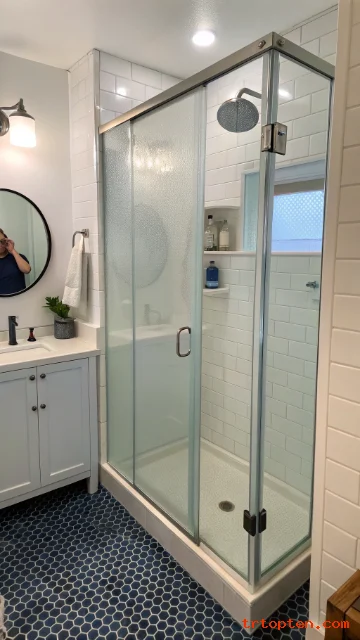
A small bathroom does not mean you must skip a walk in shower. These 30 small walk in shower ideas prove that compact spaces can still feel luxurious. You will find clever layouts, smart storage, and beautiful designs here.
Corner Walk In Shower
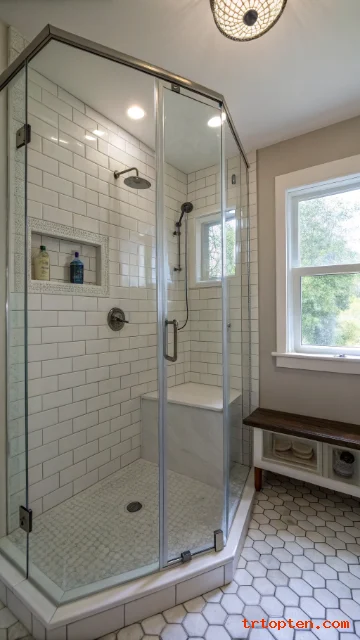
You can place a corner shower in any small bathroom. This design uses two walls to save floor space. It leaves the rest of the room open for a sink or toilet. A curved glass door softens the corner shape and adds elegance.
The door swings outward to avoid hitting your knees. You can step right in without squeezing past a bulky tub. A corner bench fits neatly into the angled back wall. Use a handheld shower head for easy cleaning of the seat. The whole setup feels open and airy despite the small footprint.
Curbless Walk In Shower
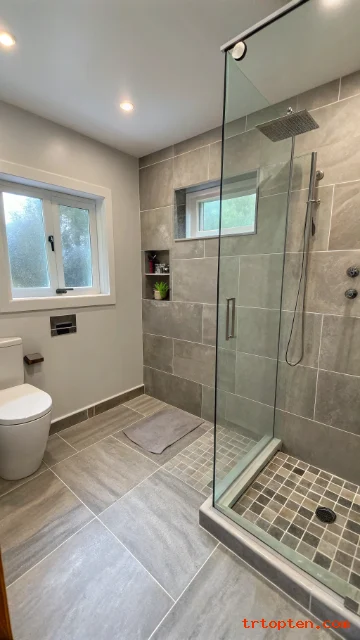
A curbless walk in shower removes the lip at the entrance. This design creates a seamless transition from the bathroom floor. You can walk right in without tripping or stepping over a high barrier. The floor gently slopes toward a linear drain at one edge. Water flows away easily without pooling near the door.
Your bathroom looks bigger because the floor continues uninterrupted. Use large-format tiles on both the bathroom and shower floor. Matching grout colors make the boundary almost invisible. This idea works great for aging-in-place or wheelchair access.
Sliding Glass Door Shower
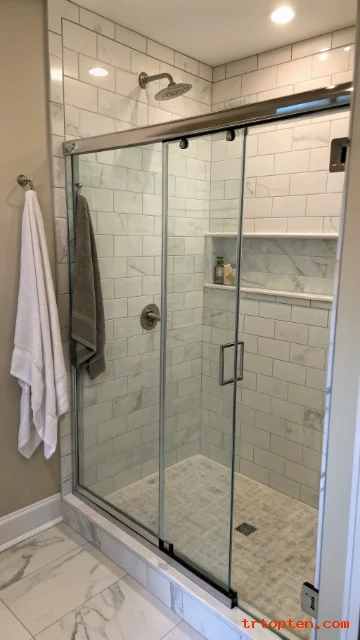
Sliding glass doors save precious space that a swinging door would waste. You do not need clearance for the door to open inward or outward. The panels glide smoothly along a metal track at the top and bottom. Choose frameless glass for a modern and clean look. The transparent material does not block your view of the beautiful tile inside.
Your small bathroom feels twice as big when you can see the whole shower. A sliding door also prevents water from splashing onto your floor. The bottom track should have a low profile to avoid tripping. Clean the track weekly to keep the door moving smoothly.
Built-In Shower Niche
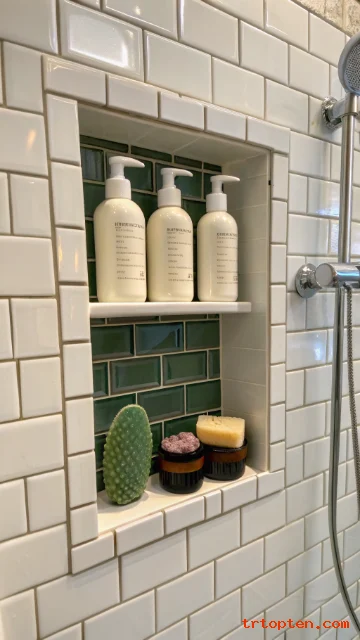
A built-in shower niche replaces bulky corner caddies or hanging baskets. This recessed shelf sits directly inside the shower wall. You can store shampoo, soap, and razors without losing floor space. Place the niche at arm height for easy reach.
Two or three shelves give you room for different bottles. A tall niche can hold a loofah and a scrub brush too. Tile the niche with the same material as your shower walls. This creates a seamless look that disappears into the design. You never have to step over plastic organizers again.
Round Walk In Shower
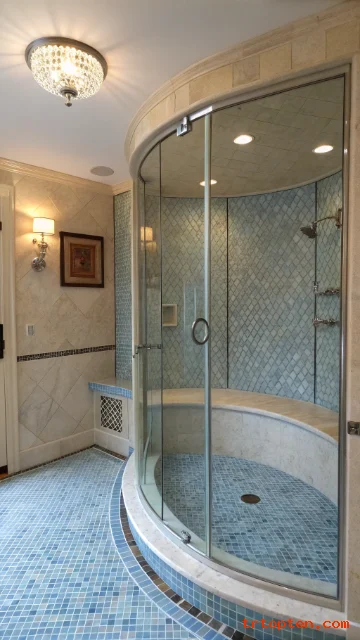
A round walk in shower uses a circular or oval footprint. This shape fits well into an unused corner or an alcove. You can step right into the center and turn around freely. A curved glass door follows the circular shape perfectly.
The door opens like a spaceship hatch on smooth hinges. Inside, a curved bench wraps around one side of the circle. Use small mosaic tiles on the curved floor. These tiles bend easily around the round base. A ceiling-mounted rain head waters you from directly above.
Wet Room Style Shower
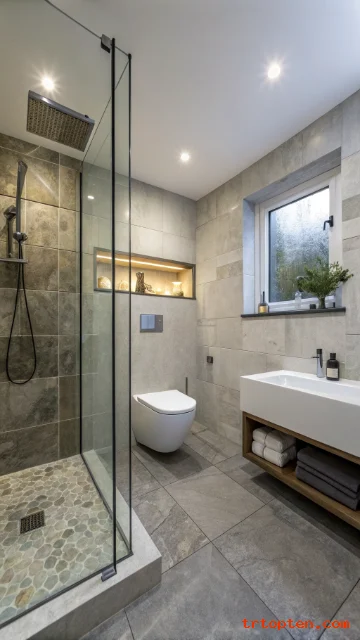
A wet room turns your entire bathroom into one big shower area. You remove all barriers between the shower and the rest of the room. The whole floor slopes toward a single central drain or a long linear drain. Install a glass partition that covers only half the shower zone.
The other half stays open for the toilet and sink area. Water can splash a little, but the slope carries it away. Use waterproof materials on every wall and surface. Porcelain tile, stone, or sealed concrete all work well. Your small bathroom gains a spa-like feel with no cramped shower box.
Half Glass Wall Shower
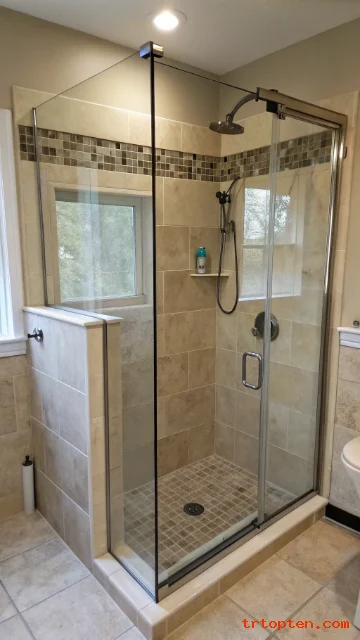
A half glass wall blocks water while keeping the shower visually open. This design uses a fixed panel of glass that reaches only waist height. You step over a low threshold or a curbless entry into the shower zone. The upper half of the shower stays completely exposed to the bathroom.
Your head and shoulders can see the rest of the room. This makes a tiny space feel much larger than it really is. Water might splash a little over the low wall. A strategically placed towel or a second small panel catches stray drops. Overall, the airy feel wins over most homeowners.
Pebble Stone Floor
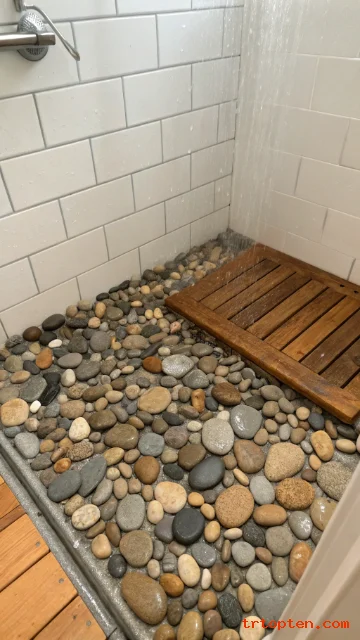
A pebble stone floor adds natural texture to your small walk in shower. These smooth stones come mounted on mesh sheets for easy installation. You walk on a surface that feels like a gentle riverbed. The uneven stones provide excellent slip resistance.
Your feet get a light massage with every shower. The organic look pairs well with wood-look tiles or plain white walls. Seal the pebbles properly to prevent mold and dirt buildup. A sealed pebble floor cleans easily with a mild detergent. The natural gray and brown tones hide minor stains and hair.
Black Framed Glass
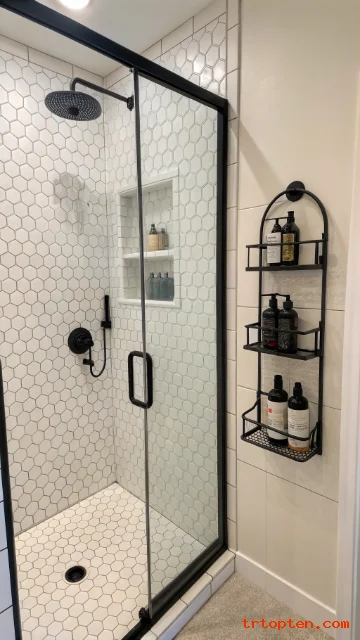
Black framed glass adds a bold industrial look to a small shower. The dark metal frame stands out against white or light-colored tiles. Your eye goes straight to the striking black lines. A sliding or hinged door with black framing looks modern and expensive. The black finish hides water spots and fingerprints better than chrome or nickel.
You can wipe it down once a week without seeing every smear. Match the black frame to black faucets, shower heads, and towel bars. This creates a cohesive design throughout the small bathroom. The contrast actually makes the space feel more organized.
Hexagon Tile Walls
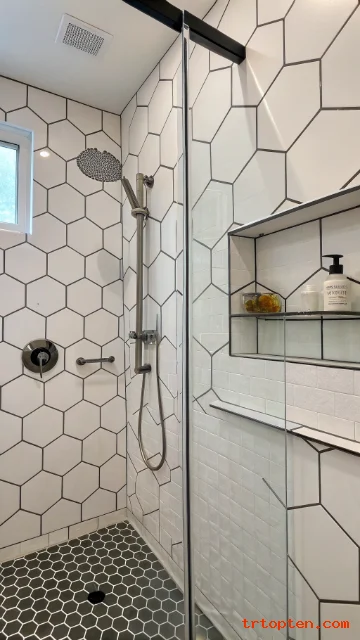
Hexagon tiles on shower walls create a striking geometric pattern. The six-sided shapes stack together like a honeycomb. Your small bathroom gains visual interest without taking up any extra space. Use small hexagons for a busy, mosaic-like look.
Use large hexagons for a more minimalist and modern feel. White hexagons with dark grout make each shape pop. Run the hexagon pattern from floor to ceiling. This continuous vertical line makes the shower feel taller. You can also use hexagon tiles on the shower floor for a matching set.
Recessed Shower Bench
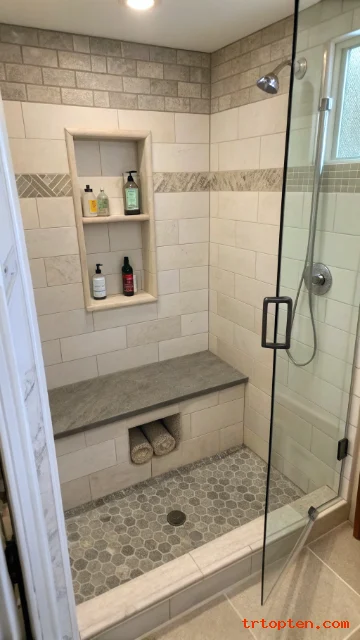
A recessed bench tucks into the shower wall to save floor space. You build the bench into the stud cavity of an interior wall. The seat depth comes from the wall itself, not from the shower floor. This bench does not stick out into your walking path. You can sit down to shave your legs or wash your feet.
The recessed design also provides a perfect spot for shampoo bottles. Tile the bench with the same material as the wall. Add a slight downward slope so water runs off the seat. A grab bar on the wall next to the bench adds safety for older adults.
Single Sheet of Glass
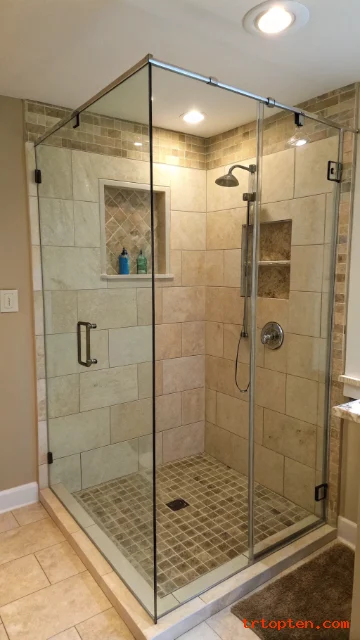
A single sheet of glass acts as a minimalist shower screen. You attach one large glass panel to the wall and the floor. The glass covers only half of the shower opening, leaving the rest open. Water stays mostly inside if you aim the shower head away from the gap. The open side makes stepping in and out effortless.
You never have to slide or push a heavy door. Use tempered glass that is at least 3/8 inch thick. Thicker glass wobbles less and feels more substantial. A clear glass sheet disappears visually, making your bathroom feel huge.
Frosted Glass for Privacy
Frosted glass gives you privacy without blocking light. This textured glass blurs shapes and colors from view. You can see the outline of a person but no details. Frosted glass works well in bathrooms that face a living area or hallway. It also suits shared bathrooms where two people get ready at once.
The soft diffusion of light makes the whole shower glow. You can buy glass that comes pre-frosted from the factory. Or you can apply a frosted film to existing clear glass. Film costs much less and you can remove it later.
Linear Drain Installation
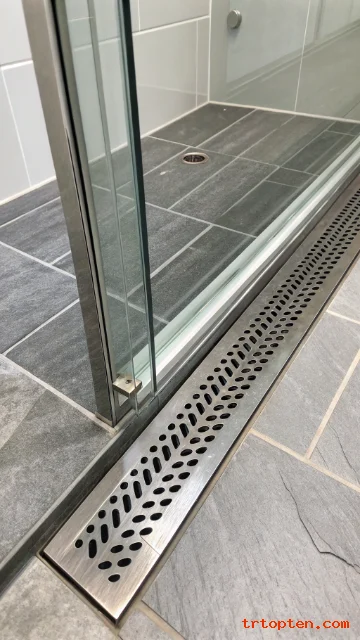
A linear drain replaces the standard round shower drain. This long, narrow channel sits at the shower entrance or against a wall. Water flows into a single straight line instead of a central point. You can tile the shower floor with large slabs because you need only one slope.
The floor angles gently toward the long channel along one edge. This creates a more modern and minimalist look. Choose a linear drain with a removable grate in brushed stainless steel. The grate catches hair and debris before they enter the pipe. Clean the drain by lifting the grate once a month.
Floor-to-Ceiling Tile
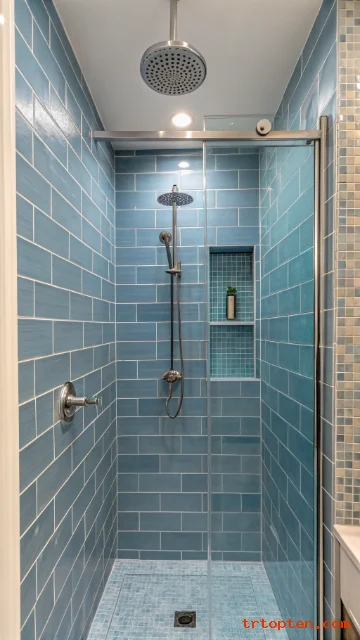
Floor-to-ceiling tile wraps your entire shower in a continuous material. No drywall or paint shows above the tile line. The solid tile surface resists moisture better than any painted wall. This design makes a small shower feel like a sleek box of color. Your eye sees no breaks or transitions in the material.
The uninterrupted surface tricks your brain into thinking the space is larger. Use large-format tiles to reduce the number of grout lines. Fewer grout lines mean less cleaning and fewer mold opportunities. Choose a light color like cream, light gray, or pale blue.
Foldable Shower Seat
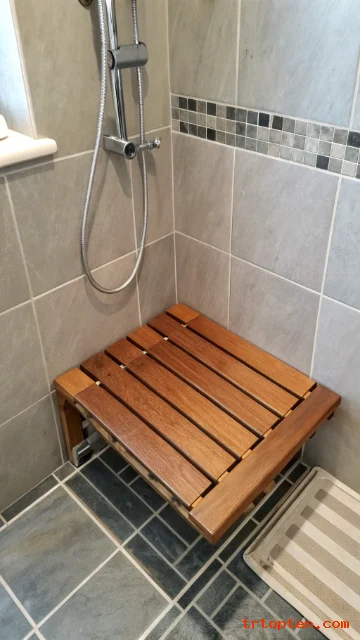
A foldable seat attaches to the shower wall and folds flat when not in use. This teak or plastic seat gives you a place to sit without permanent floor space. You push it up against the wall to stand and shower normally. The hinge mechanism locks securely in both the open and closed positions.
A foldable seat is perfect for very small walk in showers. You get the benefit of a bench without the permanent footprint. Choose teak wood for a warm, natural look. Teak resists water and rot better than any other wood. Plastic seats cost less but may not look as nice.
Skylight Above the Shower
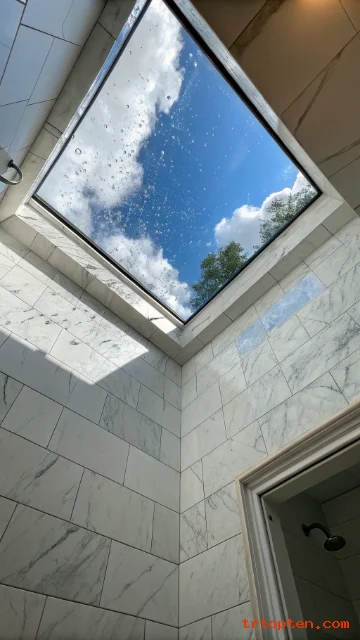
A skylight brings natural light into a small windowless bathroom. The overhead window floods your walk in shower with sunshine. You can see the sky while you wash your hair. A skylight makes a dark, cramped shower feel open and airy.
The natural light shows true tile colors without artificial shadows. You may not need to turn on a light during the daytime hours. Choose a fixed skylight for maximum brightness. An operable skylight that opens gives you ventilation too. Frost the glass if you worry about neighbors seeing in from above.
Narrow Walk In Shower
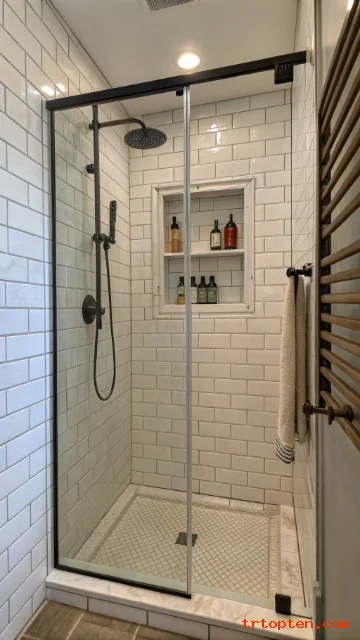
A narrow walk in shower fits into a tight space like an old closet or an alcove. The width can be as small as 30 inches. You just need enough room to turn your shoulders and bend down. Place the shower head at one end of the narrow rectangle. The water sprays toward the drain at the opposite end.
A sliding glass door works best because a swinging door would hit the walls. Use light colors and glossy tiles to reflect what little light exists. A single recessed niche holds all your bottles without protruding. This skinny shower proves that any nook can become functional.
Exposed Pipe Shower
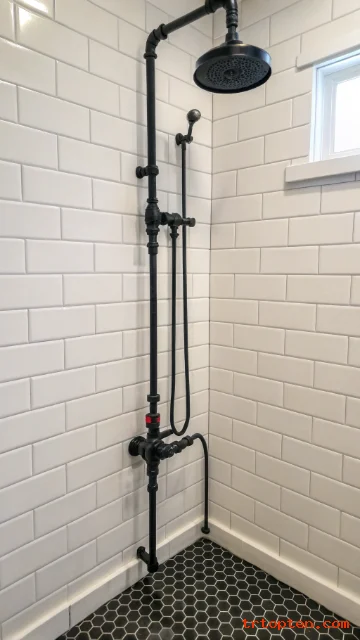
Exposed pipes replace a traditional shower arm inside the wall. Iron or brass pipes run along the tile surface instead of behind it. This industrial look saves you from cutting into the wall for installation. You can mount the pipes on the tile using simple brackets. The round pipe shape contrasts nicely with flat tile surfaces.
A large shower head attaches to the top of the vertical pipe. Use black iron pipe for a rugged, masculine style. Use polished brass for a vintage or steampunk feel. The exposed pipes actually make a small shower feel more intentional and designed.
Pocket Door for Shower Entry
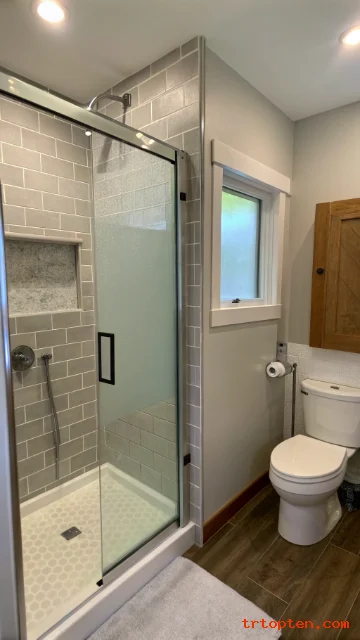
A pocket door slides into the wall cavity instead of swinging open. This door type requires no floor space in front of the shower. You can place a toilet or sink right next to the shower opening. The door disappears completely when you open it. Your bathroom layout becomes much more flexible without swing clearance.
A pocket door also looks sleek and modern in any bathroom. Install a solid-core pocket door for better sound insulation. Frosted glass pocket doors let light pass through while maintaining privacy. Make sure the track stays clean so the door glides smoothly.
Mosaic Accent Strip
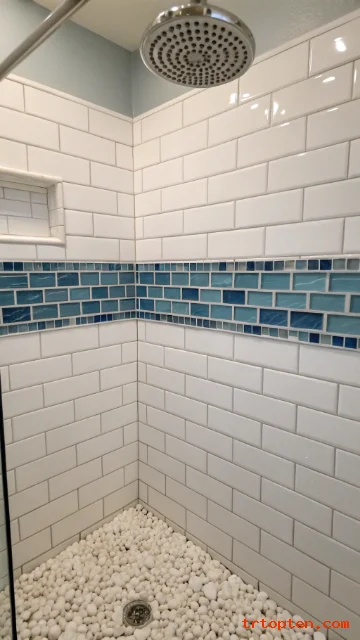
A mosaic accent strip adds a band of color across your shower wall. This thin horizontal line breaks up large fields of plain tile. The small mosaic pieces create texture and visual interest without taking over. Place the strip at eye level for maximum impact. You can also run it vertically along one corner.
The accent draws your gaze and makes the shower feel taller or wider. Use glass mosaics for a shimmering, reflective quality. Use stone mosaics for a more organic and earthy look. The accent strip costs little but changes the entire design.
Shower Curtain Instead of Door
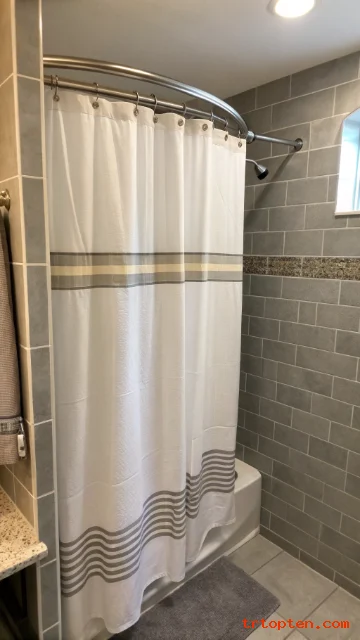
A shower curtain saves money and space compared to a glass door. You can push the curtain completely open to one side. This gives you a full-width entrance with no obstacles. Curved curtain rods bow outward to create more elbow room. The curve adds about six inches of extra space at shoulder height.
You never touch a cold, wet curtain while you shower. Choose a fabric curtain with a waterproof liner. Washable fabric looks better than plastic and lasts longer. A simple white curtain makes the shower recede visually, expanding the room.
Bold Colored Tile
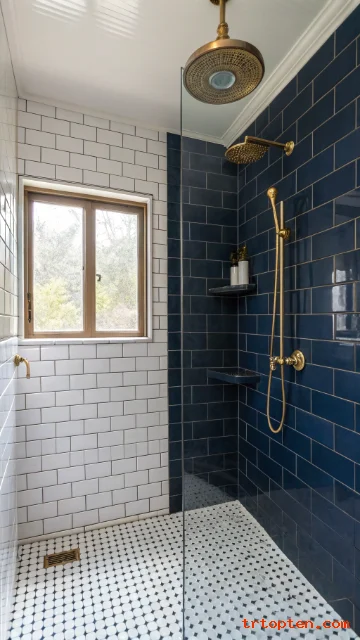
Bold colored tile turns your small walk in shower into a statement piece. Deep blue, forest green, or rich charcoal walls demand attention. The color creates a cozy, enveloping feeling in a compact space. Dark tiles make the shower recede visually, pushing the walls back.
A dark shower can actually feel larger than a white one because you lose the visible edges. Pair dark walls with light grout to highlight each tile shape. Use glossy finish tiles to reflect light and prevent a cave-like feel. A single bold wall with neutral others offers a balanced look. Your small bathroom gains personality without clutter.
Open Storage Ledge
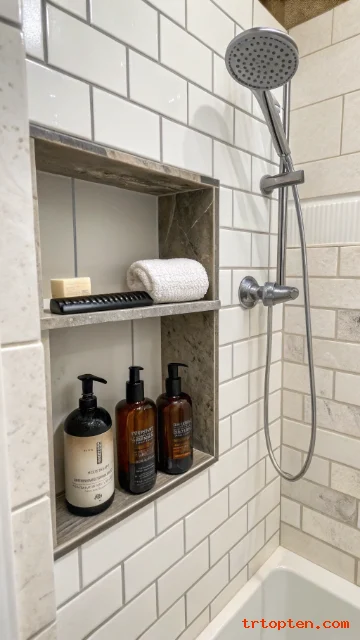
An open storage ledge runs along the back wall of your shower. This shallow shelf, just four inches deep, holds bottles and bars. The ledge does not intrude into the shower space like a full bench. You can tile the ledge with the same material as the wall. The continuous surface makes the ledge disappear visually.
Your bottles sit at a convenient height without a bulky caddy. Run the ledge across the entire width of the shower. Use it as a foot rest for leg shaving too. Keep the ledge clean by wiping it dry after each shower.
Triangular Shower Enclosure
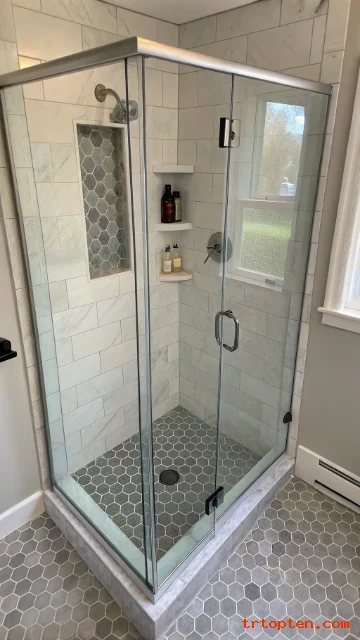
A triangular enclosure fits into a corner with two equal-length walls. The third side, the door, angles across the diagonal. This shape gives you more interior space than a square corner shower. You can stand in the center and turn around without hitting the walls.
The diagonal door swings open to a wide entry. Use a neo-angle door with two glass panels meeting at the center. The angled front face looks stylish and modern. Tile the two back walls with a matching pattern. The floor should have small tiles that bend around the triangular shape.
Wall-Mounted Shower Caddy
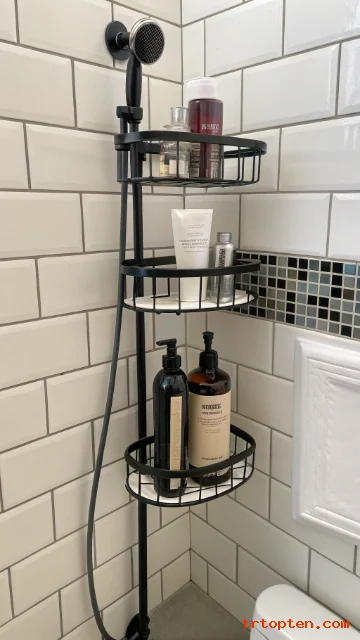
A wall-mounted caddy holds your toiletries without touching the floor. You screw a metal or plastic caddy directly into the shower wall. This frees up the valuable floor space for your feet. A corner caddy uses otherwise wasted space at the wall junction. A vertical caddy hangs from a single bracket and drops down.
You can adjust the shelf heights to fit tall or short bottles. Choose stainless steel or brass to resist rust and corrosion. Plastic caddies cost less but may discolor over time. Mount the caddy at a height that avoids bumping your head or elbow.
Large Mirror on Opposite Wall
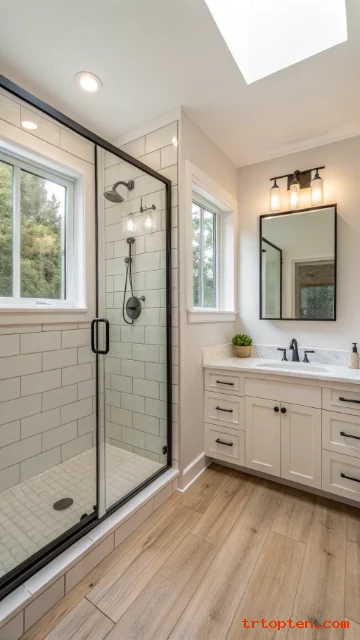
A large mirror on the bathroom wall opposite the shower doubles the visual space. You see the reflection of the shower and the whole room. The mirror creates an illusion of depth that makes everything feel bigger. Place the mirror where you can see it from inside the shower.
Standing under the water, you catch glimpses of the reflected room. This trick works especially well in narrow bathrooms. Use a frameless mirror for a clean, disappearing edge. An anti-fog coating keeps the mirror clear during hot showers. The reflected light also brightens up the shower interior.
Recessed Lighting in Shower
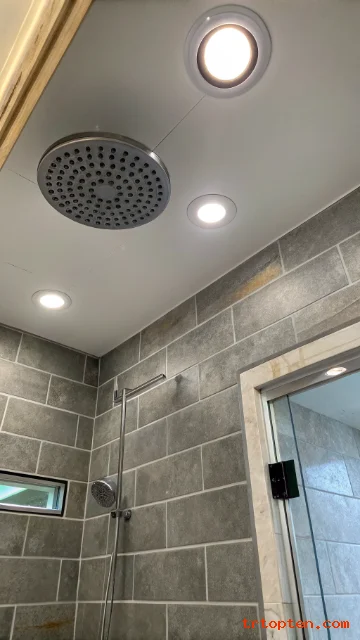
Recessed lighting placed directly inside the shower ceiling provides targeted brightness. You need a wet-rated recessed light fixture rated for shower use. The light sits flush with the ceiling so it does not hang down. A single recessed light can illuminate the whole shower area.
Two lights spaced apart eliminate shadows on your face and body. Place the light away from the shower head to prevent water contact. Use an LED bulb for energy efficiency and long life. A dimmer switch lets you lower the light for a relaxing evening shower. Good lighting makes a small shower feel safe and inviting.
Glass Block Wall
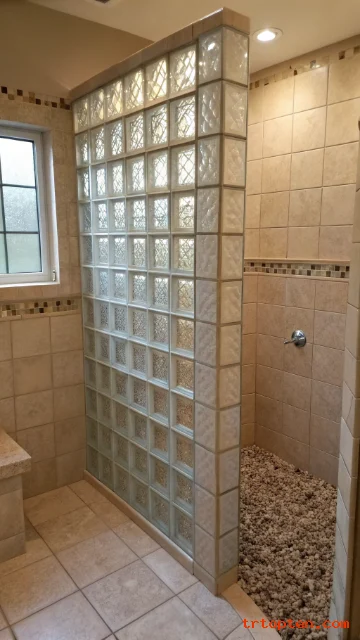
Glass block walls let light pass through while blocking the view. These thick, square blocks stack like bricks to form a translucent wall. You can build a glass block wall on one side of your shower. The blocks transmit natural light from a window or from the main bathroom.
Your shower gets bright but private illumination. Glass block also resists water and never needs painting. Install the blocks with white mortar for a clean, modern look. A glass block wall can replace a solid interior wall entirely. This opens up your small bathroom visually while keeping the shower contained.
Folding Glass Door
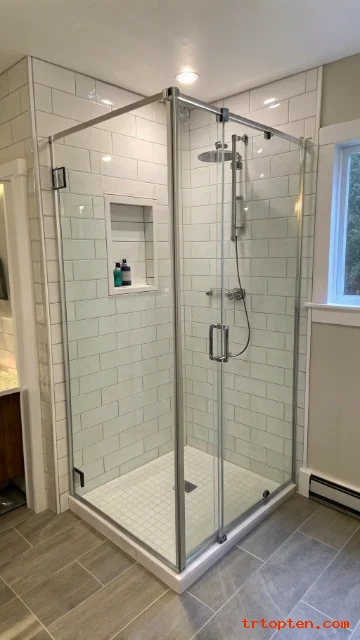
A folding glass door, also called a bi-fold door, collapses like an accordion. Two or three glass panels fold back against each other. The stacked panels rest against one wall when fully open. This door leaves a very wide opening for entry and exit. You can walk straight in without sidestepping around a single panel.
The folding mechanism requires a track at the top and bottom. Clean the track regularly to prevent dirt buildup. Folding doors work best for narrow shower openings that need maximum clearance. The glass panels still give you a transparent, modern look.
What is the smallest size for a walk in shower?
A walk in shower can be as small as 30 inches by 30 inches. This size allows a person to stand and turn around. You need at least 36 inches by 36 inches for a more comfortable experience.
Do small walk in showers need a door?
No, you can use a curbless open design with a single glass panel. A door is optional if you slope the floor toward a drain. Open designs work best in wet rooms where the whole bathroom is waterproof.
How much does a small walk in shower cost?
A basic budget installation costs between $1,500 and $3,000. Mid-range materials and professional labor run $4,000 to $8,000. High-end tile and custom glass can exceed $10,000.
What floor tile is best for a small walk in shower?
Small mosaic tiles or pebbles work best because they grip your feet. Large tiles require more slope and can be slippery. Penny rounds and hexagons are popular choices for safety and style.
Can I put a walk in shower in a very old house?
Yes, but you may need to reinforce the floor joists. Old houses often have wood subfloors that require waterproof membranes. A contractor can assess your home’s structure before installation.
How do I keep water from splashing out of a doorless shower?
Slope the floor toward a linear drain at the shower entrance. Use a glass panel that extends at least halfway across the opening. Position the shower head away from the open side.
What color tile makes a small shower look bigger?
White or very light gray tiles reflect the most light. Glossy finishes bounce light around the space. Avoid dark colors on all four walls because they absorb light.
How do I clean a small walk in shower without harsh chemicals?
Mix equal parts white vinegar and water in a spray bottle. Spray the solution on tiles and glass, then wipe with a soft cloth. Do this weekly to prevent soap scum and hard water stains.
Can I add a bench to a very small walk in shower?
Yes, use a foldable teak bench that mounts to the wall. A corner bench built into two walls takes minimal floor space. A recessed bench carved into the wall studs saves the most room.
Do small walk in showers add home value?
Yes, a well-designed walk in shower appeals to modern buyers. It makes a small bathroom feel luxurious and accessible. Most real estate agents say it adds more value than a tub.
Conclusion
These 30 small walk in shower ideas show you how to maximize every inch of your bathroom. You do not need a huge space to enjoy a luxurious, open shower experience. From corner units to curbless entries and clever storage, each idea solves a specific space problem.