
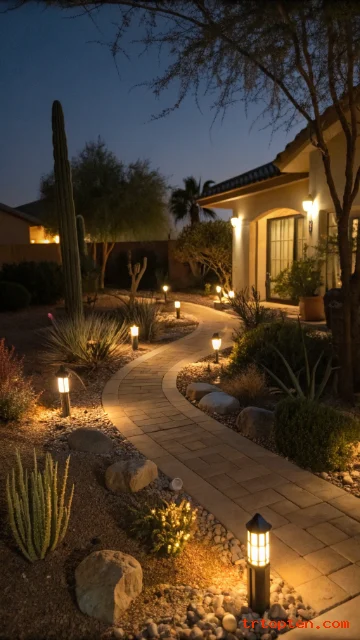
These designs focus on simple layouts, natural textures, and plants that survive heat. You can build a space that feels calm, clean, and easy to manage.
Minimalist Gravel Garden
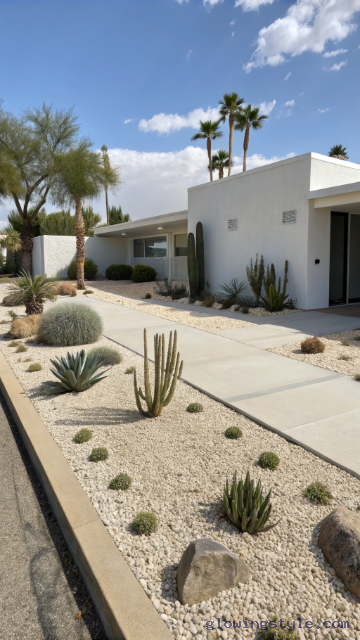
A minimalist gravel garden creates a clean and open layout in your front yard. It uses small stones to cover soil and reduce water loss. The design looks simple and modern with very little effort.
You can choose light or dark gravel to match your house color. Neutral shades create a calm and balanced appearance. The surface stays neat and does not need frequent care.
Add a few drought-tolerant plants to break the empty space. Place them with equal spacing to keep the layout balanced. This approach keeps the yard uncluttered and easy to maintain.
Statement Cactus Feature
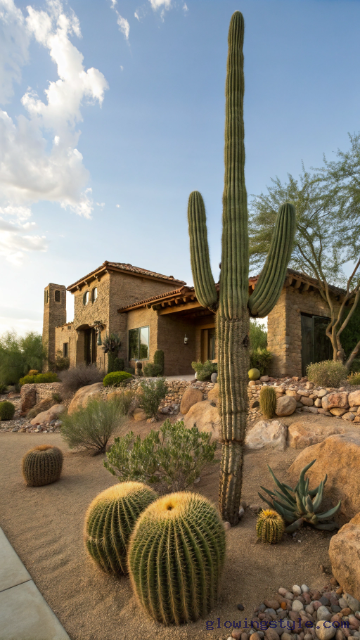
A statement cactus creates a bold focal point in the front yard. It adds height and strong visual impact to the space. The shape stands out against a simple background.
You can place the cactus near the entrance or center area. This draws attention and guides the eye. The plant becomes the main design feature.
Add smaller cacti around the base to create layers. Keep enough space between each plant for growth. This keeps the design clean and organized.
Decorative Rock Layout
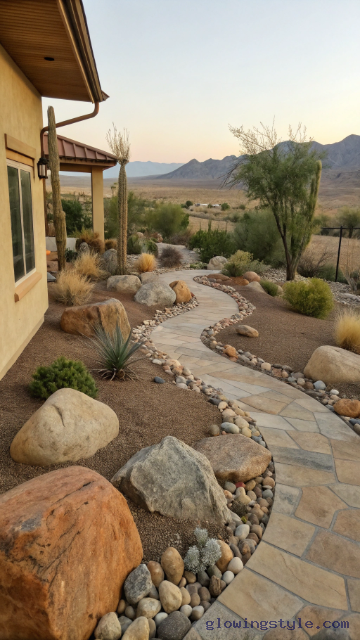
Decorative rocks add texture and depth to your yard. They come in different sizes and colors for variety. The mix creates a natural and interesting surface.
You can combine large stones with small pebbles. This builds contrast and improves visual appeal. The layout feels more dynamic.
Arrange rocks in flowing lines to mimic nature. Avoid straight rows to keep the design natural. This creates a more relaxed look.
Dry River Bed Design
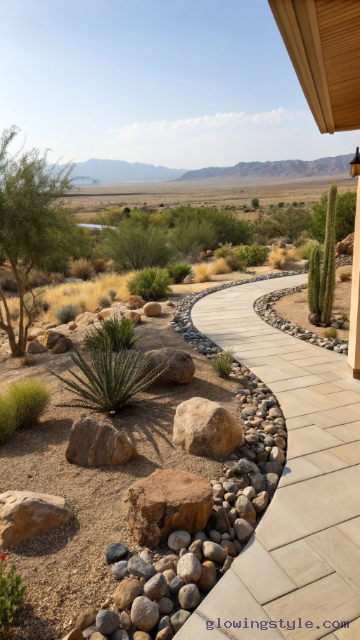
A dry river bed creates a sense of movement in the yard. It looks like a natural stream without water. This feature adds strong visual interest.
Use smooth stones to shape a curved path. The curves create a realistic flow. This makes the design feel natural.
Place plants along the edges to soften the look. The greenery adds contrast to the stones. This improves the overall balance.
Succulent Garden Beds
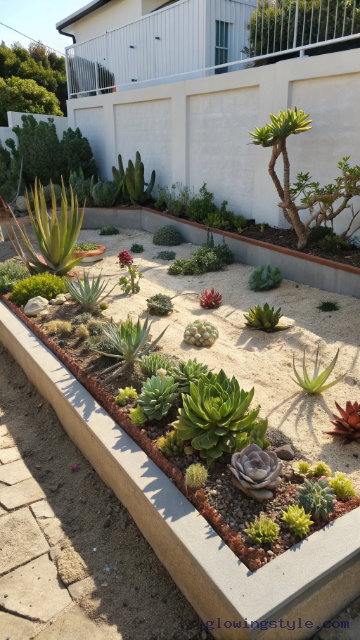
Succulent garden beds bring color and structure to your yard. These plants store water and need little care. They suit dry climates very well.
You can mix different shapes and sizes of succulents. This adds variety and keeps the design interesting. The layout feels lively but controlled.
Use raised beds or borders to define the area. Ensure the soil drains well for healthy plants. This keeps the garden thriving.
Stone Pathway
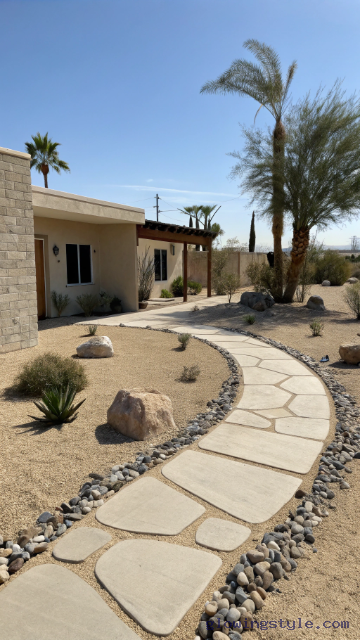
A stone pathway adds structure and direction to your yard. It guides visitors through the space. The path also improves usability.
Place stones evenly to create balance. Surround them with gravel or sand. This keeps the pathway defined.
You can curve the path for a softer look. A gentle curve feels more natural. This enhances the design flow.
Native Desert Plants
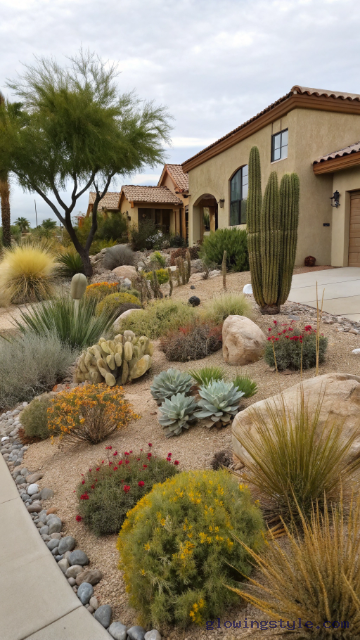
Native desert plants grow well with little water. They adapt to local conditions easily. This makes them a smart choice.
You can mix shrubs, grasses, and flowers for variety. This creates layers and texture. The yard looks more complete.
Group plants with similar needs together. This makes watering easier and efficient. It also keeps the layout organized.
Rock Garden Feature
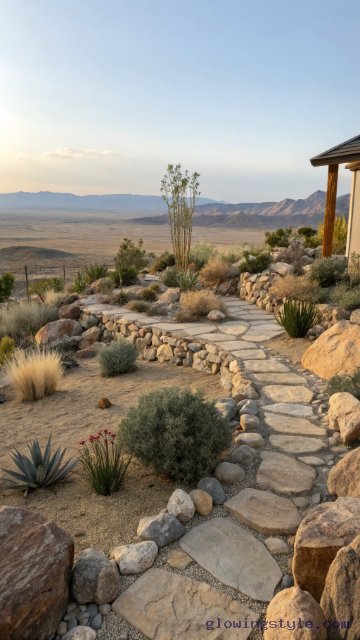
A rock garden highlights natural textures in a simple way. It works well in dry environments. The design feels grounded and calm.
Use large rocks as anchors in the layout. Fill gaps with smaller stones. This creates depth and structure.
Add a few hardy plants for contrast. Keep spacing wide for a clean look. This maintains balance.
Mulch Ground Cover
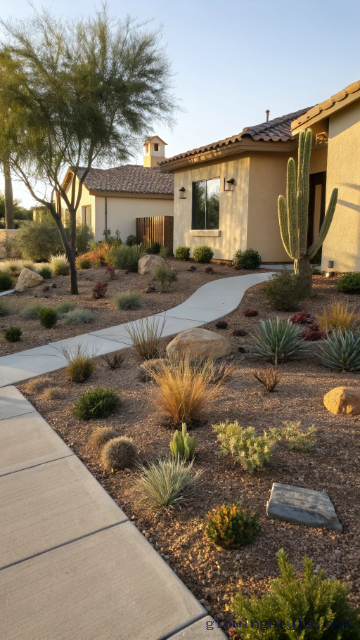
Mulch helps keep moisture in the soil. It also reduces weed growth. This improves plant health.
You can use organic mulch or stone mulch. Choose a color that matches your design. This keeps the look consistent.
Spread mulch evenly around plants. Maintain proper thickness for best results. This ensures good coverage.
Raised Planters
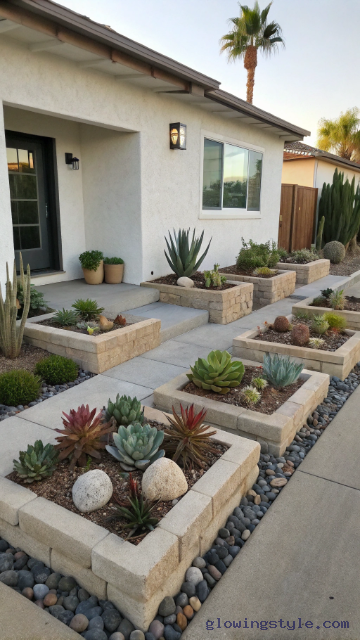
Raised planters add height and structure to your yard. They also improve soil control. This helps plants grow better.
Use materials like stone or wood for the planters. Match them with your home style. This keeps the design cohesive.
Plant succulents or small shrubs inside the planters. Keep spacing even for a neat look. This enhances visual order.
Sand Base Landscape
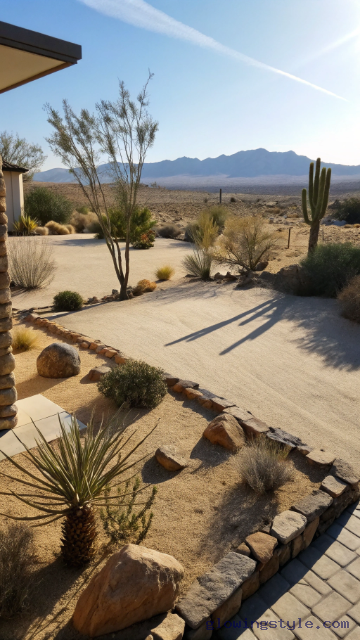
A sand base creates a soft and bright ground surface. It reflects sunlight and enhances the space. The yard feels open and airy.
You can level the sand evenly across the yard. This creates a smooth foundation. The surface looks clean and simple.
Add rocks or plants for contrast. Use borders to keep sand in place. This keeps the design tidy.
Outdoor Lighting
Outdoor lighting improves the look of your yard at night. It highlights key features clearly. It also adds safety.
Place lights along pathways and near plants. Use warm tones for a cozy feel. This enhances the atmosphere.
Choose solar lights for easy installation. They reduce energy use and cost. This makes them practical.
Zen Desert Garden
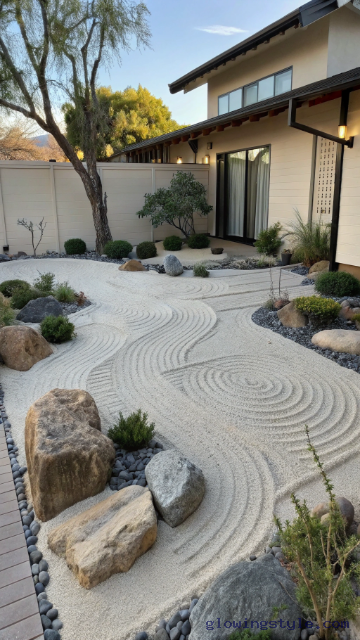
A Zen desert garden creates a calm and peaceful space. It uses sand, rocks, and minimal plants. The design stays simple.
Rake patterns into the sand for texture. Place rocks carefully for balance. Each element feels intentional.
Add one or two plants for contrast. Keep spacing wide for a clean look. This enhances the calm feel.
Gravel and Paver Mix
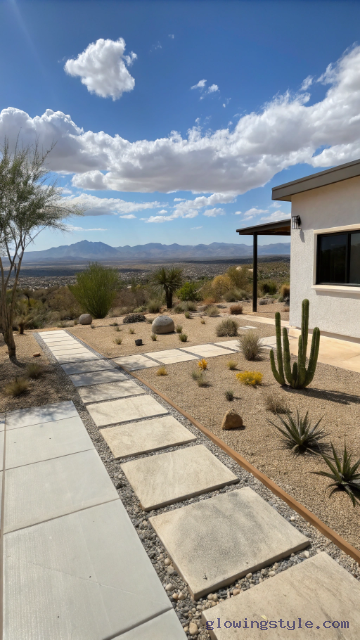
A mix of gravel and pavers creates a modern design. It adds contrast in texture and shape. The layout looks structured.
Place pavers in a pattern across the yard. Fill gaps with gravel for balance. This creates a cohesive look.
Keep spacing even for a clean finish. Choose neutral tones for harmony. This keeps the design simple.
Water Feature Accent
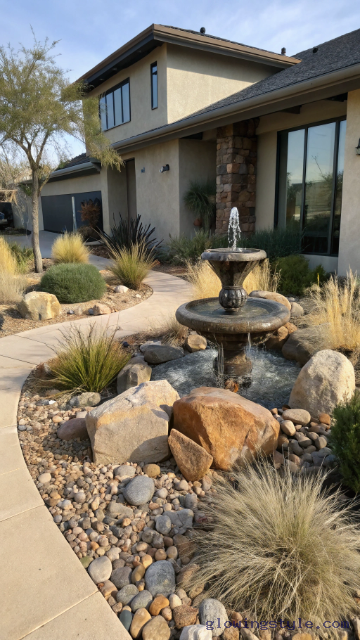
A small water feature adds contrast to a dry yard. It brings sound and movement. This makes the space feel lively.
Use a simple fountain with low water use. Place it near the entrance or seating area. This draws attention.
Surround the feature with stones and plants. This blends it into the design. It also keeps maintenance easy.
Ornamental Grasses
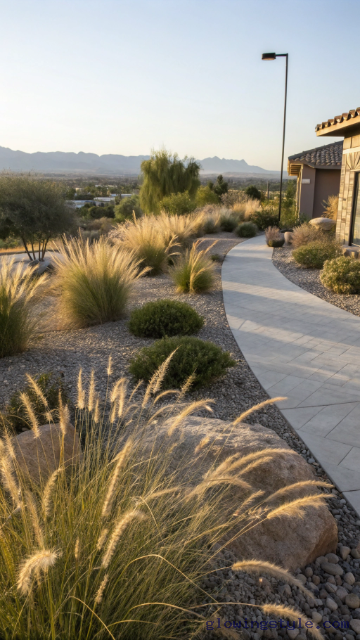
Ornamental grasses add motion to your yard. They sway with the wind. This creates a dynamic look.
Choose drought-tolerant varieties for best results. Plant them in small clusters. This keeps the design natural.
Combine grasses with gravel or rocks. This enhances texture and contrast. The yard feels balanced.
Desert Patio Area
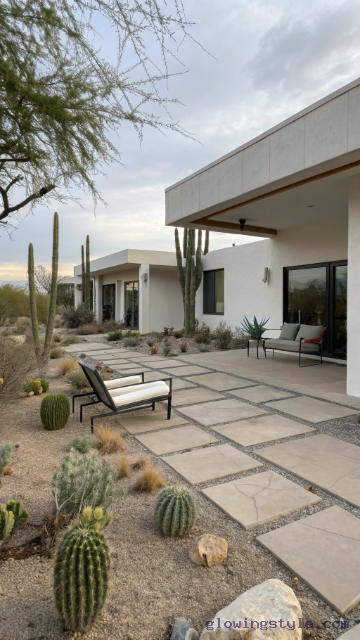
A patio adds usable space to your front yard. It creates a place to sit and relax. This improves function.
Use stone or concrete for durability. Keep colors neutral for a clean look. This matches desert style.
Add simple furniture for comfort. Keep the layout open and uncluttered. This maintains the design theme.
Desert Flower Accents
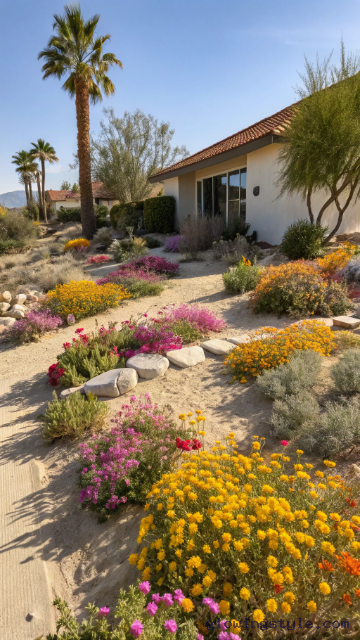
Desert flowers add bright color to the yard. They break the neutral tones. This makes the space lively.
Choose hardy flowering plants that need little water. Mix different colors for variety. This improves visual appeal.
Plant flowers in small clusters. Keep spacing even for a neat look. This maintains balance.
Vertical Garden Elements
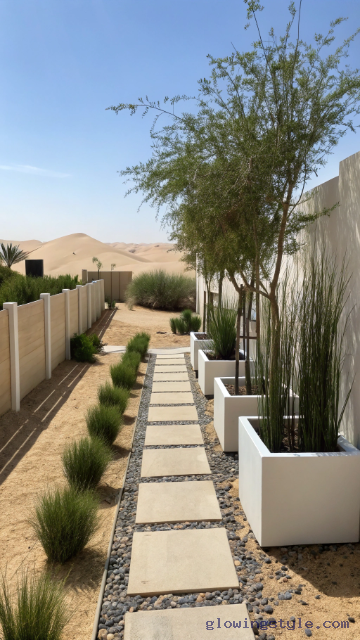
Vertical elements add height to your yard. They draw the eye upward. This improves design balance.
Use tall planters or simple trellises. Keep materials minimal and clean. This matches desert style.
Add climbing or upright plants. Space them properly for growth. This keeps the layout organized.
Layered Plant Design
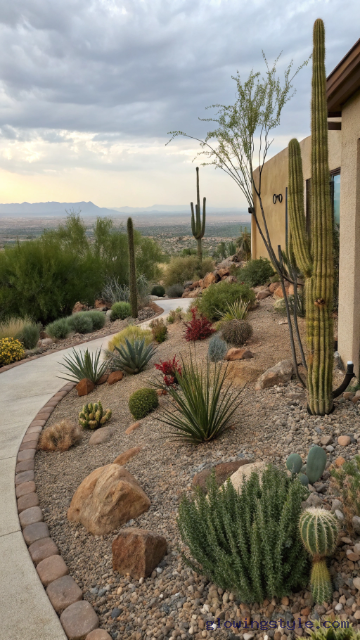
Layered planting creates depth in your yard. It uses plants of different heights. This builds visual interest.
Place tall plants at the back and short ones in front. This creates a natural flow. The layout looks structured.
Use similar colors for harmony. Keep spacing even for clarity. This improves the overall design.
Boulder Accent Pieces
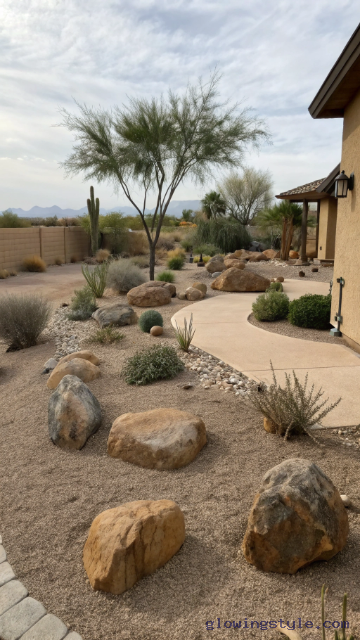
Large boulders act as strong design anchors. They add weight and presence to the yard. The look feels grounded.
Place boulders in key areas for focus. Surround them with gravel or sand. This highlights their shape.
Use a few plants nearby for contrast. Keep spacing wide for balance. This maintains a clean look.
Desert Seating Nook
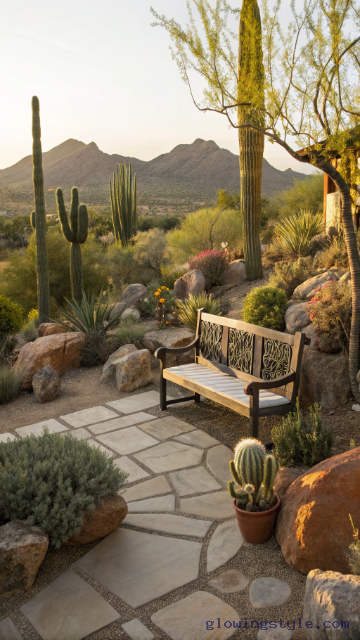
A seating nook creates a cozy space in the front yard. It adds function and comfort. This makes the yard inviting.
Use simple benches or chairs with neutral tones. Place them in a shaded area. This improves usability.
Add a few plants or rocks around the space. Keep the design minimal. This maintains a clean style.
Stepping Stone Design
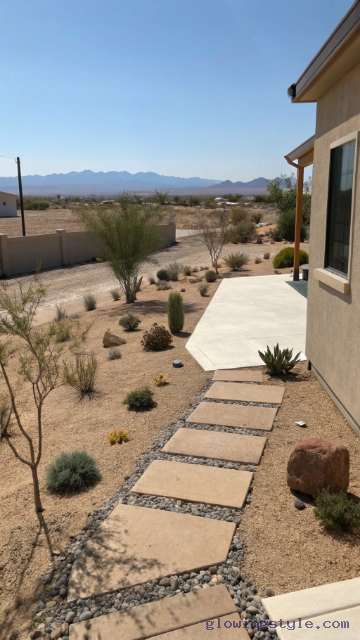
Stepping stones create a clear walking path. They also add visual interest. The design looks neat and functional.
Place stones evenly across the yard. Use gravel or sand around them. This keeps them stable.
You can create patterns for style. Keep spacing consistent for safety. This improves usability.
Desert Fence Styling
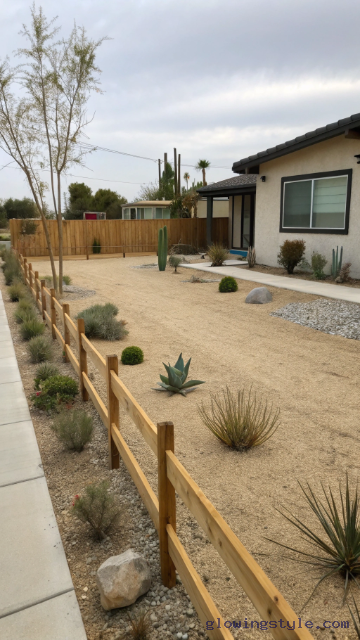
A desert-style fence adds privacy and structure. It defines the front yard clearly. The design feels complete.
Use wood or metal materials in simple forms. Choose neutral tones for consistency. This matches the landscape.
Add plants near the fence line. This softens the look. It also adds depth.
Color Contrast Design
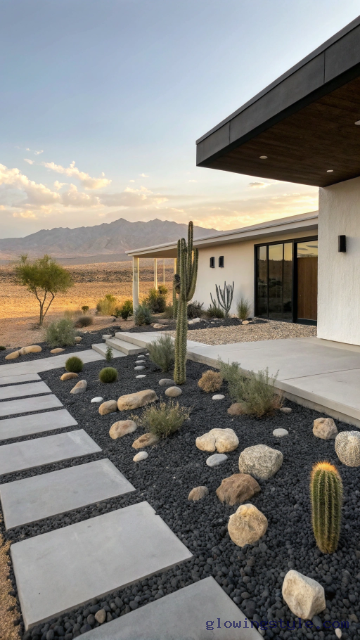
Color contrast makes the yard stand out. It uses light and dark elements together. This creates strong visual appeal.
Combine dark gravel with light stones or plants. This builds clear contrast. The design looks bold.
Keep the layout simple to avoid clutter. Use contrast in small sections. This keeps balance.
Symmetrical Layout Design
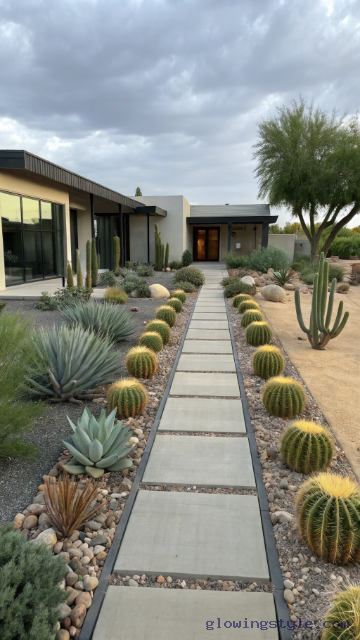
A symmetrical layout creates a balanced and formal look. It uses equal spacing on both sides. The yard feels organized.
Place matching plants or features on each side of the entrance. This creates harmony. The design looks structured.
Keep lines straight and spacing even. This enhances the clean style. It also improves curb appeal.
What are front yard desert landscaping ideas?
Front yard desert landscaping ideas focus on low-water designs. They use drought-tolerant plants and simple layouts.
How do I start desert landscaping?
You start with a simple plan and choose hardy plants. You also prepare well-draining soil and add gravel or sand.
Which plants work best in desert landscaping?
Succulents, cacti, and native shrubs work well. These plants need little water and care.
How do I reduce maintenance in my yard?
You use gravel, mulch, and native plants. These reduce watering and trimming needs.
Can I add color to a desert yard?
Yes, you can add desert flowers and colored stones. These bring life to the space.
Is desert landscaping expensive?
Costs depend on materials and design size. Simple layouts often cost less and save money over time.
Do I need irrigation for desert landscaping?
You may use minimal irrigation for young plants. Mature plants often need very little water.
How do I keep my design looking neat?
You maintain clear edges and proper spacing. You also remove weeds and debris regularly.
Conclusion
Front yard desert landscaping ideas help you create a stylish and low-maintenance outdoor space.
These designs use simple elements, natural textures, and smart plant choices to achieve a balanced look. You can build a yard that saves water, looks modern, and improves curb appeal with ease.