
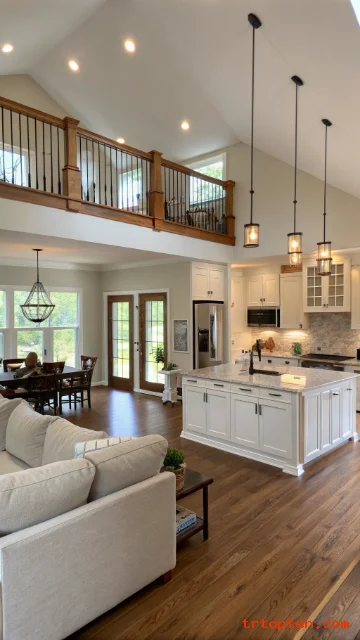
Split level homes have a unique layout that can feel stylish, practical, and full of character.
This guide shares 30 split level home design ideas that help you improve curb appeal, room flow, storage, lighting, and everyday comfort.
Create a Bright Open Entryway
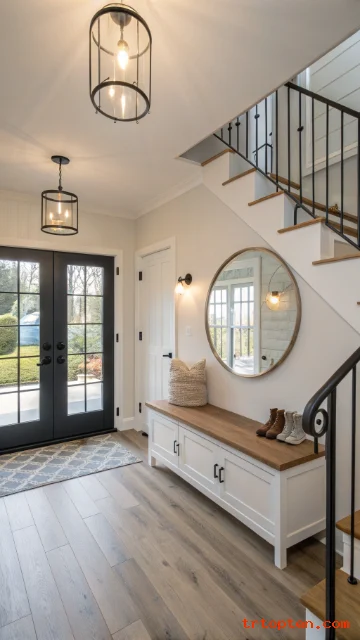
A split level entry often feels tight because stairs sit close to the front door. You can make the area feel bigger with light paint, slim railings, and a clear sightline into the main living space.
Use a small bench, wall hooks, and closed shoe storage to control clutter near the door. A mirror can reflect light and make the entry feel wider without changing the floor plan.
Choose warm lighting that welcomes guests right away. Recessed lights, a small pendant, or wall sconces can make the entry feel polished and intentional.
Replace Heavy Railings With Sleek Open Railings
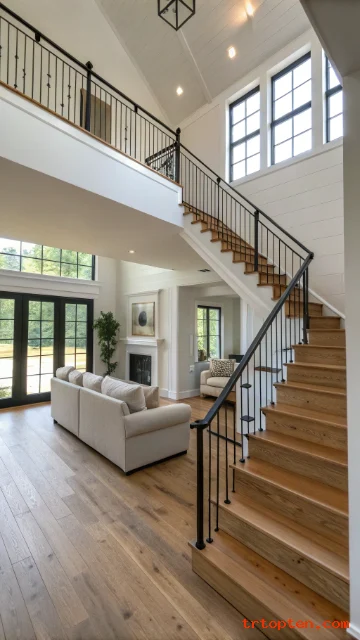
Old split level homes often have bulky wood railings that block light and make the stair area feel cramped. A sleek railing can open the center of the home and create a modern look.
Black metal railings work well with white walls, wood floors, and neutral furniture. Glass railings can also work if you want a more open and polished style.
Keep the railing design simple so the stairs do not overpower the room. This small change can make the whole house feel newer and more connected.
Use One Flooring Style Across Main Levels
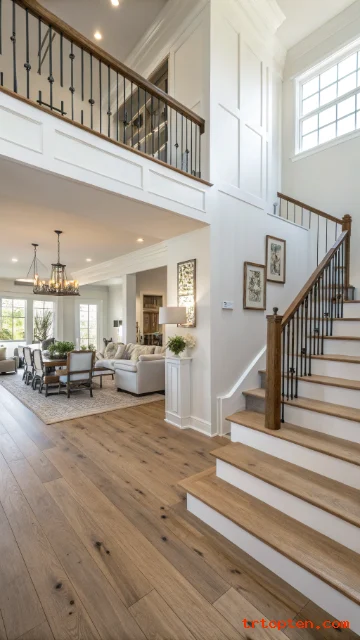
Different flooring materials can make a split level home feel chopped up. One consistent flooring style helps the home feel larger and more unified.
Wide plank wood, luxury vinyl plank, or engineered hardwood can connect the entry, living room, dining room, and hallway. Choose a medium or light tone to brighten the home.
Stairs should match or complement the main floor material. This creates a smooth visual path from one level to the next.
Open the Wall Between the Kitchen and Living Room
Many split level homes have closed kitchens that feel separate from the living room. Removing part of the wall can improve light, traffic flow, and family connection.
A half wall, wide pass-through, or full opening can make the kitchen feel more social. You can add a peninsula or island if the layout allows it.
Keep the kitchen finishes simple and bright to support the open design. White cabinets, stone counters, and warm wood accents create a clean look that ages well.
Add a Kitchen Island With Seating
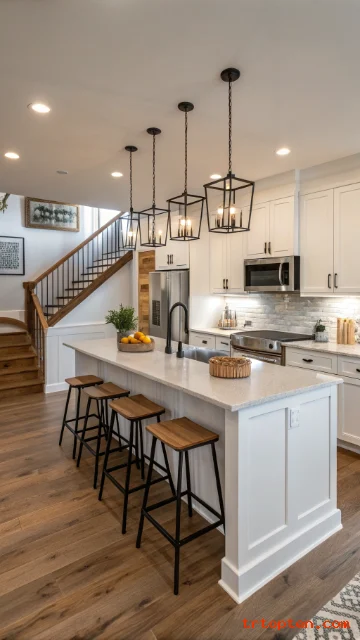
A kitchen island can become the center of a split level main floor. It adds prep space, storage, and a casual place to eat.
Choose an island size that fits the room without blocking walkways. Leave enough space around the island so people can move between the kitchen, dining area, and stairs.
Use pendant lights above the island to define the zone. Bar stools in wood, black, or woven textures can add warmth and style.
Turn the Lower Level Into a Cozy Family Room
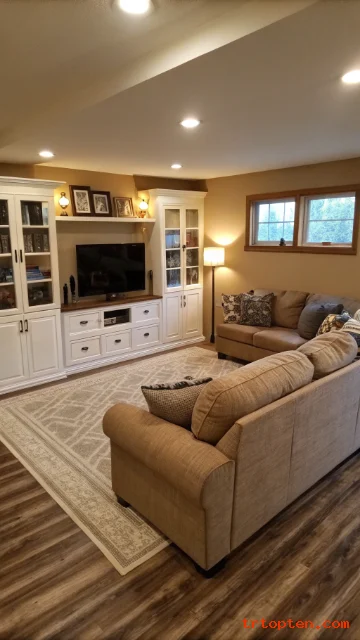
A split level lower floor can feel dark if it lacks purpose. Turn it into a family room with soft seating, layered lighting, and warm textures.
Use a sectional sofa, media wall, and storage cabinets to make the room useful every day. Add an area rug to soften hard floors and define the seating area.
Paint the walls a warm neutral shade instead of stark white. This helps the lower level feel cozy instead of basement-like.
Design a Split Level Home Office
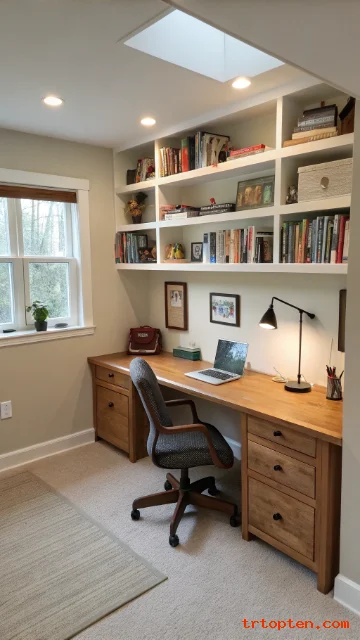
A split level layout can provide a quiet office away from the main living area. The lower level, landing, or spare bedroom can become a focused work zone.
Choose a desk with closed storage so papers and cords stay hidden. Add shelves above the desk to use vertical wall space.
Good lighting matters in a home office. Place the desk near a window and add a task lamp for clear work light.
Build Storage Under the Stairs
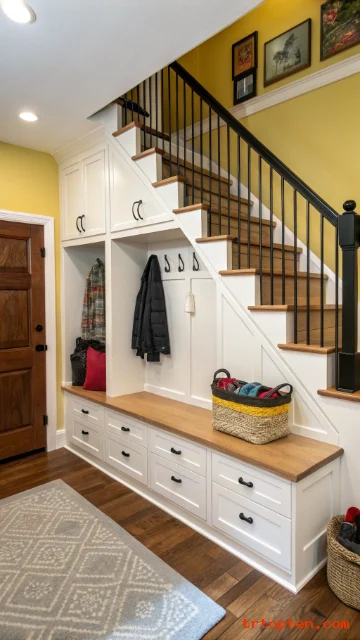
Split level homes often have unused space near or under the stairs. Built-in storage can turn that awkward area into something practical and attractive.
You can add drawers, cabinets, open cubbies, or a small closet. Use the storage for shoes, coats, toys, bags, or seasonal items.
Match the built-ins to the wall color for a clean look. Simple hardware and smooth cabinet fronts keep the design neat.
Update the Exterior With Mixed Materials
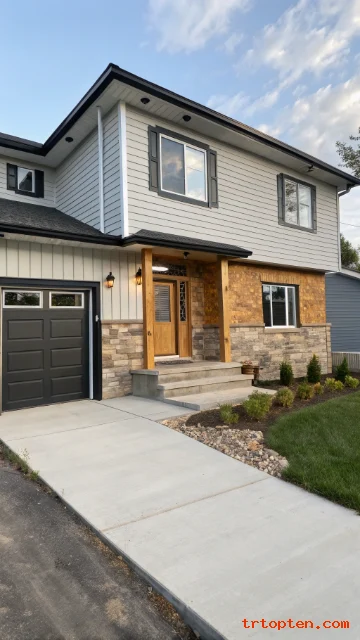
The outside of a split level home can look flat when it uses one siding material. Mixed materials can add depth, texture, and better curb appeal.
Combine horizontal siding with stone, brick, wood accents, or board and batten. Keep the color palette simple so the house looks updated, not busy.
Use darker trim around windows and doors for contrast. This gives the exterior a crisp, modern shape.
Add Modern Front Yard Landscaping
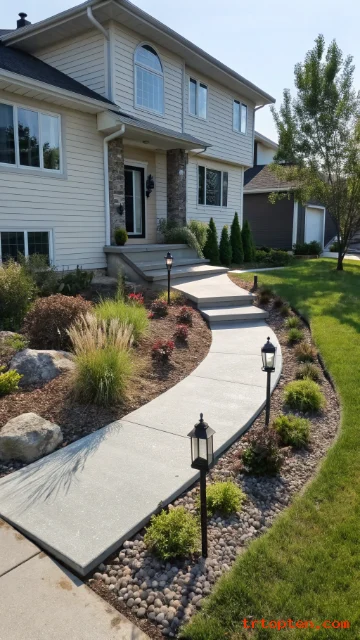
Modern front yard landscaping ideas can make a split level home feel more balanced from the street. Clean planting beds can soften the tall or staggered shape of the house.
Use layered shrubs, ornamental grasses, low ground cover, and a clear walkway. Choose plants that fit your climate and stay easy to maintain.
Add pathway lights to guide visitors to the entry. Gravel, stone edging, and mulch can create a neat finish.
Paint the Exterior With a Modern Neutral Palette
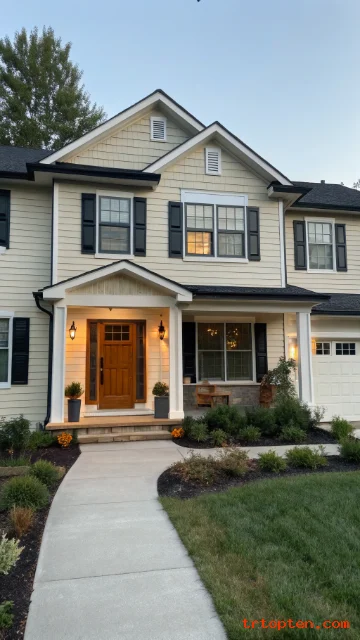
Paint can change the whole look of a split level home. A modern neutral palette can make older siding, brick, or trim feel fresh.
Warm white, soft gray, taupe, charcoal, and greige work well on split level exteriors. Use one main color, one trim color, and one accent color for the door.
Avoid too many strong colors on staggered walls. A simple palette helps the home look calm and cohesive.
Upgrade the Front Door and Entry Steps
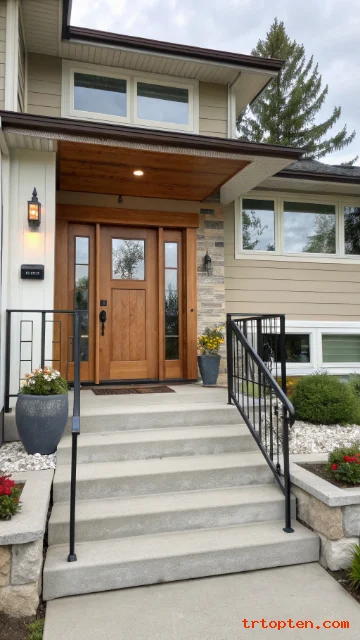
The front door is a strong focal point on a split level home. A new door can make the house look more current and welcoming.
Choose a door with glass panels if the entry needs more light. Black, wood, navy, and deep green are strong choices for a stylish accent.
Repair or replace the entry steps so the approach feels safe and clean. Add planters or railings to frame the doorway.
Create a Sunken Living Room Feel
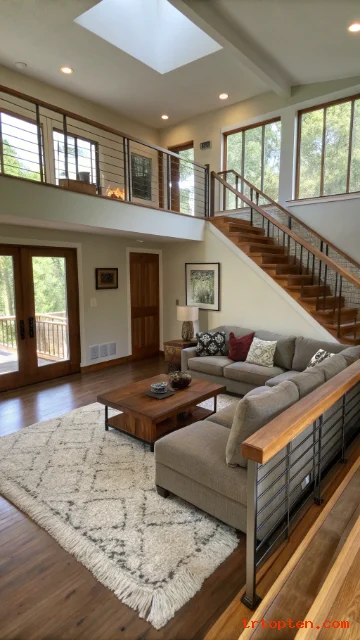
Some split level homes already have a natural step-down effect. You can highlight that feature with a sunken living room style.
Place the main sofa and chairs around a large rug to create a clear conversation zone. Use the change in floor height as a design feature instead of hiding it.
Add low-profile furniture to keep the room open. This makes the living area feel relaxed, stylish, and connected.
Add Built-In Shelves Around the Fireplace
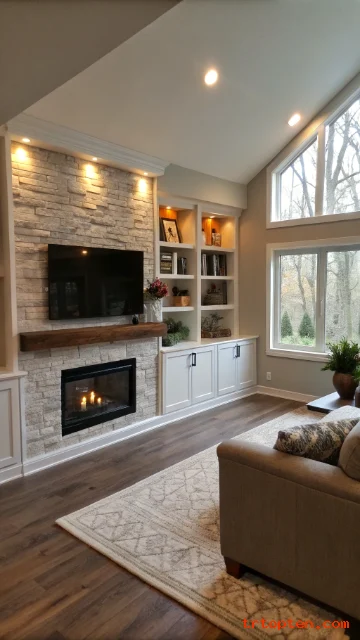
A fireplace often sits in the main living room of a split level home. Built-in shelves can make that wall feel finished and useful.
Use cabinets on the bottom and open shelves on top. This setup gives you hidden storage and space for books, decor, and family photos.
Paint the built-ins in white, greige, or a soft earthy color. Keep shelf styling simple so the room feels clean.
Use Statement Lighting Over the Dining Area
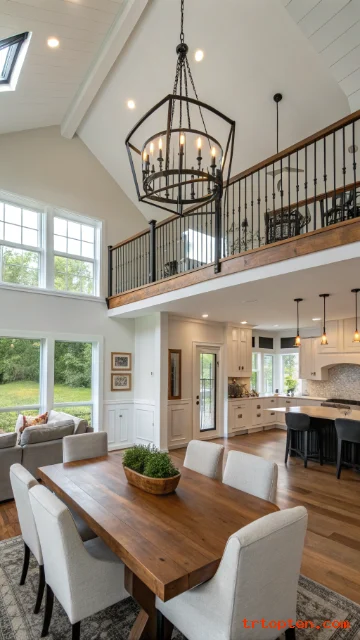
Split level dining areas often sit between the kitchen and living room. A statement light can define the dining space without adding walls.
Choose a chandelier or pendant that fits the table size. A simple metal, glass, or woven fixture can add style without feeling heavy.
Place the light directly over the center of the table. This creates balance and makes the dining zone feel intentional.
Turn the Landing Into a Design Moment
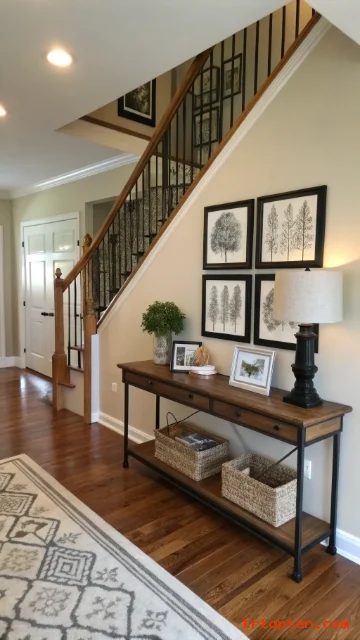
Split level homes often have small landings that people ignore. You can make the landing feel special with art, lighting, and a slim console.
Use one large piece of wall art instead of many small frames. This keeps the space clean and easy to understand.
A narrow table can hold a lamp, bowl, or small plant. Keep the setup simple so people can move safely through the space.
Add Skylights or Larger Windows
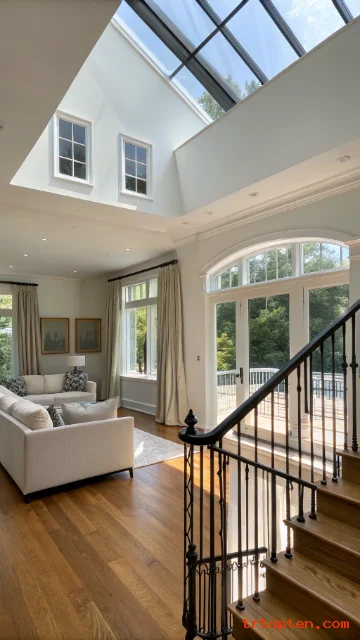
Natural light can transform a split level home. Skylights and larger windows can brighten stairwells, kitchens, and living rooms.
A skylight above the stairs can bring light into the center of the house. Larger windows in the living room can make the main level feel open and cheerful.
Use simple window treatments to keep the light flowing. Linen curtains, woven shades, or white blinds can soften the room.
Create a Mudroom Zone Near the Garage Entry
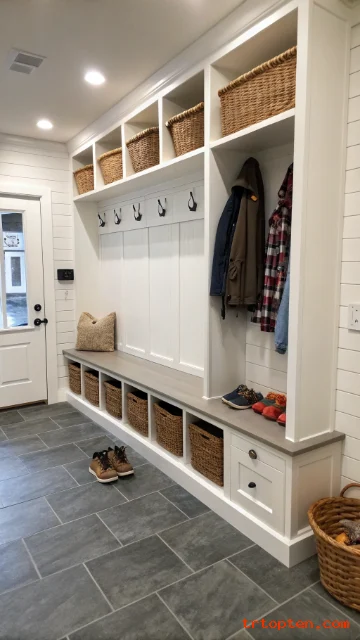
Many split level homes connect the garage to a lower or middle level. That entry can become a practical mudroom zone.
Install hooks, cubbies, a bench, and closed storage near the garage door. This gives coats, backpacks, shoes, and pet supplies a clear home.
Use durable flooring that handles dirt and moisture. Tile, luxury vinyl, and sealed concrete can work well in this area.
Refresh the Stairs With Wood Treads and White Risers
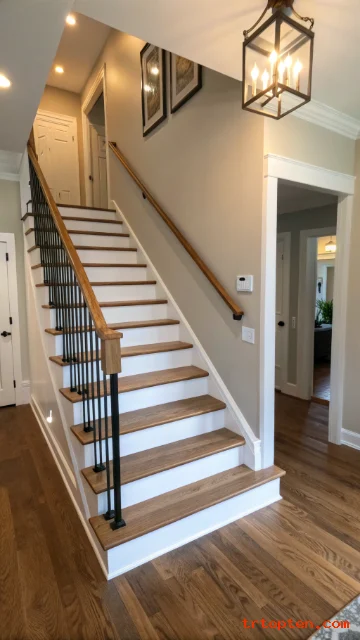
Stairs are central in a split level house. Fresh stair finishes can make the whole home feel cleaner and newer.
Wood treads with white risers create a classic look that fits many styles. You can pair them with black railings for stronger contrast.
Add a stair runner if you want softness and safety. A simple pattern can add texture without making the stairs look busy.
Make the Lower Level Feel Like a Guest Suite
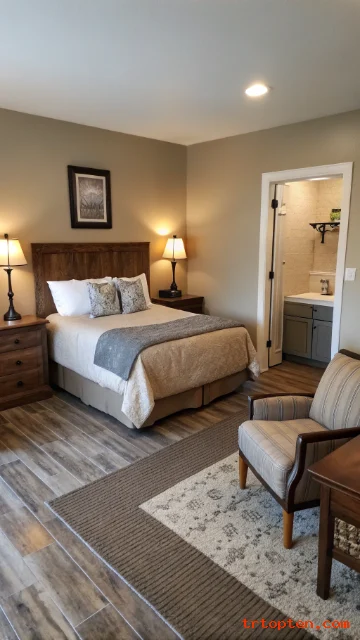
A lower level can become a private guest suite with the right layout. Add a bedroom area, sitting zone, and nearby bathroom updates if space allows.
Use warm lighting and soft textiles to make the room feel comfortable. A neutral color palette helps guests feel relaxed.
Add a small coffee station or mini fridge if the layout supports it. This detail makes the space feel more thoughtful and complete.
Add a Walkout Patio From the Lower Level
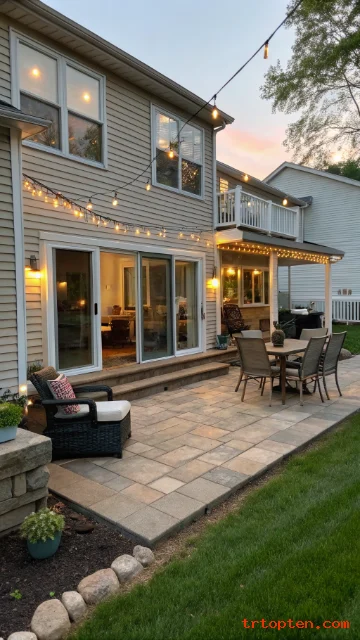
Some split level homes have a lower level that opens to the backyard. A walkout patio can extend the living space and improve daily use.
Use sliding glass doors or French doors to connect the family room to the patio. This adds light and makes the lower level feel less closed in.
Place seating, planters, and outdoor lighting on the patio. The area can become a relaxed spot for meals, reading, or quiet evenings.
Use Accent Walls to Define Split Spaces
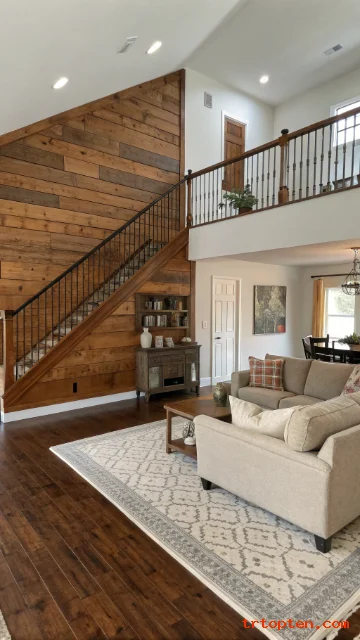
Split level homes often have open zones that need visual structure. Accent walls can define each area without adding barriers.
Use paint, wood slats, wallpaper, stone, or paneling on one key wall. Choose the wall behind the sofa, bed, fireplace, or dining table.
Keep the accent color connected to the rest of the home. This makes each space feel distinct but still related.
Design a Small Split Level Bathroom With Big Style
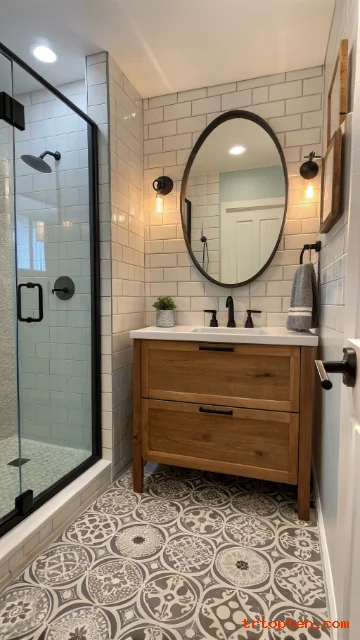
Split level homes may have compact bathrooms near the bedrooms or lower level. A smart remodel can make a small bathroom feel fresh and useful.
Use a floating vanity, large mirror, and light wall tile to open the room visually. Clear glass shower doors can also help the bathroom feel larger.
Choose one bold feature to add personality. A patterned floor tile or dark vanity can create style without crowding the space.
Create a Primary Bedroom Retreat
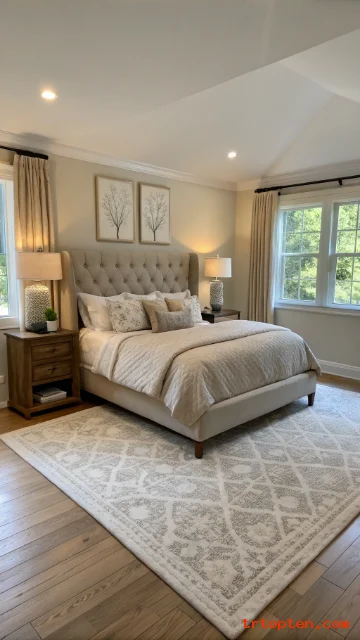
The upper level of a split level home often holds the bedrooms. You can make the primary bedroom feel calm with layered textures and simple colors.
Use a soft upholstered bed, matching nightstands, and warm lamps. Keep the furniture layout clear so the room feels restful.
Add curtains, a large rug, and wall art to finish the space. These details create comfort without adding clutter.
Add a Reading Nook Near a Window
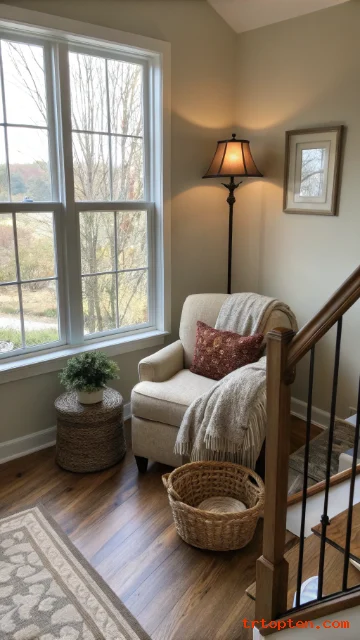
A small corner can become a cozy reading nook in a split level home. This idea works well near a stair landing, bedroom window, or lower family room.
Use a comfortable chair, small side table, and floor lamp. Add a basket for books or blankets to keep the area useful.
Choose a chair color that matches the rest of the room. The nook should feel like part of the home, not an afterthought.
Install Sliding Doors to Save Space
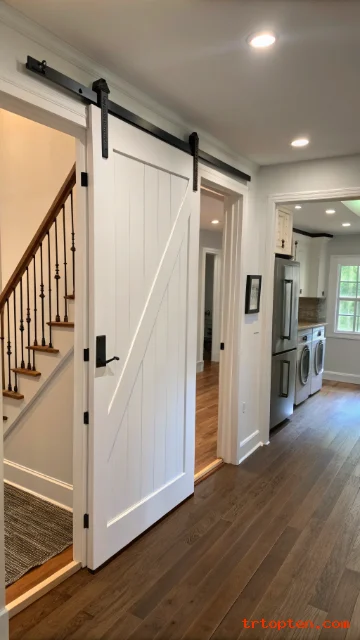
Traditional swinging doors can waste space in tight split level areas. Sliding doors can improve movement and add style.
Barn doors can work for laundry rooms, offices, or lower family rooms. Pocket doors can work well for bathrooms and closets.
Choose simple hardware so the doors look clean. Match the door finish to your trim or wall color for a polished result.
Create a Better Laundry Area
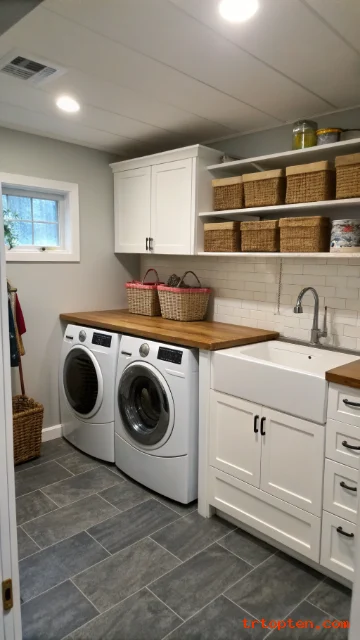
Laundry rooms in split level homes often sit near the garage or lower level. A better layout can make laundry easier and less messy.
Stack machines to save floor space or add a counter above side-by-side machines. Use cabinets and open shelves to store detergent, baskets, and cleaning supplies.
Good lighting and durable flooring matter in this hardworking space. A clean laundry area can make the lower level feel more finished.
Add a Wet Bar or Coffee Bar
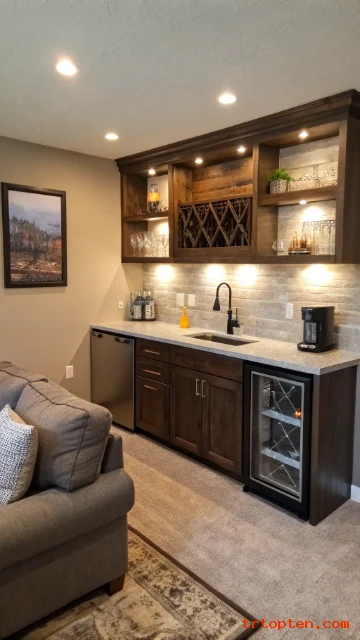
A lower family room can feel more useful with a wet bar or coffee bar. This feature helps the space support movie nights, guests, and relaxed weekends.
Use lower cabinets, a small sink, open shelves, and a mini fridge. A stone or quartz counter can make the area easy to clean.
Keep the bar compact so it does not crowd the room. Good lighting under the shelves can make the feature feel high-end.
Build a Backyard Deck Off the Main Level
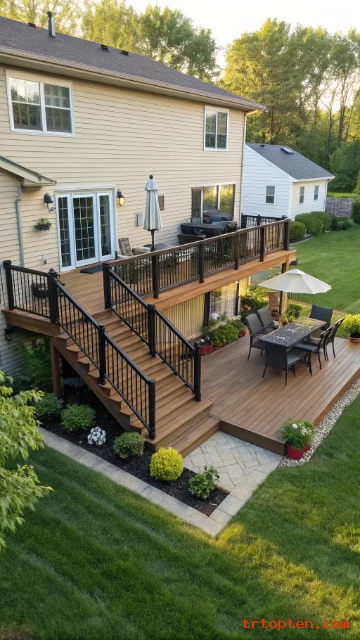
A deck can connect the main living area to the backyard. Split level homes often benefit from this because the main floor may sit above grade.
Add stairs from the deck down to the yard for easy outdoor access. Use railings that match the home’s exterior style.
Create zones for dining, grilling, and lounging if the deck is large enough. Outdoor rugs and planters can make the deck feel like a true room.
Blend Indoor and Outdoor Style
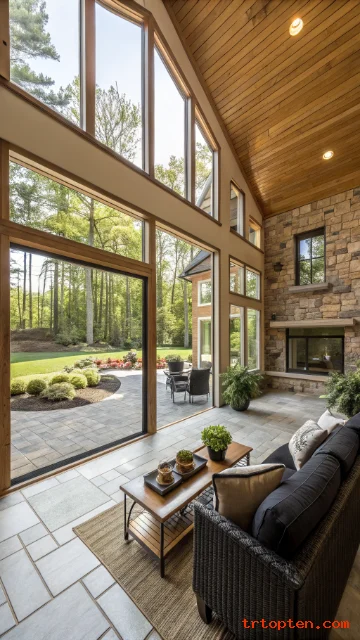
A split level home feels more complete when the inside and outside share a design style. Use similar colors, materials, and shapes in both areas.
Carry wood tones, black accents, stone textures, or neutral colors from the exterior into the interior. This creates a smooth look from the curb to the living room.
Use outdoor views as part of the design. Clean windows, simple curtains, and thoughtful landscaping can make the home feel larger and brighter.
What Is a Split Level Home?
A split level home has staggered floors connected by short staircases. The entry often sits between an upper level and a lower level.
This layout became popular because it separates living, sleeping, and family spaces without needing a large footprint. Many split level homes work well for families because each level can serve a clear purpose.
Are Split Level Homes Still Popular?
Split level homes remain popular with buyers who want flexible space and character. Many older split level houses also offer strong remodeling potential.
Modern updates can make these homes feel fresh and functional. Open railings, better lighting, new flooring, and updated exteriors can create a big change.
How Can I Make a Split Level Home Look Modern?
Start with the areas people notice first. Update the entry, stairs, railings, flooring, lighting, and exterior paint.
Then improve the kitchen, bathrooms, and lower level. These changes help the home feel current while keeping the useful split layout.
What Colors Work Best for Split Level Homes?
Light neutrals work well because they make staggered spaces feel open and connected. Warm white, greige, soft gray, beige, and taupe are strong choices.
Use darker colors for accents, doors, railings, and trim. Black, charcoal, navy, and deep green can add contrast without overwhelming the home.
How Do I Improve Curb Appeal on a Split Level House?
Update the front door, siding color, trim, entry steps, and landscaping. These changes can make the house look cleaner and more balanced.
Layer plants around the foundation to soften the split levels. Add path lights and a clear walkway to guide the eye toward the front door.
Can I Open Up a Split Level Floor Plan?
Many split level homes can become more open with partial wall removal. The kitchen, dining room, and living room are common areas for this update.
You should check walls before removing them because some may carry structural loads. A contractor or engineer can help you choose a safe plan.
What Should I Do With the Lower Level?
The lower level can become a family room, guest suite, office, gym, playroom, or media room. Pick the use that best matches your daily life.
Good lighting is the key to making the lower level feel inviting. Use recessed lights, lamps, light paint, and larger windows when possible.
How Do I Make Split Level Stairs Safer and Better Looking?
Use strong railings, clear lighting, and slip-resistant stair finishes. A runner can also add grip and comfort.
For style, choose wood treads, white risers, and sleek railings. This combination works with many split level home design ideas.
What Is the Best Flooring for a Split Level Home?
Wood, engineered hardwood, and luxury vinyl plank are strong choices for split level homes. These materials can connect different levels and make the layout feel more unified.
Use matching stair treads when possible. This creates a smooth visual transition from one floor to another.
Conclusion
These 30 split level home design ideas can help you turn an older layout into a stylish and practical home.
Start with the spaces that affect daily life first, such as the entry, stairs, kitchen, living room, and lower level.