
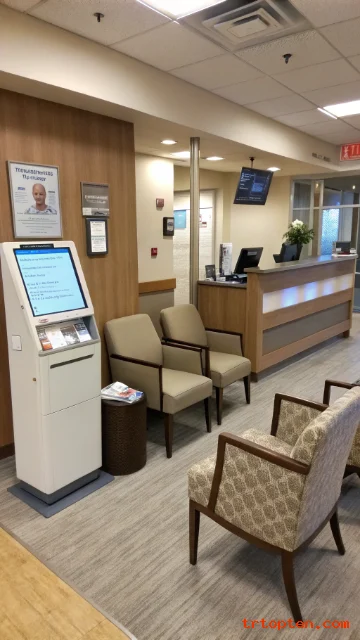
The right 25 medical office waiting room ideas can help your clinic feel calm, clean, and patient-friendly from the first step inside.
A waiting room should reduce stress, support comfort, and make every patient feel respected.
Use Comfortable Seating With Proper Back Support
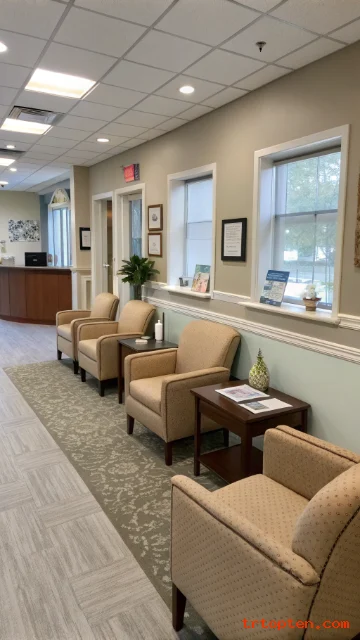
Patients may sit for several minutes before their appointment, so seating matters a lot. Choose chairs with firm cushions, supportive backs, and easy-to-clean materials.
Place chairs with enough space between them so patients do not feel crowded. This layout helps older adults, parents, and people with mobility devices move with less stress.
Add Soft and Warm Lighting
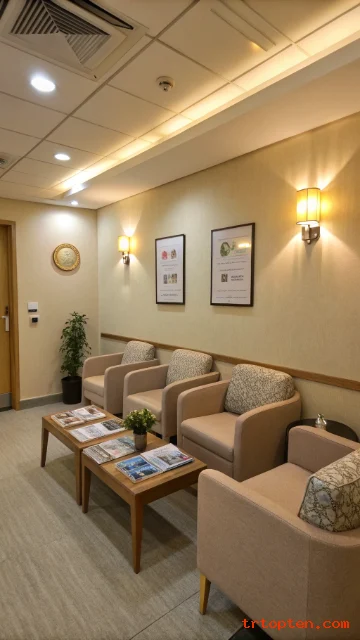
Bright overhead lights can make a waiting room feel cold and tense. Use warm LED lights, wall sconces, and lamps to create a softer mood.
Good lighting also helps patients read forms, signs, and health brochures. Keep the room bright enough for safety while still making it feel calm.
Choose Calming Wall Colors
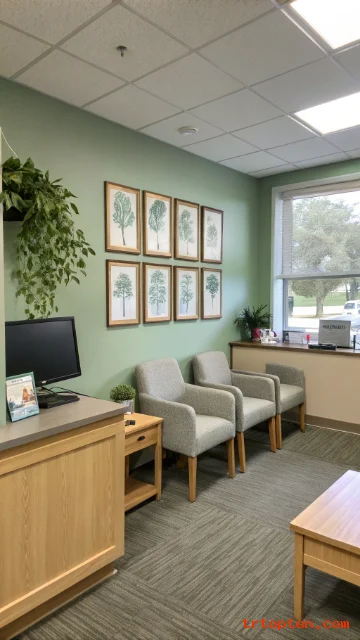
Wall color can change how patients feel while they wait. Soft blue, sage green, warm gray, and beige can make the room feel more relaxed.
Avoid harsh reds, bright yellows, and very dark colors in small spaces. These shades can make patients feel tense or make the room feel smaller.
Create a Clear Reception Area
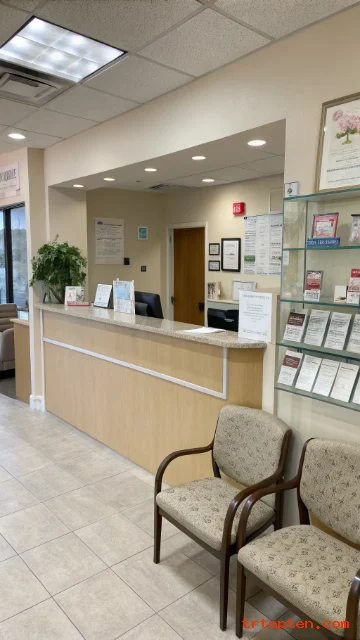
Patients should know where to check in as soon as they enter. A clear reception desk reduces confusion and helps the office feel organized.
Use simple signs, a clean counter, and visible staff seating. Keep paperwork, pens, and check-in tools neat so patients feel confident.
Use Easy-to-Read Signs
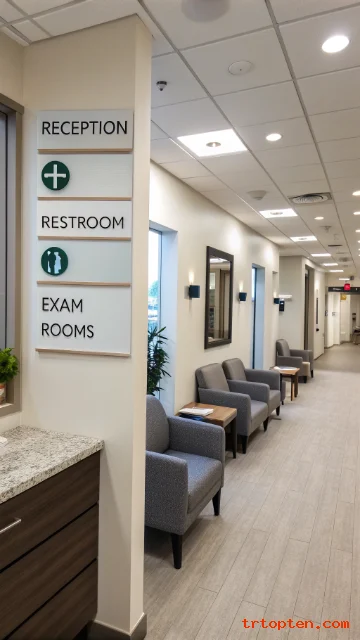
Clear signs help patients find restrooms, exam rooms, exits, and check-in points. Use large letters, plain words, and strong contrast between text and background.
Place signs at eye level and near decision points. This small change helps patients feel less lost and more in control.
Add Indoor Plants
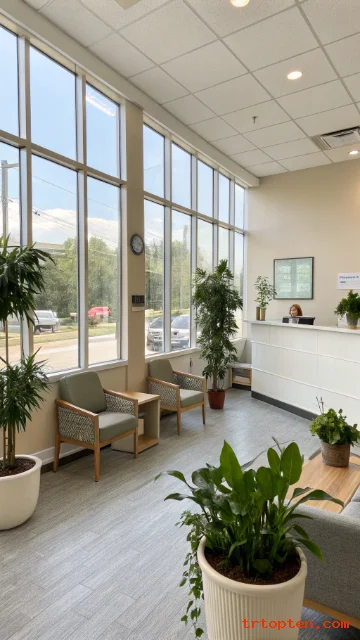
Plants can make a medical office waiting room feel fresh and less clinical. Use low-maintenance plants like snake plants, pothos, or artificial greenery if live plants are not allowed.
Place plants where they do not block walking paths. Choose simple planters that match the office colors and look easy to clean.
Provide a Children’s Waiting Area
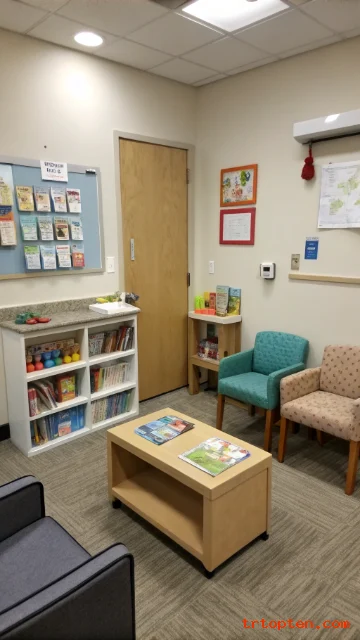
Families appreciate a small space where children can stay busy. Add a low table, wipeable chairs, books, wall puzzles, and simple toys.
Keep the children’s area close enough for parents to watch. Use durable, washable materials to support hygiene and daily use.
Offer Free Wi-Fi
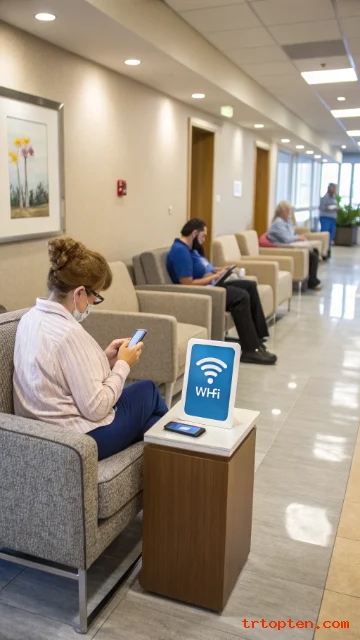
Many patients use their phones while they wait. Free Wi-Fi helps them work, message family, or fill out online forms.
Post the Wi-Fi name and password in a clear but secure spot. Make the sign small, neat, and easy to read from the seating area.
Add Charging Stations
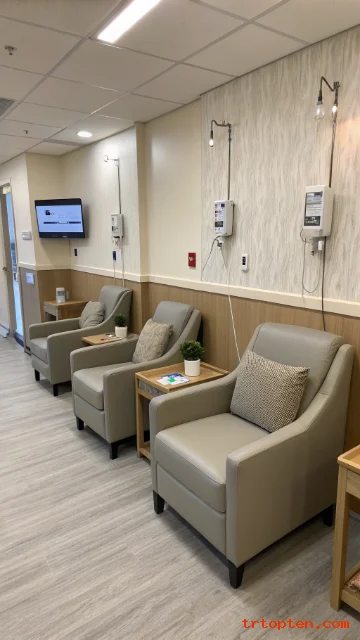
Patients often arrive with low phone batteries. Charging stations make the waiting room feel helpful and patient-focused.
Place outlets or charging docks near seating, but keep cords organized. Use built-in furniture or wall-mounted chargers to reduce clutter and tripping risks.
Display Health Education Materials
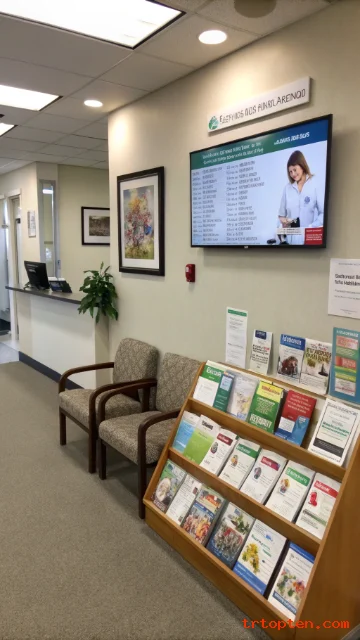
Patients can use waiting time to learn helpful health tips. Place brochures, posters, and digital screens with clear information about services, prevention, and wellness.
Use simple language and short messages. Rotate the materials often so the information stays fresh and useful.
Use Digital Check-In Kiosks
Digital check-in can reduce front desk lines and speed up the arrival process. Kiosks work best when they have a simple screen, clear steps, and nearby staff support.
Place the kiosk near the entrance but away from heavy foot traffic. Add privacy panels so patients feel safe entering personal details.
Improve Privacy at the Front Desk
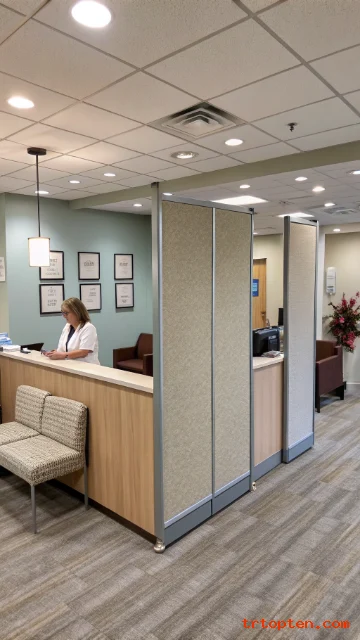
Patients may share personal information during check-in. A private reception layout helps protect their comfort and trust.
Use sound-absorbing panels, privacy screens, or spacing markers on the floor. Train staff to speak clearly but quietly when discussing patient details.
Add Sound-Absorbing Materials
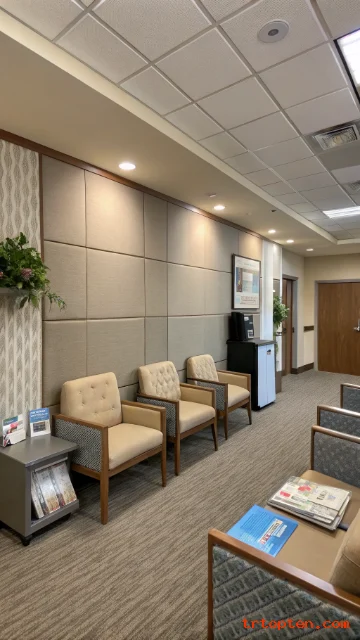
Noise can make patients feel stressed while they wait. Acoustic panels, fabric chairs, rugs, and ceiling tiles can soften loud sounds.
Choose materials that meet cleaning and safety needs for healthcare spaces. A quieter room helps patients hear staff names and feel more relaxed.
Keep the Layout Open and Accessible

An open layout helps patients move safely through the room. Leave wide paths for wheelchairs, walkers, strollers, and service animals.
Avoid placing tables, plants, or brochure racks in tight walkways. Keep the route from the entrance to reception simple and direct.
Use Clean and Durable Flooring
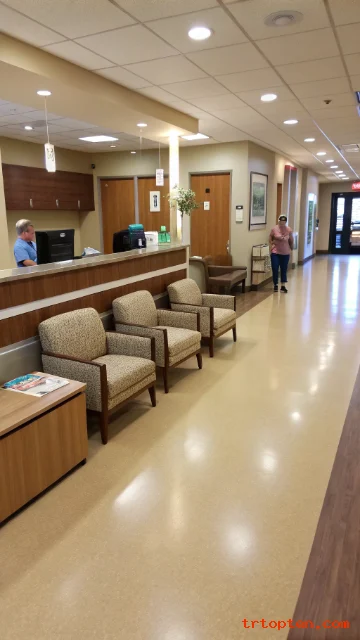
Medical waiting rooms need flooring that handles heavy foot traffic. Vinyl, rubber, and sealed tile can look good while staying easy to clean.
Choose slip-resistant surfaces for safety. Use colors that hide light wear but still make the room feel bright.
Add Local Artwork
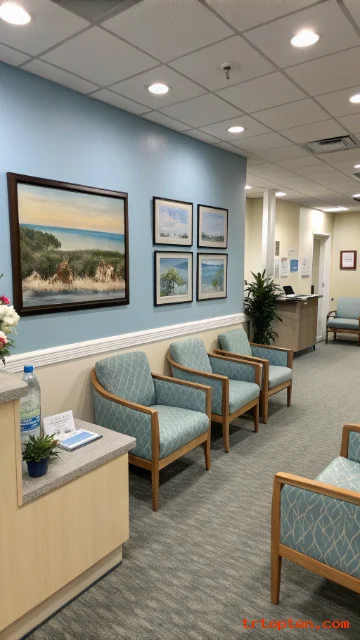
Local artwork can make a clinic feel more connected to the community. Use calm landscapes, nature scenes, or simple abstract pieces that match the room colors.
Avoid images that feel too busy, dark, or emotional. Art should support comfort, not distract or overwhelm patients.
Offer Water and Simple Refreshments
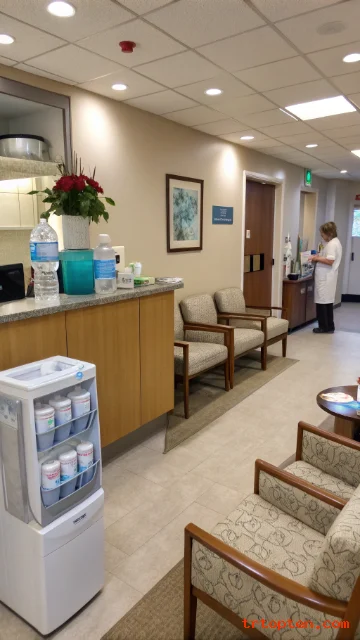
A water station can make patients feel cared for during longer waits. Use bottled water or a touchless dispenser with disposable cups.
Place the station away from paperwork and electronics. Keep it clean, stocked, and easy to find.
Add a Small Comfort Table
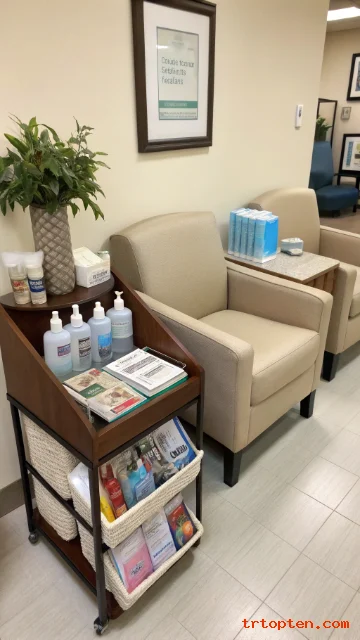
A comfort table can hold tissues, hand sanitizer, brochures, and reading materials. This simple setup gives patients what they need without asking staff.
Keep the table uncluttered and easy to clean. Use a small tray or organizer to make each item look intentional.
Use Digital Displays for Wait Times
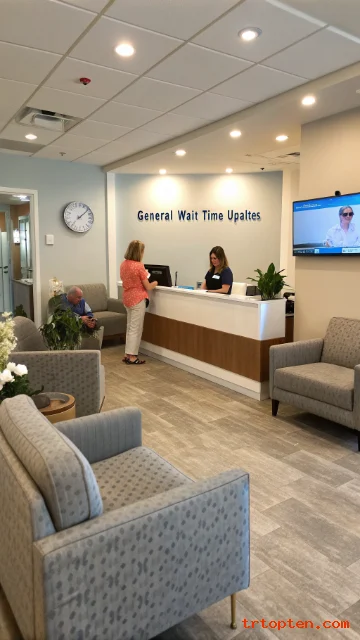
Patients feel better when they understand what is happening. A digital display can show general wait time updates, office announcements, and health reminders.
Keep the message short and easy to read. Avoid showing private patient details on public screens.
Create Separate Seating Zones
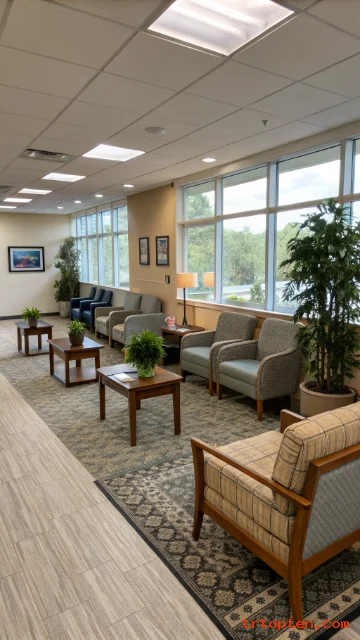
Different patients have different comfort needs. Separate seating zones can help families, seniors, and quiet visitors share the same room with less stress.
Use chairs, side tables, rugs, or plants to define each zone. Keep every area visible and easy to access.
Add Calm Background Music
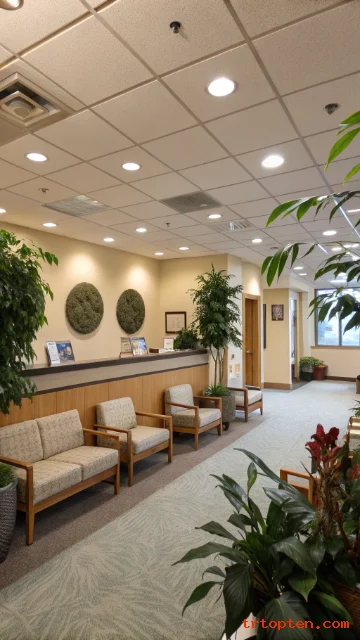
Soft music can reduce the silence that often makes patients feel nervous. Choose gentle instrumental tracks at a low volume.
Keep the music quiet enough so staff can call patient names clearly. Avoid loud pop songs, strong beats, or lyrics that may distract patients.
Use Scent-Free Design
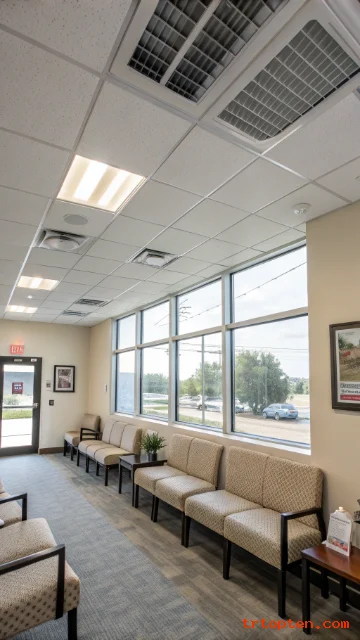
Many patients have allergies, asthma, or scent sensitivity. A scent-free waiting room helps more people feel safe and comfortable.
Avoid candles, plug-in air fresheners, and strong cleaning smells. Use good ventilation and regular cleaning to keep the room fresh.
Add Clear Service Information

Patients often want to know what services the office provides. Use a wall display or brochure stand to list services in plain language.
Group services by category so patients can scan the information quickly. Keep the wording short, direct, and helpful.
Keep the Room Clutter-Free
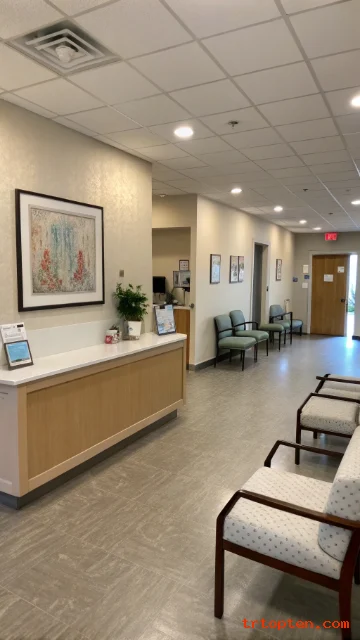
Clutter makes a waiting room feel smaller and less clean. Remove old magazines, extra furniture, unused signs, and messy paper stacks.
A simple room can still feel warm when it has good lighting, comfortable seating, and thoughtful decor. Clean surfaces help patients trust the quality of care.
Add Seasonal Decor With a Light Touch

Seasonal decor can make a waiting room feel warm and current. Use simple wreaths, small plants, soft colors, or tasteful tabletop pieces.
Keep decorations professional, inclusive, and easy to clean. Avoid blocking signs, walkways, reception counters, or medical information.
What Makes a Good Medical Office Waiting Room?
A good medical office waiting room feels clean, calm, and easy to use. Patients should find reception, seating, restrooms, and exits without confusion.
Comfort also matters because patients may arrive stressed or in pain. Supportive seating, clear signs, soft lighting, and privacy can improve their visit.
What Colors Work Best for a Medical Office Waiting Room?
Soft blues, greens, warm grays, beige, and off-white shades work well in medical spaces. These colors can make the room feel clean without feeling cold.
Bright or harsh colors can make patients feel tense. Use stronger colors only as small accents in art, pillows, or signs.
How Can a Waiting Room Feel Less Clinical?
A waiting room feels less clinical when it includes warm lighting, plants, artwork, and comfortable seating. These details soften the space without making it look unprofessional.
Natural textures can also help. Light wood, soft fabrics, and simple decor can make the room feel more human.
How Can a Small Medical Waiting Room Look Bigger?
A small waiting room looks bigger when the layout stays open and simple. Use fewer bulky chairs, light wall colors, and clear walking paths.
Mirrors and natural light can also help. Keep tables, signs, and decor minimal so the room does not feel crowded.
What Should a Medical Waiting Room Include?
A medical waiting room should include seating, clear signs, reception access, hand sanitizer, patient information, and accessible paths. It should also support privacy and easy movement.
Helpful extras include Wi-Fi, charging stations, water, and digital updates. These features make waiting feel easier for many patients.
How Can Medical Offices Improve Patient Comfort?
Medical offices can improve comfort with supportive chairs, calm lighting, clean restrooms, and clear communication. Patients feel better when they know where to go and what to expect.
Small comforts can make a big difference. Tissues, water, quiet music, and friendly signs can reduce stress during the visit.
Are Plants Good for Medical Office Waiting Rooms?
Plants can make a medical office waiting room feel fresh and calming. They also add color without making the space feel busy.
Choose plants that are easy to maintain and safe for indoor use. Artificial plants can work well when allergies, pests, or care needs are a concern.
How Often Should Waiting Room Decor Be Updated?
A waiting room should get small updates every season or whenever items look worn. Replace damaged chairs, faded signs, old brochures, and outdated posters quickly.
A full redesign may not be needed often. Simple changes like new art, better lighting, and cleaner layouts can refresh the space.
How Do You Make a Waiting Room More Private?
You can improve privacy with wider seating gaps, acoustic panels, and a better front desk layout. Staff should also speak quietly when asking for personal details.
Privacy screens and check-in kiosks can help. Keep patient names and private details away from public view.
Conclusion
These 25 medical office waiting room ideas can help you create a space that feels calm, organized, and patient-focused.
A better waiting room can support comfort before the appointment even begins.