
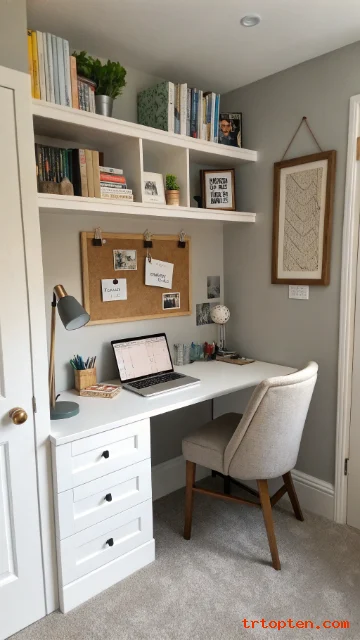
Small rooms can still support focus, comfort, and style. These 25 small home office layout ideas will help you place your desk, storage, lighting, and decor in ways that make your work area feel useful, calm, and easy to enjoy.
Place a Slim Desk Against a Bright Wall
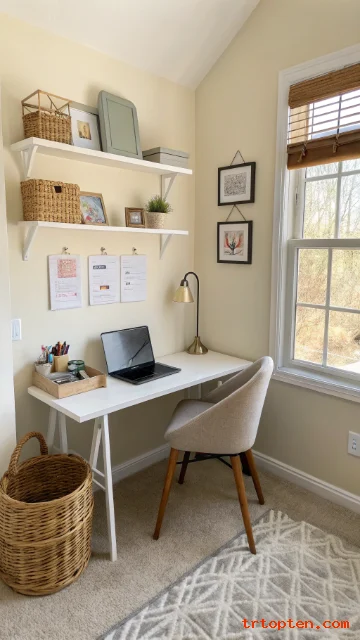
A slim desk against a bright wall keeps your small office open and simple. This layout works well in bedrooms, living rooms, and compact apartments because it uses one clear surface without crowding the room.
Choose a desk with narrow legs, a shallow top, and enough space for a laptop, notebook, and lamp. Add a floating shelf above the desk to hold books, baskets, or small decor without using floor space.
Use soft wall color, natural light, and one framed print to make the area feel finished. Keep cables hidden with clips or a small cable box so the setup looks clean every day.
Turn an Empty Corner Into a Work Zone
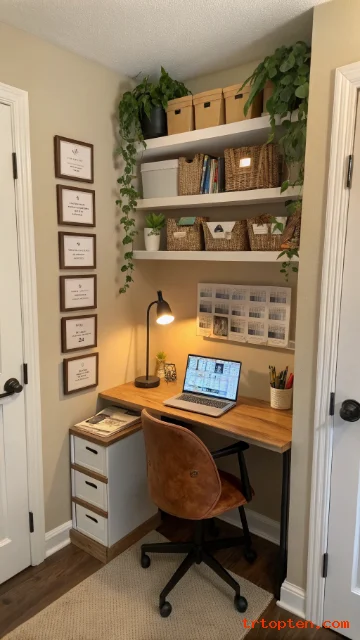
An empty corner can become a focused office spot with the right desk shape. A corner layout uses space that often stays wasted, so the rest of the room still feels open.
Use an L-shaped desk or a small triangular desk to fit the corner neatly. Place the monitor on the deeper side and keep the shorter side for writing, planning, or a small printer.
Add wall shelves above both sides of the corner to create vertical storage. Use matching boxes and labels so supplies stay easy to find and the corner does not feel messy.
Use a Floating Desk Under a Window
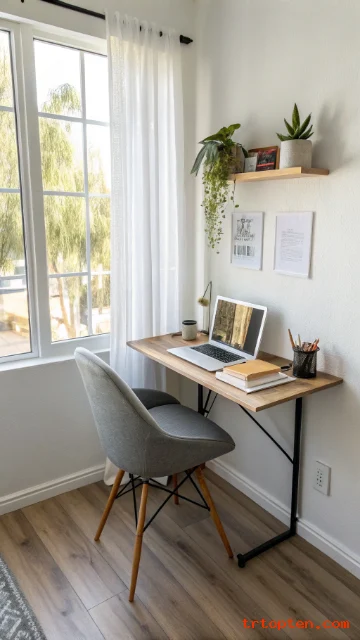
A floating desk under a window saves floor space and brings in natural light. This layout gives you a clean work surface while keeping the room visually light.
Mount a sturdy wall desk at the right height for your chair. Choose a simple stool or slim office chair that can slide fully underneath when work ends.
Use sheer curtains or a Roman shade to control glare during the day. Add a small plant, a pencil cup, and a laptop stand to keep the surface useful but uncluttered.
Build a Closet Office With Doors
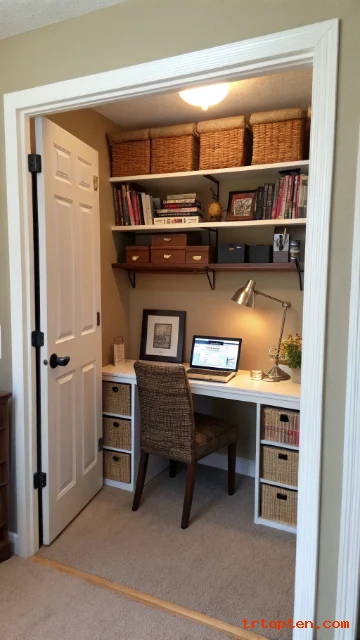
A closet office gives you a private workspace that can disappear after work. This layout works well when you do not have a spare room or want to hide office clutter fast.
Remove the closet rod and add a desk surface across the back wall. Install shelves above the desk for files, books, baskets, and small office tools.
Paint the inside of the closet a warm color to make the nook feel intentional. Keep the doors, curtains, or sliding panels so you can close the office when the day ends.
Put the Desk Behind the Sofa
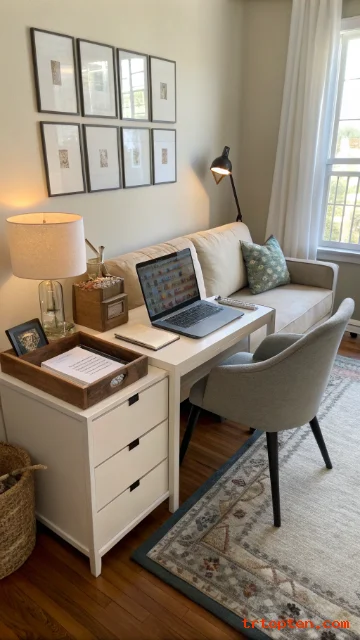
A desk behind the sofa creates a smart office zone in a living room. This layout separates work from relaxation without adding a wall or divider.
Choose a narrow console-style desk that matches the sofa length. Keep the chair slim so it does not block the walking path behind the seating area.
Use a small table lamp, closed storage boxes, and one tray for daily items. This keeps the living room polished even when the desk stays in view.
Create a Wall-to-Wall Desk Nook
A wall-to-wall desk nook makes a small alcove feel custom and useful. This layout works best in recessed spaces, hallway ends, or shallow wall gaps.
Install a single desktop from one side wall to the other. Add drawers underneath on one side and leave open legroom in the center for comfort.
Use the wall above the desk for shelves, a pinboard, or a magnetic board. This setup gives you storage, display space, and a clear work surface in one compact zone.
Use a Fold-Down Wall Desk
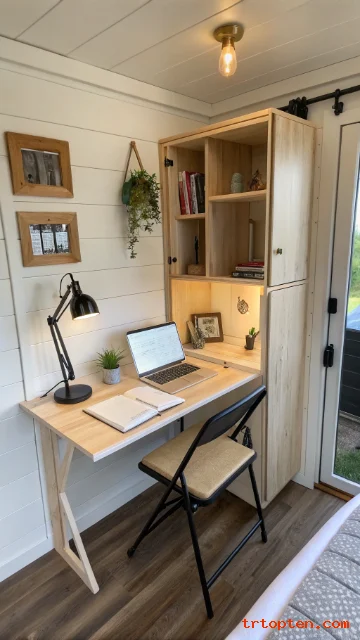
A fold-down wall desk suits very small rooms because it closes flat against the wall. This layout gives you a work surface only when you need it.
Choose a fold-down desk with built-in storage compartments. Store pens, chargers, sticky notes, and small notebooks inside so the area stays ready for quick work.
Pair it with a folding chair or a stool that fits nearby. Add a wall light above the desk so you do not need a bulky lamp on the surface.
Add a Desk Beside the Bed
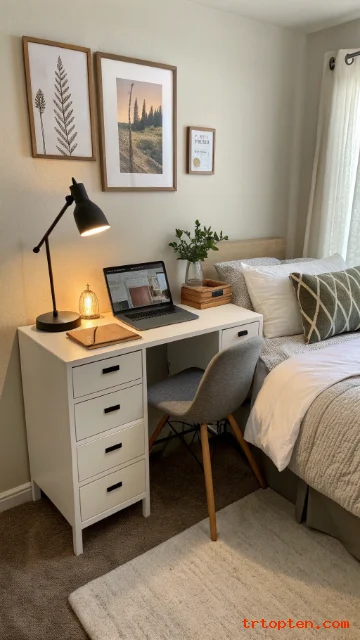
A desk beside the bed can replace a nightstand in a small bedroom. This layout gives one piece of furniture two jobs and saves valuable floor space.
Pick a compact desk with one drawer for bedtime items and office tools. Place a soft lamp on the desk so it works for reading at night and task lighting during work.
Keep the desktop calm with only the items you use daily. Add a small tray for glasses, headphones, and chargers so the desk does not become a catchall.
Use a Ladder Desk for Vertical Storage
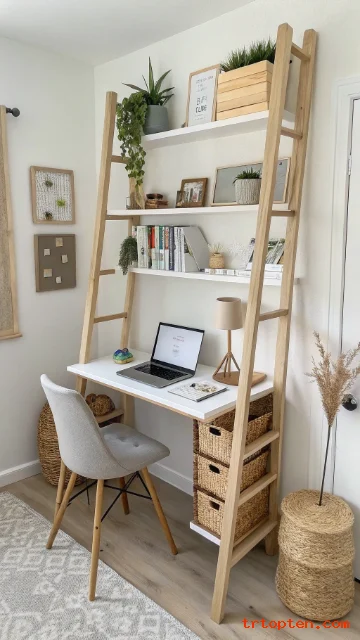
A ladder desk adds storage without feeling heavy. Its open frame keeps the wall visible, so the room feels larger than it is.
Place books, baskets, and decor on the upper shelves. Keep the work surface clear for your laptop, planner, and a small lamp.
Choose a ladder desk in light wood, white, or black metal based on your room style. Anchor it to the wall for safety, mainly if you store books or use it daily.
Divide the Room With an Open Bookshelf
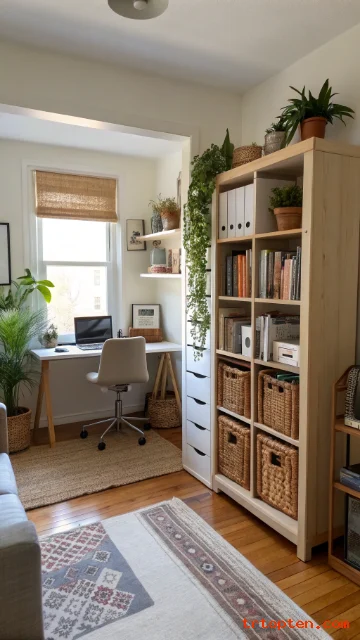
An open bookshelf can divide a small room and create a clear office area. This layout gives you privacy while still letting light pass through.
Place the shelf between the desk and the rest of the room. Use baskets on the lower shelves and lighter decor on the upper shelves to avoid a crowded look.
Set the desk behind the shelf so the workspace feels separate. Add a rug under the chair to define the office zone and reduce chair noise.
Set Up a Gallery Wall Desk Area
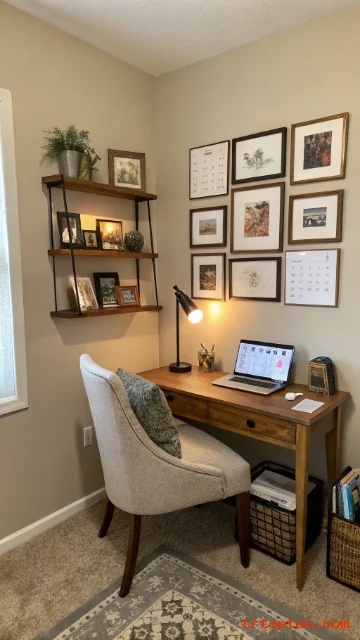
A gallery wall can make a small desk area feel styled and personal. This layout works well when the desk must stay visible in a bedroom or living room.
Place the desk centered under a balanced group of frames. Use simple art, family photos, calendars, and one small wall shelf to keep the display useful.
Keep the frame colors consistent so the wall looks calm. Choose two or three main tones and repeat them in the chair, lamp, and desk accessories.
Use a Glass Desk to Keep the Room Open
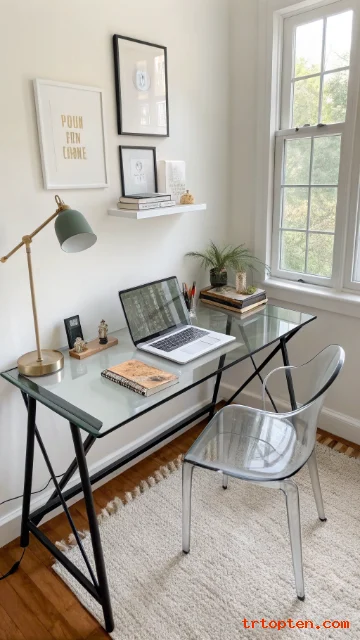
A glass desk helps a small office feel larger because it takes up less visual space. This layout works best in rooms that already have plenty of storage elsewhere.
Choose a sturdy glass desk with a simple metal frame. Keep the items on top minimal because glass shows clutter quickly.
Pair the desk with a clear chair, slim chair, or light fabric chair. Add one soft rug under the desk to warm up the look and define the workspace.
Place a Desk in a Hallway Nook
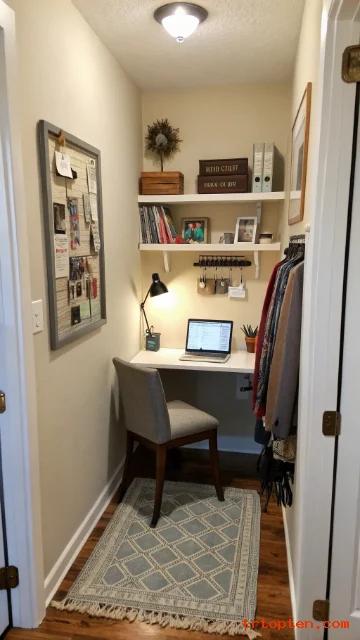
A hallway nook can hold a compact workstation when the layout is planned well. This idea works best in wide halls, landing areas, or spaces near built-in storage.
Use a shallow desk so people can still pass comfortably. Add a wall shelf, narrow drawer, or peg rail to keep supplies off the desktop.
Choose a chair that tucks fully under the desk. Use wall lighting instead of a floor lamp so the walkway stays clear and safe.
Build a Window Seat Office Combo
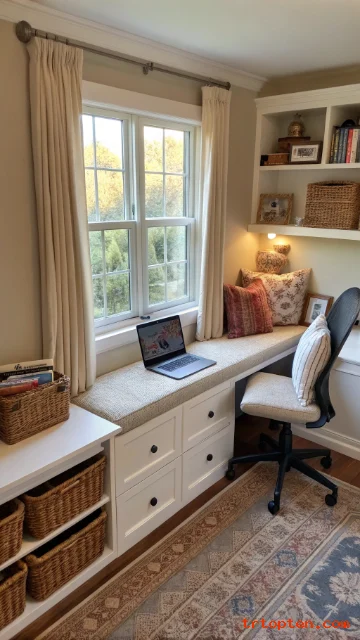
A window seat office combo gives you seating, storage, and a desk in one area. This layout suits small rooms with a window wall and a little extra width.
Place a narrow desk next to the window seat or across from it. Use the bench drawers for paper, tech items, and office supplies.
Add cushions to the window seat so it becomes a reading or break spot. This makes the office feel less rigid and more comfortable during long workdays.
Use Matching Furniture for a Calm Look
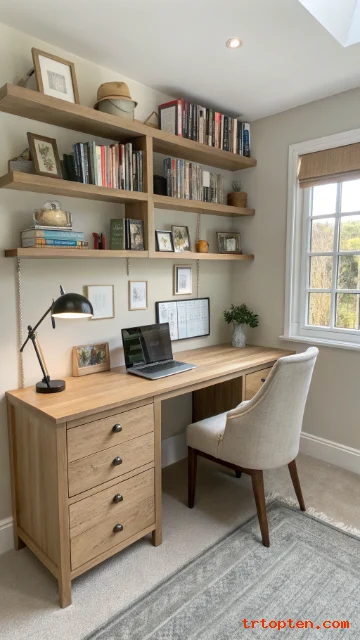
Matching furniture helps a small office feel organized and intentional. When the desk, shelf, and storage share one finish, the room looks less busy.
Choose one main material such as light oak, walnut, white laminate, or black metal. Repeat that finish in the desk legs, shelves, file cabinet, and drawer pulls.
Keep the color palette simple with two neutrals and one accent color. This makes the small layout feel clean, which helps your mind focus.
Create a Two-Person Small Office Layout
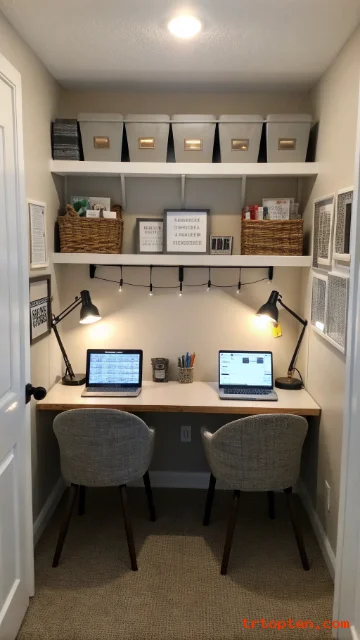
A small office can support two people when the desks face one wall or sit back to back. This layout works well for couples, roommates, or shared family work zones.
Use two narrow desks instead of one large table. Place matching chairs underneath and give each person a small drawer unit or wall shelf.
Add shared storage in the center or above the desks. Keep each work zone clearly separated with trays, labels, and individual lighting.
Use a Rolling Desk for Flexible Work
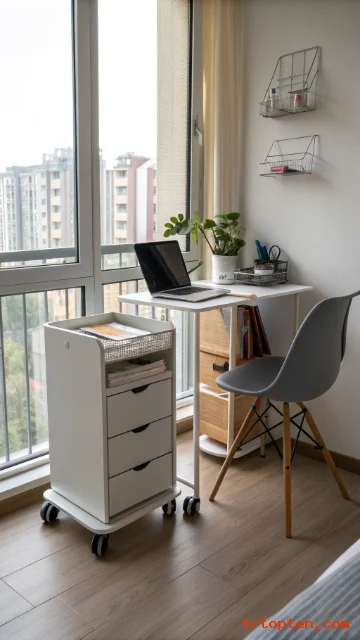
A rolling desk lets you move your office when your room serves many purposes. This layout helps small homes where the same space must support work, meals, hobbies, and rest.
Choose a compact desk with locking wheels. Move it near a window during the day, then roll it against a wall when you finish work.
Use a rolling cart for supplies so everything moves with the desk. Store the cart under the desk or beside a cabinet to keep the room tidy.
Add a Built-In Desk Under Stairs
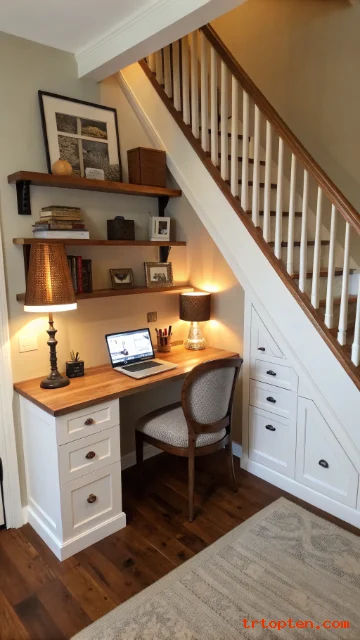
The space under stairs can become a smart small office layout. This area often has enough depth for a desktop, chair, and shelves.
Install a custom or semi-custom desk that follows the stair angle. Use the higher side for shelves and the lower side for drawers or closed storage.
Add lighting under the stairs because this area can feel dark. Use a warm sconce, LED strip, or small task lamp to make the workspace comfortable.
Use a Pegboard Above the Desk
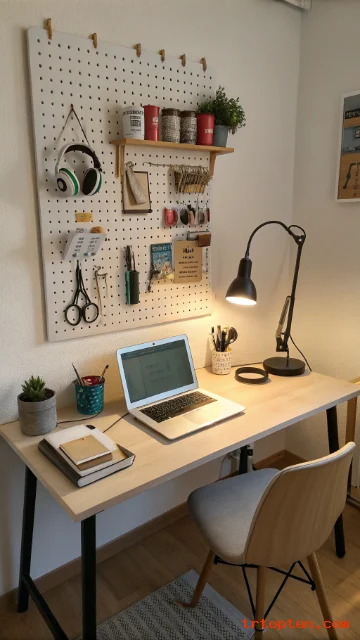
A pegboard gives flexible storage to a small office wall. You can move hooks, cups, shelves, and clips as your needs change.
Mount the pegboard above a simple desk. Store scissors, headphones, notebooks, cables, and small plants on the board instead of filling the desktop.
Choose a pegboard color that blends with the wall or matches the desk. Keep the layout balanced so the board looks useful, not crowded.
Put the Desk Inside a Bay Window
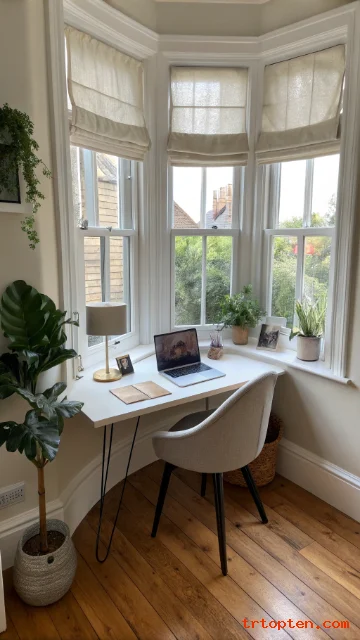
A bay window creates a beautiful small office layout with strong natural light. This setup gives you a defined work zone without needing extra walls.
Place a curved, custom, or narrow desk inside the bay. Keep the chair simple so it does not block the window shape or make the area feel cramped.
Use light window coverings to manage sunlight and screen glare. Add plants on the sill to soften the workspace and make it feel fresh.
Create a Minimalist Black-and-White Office
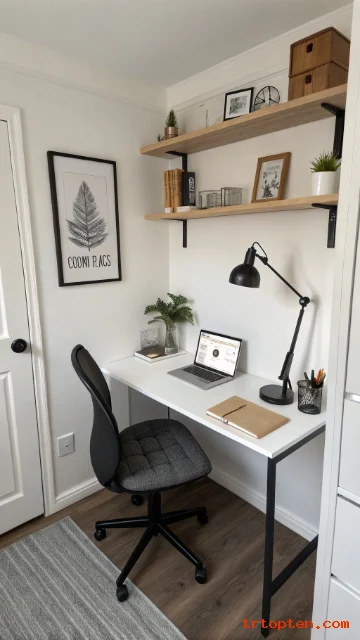
A black-and-white layout gives a small office a clean and sharp look. This style works well when you want a workspace that feels simple and focused.
Use a white desk, black chair, and black desk lamp for strong contrast. Add one or two wood accents to keep the room from feeling cold.
Keep decor limited to a framed print, a plant, and a small storage box. This layout supports focus because every item has a clear role.
Use Soft Curtains to Hide the Office
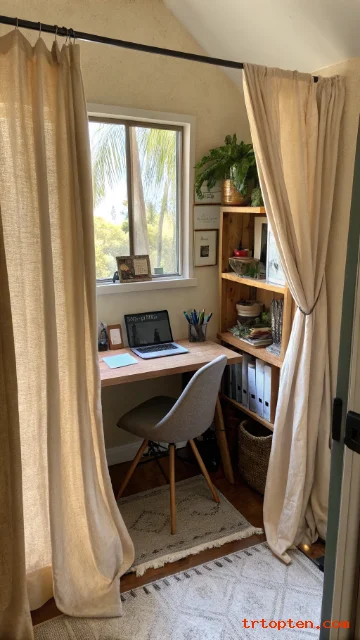
Curtains can hide a small office when the desk sits in a nook or along a wall. This layout helps you separate work from home life without building anything permanent.
Install a ceiling track or wall-mounted curtain rod around the work area. Pull the curtains closed after work so the room feels calm and finished.
Choose fabric that matches the room color and falls neatly to the floor. Use a light fabric for a soft look or a thicker fabric for more privacy.
Add a Compact Desk to a Kitchen Wall
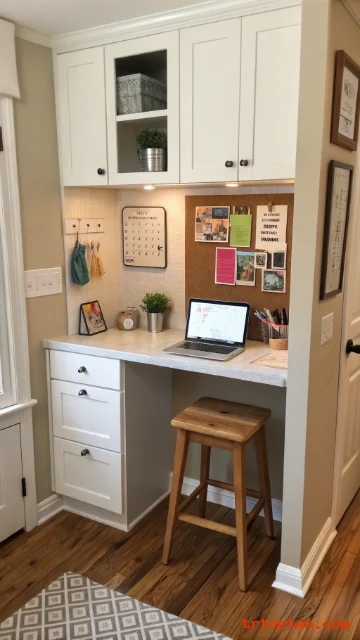
A kitchen wall can hold a small desk for bills, planning, and laptop work. This layout suits homes where the kitchen is the busiest and most practical area.
Use a shallow desk or built-in counter extension near cabinets. Add a stool that slides underneath so the walking path stays open.
Keep a small bulletin board, wall calendar, and charging station nearby. This creates a family command center that also works as a compact office.
Use a Tall Cabinet Beside the Desk
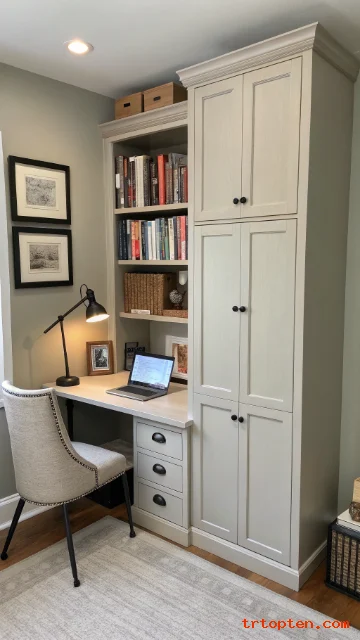
A tall cabinet adds strong storage without taking much floor space. This layout helps when your small office needs to hold files, supplies, books, and tech gear.
Place the desk next to a narrow cabinet that reaches close to the ceiling. Use closed doors on the lower part and open shelves on top for a lighter look.
Store less attractive items inside the cabinet and keep display items on the open shelves. This balance keeps the office useful and attractive at the same time.
Create a Cozy Office With a Rug and Warm Lighting
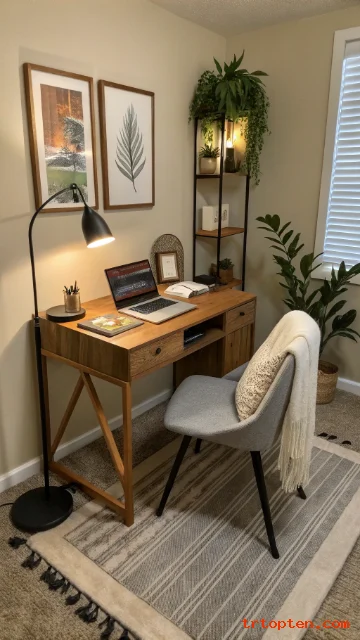
A rug and warm lighting can make a small office feel cozy instead of cramped. This layout works in any corner, nook, or shared room.
Place a rug under the desk and chair to define the work zone. Choose a low-pile rug so the chair moves easily and the space stays practical.
Use a warm desk lamp, wall sconce, or floor lamp near the desk. Add one plant, one framed print, and one soft texture to create comfort without clutter.
What Is the Best Layout for a Small Home Office?
The best layout places the desk where you have light, power access, and enough room to move. A wall desk, corner desk, closet office, or floating desk often works best in small homes.
You should choose the layout based on your work style. A laptop user may need only a slim desk, while a monitor user may need a deeper surface and better cable storage.
How Can I Make a Small Home Office Look Bigger?
Use light colors, slim furniture, and open wall space to make the office look bigger. A glass desk, floating desk, or ladder desk can reduce visual weight.
Keep the floor clear as much as possible. Use shelves, pegboards, and wall lights so storage and lighting do not crowd the room.
Where Should I Put a Desk in a Small Room?
Place the desk against a wall, under a window, inside a closet, or in an unused corner. These spots use the room edges and keep the center open.
Avoid placing the desk where it blocks doors, drawers, or main walking paths. A good layout should make work easy and movement simple.
How Do I Organize a Small Home Office?
Start with closed storage for items that create clutter. Use drawers, boxes, baskets, and cabinets for cables, papers, and supplies.
Keep only daily-use items on the desk. A clear desktop helps the room look larger and helps you focus faster.
What Desk Shape Works Best in a Small Office?
A rectangular desk works best for most small offices because it fits against a wall. A corner or L-shaped desk works well when you need more surface area without using the middle of the room.
A fold-down desk works best in very tight spaces. A floating desk works well when you want the floor to stay open.
How Can I Hide a Home Office in a Small Space?
You can hide a home office with closet doors, curtains, folding screens, or a cabinet desk. These options let you close the work area when the day ends.
A hidden office helps shared rooms feel calm after work. It also keeps papers, screens, and office tools out of sight.
What Colors Work Best for a Small Home Office?
Soft white, warm beige, pale gray, light sage, and soft blue work well in small offices. These colors reflect light and create a calm background.
Use darker colors as accents instead of covering every wall. A black chair, dark lamp, or deep wood shelf can add contrast without shrinking the room.
How Do I Add Storage Without Making the Office Feel Crowded?
Use vertical storage first. Floating shelves, pegboards, tall cabinets, and wall-mounted organizers keep the floor open.
Choose closed storage for busy items and open storage for attractive items. This mix keeps the office useful and clean.
Can a Small Home Office Fit in a Bedroom?
A small home office can fit in a bedroom when the desk has a clear purpose and compact size. You can use the desk as a nightstand, place it near a window, or tuck it into a closet.
Keep work items organized so the bedroom still feels restful. Close laptop screens, store papers, and use soft lighting after work.
Conclusion
The right small home office layout can turn a corner, closet, wall, hallway, or bedroom nook into a real workspace.
These 25 small home office layout ideas show that smart placement, slim furniture, vertical storage, and warm lighting can make a compact office feel comfortable and productive.