
You want a stunning front yard without spending a fortune. These 27 front yard garden design ideas offer simple solutions for every home. Let’s explore creative ways to boost your curb appeal today.
Create a Curved Stone Pathway Through Low Flowers
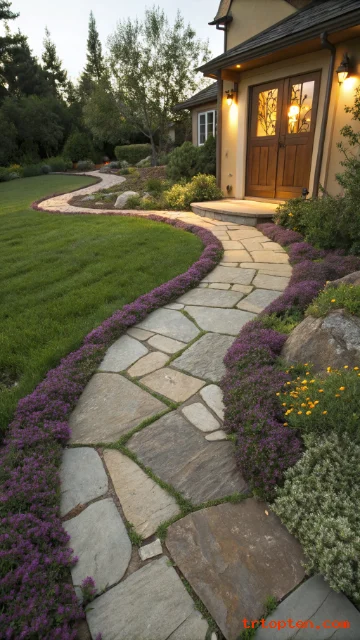
A curved stone pathway instantly adds charm to any front yard. The soft bend draws eyes toward your front door naturally. You can use flat flagstones or rounded river rocks for this look.
Plant low-growing flowers like creeping thyme or woolly yarrow along both edges. These plants stay under six inches tall and release pleasant scents when stepped on. They also require very little watering once established.
This design works especially well for sloped yards or wide lawns. The curve breaks up straight lines and makes the space feel larger. Your neighbors will ask how you got such a professional look.
Install Raised Cedar Planters for a Modern Look
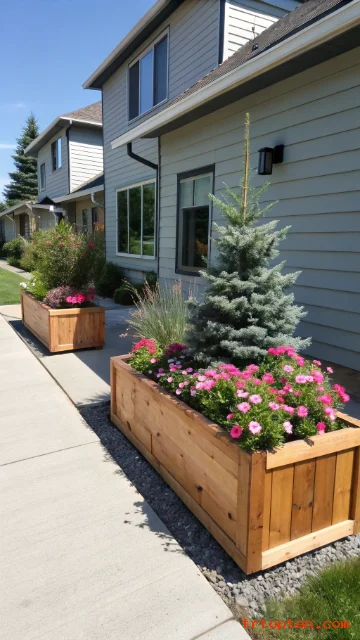
Raised cedar planters bring order and elegance to a messy yard. They keep plants contained and at a comfortable viewing height. You can build them yourself with basic tools from any hardware store.
Fill each planter with a mix of trailing vines and upright shrubs. For example, put a dwarf Alberta spruce in the center with calibrachoa spilling over the edges. The wood’s natural color contrasts beautifully with green foliage.
These planters work great for small front yards or townhomes. You can place two matching planters on each side of your walkway. They also prevent pets and kids from trampling your flowers.
Plant a Rainbow of Zinnias Along the Driveway
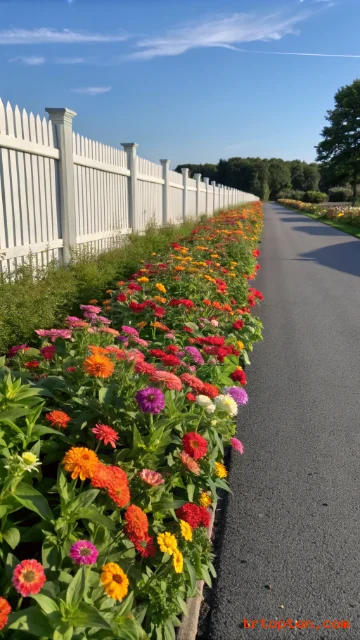
Zinnias grow fast from seeds and bloom all summer long. They come in every color except true blue. You can create a stunning rainbow effect along your driveway edge.
Sow seeds directly into the soil after the last spring frost. Space them about six inches apart for a dense, full look. Deadhead spent flowers to encourage even more blooms until fall.
This idea costs less than twenty dollars for a hundred feet of driveway. Butterflies and bees will visit your yard every single day. You get high impact for almost no maintenance work.
Build a Small Rock Garden with Succulents
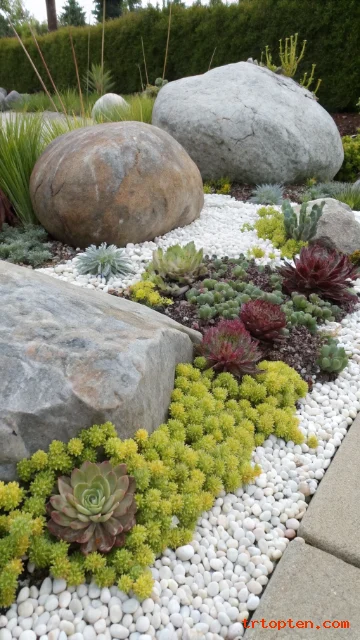
Rock gardens require almost no water once established. They look beautiful in hot, dry climates or any sunny yard. Start with a base of landscape fabric to block weeds.
Arrange a few large boulders first, then add medium and small rocks. Tuck drought-tolerant succulents like hens and chicks into the crevices. Add sedum ground covers to fill empty spaces between stones.
This design needs no mowing, fertilizing, or regular watering. You only pull an occasional weed once a month. It stays green and interesting through every season.
Frame Your Door with Matching Evergreen Shrubs
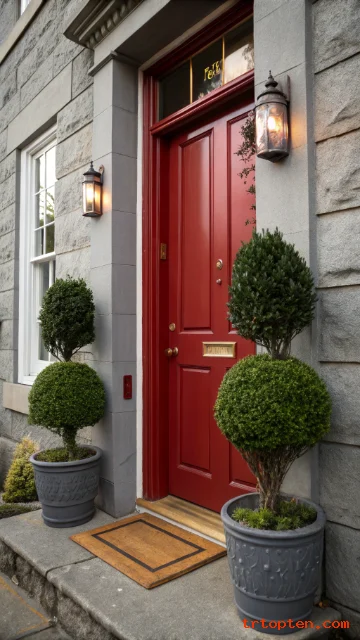
Evergreen shrubs give your entryway a polished, symmetrical look. They stay green through winter when flowers die back. Boxwoods and holly are two excellent choices for this job.
Plant one shrub two feet left of your front door and another two feet right. Choose dwarf varieties that reach only three feet tall at maturity. This keeps them from blocking your windows or walkway.
Prune them once per year in early spring to maintain shape. Use hand pruners to cut stray branches. The result is a classic, timeless entrance that never goes out of style.
Grow a Small Vegetable Patch Instead of Grass
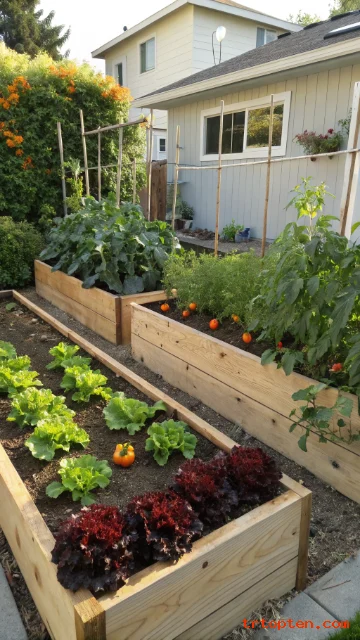
Vegetable gardens in front yards are becoming very popular. They provide fresh food and look surprisingly attractive. You can replace a ten-by-ten foot grass patch with raised beds.
Plant lettuce, kale, and Swiss chard for colorful leafy textures. Add cherry tomatoes on stakes for height and red color. Marigolds around the edges keep pests away naturally.
This idea saves money on groceries and lawn maintenance. You no longer need to water, mow, or fertilize that section of grass. Your front yard becomes both beautiful and useful.
Add a Small Water Fountain as a Focal Point
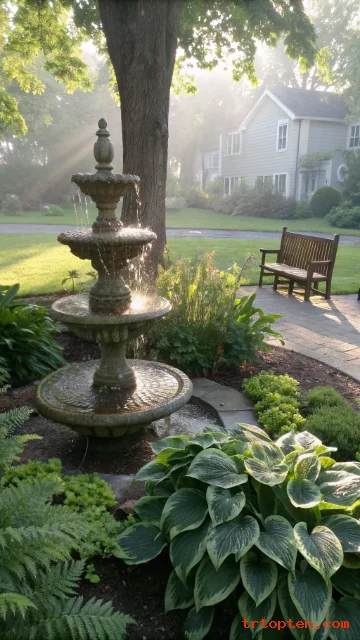
The sound of moving water makes any front yard feel peaceful. A small fountain attracts birds and creates a relaxing atmosphere. You can buy a self-contained unit for under one hundred dollars.
Place the fountain near your walkway or under a front window. Surround it with low ferns and hostas for a lush look. Make sure you have an outdoor electrical outlet nearby for the pump.
Clean the fountain every two weeks to prevent algae growth. Use a scrub brush and fresh water for best results. This small addition makes your yard feel like a secret garden.
Use Ornamental Grasses for Movement and Texture
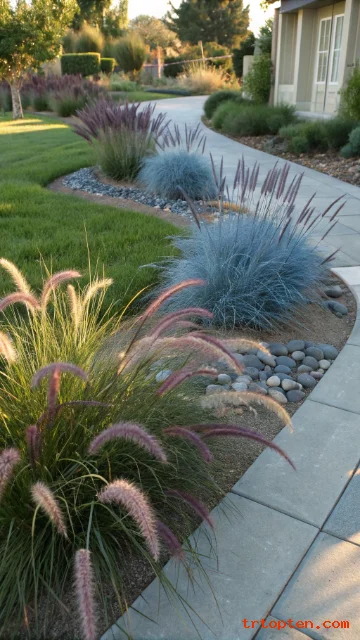
Ornamental grasses sway beautifully in even the slightest breeze. They add height and movement that flowers cannot match. Popular varieties include fountain grass, maiden grass, and blue fescue.
Plant them in groups of three or five for the best visual effect. Space them according to their mature width, usually two to three feet apart. Their seed heads provide winter interest after flowers die.
These grasses need full sun and well-drained soil. Cut them back to six inches tall in late winter. New growth emerges fresh and green each spring.
Create a Butterfly Garden with Native Plants
Butterflies need nectar flowers and host plants to survive. Milkweed is essential for monarch butterflies in North America. Coneflowers, black-eyed Susans, and asters provide abundant nectar.
Arrange plants in large drifts of the same species. Butterflies spot big color patches more easily than single plants. Add a flat rock in full sun for butterflies to warm themselves.
Do not use pesticides anywhere near this garden. Even organic sprays can kill caterpillars and eggs. Your reward will be dozens of colorful butterflies all summer.
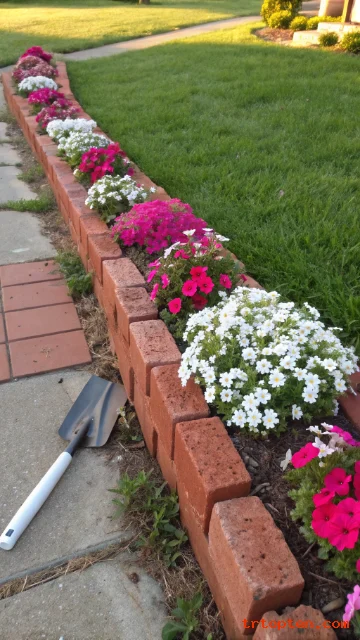
Edge Your Lawn with Brick or Stone Borders
Clean edges make a front yard look expensive and well-cared-for. Brick or stone borders separate your garden beds from the lawn. This stops grass from creeping into your flowers.
Dig a shallow trench along the bed line first. Set each brick or stone into the soil firmly. Tap them with a rubber mallet to level the tops.
You can find used bricks for free on local marketplace sites. Many people give away leftover pavers after home projects. This low-cost upgrade takes one weekend and lasts for decades.
Plant a Single Specimen Tree as a Statement
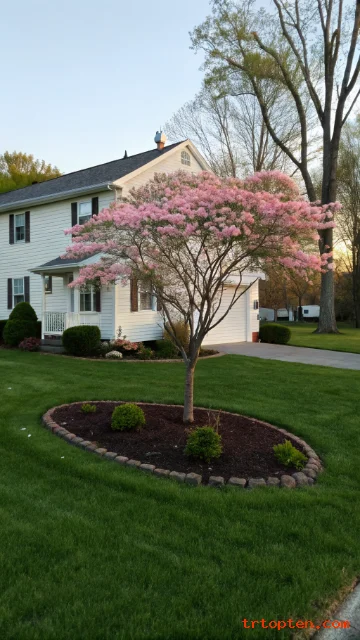
One beautiful tree can anchor your entire front yard design. Choose a tree with interesting bark, flowers, or fall color. Dogwood, redbud, and Japanese maple are excellent small choices.
Plant the tree about fifteen feet from your house foundation. Dig a hole twice as wide as the root ball. Water it deeply every week for the first two growing seasons.
Add a ring of mulch around the tree base to protect the roots. Keep mulch two inches away from the trunk to prevent rot. This single tree will grow more beautiful with each passing year.
Install Solar Path Lights for Nighttime Charm
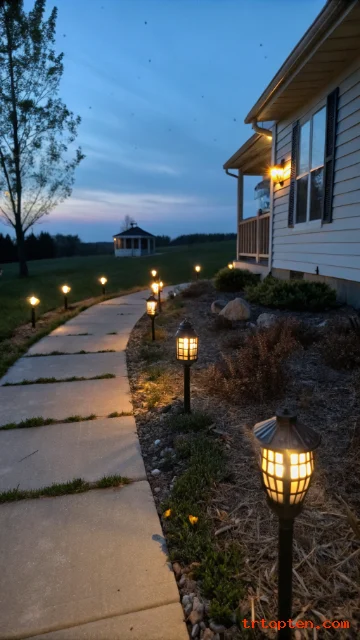
Solar lights make your garden look magical after dark. They charge during the day and turn on automatically at dusk. You can find affordable packs of ten or twelve lights online.
Stick them into the soil along your walkway or garden edges. Space them about three feet apart for even illumination. Choose warm white light instead of cool blue for a cozy feel.
These lights require no wiring or electrician visits. Replace the rechargeable batteries every two years for best performance. Your front yard will look welcoming and safe every night.
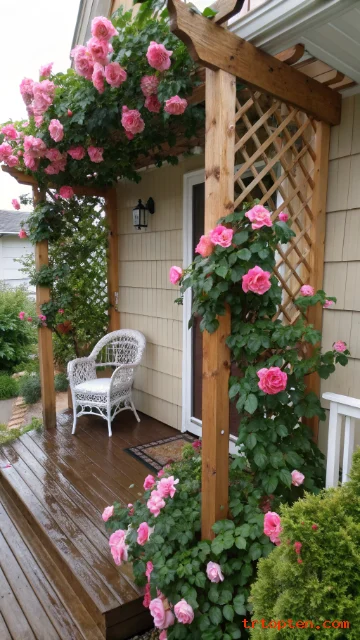
Grow Climbing Roses on a Front Porch Trellis
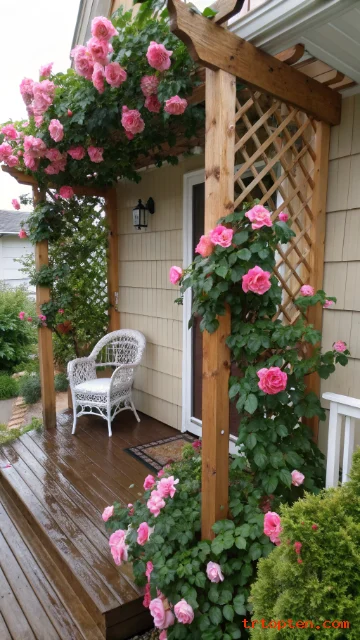
Climbing roses cover bare walls with flowers and fragrance. They need a trellis or wire system for support. Popular varieties include ‘New Dawn’ and ‘Zephirine Drouhin’.
Plant your rose at the base of the trellis in full sun. Tie the main canes to the trellis with soft plant tape. Water deeply at soil level to avoid mildew on leaves.
Prune climbing roses in late winter while they are dormant. Remove dead or crossing canes first. Your porch will smell like old-fashioned roses all June.
Make a Mini Meadow with Wildflower Seeds
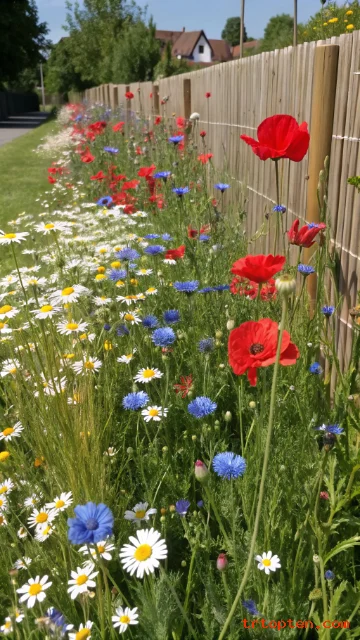
Wildflower meadows look natural and carefree. They provide food for bees and birds all season. You can create one by simply scattering a seed mix.
Prepare the soil by removing grass and loosening the top two inches. Cast seeds evenly by hand in early spring or fall. Roll the area lightly to press seeds into the soil.
Do not water or fertilize this meadow after the first month. Let the flowers go to seed at the end of summer. You will get a new meadow every year without replanting.
Place Large Containers on Your Front Steps
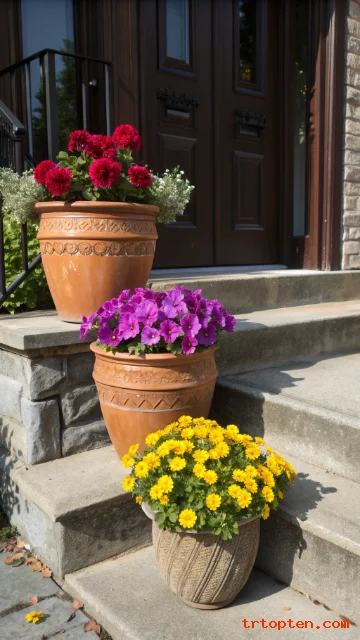
Big pots on steps create instant color exactly where people look. Use one large pot on each step or two matching pots on the top step. Choose pots at least sixteen inches wide for impact.
Fill them with a thriller, filler, and spiller combination. A tall grass as thriller, mounding petunias as filler, and trailing ivy as spiller works perfectly. Use fresh potting soil each spring.
Water container plants daily in hot weather. Add slow-release fertilizer every two months. These pots let you change your color scheme every season easily.
Use Gravel Instead of Grass in Dry Areas
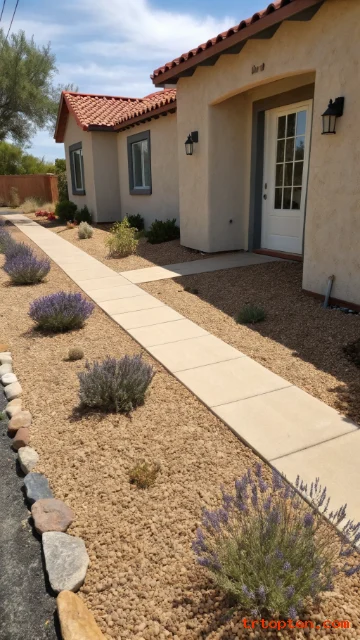
Gravel yards save water and look very stylish. They work best in sunny, dry climates like the southwest. You can create patterns with different colored gravels.
Lay landscape fabric first to block weeds permanently. Spread two inches of gravel over the fabric evenly. Use crushed limestone or pea gravel for a natural look.
Plant drought-tolerant shrubs like lavender or rosemary in pockets. Cut holes in the fabric and dig into the soil below. This design never needs mowing or sprinklers.
Frame a Window with Flower Boxes
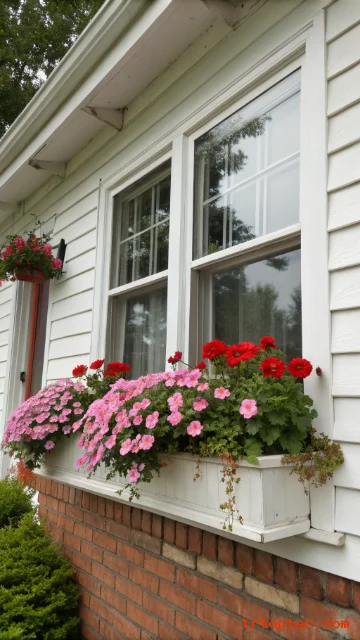
Window boxes bring color up to eye level on your home’s facade. They make blank walls look warm and inviting. You can buy pre-made boxes or build simple wooden ones.
Attach the boxes securely below each front window. Use metal brackets rated for the weight of wet soil. Line the boxes with plastic to protect the wood from rot.
Plant trailing annuals like lobelia or bacopa for soft edges. Add upright geraniums or begonias for height and bright color. Water these boxes every single day in summer.
Create a Sensory Garden with Fragrant Plants
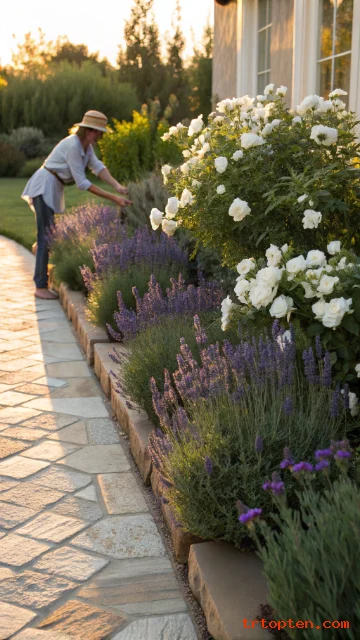
Fragrant plants make your front yard a pleasure to walk through. Lavender, rosemary, and gardenia release wonderful scents. Plant them near your walkway or front door.
Rub the leaves of lavender or rosemary as you pass by. The oils release strong fragrance onto your fingers. Gardenia flowers smell sweetest in the evening hours.
Group these plants where people naturally pause. Next to a bench or near the mailbox works well. Your visitors will remember your home’s lovely smell.
Use Mulch to Unify Your Garden Beds
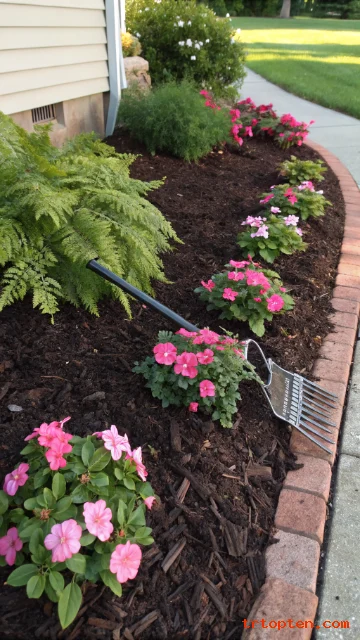
Mulch gives your garden a clean, finished appearance. It suppresses weeds and holds moisture in the soil. Natural wood chips or shredded bark work best.
Apply a two-inch layer of mulch around all your plants. Do not pile mulch against plant stems or tree trunks. This causes rot and invites pests to hide there.
Refresh the mulch every spring to maintain color depth. Dark brown or black mulches make flowers pop. Your garden will look professional and well-planned.
Plant a Hedge for Privacy and Structure
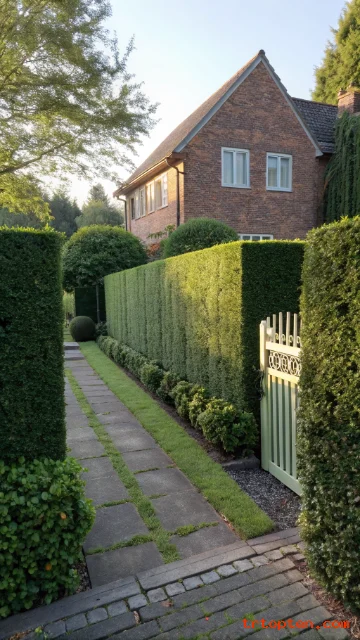
A hedge creates a living wall around your front yard. It blocks street noise and gives you private space. Boxwood, privet, and yew are classic hedge plants.
Space plants according to their mature width, typically two feet apart. Dig a trench instead of individual holes for straight lines. Water consistently for the first two years.
Trim the hedge twice per year to keep it dense. Taper the sides so the bottom is wider than the top. This lets sunlight reach lower branches and prevents bare spots.
Add Garden Art or Sculptures
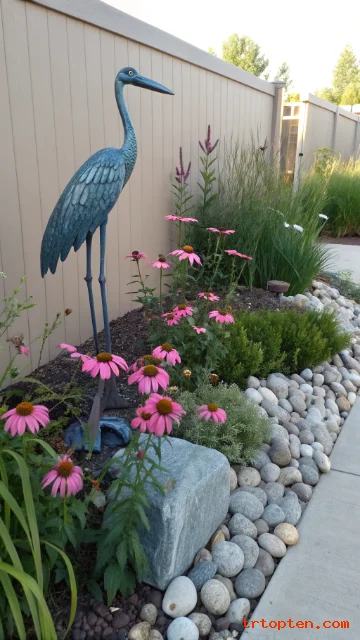
Garden art gives your yard personality and surprise. A single sculpture becomes a conversation starter. You can use metal, stone, or even recycled materials.
Place one art piece at a natural focal point. The end of a pathway or center of a flower bed works well. Keep it simple; too many pieces look cluttered.
Look for weather-resistant materials that hold up outdoors. Coated metal or sealed stone lasts for many years. Your garden art will make people stop and smile.
Grow Ground Covers Instead of Lawn
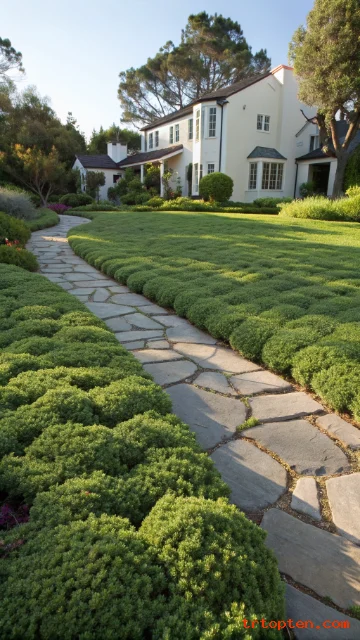
Ground covers replace high-maintenance grass with easy plants. They need mowing only once per year or not at all. Popular options include creeping juniper, vinca minor, and clover.
Plant ground covers six to twelve inches apart for quick coverage. Water them regularly during the first growing season. After establishment, they survive on rainfall alone.
Clover stays green without fertilizer and feeds bees. Creeping juniper stays green all winter in cold climates. You save hours of lawn work every single month.
Install a Small Arbor with a Gate
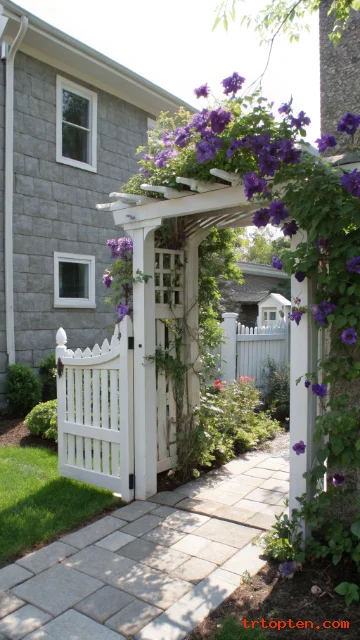
An arbor marks the entrance to your front yard beautifully. It creates a sense of arrival and occasion. You can buy a wooden arbor kit for under two hundred dollars.
Place the arbor at the start of your walkway near the street. Plant climbing vines like clematis or jasmine on both sides. The vines will cover the arbor in two or three years.
Paint or stain the arbor to match your front door color. This ties the whole entrance together visually. Your home will feel like a welcoming destination.
Use Colorful Foliage Plants Instead of Flowers
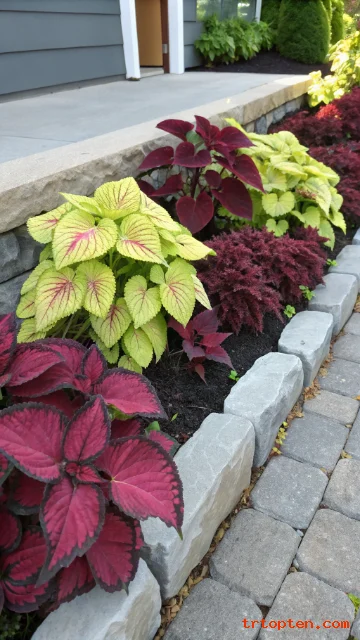
Foliage plants provide color even when nothing is blooming. Coleus, heuchera, and caladium come in amazing shades. You get red, purple, lime green, and orange leaves.
Plant these in groups by leaf color for maximum impact. A bed of solid lime green coleus stops traffic. Mix burgundy heuchera with chartreuse sweet potato vine.
Foliage plants need less deadheading than flowering plants. They look perfect from spring until the first hard frost. This is the easiest way to have a colorful front yard.
Create a Dry Creek Bed for Drainage
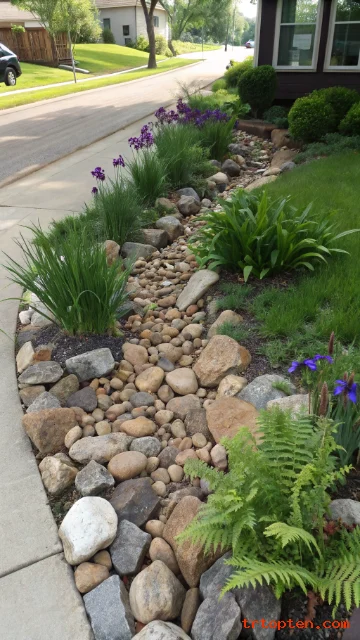
A dry creek bed solves drainage problems beautifully. It directs water away from your house during storms. You also get a natural-looking landscape feature.
Dig a shallow trench from the downspout to the street or garden. Line it with landscape fabric, then add river rocks. Use larger rocks on the bottom and smaller ones on top.
Plant moisture-loving ferns and irises along the creek edges. The creek looks dry most of the time but handles heavy rain. Your basement will stay drier with this simple fix.
Hang a Wreath on Your Front Door
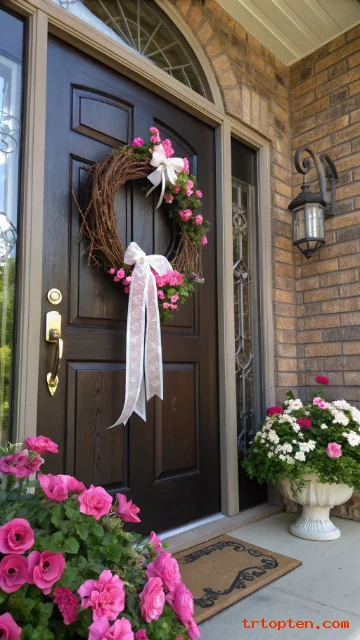
A seasonal wreath ties your whole front yard design together. It welcomes guests and shows attention to detail. You can change it for spring, summer, fall, and winter.
Buy a plain grapevine wreath and decorate it yourself. Add silk flowers, greenery, or ribbon for each season. This costs much less than buying pre-made wreaths.
Match the wreath colors to your front yard flowers. Pink petunias in the yard mean a pink flower wreath on the door. This small touch makes your curb appeal feel complete.
Paint Your Front Door a Bold Color
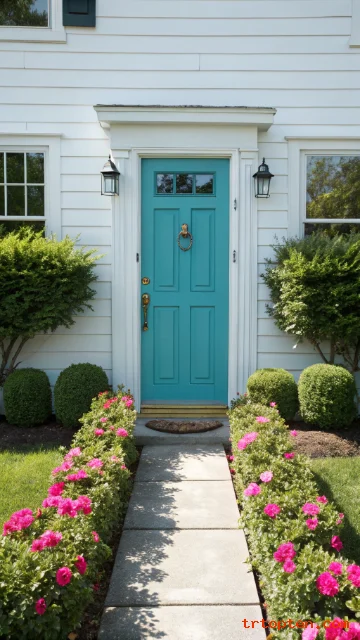
A bold front door color draws eyes right where you want them. Red, yellow, or turquoise doors stand out against any house. This is the cheapest upgrade with the biggest impact.
Clean and sand your door before painting for best results. Use exterior-grade paint in a satin or semi-gloss finish. Apply two thin coats instead of one thick coat.
Choose a color that contrasts with your house siding. A yellow door on a gray house creates excitement. Your front yard garden will look twice as good with a bold door frame.
What is the cheapest way to improve my front yard garden?
Edging your lawn with bricks or stones costs almost nothing. You can find free used bricks online. This simple change makes your yard look expensive instantly.
How many plants do I need for a good front yard design?
Start with three of each plant variety for a natural look. Odd numbers look better than even numbers in garden design. A group of three plants feels balanced and intentional.
Can I mix vegetables with flowers in my front yard?
Yes, vegetables look beautiful mixed with flowers. Plant purple kale next to pink petunias for a stunning combo. Just avoid planting vegetables that look messy like sprawling squash.
What flowers bloom the longest in a front yard?
Zinnias, petunias, and geraniums bloom from spring until frost. Deadhead them regularly to keep flowers coming. These three choices give you color for six full months.
How do I keep weeds out of my front yard garden?
Apply a two-inch layer of mulch every spring. Pull any weeds that appear once per week. Landscape fabric under the mulch stops most weeds permanently.
What is the best low-maintenance front yard design?
A rock garden with succulents and ornamental grasses needs almost no work. You water once per month and pull weeds twice per season. This design works great for busy homeowners.
Should I hire a professional or DIY my front yard garden?
DIY saves money and gives you personal satisfaction. Start with one small bed and expand each year. Most of these 27 front yard garden design ideas are easy for beginners.
How do I choose plants that survive my local climate?
Visit a local nursery and ask for native plants. Native plants already thrive in your exact weather conditions. They need less water and fertilizer than non-native options.
When is the best time to plant a new front yard garden?
Early spring or early fall are the ideal planting times. The soil is moist and temperatures are mild. Avoid planting in the heat of summer or the cold of winter.
How do I make my front yard garden look good in winter?
Plant evergreen shrubs and ornamental grasses for winter structure. Add a wreath on your door and solar lights along the path. These elements keep your yard beautiful all year long.
Conclusion
You now have 27 front yard garden design ideas to transform your home’s exterior. Each idea works on its own or combined with others for a richer look. Start with just one or two changes this weekend to see immediate results.