
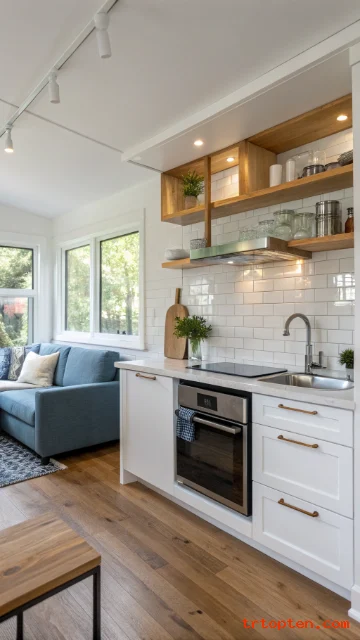
Small homes present a unique design challenge that requires creative thinking and smart solutions. The key to success lies in maximizing every square inch while maintaining a comfortable and stylish atmosphere.
Use a Unified Color Palette
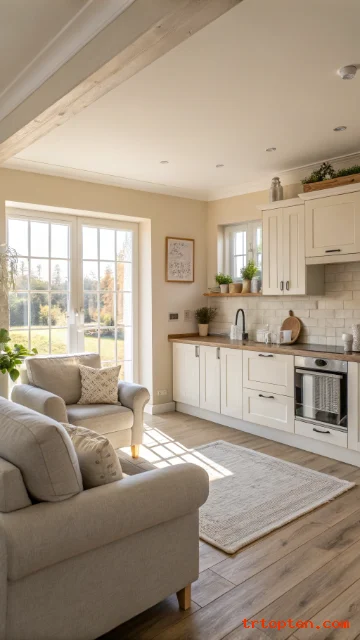
A single color palette across both rooms creates visual continuity and makes the area feel more expansive. Soft whites, warm beiges, and light grays reflect natural light and open up the space. This approach eliminates harsh visual breaks that can make a small area feel chopped up and cramped.
Choose one dominant neutral shade for walls and large furniture pieces. Add one or two accent colors through accessories like cushions, artwork, or small appliances. This strategy keeps the eye moving smoothly from the kitchen to the living room without jarring transitions.
The result is a cohesive look that tricks the eye into perceiving more square footage than actually exists. Light colors on walls and ceilings amplify the effect of natural and artificial light. Darker accents can ground the space and add depth without overwhelming the room.
Install Continuous Flooring Throughout
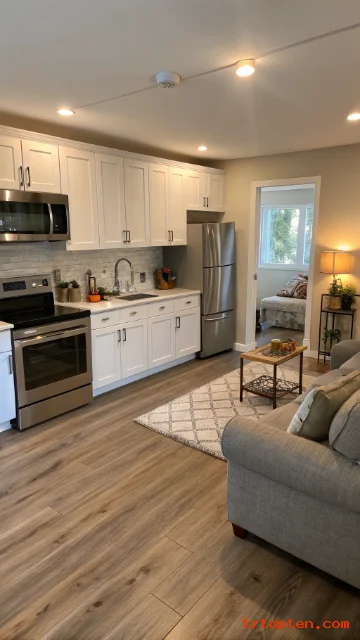
Running the same flooring material from the kitchen into the living room eliminates visual barriers. This simple trick makes the entire area appear larger and more unified. Hardwood, luxury vinyl plank, or large-format tiles work beautifully in both spaces.
Continuous flooring creates an uninterrupted flow that guides the eye across the whole room. The absence of transitions between different floor types removes visual clutter. This approach also makes cleaning and maintenance simpler since you have one surface to care for.
Choose flooring that can withstand kitchen spills and living room foot traffic equally well. Porcelain tiles and luxury vinyl offer excellent durability and water resistance. The investment in quality flooring pays off in both aesthetics and longevity.
Add a Multifunctional Kitchen Island
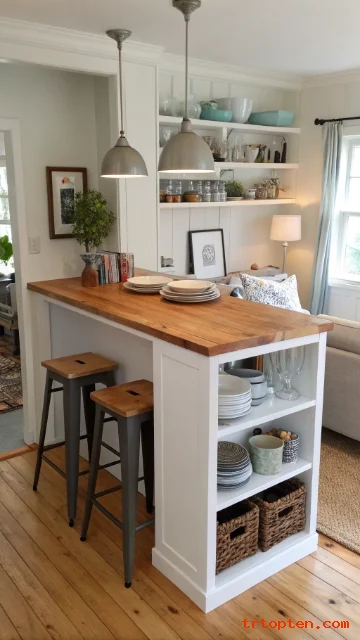
A compact kitchen island serves as a prep area, dining spot, and room divider all in one. This versatile piece anchors the kitchen while creating a subtle boundary between cooking and lounging zones. Choose an island with built-in storage to maximize its functionality.
The island provides extra counter space that small kitchens desperately need. Add bar stools on the living room side for casual meals and entertaining. The overhang should extend 10 to 12 inches to accommodate comfortable seating.
Keep the island proportions balanced to maintain good circulation around it. A peninsula 30 to 36 inches deep works well in most small spaces. Ensure at least 36 inches of clearance on all sides for comfortable movement.
Zone with Area Rugs
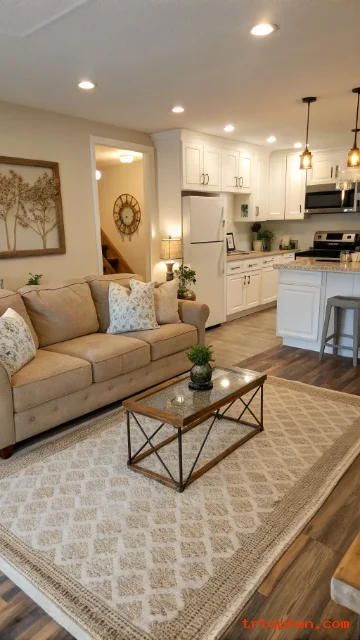
Area rugs visually separate the living room from the kitchen without using walls. Place a rug under the sofa and coffee table to define the lounge area. This soft boundary creates distinct zones while maintaining an open feel.
Choose rugs with colors that complement your unified palette. The rug should be large enough to fit under the front legs of your furniture. This anchors the seating arrangement and makes the living area feel intentional and grounded.
Rugs also add warmth, texture, and acoustic benefits to hard flooring surfaces. They absorb sound and make the space feel cozier and more inviting. Just ensure the rug is easy to clean, especially if it sits near the kitchen area.
Incorporate Open Shelving
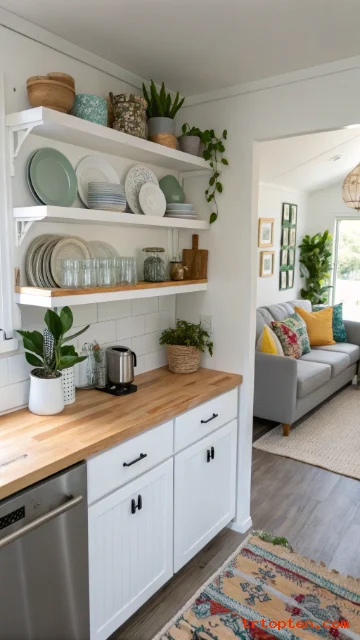
Open shelving in the kitchen reduces visual bulk and keeps the room feeling light. Display decorative dishes, plants, or cookbooks to add personality and style. This approach makes the kitchen feel more integrated with the living room decor.
Mix open shelves with closed cabinets to balance display and hidden storage. Curate the items on display carefully to avoid a cluttered look. A few well-chosen pieces create visual interest without overwhelming the space.
Open shelving demands some discipline to maintain its clean appearance. However, it encourages you to keep only what you truly love and use. The result is a kitchen that feels personal, organized, and visually connected to the living area.
Choose Multipurpose Furniture
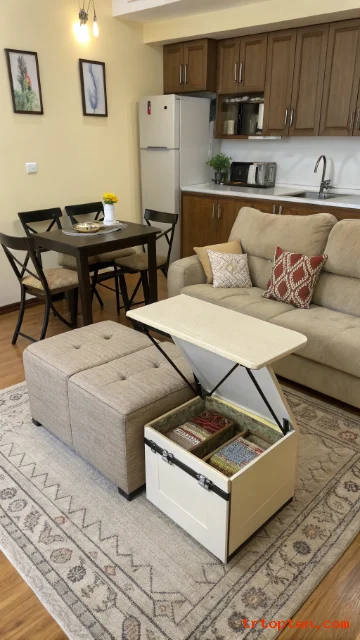
Every piece of furniture in a small space should serve at least two purposes. A storage ottoman works as a coffee table, extra seating, and a place to stash blankets. Nesting tables provide flexible surface space that can be tucked away when not needed.
Sofas with built-in storage offer a place to hide living room essentials. Foldable dining tables can expand for meals and collapse to free up floor space. This approach reduces the number of pieces you need while increasing functionality.
Think of furniture as a collection of hardworking tools rather than decorative objects. Each item should earn its place by contributing to the room’s usability. This mindset transforms a small space into a highly efficient and comfortable home.
Create a Galley or One-Wall Kitchen Layout
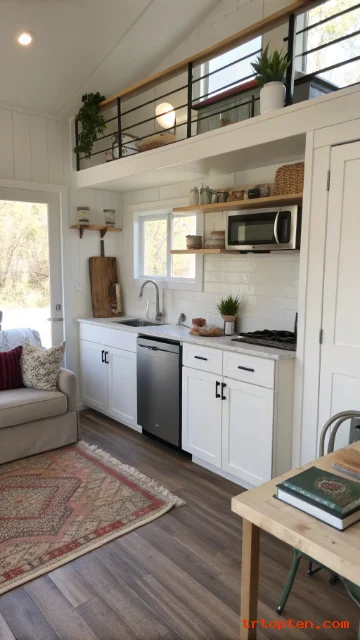
A galley or one-wall kitchen layout maximizes floor space in compact homes. These configurations keep the kitchen along a single wall or two parallel walls. This frees up the rest of the room for living and dining functions.
The one-wall layout works especially well in very small spaces. It keeps everything within easy reach while leaving maximum open floor area. The galley layout offers more counter space within a similar footprint.
Both layouts maintain clear sightlines across the entire room. This visual openness makes the space feel larger and more inviting. Choose the configuration that best fits your room’s shape and your cooking habits.
Install a Glass Backsplash
A glass backsplash reflects light and visually expands the kitchen area. The reflective surface bounces natural and artificial light around the room. This makes the entire space feel brighter and more open.
Glass backsplashes come in various colors and finishes to match your decor. They are also easy to clean, which is practical for kitchen use. The smooth surface resists stains and wipes down quickly after cooking.
The reflective quality of glass creates depth that makes walls seem farther away. This optical illusion adds perceived square footage without any structural changes. It is a simple upgrade with a significant visual impact.
Use Lighting to Define Zones
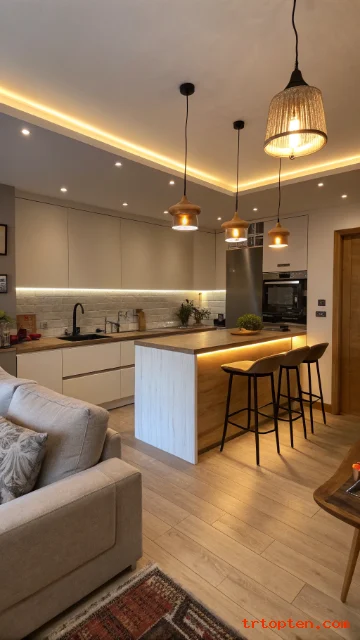
Layered lighting creates distinct zones without the need for physical barriers. Pendant lights over the kitchen island define the cooking and dining area. Floor lamps and table lamps in the living room create a warm, relaxing ambiance.
Use different light temperatures to distinguish between spaces. Cooler white light (around 4000K) works well for task lighting in the kitchen. Warmer light (2700-3000K) creates a cozy atmosphere in the living area.
Dimmers allow you to adjust the mood throughout the day. Bright light for cooking and cleaning, softer light for relaxing and entertaining. This flexibility makes the space work for all your activities.
Float Your Sofa Away from the Wall
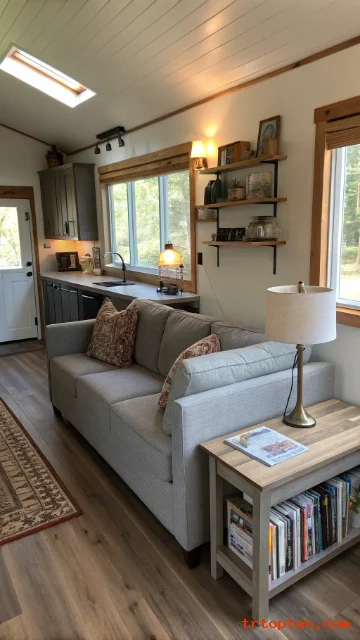
Positioning your sofa away from the wall creates a sense of depth and space. This technique establishes a clear pathway behind the sofa. It also visually separates the living area from the kitchen.
The floating sofa acts as a natural room divider without blocking light or views. Place a slim console table behind the sofa for additional storage and display. This creates a soft boundary between the two functional zones.
This arrangement also improves traffic flow through the room. People can walk behind the sofa without interrupting conversations or TV viewing. The result is a more functional and spacious-feeling layout.
Maximize Vertical Storage
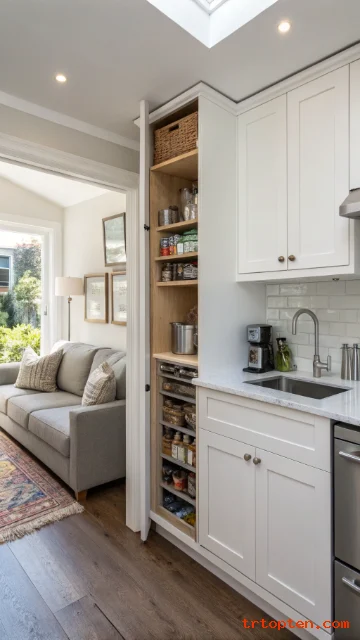
When floor space is limited, look up for storage opportunities. Tall cabinets that reach the ceiling provide maximum storage capacity. This draws the eye upward, making the room feel taller and more expansive.
Install shelves above appliances or windows for extra display and storage space. Use the full height of your walls to keep countertops and floors clear. Vertical storage keeps essentials accessible while maintaining an uncluttered look.
Tall pantry cabinets can hold a surprising amount of food and supplies. Pull-out racks and narrow drawers make deep cabinets easy to access. This approach transforms wasted wall space into valuable storage real estate.
Use Mirrors to Expand the Space
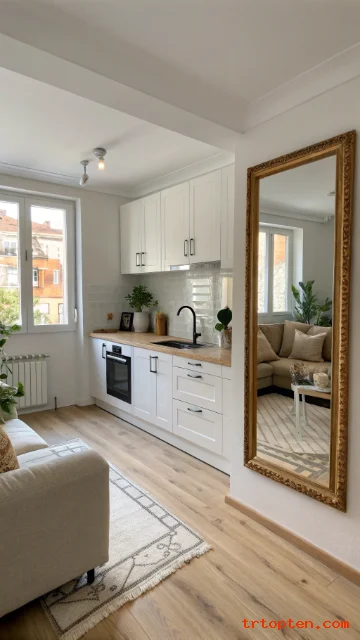
Mirrors reflect light and create the illusion of more space. Place a large mirror on a wall opposite a window to double the natural light. This simple trick makes any small room feel significantly larger.
A mirrored backsplash in the kitchen adds depth and brightness. Full-length mirrors in the living area create visual expansion without taking up floor space. The reflective surface also adds a touch of elegance to the decor.
Position mirrors thoughtfully to reflect pleasant views and light sources. Avoid placing them where they reflect cluttered areas or direct glare. Strategic mirror placement enhances both the functionality and aesthetics of the space.
Opt for Slim-Profile Furniture
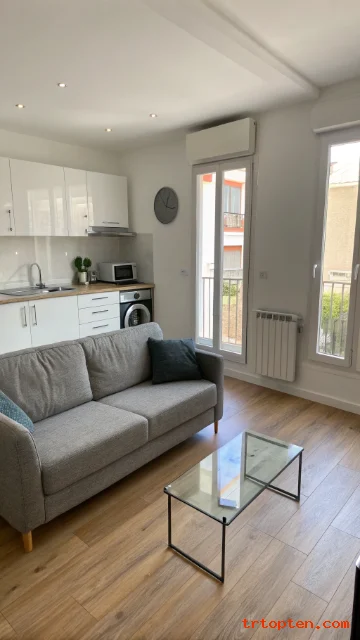
Choose furniture with slim silhouettes and exposed legs for a lighter look. Bulky, heavy furniture overwhelms small spaces and makes them feel cramped. Narrow-profile sofas, chairs, and tables preserve valuable floor area.
Furniture with visible legs allows light to flow underneath and creates visual openness. This design choice makes the room feel less crowded and more spacious. The lighter visual weight of slim furniture improves the overall balance.
Measure your space carefully before buying any large pieces. A sofa that is too big can ruin the flow of an entire room. Choose proportions that fit your space without dominating it.
Install a Fold-Away Dining Table
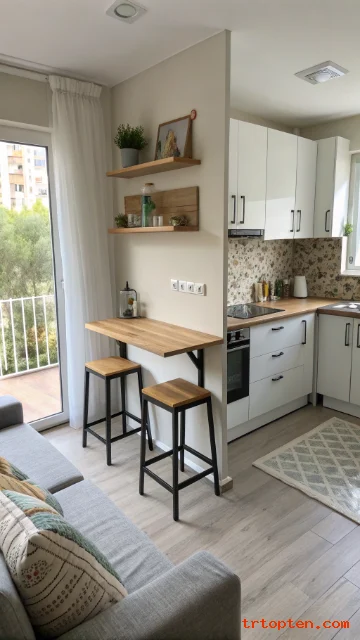
A wall-mounted drop-leaf table provides dining space when needed and disappears when not. This clever solution saves valuable floor space in small kitchen-living combos. The table can serve as a dining spot, prep area, or workspace.
Fold the table down against the wall to open up the room for other activities. This flexibility is invaluable in a compact home where every square foot matters. The table takes up minimal space while offering maximum utility.
Choose a table that matches your decor and can support your daily needs. Sturdy hinges and quality materials ensure long-lasting performance. This investment in space-saving furniture pays off in daily convenience.
Use a Room Divider Console
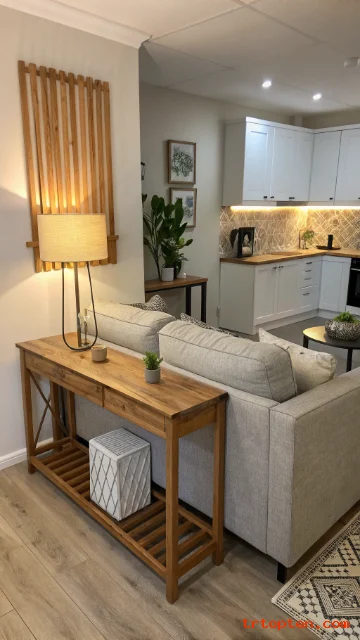
A slim console table behind the sofa creates a subtle room division. This piece provides storage and display space while defining the living zone. It separates the kitchen and living areas without blocking light or views.
The console can hold lamps, plants, or decorative objects that enhance the room. It also offers a convenient surface for keys, mail, or everyday items. This practical addition serves both functional and aesthetic purposes.
Choose a console that matches the height and style of your sofa. A piece that is too tall or too short will look awkward and unbalanced. The right console seamlessly integrates into the room’s design.
Incorporate Greenery Throughout
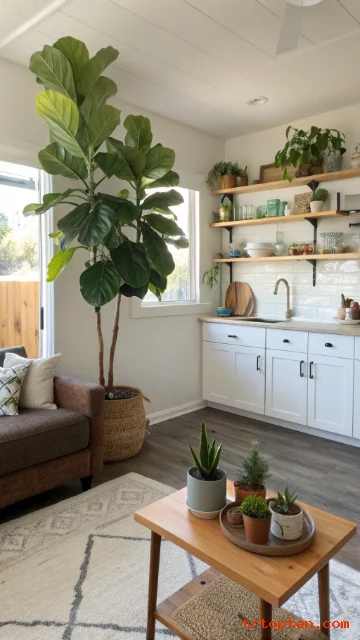
Indoor plants create continuity between the kitchen and living room. Place a few plants in each area to tie the spaces together visually. Greenery adds life, color, and a refreshing vibe to any small space.
Choose low-maintenance plants that thrive in indoor conditions. Herbs in the kitchen provide both decoration and fresh ingredients for cooking. Larger plants in the living room create a focal point and soften hard surfaces.
Plants also improve air quality and create a calming atmosphere. The natural elements make the space feel more inviting and comfortable. Even a few small plants can transform the feel of a room.
Choose Light, Neutral Wall Colors
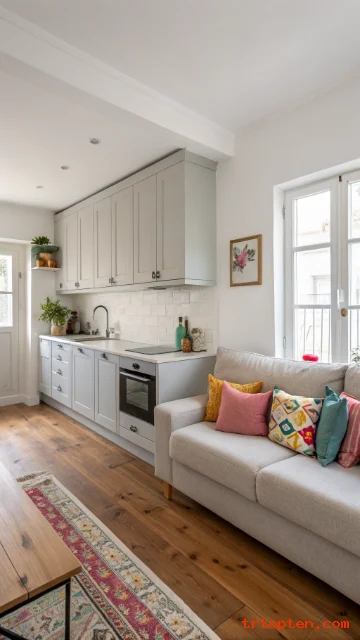
Light wall colors make small spaces feel larger and brighter. Soft whites, pale grays, and warm beiges reflect light effectively. These neutral tones create a calm and spacious backdrop for your decor.
Paint the kitchen cabinets and living room walls in similar light shades. This visual continuity prevents abrupt transitions that can make spaces feel smaller. The unified color scheme creates a seamless flow between the two areas.
Add personality through accessories rather than wall colors. Colorful cushions, artwork, and small appliances can inject vibrancy without overwhelming the space. This approach keeps the room feeling open and flexible.
Create a Built-In Banquette
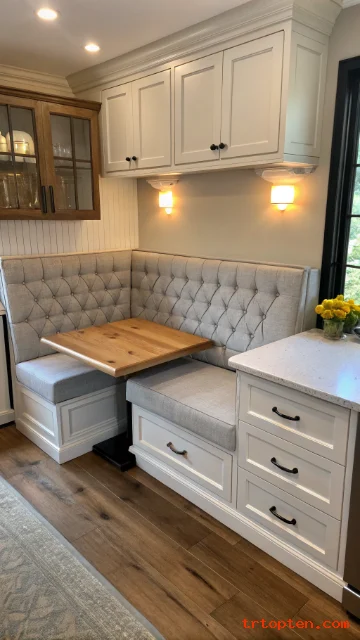
A built-in banquette along a wall or peninsula saves space and adds storage. This seating solution fits perfectly into corners that might otherwise go unused. The banquette provides a cozy dining nook that feels custom-made for the space.
Storage under the seat holds placemats, table linens, or small kitchen items. This hidden storage reduces clutter and keeps essentials within easy reach. The upholstered seating also softens acoustics in the open-plan area.
Choose a table that slides in and out for maximum flexibility. A pedestal base prevents knee bumps and makes seating more comfortable. This built-in solution maximizes both function and style.
Use Glass Partitions for Separation
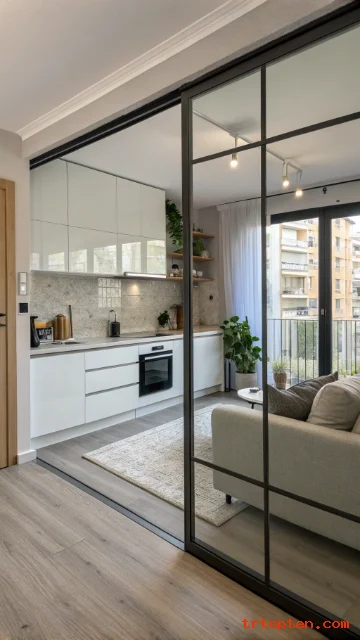
Glass partitions define spaces without blocking light or views. These transparent dividers maintain the open feel while providing some separation. They work especially well when you need to contain cooking smells or noise.
Sliding glass doors can close off the kitchen when necessary. This option offers flexibility for different activities and occasions. The glass panels keep the space feeling connected even when closed.
Choose frameless or minimal-frame glass for the cleanest look. This design choice maximizes transparency and visual flow. The result is a space that feels open and airy with optional privacy.
Install Under-Cabinet Lighting
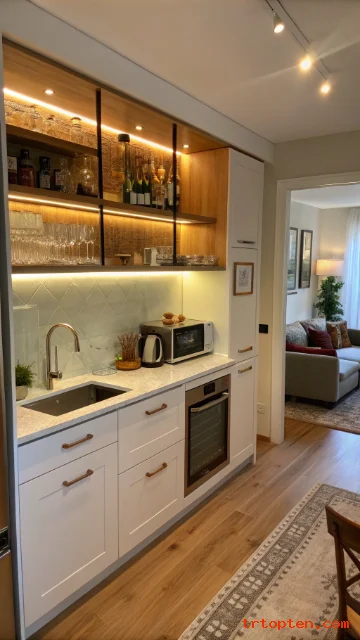
Under-cabinet lighting illuminates countertops and creates a warm glow in the kitchen. These lights make food preparation safer and more enjoyable. They also add a layer of ambient light that enhances the entire room.
LED strip lights are energy-efficient and easy to install. They provide task lighting without taking up any counter or floor space. The soft illumination also highlights your backsplash and countertop materials.
This lighting adds depth and dimension to the kitchen area. It prevents shadows that can make the space feel dark and cramped. The result is a brighter, more functional kitchen that feels connected to the living room.
Choose Compact Appliances
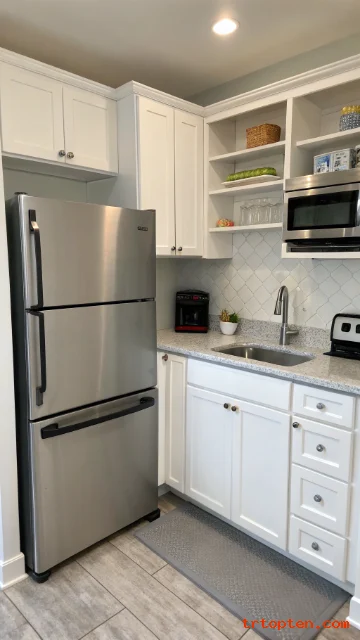
Compact appliances save valuable space in small kitchens. An 18-inch dishwasher or a counter-depth refrigerator fits neatly into tight spots. These smaller units provide full functionality in a reduced footprint.
Look for slim refrigerators, narrow dishwashers, and compact ovens. These appliances maintain performance while taking up less room. The space saved can be used for additional storage or circulation.
Plan your appliance layout carefully before making any purchases. Measure your available space and choose appliances that fit precisely. The right compact appliances make a small kitchen feel surprisingly spacious.
Use a Moving Work Triangle
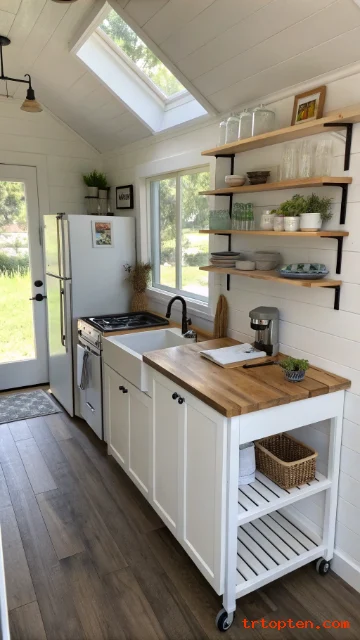
A flexible work triangle adapts to your cooking needs in a small space. Use a rolling prep cart or pull-out counter to extend your work surface temporarily. This approach gives you the benefits of a full kitchen without the permanent footprint.
Position the sink, stove, and refrigerator in a compact arrangement. Keep the distances between these three points short for efficient workflow. The moving elements allow you to reconfigure the space as needed.
Accept that some setup and teardown is required with this approach. The payoff is a clutter-free living area when you are not cooking. This flexible system works beautifully in very small homes.
Add a Console with Storage Behind the Sofa
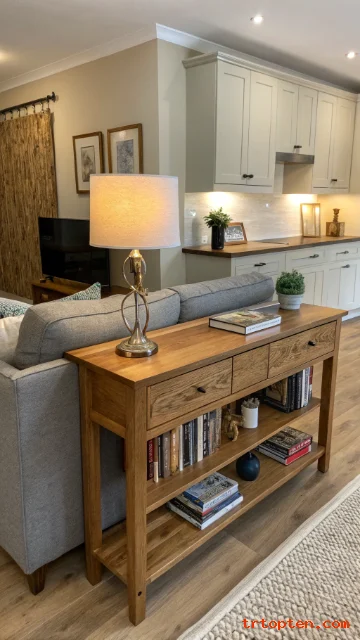
A console table behind the sofa provides valuable storage and display space. This piece can hold lamps, books, and decorative items that enhance the room. It also serves as a subtle room divider between the kitchen and living areas.
Choose a console with drawers or shelves for maximum functionality. This extra storage helps keep the living area tidy and organized. The console’s surface offers a convenient spot for everyday items.
Position the console to align with the back of the sofa for a clean look. This creates a defined boundary without blocking sightlines. The result is a more organized and visually appealing space.
Use Textures to Add Depth
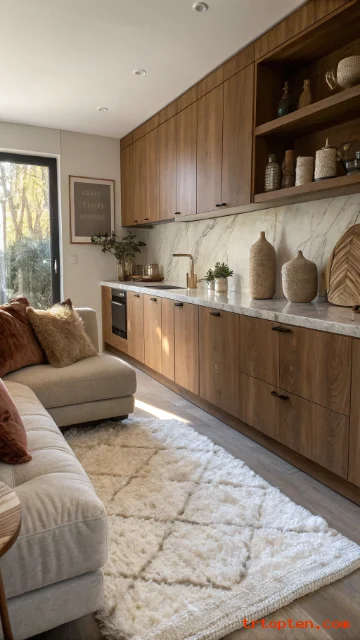
Different textures add visual interest without adding visual clutter. Combine smooth surfaces like glass and metal with soft materials like wool and velvet. This contrast creates depth and makes the space feel more layered and inviting.
Use a plush rug, textured cushions, and smooth wood finishes in the living area. In the kitchen, mix matte cabinets with glossy tiles or stone countertops. The variety of textures keeps the eye engaged without overwhelming the space.
Texture adds warmth and personality to neutral color schemes. It prevents the room from feeling flat or sterile. The careful use of texture makes a small space feel rich and thoughtfully designed.
Install Pocket Doors
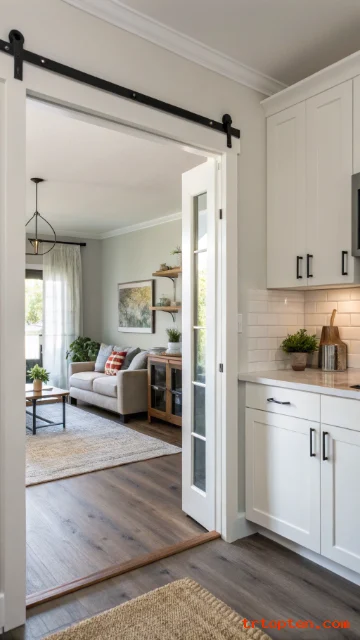
Pocket doors slide into the wall and save valuable floor space. These doors eliminate the swing space that traditional doors require. They are perfect for small homes where every inch counts.
Use pocket doors to separate the kitchen from the living room when needed. This provides privacy and contains cooking smells without sacrificing space. The doors can remain open most of the time to maintain an open feel.
Choose doors that complement your overall design aesthetic. Glass-paneled pocket doors maintain light flow even when closed. This practical solution adds flexibility to your small space.
Create a Gallery Wall
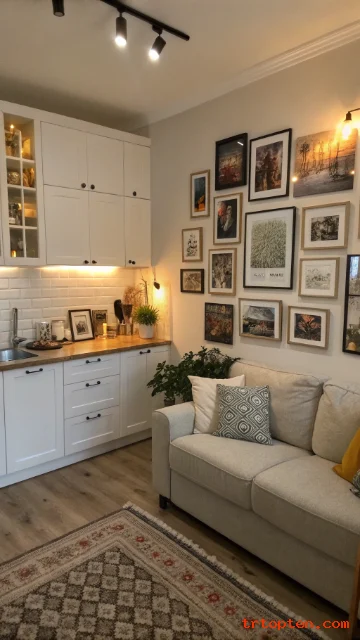
A gallery wall adds personality and visual interest to a small space. Arrange artwork, photos, and decorative objects on a wall that connects both rooms. This creates a focal point that draws the eye and makes the space feel curated.
Choose pieces that share a common color scheme or theme for cohesion. Mix different frame styles and sizes for an eclectic, collected look. The gallery wall becomes a conversation starter and a reflection of your style.
Position the gallery wall where it can be seen from both the kitchen and living room. This creates a visual bridge between the two areas. The art collection adds character without taking up any floor space.
Use a Two-Tier Island
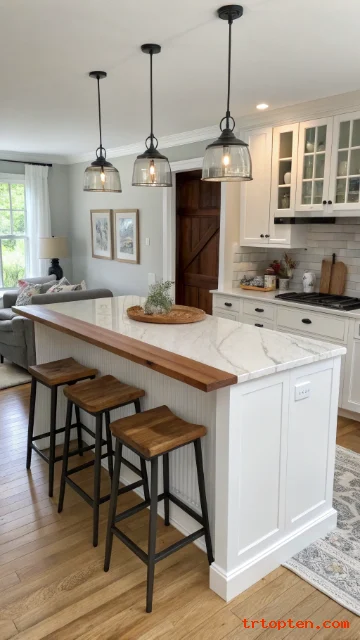
A two-tier island provides separate surfaces for cooking and dining. The higher tier can serve as a breakfast bar or casual dining spot. The lower tier functions as a food preparation area.
This design creates distinct zones within a single piece of furniture. It maximizes the island’s functionality without increasing its footprint. The two levels also add visual interest and architectural detail.
Choose materials that complement your overall color scheme. The countertop can match your kitchen counters while the bar top offers a contrasting finish. This subtle differentiation defines the two functions clearly.
Add a Sliding Barn Door
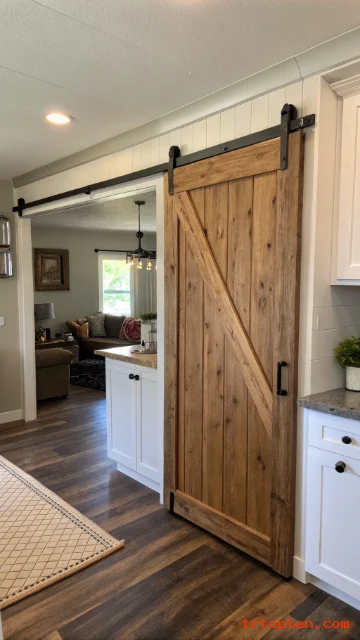
A sliding barn door adds rustic charm while saving floor space. This door type slides along a track mounted on the wall. It requires no floor space for swinging open, making it ideal for small homes.
Use the barn door to separate the kitchen from the living room when desired. The door can slide open to create an open-plan feel or close for privacy. This flexibility adapts to your changing needs throughout the day.
Choose a door style that complements your decor. Modern, sleek designs work in contemporary spaces. Rustic wooden doors add warmth and character to traditional interiors.
Use a Drop-Leaf Counter Extension
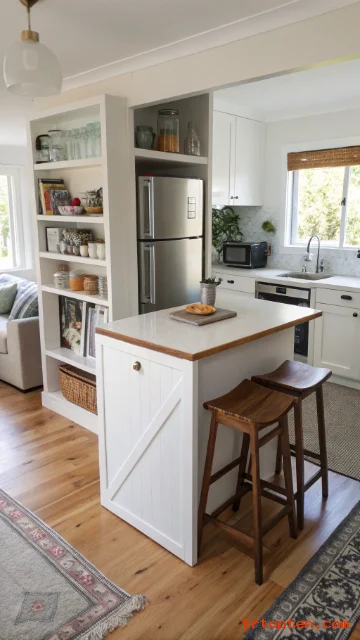
A drop-leaf counter extension provides extra workspace when you need it. This clever addition folds down when not in use to save space. It offers the benefits of a larger counter without the permanent footprint.
Install the drop-leaf on a kitchen island, peninsula, or along a wall. Use it as a dining table, prep area, or serving station. The extension folds flat when you need clear floor space.
Choose sturdy hinges and a durable surface material. The extension should support the weight of food preparation and dining. This practical addition adds significant functionality to a small kitchen.
Keep Clutter to a Minimum
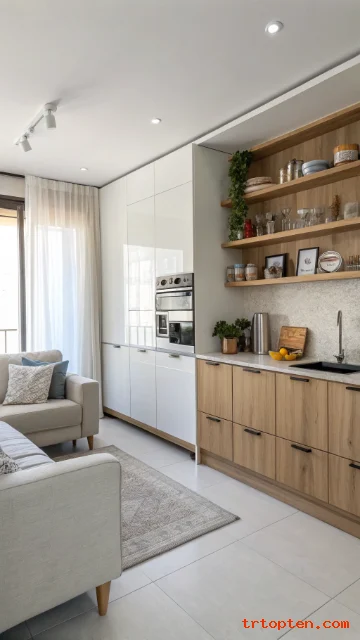
Clutter makes small spaces feel cramped and overwhelming. Keep countertops clear and store items out of sight. A streamlined look makes the room feel larger and more peaceful.
Use closed storage for everyday items that you do not need to display. Open shelves should hold only curated, attractive pieces. This discipline maintains a calm and organized atmosphere.
Regularly edit your belongings to prevent accumulation. Donate or discard items you no longer use or love. A clutter-free space feels more spacious, functional, and enjoyable to live in.
What is the best layout for a small kitchen and living room combo?
A galley or one-wall kitchen layout works best for most small spaces because it keeps the kitchen compact and leaves maximum floor area for living functions. L-shaped kitchens with a peninsula also work well as they create a natural boundary between the two zones while maintaining clear circulation.
How much clearance do I need between the kitchen and living areas?
Aim for at least 36 inches (90 cm) of clear walkway where people pass through the space. This clearance ensures comfortable movement and prevents the space from feeling cramped and crowded.
Can I fit an island in a very small kitchen and living room?
Yes, choose a slim, movable island or a peninsula that extends from the wall. Keep the island depth modest and ensure at least 36 inches of clearance on all sides for comfortable movement.
How do I make a small combined space feel larger?
Use a continuous floor material, a unified color palette, and plenty of light. Mirrors, glass backsplashes, and strategic lighting also help expand the perceived size of the space.
What type of lighting works best in a small open-plan space?
Layered lighting with pendants over the kitchen area, recessed lights for general illumination, and warm lamps in the living area creates distinct zones. Dimmers allow you to adjust the mood for different activities throughout the day.
Are open shelves a good idea in a small kitchen and living room combo?
Yes, open shelves reduce visual bulk and keep the room feeling light and airy. However, they require discipline to keep organized and clutter-free, so mix them with closed cabinets for balance.
What colors work best for a small kitchen and living room?
Light, neutral colors like soft whites, pale grays, and warm beiges make the space feel larger and brighter. Add personality through accessories rather than bold wall colors.
How can I define zones without using walls?
Use area rugs, lighting, furniture placement, and changes in ceiling height to define distinct zones. A floating sofa or a console table behind the sofa can also create a subtle boundary.
What type of flooring works best for a combined space?
Continuous flooring like hardwood, luxury vinyl plank, or large-format tiles creates visual continuity and makes the space appear larger. Choose materials that can withstand both kitchen spills and living room traffic.
How do I choose furniture for a small combined space?
Choose multipurpose furniture that serves at least two functions, like a storage ottoman or a sofa bed. Opt for slim-profile pieces with exposed legs that create visual openness and preserve floor space.
Conclusion
These 30 small kitchen and living room ideas prove that limited square footage does not mean limited style or functionality.
Smart design choices like continuous flooring, multifunctional furniture, and strategic lighting transform compact spaces into comfortable, beautiful homes.