
Your living room TV setup can make or break your entire space. The right arrangement turns a simple screen into a stunning focal point that enhances both comfort and style.
In this guide, I share 26 living room TV setup ideas that work for rooms of every size and shape.
Minimalist Floating TV Wall
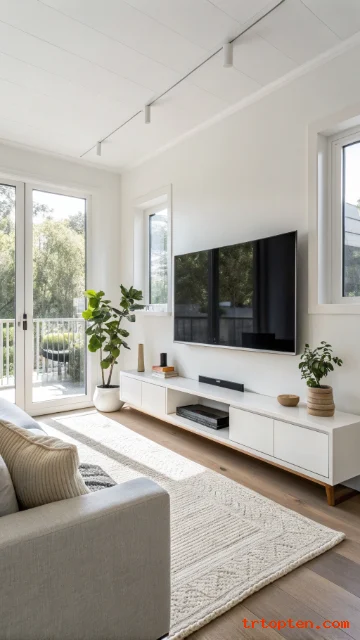
A floating TV wall creates an airy, uncluttered look that feels modern and spacious. Mount the TV directly on the wall without a bulky stand underneath. This setup keeps floor space open and makes cleaning a breeze.
Floating walls work best in small apartments where every square foot counts. You can hide cables inside the wall for a truly seamless finish. Choose a matte screen finish to reduce glare and keep fingerprints at bay.
This design requires strong wall support and precise mounting. Limited storage means you will need alternative spots for media devices. A floating unit with integrated cable management solves most of these issues neatly.
Built-In Wall Niche for TV
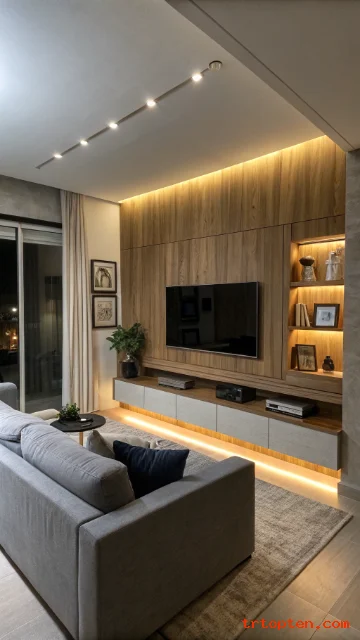
A recessed niche carved into the wall makes the TV sit flush with the surface. This creates a theater-like focal point without the screen protruding into the room. The built-in look feels custom and expensive.
You can add LED strip lighting around the niche edges for a dramatic glow. This lighting adds depth and makes the TV appear to float within the wall. The niche also protects the screen from accidental bumps and dust.
This is a permanent solution that requires renovation work. Changing the TV position later is difficult and costly. Plan for ventilation and cable access during construction to avoid problems.
Gallery Wall Surrounding the TV
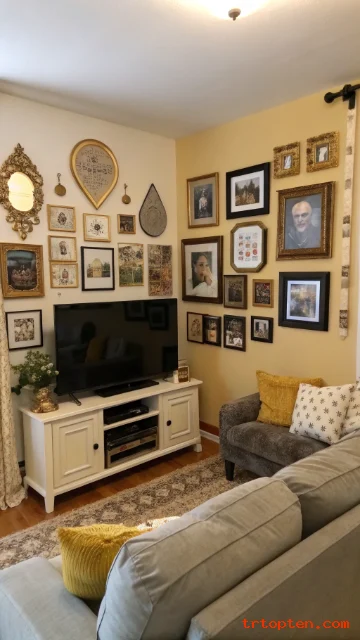
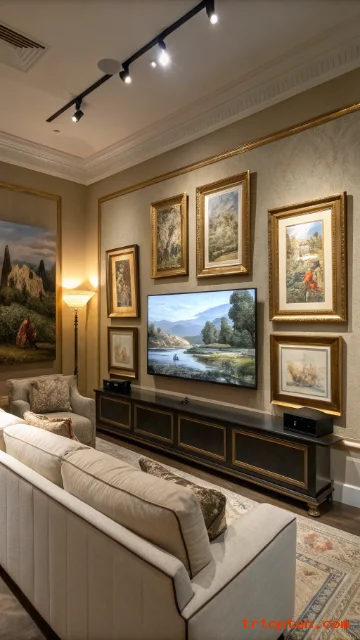
Transform your TV into just another piece of art by surrounding it with framed prints and photos. This approach makes the black screen blend into a curated gallery display. The TV becomes part of the decor rather than the sole focus.
Mix frame sizes, colors, and art styles to create visual interest around the screen. Keep the arrangement balanced so the TV does not compete with larger artworks. A consistent frame color or mat size helps unify the entire collection.
This idea works well for renters who cannot make permanent changes. You can easily update the art pieces whenever you want a fresh look. Avoid overcrowding the wall to prevent a busy, chaotic feel.
Sliding Panel TV Cover
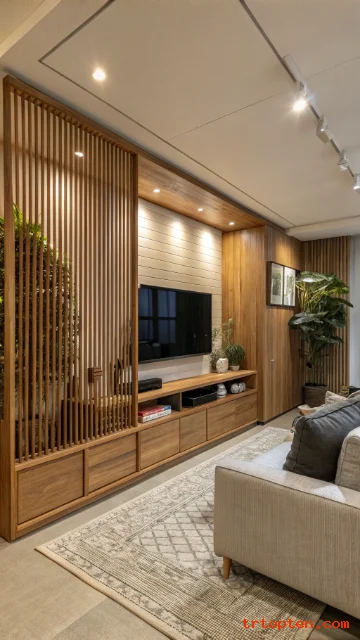
Hide your TV behind sliding panels for a polished, clutter-free appearance. The panels can be wood, fabric, or even artwork that conceals the screen when not in use. Guests often do not even realize a TV is there until you reveal it.
Sliding panels add an element of surprise and keep the room looking like a living space rather than a media cave. You can use the panels to display art, mirrors, or shelving when closed. This setup works beautifully in Scandinavian and minimalist interiors.
The mechanism requires precise carpentry and quality hardware for smooth operation. Custom solutions can be costly compared to standard TV setups. Lightweight materials ensure the panels slide easily without strain.
Corner TV Placement
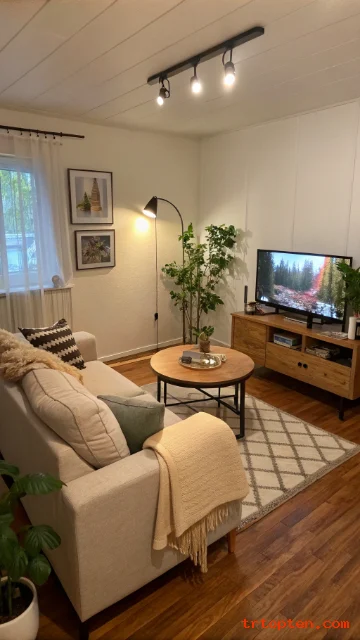
Place your TV in a corner to open up the main wall and improve traffic flow. This setup works wonders for narrow or awkwardly shaped rooms. The corner position often reduces glare from windows and overhead lights.
Use a corner TV stand or a swivel wall mount for flexible viewing angles. Angle your sofa or seating toward the corner for comfortable watching. This arrangement creates an intimate, theater-like feel in smaller spaces.
Large groups may find corner viewing less than ideal. Sound dispersion can be uneven due to the angled placement. A quality soundbar helps direct audio toward the seating area.
Media Wall with Fireplace
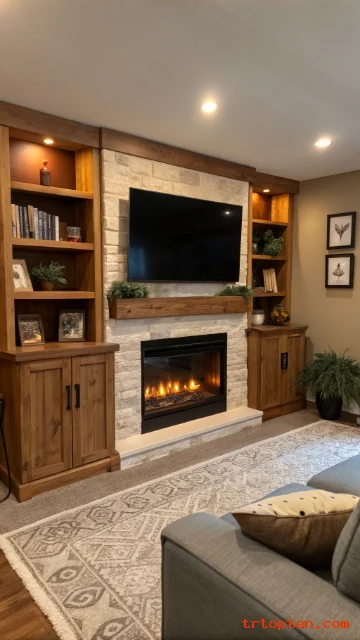
Combine your TV and fireplace into one stunning feature wall. This creates a warm, inviting focal point that serves both entertainment and comfort needs. The dual-purpose design maximizes vertical space efficiently.
Place the TV above the fireplace with a mantel in between for heat protection. Consider an electric fireplace to reduce heat concerns and installation costs. Adding wood accents around both elements enhances the cozy atmosphere.
Heat management is crucial to protect your electronics from damage. The viewing angle may be slightly high, so choose a tilting mount for better ergonomics. Ensure proper ventilation behind and around the screen.
Rotating TV Stand
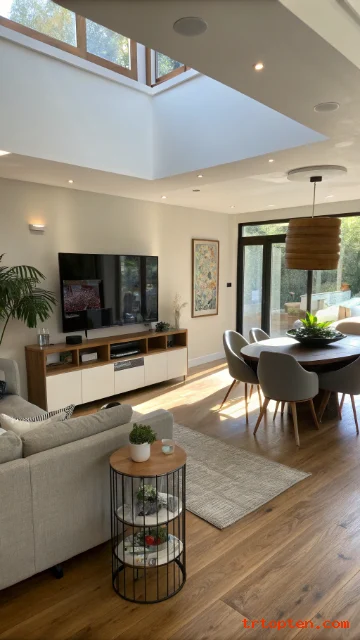
A rotating TV stand lets you point the screen toward different areas of an open-plan space. Watch from the living room, then spin it toward the dining area for mealtime viewing. This flexibility eliminates the need for multiple TVs.
The stand works brilliantly in lofts and multi-use rooms. You can position the TV as a room divider between living and dining zones. A quality swivel mechanism ensures smooth rotation without wobbling.
Cheaper stands may not hold large screens securely. Limited style options can make finding the right look challenging. Invest in a sturdy, well-built stand that matches your decor.
Full-Length Storage with TV Space
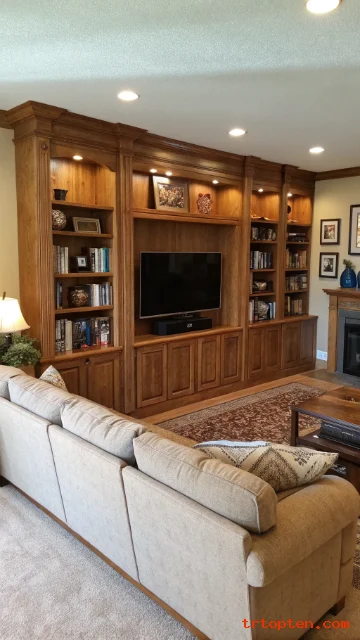
Integrate your TV into a full-height wall unit that offers massive storage. This setup hides clutter while defining the room’s style and character. The TV becomes part of a cohesive architectural feature.
Closed cabinets store media devices, games, and cables out of sight. Open shelves display books, plants, and decorative objects around the screen. This design works especially well for family homes with lots of stuff to organize.
Custom millwork can be expensive and requires professional installation. The fixed design limits future rearrangement options. Modular shelving systems offer a more flexible alternative at lower cost.
TV Above a Sideboard Cabinet
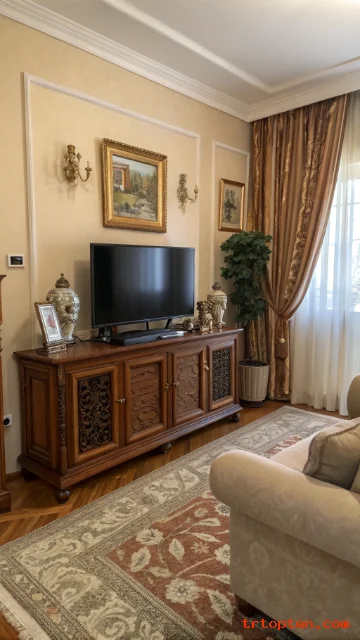
Place your TV on top of or above a stylish sideboard cabinet. This creates a grounded, traditional look that feels warm and inviting. The cabinet provides ample storage for media accessories and decor items.
Choose a sideboard that matches your room’s style and color scheme. The cabinet should be wide enough to balance the TV’s visual weight. Keep the surface clutter-free for a clean, polished appearance.
Ensure the TV height works with your seating eye level. The cabinet depth should accommodate any media devices you need to store. Cable management through the cabinet back keeps wires hidden and tidy.
TV on a Movable Cart
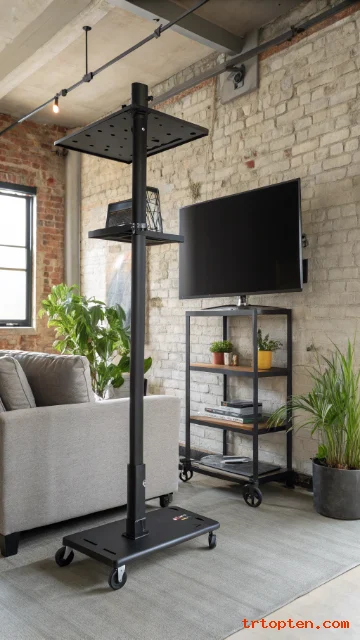
A mobile TV cart gives you the freedom to change your layout whenever you like. Roll the screen to any room or position for flexible viewing options. This casual approach suits renters and frequent rearrangers perfectly.
The cart setup requires no wall mounting or permanent installation. You can tuck the TV away in a corner when not in use. This idea works great for small apartments where flexibility matters most.
Carts can look less polished than wall-mounted setups. Cable management requires extra attention to avoid tangles. Choose a cart with a sleek design that complements your decor.
Low Media Console Center
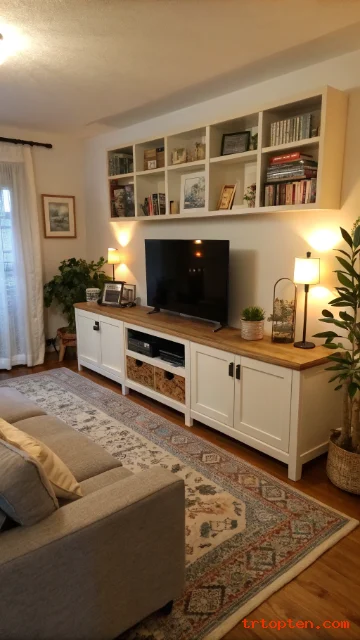
A long, low media console anchors the TV and creates a grounded, cozy feel. The console sits flush against the main wall with the TV resting on top. This traditional setup keeps sightlines relaxed and comfortable.
The console provides easy storage for remotes, gaming consoles, and cables. You can style the surface with books, plants, or decorative objects. The low profile keeps the room feeling open and spacious.
Ensure your sofa distance matches the screen size for comfortable viewing. A console that is too high or too low can strain your neck. Measure your seating height before choosing the console.
Floating TV Shelf with Wall Art
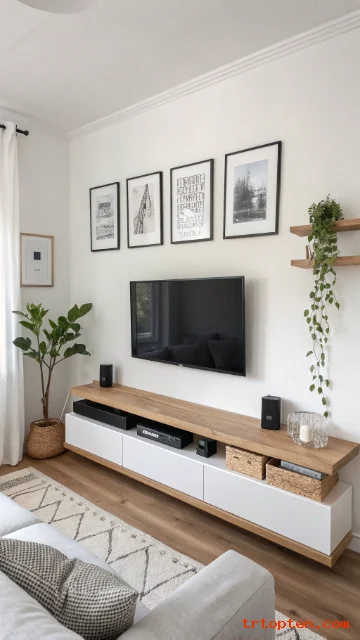
Mount the TV slightly above a floating shelf and surround it with framed art. The open shelf keeps the floor visible and makes the room feel larger. This setup softens the tech-heavy feel of a plain TV.
Use the shelf to display a soundbar, small plants, or decorative objects. The art pieces around the TV create a curated gallery effect. A consistent color palette for frames ties the whole arrangement together.
Hide cables through the wall or behind the shelf for a clean finish. Verify stud placement before mounting the TV and shelf. A cardboard mockup helps you visualize the layout before drilling.
TV in a Recessed Alcove
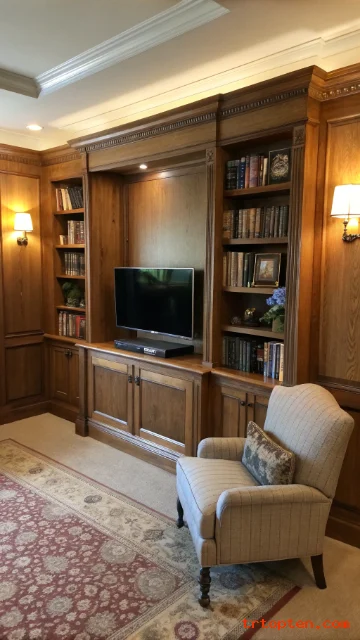
A recessed alcove provides a natural home for your TV in older homes. The built-in nook frames the screen and hides its depth. This creates a seamless, integrated look that feels intentional.
Line the alcove with wood veneer or wallpaper for added visual interest. Indirect LED lighting inside the recess adds depth and luxury. The TV sits flush with the surrounding wall surface.
This is a permanent alteration that requires construction work. The alcove size must match your TV dimensions precisely. Plan for ventilation and future TV upgrades when designing the space.
TV Behind Glass or Sliding Doors
Conceal your TV behind glass-front cabinets or sliding doors for a polished look. The screen stays protected from dust while remaining visible when wanted. This setup works beautifully in formal living rooms.
Glass doors allow the TV to be seen without dominating the space. Sliding panels can hide the screen entirely for a cleaner appearance. The room feels like a living space rather than a media room.
Glass can create glare issues depending on lighting conditions. The mechanism requires smooth operation and quality hardware. Consider frosted or tinted glass for reduced reflection.
Multi-Functional TV Wall with Shelves
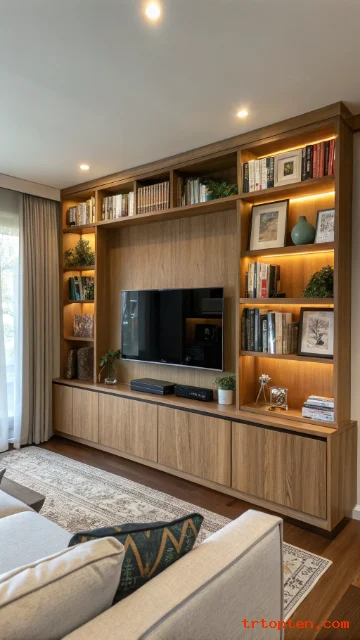
Create a TV wall that serves multiple purposes with integrated shelving. The TV sits at the center with open shelves for books, decor, and storage. This makes the wall both functional and visually interesting.
Closed cabinets below hide media devices and cables from view. Open shelves above display your favorite items and add personality. The layout turns one wall into a complete entertainment and storage solution.
Measure your TV size and shelf depths carefully before building. A shallow built-in of 8 to 12 inches deep works well in tight spaces. Add dimmable lighting inside shelves to reduce glare while watching.
TV as a Room Divider
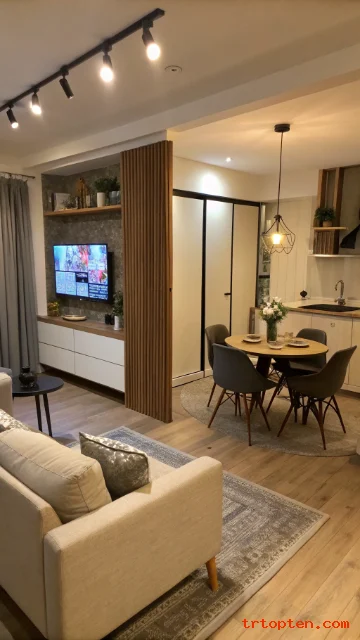
Position your TV as a divider between different functional zones in open-plan spaces. A double-sided or rotating mount lets both sides enjoy the screen. This clever placement defines areas without building walls.
Use the TV to separate living and dining zones or living and work areas. A slim divider mount keeps the visual footprint minimal. The setup works brilliantly in lofts and studio apartments.
Ensure proper ventilation around the electronics on both sides. The mount must allow slight rotation for flexible viewing. Plan your seating arrangements around the TV’s position carefully.
TV Under a Window
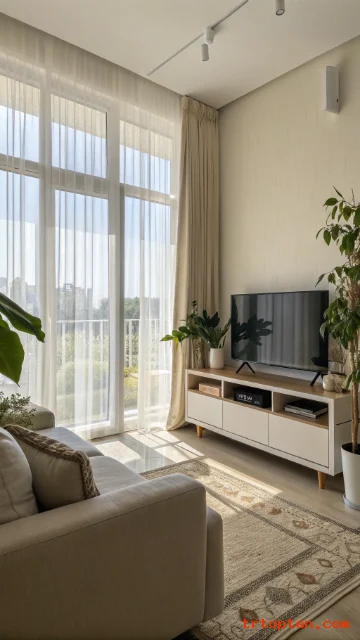
Place your TV below a window to free up wall space for other furniture. This unconventional spot works well when wall space is limited. The window above provides natural light without glare issues.
Use a low console or floating shelf beneath the window for the TV. Keep the screen at eye level when seated for comfortable viewing. Curtains or blinds help control light during daytime viewing.
Ensure the TV does not block the window’s natural light when not in use. The screen may compete with window views for visual attention. A matte screen finish helps reduce reflections from outside light.
TV with Textured Accent Wall
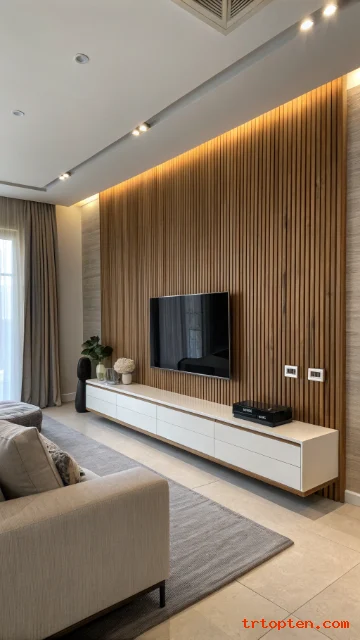
Create a dramatic backdrop for your TV with a textured accent wall. Wood slats, plaster panels, or decorative tiles instantly elevate the screen. The texture adds warmth and depth without extra furniture.
Choose a single bold texture and keep the rest of the room neutral. Ribbed wood or fluted panels create a sophisticated, modern look. The textured backdrop frames the TV and makes it feel intentional.
Avoid clashing patterns that create visual chaos in the room. The texture should complement rather than compete with your decor. A neutral palette ensures the wall stays timeless and versatile.
TV with Built-In Bookcases
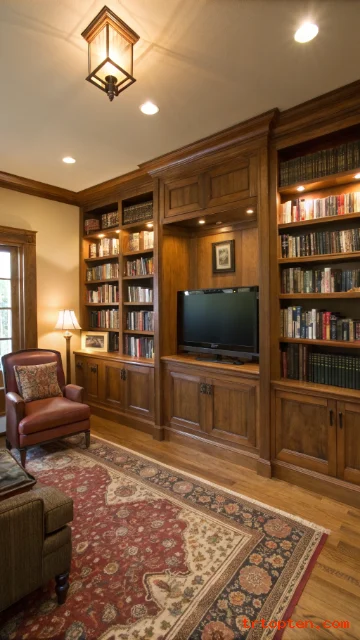
Surround your TV with built-in bookcases for a library-like feel. The shelves frame the screen and provide ample storage for books and decor. This creates a rich, intellectual atmosphere in your living room.
Place the TV at the center with bookshelves on both sides. The symmetry creates a balanced, harmonious look. Add accent lighting to highlight books and objects around the screen.
Built-in bookcases require custom carpentry and careful planning. The fixed design limits future layout changes. Modular shelving offers a more flexible alternative at lower cost.
TV with Painted Accent Wall
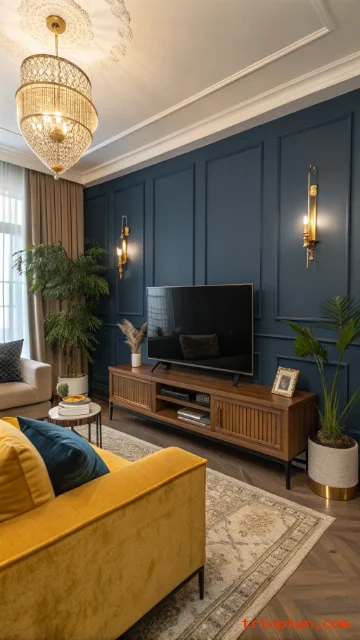
Use a painted accent wall to make your TV area pop without extra furniture. A bold color behind the screen creates visual interest and definition. The TV becomes part of a deliberate design statement.
Choose a color that complements your existing decor and furniture. Darker shades help the TV blend in when it is turned off. Lighter colors keep the room feeling open and airy.
Paint is one of the most affordable and changeable design options. You can repaint the wall whenever you want a fresh look. This works for renters and homeowners alike.
TV with Asymmetric Storage
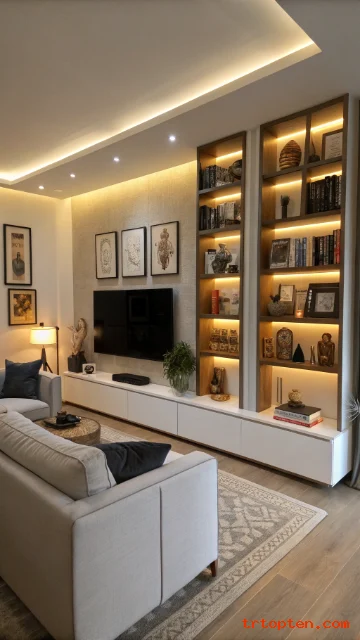
Frame your TV with asymmetric shelving and cabinets for a modern, dynamic look. One side might have tall shelving while the other has a lower cabinet. This creates visual interest and breaks the symmetry.
The imbalance adds personality and prevents the wall from feeling too rigid. Use the different storage areas for varied purposes and displays. The design feels curated and intentional rather than cookie-cutter.
Balance the visual weight carefully to avoid a lopsided appearance. The TV should remain the clear focal point of the arrangement. Keep the overall color palette cohesive for harmony.
TV with Fluted Wood Paneling
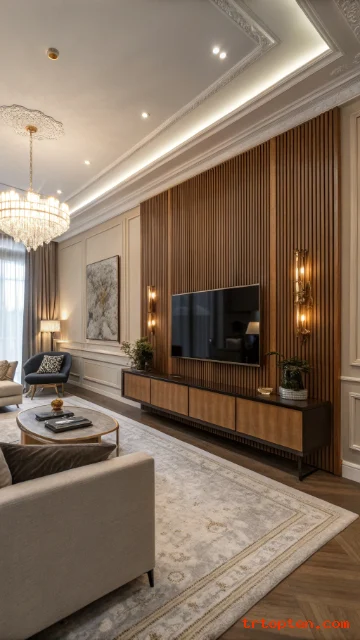
Fluted or ribbed wood paneling behind your TV adds warmth and texture. The vertical lines create height and draw the eye upward. This finish feels luxurious and on-trend for modern interiors.
Choose warm oak or walnut tones for a cozy, inviting feel. The fluted texture adds dimension without overwhelming the space. Pair with a floating console for a complete contemporary look.
Fluted paneling requires professional installation for best results. The grooves can collect dust and need regular cleaning. Consider acoustic felt panels for both texture and sound absorption.
TV with Marble or Stone Backdrop
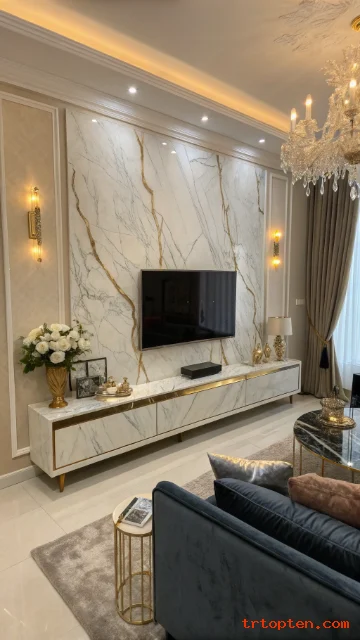
A marble or stone backdrop behind your TV creates instant luxury and elegance. The natural veining adds visual interest and sophistication. This premium finish makes the TV wall feel like a designer feature.
Porcelain slabs offer a lighter, more durable alternative to natural stone. The material resists stains and requires minimal maintenance. Choose a neutral tone that complements your overall color scheme.
Stone and marble are expensive materials that require professional installation. The heavy weight may need additional wall reinforcement. A smaller stone panel as an accent keeps costs manageable.
TV with Ceiling-Mounted Projector Screen
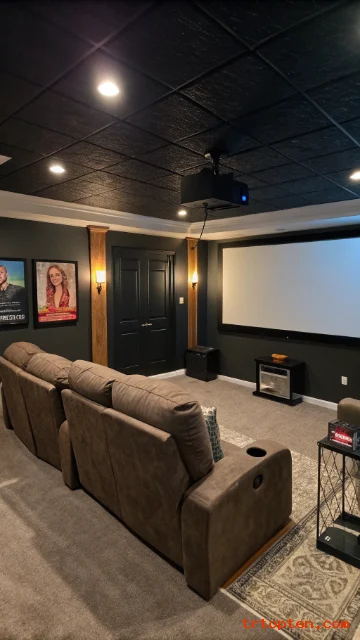
Replace your traditional TV with a ceiling-mounted projector and retractable screen. The screen rolls down for movies and disappears when not in use. This keeps your living room looking clean and screen-free.
The projector setup creates a true cinema experience at home. You can choose from various screen sizes to fit your wall perfectly. The screen rolls up to reveal artwork or a blank wall behind it.
Projectors require controlled lighting for the best picture quality. The setup costs more than a standard TV and needs professional installation. Bulb replacements and maintenance add to the long-term cost.
TV with Floating Console and Plants
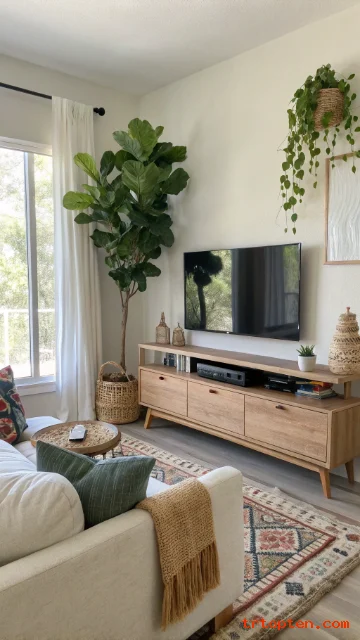
Pair your wall-mounted TV with a floating console and lush greenery. Plants soften the tech-heavy feel and add life to the setup. The greenery creates a fresh, organic contrast with the screen.
Choose plants of varying heights and textures for visual interest. Place a tall plant on one side and a trailing plant on the shelf. The natural elements make the TV area feel warm and inviting.
Ensure plants do not block the screen or create glare issues. Choose low-maintenance varieties that thrive indoors. Use pots that complement your room’s color scheme and style.
TV with Art Mode Display
Choose a TV with Art Mode that displays artwork when not in use. The screen transforms into a digital gallery that blends with your decor. This eliminates the “black box” effect when the TV is off.
Frame the TV like a piece of art for an integrated look. Select artwork that matches your room’s style and color palette. The TV becomes a design element rather than an eyesore.
Art Mode TVs cost more than standard models. The feature requires a subscription for full art library access. The image quality may not match traditional framed art up close.
What is the ideal TV height for my living room?
Mount the TV so the center of the screen sits at eye level when you are seated. This is typically 42 to 48 inches from the floor, depending on your sofa height.
How far should I sit from the TV?
A common guideline is 1.5 to 2.5 times the diagonal screen size. For a 55-inch TV, sit roughly 6.5 to 11 feet away. Test different distances before finalizing your layout.
Can I put a TV above a fireplace?
Yes, but keep heat and viewing angle in mind. Use a mantel buffer or heat shield and choose a tilting mount for better ergonomics.
How do I hide cables neatly?
Use in-wall rated cable kits for a clean look. Route cords through furniture backs or incorporate trunking systems.
What is the best TV setup for a small living room?
Wall-mounted TVs with floating consoles save floor space and make rooms feel larger. Corner placements also work well for tight spaces.
Should I mount my TV or use a stand?
Wall mounting saves space and creates a cleaner look. Stands offer flexibility and easier rearrangement.
How do I reduce glare on my TV screen?
Choose a matte screen finish and position the TV away from windows. Use blinds or curtains to control natural light.
What size TV should I buy for my living room?
Measure your viewing distance and choose accordingly. A 43- to 55-inch TV works well for most small to medium living rooms.
Conclusion
Your living room TV setup should balance style, comfort, and functionality for your unique space.
These 26 living room TV setup ideas offer solutions for every room size, budget, and design preference.