
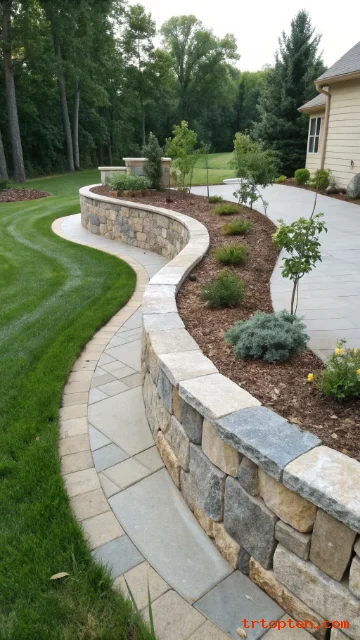
Natural stone retaining wall ideas can help you shape a stronger, prettier, and more useful outdoor space.
A stone wall can hold soil, frame garden beds, support terraces, and add rich texture to your yard.
Rustic Fieldstone Retaining Wall
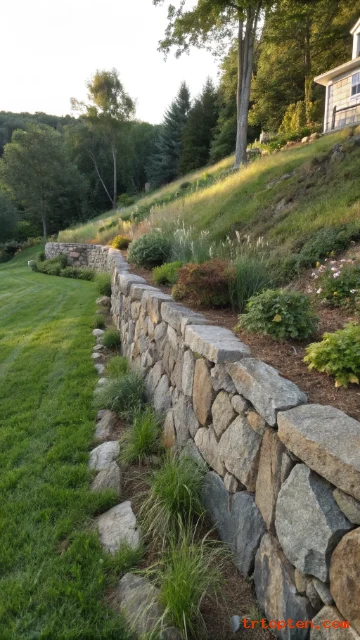
A rustic fieldstone retaining wall gives your yard a warm countryside look. The uneven stones create a relaxed shape that feels natural beside grass, trees, and garden beds.
This wall works well on gentle slopes because fieldstone blends into the land. You can pair it with native plants, mulch, and gravel paths for a simple outdoor design.
Use larger stones near the base so the wall feels grounded and stable. Place smaller stones near the top to create a loose, handmade finish.
Dry-Stacked Stone Garden Wall
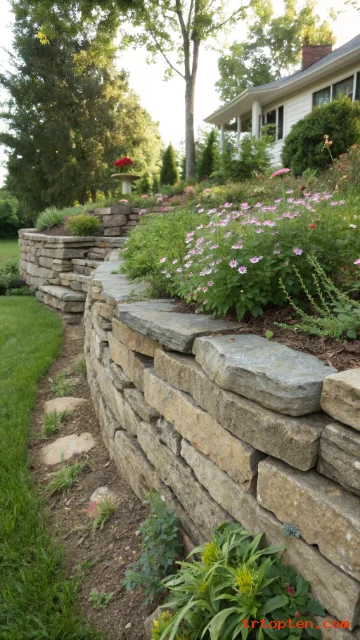
A dry-stacked stone wall uses no visible mortar, so the wall looks clean and organic. The stones lock together through careful placement and weight.
This idea suits cottage gardens, herb beds, and small flower borders. The gaps between stones can also hold moss, thyme, or tiny alpine plants.
Choose flat stones if you want a neat layered look. Use mixed-size stones if you want a more casual garden wall.
Flagstone Retaining Wall for a Clean Yard Edge
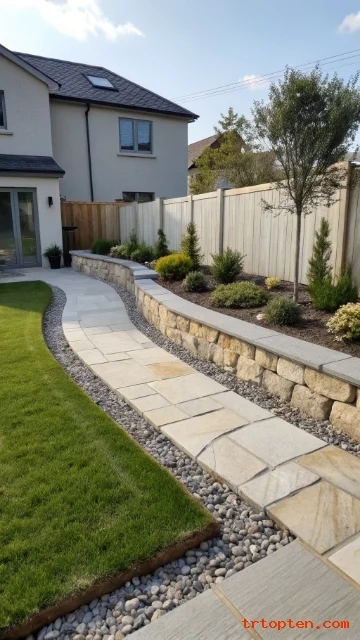
A flagstone retaining wall gives your yard a smooth and organized edge. The flat stone faces create a tidy look without feeling too formal.
This wall fits modern gardens, front yards, and patio borders. It also pairs well with trimmed hedges, pea gravel, and straight walkways.
Use flagstone in soft gray, tan, or warm brown for a balanced design. Keep the wall height low if you want a simple border instead of a heavy structure.
Boulder Retaining Wall for a Bold Landscape
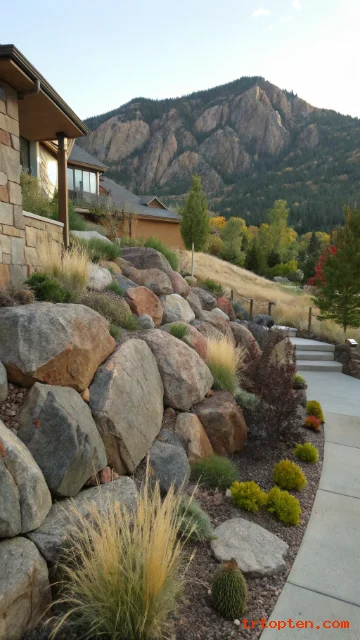
A boulder retaining wall creates a strong focal point in a large yard. The oversized stones bring weight, texture, and rugged beauty to the space.
This style works well for steep slopes and wide outdoor areas. It also looks great near driveways, woodland gardens, and mountain-style homes.
Place the biggest boulders at the bottom to create a sturdy base. Add grasses, shrubs, and trailing plants around the wall to soften the bold stone shapes.
Limestone Retaining Wall With Soft Garden Colors
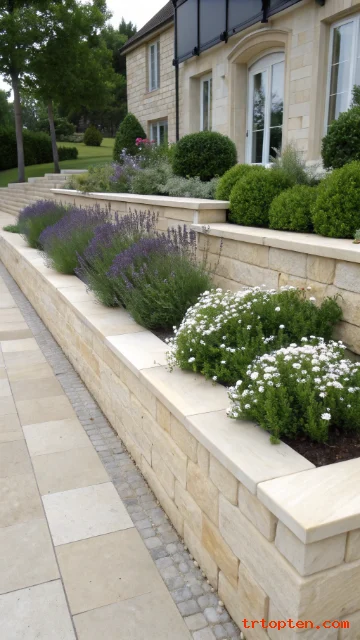
A limestone retaining wall adds a light and elegant look to the yard. The creamy stone color works well with soft flowers and green foliage.
This wall suits front gardens, formal beds, and bright courtyard spaces. Limestone reflects sunlight, so it can make smaller yards feel more open.
Pair limestone with lavender, boxwood, white roses, or pale gravel. Keep the plant palette simple so the stone color stays the main feature.
Sandstone Retaining Wall for Warm Desert Style
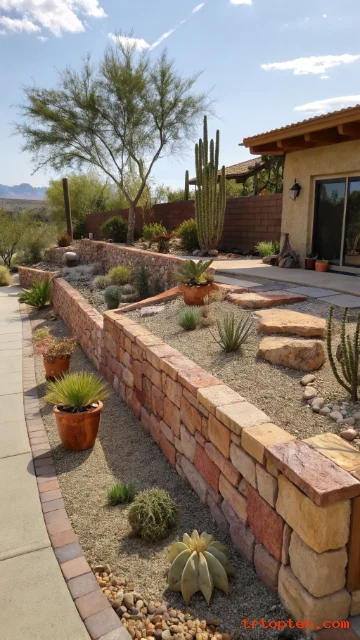
A sandstone retaining wall brings warm gold, red, and tan tones into the landscape. It creates a sun-baked look that feels perfect for dry gardens.
This idea works well with succulents, cacti, gravel, and drought-tolerant plants. The warm stone color also pairs nicely with terracotta pots and wood accents.
Use sandstone blocks for a neat wall or rough sandstone pieces for a natural look. Add decomposed granite around the base for a dry, low-maintenance finish.
Granite Retaining Wall for Long-Lasting Strength
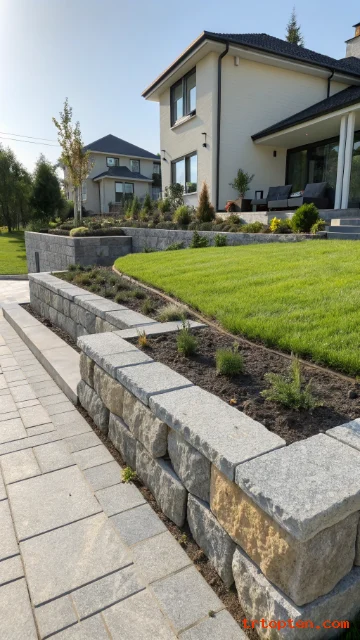
A granite retaining wall gives your yard a strong and polished look. Granite resists wear, so it works well in areas with heavy rain, frost, or foot traffic.
This wall fits modern homes, driveways, terraces, and clean garden layouts. The speckled stone surface adds detail without making the design feel busy.
Use cut granite blocks for a sharp, formal style. Use rough granite stones if you want a stronger natural look.
Natural Stone Wall With Built-In Steps
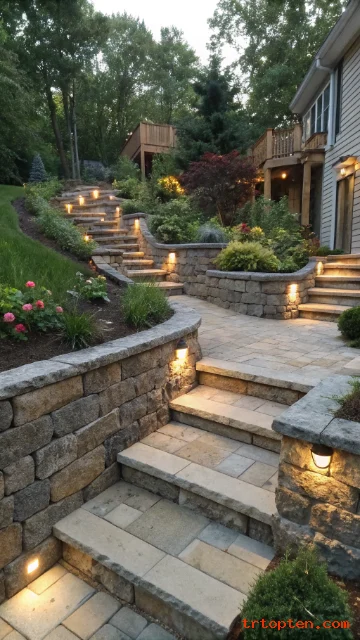
A stone retaining wall with built-in steps adds beauty and function at the same time. The steps help people move safely between yard levels.
This idea works well in sloped backyards, garden paths, and terraced landscapes. It also makes the wall feel like part of the whole outdoor layout.
Use matching stone for the wall and steps to create a unified look. Add low lighting along the steps to improve safety at night.
Terraced Natural Stone Retaining Walls
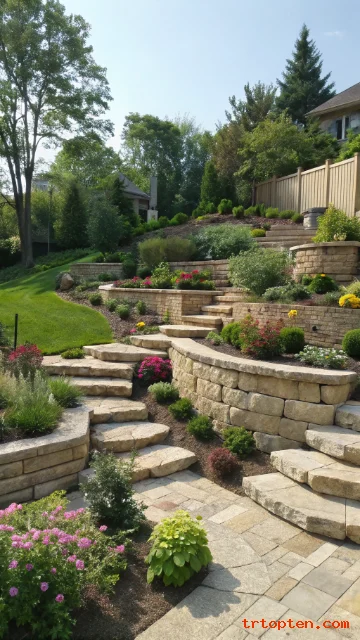
Terraced stone retaining walls turn a steep yard into useful levels. Each level can hold flowers, vegetables, seating, or small trees.
This idea helps control erosion while adding structure to the landscape. It also gives the yard a layered look that feels rich and planned.
Keep each terrace wide enough for planting or walking. Use the same stone across all levels so the yard feels connected.
Low Natural Stone Wall Around Flower Beds
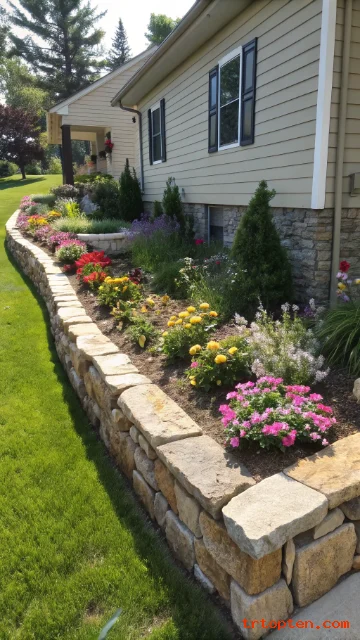
A low stone retaining wall can frame flower beds without blocking the view. It gives garden borders a clean edge and keeps soil in place.
This style works well in front yards, walkway edges, and small backyard gardens. It also creates a finished look around colorful seasonal flowers.
Use stones that match your home exterior for a balanced design. Plant tall flowers behind the wall and shorter flowers near the front.
Natural Stone Retaining Wall Beside a Driveway
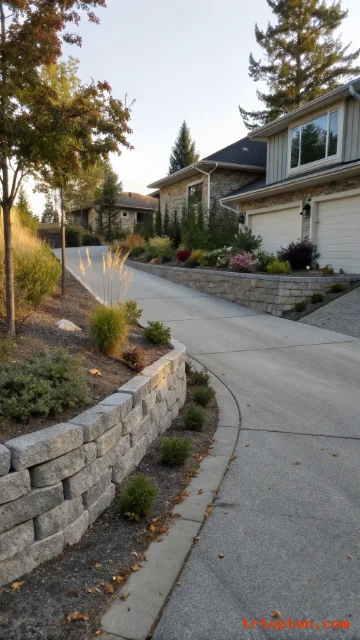
A stone retaining wall beside a driveway adds curb appeal and practical support. It helps hold soil away from the paved surface.
This idea works best for sloped front yards and raised planting beds near the driveway. It can make the entrance to your home feel more polished.
Use strong stone blocks or thick stacked stone for durability. Add shrubs or low grasses above the wall to keep the space neat.
Curved Natural Stone Retaining Wall
A curved stone retaining wall brings movement and softness to the yard. The curve helps the wall follow the shape of the land.
This idea works well around patios, trees, garden beds, and rounded lawn areas. It feels more natural than a straight wall in relaxed landscapes.
Use stones with varied sizes to make the curve look organic. Keep plantings simple so the shape of the wall remains clear.
Natural Stone Retaining Wall With Water Feature
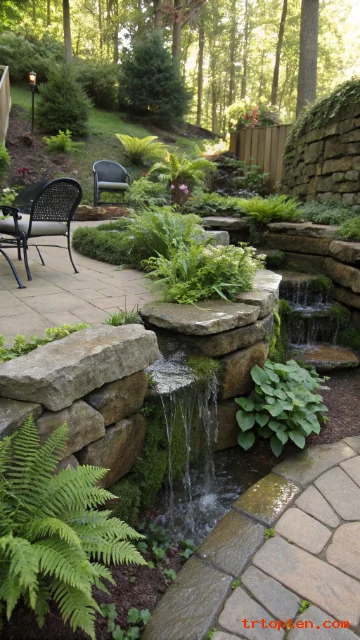
A stone retaining wall with a water feature creates a peaceful focal point. Water can spill from the wall into a small basin, pond, or gravel bed.
This idea works well near patios, seating areas, and garden corners. The sound of water makes the space feel calm and inviting.
Use flat stone around the water outlet for a clean finish. Add ferns, moss, and shade plants to create a cool garden mood.
Stone Retaining Wall With Built-In Bench
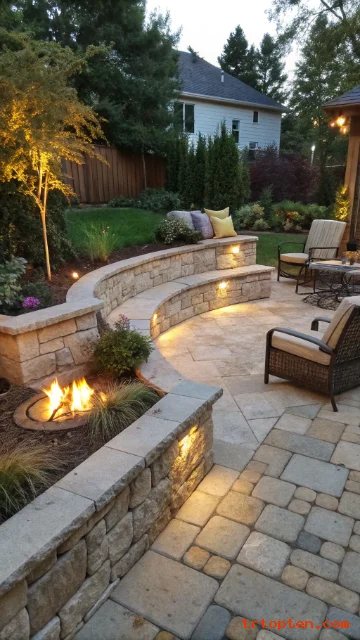
A natural stone retaining wall with a built-in bench turns support into seating. It gives your yard a practical place to rest without adding extra furniture.
This design works well around patios, fire pits, and garden terraces. The wall can hold soil behind it while the bench faces the outdoor living area.
Use smooth capstones on top of the bench for comfort. Add cushions only when the weather stays dry, or choose outdoor fabric for easier care.
Mossy Natural Stone Retaining Wall
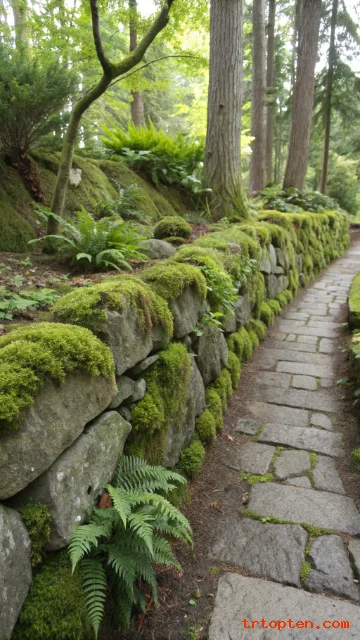
A mossy stone retaining wall gives your garden an old-world look. The green moss softens the stone and makes the wall feel settled into the landscape.
This idea works best in shady, damp areas where moss can grow well. It suits woodland gardens, fern beds, and quiet side yards.
Use rough stone because moss grips textured surfaces more easily. Keep the wall near shade plants to support the cool, natural feel.
Natural Stone Wall Around a Fire Pit Area
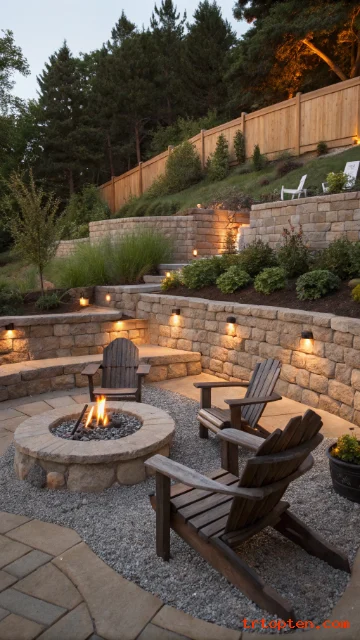
A stone retaining wall can define a cozy fire pit area. It can hold a raised bed behind the seating zone and create a sense of enclosure.
This idea works well in backyards with uneven ground. It also helps make the fire pit feel like a planned outdoor room.
Use heat-friendly stone near the fire area and keep plants a safe distance away. Add gravel, pavers, or flagstone under the seating for a clean surface.
Natural Stone Retaining Wall With Evergreen Planting
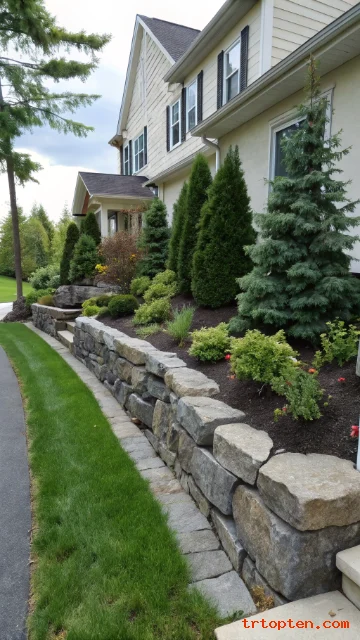
A stone retaining wall with evergreens looks good all year. The green plants keep the wall from looking bare in winter.
This idea works well in front yards, entry gardens, and property borders. Small evergreens also create a clean background for seasonal flowers.
Use boxwood, dwarf spruce, juniper, or holly above the wall. Keep the planting neat so the stone and greenery support each other.
Natural Stone Retaining Wall Along a Walkway
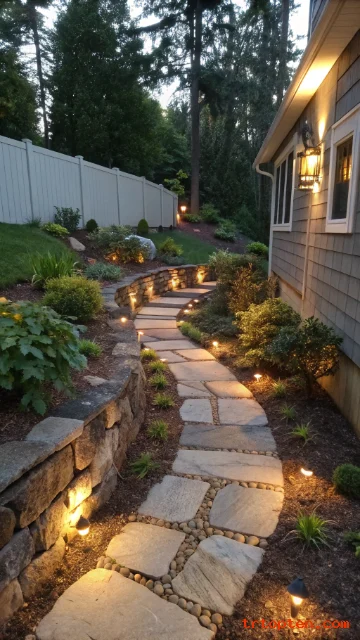
A stone retaining wall beside a walkway creates a guided path through the yard. It holds soil back while adding texture beside each step.
This idea works well on sloped paths, garden entries, and side yards. It can make a narrow space feel more designed and useful.
Use low lighting, ground cover, and simple plants along the wall. Keep the walkway wide enough for comfortable movement.
Mixed Stone Retaining Wall With Varied Colors
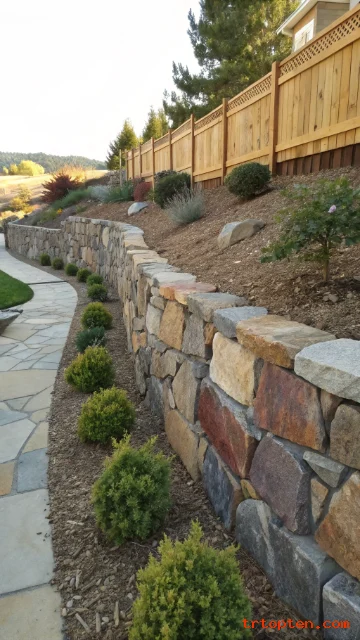
A mixed stone retaining wall uses several stone colors for a rich look. Gray, tan, brown, and rust tones can create a warm pattern.
This idea works well for homes with brick, wood, or mixed exterior materials. The color variation helps the wall connect with many nearby surfaces.
Keep the stone sizes balanced so the wall does not look messy. Use simple plants around the wall so the stone colors can stand out.
Formal Cut-Stone Retaining Wall
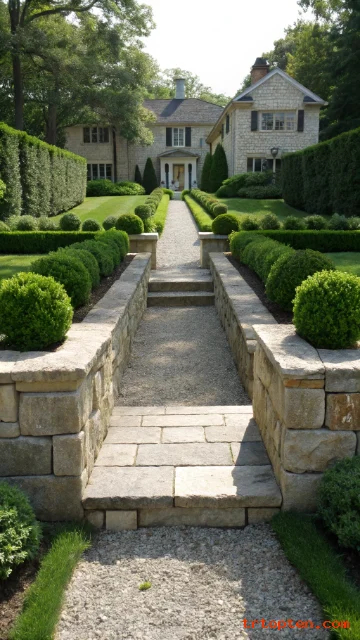
A formal cut-stone retaining wall gives the landscape a refined look. The straight edges and even rows create order and balance.
This idea works well with classic homes, symmetrical gardens, and paved courtyards. It also suits front entries where a clean first impression matters.
Choose rectangular stones with consistent color for the most formal style. Add trimmed hedges, neat gravel, or classic planters to complete the design.
Natural Stone Retaining Wall With Raised Vegetable Beds
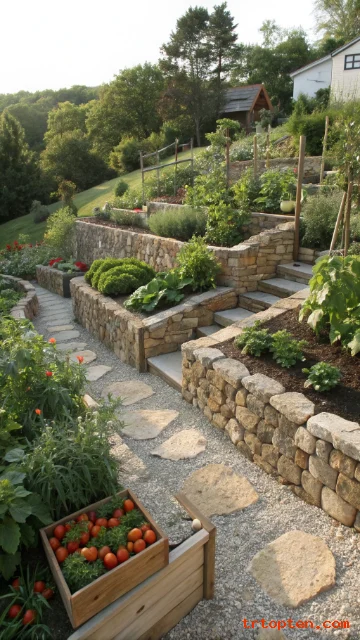
A stone retaining wall can support raised vegetable beds on a slope. It creates flat planting space and helps keep soil from washing away.
This idea works well for edible gardens, homestead yards, and sunny backyards. The stone also holds warmth, which can help nearby plants grow better.
Use safe, untreated natural stone around food plants. Add compost-rich soil behind the wall and leave paths wide enough for easy harvesting.
Natural Stone Retaining Wall Around a Patio
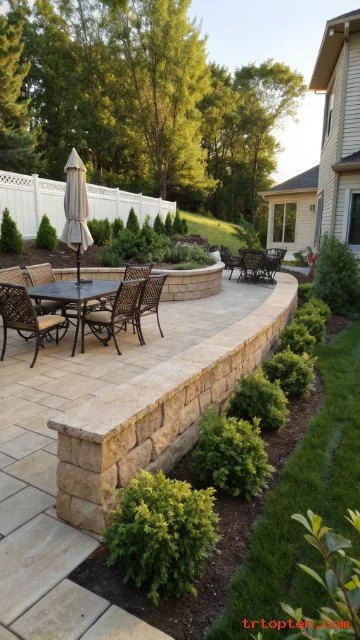
A stone retaining wall around a patio creates a finished outdoor living space. It can frame the patio and support raised planting beds at the same time.
This idea works well for homes with walkout basements or sloped backyards. It also gives patios a cozy, grounded feeling.
Use capstones that match or complement your patio pavers. Add flowers, shrubs, or grasses behind the wall to create a soft border.
Natural Stone Retaining Wall With Lighting
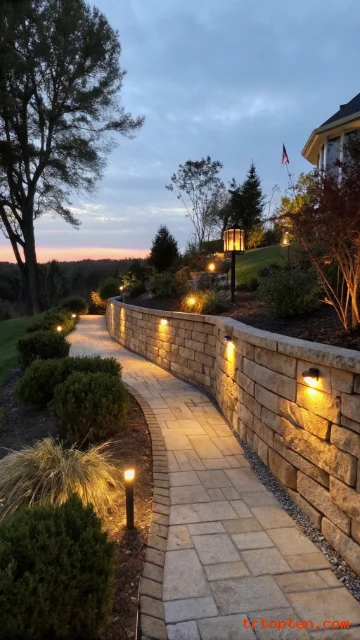
Lighting can make a natural stone retaining wall look beautiful after sunset. Small lights can highlight texture, steps, and planting beds.
This idea works well near patios, driveways, walkways, and entry gardens. It also improves safety by showing wall edges and level changes.
Use warm low-voltage lights for a soft glow. Place lights evenly, but avoid overlighting the wall because shadows make the stone texture more interesting.
Natural Stone Retaining Wall With Cascading Plants
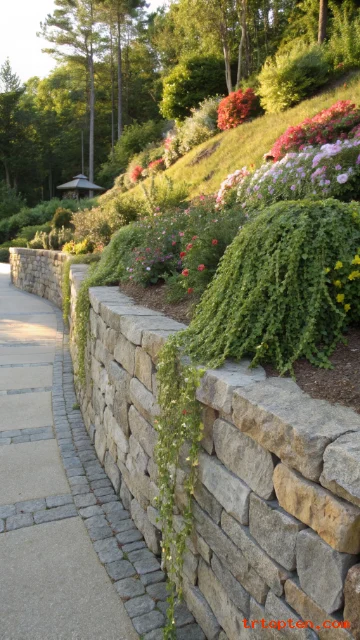
Cascading plants can soften the top edge of a stone retaining wall. Trailing flowers and ground covers spill over the stone and create a lush look.
This idea works well for garden walls, cottage yards, and sunny slopes. Plants like creeping thyme, sedum, alyssum, and trailing rosemary can add color and texture.
Choose plants that match your sun and water conditions. Trim the plants when they cover too much of the stone face.
Natural Stone Retaining Wall for a Pool Area
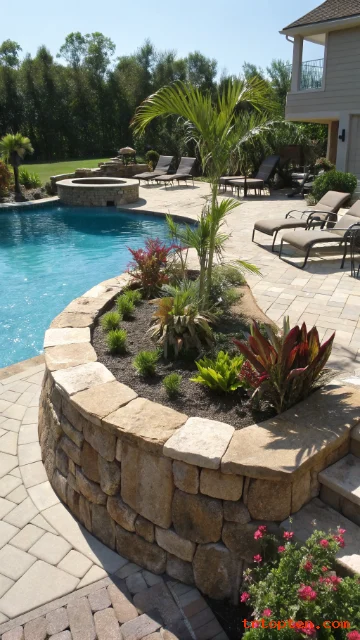
A natural stone retaining wall can make a pool area feel more resort-like. It can hold raised planting beds, frame lounge zones, and add texture near water.
This idea works well for backyards with pool decks on different levels. Stone also pairs beautifully with water, tile, and tropical plants.
Choose dense stone that handles moisture well. Use simple planting above the wall so leaves do not fall into the pool too often.
Natural Stone Retaining Wall With a Wildflower Slope
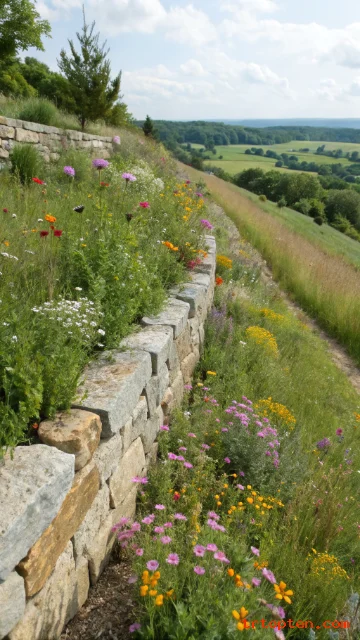
A stone retaining wall below a wildflower slope creates a beautiful natural edge. The wall holds the soil while the flowers bring color and movement.
This idea works well for informal backyards, meadow gardens, and country homes. It also supports pollinators when you plant native flowers.
Use rough stone to match the relaxed meadow style. Plant flowers in drifts so the slope looks full instead of scattered.
What Is the Best Natural Stone for Retaining Walls?
Granite, limestone, sandstone, fieldstone, and boulders can all work well for retaining walls. The best choice depends on your soil, climate, budget, and desired look.
Granite works well for strength, while limestone gives a softer and lighter look. Fieldstone and boulders suit rustic yards and natural landscapes.
Are Natural Stone Retaining Walls Expensive?
Natural stone retaining walls often cost more than concrete block walls. The price rises because stone is heavy, labor-intensive, and often selected by shape and color.
The final cost depends on wall height, stone type, drainage work, site access, and local labor rates. A small garden wall costs less than a tall structural wall on a steep slope.
Do Natural Stone Retaining Walls Need Drainage?
Yes, most retaining walls need proper drainage. Water pressure behind the wall can push stones forward and damage the structure.
A good wall often includes gravel backfill, drainage pipe, and filter fabric. Taller walls may need professional design to handle soil pressure safely.
Can I Build a Natural Stone Retaining Wall Myself?
You can build a small low wall yourself if the site is simple and the wall is not holding heavy soil. A low garden border is more beginner-friendly than a tall wall.
A tall retaining wall needs more planning, stronger construction, and better drainage. Hire a qualified contractor or engineer when the wall supports a driveway, patio, slope, or structure.
How Tall Can a Natural Stone Retaining Wall Be?
The safe height depends on the stone, soil, slope, drainage, and local rules. Many areas require permits or engineering for taller retaining walls.
A low wall under a few feet may work for basic garden use. A taller wall should follow local building codes and professional guidance.
How Do I Make a Natural Stone Retaining Wall Look Better?
You can improve the wall with plants, lighting, capstones, gravel paths, and clean edging. These details make the wall feel connected to the rest of the yard.
Use trailing plants to soften the top and evergreens to add year-round color. Keep weeds away from the base so the stone stays visible.
What Plants Look Good With Natural Stone Retaining Walls?
Lavender, thyme, sedum, ferns, ornamental grasses, boxwood, juniper, and wildflowers look great with natural stone. The best plants depend on sun, shade, and water levels.
Use drought-tolerant plants near hot stone walls in sunny areas. Use ferns, hostas, and moss near shaded stone walls.
How Long Does a Natural Stone Retaining Wall Last?
A well-built natural stone retaining wall can last for many decades. Strong stone, good drainage, and proper construction help extend its life.
Regular care also matters. Remove invasive roots, check for shifting stones, and keep drainage paths clear.
Should I Use Mortar or Dry-Stack Stone?
Mortared walls create a more fixed and formal look. Dry-stacked walls create a natural look and allow small amounts of water to pass through the gaps.
The right choice depends on wall height, design style, and site needs. A contractor can help choose the safer option for a structural wall.
Conclusion
These 26 natural stone retaining wall ideas show how one landscape feature can add strength, shape, and style to your yard.
A stone wall can support soil, frame outdoor rooms, guide paths, and make a sloped yard easier to use.