
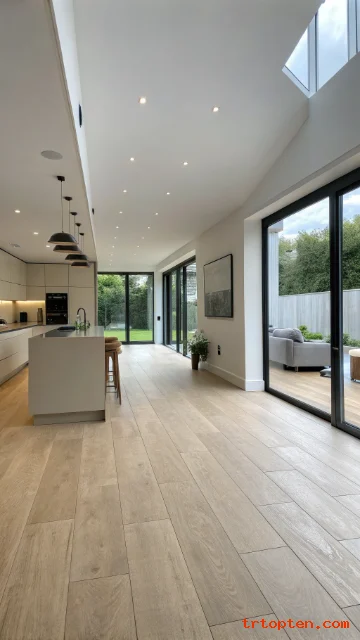
The right floor can change the whole mood of a room. These 24 tile and wood flooring ideas will help you mix texture, color, pattern, and practical design in a clear and stylish way.
Tile adds strength, water resistance, and pattern. Wood adds warmth, grain, and a natural look that makes a home feel calm and welcoming.
Classic Wood Floor With Tile Entry Border
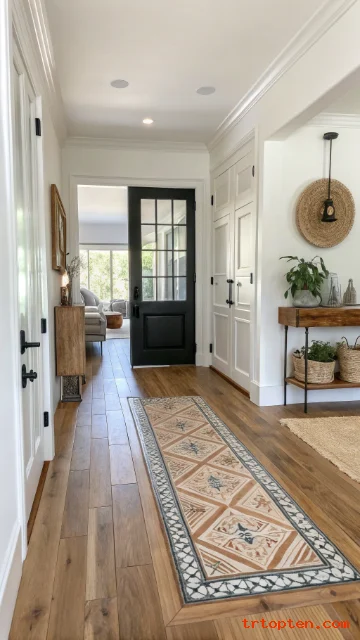
A wood floor with a tile entry border creates a clean first impression. The tile protects the high-traffic entry area from dirt, rain, and scratches.
This idea works well in foyers, mudrooms, and open living spaces. The wood keeps the main room warm, while the tile marks the entry zone with purpose.
Choose neutral tile if you want a calm look. Pick patterned tile if you want the entry area to feel bold and memorable.
Hexagon Tile Blending Into Wood Flooring
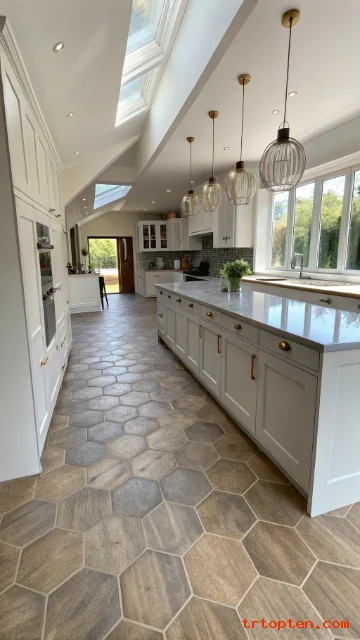
Hexagon tile can blend into wood flooring in a soft and creative way. The tile edges break into the wood area and create a custom transition.
This idea looks great in kitchens that connect to dining rooms. The tile protects the cooking area, and the wood brings warmth to the eating space.
Use gray, white, or black hexagon tile for a modern look. Use terracotta or handmade tile for a warmer and more rustic style.
Herringbone Wood With Simple Stone Tile
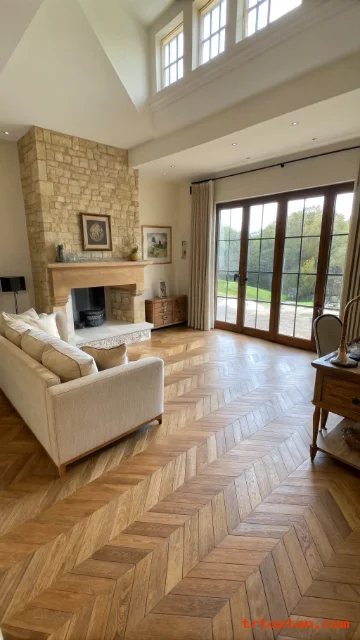
Herringbone wood flooring adds movement and detail to a room. Simple stone tile gives nearby areas a balanced and grounded look.
This pairing works well in open-plan homes. The herringbone wood can define the living area, and the stone tile can support the kitchen or fireplace zone.
Keep the stone tile simple so it does not compete with the wood pattern. Soft limestone, slate, or travertine can create a timeless result.
White Oak Wood With Marble Tile
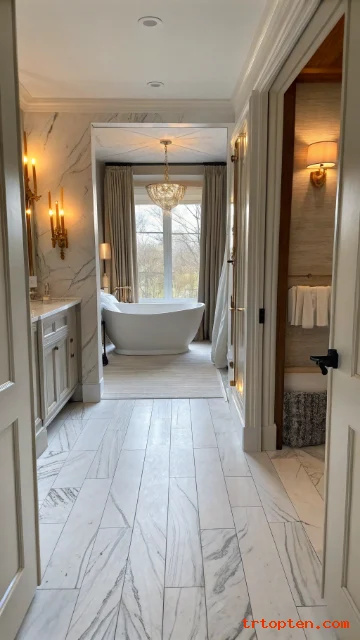
White oak flooring and marble tile create a bright and refined space. The oak adds natural warmth, and the marble adds polish and light.
This idea suits bathrooms, kitchens, and primary bedroom suites. It also works well in homes that use cream, beige, white, and soft gray colors.
Use honed marble for a softer finish. Pair it with wide oak planks to keep the room fresh and relaxed.
Dark Wood Floors With Light Porcelain Tile
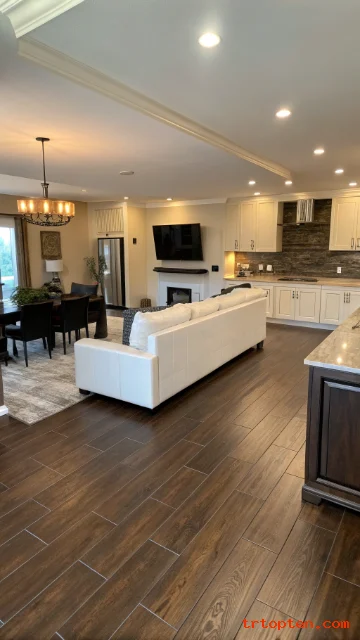
Dark wood floors create depth and drama. Light porcelain tile balances the darkness and keeps the room from feeling heavy.
This contrast works well in modern homes and apartments. It also helps separate a kitchen from a living area without using walls.
Choose matte porcelain tile for a clean look. Use dark walnut or espresso wood for a rich and cozy base.
Wood-Look Tile With Real Wood Accents
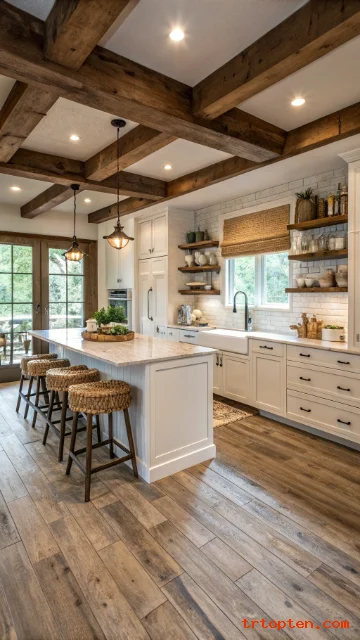
Wood-look tile gives you the style of wood with the strength of tile. It works well in wet rooms, busy kitchens, and homes with pets.
You can pair wood-look tile with real wood beams, shelves, or cabinets. This keeps the room warm while making the floor easier to clean.
Use long plank tile for a realistic effect. Choose a color that matches your real wood accents for a smooth design.
Patterned Tile Rug Set Into Wood Flooring
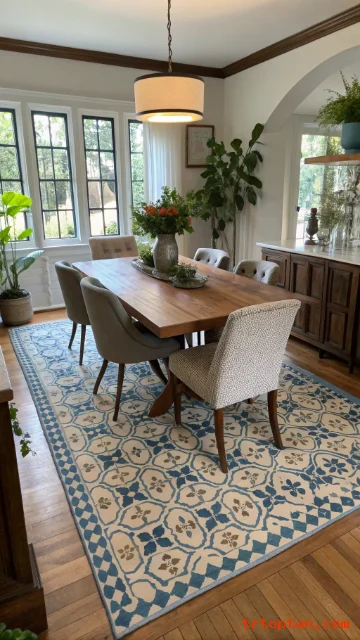
A patterned tile rug creates the look of a rug without fabric. It works well in dining rooms, kitchens, hallways, and entry spaces.
The wood floor surrounds the tile and frames it like a design feature. This creates a focal point and protects the floor in busy areas.
Use encaustic-style tile for charm. Choose a pattern with colors that repeat in your furniture, walls, or cabinets.
Chevron Wood With Matte Black Tile
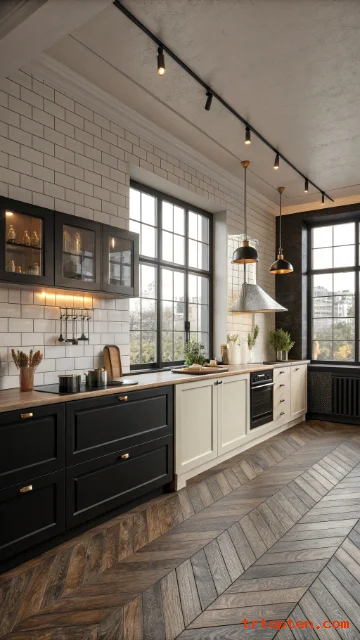
Chevron wood flooring brings a sharp and stylish pattern. Matte black tile adds contrast and a strong modern edge.
This idea works best in bold kitchens, powder rooms, and open lofts. The wood pattern brings energy, while the black tile adds structure.
Balance the look with warm lights and simple walls. Brass, cream, and natural wood accents can soften the dark tile.
Terracotta Tile With Rustic Wood Planks
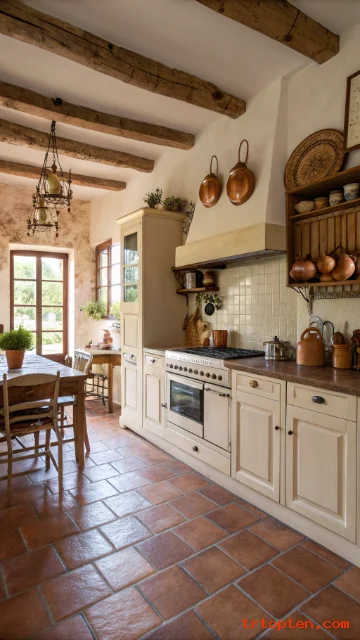
Terracotta tile brings warmth, color, and handmade charm. Rustic wood planks add texture and make the space feel lived-in.
This pairing suits farmhouse kitchens, Mediterranean homes, and cozy dining rooms. The earthy colors create a relaxed and welcoming mood.
Use sealed terracotta in areas that need easy cleaning. Pair it with reclaimed or distressed wood for a natural match.
Large Format Tile With Wide Plank Wood
Large format tile creates a clean and open look. Wide plank wood adds calm texture and makes the space feel wider.
This idea works well in modern homes with open layouts. The large tile reduces grout lines, and the wide wood planks keep the design simple.
Choose soft beige or gray tile for a smooth transition. Use oak, ash, or maple wood for a light and airy effect.
Mosaic Tile Border Around Wood Flooring
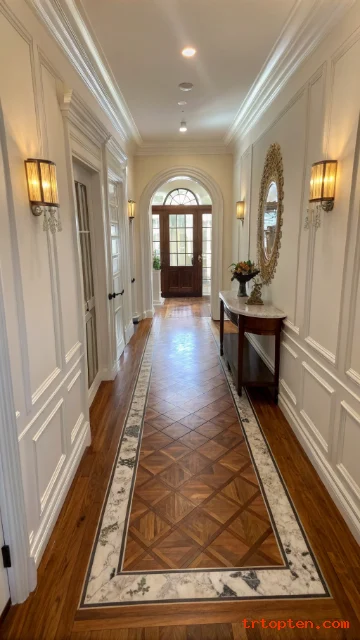
A mosaic tile border can frame wood flooring with detail. It creates a custom look without covering the whole room in pattern.
This idea works well in hallways, bathrooms, and formal living rooms. The border can guide the eye and make the floor feel finished.
Choose small marble mosaic for a classic feel. Pick glass or ceramic mosaic for a brighter and more playful look.
Slate Tile With Honey Wood Flooring
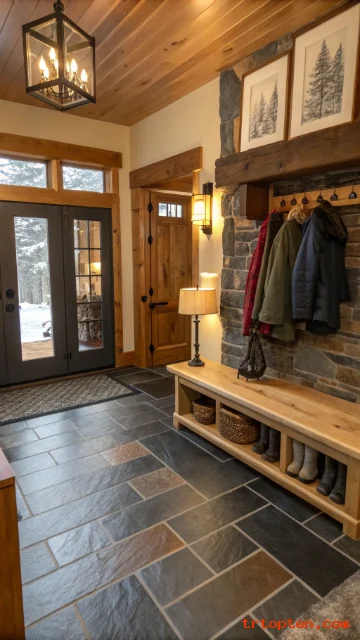
Slate tile gives a room a natural and sturdy look. Honey wood flooring warms the space and softens the darker stone.
This pairing works well in cabins, mudrooms, and country homes. It handles outdoor dirt near doors while keeping nearby rooms inviting.
Use textured slate for slip resistance. Pair it with medium honey oak or pine for a balanced rustic design.
Penny Tile With Light Wood Flooring
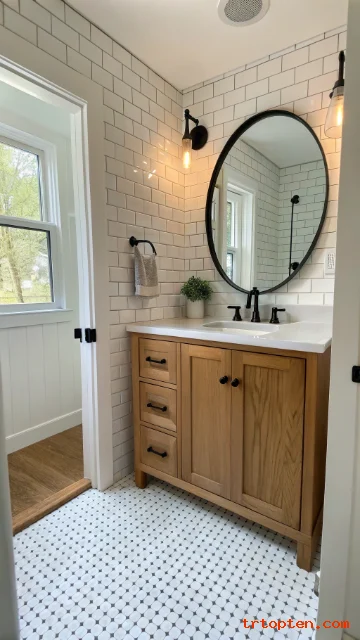
Penny tile adds small-scale pattern and vintage charm. Light wood flooring keeps the room fresh and open.
This idea works well in bathrooms, laundry rooms, and small kitchens. The round tile shape adds softness beside straight wood planks.
Use white penny tile for a classic look. Choose black grout if you want the pattern to stand out more clearly.
Concrete Tile With Natural Wood
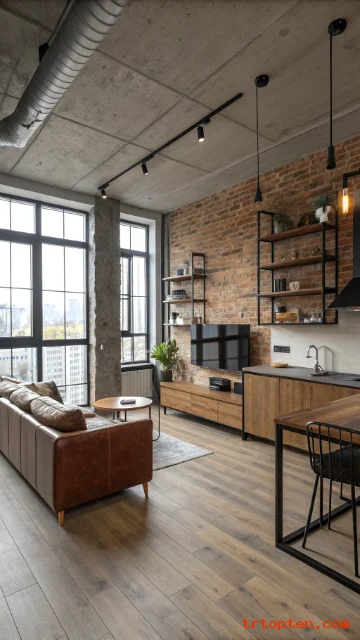
Concrete tile creates a cool and modern base. Natural wood flooring adds warmth and prevents the room from feeling too plain.
This mix works well in industrial homes, studio apartments, and modern kitchens. The contrast between smooth tile and wood grain gives the room clear texture.
Use matte concrete-look tile for easy care. Pair it with natural oak, birch, or walnut to bring balance.
Checkerboard Tile With Warm Wood Floors
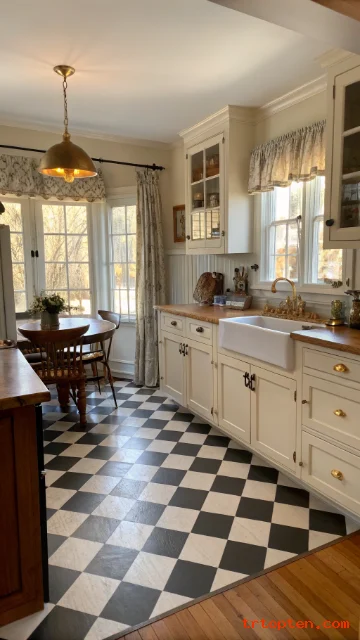
Checkerboard tile gives a room a fun and classic pattern. Warm wood floors keep the design from feeling too cold or formal.
This idea works well in kitchens, breakfast nooks, and entryways. The checkerboard area can act as a strong visual anchor.
Use black and white tile for a timeless look. Try cream and tan tile for a softer version that feels calm and cozy.
Blue Tile With Pale Wood Flooring
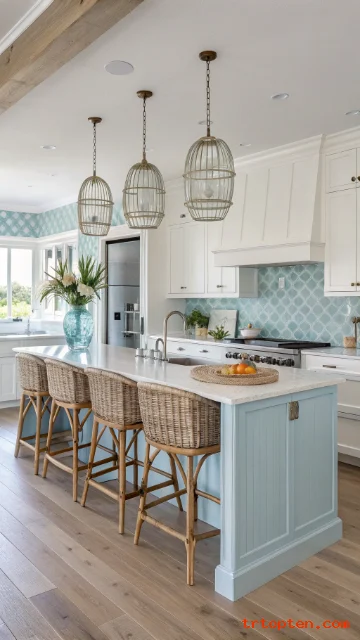
Blue tile brings color and freshness to a room. Pale wood flooring keeps the space light and easy to enjoy.
This pairing works well in coastal homes, bathrooms, and kitchens. The blue tile can suggest water, sky, and clean design without feeling too themed.
Use soft blue tile for a calm look. Pair it with pale oak or maple for a bright and natural finish.
Brick Tile With Reclaimed Wood
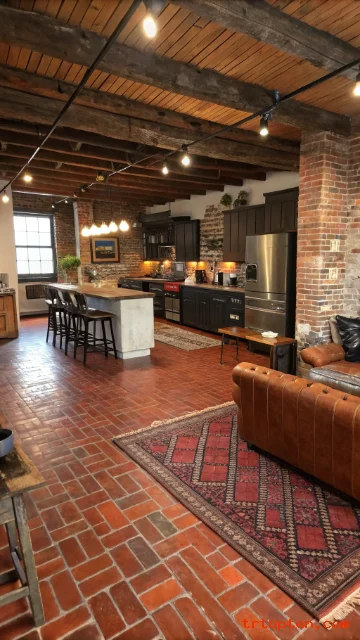
Brick tile adds texture, history, and warmth. Reclaimed wood adds character through knots, marks, and varied tones.
This idea works well in older homes, lofts, and farmhouse spaces. It creates a floor that feels rich without needing bright colors.
Use thin brick tile for easier installation indoors. Pair it with sealed reclaimed wood so the whole floor stays practical.
Basketweave Tile With Oak Flooring
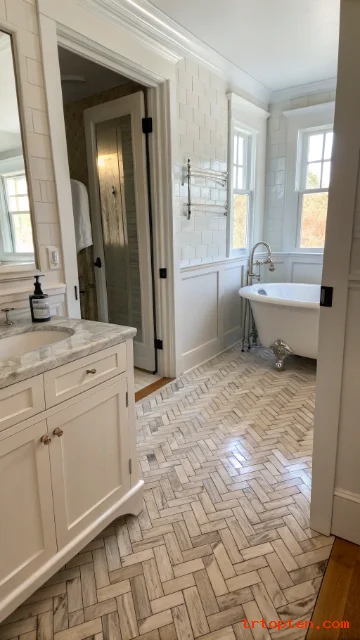
Basketweave tile adds classic detail and soft pattern. Oak flooring gives the room a warm and familiar base.
This idea works well in bathrooms, hallways, and laundry rooms. The tile pattern adds charm without taking over the room.
Use marble basketweave tile for a polished look. Choose ceramic basketweave tile for a durable and budget-friendly option.
Zellige Tile With Natural Wood Floors
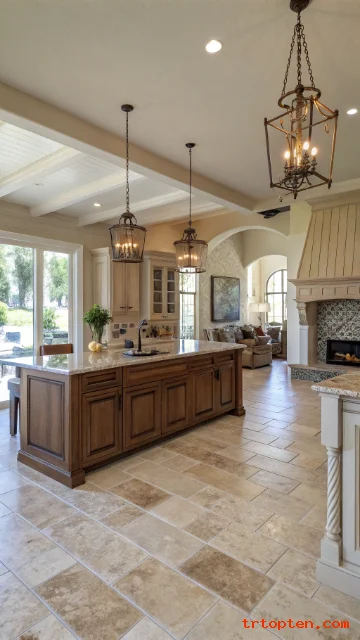
Zellige tile has an uneven surface and handmade shine. Natural wood floors add calm texture and keep the look grounded.
This pairing works well in kitchens, bathrooms, and entry spaces. The tile catches light, and the wood gives the space a softer feel.
Use cream, green, or soft gray zellige tile for a relaxed look. Pair it with simple wood planks so the tile can remain the main detail.
Terrazzo Tile With Light Wood Flooring
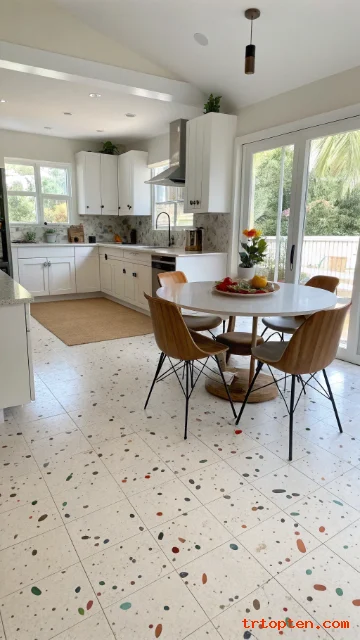
Terrazzo tile brings color, speckles, and a playful modern feel. Light wood flooring keeps the room from feeling too busy.
This idea works well in kitchens, bathrooms, and creative studios. The terrazzo can introduce small color accents that connect with decor pieces.
Choose terrazzo with soft chips for a subtle look. Pair it with pale wood and simple furniture for balance.
Green Tile With Warm Walnut Flooring
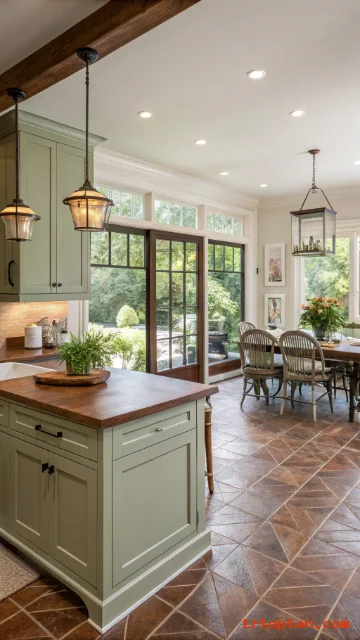
Green tile adds depth and a natural mood. Warm walnut flooring brings richness and makes the green feel balanced.
This pairing works well in powder rooms, kitchens, and garden-facing rooms. It connects indoor design with plants and outdoor views.
Use sage green for a soft look. Use emerald or forest green for a bold and elegant floor feature.
Porcelain Tile Hallway With Wood Living Room
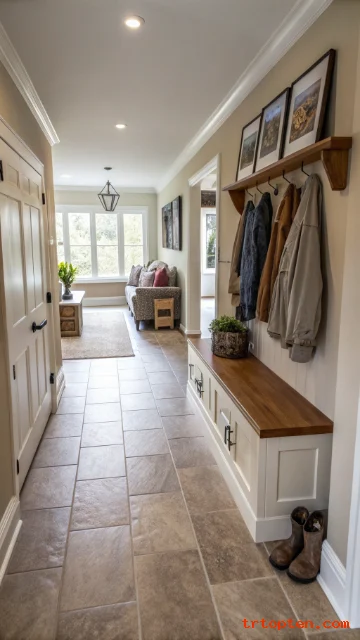
Porcelain tile makes a hallway easy to clean. Wood flooring in the living room creates comfort where people gather.
This layout works well in family homes and busy apartments. It handles shoes, pets, and daily traffic near the entrance.
Use tile in a color that matches the wood undertone. This choice makes the transition feel smooth instead of random.
Geometric Tile With Straight Wood Planks
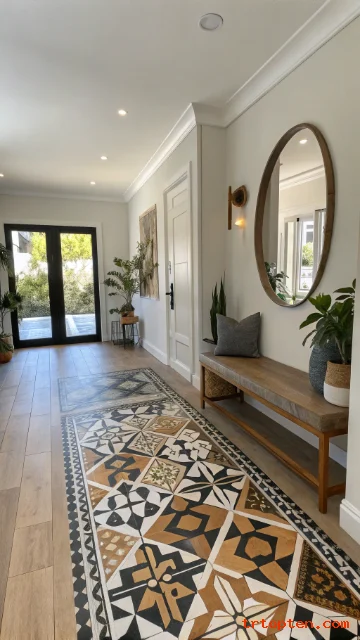
Geometric tile creates a bold floor moment. Straight wood planks keep the rest of the room clean and steady.
This idea works well when you want one area to stand out. Use it near a kitchen island, bathroom vanity, fireplace, or entryway.
Pick one main tile color and one accent color. This keeps the pattern easy to read and simple for the eye.
Seamless Tile and Wood Open-Concept Flooring
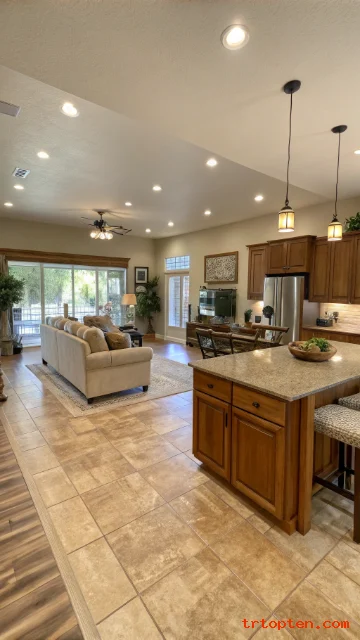
A seamless tile and wood layout can make an open home feel organized. The tile supports work zones, and the wood supports rest zones.
This idea works well in kitchens that connect to dining and living rooms. The floor change helps people understand each area without needing extra walls.
Use matching undertones to create a smooth visual flow. Keep grout lines neat and wood plank direction consistent for a polished result.
What Is the Best Way To Combine Tile and Wood Flooring?
The best way to combine tile and wood flooring is to give each material a clear job. Tile works well in wet, messy, or high-traffic zones, and wood works well in warm living areas.
Use matching undertones so the materials feel connected. A clean transition strip or custom tile edge can make the design look planned.
Can Tile and Wood Flooring Meet Without a Transition Strip?
Tile and wood flooring can meet without a visible transition strip when the floor heights match well. A skilled installer can create a flush transition with careful planning.
This method looks clean and modern. It works best when the subfloor, tile thickness, mortar, and wood height are measured before installation.
Which Rooms Look Best With Tile and Wood Flooring Together?
Kitchens, entryways, bathrooms, mudrooms, and open-plan living spaces look great with this mix. Tile protects busy zones, and wood softens nearby areas.
This pairing also works well in hallways and dining rooms. It helps divide a space without adding walls or heavy furniture.
What Tile Colors Pair Best With Wood Floors?
Cream, beige, gray, black, terracotta, green, and blue tile can pair well with wood floors. The best color depends on the wood tone and the room style.
Light wood pairs well with soft neutrals and pale colors. Dark wood pairs well with light tile, stone tile, and bold patterned tile.
Is Wood-Look Tile Better Than Real Wood?
Wood-look tile works better in wet rooms, pet-friendly homes, and high-traffic areas. It gives a wood-style appearance with stronger water resistance.
Real wood feels warmer underfoot and has natural grain variation. Many homes use both materials to get beauty and durability in the right places.
How Do I Make Tile and Wood Floors Look Cohesive?
You can make tile and wood floors look cohesive by repeating colors, undertones, and finishes. For example, warm beige tile pairs well with honey oak, while cool gray tile pairs well with ash or white oak.
Keep nearby walls and furniture simple if the floor has strong pattern. This allows the tile and wood to stand out without making the room feel crowded.
Are Patterned Tiles Too Busy Next To Wood Flooring?
Patterned tiles are not too busy when you use them in the right amount. A small tile rug, entry zone, or kitchen section can add style without overwhelming the room.
Wood flooring balances pattern because it has a natural and steady look. Use simple furniture and solid colors to keep the space calm.
What Is the Most Timeless Tile and Wood Flooring Idea?
White oak flooring with marble, limestone, or simple porcelain tile creates a timeless look. These materials use soft colors and natural texture that age well.
Herringbone wood with plain stone tile is another lasting choice. It adds pattern through layout instead of relying on trendy colors.
Can I Use Tile and Wood Flooring In A Small Room?
You can use tile and wood flooring in a small room if the transition feels simple. Light colors and low-contrast materials can help the room feel larger.
Avoid too many patterns in a tight space. One small tile feature with clean wood flooring can create charm without clutter.
Conclusion
These 24 tile and wood flooring ideas show how two classic materials can work together in beautiful and practical ways.
Tile brings strength, pattern, and easy cleaning, while wood brings warmth, comfort, and natural style.