
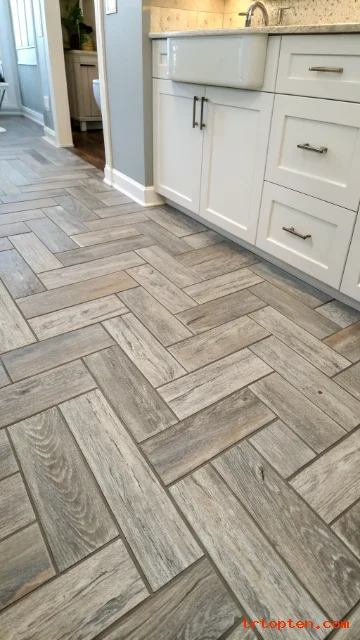
Gray bathroom floor tile ideas offer a perfect blend of style and practicality for any home. You get a neutral base that works with bold colors or soft pastels. This guide shares thirty distinct ways to use gray tiles on your bathroom floor.
Classic Charcoal Hexagon Mosaics
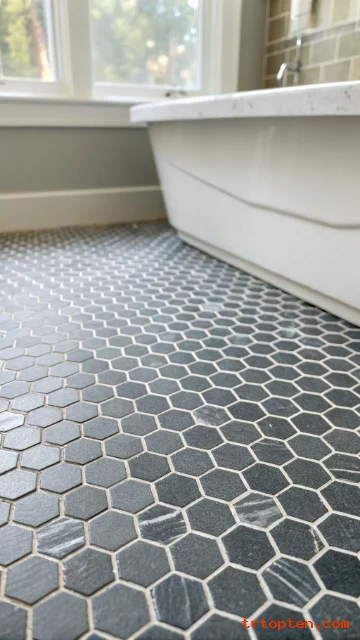
Charcoal hexagon tiles create a stunning geometric pattern on your bathroom floor. The dark gray shade hides dirt and water spots very well. Small hexagons also add texture without overwhelming a small space.
You can pair these tiles with white walls and chrome fixtures for a crisp look. The hexagonal shape directs your eye across the floor in a natural flow. Regular sweeping keeps the dark surface looking fresh between deep cleans.
These tiles work best in powder rooms or guest bathrooms. The charcoal color absorbs light, which reduces glare from overhead fixtures. A matte finish on the tiles adds grip under wet feet.
Large-Format Light Gray Porcelain Slabs
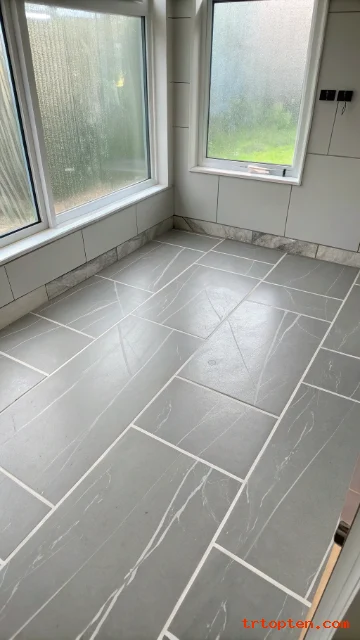
Large light gray porcelain slabs reduce grout lines to a minimum. Fewer grout lines mean less scrubbing and a cleaner appearance overall. The pale gray tone reflects light to make your bathroom feel airy.
One 24×48 inch slab can cover a significant portion of your floor. You need a professional installer to handle these heavy pieces correctly. The smooth surface feels warm underfoot when paired with radiant heating.
This style suits modern and minimalist bathroom designs perfectly. Light gray does not show every speck of dust like white tile would. Use a dark gray or black grout to define the large slabs subtly.
Weathered Gray Wood-Look Planks
Wood-look planks in weathered gray give you the warmth of timber without the water damage risk. These ceramic or porcelain tiles mimic oak, pine, or hickory with convincing grain patterns. The gray wash tone fits coastal, farmhouse, and industrial themes easily.
You can lay these planks in a herringbone or straight pattern. A straight pattern elongates a narrow bathroom visually. Herringbone adds a classic elegance that draws the eye across the floor.
Water-resistant and scratch-proof, these tiles perform well in high-traffic family bathrooms. The textured surface provides slip resistance even when wet. Pair them with a white subway tile shower for a timeless combo.
Polished Dark Gray Marble Hexagons
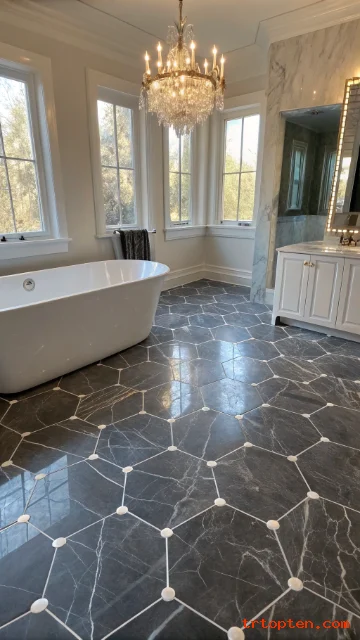
Polished dark gray marble hexagons add a luxurious hotel feel to your bathroom. The reflective surface bounces light around the room beautifully. Natural veining in white or gold creates unique patterns on each tile.
You should seal marble tiles every year to prevent staining. Polished marble becomes slippery when wet, so use a bath mat near the tub. Dark grout works better than white to avoid visible discoloration over time.
These tiles shine in large master bathrooms with good ventilation. The cool stone surface feels refreshing on hot summer days. Pair with brass fixtures and a freestanding tub for maximum elegance.
Subtle Speckled Gray Cement Tiles
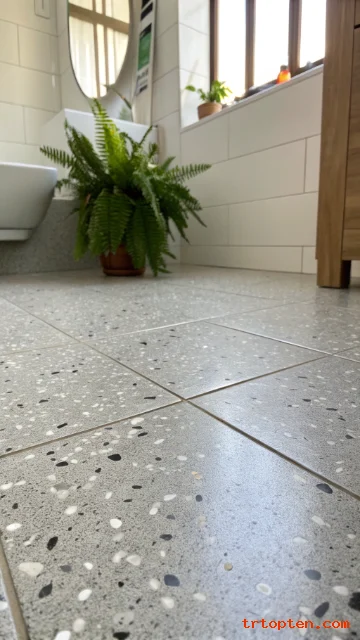
Speckled gray cement tiles offer a handcrafted artisanal look. Tiny flecks of white, black, or beige break up the solid gray background. The cement material ages beautifully, developing a soft patina over years.
You apply a sealer to cement tiles before grouting. This prevents the porous surface from absorbing moisture. The slightly uneven texture gives excellent grip for bare feet.
These tiles suit bohemian or eclectic bathroom designs well. The speckled pattern hides minor dirt and hair effectively. Pair them with live plants and wooden shelves for a natural vibe.
Geometric Gray and White Penny Rounds
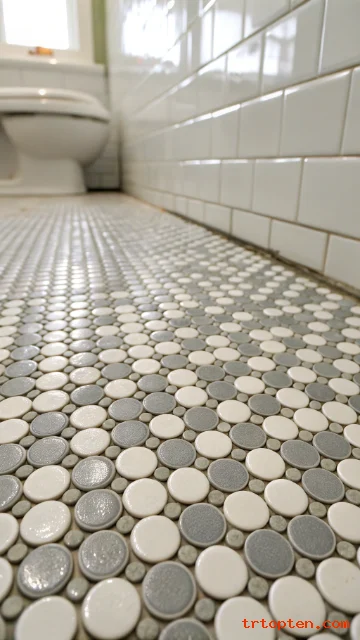
Penny round tiles in gray and white create a playful dotted pattern. You arrange the small circles in a grid or random layout. The mixture of two colors breaks up the monotony of solid gray.
These round tiles conform to curved floor surfaces better than squares. You need a flexible grout that moves with the tiles. White grout makes the pattern pop, while gray grout creates a subtler blend.
A bathroom with a curved shower pan benefits greatly from penny rounds. The many grout lines provide excellent slip resistance. Clean them with a soft brush to reach between each round tile.
Rustic Slate Gray Irregular Stones
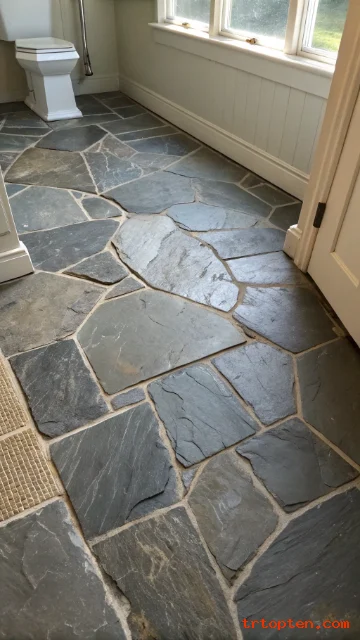
Slate gray irregular stone tiles give your floor a rugged natural look. Each stone varies in shape, size, and shade of gray. The uneven surface stimulates your feet’s pressure points as you walk.
You must seal natural slate to protect it from moisture. The rough texture resists slipping even when soaking wet. Slate holds heat well, so it works great with underfloor heating systems.
This floor style complements log cabin or spa-themed bathrooms. The earthy gray tones pair with green plants and wooden accents. Use a dark epoxy grout that matches the darkest stones for a seamless appearance.
Smooth Medium Gray Ceramic Squares
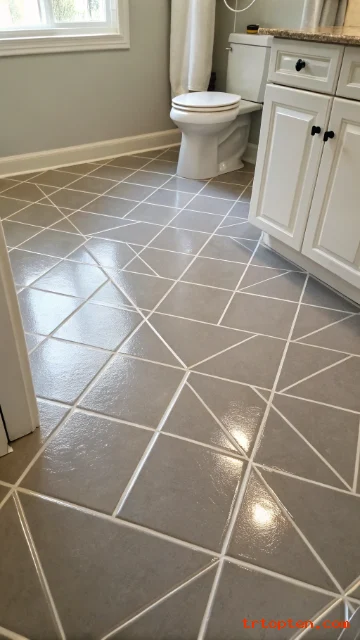
Medium gray ceramic squares in a 12×12 inch size offer a classic budget-friendly choice. The smooth glaze resists stains and wipes clean with any cleaner. This medium shade does not show soap scum as badly as dark tiles.
You can lay these squares in a simple grid pattern for a clean look. Diagonal placement makes a small bathroom appear larger. Use a contrasting light gray grout to highlight each tile individually.
These tiles perform well in rental properties or kids’ bathrooms. The durable glaze lasts for decades without fading. Replace a single cracked tile easily without redoing the whole floor.
Distressed Gray Encaustic Look Tiles
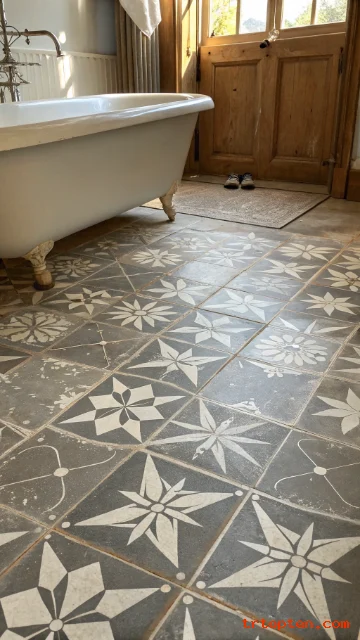
Distressed gray encaustic look tiles feature faded geometric prints. The patterns resemble old Moroccan or Spanish designs. A gray base with white or black outlines keeps the look subtle.
These cement-look porcelain tiles require zero sealing. The printed pattern stays crisp for years without fading. A distressed finish hides scuffs and scratches very effectively.
Use this style in a vintage-inspired bathroom with clawfoot tubs. The busy pattern adds visual interest without bright colors. Keep the rest of the room neutral to let the floor shine.
Glossy Dark Gray Subway Tiles
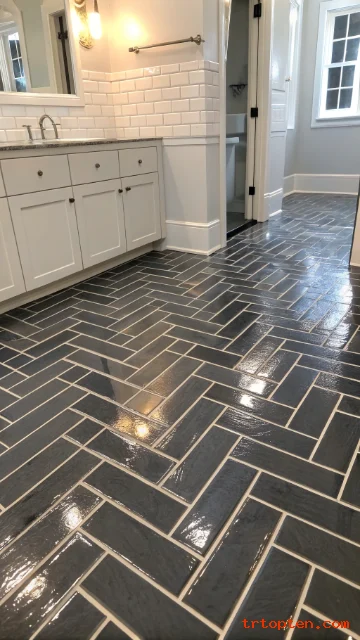
Dark gray subway tiles laid on the floor create an unexpected twist. The glossy surface reflects light upward to brighten the room. Long 3×12 inch rectangles make the floor feel wider.
You should use a dark gray grout to match the tiles. Light grout would create too much contrast and look dirty quickly. The rectangular shape works well in herringbone or brick bond patterns.
This floor pairs nicely with white shiplap walls. The glossy finish requires regular mopping to maintain its shine. Add a runner rug to protect high-traffic areas from scratches.
Honed Light Gray Travertine Pavers
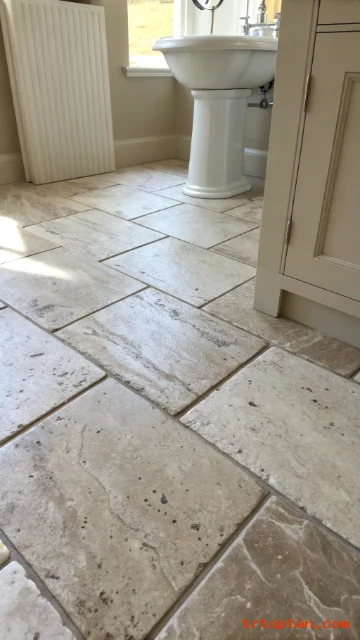
Honed light gray travertine pavers offer a soft natural stone look. The honed finish feels smooth but not slippery underfoot. Tiny natural holes in the stone add character and grip.
You must fill those holes with grout or leave them open. Filled travertine is easier to clean and more moisture-resistant. The light gray color warms up any bathroom design.
These pavers work best in dry areas like powder rooms. Use a penetrating sealer every two years for protection. Pair them with beige walls and bronze fixtures for a Mediterranean feel.
Industrial Dark Gray Checkerboard
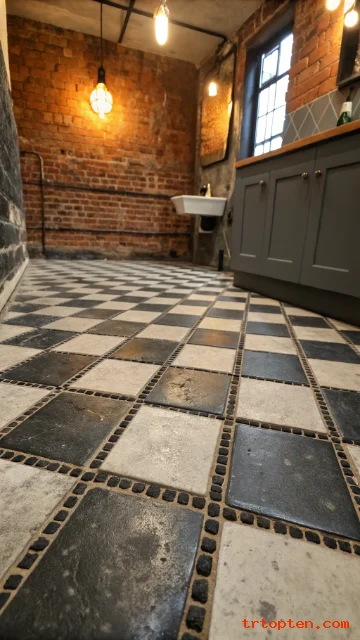
Dark gray and black checkerboard tiles bring an industrial vintage vibe. The alternating squares create strong visual contrast. Large 18×18 inch tiles make the pattern feel bold and graphic.
You can use glossy tiles for one color and matte for the other. This subtle difference adds depth without changing the pattern. Black grout ties the whole floor together seamlessly.
This style suits loft-style or art deco bathrooms perfectly. The dark colors hide lint and hair between cleanings. Add chrome fixtures and exposed bulbs to complete the industrial look.
Pebble Gray River Rock Mats
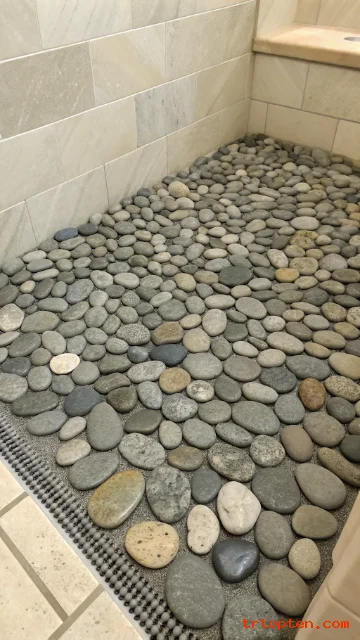
Pebble gray river rock mats come pre-attached to mesh backing. Each smooth stone is a slightly different gray shade. The rounded pebbles provide a foot massage with every step.
You install these mats like regular tile but with extra thinset. The uneven surface requires a special grout that fills deep gaps. Seal the stones yearly to prevent moisture penetration.
This floor creates a spa-like atmosphere in any bathroom. The natural gray tones work well with bamboo accessories. Use a squeegee after showers to speed up drying between the pebbles.
Metallic Gray Crackle Glaze Ceramics
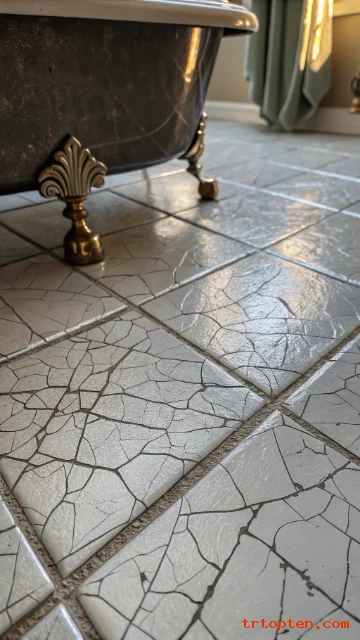
Metallic gray crackle glaze ceramics feature a web of fine surface cracks. The glaze looks like aged antique pottery. Light catches the cracks and makes the floor shimmer.
You need a dark grout that matches the crackle color. Light grout would fill the cracks and ruin the effect. This tile is more fragile than standard ceramic, so handle with care.
Use these tiles only in low-traffic powder rooms. The crackle pattern hides small scratches well. Pair them with oil-rubbed bronze fixtures for an old-world look.
Matte Medium Gray Porcelain Chevrons
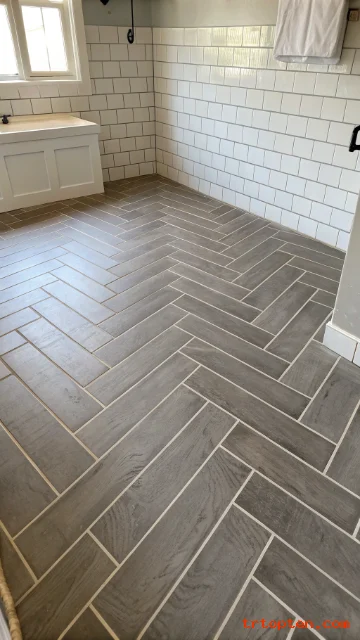
Matte medium gray porcelain chevrons create a continuous zigzag pattern. Each V-shaped tile points to the next for a seamless flow. The matte finish hides water spots and footprints perfectly.
Chevron differs from herringbone because the ends are cut at an angle. This creates a sharper, more modern look. You need an experienced installer to match the points correctly.
This floor elongates a narrow hallway bathroom visually. The medium gray tone works with any wall color from navy to blush. Vacuum regularly to keep dust from settling in the V-joints.
Weathered Concrete Look Large Tiles
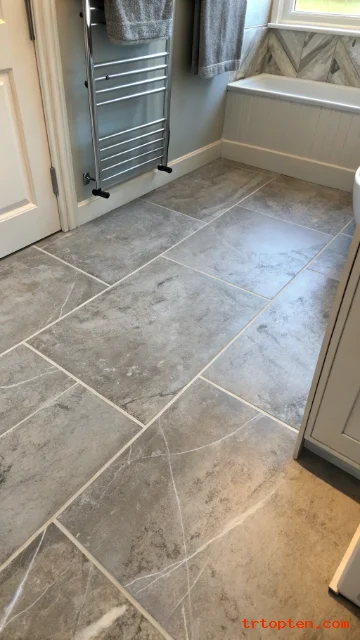
Weathered concrete look tiles mimic aged industrial flooring. Subtle variations in gray create a mottled appearance. The large 24×24 inch size reduces busyness in the pattern.
These rectified tiles allow for very thin grout lines. A 1/16 inch grout line almost disappears into the floor. The slightly rough surface provides decent slip resistance.
This floor suits modern farmhouse or urban loft bathrooms. The gray concrete look pairs with steel and wood elements. Use a warm gray grout to soften the industrial feel.
Pearl Gray Glass Mosaic Accents
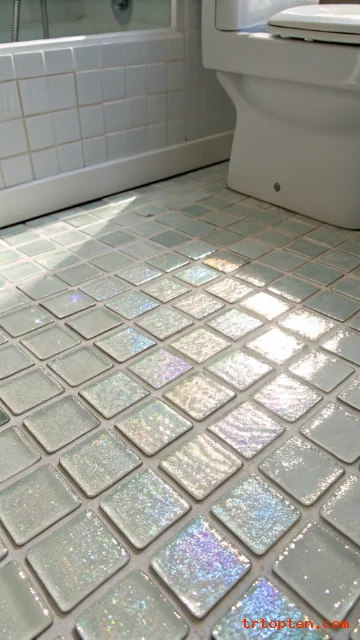
Pearl gray glass mosaic tiles reflect light like tiny mirrors. The translucent glass has a subtle iridescent quality. Small 1×1 inch squares catch every ray of sunshine.
You need a white thin-set mortar to prevent dark shadows behind the glass. The white backing makes the gray color appear brighter. Use a light gray epoxy grout for a cohesive look.
Place these tiles only in dry areas or on walls for floors. Glass becomes dangerously slippery when wet. A small bathroom floor with good drainage could work safely.
Striped Gray and Charcoal Linear Tiles
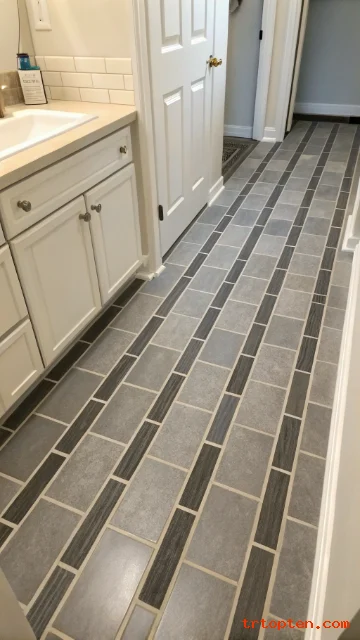
Striped gray and charcoal linear tiles create a directional floor pattern. Long 6×24 inch rectangles alternate between light and dark. The stripes can run parallel to the longest wall.
Laying stripes perpendicular to the doorway makes the room look longer. Parallel stripes widen a narrow space effectively. You choose the direction based on your bathroom’s shape.
This floor works well in small half-baths. The strong lines add architectural interest without extra cost. Use a medium gray grout that matches neither stripe exactly.
Fossil Gray Limestone Tiles
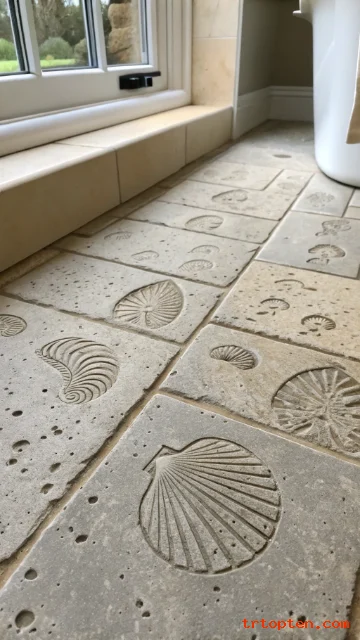
Fossil gray limestone tiles contain ancient shell and coral imprints. The natural stone shows tiny organic shapes throughout. Each tile tells a unique geological story.
You must seal limestone thoroughly before and after grouting. The soft stone scratches easily, so avoid dragging furniture. A matte honed finish provides better slip resistance than polished.
This floor brings a prehistoric spa feel to your bathroom. The gray fossils contrast beautifully with live plants. Use a beige grout to match the fossil coloration.
Chalky Gray Matte Brick Tiles
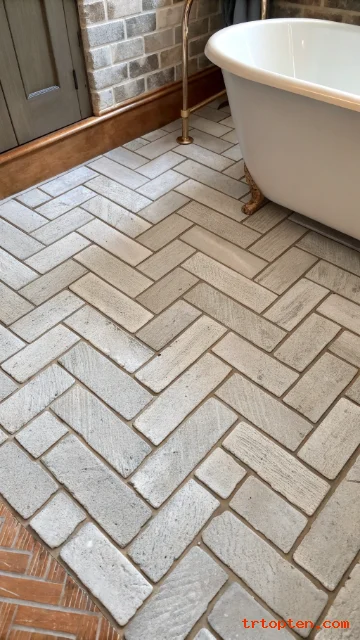
Chalky gray matte brick tiles look like slices of aged masonry. The long 4×12 inch rectangles have a dry powdery feel. This texture provides excellent grip for wet bare feet.
You can lay these bricks in a running bond or basketweave pattern. A basketweave layout adds old-world charm to the floor. Use a sanded grout that matches the tile color exactly.
These tiles resist stains better than natural stone. The matte surface does not show water spots at all. Pair them with a copper slipper tub for rustic elegance.
High-Gloss Dark Gray Fish Scale Tiles
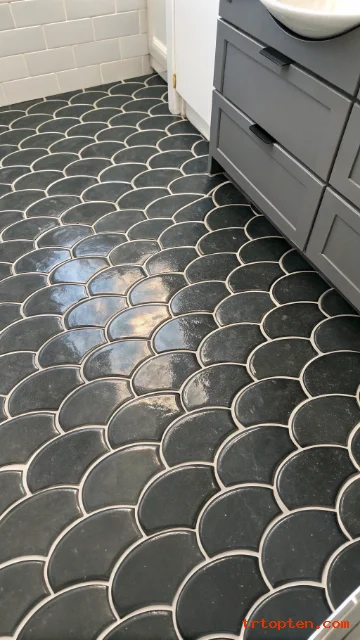
High-gloss dark gray fish scale tiles create a mermaid-like floor. Each scalloped tile overlaps the next like reptile scales. The glossy surface makes the dark gray appear almost black.
You need a flexible grout that moves with the curved edges. Dark charcoal grout disappears between the scales. This pattern works best in a half-bath or small powder room.
The 3D effect draws your eye around the entire floor. A mirror on the wall doubles the visual impact. Clean with a microfiber mop to preserve the high shine.
Textured Gray Slip-Resistant Porcelain
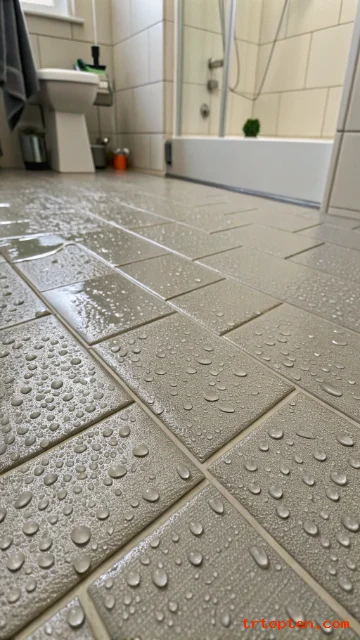
Textured gray slip-resistant porcelain features a fine raised pattern. The texture feels like fine sandpaper under your feet. This tile meets commercial slip-resistance standards for wet areas.
You can use this tile inside and right outside the shower. The texture does not trap dirt like deeper grooves would. A medium gray color hides soap residue between cleanings.
This floor is perfect for elderly family members’ bathrooms. The raised pattern provides grip without being uncomfortable barefoot. Use a neutral grout that matches the tile base color.
Two-Tone Gray Basketweave Mosaics
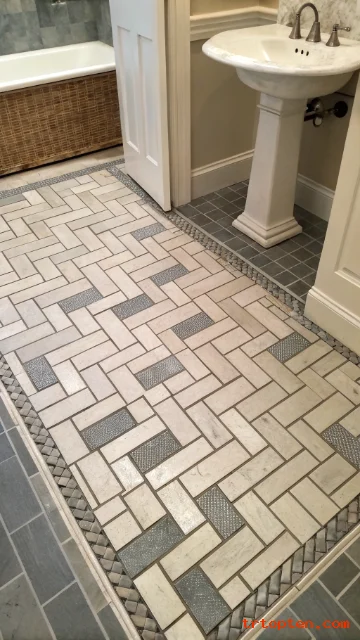
Two-tone gray basketweave mosaics combine light and dark rectangles. Small square pins anchor the woven pattern at intersections. The effect looks like woven gray fabric on your floor.
These mosaics come on mesh sheets for easy installation. You trim the sheets to fit around toilets and vanities. A medium gray grout blends the two tones together smoothly.
This classic pattern suits Victorian or traditional bathrooms. The woven look adds warmth without using wood. Pair with a marble countertop for timeless elegance.
Brushed Metal Gray Stainless Steel Tiles
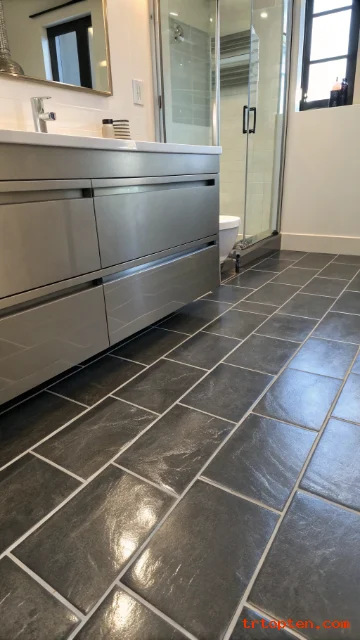
Brushed metal gray stainless steel tiles offer an ultra-modern look. The actual metal surface resists water and rust completely. A brushed finish hides fingerprints and water spots very well.
You need a conductive adhesive if using heated floors. Metal tiles get cold quickly without underfloor heating. Use a dark gray epoxy grout that bonds to metal.
This floor belongs in futuristic or industrial chic bathrooms. The metallic surface reflects light in unusual ways. Avoid dropping heavy objects that could dent the tiles.
Cloudy Gray Swirl Terrazzo Tiles
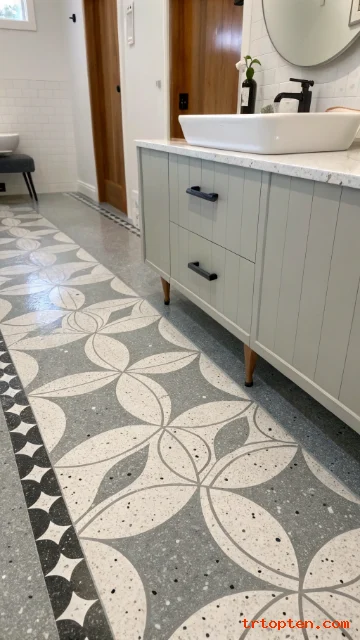
Cloudy gray swirl terrazzo tiles contain chips of marble and glass. The resin base has a gray color with white and black flecks. Swirling patterns emerge as the chips settle during manufacturing.
This material feels slightly softer than porcelain underfoot. The resin surface resists staining but scratches easier than ceramic. You refresh the shine with a terrazzo polishing compound.
These tiles shine in mid-century modern bathroom designs. The chaotic speckle pattern hides dirt effectively. Use a clear matte sealer to preserve the swirls.
Chiseled Edge Gray Stone Tiles
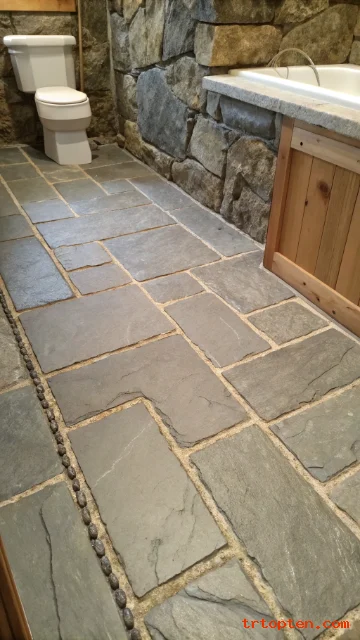
Chiseled edge gray stone tiles have rough, uneven borders. The tops are honed smooth while edges look hand-cut. Each tile sits slightly proud of its neighbors for a 3D effect.
You grout these tiles with a color that matches the stone. The grout fills deep gaps between the chiseled edges. This floor feels like walking across ancient cobblestones.
Use these tiles only in large bathrooms with high ceilings. The strong texture can overwhelm a tiny space. Pair with exposed wood beams for a medieval castle feel.
Icy Pale Gray Cracked Ice Tiles
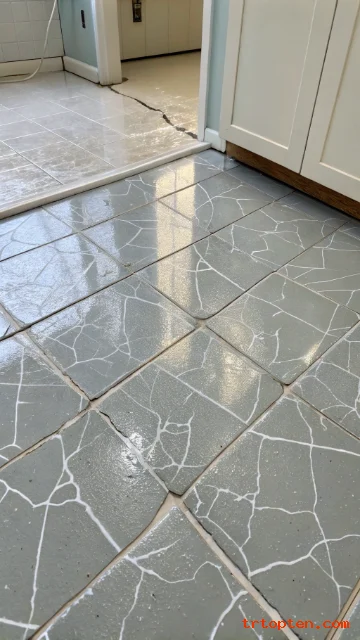
Icy pale gray cracked ice tiles look like frozen pond surfaces. A translucent glaze creates a glass-like top layer. Fine crack lines form a irregular web across each tile.
You need a white substrate to let the icy color shine through. Light gray grout mimics the look of ice seams. This tile is slippery, so use it only in dry powder rooms.
The pale gray color brightens a windowless bathroom significantly. A mirror on every wall multiplies the icy effect. Clean with a glass cleaner for maximum transparency.
Wavy Gray Sand-Dune Porcelain
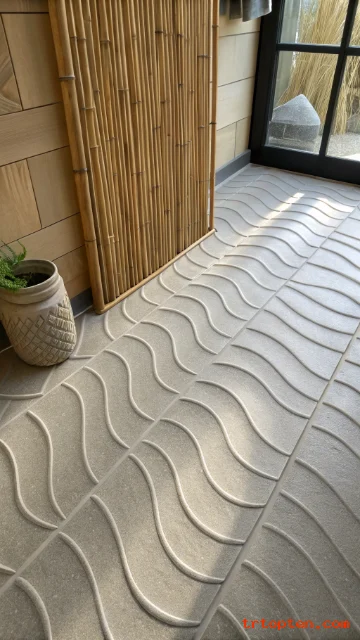
Wavy gray sand-dune porcelain features subtle undulating surfaces. The waves run in one direction like wind-blown desert sand. A matte finish prevents the waves from creating glare.
You lay all tiles with the wave direction aligned. Turning some tiles would create confusing visual patterns. The wavy surface provides natural slip resistance in wet areas.
This floor evokes a calm desert spa atmosphere. The undulating texture feels interesting but not sharp. Pair with beige walls and woven bamboo shades.
Mosaic Gray Agate Slices
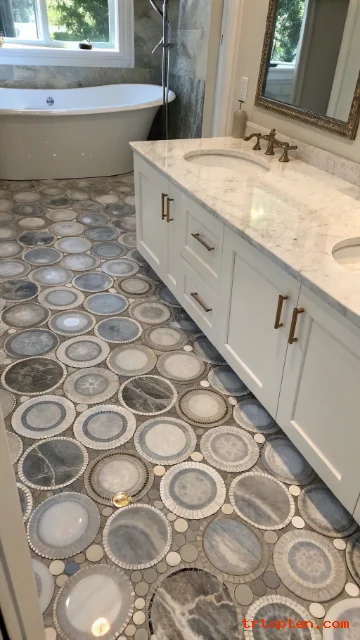
Mosaic gray agate slices use real polished agate stones. Each slice shows concentric gray and white bands. The polished surface feels smooth like glass underfoot.
You encase these delicate stones in clear epoxy resin. The resin protects the agate from moisture damage. You pour the resin on site to form a seamless floor.
This luxury option costs more than standard tile. The unique bands mean no two floors look alike. Use in a small master bath for maximum wow factor.
Recycled Gray Rubber Pavers
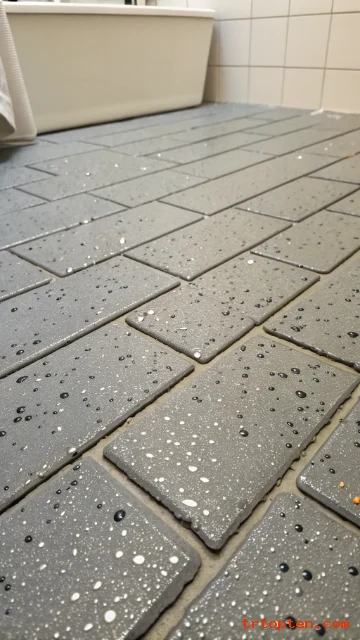
Recycled gray rubber pavers offer a soft shock-absorbing floor. These tiles come from ground-up tires bound with resin. The gray color contains subtle black and white rubber flecks.
You install these pavers with a special adhesive. The rubber surface feels warm and slightly springy. Water beads up but does not soak into the material.
This floor protects dropped bottles and falling hairdryers. The soft surface reduces fatigue while standing at the sink. Clean with a mild soap and a soft brush.
What is the best gray bathroom floor tile for a small bathroom?
Light gray large-format tiles work best in small bathrooms. The pale color and few grout lines make the space feel bigger. Choose a matte finish to reduce glare from overhead lights.
Are gray bathroom floor tiles hard to keep clean?
No, gray tiles hide dirt better than white or black tiles. Medium shades of gray are the most forgiving for everyday dust. A textured finish hides scratches but requires a scrub brush for deep cleaning.
What grout color should I use with gray floor tiles?
Use a grout that is one shade darker or lighter than your tile. Matching grout creates a seamless monochromatic look. Contrasting white or black grout makes the tile pattern pop.
Can I use light gray tiles on a bathroom floor with poor lighting?
Yes, light gray reflects available light better than dark gray. Pair light gray tiles with glossy finishes to bounce light around. Add extra wall sconces to brighten the space further.
Do gray floor tiles show water spots and soap scum?
Dark gray tiles show soap scum more than medium or light gray. Light gray tiles show water spots but hide soap residue. A matte finish hides both better than a glossy finish.
Is gray flooring too cold for a bathroom?
Gray tiles feel cool like any stone or ceramic material. You can install radiant floor heating under any gray tile. Large bath mats and rugs also add warmth underfoot.
What style of gray tile is most slip-resistant?
Small mosaic tiles with many grout lines offer the best grip. Textured matte finishes provide more traction than polished glossy tiles. Irregular stone or pebble tiles are the most slip-resistant options.
How much does gray bathroom floor tile installation cost?
Ceramic gray tiles cost $5 to $15 per square foot installed. Natural stone or glass mosaics cost $20 to $50 per square foot. Large-format porcelain falls in the middle at $10 to $25 installed.
Can I put gray tile over an existing bathroom floor?
Yes, you can tile over old tile or vinyl if the surface is flat. Clean and rough up the old floor first for good adhesion. Remove the toilet and baseboards before starting the new tile.
Conclusion
These 30 gray bathroom floor tile ideas give you a practical starting point for your next renovation. You can choose from natural stone, ceramic, porcelain, glass, or even recycled rubber options.