
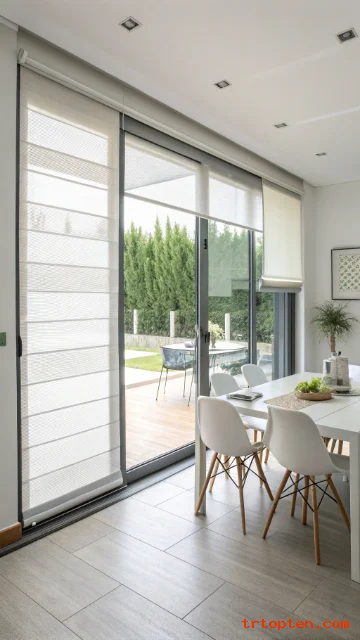
Looking for fresh dining room window treatment ideas? You have come to the right place. This guide shares 27 simple yet stylish ways to dress up your dining room windows.
Classic White Sheer Curtains
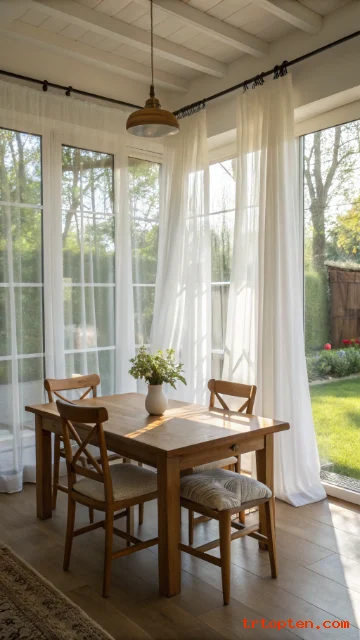
White sheer curtains let natural light flow into your dining room while adding a soft, airy feel. They create a gentle glow that makes meals feel more inviting. These curtains also offer privacy without blocking your view of the outdoors.
You can pair sheer curtains with heavier drapes for a layered look. The lightweight fabric moves easily when a breeze comes through an open window. Sheer curtains work well in both small and large dining spaces.
Choose a rod that extends past the window frame to make the window look bigger. White sheers match almost any wall color or furniture style. Wash them regularly to keep that bright, clean appearance.
Roman Shades in Neutral Linen
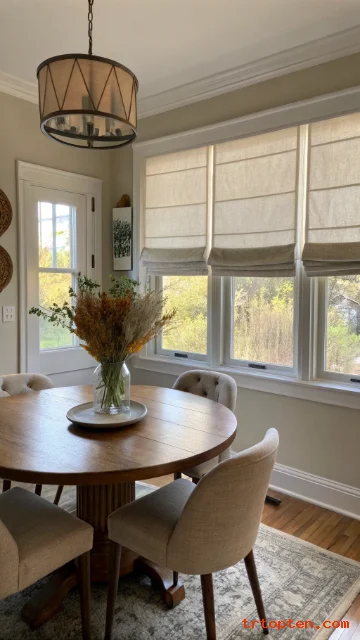
Roman shades made of neutral linen add texture and warmth to your dining room. They fold up neatly when raised and lay flat when lowered. This clean style suits modern and traditional dining rooms alike.
The linen material has natural flecks that hide dust and crumbs. You can pull these shades down during bright afternoons to reduce glare on your table. They also provide good insulation against cold window drafts.
Install the shades inside the window frame for a sleek built-in look. Choose a cordless lift system for safety and easy operation. Neutral colors like beige, tan, or oatmeal blend seamlessly with your existing decor.
Bamboo Roller Blinds
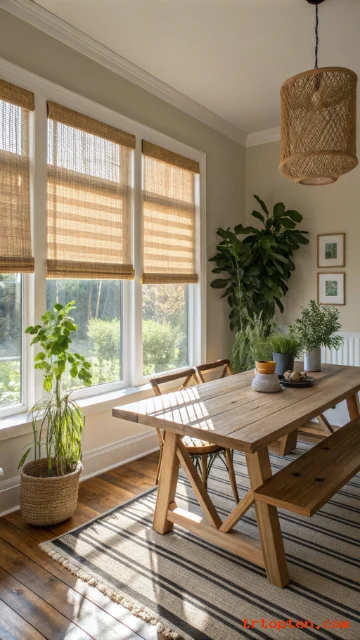
Bamboo roller blinds bring an organic, natural element to your dining room windows. The slats filter light beautifully and cast interesting shadows on your walls. These blinds are durable and resist warping in humid conditions.
You can order bamboo blinds in various weaves from tight to open. Tight weaves offer more privacy while still letting some light pass through. Open weaves create a brighter, beachy feel for casual dining spaces.
Pair bamboo blinds with white curtains to soften the look. They roll up easily with a standard chain mechanism. Clean them with a soft brush attachment on your vacuum.
Floor-Length Velvet Drapes
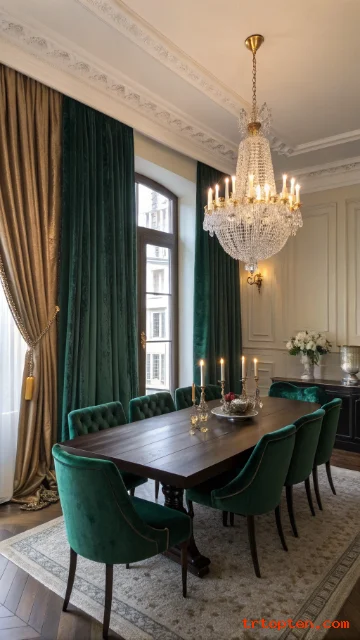
Velvet drapes that reach the floor add drama and luxury to your dining room. The thick fabric blocks outside light completely for evening dinners. Velvet also dampens noise from the street, making your space quieter.
Choose deep jewel tones like emerald, sapphire, or burgundy for a rich look. These colors make your dining room feel more formal and special. The heavy weight of velvet means you need strong curtain rods and brackets.
Hang the rod high above the window frame to create height. Velvet drapes look best when they puddle slightly on the floor. Dry clean them only to maintain the fabric’s plush texture.
Patterned Valances
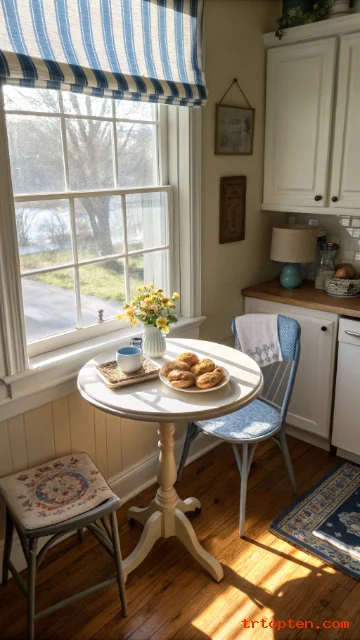
A patterned valance covers only the top portion of your dining room window. It lets you add color and print without blocking the view. Valances work great in breakfast nooks or small dining areas.
Choose a fabric pattern that repeats a color from your dining chairs or rug. Bold stripes, floral prints, or geometric designs all work well. The valance should be about one-fifth of the total window height.
Mount the valance on a small tension rod inside the frame. You can sew your own valance using basic straight seams. Washable cotton fabrics are the easiest to maintain over time.
Cafe Curtains for Lower Half
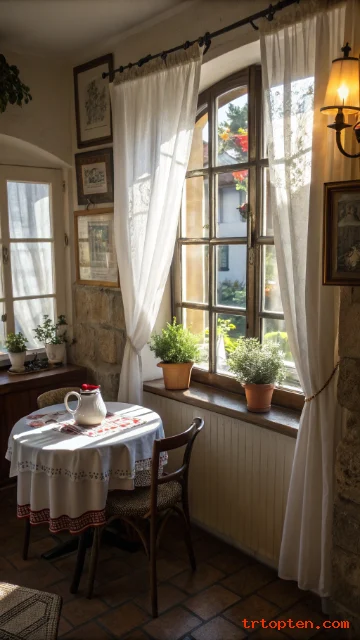
Cafe curtains cover only the bottom half of your dining room window. They provide privacy while keeping the upper half open for light. This style works perfectly in dining rooms that face a busy street.
You can make cafe curtains from any lightweight fabric like cotton or polyester. A simple rod pocket or clip rings makes installation quick. The curtains should end right at the windowsill or slightly below.
Pair white cafe curtains with a green plant on the windowsill. This setup creates a charming cottage feel. Wash and dry them on gentle cycles to prevent shrinkage.
Woven Wood Shades
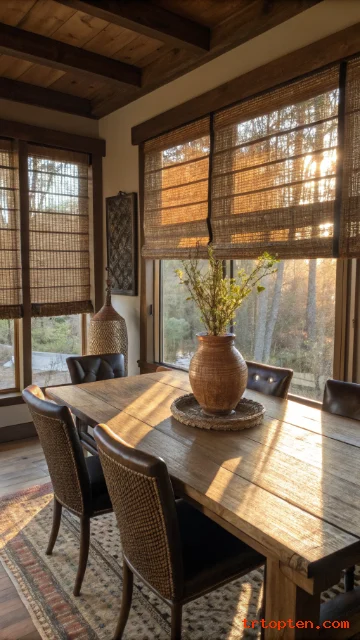
Woven wood shades are made from natural grasses, reeds, or woods. They give your dining room a rustic or coastal vibe instantly. These shades roll up compactly when you want full light.
The texture of woven wood adds visual interest without being busy. You can line them with fabric for more privacy and light control. Unlined shades create a beautiful, warm glow during the day.
Use a continuous cord loop to raise and lower these shades smoothly. Dust them with a feather duster once a week. They look fantastic with leather or wooden dining chairs.
Pleated Fabric Shades
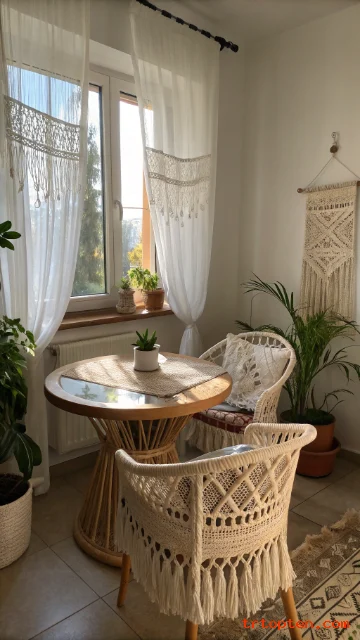
Pleated fabric shades fold into crisp, even rows when raised. They offer a tailored look that complements modern dining rooms. These shades come in hundreds of colors and opacity levels.
Light-filtering pleated shades soften harsh sunlight without darkening the room. Blackout versions work well for dining rooms that double as home theaters. The cellular design also traps air, adding insulation.
Measure your window carefully before ordering custom pleated shades. Most brands offer free swatches to test colors at home. Clean them with a damp cloth and mild soap only.
Barn Door Shutters
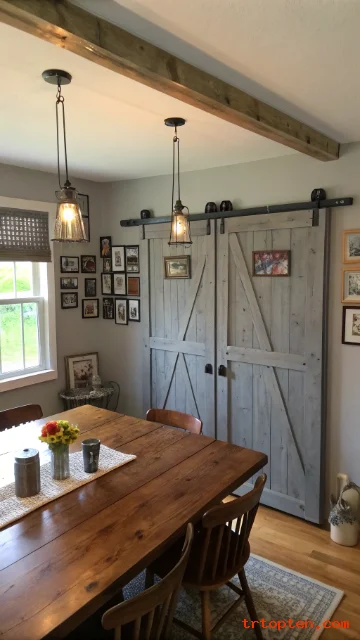
Barn door shutters slide horizontally on a track above your dining room window. They mimic the look of rustic barn doors but on a smaller scale. These shutters allow you to control light and privacy completely.
You can build barn door shutters from reclaimed wood for extra character. The shutters should be slightly wider than the window opening. Stain or paint them to match your dining room’s wood tones.
Install a sturdy metal track with ball-bearing rollers. Push the shutters fully open during meals to enjoy the view. Close them partially to block afternoon glare while still letting in some light.
Lace Panel Curtains
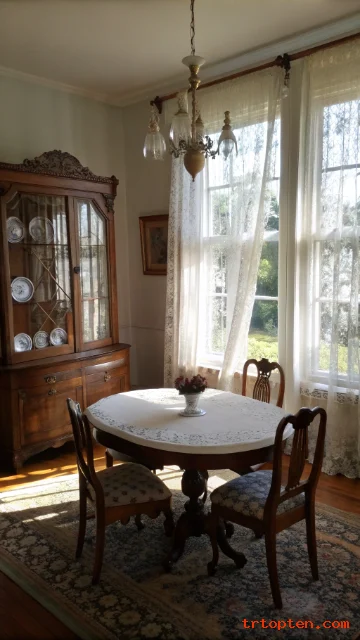
Lace panel curtains bring vintage charm to your dining room windows. The delicate patterns create beautiful light patterns on your walls and floor. Lace offers daytime privacy while still feeling open and airy.
Buy lace curtains longer than your window so they drape gracefully. White or cream lace works best for a classic look. You can find lace panels at thrift stores or online for very low prices.
Wash lace curtains by hand in cold water with gentle soap. Hang them back up while damp to prevent wrinkles. The thin fabric dries quickly, often within an hour.
Top-Down Bottom-Up Shades
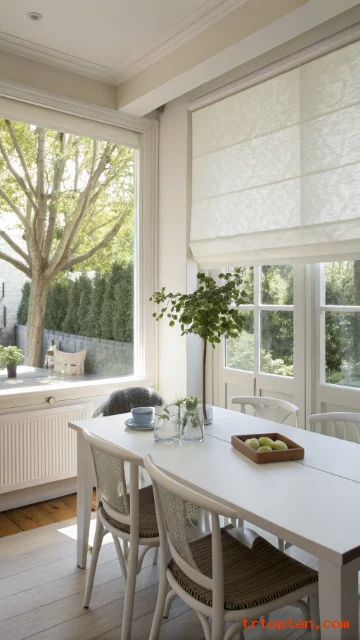
Top-down bottom-up shades let you lower the top section or raise the bottom section independently. This feature gives you privacy while still letting light enter from the top. It is a smart solution for dining rooms on the ground floor.
You can position the shade so the bottom covers the lower half of the window. The top remains open to show the sky and trees. This setup blocks passersby from seeing inside your dining space.
These shades work with cordless mechanisms for safety. Choose a light-filtering fabric to keep the room bright. The dual function makes them more useful than standard shades.
Macrame Hanging Curtains
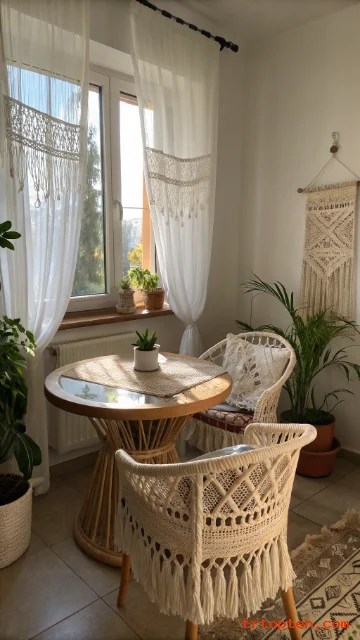
Macrame curtains add a boho, handmade touch to your dining room. The knotted cotton ropes create interesting geometric patterns. These curtains diffuse light softly without making the room dark.
You can buy ready-made macrame panels or make your own. The knots open small gaps that let you peek outside. Macrame looks especially good with rattan chairs and wooden tables.
Hang macrame curtains from a simple wooden dowel. The natural cotton color matches any wall paint. Shake them outside once a month to remove dust.
Panel Track Blinds
Panel track blinds use wide fabric panels that slide on a ceiling-mounted track. They work best for sliding glass doors or very wide dining room windows. The panels stack neatly to one side when fully open.
Each panel can be a different color or pattern for a creative look. You can mix sheer and opaque panels for adjustable light control. The track system glides smoothly with little effort.
Install the track about an inch below the ceiling for maximum height. Choose fabric that resists fading from direct sunlight. Wipe the panels with a damp cloth as needed.
Ruffled Cafe Curtains
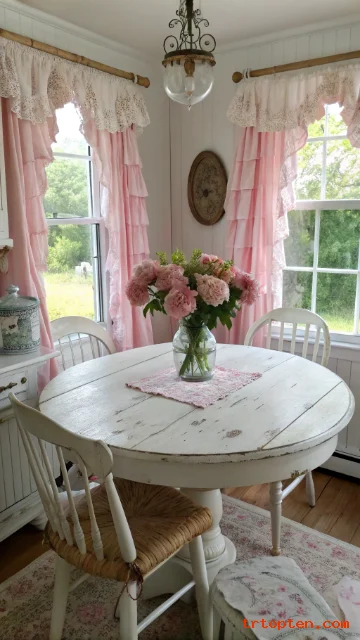
Ruffled cafe curtains add a soft, feminine touch to your dining room. The gathered fabric at the top and bottom creates a playful shape. These curtains work well in country or shabby chic decor styles.
Choose a lightweight cotton with a small floral or gingham print. The ruffles should be about two inches deep for the best proportion. Mount the rod at the middle of the window height.
Pair ruffled cafe curtains with a matching valance for a coordinated look. This combination covers the whole window in a pretty way. Machine wash the curtains on a gentle cycle with cold water.
Mirrored Roller Shades
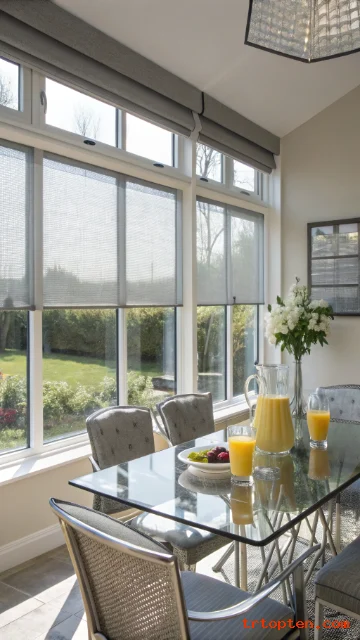
Mirrored roller shades have a reflective coating on the outside. They bounce sunlight away from your dining room, keeping it cooler. From inside, they look like a subtle tint, not a mirror.
These shades reduce glare on your dining table by up to 90 percent. You can still see outside clearly during the day. At night with lights on, the mirror effect reverses, so you need other window coverings.
Install them on the inside of your window frame for a neat fit. The reflective coating lasts for years if you avoid harsh cleaners. Use a soft microfiber cloth with water only to clean them.
Chalkboard Fabric Curtains
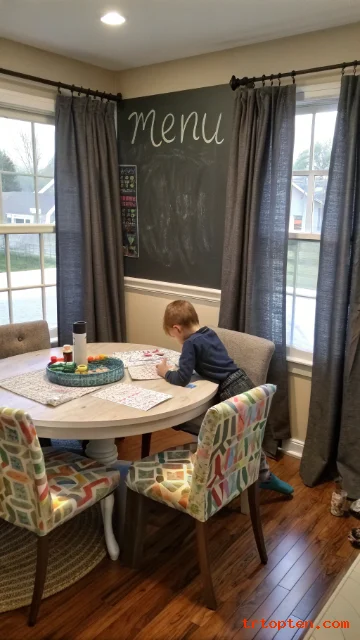
Chalkboard fabric curtains let you write messages directly on your window covering. The special fabric accepts chalk and erases cleanly. These curtains are fun for families who eat dinner together regularly.
You can write the daily menu, a joke, or a love note on the curtains. The dark gray fabric provides good light blocking too. Erase the chalk with a damp sponge each evening.
Buy chalkboard fabric by the yard at craft stores. Sew simple rod pockets at the top and bottom. Use liquid chalk markers for brighter colors that still wipe off.
Stained Glass Window Film with Sheers
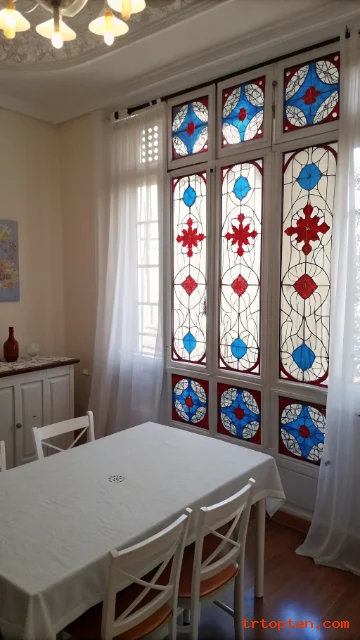
Stained glass window film creates a colorful, artistic look without the high cost. The adhesive film sticks directly to your window glass. Pair it with white sheers to soften the colored light.
You can cut the film to fit any window shape or size. The colors cast beautiful patterns on your dining room walls. This solution is perfect for dining rooms with no view.
Install the film on a clean, dry window using a squeegee. The sheers go over the film on a separate rod. This combination adds privacy and beauty for very little money.
Cable Rail Curtain System
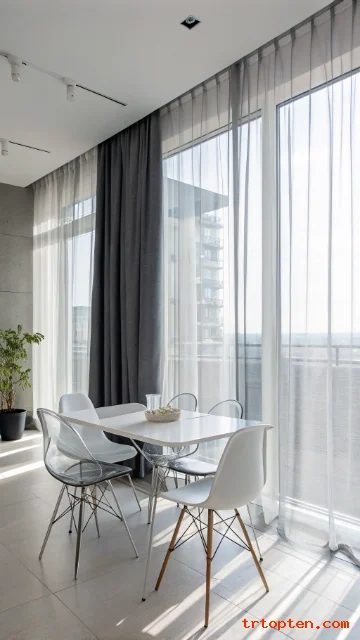
A cable rail curtain system uses thin steel cables instead of a rod. The cables run horizontally across your window opening. Curtain clips slide smoothly along the cables.
This ultra-modern system works best with lightweight sheer fabrics. The cables are almost invisible from a distance. Your curtains will look like they are floating in mid-air.
Mount the cable anchors into studs on both sides of the window. Tension the cables so they stay straight but not too tight. Use fabric panels with sewn-in grommets for the clips.
Plaid Wool Blanket Curtains

Plaid wool blanket curtains bring cozy cabin vibes to your dining room. The thick wool traps heat and blocks light completely. These curtains are great for cold climates and winter dinners.
Use actual wool blankets from a camping store or thrift shop. Clip them to rings using sturdy brass clips. The blankets should be wide enough to cover your window with some overlap.
Choose a classic red and black plaid for a traditional lodge look. The heavy fabric will pull on your rod, so use heavy-duty hardware. Dry clean the blankets to prevent shrinking.
Perforated Metal Shades
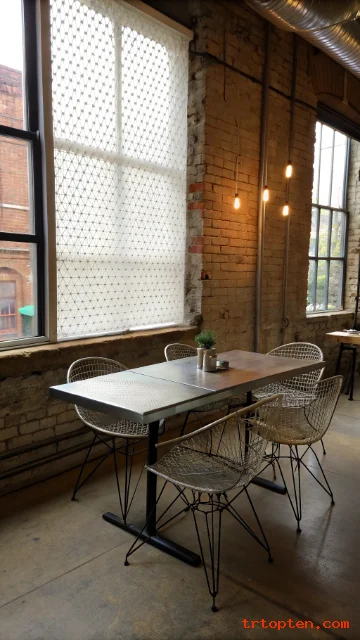
Perforated metal shades have tiny holes punched in a sheet of aluminum. They roll up like standard shades but look industrial and modern. The holes create a dotted light pattern on your walls.
You can order these shades in custom widths for any window. The metal reflects heat, keeping your dining room cooler in summer. Choose a white or brushed aluminum finish for best light reflection.
The shade mechanism is the same as standard roller shades. The metal is lightweight enough for easy lifting. Wipe them with a damp cloth to remove dust from the holes.
Floor-to-Ceiling Muslin Drapes
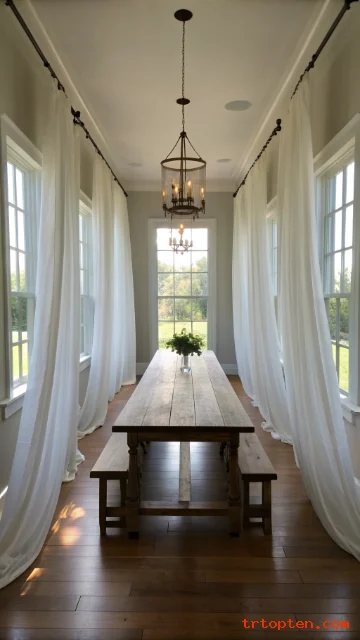
Floor-to-ceiling muslin drapes make your dining room feel taller and grander. The unbleached cotton fabric has a natural, relaxed look. Muslin is very affordable at about two dollars per yard.
Hang the rod just below the ceiling, not above the window. The drapes should pool on the floor for a casual elegance. Muslin wrinkles intentionally, adding to the soft texture.
You can dye muslin drapes any color using fabric dye. The thin fabric washes easily in a machine. Iron them while damp if you want a smoother look.
Beaded Curtain Strands
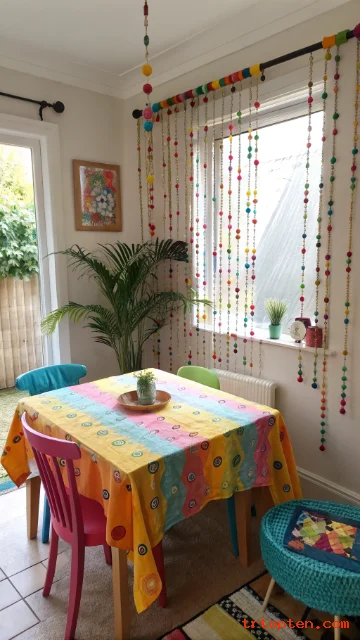
Beaded curtain strands hang vertically across your dining room window. Wooden or plastic beads strung on threads create a shimmering effect. You can push the strands aside like a regular curtain.
The beads clink softly when touched, adding a sensory element. This treatment works best for windows that don’t need full privacy. The gaps between strands let you see outside clearly.
Buy ready-made beaded curtains in 72-inch lengths. String them on a tension rod for easy installation. Dust the beads with a feather duster once a week.
Tassel Trimmed Valance

A tassel trimmed valance adds a touch of formal elegance to your dining room. The valance itself can be a simple solid color fabric. The tassels hang from the bottom edge in a neat row.
Choose a valance in a deep color like navy or burgundy. The tassels should match or contrast with the fabric color. Sew the tassels onto a purchased valance or make your own.
Mount the valance high enough that tassels don’t touch the windowsill. The total drop should be about one-sixth of the window height. Dry clean valances with tassels to preserve the trim.
Reversible Quilted Curtains
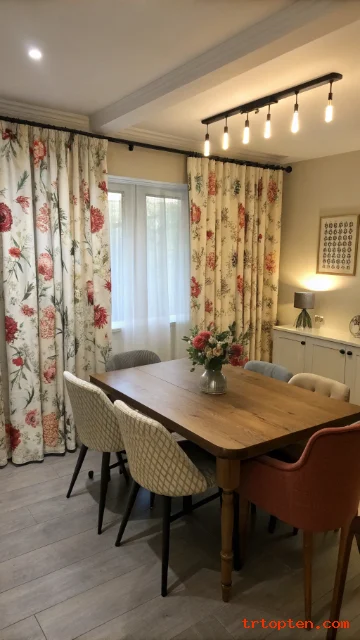
Reversible quilted curtains give you two looks in one window treatment. One side might be a floral print while the other is a solid color. The quilted fabric adds insulation and sound absorption.
You can flip the curtains by simply unclipping them from the rings. This feature lets you change your dining room’s mood without buying new curtains. The quilting also hangs nicely without ironing.
Look for reversible curtains online or at home goods stores. The fabric should be medium weight, not too heavy. Machine wash them on a gentle cycle to keep the quilting intact.
Pencil Pleat Sheers with Ribbon
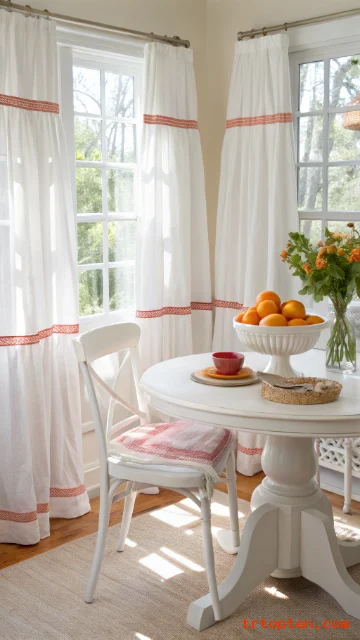
Pencil pleat sheers have tight, narrow pleats sewn at the top. The pleats gather the fabric into a neat, uniform header. Running a ribbon through the pleats adds a pop of color.
Choose a sheer fabric in white or ivory for maximum light. The ribbon can be a bright color like coral or teal. Weave the ribbon through the first row of pleats only.
Tie the ribbon ends into a small bow at the curtain edge. This detail draws the eye upward and adds whimsy. The ribbon can be changed seasonally for a fresh look.
Shibori Dye Drop Cloths
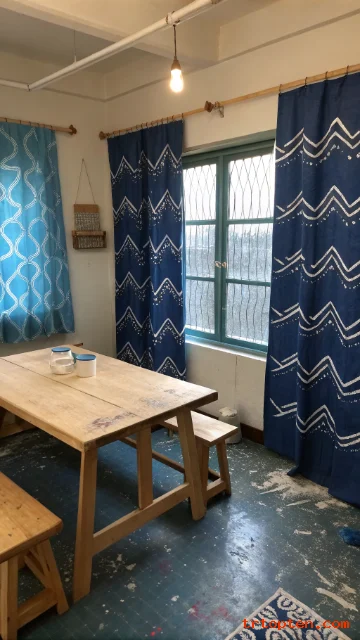
Shibori dye drop cloths turn cheap painter’s tarps into art. The Japanese folding and binding technique creates unique blue patterns. These curtains are one-of-a-kind and cost very little to make.
Buy cotton drop cloths from a hardware store for about ten dollars. Fold and bind them with rubber bands before dipping in indigo dye. Unfold to reveal your random Shibori pattern.
Hang the dried drop cloths on clip rings. The thick cotton blocks most light completely. Each curtain will be different, adding character to your dining room.
Solar Screen Shades
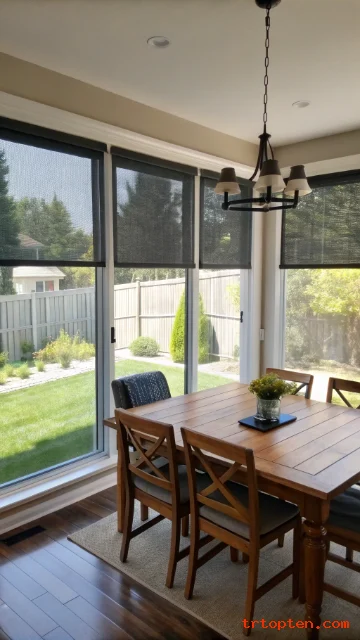
Solar screen shades are made of mesh fabric that blocks UV rays. You can still see outside clearly through the tiny holes. These shades keep your dining room furniture from fading.
The mesh reduces heat gain by up to 80 percent in summer. You can leave them down all day without losing your view. They also provide daytime privacy since outsiders cannot see in.
Install the shade tight within the window frame for best results. Choose a charcoal or bronze color for the clearest outward view. Use the standard cordless lift for easy operation.
What are the most popular dining room window treatment ideas right now?
Natural woven shades, Roman shades in linen, and floor-length drapes top the current trends. People prefer light-filtering fabrics that maintain brightness while adding texture. White sheers paired with bamboo blinds are also very common.
How do I choose window treatments for a small dining room?
Stick to light colors and simple styles that don’t overwhelm the space. Sheer curtains or cafe curtains work better than heavy drapes. Mount the treatment inside the window frame to save wall space.
Can I mix different window treatment styles in one dining room?
Yes, you can layer sheers with drapes or combine blinds with a valance. Keep the color palette consistent across all windows. Use the same hardware finish for a unified look.
What window treatments work best for a dining room with sliding glass doors?
Panel track blinds or vertical blinds are the most practical options. Sliding barn door shutters also work well for wide openings. Make sure the treatment stacks completely clear of the door handle.
How do I clean different types of dining room window treatments?
Vacuum shades and blinds weekly using a brush attachment. Wash most curtains on a gentle cycle unless labeled dry clean only. Wipe roller shades with a damp microfiber cloth only.
Are blackout curtains a good idea for a dining room?
Blackout curtains are useful only if your dining room gets intense afternoon sun. They are also good for dining rooms that double as home theaters. For regular family dinners, light-filtering shades work better.
What is the best window treatment for a bay window in a dining room?
Install individual Roman shades or cellular shades inside each bay window section. Then add a single continuous curtain rod across all three sections for drapes. This combination handles odd angles and looks cohesive.
How much should I expect to spend on dining room window treatments?
Budget about $30 to $100 per window for basic blinds or curtains. Custom shades and designer drapes can cost $200 to $500 per window. DIY treatments using drop cloths or fabric can cost under $20 per window.
Can I install window treatments myself or need a professional?
Most curtain rods, blinds, and shades come with easy DIY installation guides. Only motorized or custom track systems typically need a professional. A basic drill and level are all you need for most projects.
Conclusion
These 27 dining room window treatment ideas give you plenty of options for any style or budget. You can choose simple sheers, cozy drapes, or smart shades to control light and privacy. Remember that the right window treatment makes your dining room feel complete and welcoming.