
A good fence boosts curb appeal and defines your property line. Many homeowners think fencing costs too much money. This post shares 30 cheap front yard fence ideas that look great and fit any budget.
Repurposed Wood Pallet Fence
Wood pallets are often free from local stores or warehouses. You simply take them apart and arrange the boards in a neat pattern. A coat of outdoor wood stain makes them look intentional and stylish.
Pallets give a rustic, farmhouse feel to any front yard. You can leave them natural for a weathered look or paint them white. This project costs almost nothing except for nails and your time.
The fence height is easy to adjust by stacking pallets vertically. Secure each pallet to wooden stakes hammered into the ground. Your neighbors will never guess you built this fence from shipping materials.
Split Rail Fence with Chicken Wire
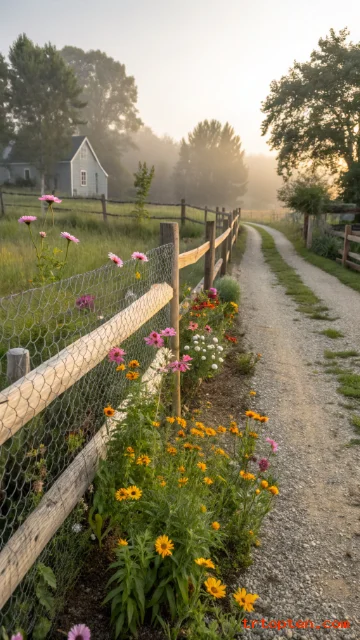
Split rail fences use rough-hewn wood logs that cost very little. The rails slide into pre-made holes in wooden posts. This open design keeps a friendly, welcoming feel for your front yard.
Adding chicken wire to the back of the split rails creates a pet barrier. The wire costs about twenty dollars for a large roll. Staple the wire tightly to each rail using a heavy-duty staple gun.
This fence works perfectly for cottage gardens or rural-style homes. The wire prevents rabbits from eating your flowers. Your dog will stay safely in the yard without blocking your view of the street.
Painted Concrete Blocks and Wood Posts
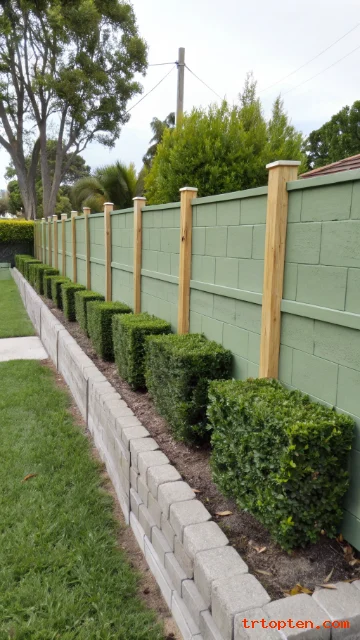
Concrete blocks cost under two dollars each at hardware stores. You stack them in a repeating pillar pattern every six feet. Wood posts slide into the block holes for a sturdy fence structure.
Paint the blocks in a bright color like sage green or navy blue. The wood posts can be simple untreated furring strips. This fence resists rot and wind damage for many years.
Alternate solid block sections with open gaps for visual interest. You can even plant small shrubs between each pillar. The whole project takes a weekend and costs less than one hundred dollars.
Bamboo Rolls Attached to Metal T-Posts
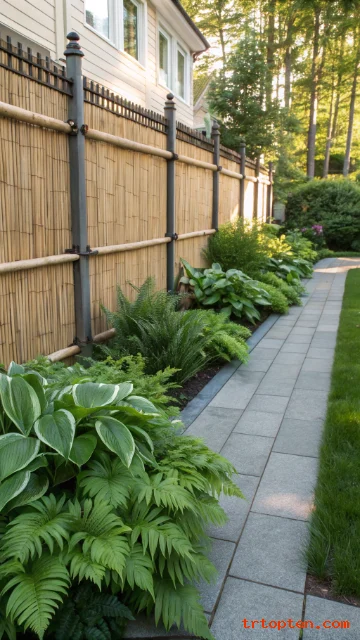
Bamboo fencing rolls sell for about thirty dollars per six-foot section. You unroll the bamboo and attach it to metal T-posts. The posts cost five dollars each and hammer into the ground easily.
Bamboo grows quickly and makes an eco-friendly fence material. The natural yellow-green color complements any landscaping. You can stain bamboo darker to match your house trim.
This fence gives a tropical or Zen garden vibe instantly. The material lasts three to five years in most climates. Replace individual bamboo poles as they age without rebuilding the whole fence.
Corrugated Metal and Wood Frame Sections
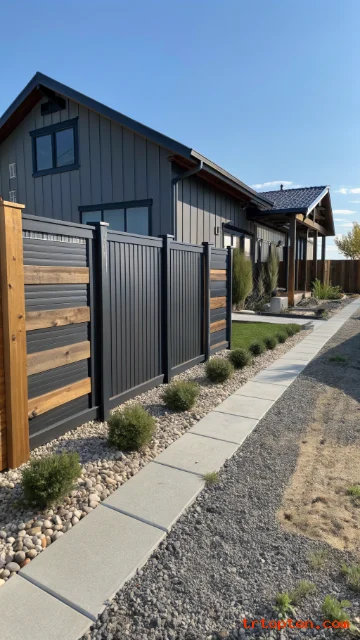
Corrugated metal sheets cost about twenty dollars each at home stores. You build simple wood frames from two-by-fours. Attach the metal to the frames with roofing screws for a modern look.
The metal reflects sunlight and adds an industrial farmhouse feel. Rusted metal looks beautiful if you live in a dry climate. New metal comes in colors like black, copper, or galvanized silver.
Space each panel with a small gap for airflow. The metal never rots or needs painting. This fence stands up to dogs, kids, and bad weather perfectly.
Woven Willow Branches and Stakes
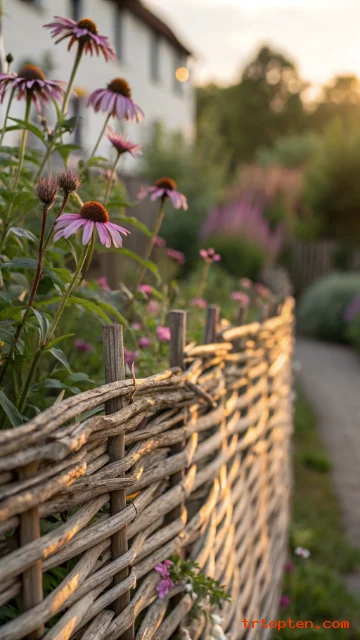
Fresh willow branches are free if you have a neighbor with a willow tree. You cut long, flexible branches in early spring. Weave them horizontally between vertical wooden stakes driven into the ground.
This living fence changes color with each season. Green branches turn brown and then silver as they dry. The weaving pattern creates a beautiful, textured surface.
Willow fences last two to three years before needing replacement. You can harvest new branches each spring for free. The natural look fits perfectly with native plant gardens.
White Picket Fence Sections from Big Box Stores
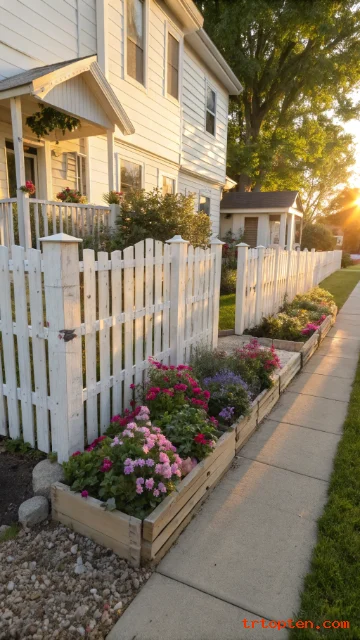
Pre-made vinyl picket fence sections cost about forty dollars each. You buy just three or four sections for a small front yard. Each section snaps together without special tools.
White picket fences symbolize the classic American dream home. The vinyl material never needs painting or sealing. A quick hose-down keeps it looking new for decades.
Install the sections only along your front walkway. A short fence makes a big statement without covering your whole yard. This approach saves money while delivering that iconic look.
Logs Cut into Rounds and Stacked
Free firewood logs become a unique fence when cut into two-inch rounds. You slice logs using a chainsaw or handsaw. Stack the rounds like bricks using exterior wood glue.
This fence looks like something from a fairy tale forest. Each round shows beautiful tree rings and natural bark. Seal the whole fence with clear polyurethane for weather protection.
The rounds weigh almost nothing compared to whole logs. You can build curved or straight fence lines easily. This project costs nothing if you already own a saw.
Vinyl Lattice Panels on Wood Frames
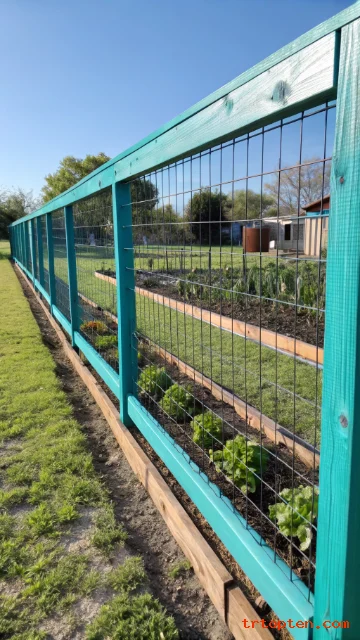
Vinyl lattice panels cost about twenty-five dollars each. You build simple two-by-four frames to hold the panels. The lattice pattern lets light and air pass through freely.
White lattice creates a clean, crisp boundary for your yard. You can grow climbing roses or morning glories up the lattice. The vines turn the fence into a living green wall.
The vinyl material resists rot, insects, and fading. Installation takes one afternoon with a drill and level. This fence looks expensive but costs under one hundred dollars total.
Gabion Baskets Filled with Free Rocks
Gabion baskets are wire cages that cost about fifteen dollars each. You fill them with stones you collect from your property. Stack the cages two high for a solid fence wall.
Ask neighbors for leftover rocks from their landscaping projects. Construction sites often give away broken concrete chunks for free. The wire mesh holds everything securely in place.
This fence provides excellent sound insulation and privacy. Rain water drains right through the rocks. The industrial look suits modern or desert-style homes perfectly.
Upcycled Glass Bottles Set in Concrete
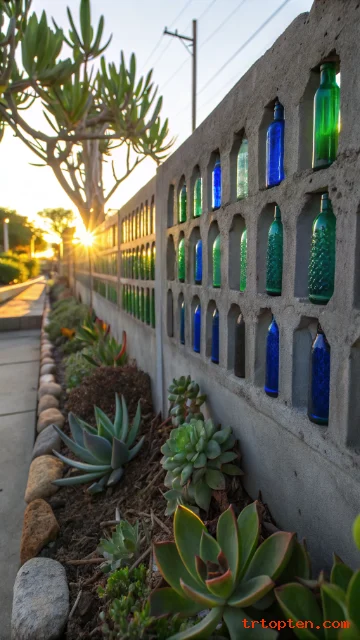
Glass bottles of any color create a sparkly fence when set in concrete. You dig a narrow trench and pour wet concrete. Push bottles neck-first into the concrete before it hardens.
Collect bottles from friends, restaurants, or recycling centers. Green, brown, and blue bottles look best in sunlight. Space the bottles about two inches apart for a sturdy wall.
The sun shines through the bottle bottoms like stained glass. This fence costs almost nothing except for one bag of concrete. Your yard will become a local landmark with this creative idea.
Cedar Picket Offcuts from Lumber Yards
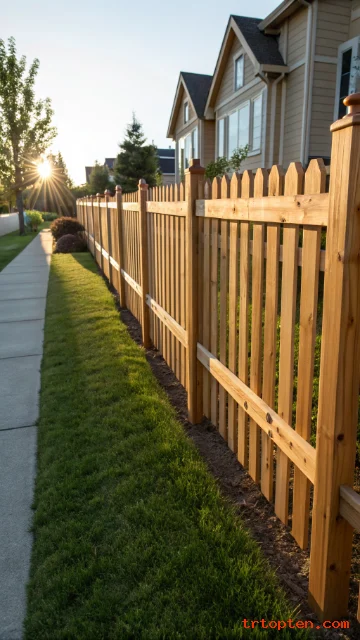
Lumber yards sell offcut cedar pickets for half price. These pieces are slightly imperfect or the wrong length. You can still build a beautiful fence with a little creativity.
Stagger the pickets at different heights for a modern look. Cedar resists rot and insects naturally without chemical treatments. The wood smells amazing when you cut or drill it.
Arrange pickets in a herringbone or chevron pattern. This fence costs about fifty cents per linear foot. The warm reddish-brown color ages to a soft silver gray over time.
Hog Panels with Painted Wood Trim
Hog panels are heavy-duty wire grids used for farm animals. A sixteen-foot panel costs about twenty-five dollars. You attach two panels to metal posts for an instant fence.
Paint the wood trim a bright color to match your house. The wire grid lets you see through to your garden. Small animals cannot squeeze through the four-inch squares.
Hang potted plants or wind chimes directly on the panels. The powder-coated finish resists rust for many years. This fence looks industrial but charming at the same time.
Teepee Branch Fence from Fallen Tree Limbs
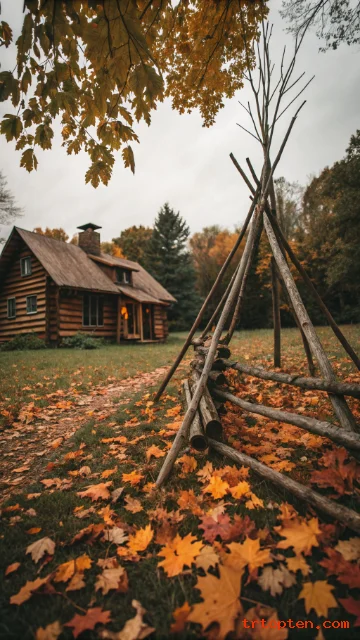
Fallen tree limbs become a free fence when lashed together. You gather straight branches about two inches thick. Tie them into teepee shapes spaced three feet apart.
Connect each teepee with horizontal branches for stability. This fence looks like a pioneer homestead from history books. The natural browns and grays blend into any landscape.
No tools are required beyond a handsaw and some twine. The branches decompose after two years and enrich your soil. You simply collect new branches each season for a fresh look.
Chain Link Fence with Privacy Slats
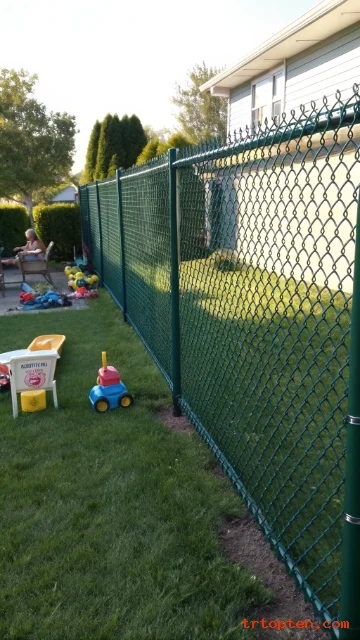
Used chain link fence panels are often free on Craigslist. You install the panels on metal poles already in the ground. Then weave vinyl privacy slats through the diamond pattern.
The slats cost about twenty dollars for a hundred-pack. They block the view of your yard from the street. Choose green, brown, or black slats to match your house.
This fence combines security with low cost. The slats never rot or fade in sunlight. You can remove them later if you want an open view again.
Rebar Stakes and Paracord Webbing
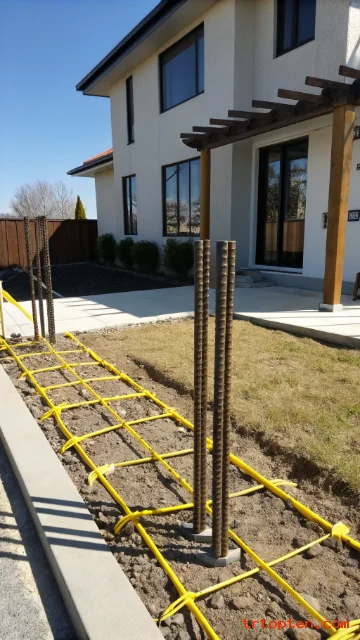
Rebar stakes cost about two dollars each at any hardware store. You drive them into the ground every four feet. Then weave bright paracord between the stakes in a zigzag pattern.
This fence costs less than thirty dollars for a large yard. The paracord comes in every color imaginable. Choose neon orange or deep purple for a fun pop of color.
The fence is completely see-through but marks your boundary clearly. Dogs cannot push through the tight cord webbing. This temporary fence can be removed in ten minutes for parties or yard work.
Scrap Wood Shadow Box Fence
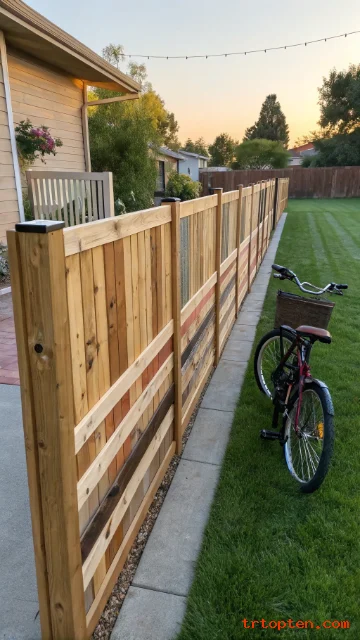
Scrap wood from construction sites is usually free for the taking. You cut the wood into random lengths and widths. Nail them horizontally across two rails to form a shadow box pattern.
The gaps between boards create shifting shadows throughout the day. This fence looks artistic and one-of-a-kind. No two sections will ever look exactly the same.
Ask local builders for their cut-off piles before dump day. You can paint the scrap wood one uniform color. Or leave each piece a different shade for a patchwork quilt effect.
Treated Pine Landscape Timbers
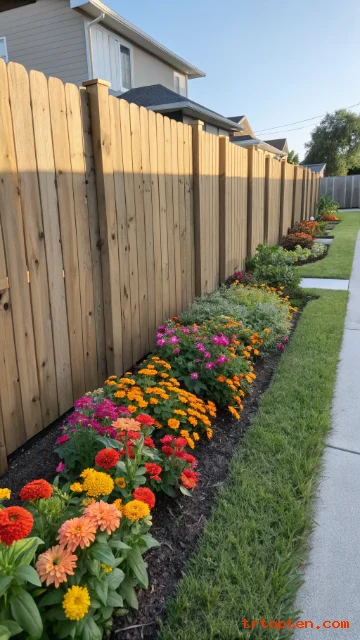
Landscape timbers cost about four dollars for an eight-foot length. You stack them like log cabin walls to build a fence. Drill holes through each timber and insert rebar to hold them steady.
This fence looks like a rustic mountain retreat. The treated pine resists rot and termites for up to ten years. You can add a coat of stain every few years to refresh the color.
Build the fence only two feet tall to save money. A short timber fence defines your flower beds beautifully. The dark brown color contrasts nicely with green grass.
Vintage Doors on Hinges
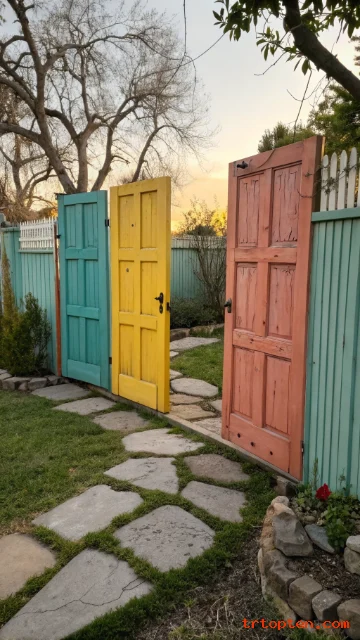
Old solid wood doors from salvage yards cost five to ten dollars each. You hinge each door to a wooden post set in concrete. The doors swing open for driveway access or close for privacy.
Paint each door a different bright color for a whimsical look. The mismatched handles and panels add character and charm. This fence becomes a conversation piece for every visitor.
You need only three or four doors for a small front yard. The thick wood blocks noise from the street effectively. Vintage doors weigh more than modern ones but last forever.
Live Hedge of Forsythia or Lilac
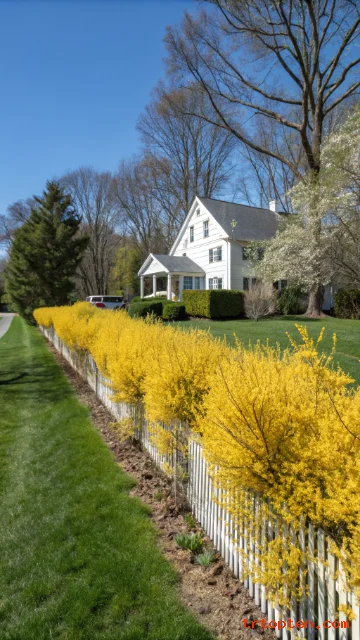
Forsythia and lilac shrubs cost about fifteen dollars each. You plant them two feet apart in a straight line. Within two years, they grow into a solid living fence.
This fence blooms with yellow or purple flowers each spring. The dense branches keep pets and kids safely in your yard. Birds build nests in the shrubs and sing all summer.
Prune the hedge once per year in late winter. The shrubs never need painting or repairing. A living fence increases your property value more than a wooden one.
Cardboard Concrete Forms Cut in Half
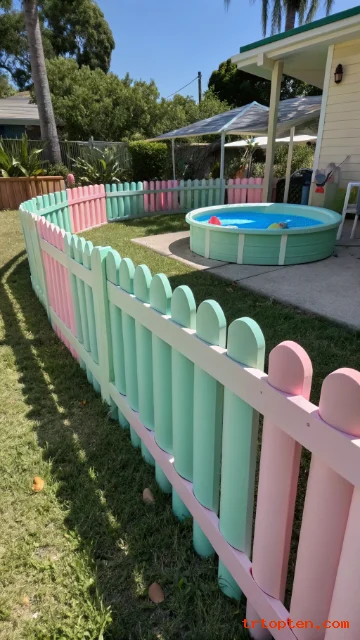
Cardboard concrete form tubes cost about eight dollars each. You cut them lengthwise into two half-cylinders. Paint the cardboard with exterior house paint for weather protection.
Stand the half-tubes upright and push them into the soil. Arrange them in a wavy line or a straight row. The cardboard lasts one year before composting into the ground.
This fence is perfect for renters who cannot install permanent structures. You can spray-paint fun patterns like polka dots or stripes. The rounded shapes look softer than flat picket fences.
Wire Mesh Roll with Flowering Vines
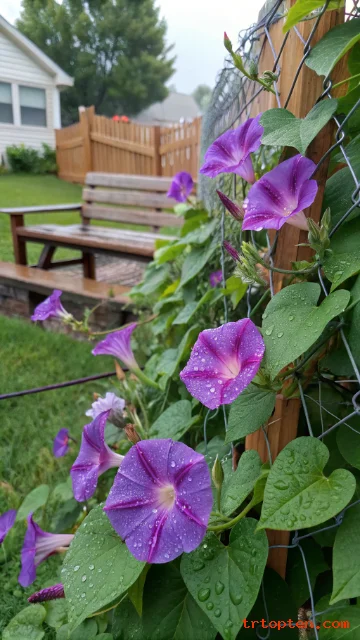
A fifty-foot roll of wire mesh costs about twenty dollars. You attach the mesh to simple wooden stakes. The holes are two inches square, perfect for vine tendrils to grab.
Plant morning glories, sweet peas, or black-eyed Susans at the base. The vines cover the mesh completely by midsummer. You get a solid green wall that smells amazing.
The mesh alone costs very little and stores flat when not needed. This fence disappears in winter and comes back every summer. Your front yard will look like a secret garden.
Painted Tire Stacks
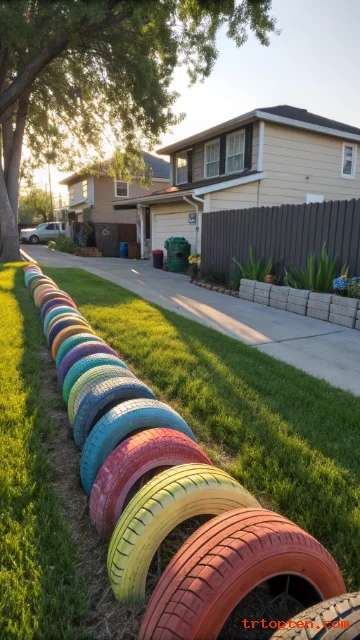
Old tires are free from any tire shop that pays disposal fees. You stack three tires on top of each other. Paint the stack in bright colors using exterior spray paint.
Tires never rot, crack, or blow over in high winds. The rubber material stays flexible in freezing temperatures. Drill small drainage holes so water does not collect inside.
Space each stack three feet apart for a playful fence. Connect the stacks with painted rope or chains. This idea reuses waste materials that would otherwise go to a landfill.
Reed Fencing Rolls on Wire
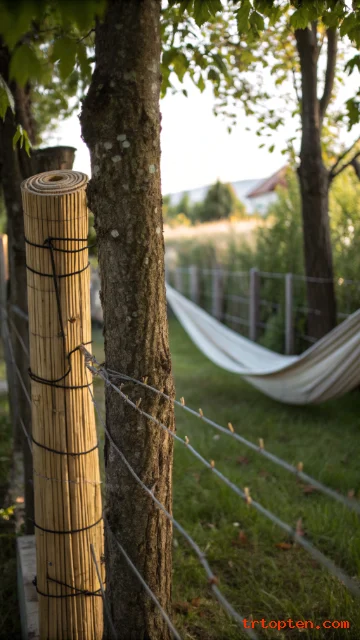
Reed fencing rolls sell for twenty dollars at garden centers. You unroll the reed mat and attach it to a wire tension line. The reeds are bundled together with thin wire every few inches.
This fence provides instant privacy for your patio area. The natural golden-brown color matches any garden style. Reeds dry out completely and resist mold in most climates.
Install the fence in one hour with just a pair of scissors. The reeds last two summers before becoming brittle. Replace just the top section if the bottom stays hidden behind plants.
Broken China Mosaic on Concrete Board
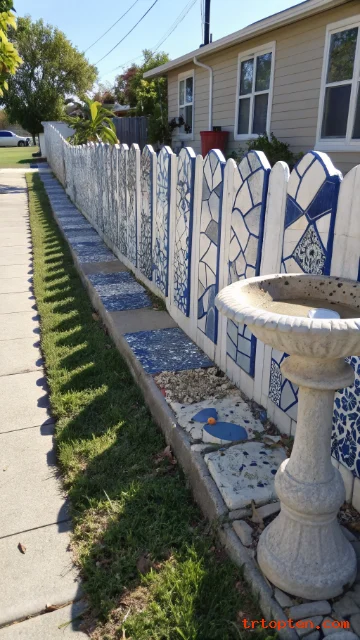
Broken plates and cups are free from thrift store donation bins. You smash the china with a hammer inside a cloth bag. Glue the pieces onto concrete backer board in a mosaic pattern.
Set the boards into metal channels anchored in the ground. The colorful china catches sunlight and sparkles all day. This fence turns trash into treasure beautifully.
Seal the mosaic with clear epoxy for weather protection. Each board weighs about twenty pounds, so it stays put in wind. Your front yard becomes a work of art for under fifty dollars.
Electric Fence Ribbon and Step-In Posts
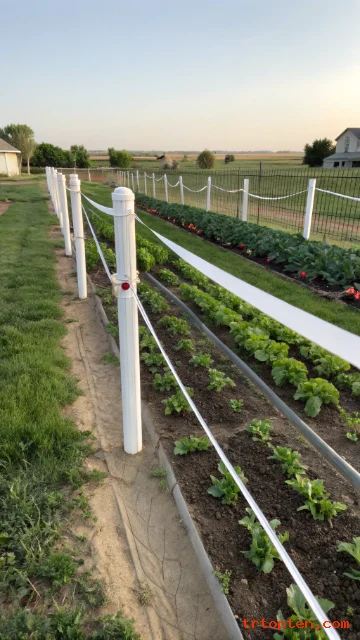
Electric fence ribbon costs fifteen cents per foot. You buy step-in plastic posts for two dollars each. The bright white ribbon creates a visible boundary without blocking views.
This fence uses no electricity unless you have livestock. The ribbon simply marks your property line visually. It sways in the wind but never breaks or tangles.
Install the whole fence in thirty minutes by hand. The posts push into soft soil easily with your foot. This is the cheapest front yard fence idea on this entire list.
Snow Fence with Colored Zip Ties
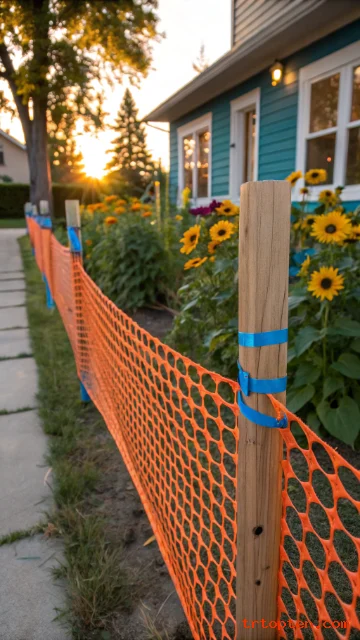
Orange snow fence rolls cost fifteen dollars for fifty feet. You attach the fence to wooden stakes with colored zip ties. The open slats let wind pass through without bending or breaking.
Snow fence is actually great for all seasons, not just winter. The plastic material never rots or needs maintenance. Bright zip ties in pink, blue, or yellow add a fun design element.
This fence goes up and comes down in ten minutes flat. You can move it whenever you change your garden layout. The low height keeps your front yard feeling open and friendly.
Wooden Shipping Pallets Cut into Shapes
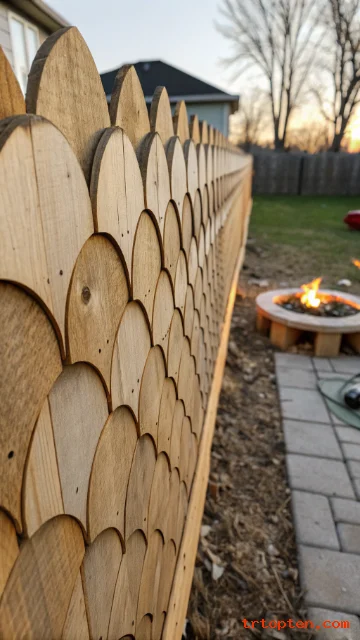
Wooden pallets break down into individual slats easily with a crowbar. You cut the slats into pointed or scalloped shapes with a jigsaw. Arrange them in overlapping patterns like fish scales.
This fence looks handcrafted and expensive but costs nothing. The weathered gray wood matches modern farmhouse decor perfectly. Add a coat of linseed oil to protect the wood from rain.
Nail the shaped slats onto two horizontal rails. Each slat takes only two nails, so assembly goes quickly. Your neighbors will ask where you bought such a unique fence.
Cinder Blocks with Flower Inserts
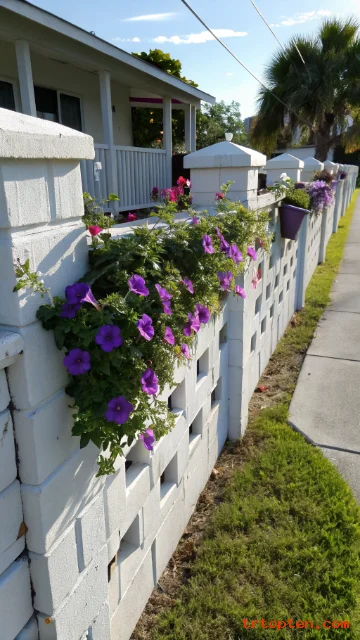
Cinder blocks cost about one dollar and fifty cents each. You stack them in a running bond pattern like a brick wall. The holes in the blocks become perfect planters for small flowers.
Fill each hole with potting soil and trailing petunias or sedum. The flowers spill over the edges and hide the gray concrete. Paint the blocks white or terracotta before planting.
This fence doubles as a vertical garden for your front yard. Water the blocks once per week to keep flowers blooming. The concrete never rots or needs replacing.
Fresh Cut Sapling Wattle Fence
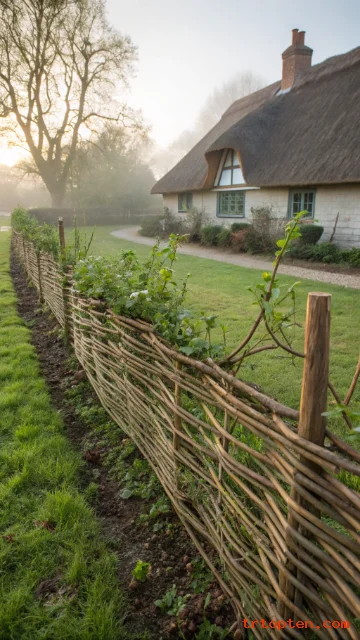
Thin saplings from overgrown woods are completely free. You cut long, flexible whips about one inch thick. Weave them vertically between horizontal rails driven into the ground.
Wattle fencing has been used for thousands of years around the world. The tight weave stops chickens and rabbits from escaping. Fresh saplings bend easily without breaking.
This fence looks like it belongs in a storybook cottage garden. Let the saplings dry in place for a permanent structure. The bark peels off over time, leaving smooth silver wood beneath.
What is the absolute cheapest material for a front yard fence?
The cheapest material is free scavenged wood pallets or fallen branches. You can also use recycled wire mesh or electric fence ribbon. These options cost zero dollars if you source them creatively.
How tall should a front yard fence be?
Most front yard fences look best at two to three feet tall. Short fences keep a friendly, open feeling for your home. Check local codes because some areas limit front fence height to four feet.
Do I need a permit for these cheap fence ideas?
Many cities require permits for fences over three feet tall. Call your local building department before you start digging. Temporary fences under two feet usually need no permit at all.
How do I keep my cheap fence from rotting?
Use pressure-treated wood or naturally rot-resistant cedar. Apply a water sealant or exterior paint to any raw wood. Keep soil and mulch away from the wood base for better airflow.
Can I build these fences as a beginner with no tools?
Yes, many ideas need only a hammer, nails, and a handsaw. The pallet fence and chicken wire fence require almost no skill. Start with the electric ribbon fence for the easiest possible project.
What fence keeps dogs in but looks nice?
The chicken wire on split rails works great for most dogs. Gabion baskets also stop dogs completely while looking modern. Avoid wide picket gaps because small dogs squeeze right through.
How long do cheap fences last?
Wood fences last five to seven years with good maintenance. Metal and vinyl fences last fifteen years or longer. Living hedges last forever with yearly pruning.
Can I paint or stain any of these cheap fence materials?
You can paint wood, concrete, metal, and even bamboo. Vinyl picks up paint but needs special primer first. Avoid painting wire mesh because the paint flakes off quickly.
What is the best cheap fence for a windy area?
The split rail fence with chicken wire lets wind pass through safely. Snow fence and hog panels also handle high winds well. Solid fences like concrete blocks may blow over in strong gusts.
Conclusion
Building a beautiful front yard fence does not require a huge budget or special skills. These 30 cheap front yard fence ideas prove that recycled materials and simple designs create amazing results.